Our verdict
The Port House Pintxo on Eustace Street brings the Basque bar tradition to Temple Bar, where small plates and steady pours define the rhythm. In a Dublin dining scene increasingly shaped by tasting menus and formal progressions, the pintxos format holds its own logic: order freely, eat in rounds, linger without ceremony. It fits squarely between the city's casual wine bars and its more structured modern-Irish rooms.

Pearl is the En Primeur Club membership app — saves, bookings, and concierge access live there. Same editors, same standards.
- Address
- 12 Eustace St, Temple Bar, Dublin 2, D02 VY27, Ireland
- Phone
- +35316728590
- Hours
- Daily 12–11:30 PM
- Website
- porthouse.ie
- Directions
- Get directions
- Booking
- Book on the venue's website
The menu
What to order
- Patatas Bravas
- Gambas al Ajillo
- Pulpo a la Gallega
- Chorizo al Vino
- Croquetas de Jamón
- Tortilla Española
- Calamari
The Basque Counter in Temple Bar
Eustace Street in Temple Bar sits at an interesting cultural crossroads for Dublin dining. The neighbourhood carries a reputation for tourist-facing venues and late-night volume, but the street itself has long harboured a quieter tier of independent operators. The Port House Pintxo occupies that space physically and conceptually: a pintxos bar drawing on Basque tradition, positioned inside one of the city's most visited districts but operating according to a format that rewards patience and repetition over efficiency.
The pintxos model is worth understanding before you arrive, because it shapes everything about how an evening unfolds here. In the Basque Country, particularly in San Sebastián, a bar counter loaded with small plates on bread rounds is a social infrastructure as much as a dining format. You move between bars, you graze, you drink txakoli or house wine, and the bill accumulates slowly through small decisions rather than a single commitment to a fixed menu. Dublin has absorbed versions of this ritual at varying degrees of fidelity, and The Port House Pintxo represents one of the city's most direct engagements with the form.
How the Ritual Works
The dining rhythm here diverges from what most Dublin visitors will encounter at the city's more structured rooms. At Chapter One by Mickael Viljanen or Glovers Alley, the meal is a directed sequence: courses arrive on a schedule, and the kitchen controls the pace. At a pintxos counter, that logic inverts. The diner drives the order and frequency, assembling the meal in rounds rather than receiving it in acts.
This distinction matters for how you should approach the evening. Ordering a single plate and waiting is a misreading of the format. The point is accumulation and variety: a few pieces at a time, with drinks between, building toward satiation through a series of small judgements rather than one large one. For Dubliners accustomed to formal progression or, at the other end, pub food eaten in a single sitting, this requires a small recalibration. But once the rhythm settles, it has an ease that more structured formats cannot replicate.
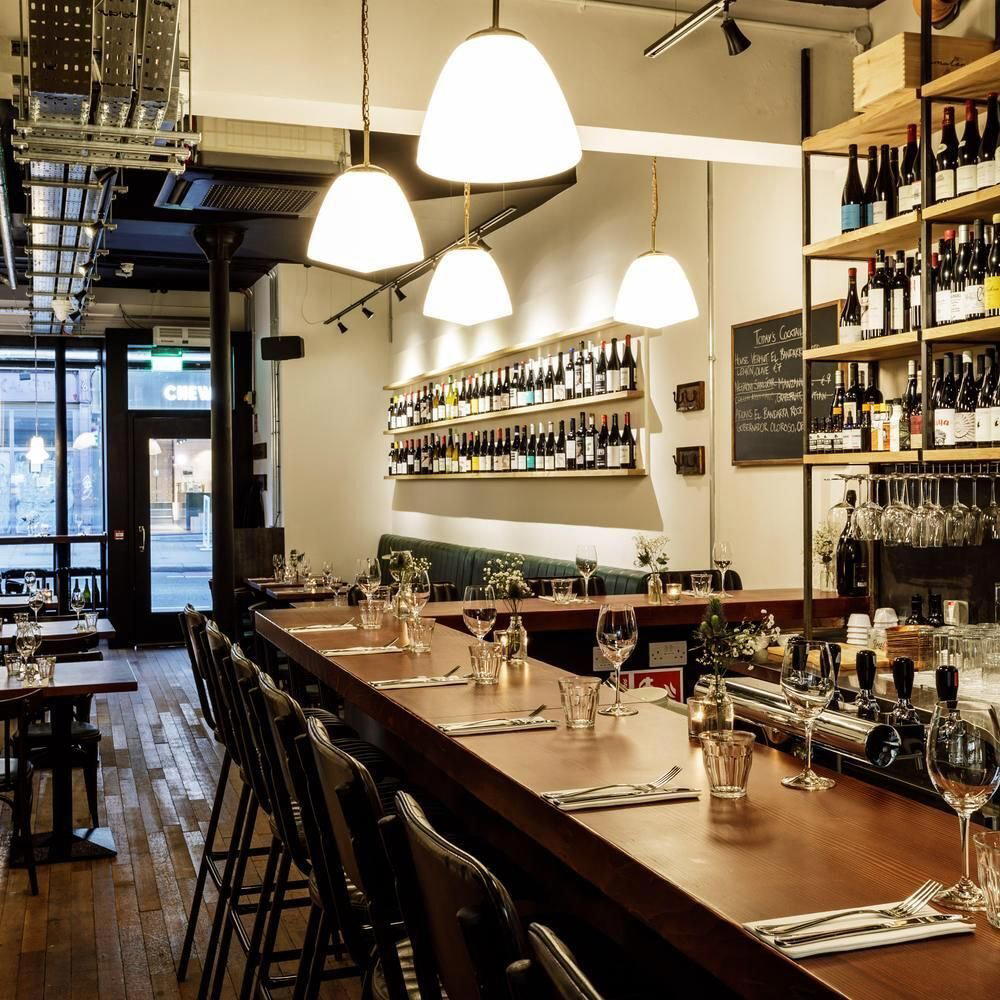
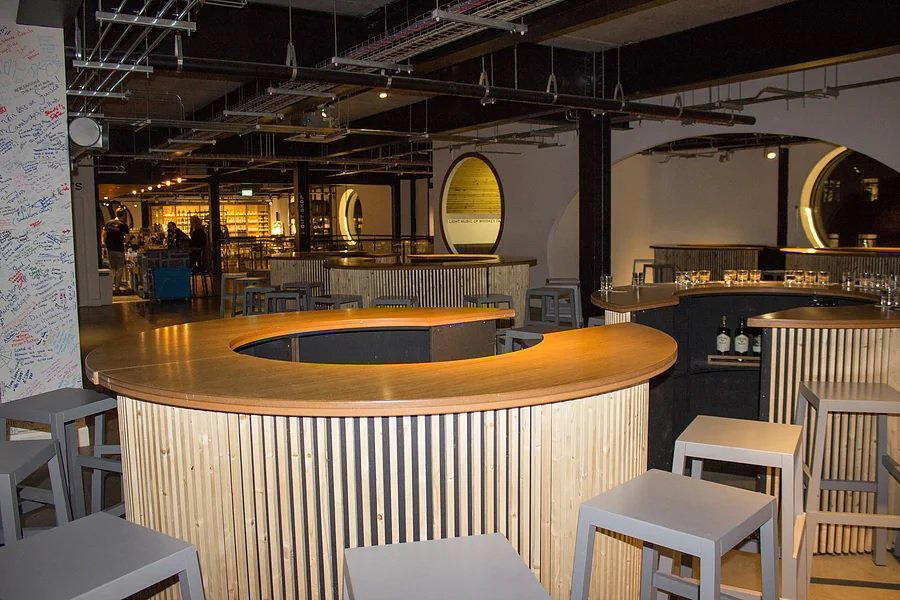
The Basque tradition also places particular emphasis on the bar counter as social space. Sitting at a table and treating pintxos as tapas is technically possible, but it misses something. The counter arrangement, the proximity to what is being prepared, and the slight informality of standing or perching are part of the format's character. Venues that replicate this in Dublin successfully create a specific kind of convivial pressure that encourages ordering another round rather than calling for the bill.
Where It Sits in Dublin's Dining Map
Dublin's restaurant scene has consolidated significantly around two poles over the past decade. At one end, there are the formally structured, tasting-menu-led rooms: Patrick Guilbaud and Bastible represent this tier at different price points, and the city's Michelin-starred cohort has grown alongside Ireland's broader critical recognition, seen also in regional venues like Aniar in Galway, Liath in Blackrock, and Campagne in Kilkenny. At the other end, casual neighbourhood spots and pub kitchens continue to define how most residents eat most evenings.
The pintxos format occupies a middle ground that Dublin has historically underserved. It is social in the way pub dining is social, but it carries more culinary ambition than most pub kitchens. It is informal in pacing, but requires more active engagement than a tasting menu. For visitors arriving from cities with deep Basque bar cultures, or those who have eaten at Basque-influenced counters elsewhere in Europe, The Port House Pintxo will feel immediately legible. For those newer to the format, the learning curve is short and the reward proportionate.
Compared to D'Olier Street, which occupies a more formal modern-cuisine register, or the tightly controlled seasonal menus at dede in Baltimore, The Port House Pintxo operates with less culinary architecture and more immediate accessibility. This is not a criticism. The format demands a different kind of kitchen discipline: consistency across many small items, high throughput, and the ability to maintain quality at a counter that needs to look and perform well across a full evening service.
Temple Bar and the Question of Context
Temple Bar's dining reputation is complicated. The area generates significant footfall, and many of its venues optimise for volume and visitor turnover rather than repeat custom. The Port House Pintxo's format runs counter to that logic. A pintxos bar depends on guests who return, who build familiarity with the counter, and who understand that the experience compounds across visits. In this sense, the venue is asking something of its location: it needs a proportion of its audience to engage with the format properly, even in a neighbourhood where many diners are passing through.
This is a challenge that several quality operators in Temple Bar and its immediate surrounds have managed by building a local regular base alongside tourist traffic. The format helps: once someone understands how a pintxos evening works, the bar for re-engagement is low. There is no booking anxiety, no commitment to a long tasting menu, and no expectation of a particular occasion. You can arrive for two glasses of wine and four pieces, or you can settle in for two hours. That flexibility is a structural advantage in a city where the formal dining calendar fills up weeks ahead at the starred level. For reference, venues at the other end of Dublin's booking spectrum, such as those covered in our full Dublin restaurants guide, often require planning of four to six weeks minimum.
Planning Your Visit
| Venue | Format | Price Tier | Booking Required |
|---|---|---|---|
| The Port House Pintxo | Pintxos counter, walk-in friendly | Mid-range | Low to none for groups of two; advisable for larger parties on weekends |
| Chapter One | Tasting menu, formal | High | Several weeks ahead |
| Glovers Alley | À la carte and tasting, formal | High | One to three weeks ahead |
| Bastible | Tasting menu, relaxed formal | High | Two to four weeks ahead |
Temple Bar is easily reached on foot from most central Dublin hotels, and Eustace Street sits a short walk from the Luas cross-city stops at Jervis or Abbey Street. For visitors building a broader Irish dining itinerary, the format contrasts well against more structured Michelin-level experiences outside the capital, including Terre in Castlemartyr, Bastion in Kinsale, Chestnut in Ballydehob, Homestead Cottage in Doolin, House in Ardmore, and Lady Helen in Thomastown. Internationally, the pintxos format connects to a broader shift in how ambitious eating is being reframed around informality, a tendency visible at venues like Atomix in New York City, where highly disciplined small-plate sequencing operates within a relaxed social frame, and at Le Bernardin, which represents the formal end of the spectrum against which counter dining continues to define itself.
Frequently asked questions
Where exactly is The Port House Pintxo?
The Port House Pintxo is located at 12 Eustace St, Temple Bar, Dublin 2, D02 VY27, Ireland, Dublin.
Is The Port House Pintxo a good option for visitors who want authentic Basque-style eating in Dublin?
The Port House Pintxo on Eustace Street, Dublin 2, is one of the few venues in the city operating around the pintxo counter model that defines northern Spanish bar culture rather than a generalised tapas menu. That format — grazing small plates at or near the counter rather than sitting through a structured service — sets it apart from the majority of Dublin's small-plates rooms. For visitors specifically looking for Basque-style casual eating, the Temple Bar location makes it an accessible first stop in the city.
What do regulars order at The Port House Pintxo?
The Port House Pintxo is built around the Basque pintxo format, meaning the counter itself guides ordering: small, bread-based bites assembled and rotated through the day are the core of what's on offer. Regulars tend to graze across several rounds rather than ordering a fixed set, pairing pintxos with wines by the glass. Given the Temple Bar address on Eustace Street, the room sees a mix of locals who know the format and visitors discovering it for the first time.
How far ahead should I plan for The Port House Pintxo?
The counter-and-bar format at The Port House Pintxo on Eustace Street is better suited to walk-ins than Dublin's tasting-menu rooms, though evening slots on weekends in Temple Bar fill quickly given the area's footfall. Arriving earlier in the evening or on a weekday afternoon gives you the most flexibility. If a specific sitting is important to you, contacting the venue directly before your trip is the practical approach.
A Pricing-First Comparison
Comparable venues nearby, for context on price, style, and recognition.
| Venue | Cuisine | Price | Notes |
|---|---|---|---|
| The Port House PintxoThis venue — the venue you are viewing | Authentic Spanish Basque Tapas & Pintxos | $30–50 | Not listed |
| Yamamori North City | Authentic Japanese Sushi & Izakaya | $30–50 | North City, Authentic Japanese Sushi & Izakaya |
| The Woollen Mills | Modern Irish Gastropub | $20–30 | North City, Modern Irish Gastropub |
| Virtuoso Restaurant | Authentic Italian | $20–30 | North City, Authentic Italian |
| Bartley's at The Grafton | Modern Irish Gastropub | $20–30 | Royal Exchange B, Modern Irish Gastropub |
| Dada | Authentic Moroccan Moorish Cuisine | $30–50 | Royal Exchange B, Authentic Moroccan Moorish Cuisine |