The PA Market
Our verdict
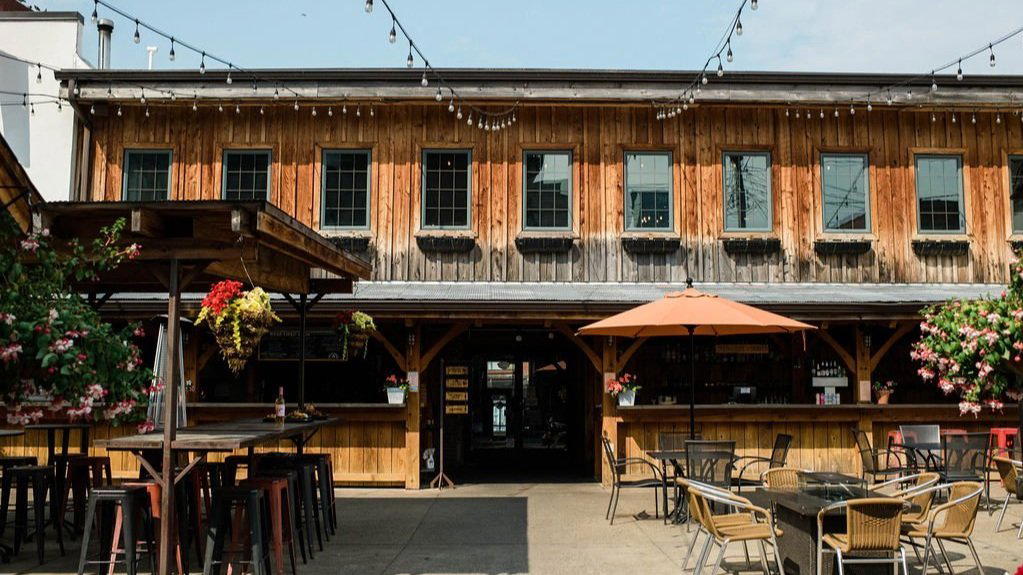
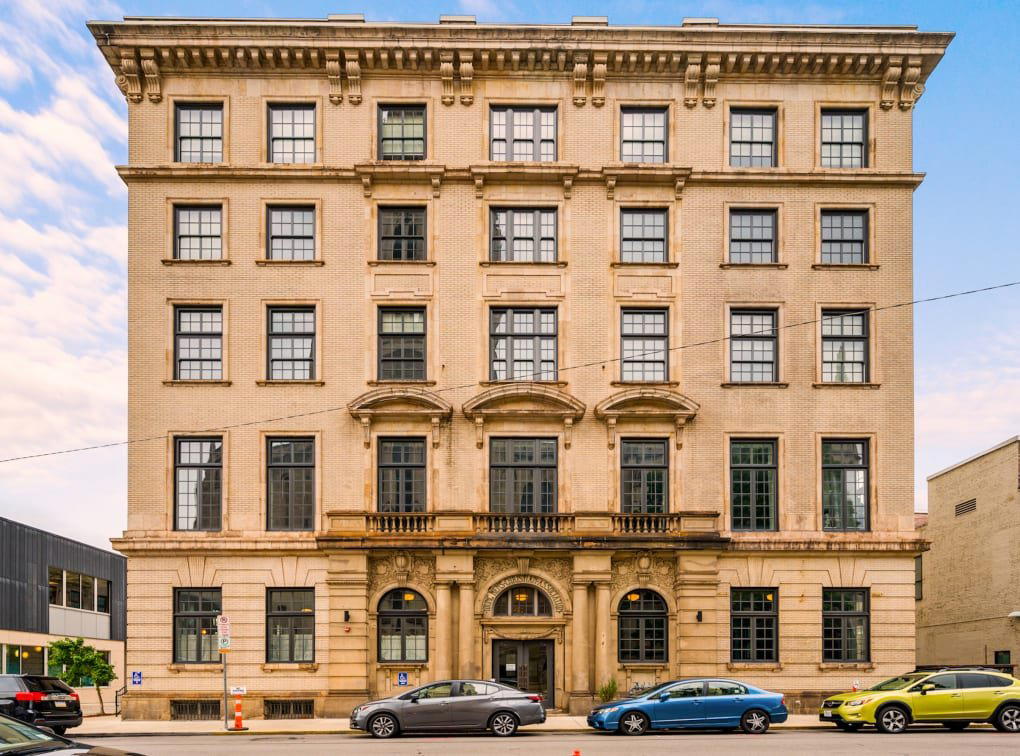
The PA Market occupies a corner of Pittsburgh's Strip District at 108 19th Street, putting it squarely inside one of the country's most concentrated stretches of food retail and wholesale culture. The market format positions it alongside a neighbourhood that has traded in provisions for well over a century, making it a useful entry point for understanding how the Strip functions as both a working market and a dining destination.

Pearl is the En Primeur Club membership app — saves, bookings, and concierge access live there. Same editors, same standards.
- Address
- 108 19th St, Pittsburgh, PA 15222
- Phone
- (412) 904-1332
- Hours
- Mon–Tue ClosedWed–Thu 11 AM–10 PMFri 11 AM–12 AMSat 9 AM–12 AMSun 9 AM–7 PM
- Website
- thepamarket.com
- Directions
- Get directions
- Booking
- Book on OpenTable
The menu
What to order
- Italian Charcuterie board
- Jalapeño dip
- Shrimp tacos
- Chorizo empanadas
The Strip District and the Logic of Market Dining
Pittsburgh's Strip District operates on a different commercial logic from most American urban food corridors. What began as a wholesale produce and meat district in the nineteenth century has stratified over time into a layered scene: early-morning deliveries and fishmongers coexist with sit-down restaurants, specialty importers, and weekend foot traffic that fills 19th and Penn Avenue from dawn until mid-afternoon. The PA Market, at 108 19th Street, sits at the centre of this pattern. Its address places it within walking distance of the produce stalls, Eastern European delis, and specialty grocers that have defined the Strip's character for generations.
That geographical context matters for how you read the market format. In a neighbourhood where provisions have always been the primary business, a market-style food operation isn't a concept imported from somewhere trendier — it's a continuation of the district's dominant tradition. The Strip has always been a place where you buy and eat in the same motion, and venues that operate here inherit that framework whether they intend to or not.
For comparison, Pittsburgh's more formal dining tier — restaurants like Altius with its refined tasting approach, or 1930 by Atria's drawing on decades of Pittsburgh institutional dining, operates in a register that the Strip has never really claimed. The Strip's value has always been in volume, variety, and informality, and the market model fits that register directly.
What a Market Address Means in Practice
Dining in the Strip District involves a different set of decisions than booking a table at Apteka in Polish Hill or working through the cocktail-and-small-plates format at Bakersfield Penn Ave. The Strip rewards spontaneity and punishes it in roughly equal measure: weekend mornings are the neighbourhood's peak hours, when the combination of retail shoppers and brunch-seekers creates genuine congestion along the main corridor. The practical implication is that any market-style venue in this stretch will see significant foot traffic variation across the week, with Saturday mornings operating at a different intensity than weekday afternoons.
The Strip's food retail density also means that the competitive framing for a market venue here isn't primarily other restaurants, it's the broader ecosystem of ready-to-eat options from specialty shops, pierogi vendors, and prepared-food counters that line Penn Avenue. A visitor eating their way through the Strip on a Saturday morning might spend two hours covering less than six blocks, sampling from half a dozen different operations. The PA Market's position on 19th Street places it within that corridor, where the logic of grazing and browsing defines the customer's relationship to the space.
This is a different model from what Pittsburgh's more ambitious restaurant projects pursue. Alfabeto and the more destination-oriented operations in the city's dining scene draw on a reservation culture and a per-cover investment that the Strip's market format doesn't replicate. Nationally, the contrast is even sharper: tasting-menu destinations like Alinea in Chicago, Lazy Bear in San Francisco, or The French Laundry in Napa operate in a tier defined by structured seatings, months-long booking windows, and a per-diner commitment that runs into hundreds of dollars. The Strip District market format is positioned at the opposite end of that spectrum by design, not by default.
The Strip's Broader Food Identity
Understanding The PA Market requires understanding the Strip as a system. The district's food identity has been shaped by successive waves of immigration, Italian, Eastern European, and more recently Southeast Asian and Latin American, each of which deposited specialty importers, prepared-food makers, and restaurant operations that reflect those communities' provisions cultures. The result is a neighbourhood where authenticity is measured less by fine-dining credentials and more by supply-chain proximity: who is buying from the wholesale vendors, who is making things from scratch, who has been here long enough to be considered part of the infrastructure rather than a recent addition to it.
That context shapes how any market-format venue in the Strip gets read by local diners. Pittsburgh's food-attentive audience has access to multiple frameworks for evaluating a market operation: whether it sources from within the district's existing wholesale ecosystem, whether its price points reflect the neighbourhood's traditional accessibility, and whether its operating hours align with the early-morning rhythm that has always governed the Strip's peak activity. These are not the criteria applied to, say, Blue Hill at Stone Barns or Single Thread Farm in Healdsburg, where the sourcing story is the headline proposition. In the Strip, sourcing proximity is simply assumed as a baseline.
For a broader read on where The PA Market sits within Pittsburgh's full dining picture, the EP Club Pittsburgh guide maps the city's restaurants across neighbourhoods and price tiers, including the Strip District's place within the wider ecosystem. Nationally oriented readers who want to calibrate Pittsburgh against peer cities will find useful reference points in how destination-tier restaurants like Le Bernardin in New York City, Atomix in New York City, Providence in Los Angeles, or Addison in San Diego define the ceiling of American fine dining, a ceiling the Strip District's market operations have never sought to approach, and don't need to.
Know Before You Go
- Address: 108 19th St, Pittsburgh, PA 15222
- Neighbourhood: Strip District, Pittsburgh
- Leading timing: The Strip District peaks on Saturday mornings, arrive early or plan for weekend crowds along the 19th Street and Penn Avenue corridor
- Getting there: The Strip District is accessible by car with street parking, or on foot from Downtown Pittsburgh via the 16th Street Bridge
- Nearby context: The block sits within the Strip's main food retail corridor, alongside produce markets, specialty importers, and prepared-food vendors
Frequently asked questions
Where is The PA Market in Pittsburgh?
The PA Market is located at 108 19th St, Pittsburgh, PA 15222, Pittsburgh.
Where exactly is The PA Market located within Pittsburgh's Strip District, and what is nearby?
The PA Market is at 108 19th Street in Pittsburgh, PA 15222, placing it inside the Strip District's most active stretch of food retail. The surrounding blocks on 19th Street concentrate a significant share of the neighbourhood's produce, specialty grocery, and prepared-food operators, making it a practical stop within a walkable corridor rather than an isolated destination.
What dish is The PA Market famous for?
EP Club does not have confirmed menu data for The PA Market at 108 19th Street. The Strip District address is significant context: the neighbourhood has long been defined by Eastern European provisions, fresh produce vendors, and Pittsburgh's working-market food traditions, which shape what most operators in the corridor stock and serve.
Is The PA Market reservation-only?
Market-format operations along Pittsburgh's Strip District have historically run on a walk-in basis, consistent with the district's wholesale and retail roots at addresses like 108 19th Street. Contacting the venue directly before visiting is advisable for current access details.
A Quick Peer Check
Comparable venues nearby, for context on price, style, and recognition.
| Venue | Cuisine | Price | Notes |
|---|---|---|---|
| The PA MarketThis venue — the venue you are viewing | European-Inspired Food Hall | $30–50 | Not listed |
| Talia | Modern Italian Rosticceria | $30–50 | Central Business District |
| North Shore Tavern | American Steakhouse | $30–50 | North Shore |
| Emerson's | French-Italian Bistro | $30–50 | Downtown |
| The Church Brew Works | American Gastropub in Historic Church | $30–50 | Lower Lawrenceville |
| Franktuary (Lawrenceville) | Gourmet Hot Dogs with Regional Toppings | Not listed | Lower Lawrenceville |
Continue exploring
More in Pittsburgh
Restaurants in Pittsburgh
Browse all →

Bars in Pittsburgh
Browse all →
Details
- Lively
- Trendy
- Rustic
- Industrial
- Casual Hangout
- Group Dining
- Brunch
- Family
- After Work
- Private Event
- Courtyard
- Historic Building
- Private Dining
- Standalone
- Craft Cocktails
- Extensive Wine List
- Street Scene
- Counter Dining
- A La Carte
- Wine
- Cocktails
- Vegetarian Friendly
Current opening hours
- Monday
- Closed
- Tuesday
- Closed
- Wednesday
- 11 AM–10 PM
- Thursday
- 11 AM–10 PM
- Friday
- 11 AM–12 AM
- Saturday
- 9 AM–12 AM
- Sunday
- 9 AM–7 PM
Hours can change for holidays and private events. Last verified .
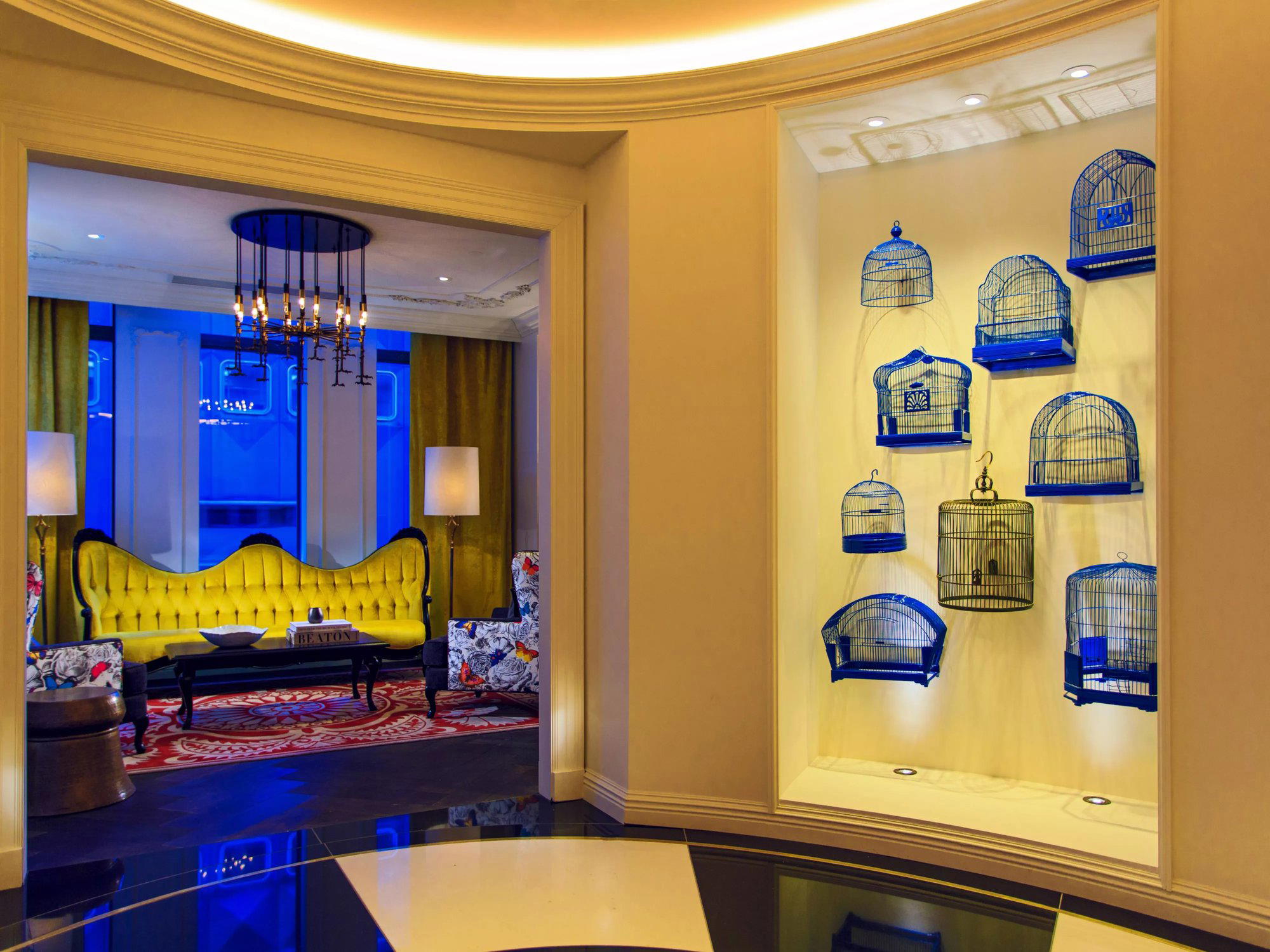
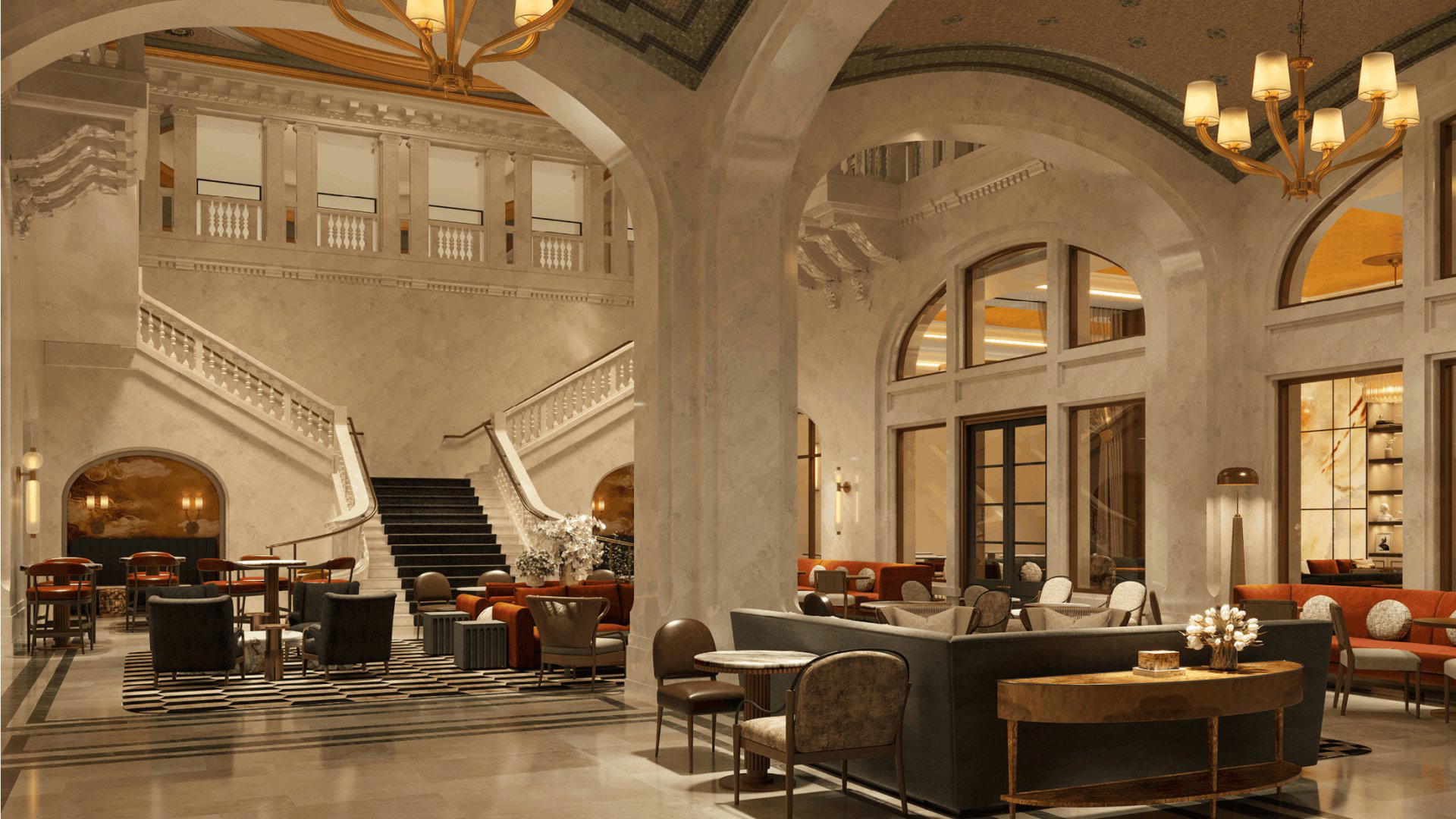
Relaxed and lively, with a historic market-building character, social food-hall energy, courtyard seating, and wine-bar atmosphere.