Emerson's
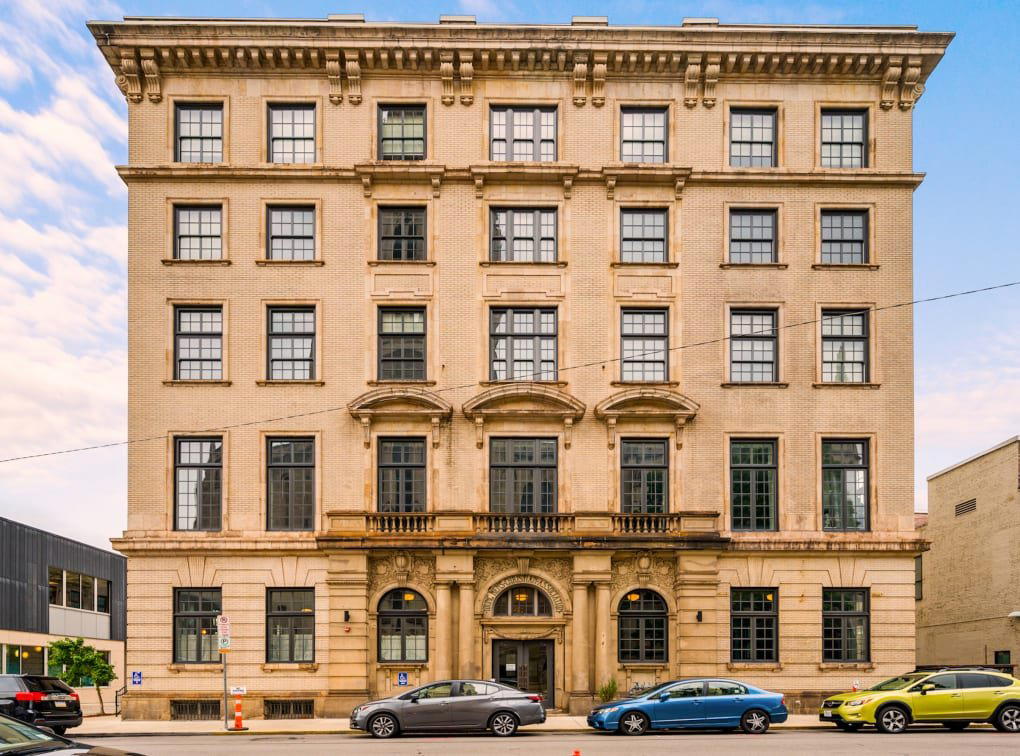
Emerson's occupies the second floor of 435 Market Street in Pittsburgh's downtown core, positioning itself within the city's evolving fine-dining tier. With limited publicly available details, the venue rewards direct inquiry for current format, pricing, and reservations. Pittsburgh diners seeking a considered meal in the Market Square corridor will find it worth investigating alongside the city's broader restaurant scene.
Pearl is the En Primeur Club membership app — saves, bookings, and concierge access live there. Same editors, same standards.
- Address
- 435 Market St 2nd Floor, Pittsburgh, PA 15222
- Phone
- +17242497657
- Website
- emersonsonmarket.com
- Directions
- Get directions
 Saves & bookings on Pearl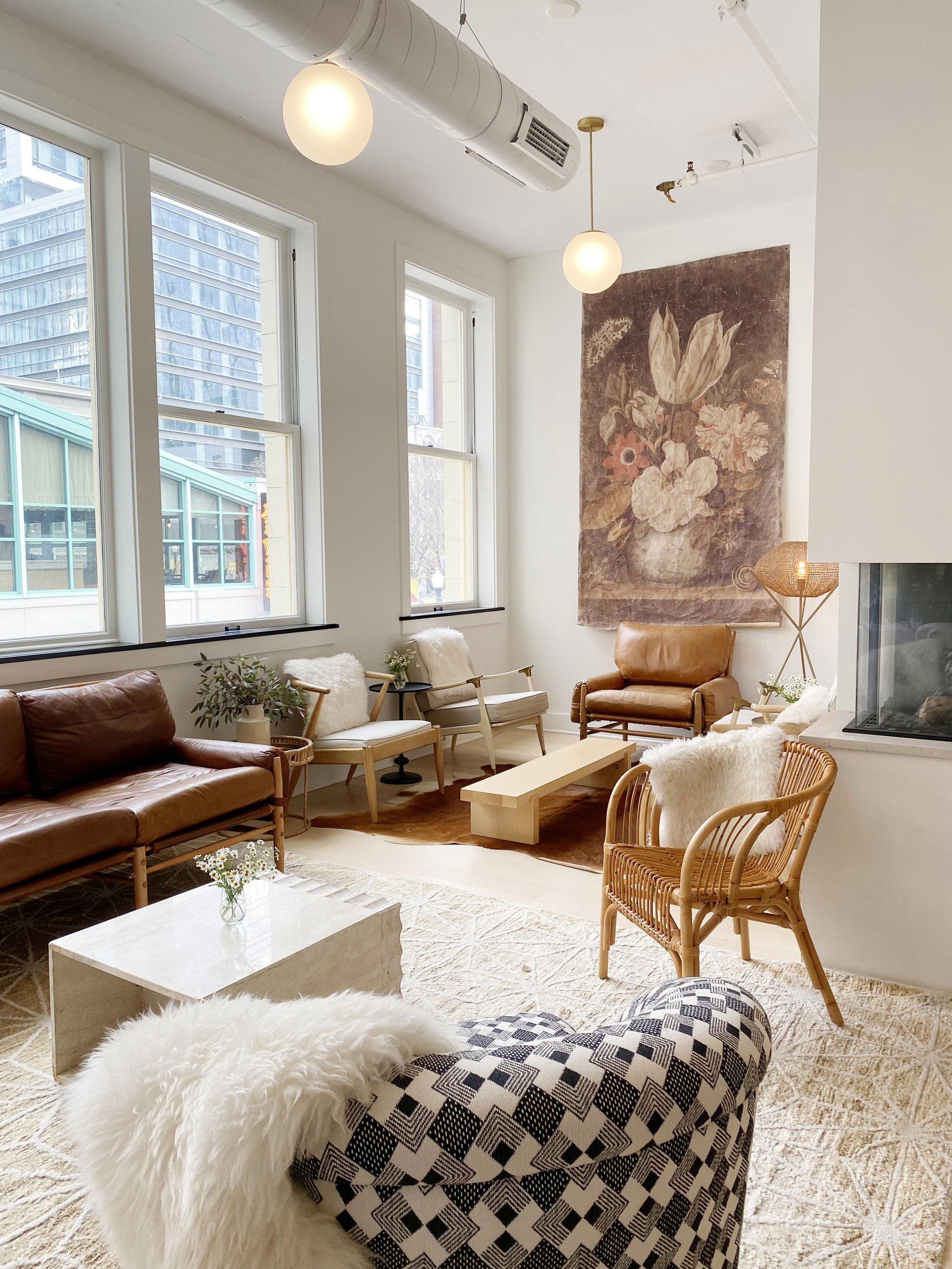
The Second Floor and What It Signals
Pittsburgh's downtown dining corridor has spent the better part of a decade sorting itself into tiers. The ground floor of Market Street belongs to lunch counters, fast-casual operations, and bars that double as sports venues on game days. The second floor is a different proposition. At 435 Market Street, Emerson's occupies that refined position, and the choice of placement is not incidental. Venues that choose upper-floor rooms in this part of the city are typically trading foot traffic for deliberateness: you have to mean to go there. That self-selection shapes the room before a single dish arrives.
In American cities where fine dining has historically concentrated in neighborhoods rather than downtown cores, the Market Square area represents a particular kind of bet. Pittsburgh has been making that bet incrementally, with a cluster of considered restaurants testing whether the office-and-arena district can sustain genuine hospitality beyond business lunches and pre-show meals. Emerson's address places it squarely inside that experiment. For a broader sense of where it sits among the city's restaurant options, the full Pittsburgh restaurants guide maps the competitive field across neighborhoods.
The Ritual of the Room
Dining rituals are shaped as much by architecture and approach as by what appears on the plate. A second-floor room in a downtown building carries specific choreography: the arrival, the ascent, the moment of transition from street noise to interior calm. For venues in this physical format, that threshold moment does a lot of work. It separates the meal from the commute, the conversation from the city below. Pittsburgh's better downtown rooms have learned to use this transition intentionally, and Emerson's positioning suggests an awareness of that dynamic.
Across American dining at a comparable price orientation, the pacing of a meal has become as deliberate as its content. Venues that occupy a serious tier, from Smyth in Chicago to Lazy Bear in San Francisco, treat the sequence of a meal as a structured experience rather than a transaction. The dining ritual, in that context, is the product. How courses are introduced, how the room is paced, how staff manage the tempo of an evening: these are the variables that separate a considered restaurant from a functional one. Pittsburgh's growing confidence in this space means that venues like Emerson's are entering a scene where those expectations have already been established by peers across the country.
Each has staked out a distinct ritual identity. Emerson's, from its Market Street second-floor address, enters that conversation with a different geography and, presumably, a different answer to the question of what an evening there is supposed to feel like.
Pittsburgh's Fine Dining in Wider Context
The American fine dining tier outside the major coastal markets has undergone a meaningful shift in the past decade. Cities like Pittsburgh, Cleveland, and Nashville have developed restaurant programs that measure themselves against national benchmarks rather than simply local ones. The reference points have changed. A serious restaurant in Pittsburgh today is implicitly in conversation with Le Bernardin in New York City, The French Laundry in Napa, and Providence in Los Angeles, even if the price points and scale differ considerably. The ambition has nationalized even when the sourcing and setting remain local.
That context matters when thinking about what a venue like Emerson's is attempting. Pittsburgh's dining scene is no longer asking permission to be taken seriously. Apteka has brought Central European vegetable cookery to national attention. Alfabeto has demonstrated that Italian cooking in the city can be genuinely rigorous. Bakersfield Penn Ave anchors a more casual but no less deliberate end of the spectrum. Into this context, the second-floor room on Market Street represents a specific kind of downtown addition: one that asks whether the Golden Triangle can hold a dining experience that rewards commitment over convenience.
Nationally, the dining formats that have proved most durable at the serious end of the spectrum tend to share certain structural features: limited seating, a defined pace, and a clear point of view on what the meal is for. Whether Emerson's is operating within a tasting format, an a la carte structure, or something in between remains a detail leading confirmed directly with the venue. What the address and positioning suggest is an orientation toward the considered rather than the casual. For comparison, the farm-to-table discipline of Blue Hill at Stone Barns in Tarrytown and the hyper-local sourcing commitments of Single Thread Farm in Healdsburg represent one pole of American serious dining; the urban precision of Atomix in New York City represents another. Pittsburgh's better venues are finding their own positions on that spectrum.
Planning a Visit
Emerson's is located at 435 Market Street, second floor, in Pittsburgh's downtown core, within walking distance of the central business district and the cultural venues that anchor that part of the city. For visitors arriving from outside Pittsburgh, the downtown location makes it accessible from most hotel clusters without requiring a car. Current hours, reservation availability, and menu format are best confirmed directly with the venue, as public information on these details is limited at the time of writing. Given the second-floor format and the dining orientation the address implies, contacting the restaurant in advance for table availability is the practical approach, particularly for weekend evenings or larger parties.
Readers building a wider Pittsburgh itinerary will find that the downtown restaurant scene pairs naturally with the city's established cultural institutions, while a short drive or rideshare reaches the denser neighborhood dining of Lawrenceville, East Liberty, and Shadyside. The Pittsburgh restaurants guide provides a fuller map of those options. For those curious about how Pittsburgh's serious dining compares to what other mid-sized American cities are producing, the restaurant programs at Addison in San Diego and The Inn at Little Washington offer instructive reference points at the upper end of the domestic fine dining spectrum, as does the European precision of Atelier Moessmer Norbert Niederkofler in Brunico for those tracking where the global conversation is heading. Closer to home, Emeril's in New Orleans remains a useful benchmark for what a chef-driven downtown American restaurant can sustain over time.
A Pricing-First Comparison
| Venue | Price |
|---|---|
| Emerson'sThis venue — the venue you are viewing | This venue |
Continue exploring
More in Pittsburgh
Restaurants in Pittsburgh
Browse all →
Bars in Pittsburgh
Browse all →
At a Glance
- Cozy
- Modern
- Intimate
- Elegant
- Date Night
- Special Occasion
- Casual Hangout
- After Work
- Standalone
- Craft Cocktails
Current opening hours
- Monday
- Closed
- Tuesday
- 5–10 PM
- Wednesday
- 5–10 PM
- Thursday
- 5–10 PM
- Friday
- 5 PM–12 AM
- Saturday
- 5 PM–12 AM
- Sunday
- Closed
Hours can change for holidays and private events. Last verified .
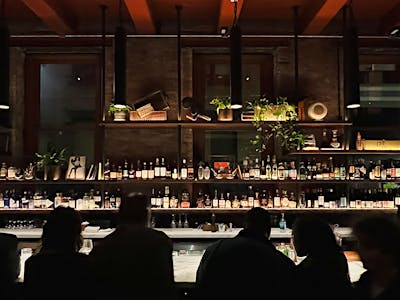
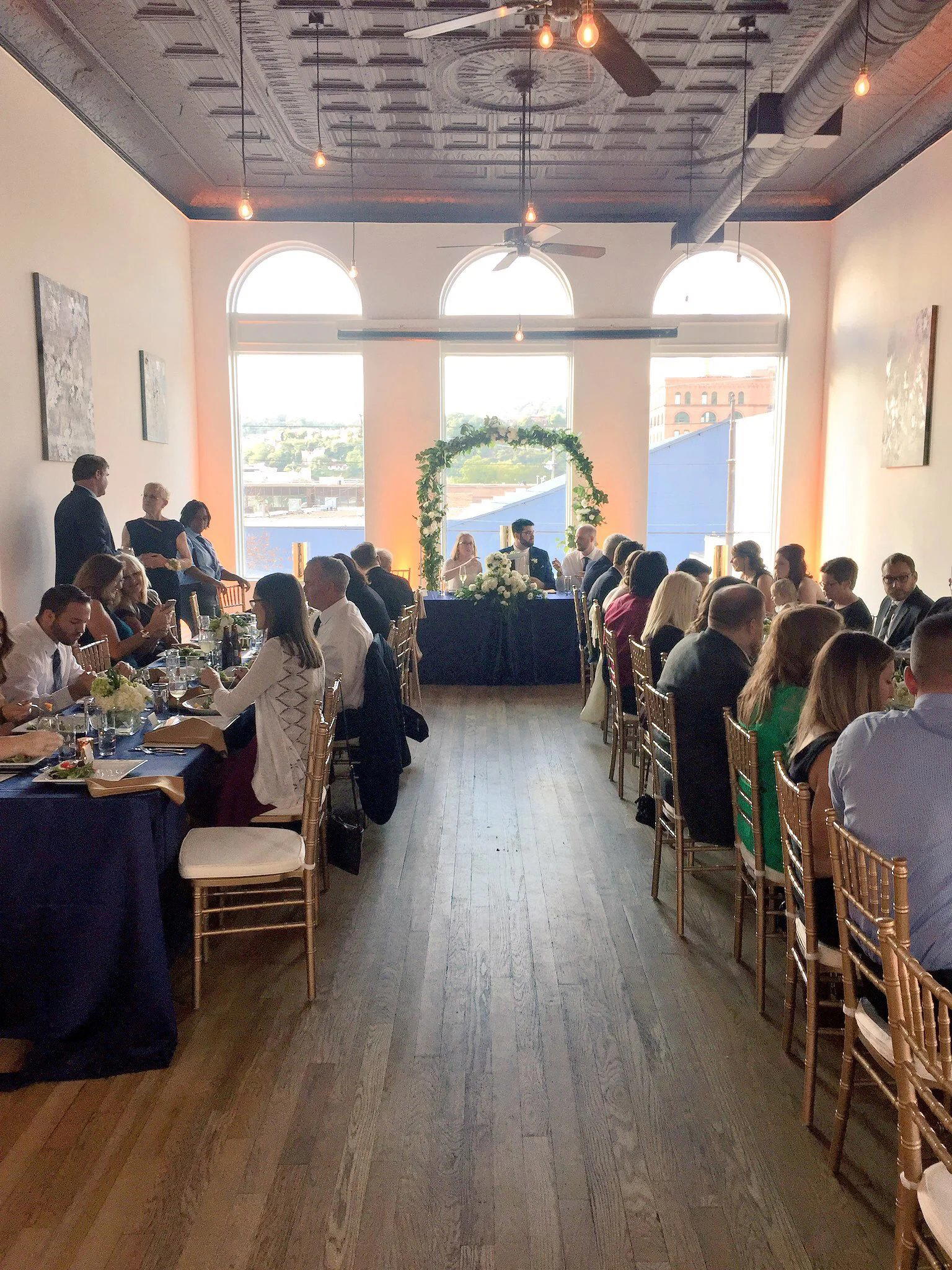
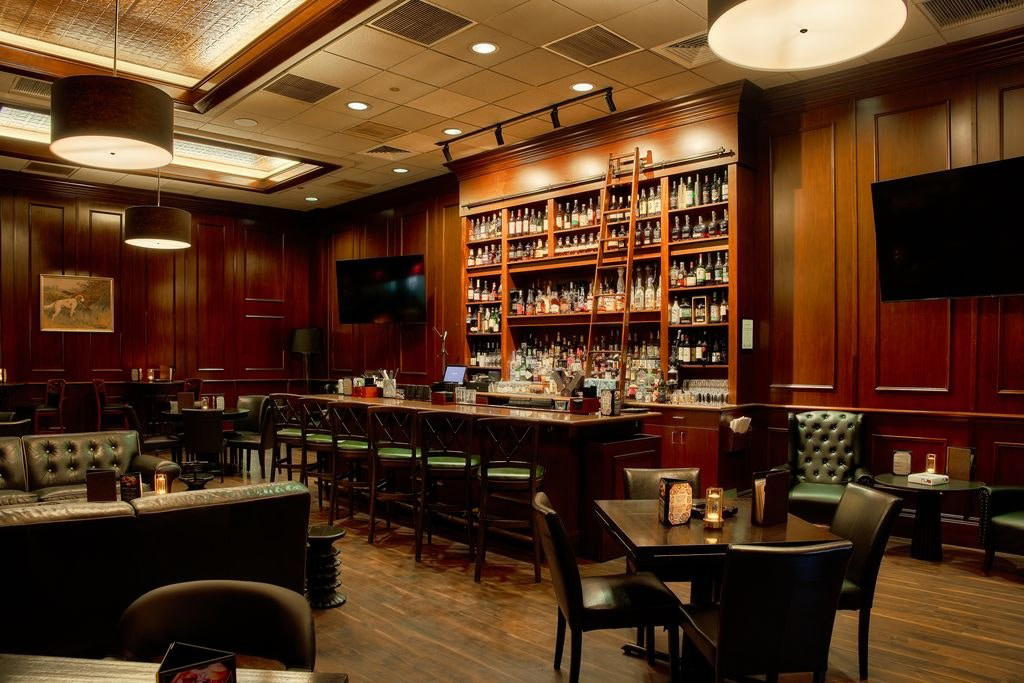
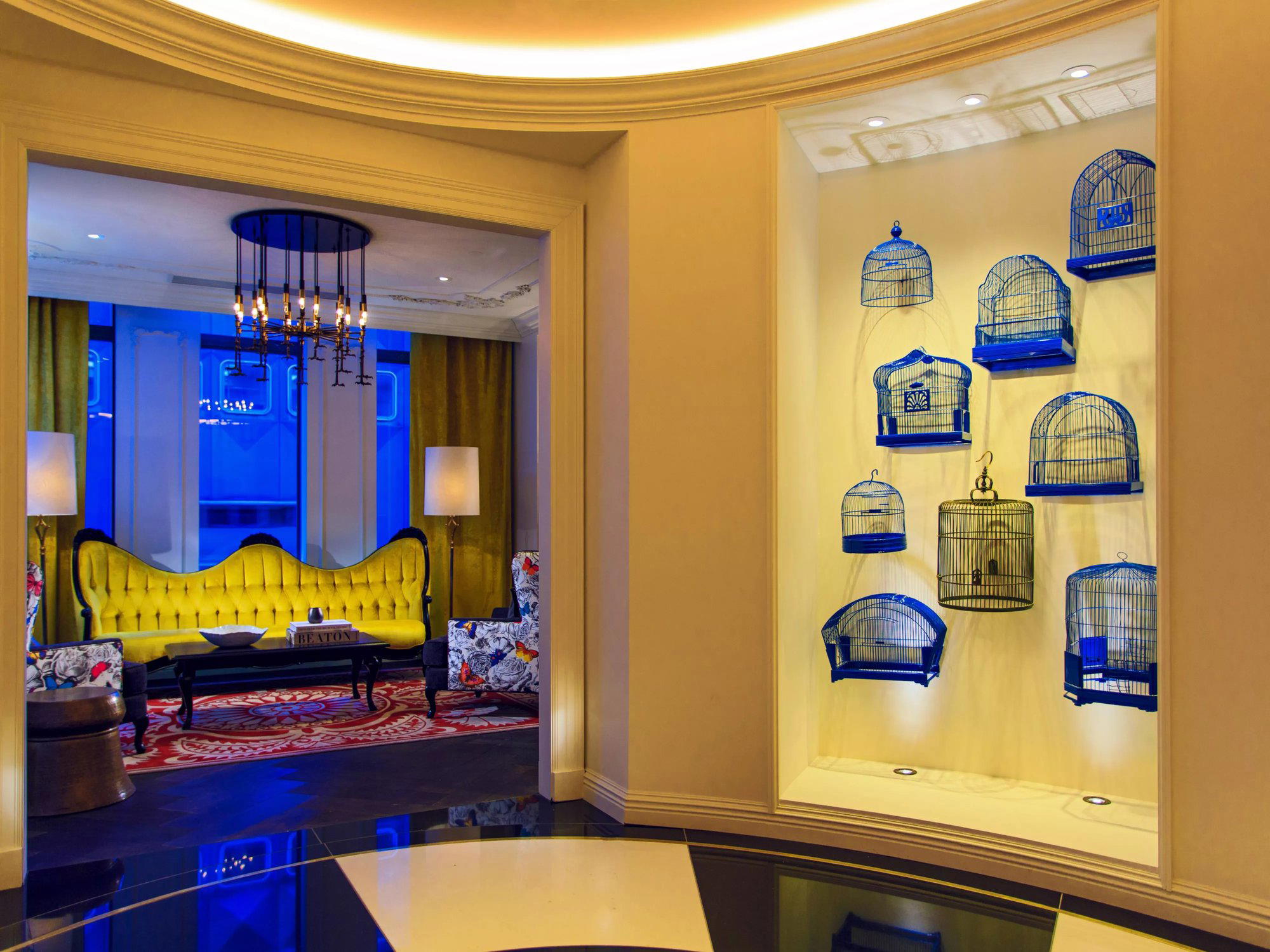
Warm and inviting with a European café aesthetic, featuring a welcoming fireplace and sleek modern design that creates a cozy yet upscale escape.
Know Before You Go
- Getting there
- 435 Market St 2nd Floor, Pittsburgh, PA 15222