The Owl & Monkey
Our verdict
Located on Harrington Gardens in South Kensington, The Owl & Monkey occupies a quieter corner of one of London's most restaurant-dense neighbourhoods. The address places it within reach of the area's established dining circuit, from gastropub staples to white-tablecloth rooms, making it a relevant reference point for visitors mapping the SW7 dining scene.

Pearl is the En Primeur Club membership app, where members save venues, book tables and use the concierge.

The menu
What to order
- Negroni Special
- Jungle Fever
- Monkey See Monkey Do
- Ostbräda cheese board
- Orange Is the New Sour
South Kensington's Dining Context and Where The Owl & Monkey Sits
South Kensington has long operated as a residential-leaning dining district, distinct in character from the louder concentrations of restaurants in Soho, Mayfair, or the City. The neighbourhood draws a mix of international residents, museum visitors from the V&A and Natural History Museum, and travellers staying in the area's many boutique hotels. Restaurants here tend to reflect that dual audience: a core of neighbourhood regulars who return weekly, and a transient layer of visitors for whom the address is a convenient base rather than a destination in itself. Harrington Gardens, where The Owl & Monkey is addressed at numbers 21-23, sits within that residential grain, a street of period stucco terraces that runs parallel to the more commercial Old Brompton Road.
That positioning matters when reading London's wider dining map. The SW7 postcode sits some distance, in terms of dining culture, from the Michelin-dense corridors of Mayfair, where Sketch, The Lecture Room and Library and Restaurant Gordon Ramsay compete at the top end of the formal dining spectrum. It also sits apart from the tasting-menu rooms that have come to define Notting Hill's upper tier, including The Ledbury. South Kensington's offer is more varied and less concentrated at any single price point, which gives addresses like Harrington Gardens a different kind of relevance: they serve the neighbourhood first, and the wider city second.
Menu Architecture as a Signal of Intent
In London's mid-to-upper dining tier, how a menu is structured tells you almost as much as what's on it. The split between à la carte and set formats, the length of a menu, the number of courses offered, the presence or absence of a tasting option: these decisions reflect a kitchen's relationship with its audience and its ambitions within a competitive set. A restaurant serving an international residential neighbourhood in South Kensington faces a different set of pressures than a destination-driven room in Chelsea or Belgravia. The expectation tends toward flexibility, consistent quality, and a format that accommodates both a quick midweek dinner and a longer weekend meal.
For venues in this bracket, menu architecture often leans toward the accessible end of formal dining: enough structure to signal seriousness, enough flexibility to avoid alienating the walk-in trade. This is a meaningfully different model from the commitment-heavy, multi-course fixed menus at rooms like CORE by Clare Smyth or Dinner by Heston Blumenthal, where the menu format itself functions as part of the experience proposition. In neighbourhood settings, format tends to follow function: the menu serves the room's regulars as much as it expresses a culinary philosophy.
The Neighbourhood Standard and How It Compares Nationally
South Kensington's dining scene operates at a different register from the landmark addresses that define British fine dining nationally. The country's most discussed rooms outside London, including Waterside Inn in Bray, Le Manoir aux Quat'Saisons in Oxford, and L'Enclume in Cartmel, operate as destination restaurants that require advance planning, overnight stays, and often multi-month booking windows. Within London itself, the equivalent tier, represented by rooms also competing at the Michelin and 50 Best level, draws diners from across the city and internationally. Neighbourhood restaurants in SW7 occupy a different position in that hierarchy: they are part of the fabric of a specific London postcode, rather than a node on a national dining itinerary.
That distinction is not a criticism. The ability to serve a neighbourhood consistently, to maintain quality across a regular clientele's repeated visits, is its own form of discipline. Rooms like Moor Hall in Aughton, Gidleigh Park in Chagford, and Hand and Flowers in Marlow have built sustained reputations precisely because they anchor a community as much as they attract outside visitors. In urban residential settings, the calculus is similar but the audience is more transient and more international, which places different demands on consistency and range.
Planning a Visit: What to Know About the Address
Harrington Gardens is a short walk from South Kensington Underground station, served by the Circle, District, and Piccadilly lines. The surrounding streets form a quiet residential grid, which means the approach to the address feels removed from the noise of the main commercial roads nearby. For visitors already staying in South Kensington or visiting the museum quarter, the location requires minimal additional planning. For those travelling from further afield, the tube connection makes the journey direct from most central London points.
The wider SW7 area has reasonable restaurant density, with options ranging across price points, which means a visit to this part of London rarely requires a single-venue commitment. For those mapping a fuller London dining itinerary that includes destination-level addresses, the EP Club's full London restaurants guide covers the broader picture, from neighbourhood staples through to rooms competing at the level of hide and fox in Saltwood, Midsummer House in Cambridge, Opheem in Birmingham, and Restaurant Andrew Fairlie in Auchterarder. For internationally oriented comparisons, rooms like Le Bernardin in New York City and Atomix in New York City represent the upper end of the format spectrum against which London's top tier positions itself.
London restaurants guide provides broader context by price tier and cuisine type.
Frequently asked questions
Is The Owl & Monkey a family-friendly restaurant?
South Kensington draws a family-oriented crowd year-round, given its proximity to the Natural History Museum and V&A; on Exhibition Road. The Owl & Monkey sits on Harrington Gardens, a quieter residential street in SW7, which points toward a more relaxed, neighbourhood character than a high-turnover tourist operation.
Is The Owl & Monkey better for a quiet night or a lively one?
Harrington Gardens is a residential street rather than one of South Kensington's main commercial corridors, which tends to favour venues with a lower-key atmosphere. That address in SW7 suggests The Owl & Monkey operates at a quieter register than the busier stretches closer to the tube station. For a reliably lively evening, Old Brompton Road offers a denser concentration of options.
Is The Owl & Monkey within walking distance of South Kensington Underground station?
Yes. Harrington Gardens sits a short walk from South Kensington Underground station, which is served by the Circle, District, and Piccadilly lines. The address at 21-23 Harrington Gardens, SW7 places it well within the residential pocket south of the main museum quarter, making it straightforward to reach from central London without a taxi.
What part of town is The Owl & Monkey in?
The Owl & Monkey is located at 21-23 Harrington Gardens, South Kensington, London SW7 4JS, United Kingdom, London.
Recognition Snapshot
Comparable venues nearby, for context on price, style, and recognition.
| Venue | Cuisine | Price | Notes |
|---|---|---|---|
| The Owl & MonkeyThis venue (the venue you are viewing) | Cocktail Bar with British Small Plates | $50–100 | Not listed |
| Satay House | Authentic Malaysian | $30–50 | Paddington |
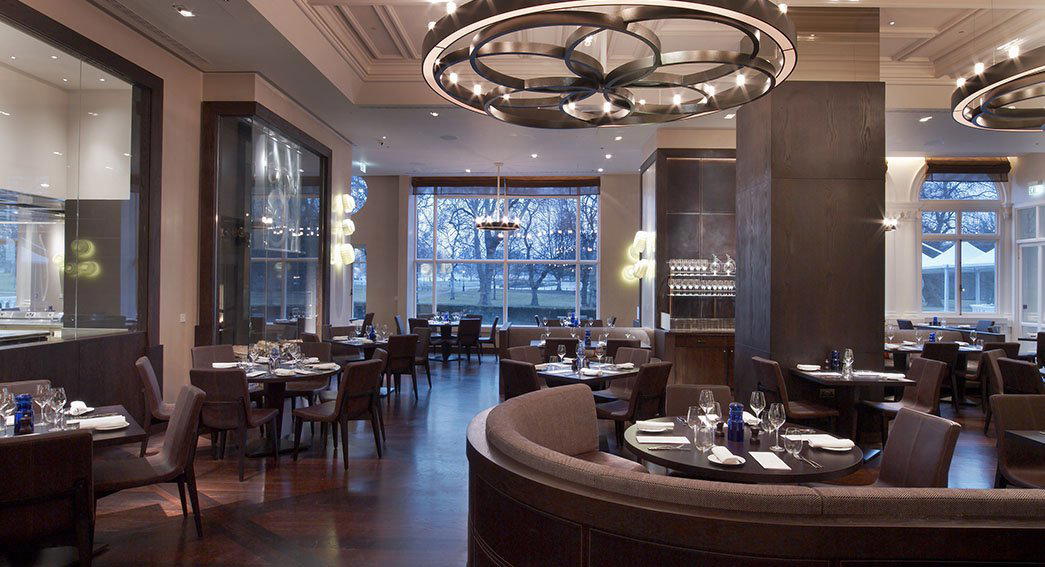
| Magazine | Modern Small Plates in Zaha Hadid Space | $30–50 | Hyde Park |
| Great Nepalese | Authentic Nepalese | $20–30 | Somers Town |
| Catalyst | Modern Greek-Leaning Cafe | $20–30 | Holborn |
Continue exploring
More in London
Restaurants in London
All restaurants in London →
Bars in London
All bars in London →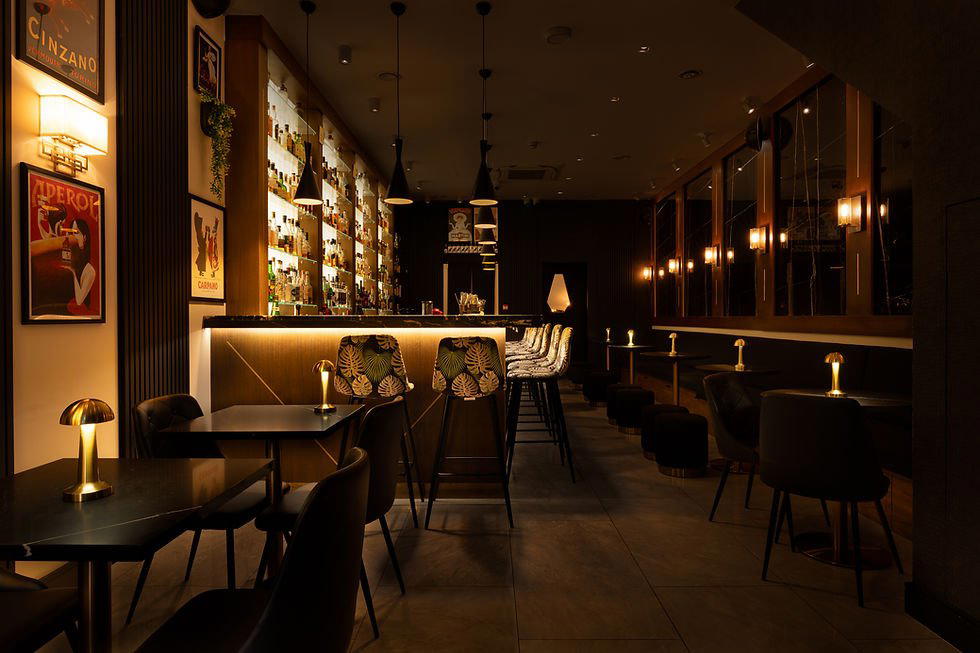
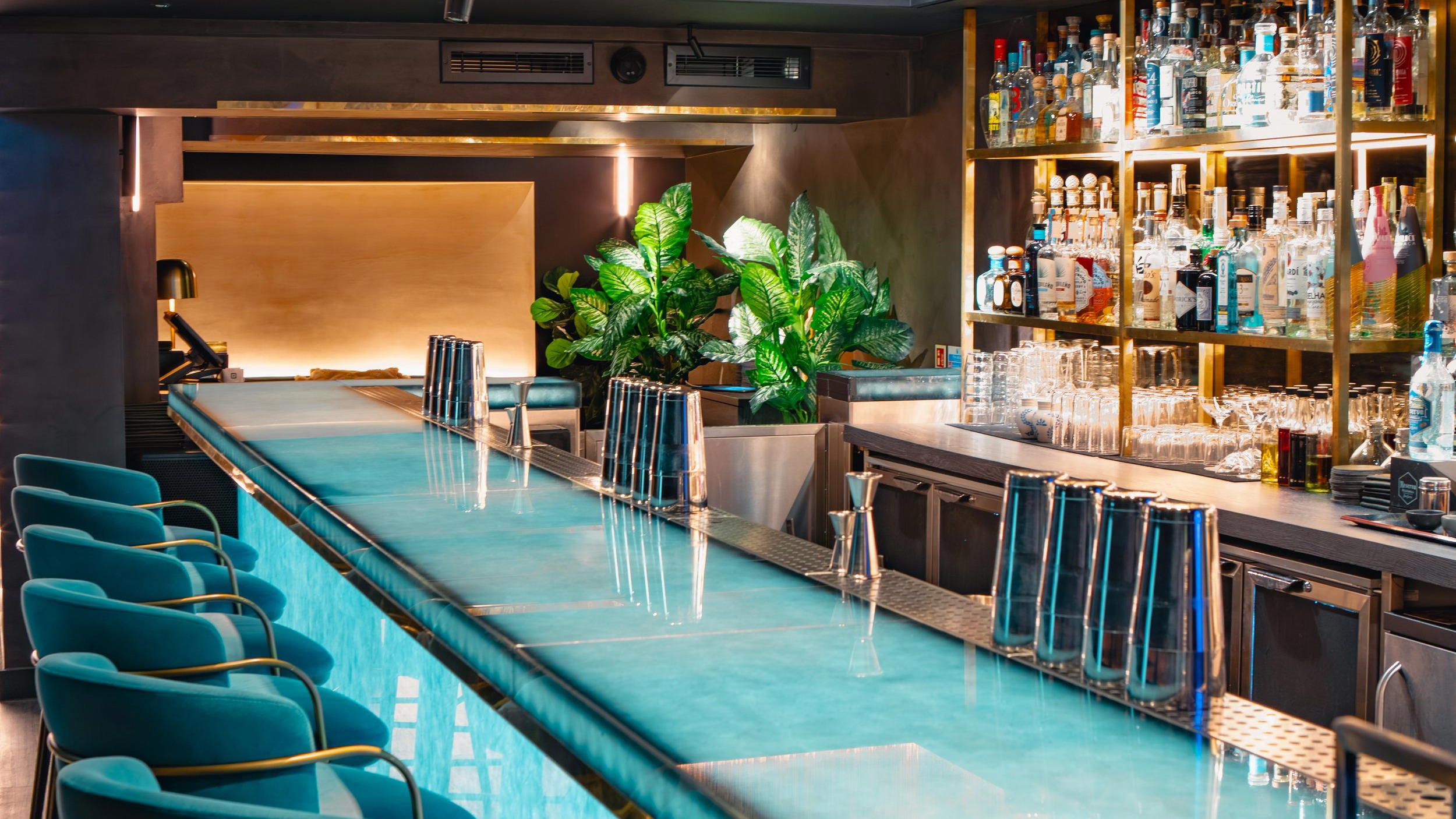
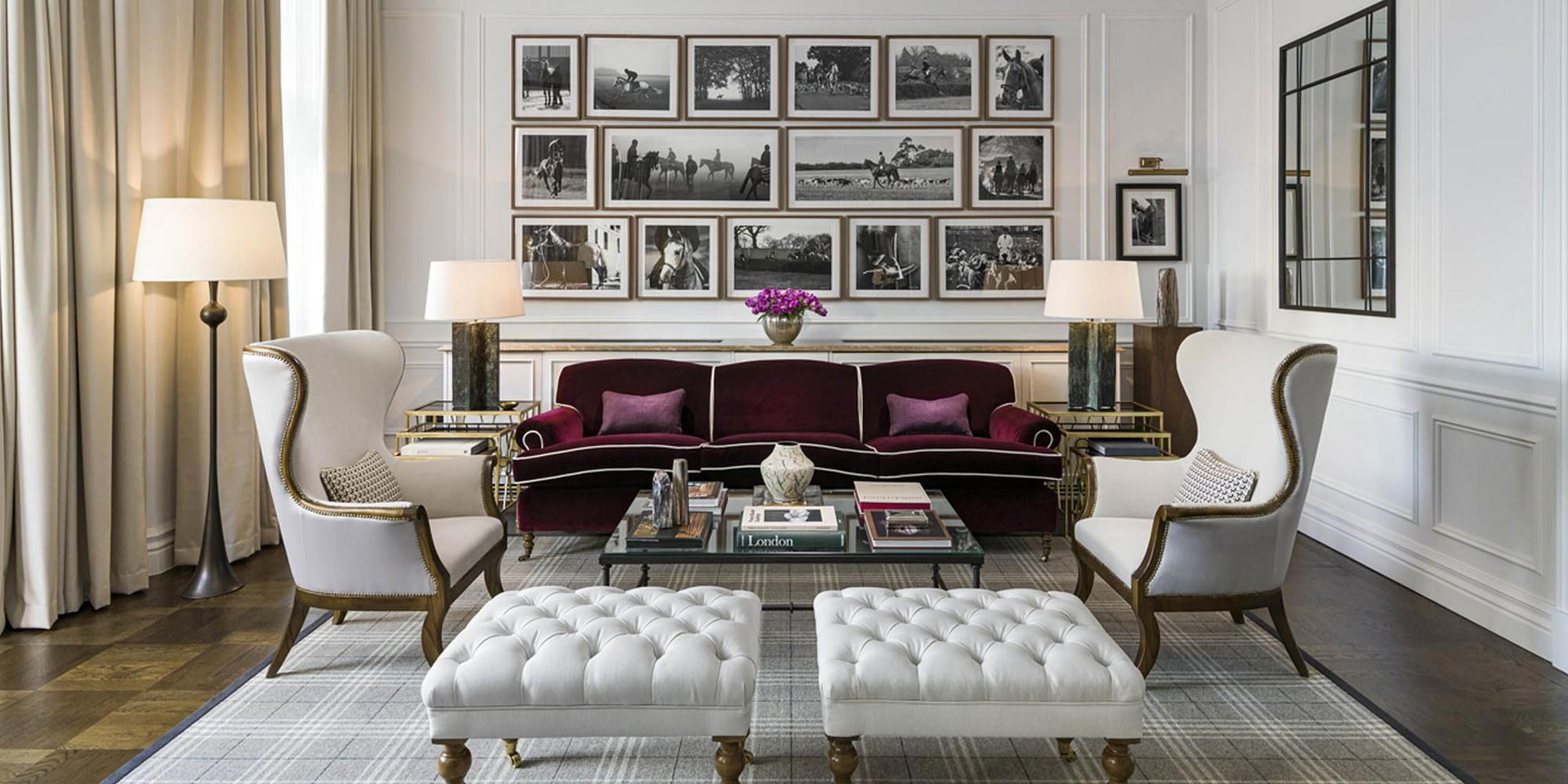
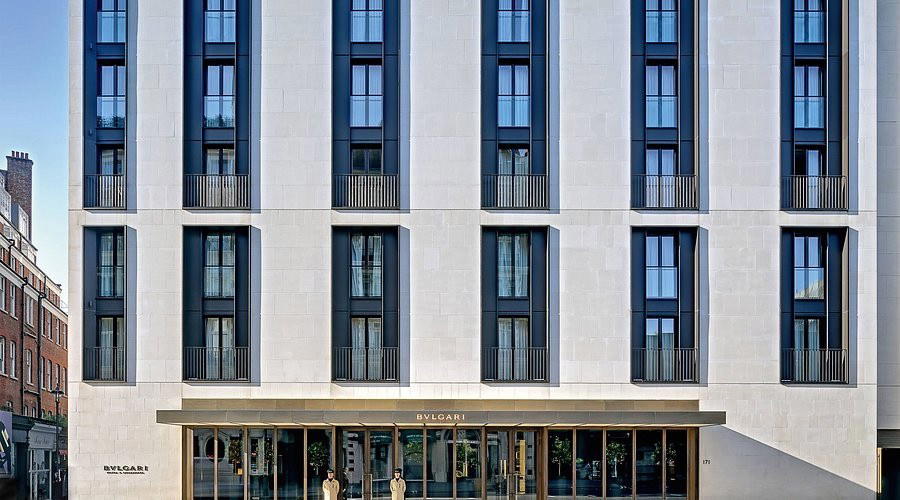


The Owl & Monkey
The wine
- Extensive wine list
- Craft cocktails
- Zero-proof drinks
Details
- Elegant
- Trendy
- Sophisticated
- Whimsical
- Date Night
- Casual Hangout
- After Work
- Group Dining
- Special Occasion
- Live Music
- Design Destination
- Hotel Restaurant
- Craft Cocktails
- Zero Proof
- Extensive Wine List
- Local Sourcing
- Sustainable
- Small Plates
- A La Carte
- Signature Cocktails
- Classic Cocktails
- Wine
- Champagne
- Vegetarian Friendly
- Vegan Options
- Gluten Free Options
- Allergy Accommodating
Current opening hours
- Monday
- 5 PM–12 AM
- Tuesday
- 5 PM–12 AM
- Wednesday
- 5 PM–12 AM
- Thursday
- 5 PM–12 AM
- Friday
- 5 PM–12 AM
- Saturday
- 5 PM–12 AM
- Sunday
- 5–11 PM
Hours can change for holidays and private events. Hours as of .
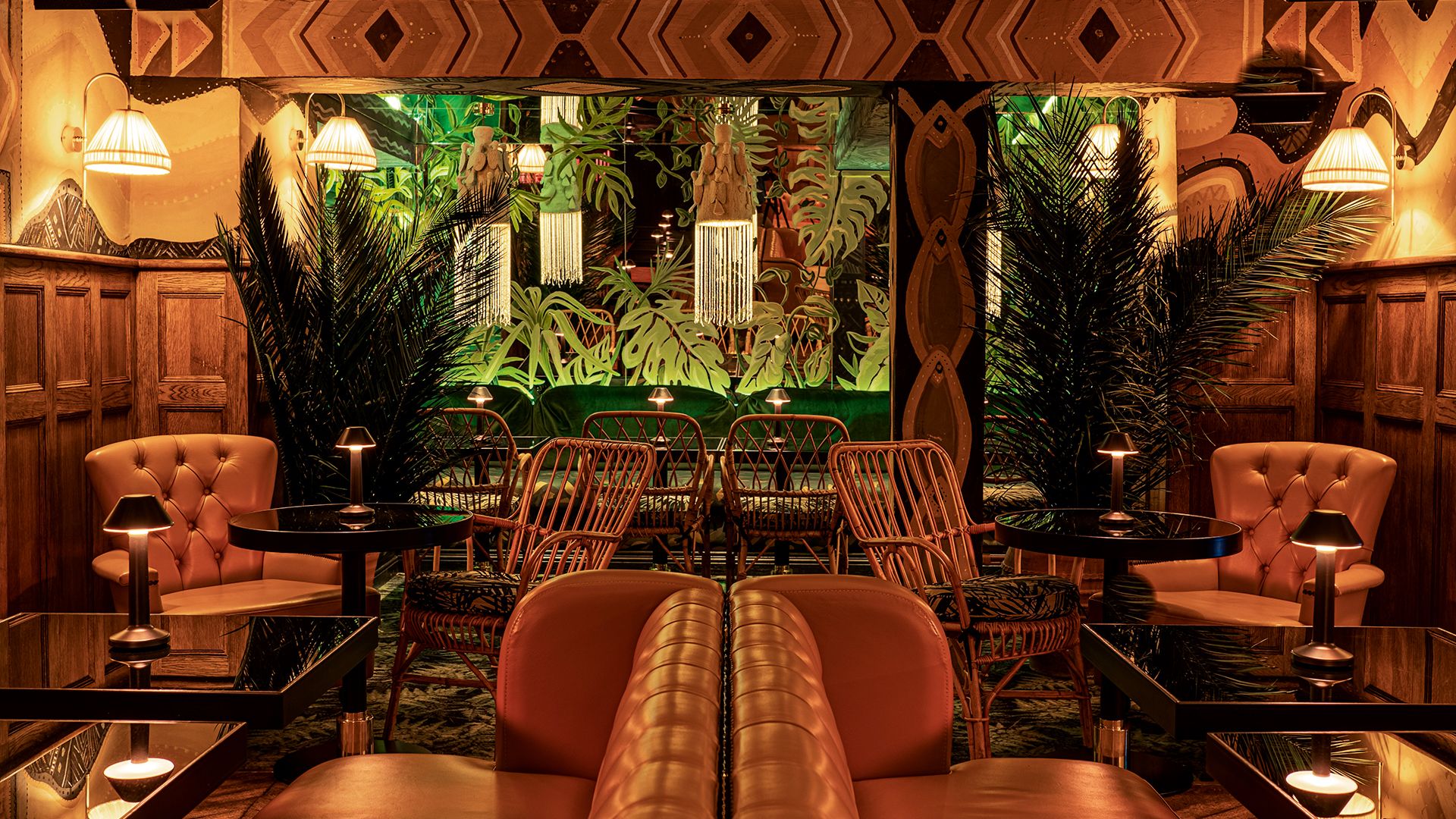
Low lighting with sumptuous textures, bold tropical-inspired wallpaper, patterned seating, and vintage-style lamps create a sophisticated yet playful atmosphere with curated playlists.