Alice Springs has long been a crossroads for cattle country, and The Overlanders Steakhouse on Hartley Street puts that geography directly on the plate. The kitchen draws on Central Australian pastoral traditions, making it a reference point for anyone wanting to understand what beef and game look like at the source. For visitors passing through the Red Centre, it reads as a working argument for provenance-led cooking in an unlikely setting.
- Address
- 72 Hartley St, Alice Springs NT 0870, Australia
- Phone
- +61 8 8952 2159
- Website
- overlanders.com.au
- Directions
- Get directions
Where the Beef Comes From First
Alice Springs sits at the centre of among the more productive cattle-grazing regions in the Southern Hemisphere. The stations that fan out across the Northern Territory's red plains run some of Australia's largest pastoral operations, raising cattle across distances that would dwarf entire European countries. In a dining culture increasingly interested in provenance, that geographic fact matters enormously, and it shapes the logic of every steakhouse that sets up in this town. Rockpool in Sydney built part of its identity around sourcing premium beef from named producers; in Alice Springs, the source isn't a talking point on a menu card, it's the literal surrounding landscape.
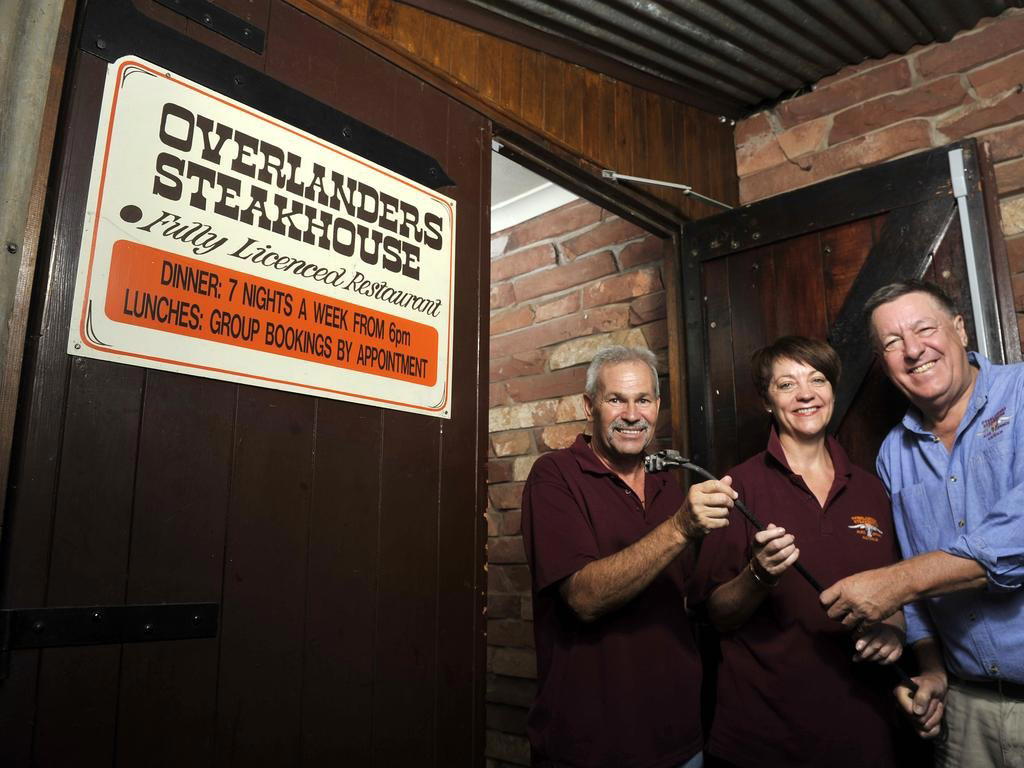
The Overlanders Steakhouse, at 72 Hartley Street, is a restaurant in Alice Springs, Northern Territory, with a price tier of 3. Central Australia's beef country is not a branding exercise. The Territory's pastoral leases produce cattle grazed on native grasses across enormous range country, and the resulting meat carries characteristics that differ from feedlot-finished product: leaner muscle, more varied mineral character, and a flavour profile that reflects what the animal actually ate. In regions where land is the primary input, the sourcing argument essentially makes itself.
The Atmosphere of the Red Centre at the Table
Steakhouses in outback towns tend to fall into two categories: the functional roadhouse stop, built for truckers and grey nomads moving through on the Stuart Highway, or the deliberate dining room that uses the surrounding mythology of the outback to frame an evening. The Overlanders sits closer to the latter. The name itself references the drovers who moved cattle across vast distances in Australia's pastoral history, a tradition that connected the Northern Territory's stations to southern markets long before refrigerated transport changed the equation entirely.
Walking into a room framed by that history changes how you read a menu. The Australian outback has its own iconography, and a steakhouse that draws on droving culture is making a specific claim about lineage and setting. Alice Springs is a town where the temperature swings dramatically between seasons, where the Todd River runs dry for much of the year, and where the transition from late afternoon to night happens with the kind of sky clarity that coastal cities never see. That environmental context seeps into the character of an evening meal in ways that are difficult to replicate elsewhere. Venues like Lizard Island Resort and Salt Water Restaurant in Cairns similarly use their remote or waterfront settings to anchor the dining experience in place; the Overlanders does the same with red earth and cattle country.
Game Meat as a Provenance Argument
Central Australia's contribution to Australian food culture extends well beyond cattle. The region produces kangaroo, camel, and emu at scale, animals that evolved for or have adapted to arid conditions and that feed on native vegetation without the land management inputs that conventional livestock require. Steakhouses that include these proteins on the menu are not making a novelty gesture. They are acknowledging the actual food resources of the region, which happen to align closely with contemporary interest in low-impact, high-welfare meat production.
This is where the Overlanders' position in Alice Springs becomes editorially interesting. Restaurants at the sharper end of Australian native-ingredient cooking, places like Brae in Birregurra or Attica in Melbourne, have built significant reputations around native produce sourced with considerable effort and cost. In Alice Springs, some of those same proteins are simply what the region produces. The argument for eating kangaroo or camel in Central Australia is geographic before it is philosophical, which gives outback dining a kind of provenance credibility that is harder to manufacture in a metropolitan setting. Pipit in Pottsville and Provenance in Beechworth have each built menus around regional specificity; Alice Springs has its own version of that logic, expressed through the pastoral rather than the horticultural.
What to Order
For a first visit, the case for ordering beef is direct: this is cattle country, and the grass-finished product from Northern Territory stations differs meaningfully from what most Australian restaurant menus offer. Game meat, where available, represents a genuine engagement with the region's food culture rather than a detour. A steakhouse in this setting that lists kangaroo is not exoticising the menu; it is describing the local food system. Visitors who have spent time at restaurants focused on sourcing discipline, such as Hentley Farm in Seppeltsfield or Wills Domain in Yallingup, will recognise the underlying logic even if the format is considerably more casual.
Laura at Pt Leo Estate in Merricks or Botanic in Adelaide. But the evaluation criteria that apply to a restaurant in Alice Springs are not identical to those applied in Melbourne or Sydney. In a town with a limited fine dining infrastructure, the question is whether the venue delivers a credible, place-specific experience, and a steakhouse anchored in Central Australian pastoral sourcing answers that question through the logic of its location rather than through formal accolades.
Planning Your Visit
Alice Springs operates on Northern Territory time, which sits 30 minutes ahead of Australian Central Standard Time and does not observe daylight saving. The town draws visitors year-round but the cooler dry season, running roughly from May through September, is the more comfortable period for travel, and restaurant trade reflects that pattern. Hartley Street is in the central town grid, accessible on foot from most accommodation in the CBD area. Visitors arriving as part of longer Red Centre itineraries should plan dinner around the logistics of day trips to Uluru or the West MacDonnell Ranges, both of which are full-day commitments from town. Booking ahead is advisable during peak tourist season, when accommodation and dining across Alice Springs operates close to capacity. For a broader sense of what Alice Springs and the surrounding region offer, the Stuart restaurants guide covers the current dining picture in more detail.
Is The Overlanders Steakhouse Suitable for Families?
A steakhouse format generally works for families with older children who eat beef or are willing to try game meat. The atmosphere in outback dining rooms of this type tends toward casual rather than formal, which means the environment is tolerant of younger guests. Families with children who prefer simpler or more varied menus may find the protein-led format less accommodating, though a steakhouse kitchen typically carries chicken and simpler preparations alongside the main menu. The setting in Alice Springs, a town that attracts families on Red Centre road trips, suggests the room is accustomed to a mixed age range during tourist season.
What You Should Know Before You Go
Is The Overlanders Steakhouse the right choice if I've already eaten at high-end Australian restaurants on this trip? Ormeggio at The Spit in Mosman, Aloft in Hobart, Blackwood Pantry in Cronulla, or fermentAsian in Barossa Valley does not straightforwardly apply here. The Overlanders is not competing on the same formal or technical axis as those venues; it is making a different, place-specific argument. If you have been eating across the higher tiers of Australian dining, a meal in Alice Springs is worth approaching as a provenance exercise rather than a technical one. The steak itself, sourced from NT pastoral land, is the editorial point. Visitors who have previously experienced the sourcing-led philosophy of restaurants like Le Bernardin in New York City or Lazy Bear in San Francisco will understand the framework of letting geography justify the menu, even if the price tier and format are entirely different here.
Quick Comparison
Comparable venues nearby, for context on price, style, and recognition.
| Venue | Cuisine | Price | Notes |
|---|---|---|---|
| The Overlanders SteakhouseThis venue — the venue you are viewing | Outback Steakhouse with Exotic Australian Game Meats | $$$ | Not listed |
| Black Hide Steak & Seafood by Gambaro | Modern steak & Queensland seafood fine dining | $$$$ | Queen's Wharf |
| Charred Kitchen and Bar | Modern Australian Grill with Vegan Degustation | $$$ | Orange |
| Orson | Modern Australian | $$$ | Rosebud |
| Centonove | Modern Italian with extensive wine cellar | $$$ | Kew |
| Bar Alto | Modern Italian | $$$ | New Farm |
At a Glance
- Rustic
- Historic
- Well Known
- Celebration
- Special Occasion
- Historic Building
Rustic outback atmosphere with antique saddles, framed playbills, and memorabilia evoking ranching and film history in a former town hall.