Centonove brings Italian cooking into Kew’s village dining rhythm, where the appeal lies less in spectacle than in regional restraint, seasonal pasta logic and a room suited to neighbourhood regulars. For travellers mapping Melbourne’s inner-east dining, it reads as a useful counterpoint to louder city-centre Italian rooms: calmer, more local, and anchored in the habits of suburban restaurant culture.
Pearl is the En Primeur Club membership app — saves, bookings, and concierge access live there. Same editors, same standards.
- Address
- Kew, Australia
- Website
- centonove.com.au
 Saves & bookings on Pearl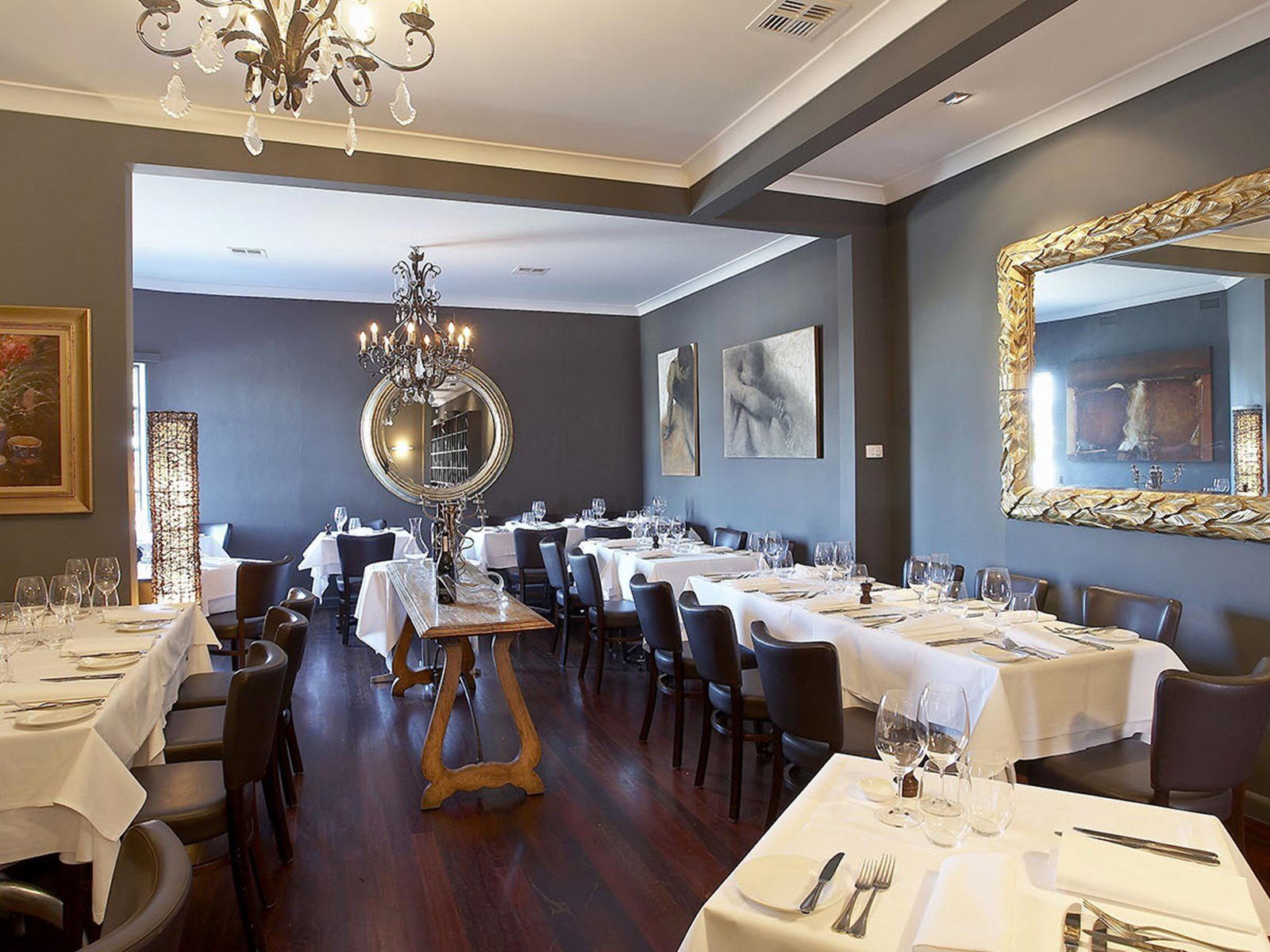
Italian dining in Kew moves differently from Melbourne’s central grid: slower pace, residential streets, and restaurants that earn repeat custom rather than theatre crowds or hotel traffic. Centonove fits that pattern: Italian in identity, Kew in tempo, with a room suited to local dinners, family tables and midweek regulars rather than destination spectacle.
Italian restaurants in Australia often split two ways. One pursues a broad national idea of Italy, folding pizza, pasta, grilled meat and tiramisù into a familiar all-purpose format. The other narrows through regional cues: Roman restraint, Tuscan wood-and-wine simplicity, Neapolitan dough culture, or the polished northern mode associated with Milan and the Veneto. Centonove is listed simply as Italian, so read it not through claimed regional purity, but through Kew’s expectations: clarity, comfort, recognisable technique and enough flexibility for repeat dining.
Kew Italian dining favours restraint over theatre
Kew’s restaurant culture sits apart from Melbourne’s more performative dining. It is not the laneway cocktail-and-small-plates circuit, nor the late-night trattoria strip. The suburb’s appeal is domestic: leafy streets, established households, school-night dinners, weekend family bookings and settled rooms. Italian food has an advantage here because it can carry occasion without forcing ceremony. Pasta, antipasti, seafood, veal, slow-cooked sauces and regional vegetables can move between casual and formal registers through service and portioning.
The Italian tradition behind this style is often mistaken for easygoing. It is not. Roman cooking depends on tight seasoning and restraint; Tuscan cooking asks for good oil, legumes, bread and grill work handled without fuss; Neapolitan food is built around dough, tomato and heat discipline; Milanese and broader northern cooking bring butter, rice, veal and polish. A Kew Italian room need not declare one school loudly to be useful. It must avoid the flattened, everything-at-once version of Italian dining and give regulars enough structure to return for different occasions.
Centonove’s Kew value is not an invented claim of culinary radicalism. It sits in a suburb where Italian restaurants are judged by reliability, pacing and how well the kitchen handles the familiar without turning it into generic comfort food. For a wider Melbourne plan, start with Our full Kew restaurants guide, then use the broader Kew pages for context: Our full Kew hotels guide, Our full Kew bars guide, Our full Kew wineries guide, and Our full Kew experiences guide.
Regional Italy is the right lens, even without a narrow label
Australian Italian dining has become more regionally literate over the past two decades. Diners now know Neapolitan pizza and Roman pasta are not interchangeable, and that a northern Italian dining room should not behave like a red-sauce trattoria. That changes how Centonove is assessed. The question is not whether it performs a single province with museum fidelity; it is whether the cooking respects Italian grammar: fewer elements on the plate, sauces that cling rather than flood, and a menu shape where antipasti, pasta and secondi have distinct roles.
Kew’s setting sharpens that test. In a suburb with a strong local audience, Italian cooking must be generous enough for families and precise enough for adults who dine out often. That middle ground is hard to hold. Too rustic and the room can feel underpowered for a planned dinner; too polished and it loses the ease that makes neighbourhood Italian work. Centonove’s Italian classification places it in that useful middle tier, where regional identity appears through habits of cooking rather than slogans.
For a national frame, Australia’s Italian scene ranges from pizzerias to broader trattoria formats and polished city restaurants. Readers comparing styles can look at +39 Pizzeria in Melbourne, 400 Gradi in Brunswick East, A25 Pizzeria South Yarra in South Yarra, and 3 Sicilians Ristorante in Newcastle. Those references show how broad the Italian category has become in Australia, from dough-led formats to family-style regional rooms.
How to place Centonove in a Kew itinerary
The sensible use case is a Kew-focused dinner, not a cross-city pilgrimage built around awards or chef mythology. With no public award profile attached here, the editorial interest is fit: Italian cuisine in a suburb where restaurants succeed by joining local routine. That makes Centonove a practical anchor for travellers staying or visiting in Melbourne’s inner east, especially when the plan values a composed meal over a high-concept tasting format.
Centonove also illustrates a wider shift in how premium travellers read suburban dining. The old hierarchy placed city-centre restaurants above neighbourhood rooms by default. That no longer holds cleanly. In Melbourne, Sydney and Brisbane, much useful eating happens in suburbs where rent, regular custom and local habits shape different hospitality. For contrast beyond Kew, the Australian dining map includes Japanese precision at +81 Sushi Kappo in Brisbane, hotel-district polish at 10 Pounds in Sydney, coastal ease at 26 & Sunny in Surfers Paradise, city-view dining at 2KW Bar & Restaurant in Adelaide, bakery-led daytime culture at A.P House by All Purpose Bakery in Surry Hills, and canteen-style urban dining at A1 Canteen in Chippendale.
That wider reading avoids a common mistake: treating every Italian restaurant as if it should compete on the same terms. A Kew Italian address should be measured against the needs of its suburb and the discipline of the cuisine, not against degustation rooms or bar-driven dining. If the brief is Italian food in Kew with a neighbourhood cadence, Centonove sits in the right category. If the brief is a chef-led tasting menu with published accolades, look elsewhere in the city.
For travellers using EP Club across cuisines and regions, the comparison set can stretch well beyond Melbourne without making those venues direct rivals. Fire-led Indian cooking appears at Agnii in Windsor, American-Italian crossover can be tracked through 112 Eatery, Italian in Minneapolis, and formal Italian luxury abroad is represented by 8 1/2 Otto e Mezzo Bombana (Hong Kong), Italian in Hong Kong. Centonove’s role is simpler: it belongs to Kew’s local dining fabric, where Italian cooking is expected to be legible, steady and regionally aware without spectacle.
Reputation & Price
Comparable venues nearby, for context on price, style, and recognition.
| Venue | Cuisine | Price | Notes |
|---|---|---|---|
| CentonoveThis venue — the venue you are viewing | Not listed | $$$ | Not listed |
| Noosa Waterfront | Noosaville, Modern Italian | $$$ | Not listed |
| Roccella Italian Restaurant East Melbourne | Not listed | $$$ | East Melbourne, Traditional Southern Italian |
| La Terrazza Osteria Verde | Ultimo, Casual Italian Trattoria | $$$ | Not listed |
| Gina | Barangaroo, Italian Coastal Pasta Bar | $$$ | Not listed |
| Bondi Trattoria | Bondi Beach, Modern Italian Trattoria | $$$ | Not listed |
At a Glance
- Sophisticated
- Intimate
- Elegant
- Cozy
- Date Night
- Business Dinner
- Group Dining
- Family
- Celebration
- Special Occasion
- Private Event
- Wine Cellar
- Private Dining
- Standalone
- Extensive Wine List
- Sommelier Led
- Local Sourcing
Sophisticated yet relaxed dining rooms with an intimate, contemporary feel, attentive professional service, and a strong focus on wine; more of a special-occasion neighborhood spot than a casual trattoria.