Our verdict
Orson brings country fine dining to Rosebud on the Mornington Peninsula, where proximity to local farms, coastal producers, and the peninsula's own wine region shapes what arrives at the table.

Pearl is the En Primeur Club membership app — saves, bookings, and concierge access live there. Same editors, same standards.
- Address
- 1017 Point Nepean Rd, Rosebud VIC reservations@orsondining.com.au 0457
- Website
- orsondining.com.au
- Directions
- Get directions
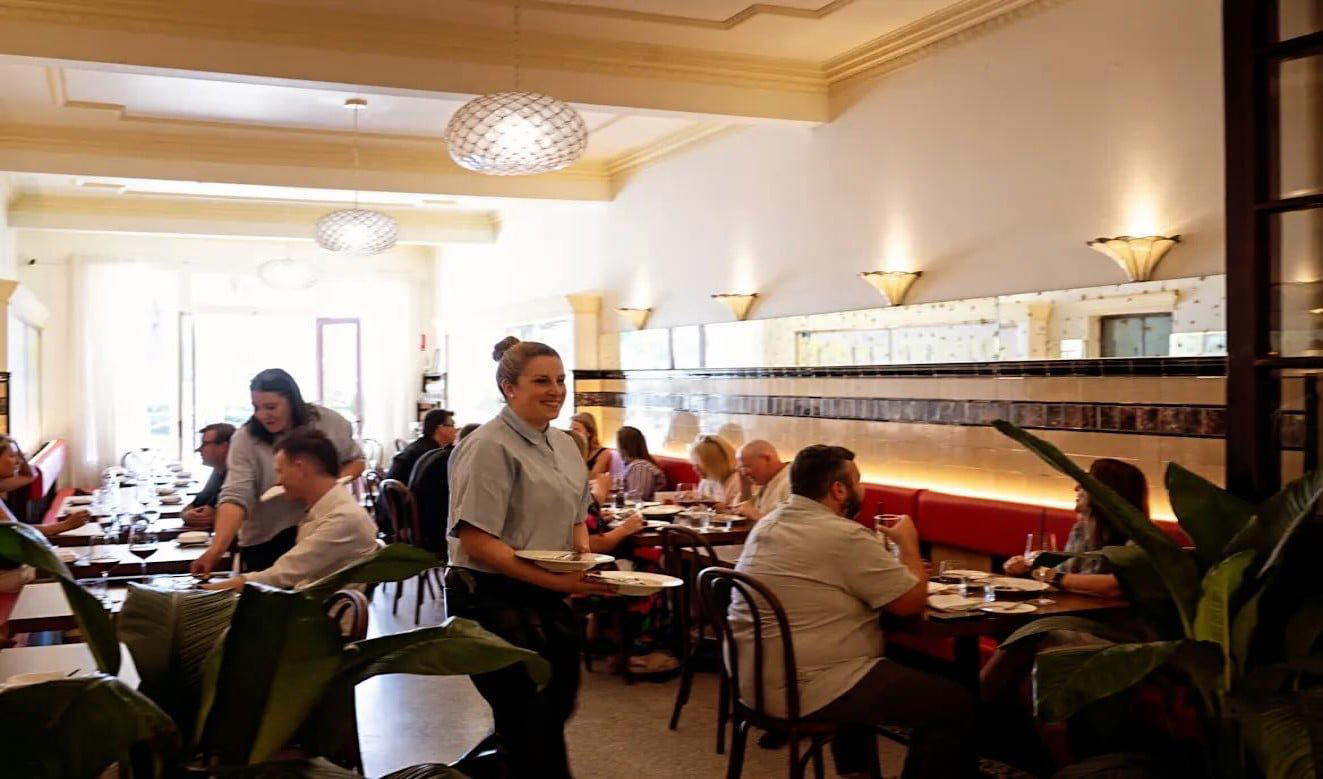
Where the Peninsula Puts Food on the Table
Approaching Rosebud from Melbourne, the Nepean Highway sheds urban density gradually — suburban retail gives way to market gardens, then to the low scrub and water views that mark the lower Mornington Peninsula. By the time you reach town, the logic of eating here rather than in the city has already begun to make sense. The Mornington Peninsula is one of Victoria's most agriculturally and viticulturally active coastlines, and restaurants that take that seriously occupy a different register from their city counterparts. Orson works in that register. Its category, country fine dining, signals a specific set of priorities: produce sourced close to the kitchen, cooking that responds to what the land and sea nearby are actually doing, and a dining room pace that doesn't pretend you're anywhere other than where you are.
The Sourcing Argument
Country fine dining in Australia has developed a clear internal logic over the past decade, shaped in part by the influence of properties like Brae in Birregurra, where Dan Hunter's kitchen garden model demonstrated that radical proximity between source and plate could function as both an ethical stance and a creative constraint. That model has filtered outward. Restaurants on the Mornington Peninsula now operate in a region where that proximity is structurally available: the peninsula produces cool-climate wines, stone fruit, dairy, and seafood within a compact geography. Western Port Bay to the east and Port Phillip Bay to the west bracket the land with year-round fishing grounds. A kitchen that ignores these inputs is making a choice; one that builds around them is working with a genuine advantage.
Orson's positioning within country fine dining places it in the cohort of regional Australian restaurants that treat sourcing as a structural decision rather than a menu footnote. This is the distinction that separates that tier from standard regional dining: the supply chain is part of the editorial point of the food, not an afterthought added to marketing copy. The kitchens at Attica in Melbourne and Rockpool in Sydney built their reputations partly on articulating a specific Australian ingredient identity; country fine dining extends that conversation into the regions where those ingredients actually originate.
The Season as Menu
On the Mornington Peninsula, the seasonal rhythm is pronounced. Summer brings stone fruit and beach-crowd pressure; autumn shifts toward cool-climate harvest, with the peninsula's Pinot Noir and Chardonnay vineyards moving through picking season; winter quiets the tourist flow and concentrates the local population. A restaurant serious about regional sourcing tracks those shifts in what it serves. The result, for the diner, is that the menu in February and the menu in July are substantially different documents — not because a marketing calendar has been refreshed, but because the inputs have changed. This is the operational discipline that distinguishes sourcing-led kitchens from those that use seasonal language loosely.
For visitors travelling from Melbourne, the timing of a visit carries real consequence. The roughly ninety-minute drive from the CBD to the lower peninsula is manageable as a day trip in summer or as a weekend anchor in any season, but the experience at the table will reflect what the peninsula is producing at that moment. Booking ahead is standard practice for restaurants in this tier, regional fine dining outside a metropolitan centre draws both local regulars and city travellers, and tables at the weekend fill on shorter notice than many visitors anticipate. Checking availability several weeks out is the practical minimum.
Regional Fine Dining in a Wider Context
Australia's country fine dining tier has no single template. Brae operates with an on-site farm and accommodation, making it a destination in the fullest sense. Other regional kitchens work without that infrastructure, sourcing from nearby farms and fishing operations rather than growing their own. What connects them is the insistence that geography matters to the cooking. Orson operates in a town with genuine coastal character and a peninsula context that makes the sourcing argument credible rather than aspirational.
The comparison set for a restaurant like Orson extends beyond Victoria. Internationally, the model of ingredient-focused regional fine dining has produced some of the most closely watched tables: Le Bernardin in New York City built its identity around a specific ingredient category, seafood, treated with the same sourcing seriousness that Australian country kitchens apply to their regional produce. Atomix in New York City applies a comparable discipline to Korean culinary tradition. The connecting thread across these very different contexts is that ingredient provenance functions as a creative brief, not a promotional afterthought.
Within Australia's broader dining geography, city restaurants including Bar Carolina in South Yarra, Barry Cafe in Northcote, and Akasiro in Collingwood each occupy distinct positions in Melbourne's dining ecosystem, none of which overlap directly with what a regional fine dining table on the peninsula provides. The differences are structural: city restaurants operate against urban competition and urban foot traffic; regional restaurants ask the guest to travel and reward that decision with a sense of place that no city address can replicate.
Planning the Visit
Rosebud sits at the lower end of the Mornington Peninsula, approximately ninety minutes by car from Melbourne's CBD depending on traffic. The town is reachable by public transport via Frankston with an onward bus connection, though most visitors driving from Melbourne tend to combine the meal with time on the peninsula. For those travelling further, the wider peninsula makes for a logical overnight stop, with accommodation available across the region. Booking directly through the restaurant is the standard approach for fine dining in this tier; call or check online well ahead for weekend tables, particularly through summer and the autumn harvest season when visitor numbers peak. For broader context on what the peninsula and surrounding area offer, our full Rosebud restaurants guide covers the wider dining picture.
Frequently asked questions
How hard is it to get a table at Orson?
Regional fine dining restaurants within ninety minutes of Melbourne tend to fill faster than their location suggests, and Orson's position in Rosebud does not insulate it from weekend demand. Saturday evenings in particular move quickly, especially across the peninsula's summer and long-weekend peaks. Booking ahead by several weeks is the practical baseline for anyone with a specific date in mind.
Quick Comparison
Comparable venues nearby, for context on price, style, and recognition.
| Venue | Cuisine | Price | Awards | Notes |
|---|---|---|---|---|
| OrsonThis venue — the venue you are viewing | Modern Australian | $50–100 | Not listed | Not listed |
| Agnii | Modern Sri Lankan | Not listed | Not listed | Windsor |
| Brasserie@156 | Modern Australian Brasserie | $30–50 | Not listed | Gladesville |
| Bacchus | Modern Australian Fine Dining | Not listed | Wine Spectator Best of Award of Excellence | South Brisbane |
| Glebe Point Diner | Anglo-European-Aussie Bistro | $50–100 | Not listed | Glebe |
| Cote Basque | Basque Coast-Inspired European Grill | Not listed | Not listed | CBD |
Continue exploring
More in Rosebud
Restaurants in Rosebud
Browse all →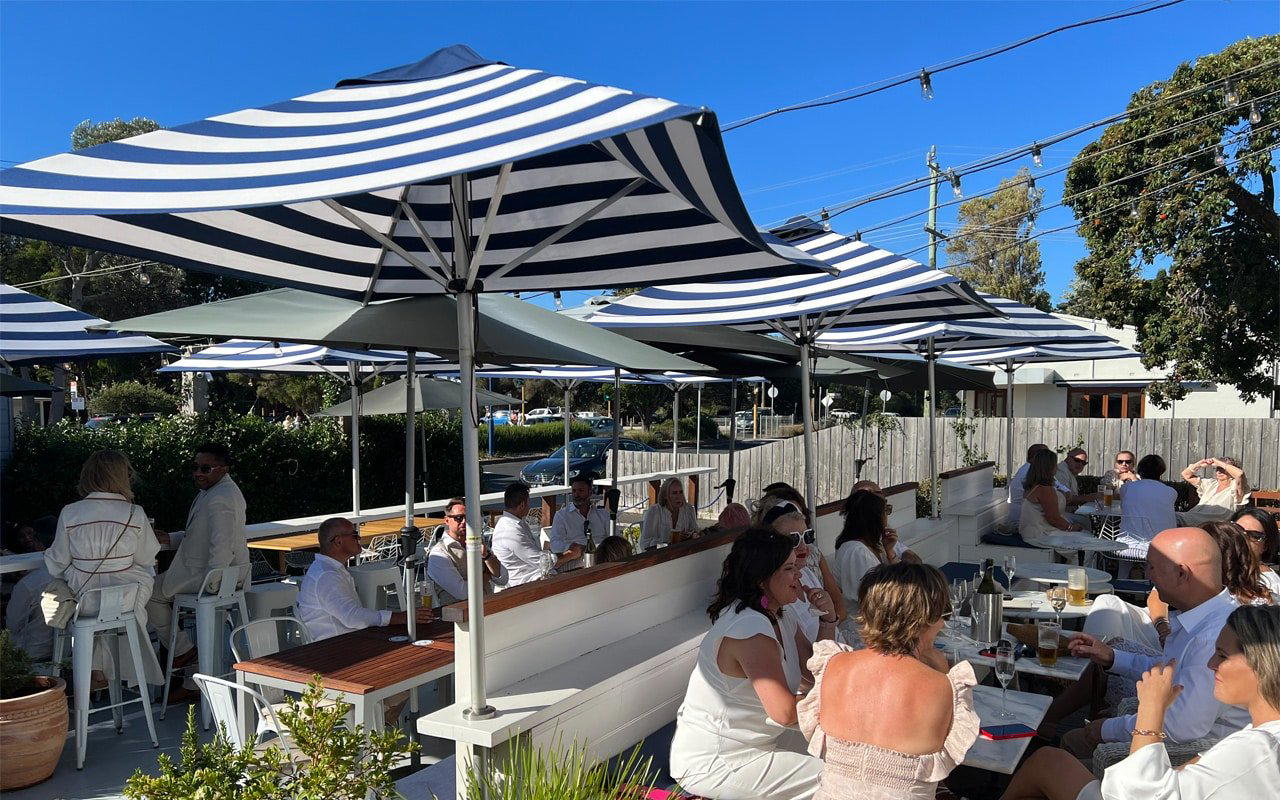
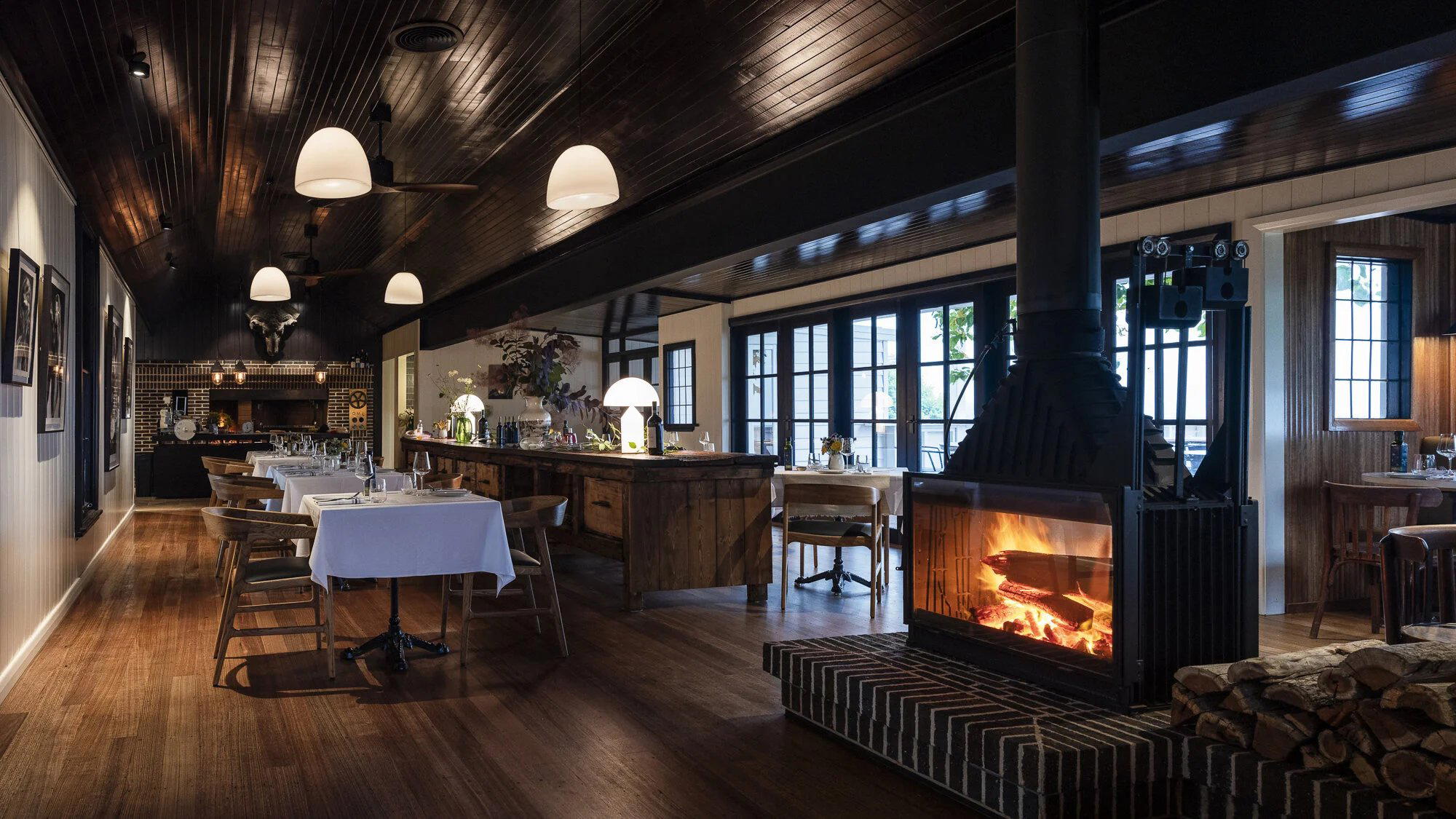
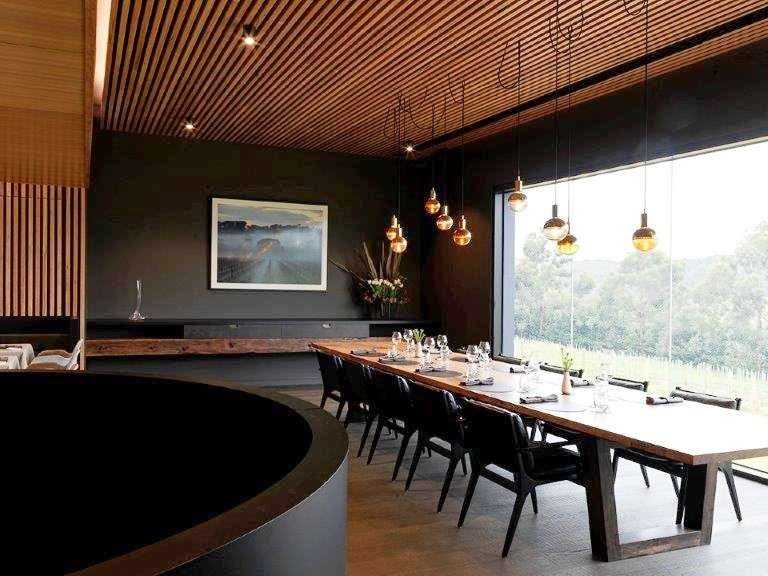
Bars in Rosebud
Browse all →
Hotels in Rosebud
Browse all →
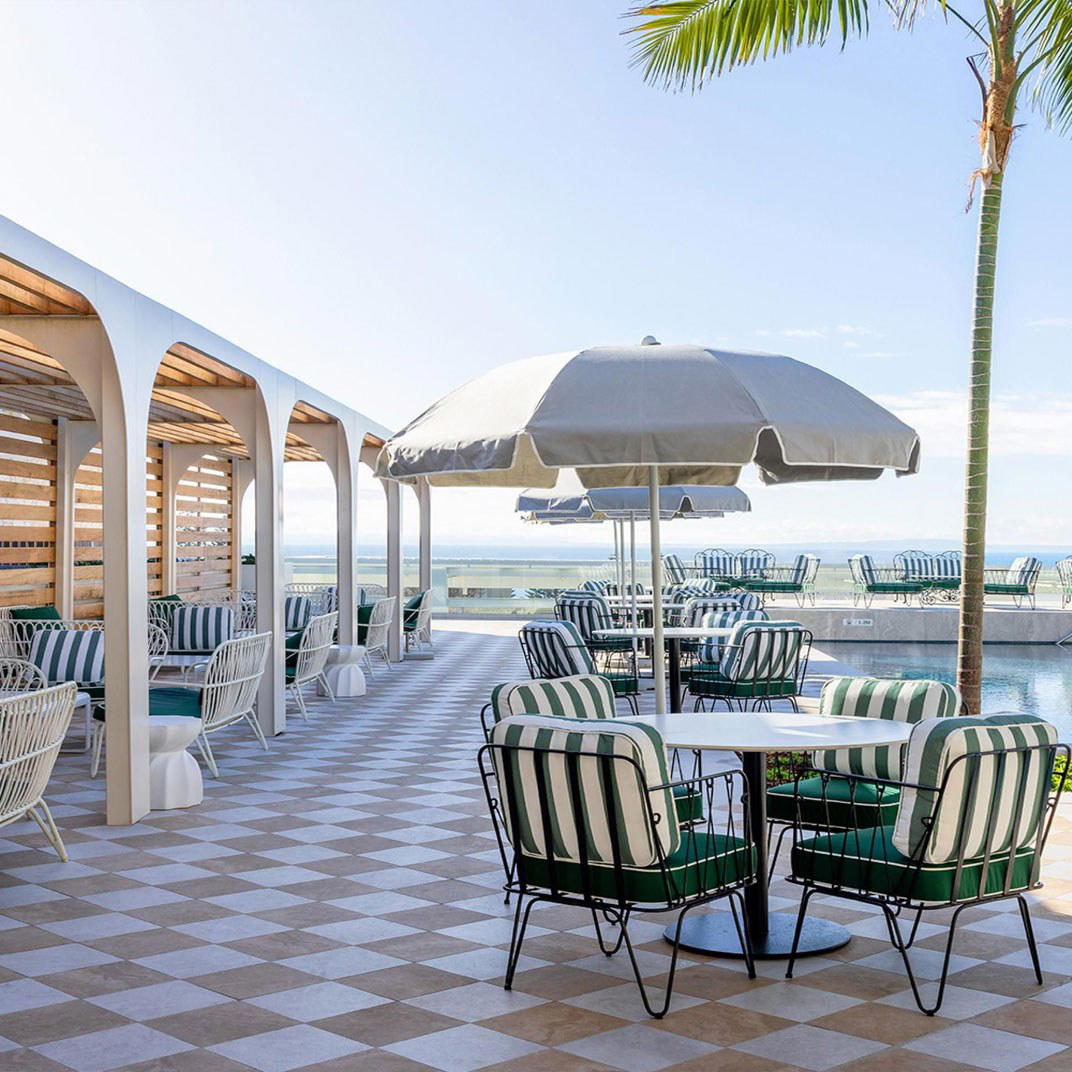
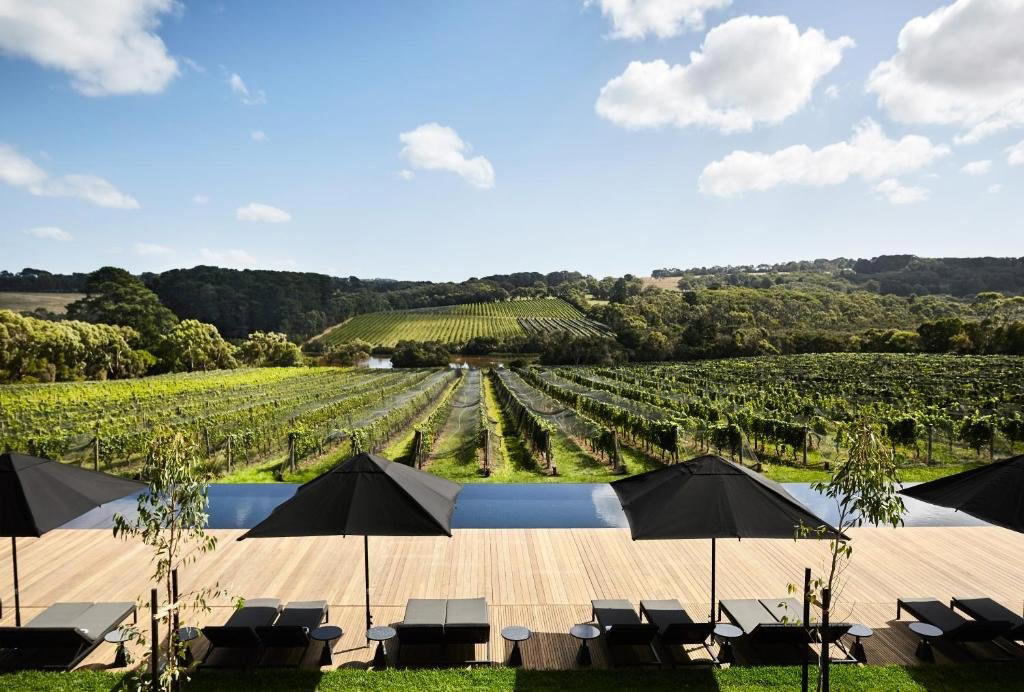
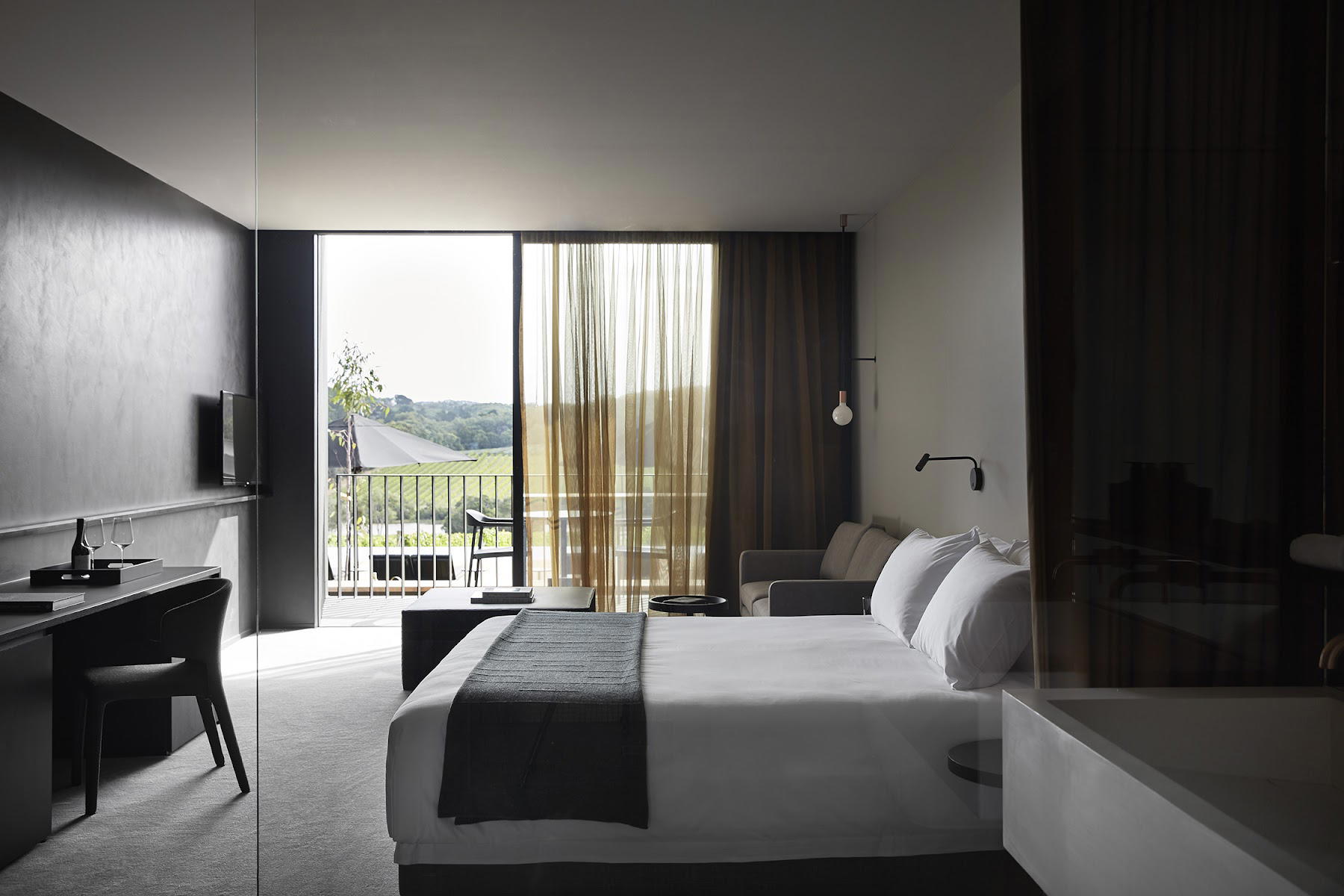
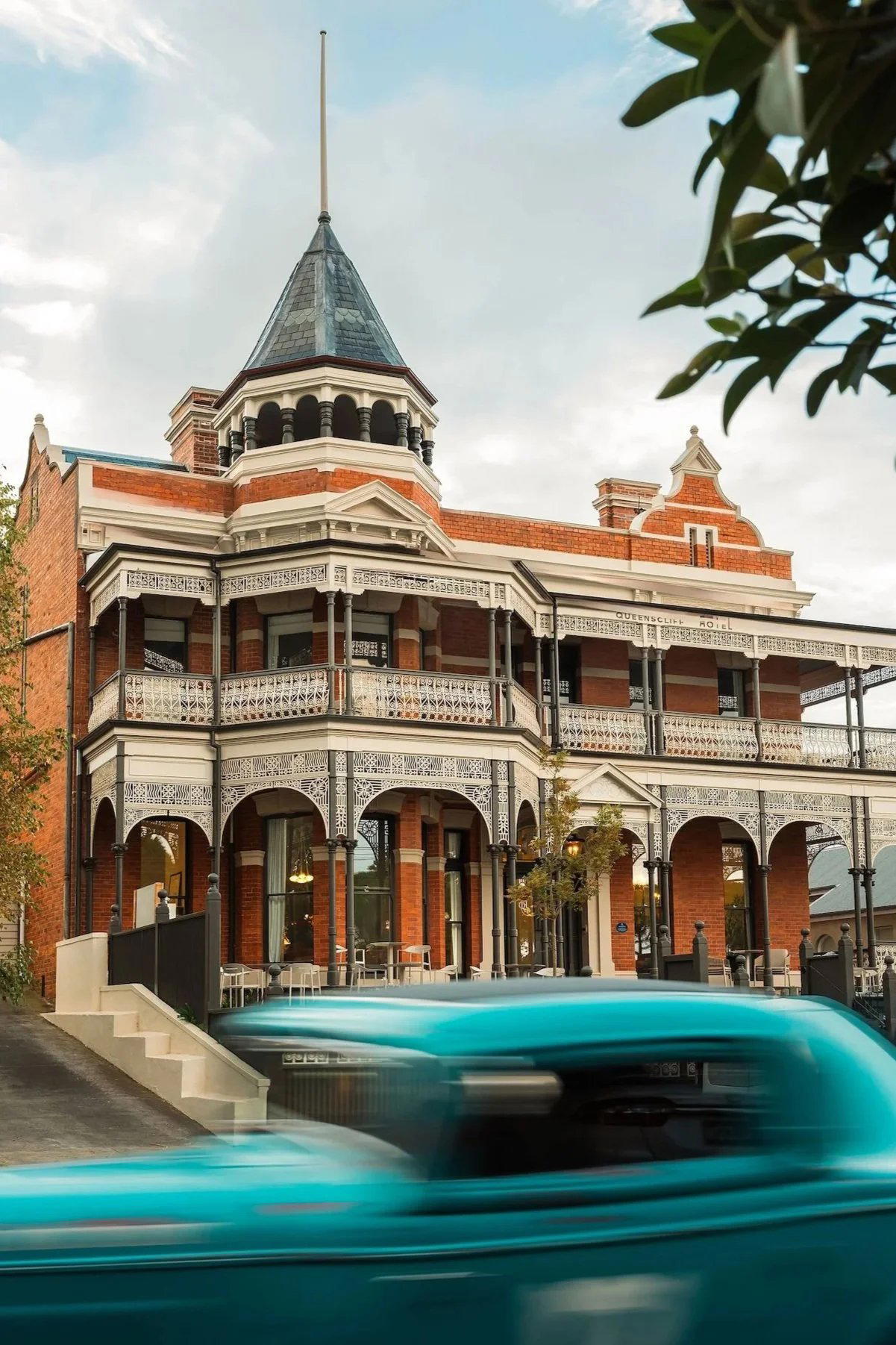

Details
- Elegant
- Modern
- Scenic
- Sophisticated
- Date Night
- Special Occasion
- Celebration
- Historic Building
- Design Destination
- Standalone
- A La Carte
- Tasting Menu
Dramatic art deco ambiance in a historic cinema foyer with thoughtfully curated lighting and sophisticated atmosphere.