The Other Place Restaurant
On a quiet block of the East Side, The Other Place Restaurant at 469 E 300 S occupies a position in Salt Lake City's mid-tier dining scene where the menu structure does most of the talking.
Pearl is the En Primeur Club membership app — saves, bookings, and concierge access live there. Same editors, same standards.
- Address
- 469 E 300 S, Salt Lake City, UT 84111
- Phone
- +18015216567
- Website
- theotherplacerestaurant.com
- Directions
- Get directions
 Saves & bookings on Pearl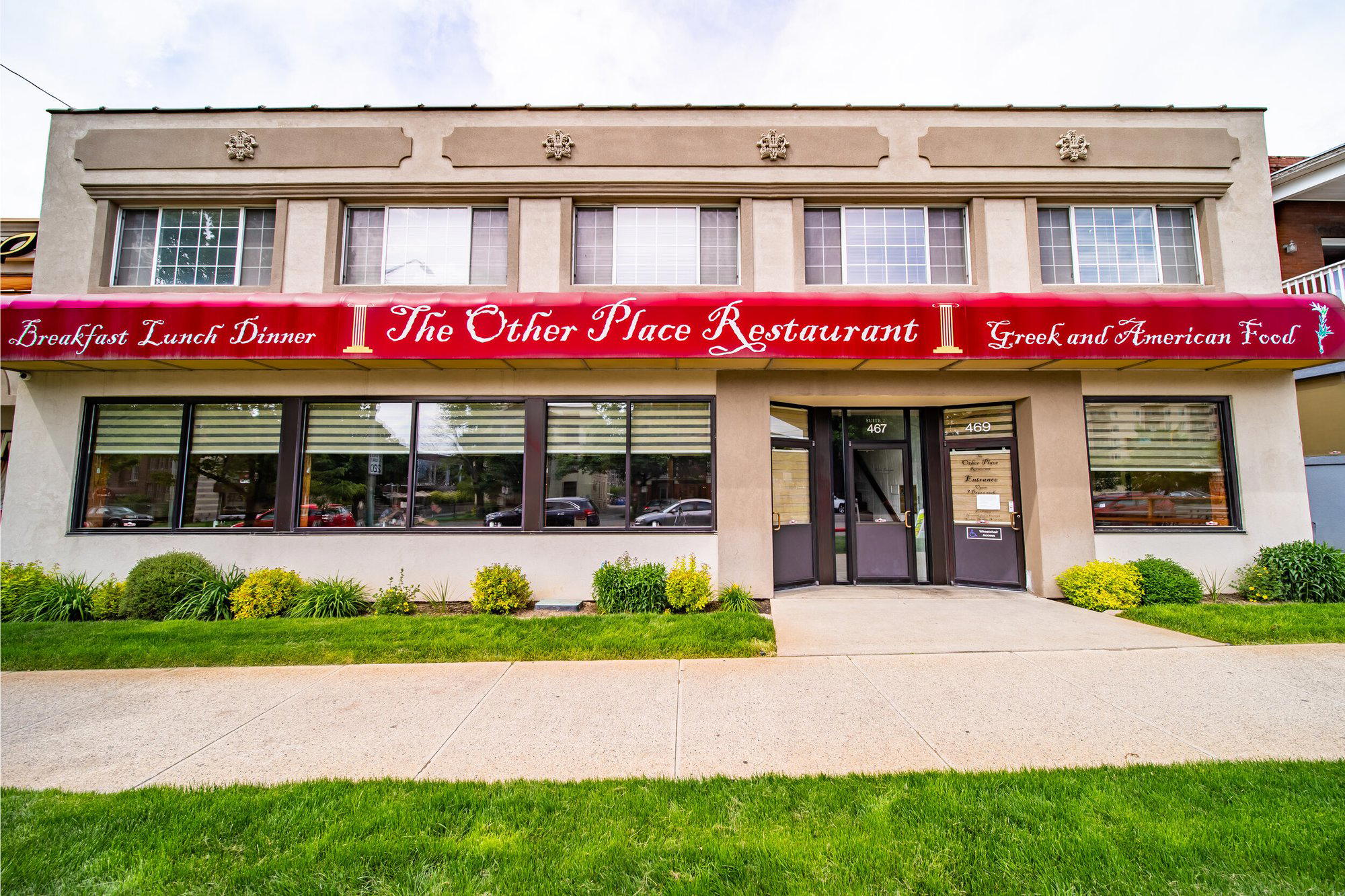
A Street-Level Read on Salt Lake City's Evolving Restaurant Scene
Salt Lake City's dining geography has shifted considerably over the past decade. The corridor running through the East Side and downtown core has become the territory where mid-range and ambition-forward restaurants compete for a dining public that no longer needs to travel to Denver or Los Angeles to find serious cooking. The stretch around 300 South, where The Other Place Restaurant sits at 469 E 300 S, is part of that broader reorganisation: a neighbourhood that has absorbed independent operators willing to work outside the high-visibility downtown core while still pulling from the same pool of regulars who fuel restaurants like Avenues Proper and Arlo Restaurant.
That positioning matters more than it might appear. In cities where the restaurant scene is concentrated rather than dispersed, a venue's address is often its first editorial statement. Operating slightly off the main tourist corridor signals something about the intended audience: locals with specific intent rather than visitors working from a hotel concierge list.
What Menu Architecture Reveals About a Kitchen's Priorities
In American dining, the structure of a menu is one of the more honest indicators of what a kitchen believes about its guests. Restaurants that lead with shareables are betting on group dynamics and revenue-per-head. Tasting-menu-only formats assert a particular kind of authority. A la carte menus with a short, disciplined list signal either confidence in execution or a preference for repeat business over spectacle. At The Other Place Restaurant, the menu format remains part of the in-person experience.
This approach places The Other Place in a small category of Salt Lake City restaurants. Compare that to the more thoroughly documented comparable set: Bambara Salt Lake City operates within a hotel context that comes with its own institutional transparency, while Blind Rabbit Kitchen and Adelaide each carry enough public profile to set expectations before a guest arrives. The Other Place operates differently, which either limits its reach or concentrates it, depending on your perspective.
The Broader American Fine Dining Conversation
Understanding any serious independent restaurant in a secondary American city requires some sense of what the national conversation looks like and how far its influence travels. The restaurants that have defined the past decade of American fine dining, from Alinea in Chicago and Lazy Bear in San Francisco to The French Laundry in Napa and Le Bernardin in New York City, share a common thread: they each made a deliberate and legible argument through their menu structure. Atomix in New York City built its identity around a card-based narrative for each course. Blue Hill at Stone Barns in Tarrytown made the farm itself the menu. Single Thread Farm in Healdsburg fused Japanese kaiseki rhythm with Northern California produce logic.
None of these approaches reached their cities overnight, and their influence on smaller-market independents tends to arrive with a delay. That delay is not a weakness: it often produces more considered versions of an idea, stripped of the hype cycle that surrounded the original. Independent restaurants in cities like Salt Lake City absorb those ideas selectively and adapt them to what local supply chains, guest expectations, and price tolerances will actually support. What Providence in Los Angeles, Addison in San Diego, and The Inn at Little Washington in Washington do at a resource-intensive scale, smaller operators translate into something leaner and often more sustainable.
What the Address Tells You Before You Arrive
The physical approach to The Other Place Restaurant, at the corner of East 300 South, puts the guest in a part of the city where the built environment mixes commercial and residential without the polish of the Gateway or the self-consciousness of the 9th and 9th neighbourhood. That in-between quality is increasingly common for independent restaurants that want access to foot traffic without paying premium rents. The trade-off is that the room needs to do more work on arrival: the exterior and entrance have to answer the question a guest is already forming on the walk from their car.
In that respect, The Other Place shares a positioning challenge with any restaurant that has chosen an address over an audience. The guests who find their way to 469 E 300 S are, by definition, looking for it. That kind of intentionality in a dining room tends to produce a different atmosphere than a venue that captures passers-by: the room skews toward regulars, toward people who came with a recommendation, and toward diners who already have a specific expectation they want tested.
Placing The Other Place in Salt Lake City's Current Tier Structure
Salt Lake City's restaurant tier structure has become more legible in recent years. At the upper end sit venues with documented chef credentials, tasting menu formats, and national press recognition. In the middle sits a more contested tier of serious independents, neighbourhood-focused operators, and concept restaurants that hold loyal followings without wide publication. At the accessible end, the city has seen significant growth in casual formats tied to Utah's expanding population and demographic shifts.
The restaurant, based on its address and the nature of available records, appears to occupy that middle tier, alongside restaurants like Avenues Proper that have built their reputations through consistency and word-of-mouth rather than award cycles.
For international context, the pattern repeats in many cities: independents like Emeril's in New Orleans and 8 1/2 Otto e Mezzo Bombana in Hong Kong each built durable positions in their respective cities by reading their local tier structure accurately and pricing accordingly, rather than reaching for a category their market couldn't sustain.
Planning Your Visit
The restaurant is located at 469 E 300 S, Salt Lake City, UT 84111. It is a casual, walk-in-friendly restaurant with a price tier of 2, about $15 per person, and hours of Tuesday through Sunday from 8 AM to 9 PM.
Style and Standing
Comparable venues nearby, for context on price, style, and recognition.
| Venue | Cuisine | Price | Notes |
|---|---|---|---|
| The Other Place RestaurantThis venue — the venue you are viewing | Traditional Greek & American Diner | $$ | Not listed |
| Saffron Valley - Avenues | British Colonial Indian | $$ | The Avenues |
| Caffé Molise | Regional Italian | $$ | Clark Learning Office Center |
| Caputo's Market & Deli | Italian Deli | $$ | Clark Learning Office Center |
| J Wongs Thai & Chinese Bistro | Thai & Chinese Bistro | $$ | Downtown |
| White Horse Spirits & Kitchen | Modern American Brasserie | $$ | Clark Learning Office Center |
Continue exploring
More in Salt Lake City
Restaurants in Salt Lake City
Browse all →
Bars in Salt Lake City
Browse all →
Hotels in Salt Lake City
Browse all →
Wineries in Salt Lake City
Browse all →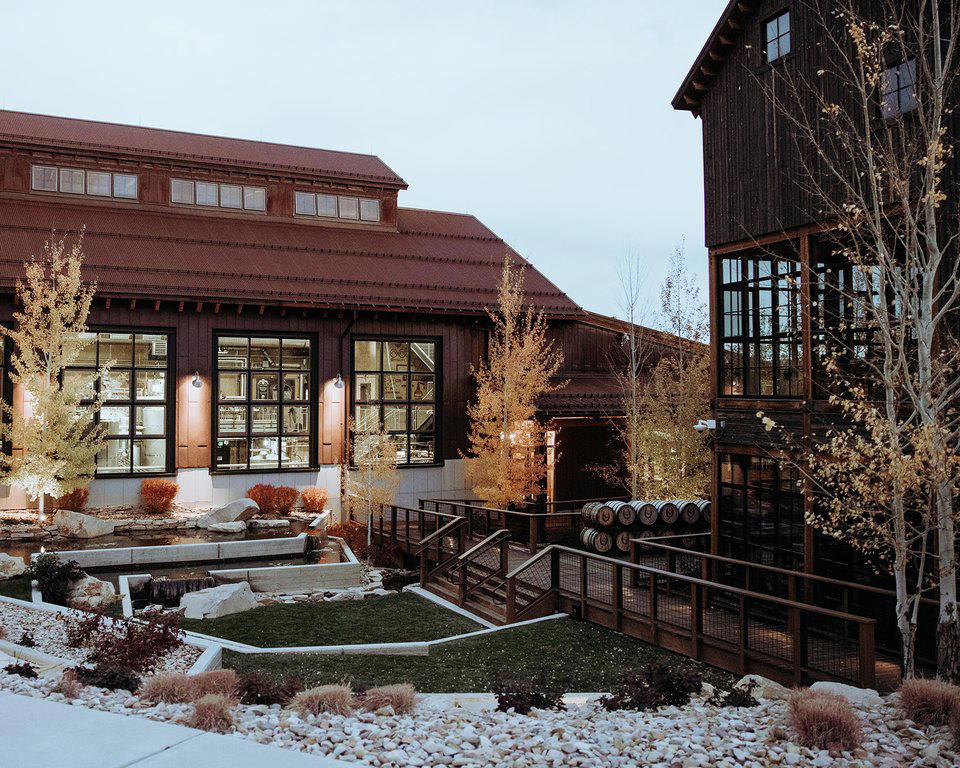
At a Glance
- Cozy
- Classic
- Rustic
- Family
- Casual Hangout
- Brunch
- Group Dining
- Standalone
Current opening hours
- Monday
- Closed
- Tuesday
- 8 AM–9 PM
- Wednesday
- 8 AM–9 PM
- Thursday
- 8 AM–9 PM
- Friday
- 8 AM–9 PM
- Saturday
- 8 AM–9 PM
- Sunday
- 8 AM–9 PM
Hours can change for holidays and private events. Last verified .