Aker Restaurant & Lounge
Aker Restaurant & Lounge occupies a downtown Salt Lake City address at 9 Exchange Place, positioning itself within a city that has quietly built a serious hospitality scene over the past decade. The restaurant and lounge format places it at the intersection of dining and drinking culture, where the best contemporary American venues are blurring those lines with intention. For visitors and locals alike, Exchange Place is a destination worth understanding before you arrive.

Pearl is the En Primeur Club membership app, where members save venues, book tables and use the concierge.
Exchange Place and the Case for Downtown Salt Lake City
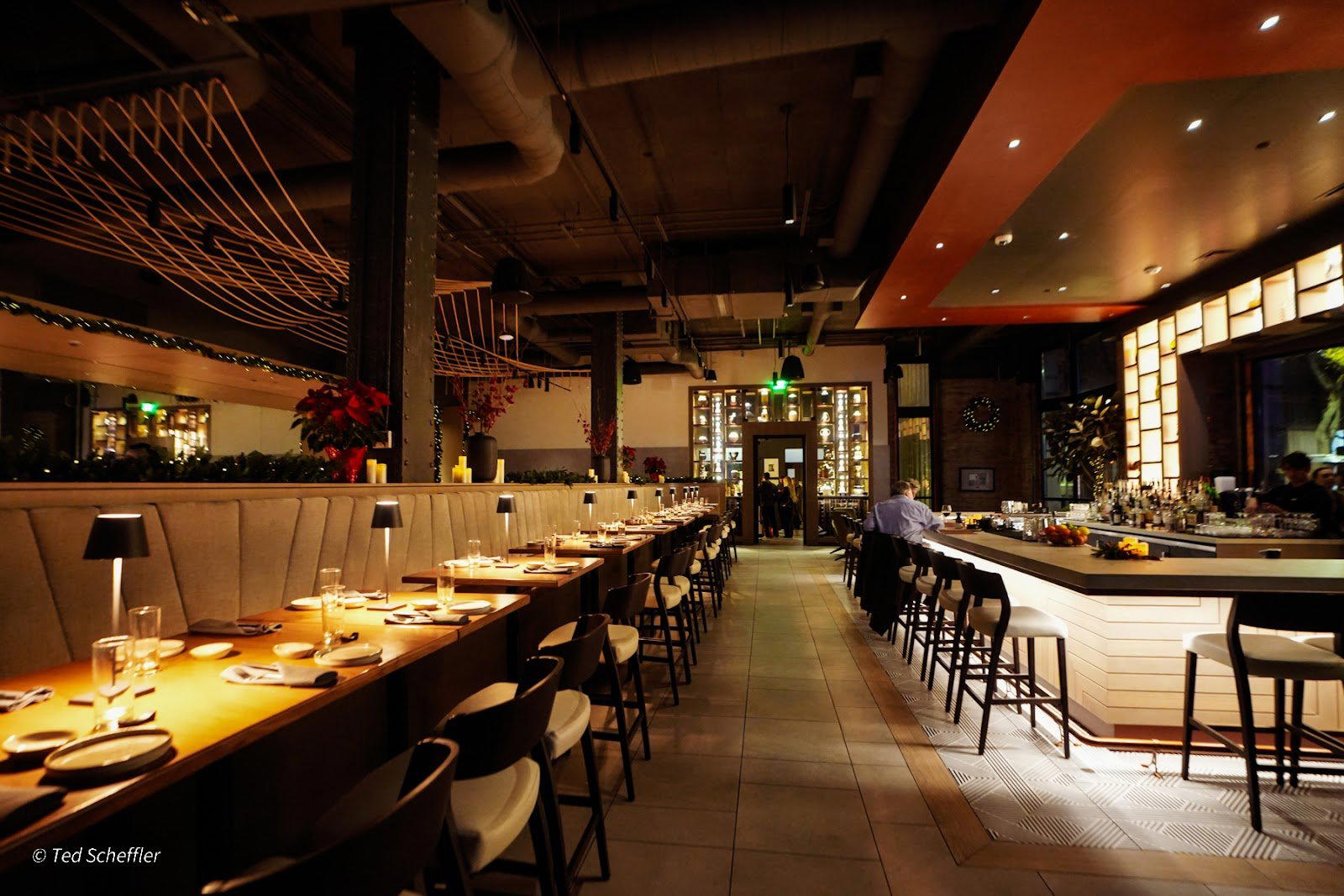
Salt Lake City's dining and drinking culture has undergone a genuine shift in recent years, and the blocks around Exchange Place sit close to the centre of that story. The area carries historical weight as the city's original commercial corridor, and a newer generation of hospitality venues has moved into its ground floors and storefronts, drawn by the architecture and the walkability that the city's newer districts lack. Aker Restaurant & Lounge, at 9 Exchange Place, occupies a position in that neighbourhood where the room itself does a portion of the editorial work, brick and steel-framed interiors that read as deliberate rather than dressed-up, a quality that matters more in Salt Lake City's hospitality scene than it might in markets with longer fine-dining histories.
The broader pattern across the American West is instructive here. Cities without deep institutional dining traditions have, in the past decade, produced some of the country's more interesting restaurant-lounge hybrids, precisely because they are less encumbered by format orthodoxy. A venue in Salt Lake City faces a different set of expectations than one in New York or San Francisco, and the better ones have used that freedom to build spaces where the bar program and the kitchen are given equal standing. That dual-format premise is at the heart of what makes venues like Aker worth paying attention to.
The Technique-and-Terroir Equation in Utah Dining
The editorial angle that most reliably separates serious contemporary American restaurants from their more casual peers is the relationship between imported technique and local sourcing. In Utah, that tension is genuinely interesting. The state sits within reach of several productive agricultural zones: high-desert ranching country to the south and east, mountain-adjacent growing conditions that produce shorter but concentrated seasons for stone fruits, root vegetables, and heritage grains. Kitchens that treat those ingredients as the starting point, rather than as a regional footnote, arrive at menus that are harder to replicate elsewhere.
Globally trained culinary technique applied to Utah-sourced product is still a relatively recent phenomenon in Salt Lake City. For much of the city's dining history, the gravitational pull was toward either casual Western-American cooking or imported fine-dining formats that treated local ingredients as incidental. The shift toward treating place-specific product as the primary material, and applying French, Japanese, or modern American methods to it, follows a pattern seen in cities like Denver, Portland, and Boise over the past fifteen years. Salt Lake City's version of that story is still being written, and Exchange Place addresses like Aker's sit inside that ongoing development.
For a venue operating a lounge alongside a full kitchen, the bar program becomes as much a statement of local identity as the food menu. Utah's liquor licensing framework has historically shaped what bars could do and how they operated, and the most technically ambitious programs in the city have found ways to work around those constraints with fermented and non-alcoholic components, house-made ingredients, and spirits sourced from the state's own distilling sector, which has grown considerably since the mid-2010s. That context matters when assessing what a bar at this address is capable of and what a visit in any given season might offer.
Salt Lake City's bar and restaurant scene has developed a small tier of venues that operate with genuine program ambition rather than simply volume and price. Avenues Proper and Bar Nohm have established reputations within the city's cocktail community, while Beer Bar and Bodega and The Rest represent different points on the spectrum between approachable and technically considered. Aker's restaurant-and-lounge format positions it slightly differently from pure cocktail bars, closer to the full-service model where kitchen and bar programs are expected to speak to each other.
That peer comparison extends usefully beyond Utah. The hybrid restaurant-lounge format has produced some of the more compelling venues in American hospitality over the past decade. Kumiko in Chicago built its reputation on a bar program that functions with the same discipline as a tasting-menu kitchen. Jewel of the South in New Orleans operates within a historical cocktail tradition while maintaining serious culinary ambitions. ABV in San Francisco and Bar Leather Apron in Honolulu have each found ways to make the bar the intellectual centre of a full hospitality experience. Julep in Houston, Superbueno in New York City, and The Parlour in Frankfurt on the Main all point toward the same broader shift: the most interesting drinking-and-dining spaces are no longer organised around the kitchen's primacy. Aker operates in that same conceptual space, bringing the lounge into genuine parity with the restaurant.
Planning a Visit: Practical Notes for Exchange Place
Exchange Place is accessible on foot from Salt Lake City's downtown core and sits within a short distance of the TRAX light rail network, making it a practical anchor for an evening that might span multiple stops in the city's central neighbourhoods. For visitors arriving from outside Utah, the area rewards some prior research: the blocks around this address have a different character in the evening than during business hours, and the hospitality cluster concentrated here works well when treated as a destination rather than a pass-through.
Given the venue format combines a full dining room with lounge service, timing a visit depends on whether the priority is a structured meal or a more extended drinking program. Seasonal considerations matter in this part of the American West: summer evenings draw outdoor-oriented visitors and the city's population swells with tourism tied to Utah's national parks corridor, while winter months bring a quieter but often more locally engaged crowd. Neither window is categorically better, but they produce different room energies and, frequently, different menu emphases tied to what regional producers are supplying. Our full Salt Lake City restaurants guide provides broader context for building an itinerary around an Exchange Place visit.
Peers Worth Knowing
Comparable venues nearby, for context on price, style, and recognition.
| Venue | Cuisine | Price | Notes |
|---|---|---|---|
| Aker Restaurant & LoungeThis venue (the venue you are viewing) | lounge | $100–150 | Not listed |
| MONARCA | mezcaleria | Not listed | Clark Learning Office Center |
| Pago | wine_bar | Not listed | 9th and 9th |
| Oquirrh Restaurant | lounge | Not listed | Clark Learning Office Center |
| Tokyo Tower Japanese Sushi and Chinese Cuisine | Bar | $10–20 | Ballpark |
| Sugar House Station | lounge | $20–30 | Sugarhouse |
Aker Restaurant & Lounge
Featured Guides
Continue exploring
More in Salt Lake City
Bars in Salt Lake City
All bars in Salt Lake City →
Restaurants in Salt Lake City
All restaurants in Salt Lake City →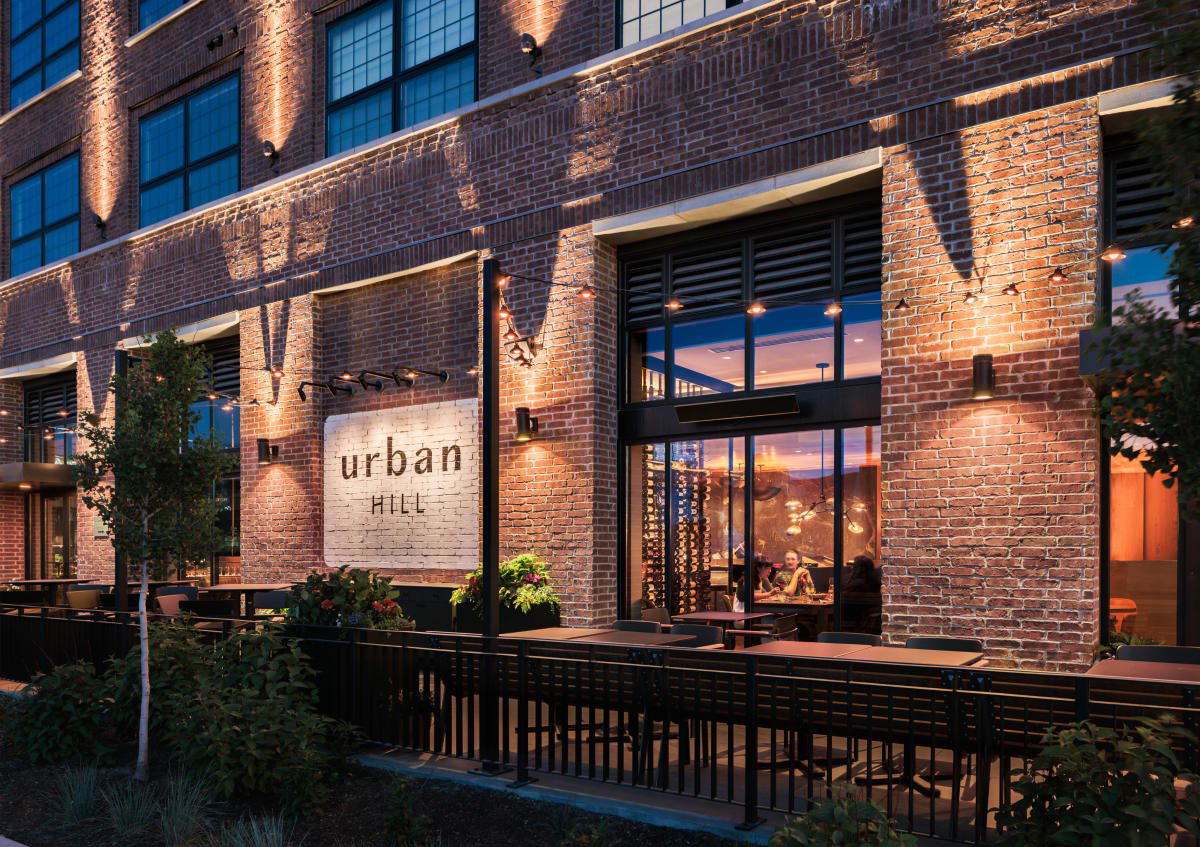
Hotels in Salt Lake City
All hotels in Salt Lake City →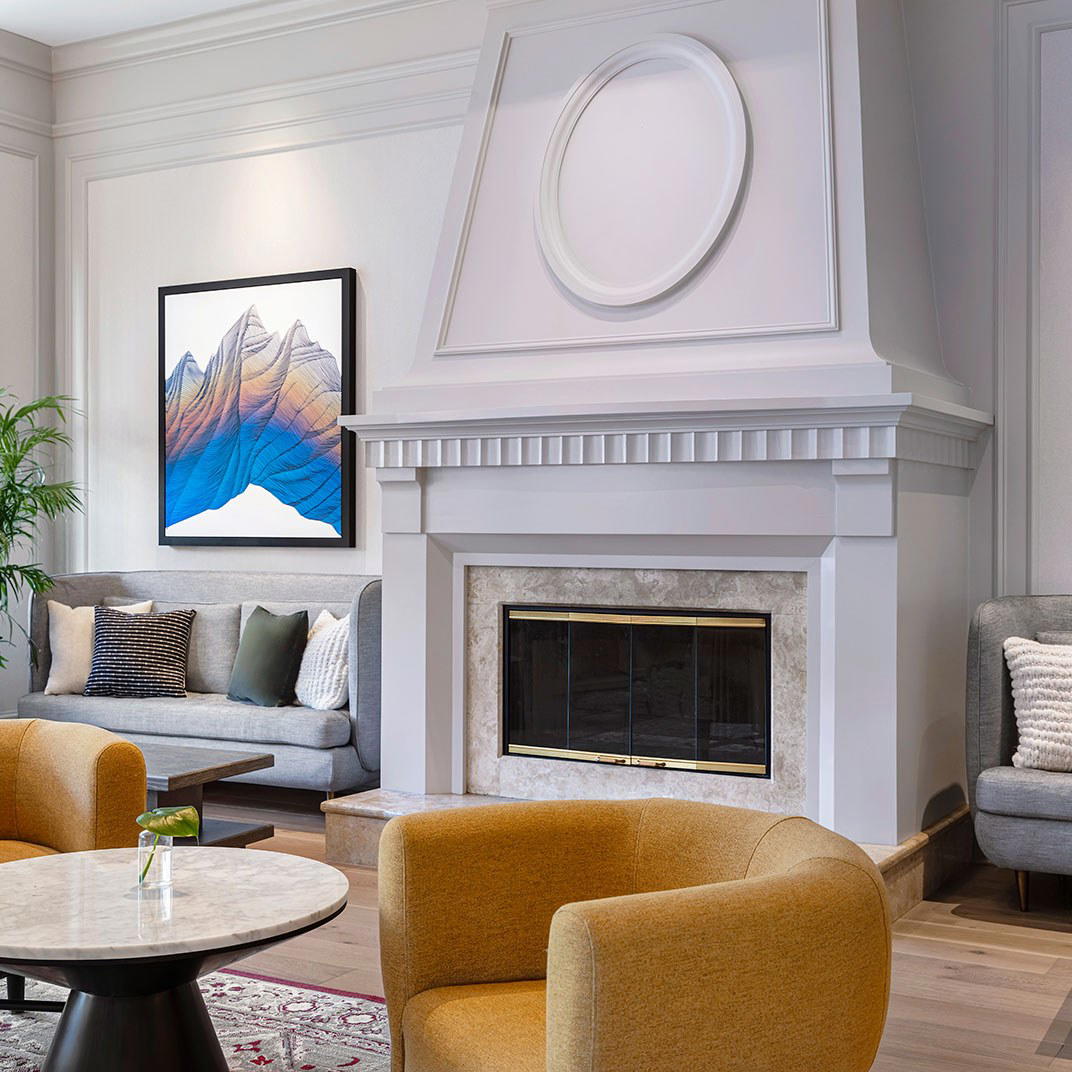
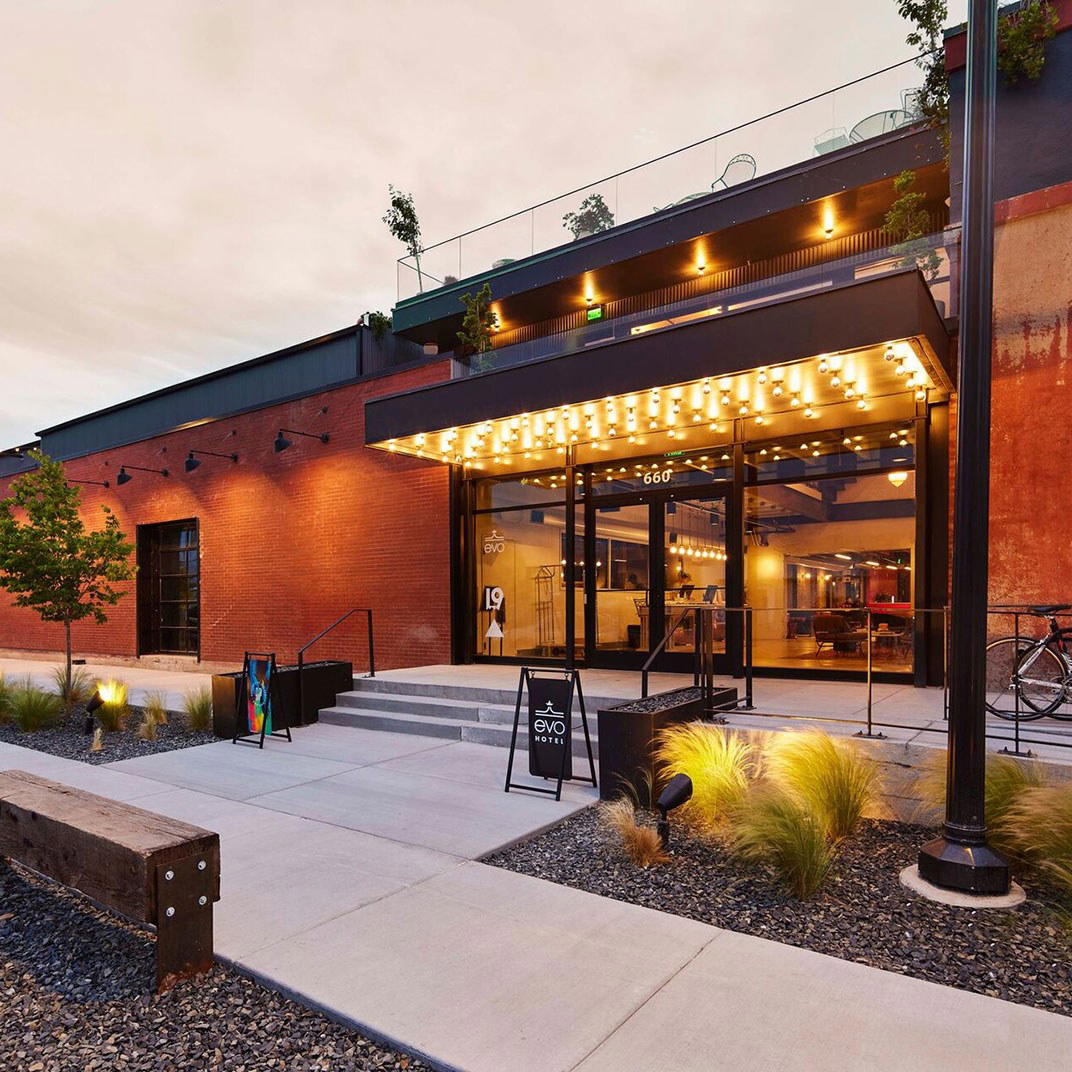
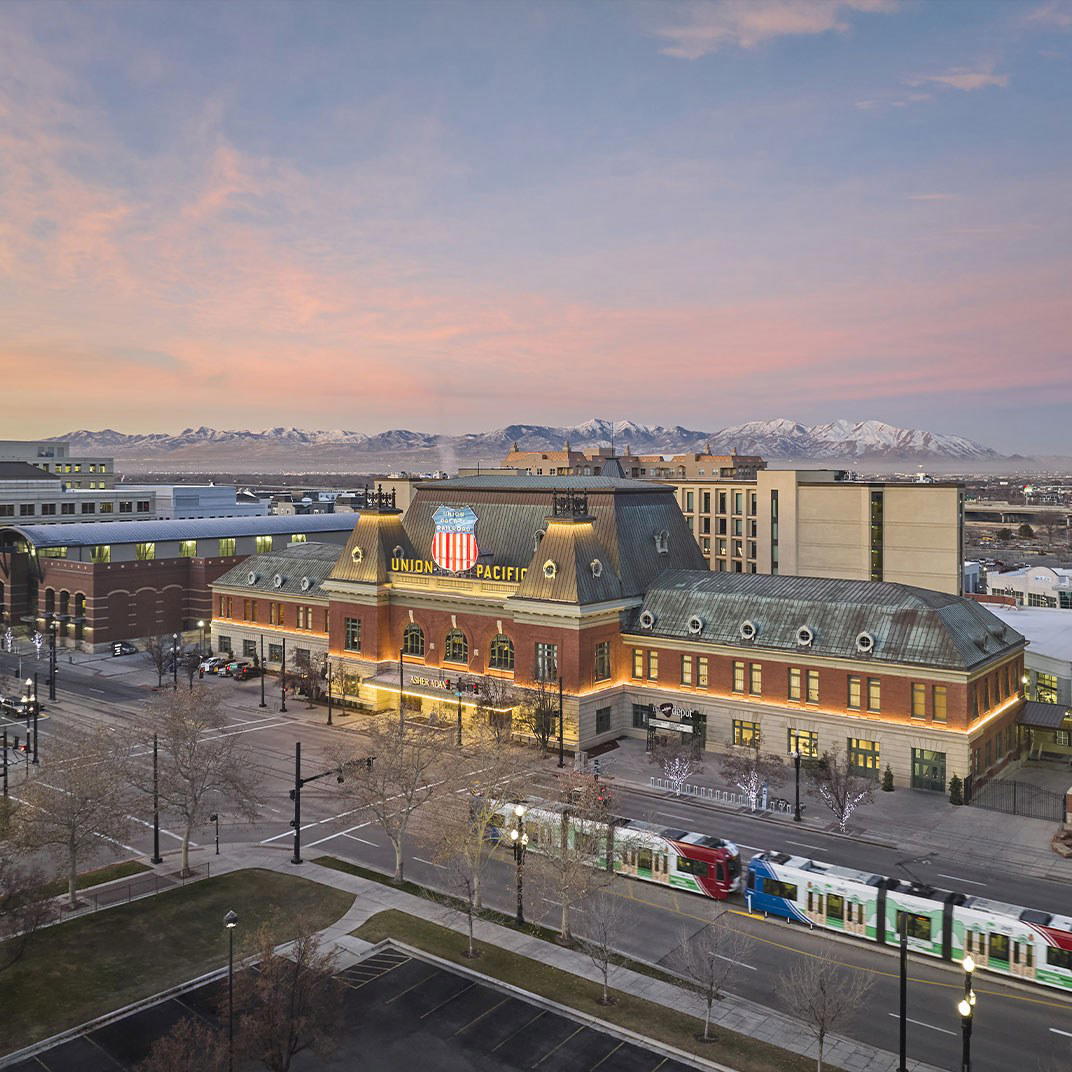
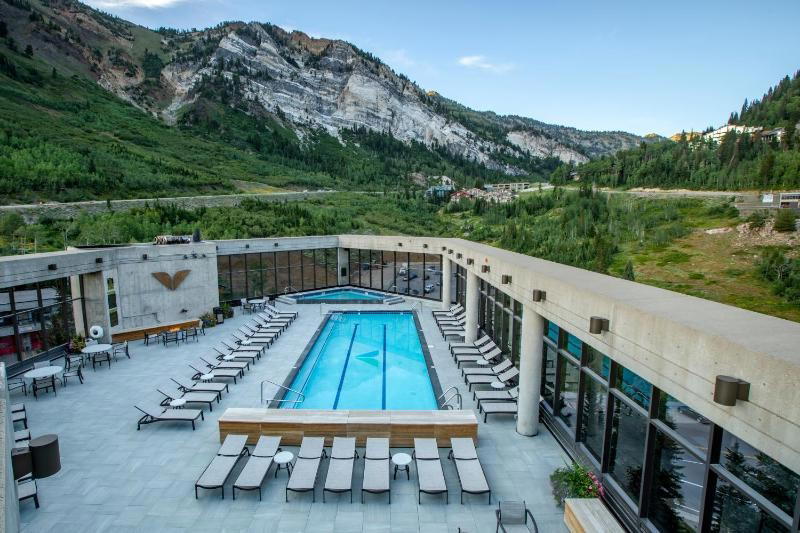
Wineries in Salt Lake City
Browse all →
Aker Restaurant & Lounge
The drinks
- Craft cocktails
Signature drinks: Hana Rose, Aker Sour, Kyoto Bloom.
Details
- Sophisticated
- Elegant
- Modern
- Intimate
- Date Night
- Special Occasion
- Design Destination
- Lounge Seating
- Seated Bar
- Craft Cocktails
- Sake
Current opening hours
- Monday
- 5–10 PM
- Tuesday
- 5–10 PM
- Wednesday
- 5–10 PM
- Thursday
- 5–10 PM
- Friday
- 4–11 PM
- Saturday
- 4–11 PM
- Sunday
- 4–9 PM
Hours can change for holidays and private events. Hours as of .
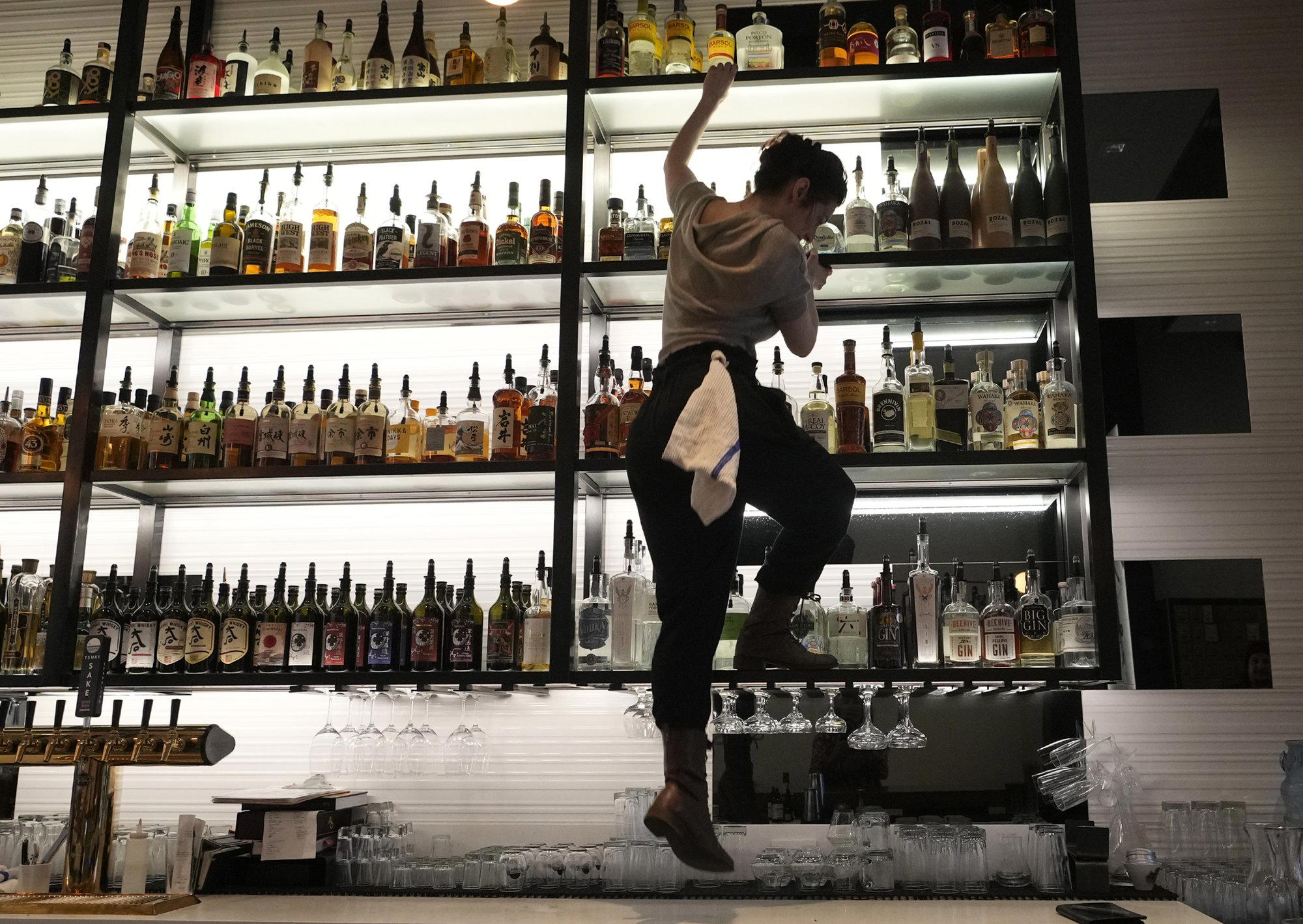
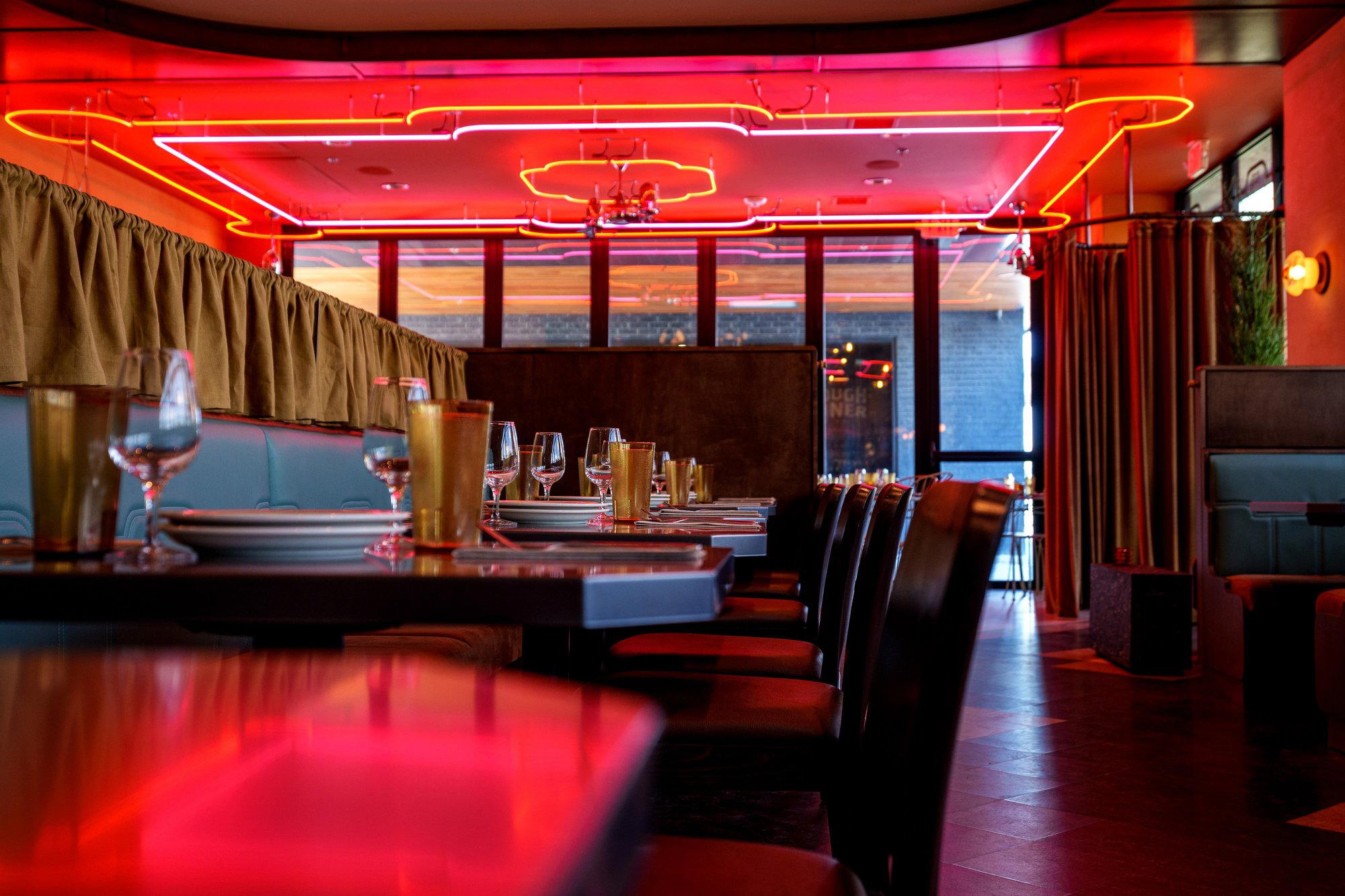
Moody lighting with contemporary design and a sleek, sophisticated lounge atmosphere.