Arlo Restaurant
Our verdict
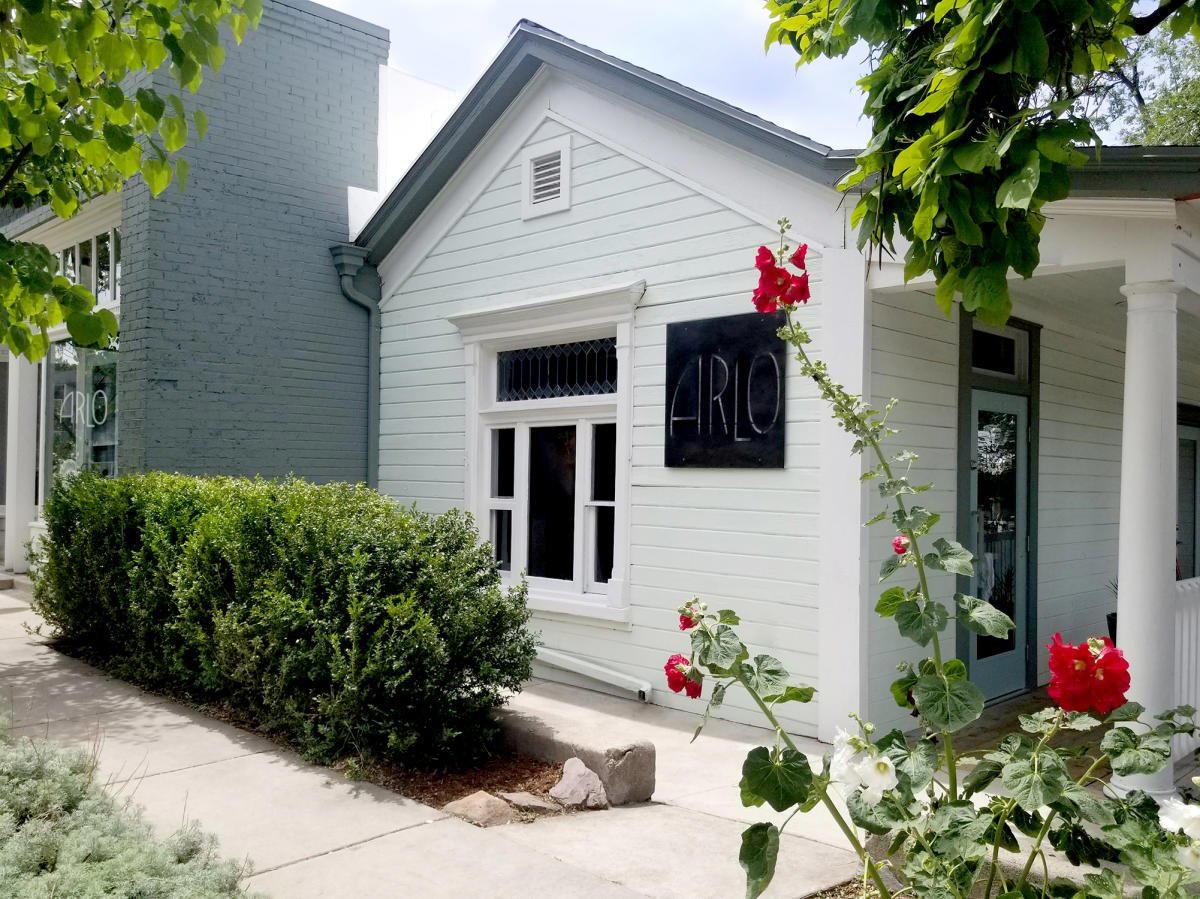
Arlo Restaurant occupies a spot on North Center Street where Salt Lake City's growing appetite for technique-driven dining meets the region's distinct larder. The kitchen draws on the Wasatch Front's seasonal produce and Rocky Mountain ingredients, framing them through precision methods more commonly associated with coastal fine dining. For visitors tracking the city's evolving restaurant scene, Arlo is a reference point worth knowing.

Pearl is the En Primeur Club membership app, where members save venues, book tables and use the concierge.
The menu
What to order
- Duck Ravioli
- Vegetable Tart
- Cioppino
- Lamb Ravioli with Horseradish
- Ceviche with Green Coriander Seeds
Where the Wasatch Larder Meets Imported Technique
Salt Lake City's fine dining scene has undergone a quiet but measurable shift over the past decade. The city that once defaulted to steakhouses and casual American fare now hosts a tier of restaurants where kitchen discipline, sourcing philosophy, and tasting-format ambition rival what you find in larger coastal markets. Arlo Restaurant, at 271 N Center St, sits inside that shift. The address puts it in a part of downtown that has accumulated serious dining options, where neighbours like Bambara Salt Lake City and Avenues Proper have anchored a reputation for thoughtful, ingredient-led cooking.
The broader argument that defines this tier of American regional dining is the intersection of imported technique and local product. Kitchens that have trained through lineages connected to places like The French Laundry in Napa or Blue Hill at Stone Barns in Tarrytown have increasingly set up in secondary markets, bringing precision frameworks to regions whose ingredient stories had previously gone untold at that level of execution. Arlo fits that broader pattern: a kitchen operating at the intersection of classical or modernist method and the specific, seasonally constrained larder of the Mountain West.
The Rocky Mountain Larder as a Kitchen Argument
Utah's agricultural and foraging calendar is more compelling than most coastal diners assume. High-altitude growing conditions compress seasons sharply, which means that when stone fruit from the state's orchards or foraged fungi from the Uinta highlands are in peak window, that window is narrow and worth building a menu around. Restaurants operating at this tier in similar regional contexts, from Smyth in Chicago to Single Thread Farm in Healdsburg, have demonstrated that the most compelling case for regional fine dining is made not through imported luxury ingredients but through the intelligent framing of what grows, grazes, and runs locally.
That argument holds particularly well in the Mountain West, where the combination of high desert, alpine meadow, and irrigated valley floor creates an ingredient profile that differs sharply from Pacific Coast or Great Plains cooking. Lamb from the Colorado Plateau, trout from cold-water tributaries, heritage grains from smaller Utah producers, and a short but concentrated summer growing season all feed into kitchens willing to build their identity around geography rather than formula. When technique from the level of a Le Bernardin in New York City or a Providence in Los Angeles is applied to that specific larder, the results tend to read as genuinely regional rather than derivative.
Arlo in Its Competitive Set
Within Salt Lake City's downtown dining tier, Arlo occupies the more technique-focused end of the spectrum. That places it in a different competitive conversation than broader neighbourhood options like Blind Rabbit Kitchen or Blue Iguana Restaurant, both of which serve distinct but less format-intensive audiences.
The comparison to places like Lazy Bear in San Francisco or Atomix in New York City is instructive in a different way: both of those restaurants demonstrate that a clearly articulated culinary identity, grounded in place and executed with technical consistency, can sustain a loyal following and critical recognition over time. That is the model Arlo is working toward in a market that has historically been underdocumented at the premium dining level. For the fuller picture of where Arlo sits among the city's options, see our full Salt Lake City restaurants guide.
What the Surrounding Scene Tells You
Salt Lake City's restaurant development has followed a pattern common to other interior Western cities: a strong base of casual and mid-market dining, followed by a smaller but accelerating tier of ambitious, technique-conscious kitchens. Adelaide represents the city's appetite for chef-driven tasting formats, while Cosmica and Avenues Proper demonstrate that there is a durable audience for serious cooking presented in formats that are not necessarily formal or multi-course. Arlo's positioning on North Center Street means it sits at the convergence of that existing audience and the incoming demographic of visitors who track the Mountain West as a serious dining region.
That visitor profile has grown as the city's culinary credibility has spread, partly through food media attention and partly through the kind of organic word-of-mouth that follows consistent kitchen output. The comparison point worth keeping in mind is what happened to cities like Portland, Denver, and Nashville over the preceding decade: regional credibility accrued through a handful of kitchens that committed to a specific, place-defined culinary identity, and the broader dining ecosystem followed. Salt Lake City is at an earlier stage of that curve, which is partly what makes its technique-driven restaurants worth tracking closely.
Planning Your Visit
Arlo Restaurant is located at 271 N Center St in downtown Salt Lake City, an area accessible on foot from most central hotel options. Given the kitchen's positioning at the more ambitious end of the city's dining spectrum, advance planning is advisable, particularly for weekend evenings when downtown Salt Lake City draws both local diners and visitors passing through for outdoor recreation in the surrounding Wasatch Front. Seasonality matters here in a practical sense: the Mountain West's compressed growing calendar means the menu's most compelling iterations tend to cluster around peak summer and early autumn, when local produce is at its widest range. International-level comparisons like Atelier Moessmer Norbert Niederkofler in Brunico or Emeril's in New Orleans illustrate that regionally anchored kitchens at this level often have their most coherent moments when the seasonal calendar aligns with the menu's sourcing ambition.
Frequently asked questions
What's Arlo Restaurant's location?
Arlo Restaurant is located at 271 N Center St, Salt Lake City, UT 84103, Salt Lake City.
Does Arlo Restaurant reflect a distinctly Utah cooking identity or does it import an outside culinary framework?
Arlo sits at the intersection of both: the kitchen draws on Utah's high-altitude agricultural calendar and regional foraging traditions while applying technique associated with broader American fine dining. That combination positions it within a growing cohort of Interior West restaurants arguing that landlocked geography is a culinary asset, not a limitation, and it makes Salt Lake City an increasingly credible destination for ingredient-focused cooking.
What dish is Arlo Restaurant famous for?
Arlo's kitchen focuses on Utah's seasonal larder rather than a single signature plate, with the menu shifting to reflect high-altitude growing conditions and foraged ingredients across the year. Specific current dishes are best confirmed directly with the restaurant before visiting, as the offering tracks the Rocky Mountain agricultural calendar closely.
How far ahead should I plan for Arlo Restaurant?
At the technique-focused end of downtown Salt Lake City's dining spectrum, Arlo draws a consistent local following alongside visitors. Booking at least two to three weeks ahead is a reasonable baseline for weekend seatings, with more lead time advisable for larger parties or prime Friday and Saturday slots.
What's the signature at Arlo Restaurant?
The defining characteristic at Arlo is its application of refined culinary technique to Utah's regional ingredients, a positioning that separates it from the steakhouse-heavy baseline that long defined Salt Lake City dining. The kitchen treats the Wasatch larder as a genuine argument rather than a backdrop.
What if I have allergies at Arlo Restaurant?
Given the ingredient-driven approach at 271 N Center St, allergy and dietary accommodations are best discussed at the time of booking rather than on arrival. Kitchens operating at this level of menu specificity typically require advance notice to substitute or restructure courses effectively.
Is Arlo Restaurant overpriced or worth every penny?
Arlo occupies the premium tier of downtown Salt Lake City dining, where the benchmark is technique and sourcing rather than sheer plate size. Pricing context is best gathered directly from the restaurant, but within SLC's fine dining set, that tier reflects a meaningful step above the city's mid-market average.
Peers Worth Knowing
Comparable venues nearby, for context on price, style, and recognition.
| Venue | Cuisine | Price | Awards | Notes |
|---|---|---|---|---|
| Arlo RestaurantThis venue (the venue you are viewing) | Contemporary New American with Global Influences | $50–100 | Not listed | Not listed |
| The Park Café | Classic American Breakfast Cafe | $10–20 | Not listed | Liberty Wells |
| Uinta Brewing Co | American Brewery Pub | $20–30 | Not listed | Glendale |
| Repeal | From-Scratch Contemporary American & Cocktails | $50–100 | Not listed | Downtown |
| White Horse Spirits & Kitchen | Modern American Brasserie | $30–50 | Not listed | Clark Learning Office Center |
| Log Haven | Contemporary American with Wild Game | $50–100 | Wine Spectator Award of Excellence | Millcreek Canyon |
Continue exploring
More in Salt Lake City
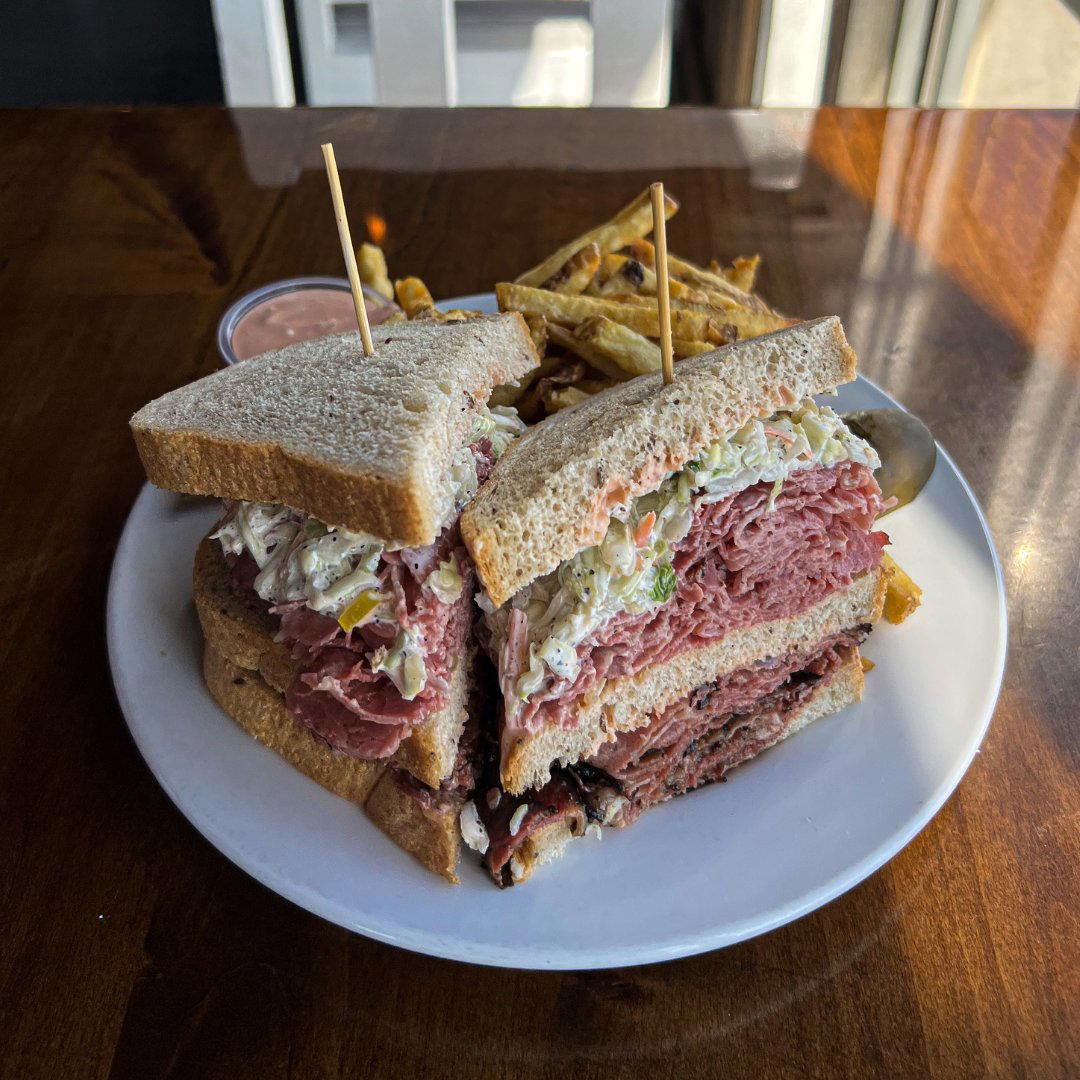
Restaurants in Salt Lake City
All restaurants in Salt Lake City →
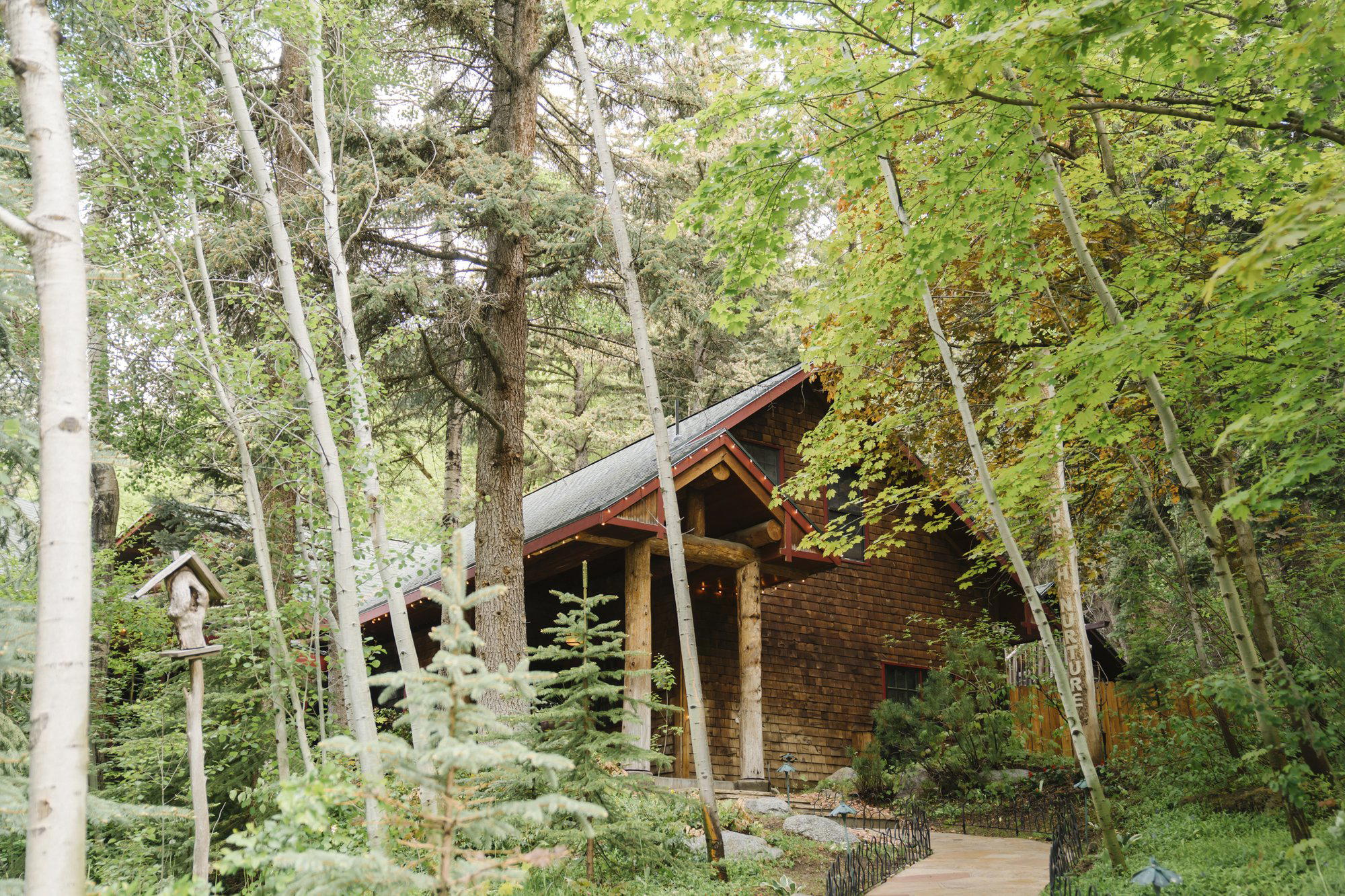
Bars in Salt Lake City
All bars in Salt Lake City →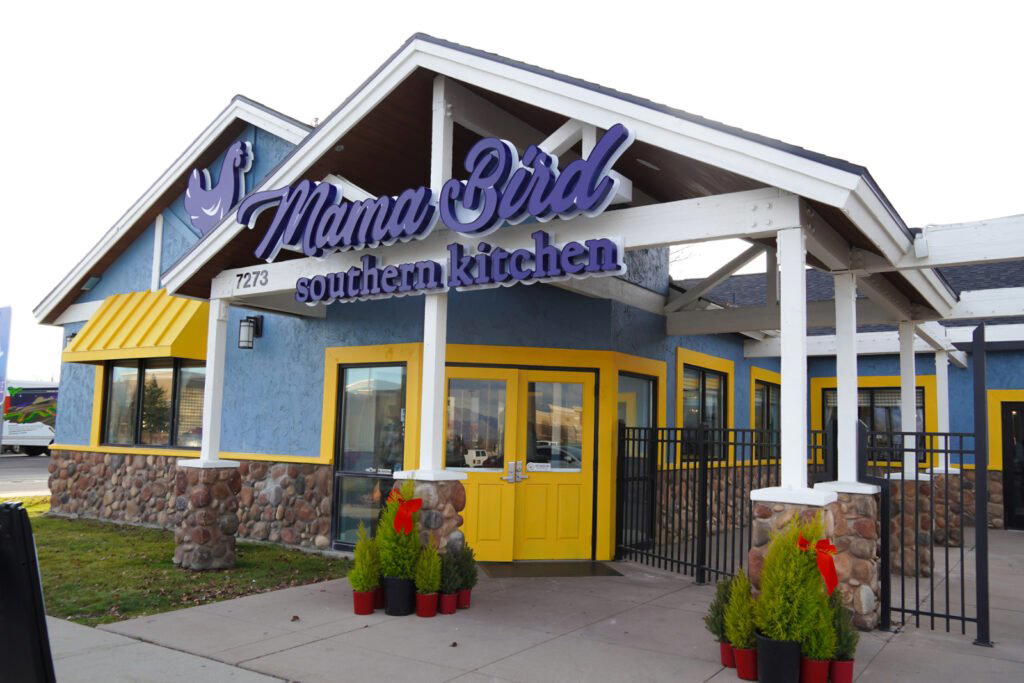
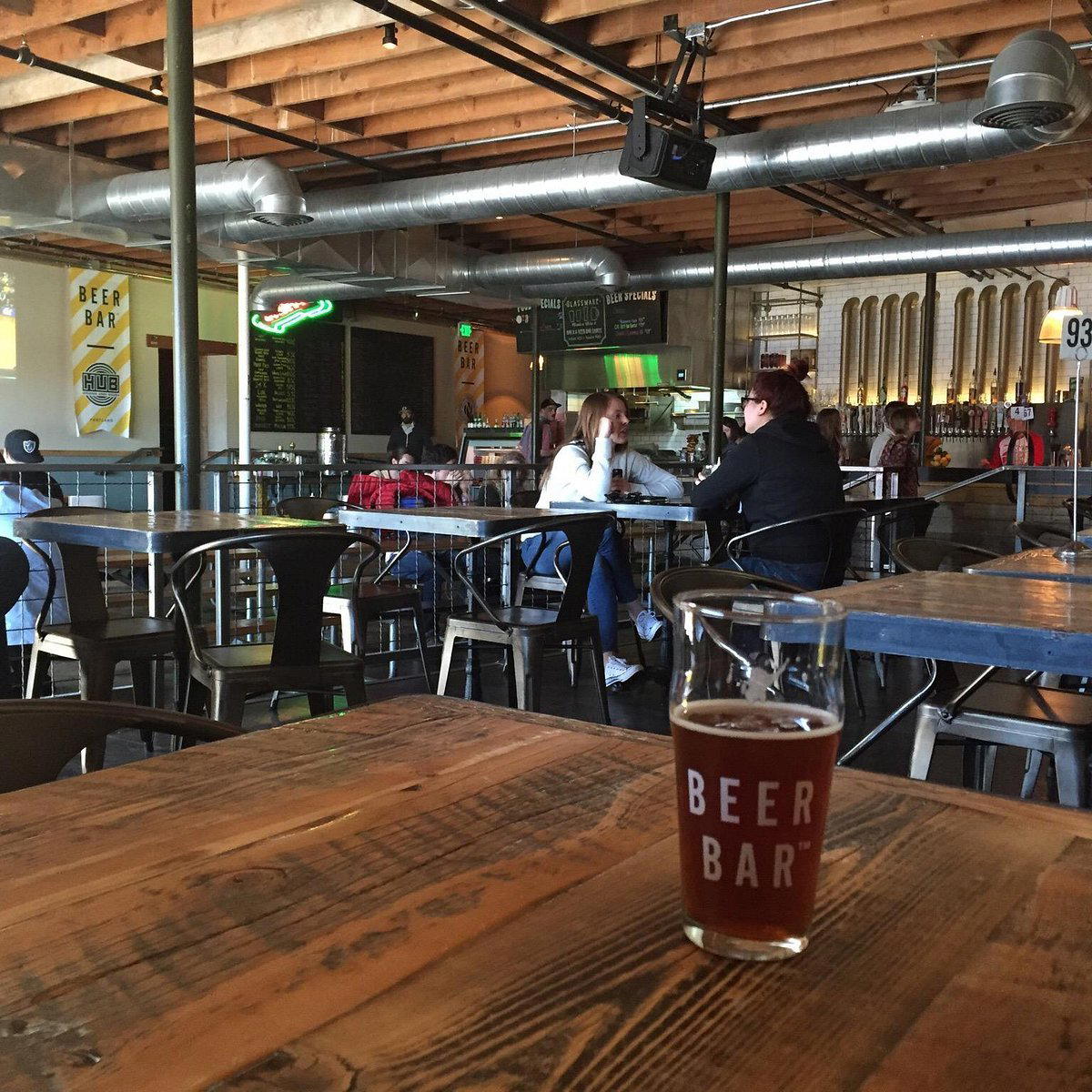
Hotels in Salt Lake City
All hotels in Salt Lake City →
Wineries in Salt Lake City
Browse all →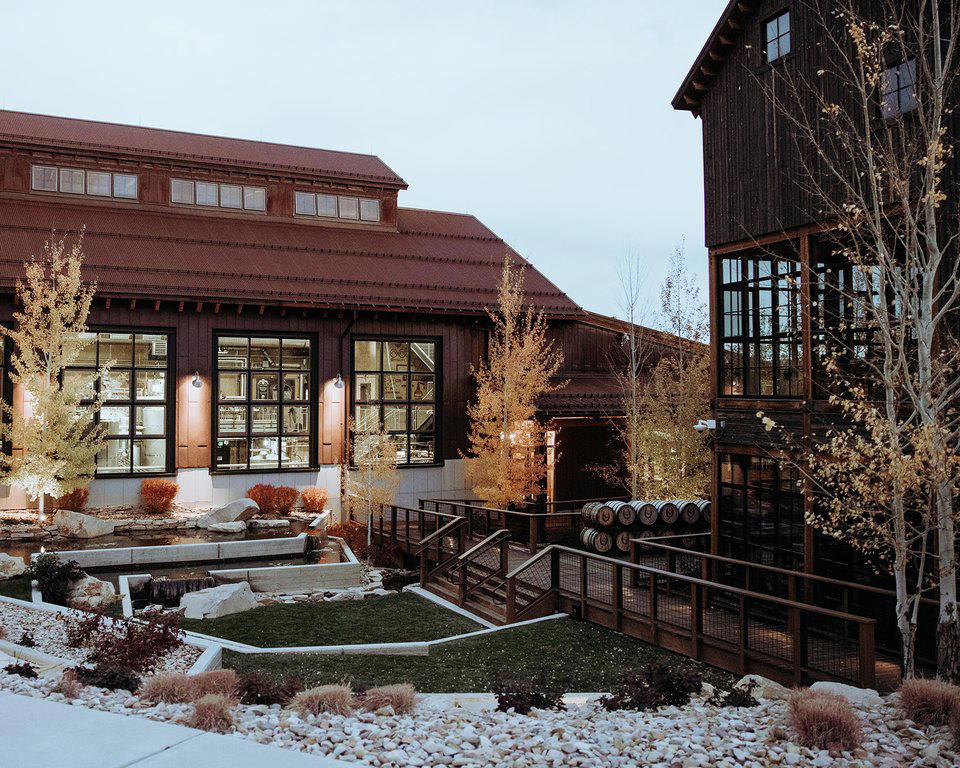
Details
- Cozy
- Elegant
- Modern
- Intimate
- Date Night
- Special Occasion
- Celebration
- Open Kitchen
- Standalone
- Terrace
- Extensive Wine List
- Craft Cocktails
- Farm To Table
- Local Sourcing
- Sustainable Seafood
- A La Carte
- Small Plates
- Wine
- Craft Cocktails
- Vegetarian Friendly
- Vegan Options
Current opening hours
- Monday
- Closed
- Tuesday
- Closed
- Wednesday
- 5:30–9 PM
- Thursday
- 5:30–9 PM
- Friday
- 5:30–9 PM
- Saturday
- 5:30–9 PM
- Sunday
- 10 AM–1:30 PM, 5:30–9 PM
Hours can change for holidays and private events. Hours as of .
Cozy yet polished atmosphere with artistic plating and refined but unpretentious design; described as a low-profile address that balances local neighborhood spot with special occasion destination.