Log Haven

Wine Spectator Award of Excellence
Our verdict
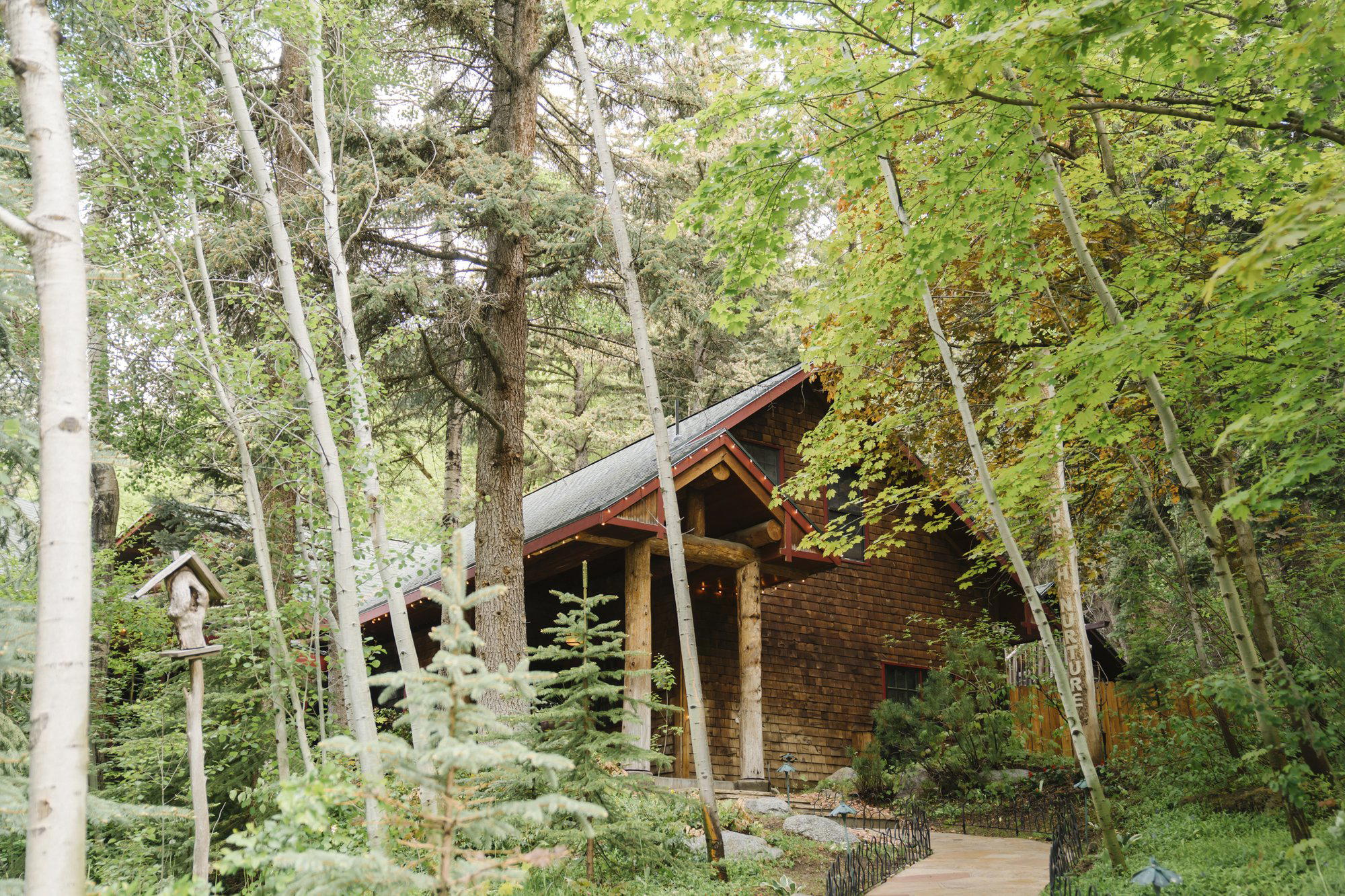
Log Haven occupies a restored 1920s mill house at the mouth of Mill Creek Canyon, placing it firmly outside Salt Lake City's downtown dining corridor. The setting shapes the experience as much as the kitchen does, and the restaurant has held a sustained position among Utah's most-referenced destination dining options for decades. Plan ahead: tables here require advance booking.

Pearl is the En Primeur Club membership app, where members save venues, book tables and use the concierge.
The menu
What to order
- Grilled Bison Teres Major
- Grilled Elk NY Strip
- Alpine Nachos
Where the Canyon Does the Work
There is a particular category of American destination restaurant where the physical remove from a city is not a marketing conceit but an actual condition of the experience. Log Haven sits at 6451 Mill Creek Canyon Road, several miles up a canyon road that most Salt Lake City residents associate with weekend hiking rather than dinner reservations. Arriving in the early evening, with canyon walls narrowing overhead and the sound of Mill Creek audible from the parking area, the dining context is established before you step through the door. The restored 1920s mill house frames the room with the kind of architectural patina that interior designers cannot manufacture.
This matters because the canyon setting is not incidental to how Log Haven functions as a restaurant. It belongs to a specific American tradition: the rural destination house that requires a committed drive, rewards the effort with a genuinely different environment, and asks its kitchen to match the occasion. Think of Blue Hill at Stone Barns in Tarrytown or Single Thread Farm in Healdsburg, properties where the landscape context is structural to the proposition, not decorative. Log Haven operates on the same principle at a different price register and in a market that, until recently, was rarely included in national fine-dining conversations.
Salt Lake City's Fine-Dining Position and Where Log Haven Fits
Salt Lake City has developed a more layered restaurant scene than its national reputation often suggests. The downtown corridor includes venues like Adelaide, Arlo Restaurant, Bambara Salt Lake City, and Avenues Proper, each occupying distinct price points and dining formats. Blind Rabbit Kitchen represents a different approach again. Log Haven sits outside this downtown cluster both geographically and categorically: it is the city's established destination-dining reference, the restaurant Salt Lake City residents cite when they want to signal occasion dining to out-of-town guests.
That positioning carries a certain pressure. Destination restaurants outside major metropolitan areas operate in a different competitive context than urban fine-dining counters. They are compared less to their neighborhood peers and more to the national tier, places like The French Laundry in Napa, Alinea in Chicago, Addison in San Diego, or The Inn at Little Washington in Washington. Log Haven does not compete at that tier, nor does it need to. That is a harder position to hold than it looks, and Log Haven has held it for a long time.
The Team Framework: Kitchen, Floor, and Cellar in Concert
The editorial angle worth applying to Log Haven is not the chef-as-auteur narrative common to American fine dining, but the quieter logic of team coordination. In a remote setting with no walk-in trade and a clientele that has often driven thirty minutes to get there, the margin for floor-service error is narrow. The dining room at a canyon destination house like this one cannot rely on the energy of a busy urban block outside its windows to cover slow service or misaligned timing between kitchen and table.
What Log Haven has developed over its decades of operation is a front-of-house culture calibrated to the specific rhythms of destination dining. Guests are not in a hurry in the way urban diners sometimes are; they have committed to an evening. The service model that works in this environment is one where the floor team reads the table's pace, where the sommelier or wine lead works in tandem with kitchen pacing rather than independently, and where the transition between courses feels considered rather than mechanical. This is the form of hospitality that places like Lazy Bear in San Francisco or Emeril's in New Orleans have each, in different ways, developed as part of their identity. At Log Haven, the canyon context enforces it: the room is quieter, the conversation at the table more audible, and the service interaction more present than in most urban rooms.
The wine program at a restaurant of this standing in a state with historically complex liquor laws is worth noting. Utah's regulatory environment has shaped how restaurant wine programs operate, and venues that have sustained a serious list here have done so through deliberate effort rather than default market access. The coordination between a capable wine lead and a kitchen that understands pacing and course weight is the kind of invisible infrastructure that separates a good destination restaurant from a great one. Log Haven's longevity suggests that infrastructure is functioning.
The Canyon as Seasonal Variable
Mill Creek Canyon shifts character across the calendar in ways that directly affect the Log Haven experience. Summer evenings bring lingering light through the canyon walls and cooler air than the valley floor. Autumn produces the foliage change that makes the drive itself part of the occasion. Winter access depends on road conditions, and the enclosed warmth of the mill house takes on a different register against a snowed canyon exterior. Spring arrives later at canyon elevation than in the city below. Each season delivers a materially different version of the same restaurant. For visitors to Salt Lake City, a city that draws skiers, hikers, and outdoor visitors across all four seasons, this means Log Haven is not a single fixed experience but a venue that rewards a return visit timed differently. Comparable seasonal variability shapes destination houses like Providence in Los Angeles or Atomix in New York City in different ways; at Log Haven, it is the landscape itself doing the seasonal work.
For those building a Salt Lake City itinerary around serious dining, our full Salt Lake City restaurants guide maps the city's full range. Log Haven belongs in any itinerary where a destination-format evening is the priority, particularly for visitors who want to understand what Utah's fine-dining conversation looks like at its most established.
Planning Your Visit
Log Haven sits at 6451 Mill Creek Canyon Road, accessible by car from downtown Salt Lake City. The canyon road requires a personal vehicle; rideshare access is available but the return trip from a canyon road late in the evening warrants confirming availability in advance. Reservations should be made well ahead, particularly for weekend dates and peak foliage season in autumn. The dress code aligns with the occasion-dining context: smart casual is the observed norm, with the canyon setting giving the room a less formal register than its price tier might otherwise suggest. Diners with dietary requirements or allergy concerns should communicate these at the time of booking.
Frequently asked questions
What's Log Haven's location?
Log Haven is located at 6451 Mill Creek Canyon Rd, Salt Lake City, UT 84109, Salt Lake City.
Is Log Haven worth the drive from downtown Salt Lake City for a special occasion dinner?
Log Haven sits at 6451 Mill Creek Canyon Road, which requires a personal vehicle from downtown Salt Lake City, rideshare access into the canyon is limited. That physical commitment is part of the experience: the drive separates the evening from routine city dining in a way that has anchored Log Haven's position as Salt Lake City's reference address for milestone meals over many years. For special occasions, the canyon setting delivers a context that no downtown room replicates.
What should I eat at Log Haven?
Log Haven operates in a destination-dining format, meaning the kitchen builds multi-course menus structured around the occasion rather than à la carte selection. The specific menu composition shifts with the season, which is a direct function of the canyon location at 6451 Mill Creek Canyon Road and its changing seasonal produce. Confirm current menu details directly with the restaurant at the time of booking.
What's the best way to book Log Haven?
Log Haven holds Salt Lake City's primary destination-dining position, which puts sustained pressure on weekend tables, particularly in autumn when canyon foliage peaks and demand from both locals and visitors is highest. Book as far in advance as the reservation window permits, and treat a weeknight table in shoulder season as a genuine alternative rather than a fallback. check the venue's official channels to confirm current booking procedures.
What's Log Haven best at?
The restaurant's reputation rests on the coherence between its canyon setting and a kitchen and floor team operating in coordination over a sustained period, which is a different proposition from the chef-driven tasting-menu format common elsewhere in Salt Lake City fine dining. The physical remove of Mill Creek Canyon creates a structure to the evening that urban restaurants cannot replicate regardless of menu quality.
What if I have allergies at Log Haven?
Communicate dietary restrictions and allergy information at the point of booking rather than on arrival. Destination-format restaurants running multi-course menus require advance notice to make meaningful adjustments; flagging allergies on the day limits what the kitchen can practically accommodate. Log Haven is located at 6451 Mill Creek Canyon Road, and contacting them directly at the time of reservation is the appropriate channel.
Budget and Context
Comparable venues nearby, for context on price, style, and recognition.
| Venue | Cuisine | Price | Awards | Notes |
|---|---|---|---|---|
| Log HavenThis venue (the venue you are viewing) | Contemporary American with Wild Game | $50–100 | Wine Spectator Award of Excellence | Not listed |
| Bambara Salt Lake City | Modern European Bistro with Contemporary American Influences | $50–100 | Not listed | Clark Learning Office Center, Modern European Bistro with Contemporary American Influences |
| Emigration Brewing Co. | Modern American Gastropub with Italian and Steakhouse Influences | $30–50 | Not listed | Emigration Canyon, Modern American Gastropub with Italian and Steakhouse Influences |
| Lake Effect | Latin-Asian Fusion Gastropub | $30–50 | Not listed | Downtown, Latin-Asian Fusion Gastropub |
| Avenues Proper | Elevated Gastropub | $20–30 | Not listed | The Avenues, Polished Gastropub |
| White Horse Spirits & Kitchen | Modern American Brasserie | $30–50 | Not listed | Clark Learning Office Center, Modern American Brasserie |
Recognition history
Dated appearances from independent guides and award organizations, with the underlying list record or original source where available.
Wine Spectator Award of Excellence
Wine Spectator
Continue exploring
More in Salt Lake City
Restaurants in Salt Lake City
All restaurants in Salt Lake City →
Bars in Salt Lake City
All bars in Salt Lake City →
Hotels in Salt Lake City
All hotels in Salt Lake City →
Wineries in Salt Lake City
Browse all →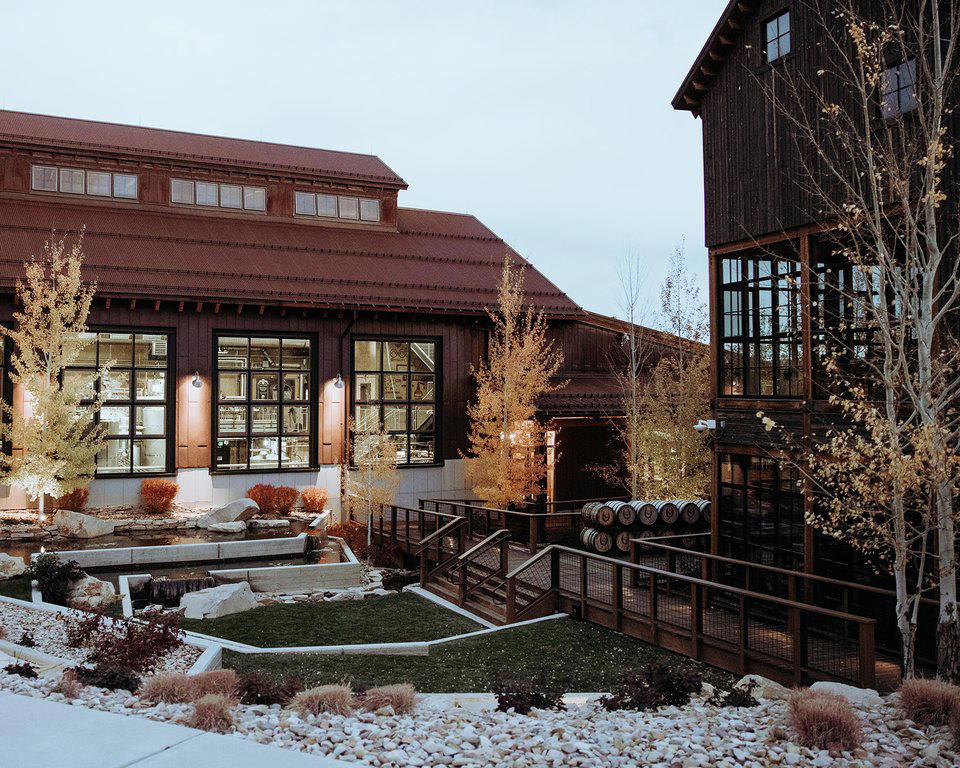
Log Haven
The wine
Log Haven holds the Wine Spectator Award of Excellence, which Wine Spectator gives to lists of usually 90 or more selections.
- Wine program
- Deep wine list
- Wine Spectator
- Wine Spectator Award of Excellence
- Extensive wine list
Details
- Romantic
- Scenic
- Rustic
- Elegant
- Cozy
- Intimate
- Date Night
- Special Occasion
- Celebration
- Historic Building
- Panoramic View
- Extensive Wine List
- Local Sourcing
- Mountain
- A La Carte
- Wine
- Vegetarian Friendly
- Vegan Options
- Gluten Free Options
Current opening hours
- Monday
- 5–9 PM
- Tuesday
- 5–9 PM
- Wednesday
- 5–9 PM
- Thursday
- 5–9 PM
- Friday
- 5–9 PM
- Saturday
- 4:30–9 PM
- Sunday
- 4:30–9 PM
Hours can change for holidays and private events. Hours as of .
Rustic charm with cozy fireplaces, historic log cabin atmosphere, and far-reaching natural canyon setting praised for its romantic and elegant feel.