Eva occupies a Main Street address in downtown Salt Lake City, sitting inside a bar and dining scene that has matured considerably over the past decade. The venue draws a mixed crowd of locals and visitors looking for a considered drink or meal in a city that has steadily shed its reputation for limited hospitality options. It operates at 317 S Main St, within walking distance of the central business district.
Pearl is the En Primeur Club membership app — saves, bookings, and concierge access live there. Same editors, same standards.
- Address
- 317 S Main St, Salt Lake City, UT 84111
- Phone
- +1 801 359 8447
- Website
- evaslc.com
- Directions
- Get directions
 Saves & bookings on Pearl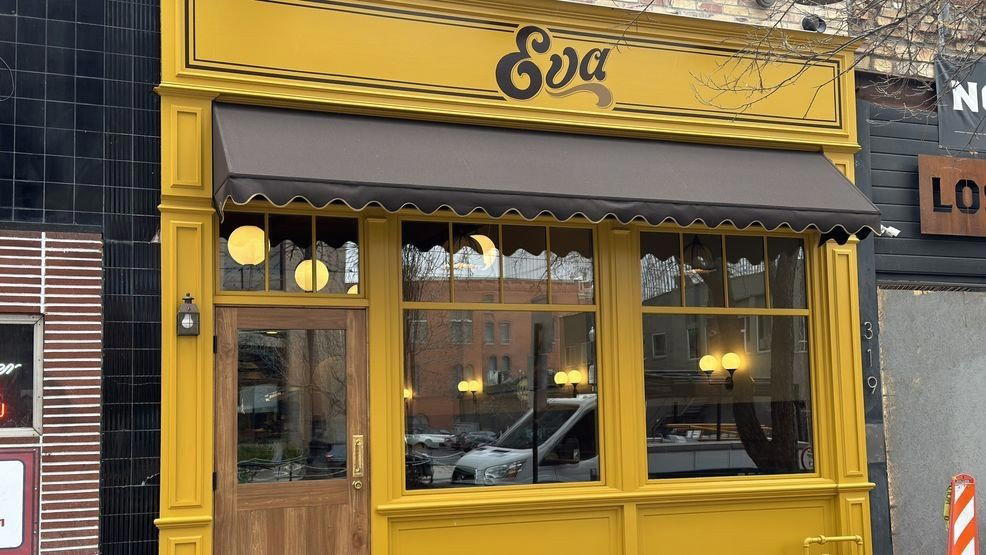
Downtown Salt Lake City and the Slow Reinvention of Main Street Drinking
A decade ago, Main Street in Salt Lake City was a corridor most visitors passed through rather than lingered in. The state's liquor laws, long a subject of national commentary, shaped a hospitality culture that skewed toward casual and cautious. What has happened since is less a sudden transformation than a steady accumulation of serious operators who decided the market was ready for something more deliberate. Eva, a bar at 317 S Main St in Salt Lake City, sits inside that shift. Its address places it at the centre of a downtown that has added density, foot traffic, and a dining and bar audience with more sophisticated expectations than the city carried even five years ago.
The broader pattern across American secondary cities is instructive here. Places like Salt Lake City, once overlooked by serious bar and restaurant operators, have attracted a generation of hospitality professionals who trained in larger markets and returned, or relocated, to open programs with fewer competitors at the top tier. The result, in city after city, is a compression of the quality curve: venues that would have been considered ambitious in any major American city are now operating in markets where the competition is thinner and the rent economics are more forgiving. Eva fits that pattern.
What the Room Communicates
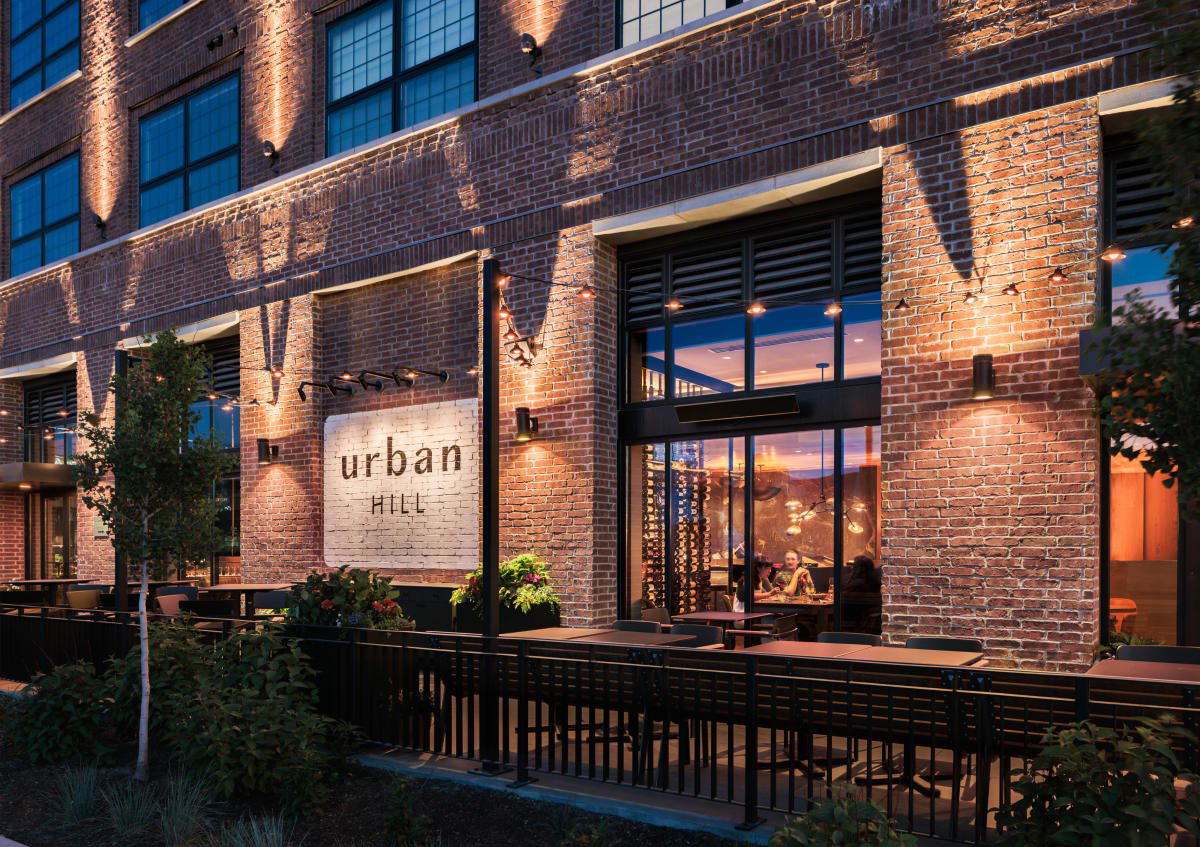
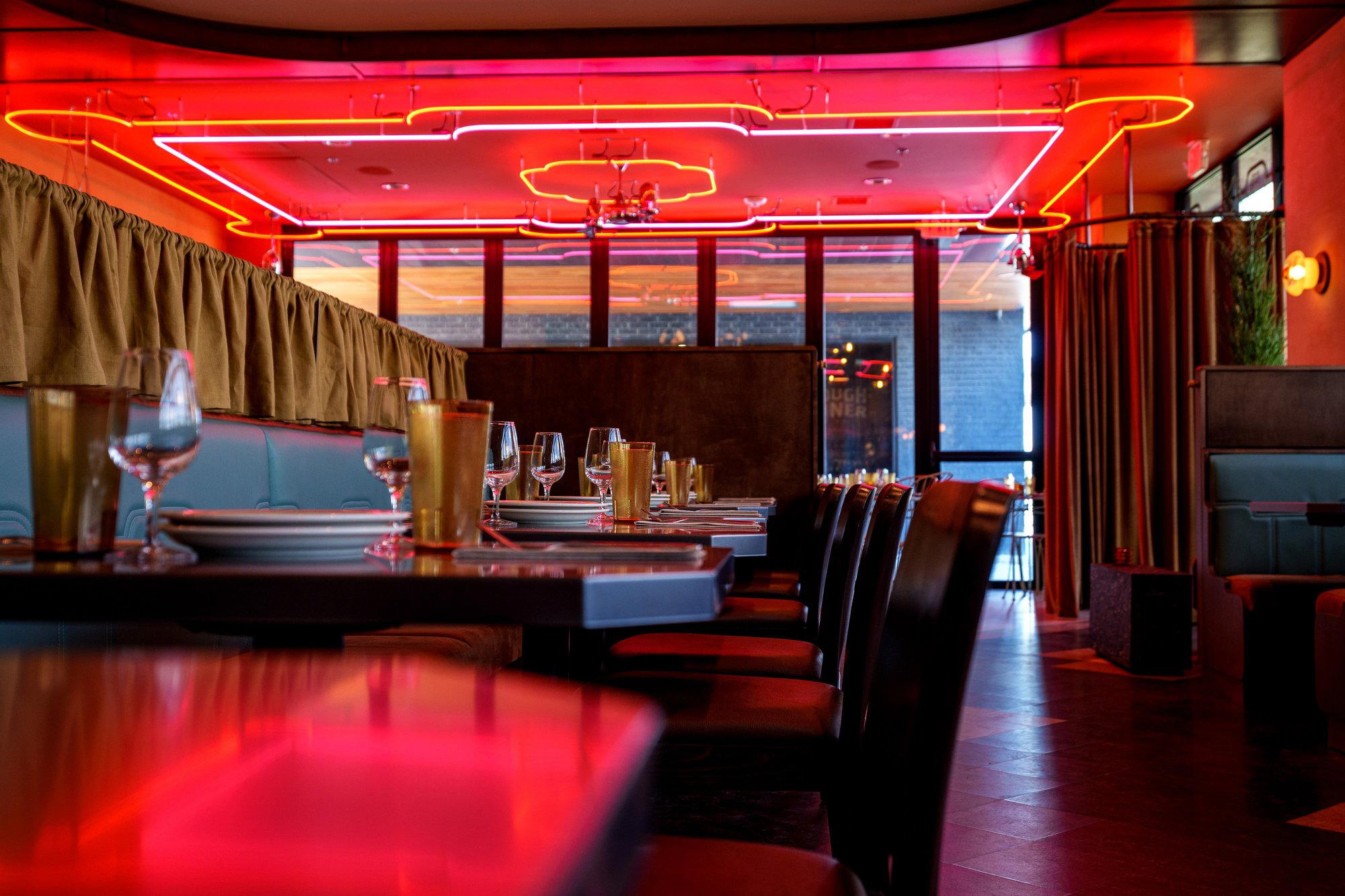
The Main Street block where Eva sits is mixed-use in the way that most revitalised downtown corridors are: office conversion above, retail and hospitality at street level, the occasional gap where development hasn't yet arrived. Approaching the address, the visual language is one of considered restraint rather than marquee signage. Inside, the room operates at a scale that suits the neighbourhood's current moment: intimate enough to feel intentional, open enough to accommodate the varied use cases that a downtown address demands, from a post-work drink to a longer table sit.
This kind of spatial positioning matters in Salt Lake City's current hospitality environment. Venues that have succeeded here tend to be those that resolved the tension between the city's historically conservative drinking culture and the appetite for something more grown-up. The ones that lasted didn't over-invest in spectacle; they built rooms and programs that could absorb both a quiet Tuesday and a busy Friday without losing coherence. For context on how the city's bar scene has developed across different formats, Avenues Proper illustrates one approach to that challenge, and Bar Nohm another.
The Evolution Question: How a Venue Earns Its Place Over Time
In markets like Salt Lake City, longevity is itself a signal. The venues that survive multiple cycles of downtown development, changes in the state's regulatory approach to alcohol, and shifts in the local dining audience are the ones that adapted without abandoning what made them worth visiting in the first place. The reinvention question for any serious bar or dining room in this city has never been purely about the menu; it has been about whether the program could hold the interest of an audience that was itself evolving.
Nationally, the bar programs that have managed this leading share a few characteristics: they invested early in depth over novelty, they built regulars before they chased press, and they were willing to adjust format and emphasis without wholesale reinvention. Kumiko in Chicago is a reference point for how a technically grounded bar program can maintain authority across several years without resorting to trend-chasing. Jewel of the South in New Orleans demonstrates how a historically rooted program can feel current without abandoning its foundations. ABV in San Francisco and Bar Leather Apron in Honolulu offer further evidence that smaller-market seriousness is a durable model rather than a passing moment.
Eva's position on Main Street puts it in conversation with these broader trends, even if its specific program details are not fully documented in public record. What is documentable is the address and its implications: a downtown location that benefits from the increased density and hospitality maturity Salt Lake City has developed, and the accompanying expectation that the room and program meet an audience that has grown more exacting.
Salt Lake City's Bar Scene in Comparative Context
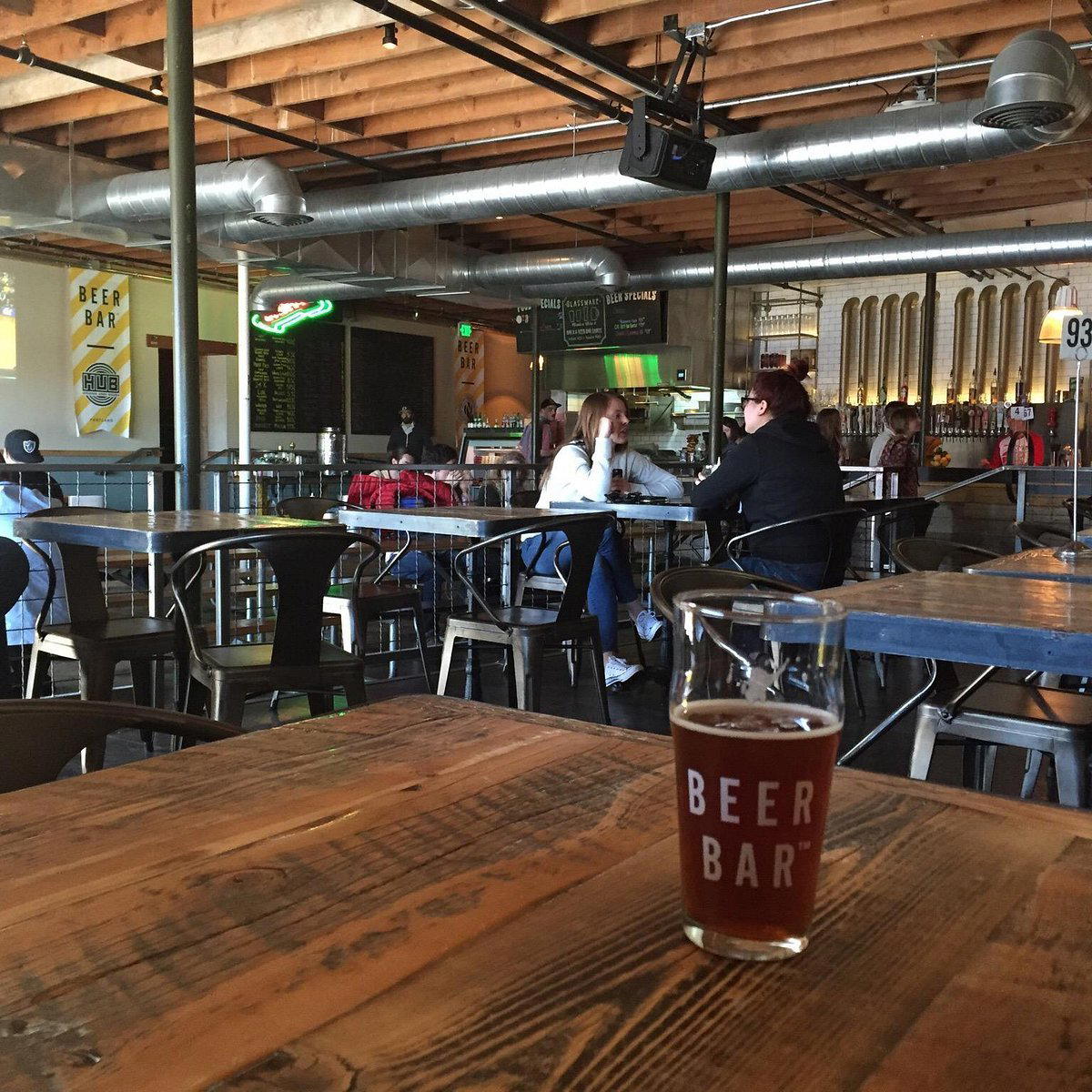
Salt Lake City's bar and dining scene now operates across a wider quality range than its reputation suggests to outsiders. Alongside Eva on Main Street and nearby, venues like Aker Restaurant and Lounge and Beer Bar address different segments of the same downtown audience. The segmentation is increasingly clear: casual-volume venues, craft-focused mid-tier operators, and a smaller group of rooms running more considered programs. The last category is the one that draws comparison to peers in other cities.
Nationally, the reference class for serious bar programs in secondary American cities has expanded. Julep in Houston built a regionally specific program with national recognition. Superbueno in New York City demonstrates how a focused concept can punch above its weight in a saturated market. The Parlour in Frankfurt on the Main is a useful international data point for how a city's bar scene can develop a serious identity outside traditional hospitality capitals. Salt Lake City is now in the phase where its better venues are making that kind of comparison plausible.
Planning Your Visit
Eva's address at 317 S Main St places it within easy reach of the main downtown TRAX light rail stations, making it accessible without a car in a city where driving and parking can be an unnecessary complication on a night out. The downtown core is compact enough that Eva can function as one stop in a broader evening rather than a destination requiring its own logistical planning. Eva is recommended for reservations and is open daily from 5 to 10 PM. Downtown Salt Lake City's better venues have grown busier as the neighbourhood has developed, and the assumption that walk-ins are always available at the city's more considered rooms has become less reliable than it was even three years ago.
Continue exploring
More in Salt Lake City
Bars in Salt Lake City
Browse all →
Restaurants in Salt Lake City
Browse all →
Hotels in Salt Lake City
Browse all →
Wineries in Salt Lake City
Browse all →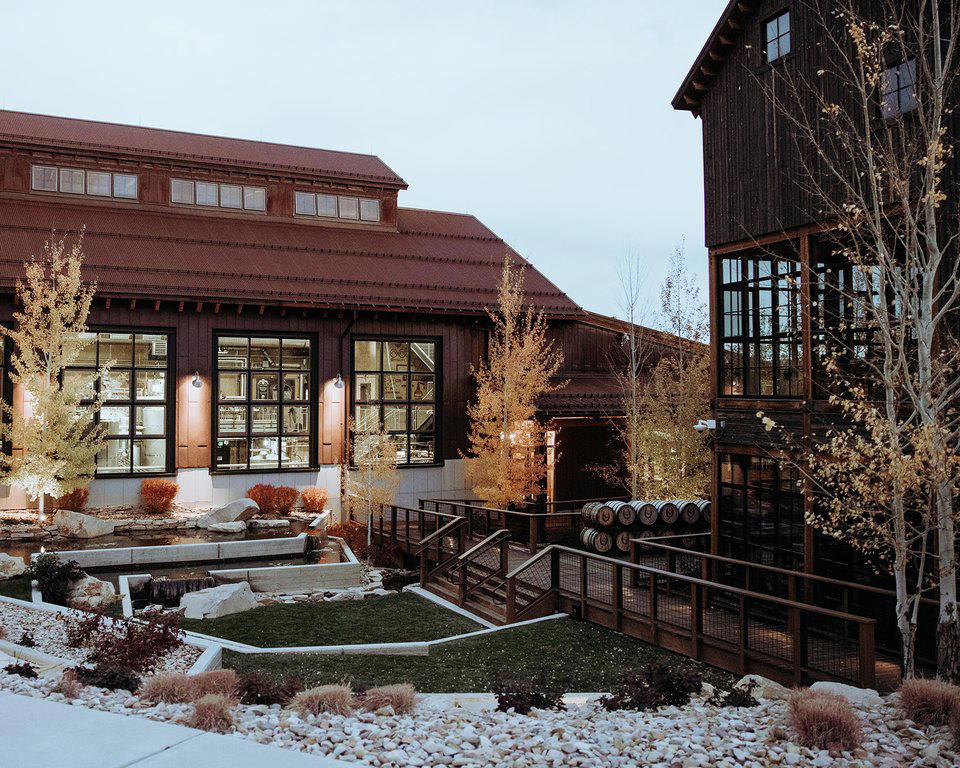
At a Glance
- Cozy
- Elegant
- Date Night
- Casual Hangout
- Standalone
- Seated Bar
- Booth Seating
- Craft Cocktails
Current opening hours
- Monday
- 5–10 PM
- Tuesday
- 5–10 PM
- Wednesday
- 5–10 PM
- Thursday
- 5–10 PM
- Friday
- 5–10 PM
- Saturday
- 5–10 PM
- Sunday
- 5–10 PM
Hours can change for holidays and private events. Last verified .
Comfy and warm atmosphere promoting communal dining enjoyment.
Know Before You Go
- Getting there
- 317 S Main St, Salt Lake City, UT 84111