The Omnia


Michelin Plate · Star Wine List
Our verdict
The kitchen operates in the modern cuisine register, where Alpine produce meets technically precise preparation. A Star Wine List White Star distinction signals a wine program with serious depth to match the food.

Pearl is the En Primeur Club membership app, where members save venues, book tables and use the concierge.
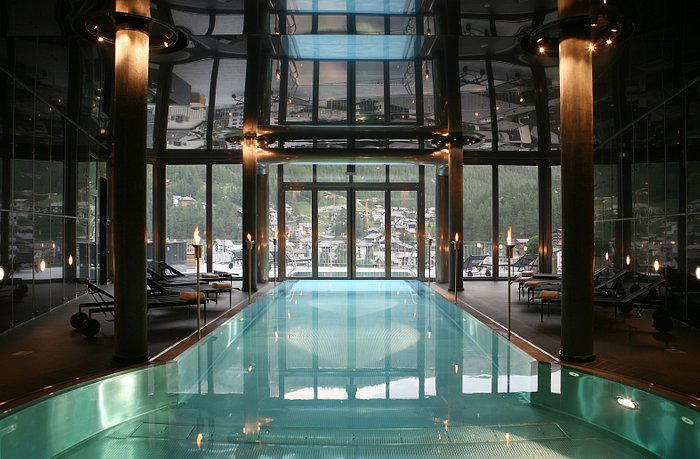
Altitude, Technique, and the Alpine Pantry
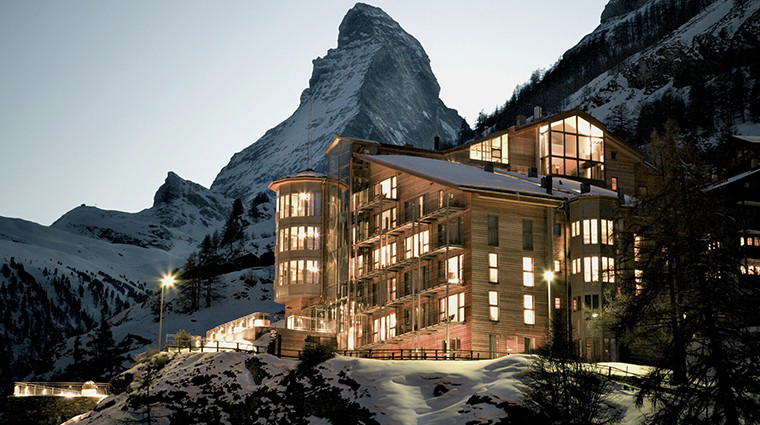
Zermatt's dining scene has always operated under a particular pressure: the setting is so dramatically preoccupying that restaurants risk becoming secondary to the mountain spectacle around them. The properties that hold serious culinary ground in this village do so by making the kitchen argument independently of the view. The Omnia, positioned on Triftweg with the Matterhorn as its constant backdrop, belongs to that smaller cohort where the food earns its own attention. A Michelin Plate recognition in 2025 and a White Star from Star Wine List place it within Zermatt's narrow tier of venues that can be assessed against Swiss alpine fine dining broadly, not just against the convenience options that serve the ski traffic.
The broader pattern in mountain fine dining across the Swiss Alps has moved decisively in one direction over the past decade: imported technique applied to hyper-local ingredients. This is the model that gives serious altitude restaurants their editorial logic. Chefs trained in French classical kitchens or Nordic precision-led programs bring those frameworks to bear on valley-grown rye, raw-milk cheeses from neighbouring pastures, and game that reflects the actual ecosystem outside. The result is cuisine that could not exist in the same form at sea level, because the ingredient base is non-transferable. The Omnia's kitchen operates in this modern cuisine register, using the Alpine pantry as a constraint that generates distinctiveness rather than limiting ambition.
Where The Omnia Sits in Zermatt's Restaurant Tier
At €€€ pricing, The Omnia occupies a specific position in Zermatt's dining hierarchy. The village's leading end clusters at €€€€, represented by properties like After Seven (Creative) and Brasserie Uno (Contemporary). The Omnia prices below that bracket while carrying award credentials that justify placing it within Zermatt's serious dining tier rather than its mid-market offer. For context, the village's accessible end includes venues like Alpine Gourmet Prato Borni (Creative), and those looking for regional cuisine with strong local roots will find Chez Vrony (Regional Cuisine)Potato-FINE FOOD RESTAURANT represents the village's more playful fine food approach.
Within Switzerland's broader fine dining geography, Zermatt is a smaller node on a map that includes the three-Michelin-star operation at Hotel de Ville Crissier in Crissier, the celebrated Alpine-rooted kitchen at Schloss Schauenstein in Fürstenau, and the precision-led programs at Cheval Blanc by Peter Knogl in Basel and Memories in Bad Ragaz. Those properties set the national reference standard. Zermatt's award-holding restaurants, including The Omnia, operate at a level below that cluster but well above the resort convenience tier that dominates much of the village's total restaurant count. The analogous mountain venue to benchmark against is 7132 Silver in Vals, another Swiss altitude restaurant with serious award credentials where the setting and the kitchen are both part of the proposition.
The Wine Program as a Parallel Argument
Star Wine List's White Star recognition is not given to wine programs that merely offer depth in one category. It signals a list with considered range, sourcing logic, and a team capable of guiding guests through it. In the Alpine fine dining context, where food-wine pairing often has to account for both the technical complexity of modern cuisine and the practical realities of a mountain clientele, a well-constructed list carries real operational weight. The Omnia earned this recognition when it was published on Star Wine List in February 2023, and the distinction has remained part of its credential set. For comparison, the modern cuisine programs at Frantzén in Stockholm and FZN by Björn Frantzén in Dubai operate wine programs of equivalent seriousness within their respective modern cuisine peer sets. In Zermatt's narrower context, a White Star list is a differentiator, not a baseline. Guests arriving with specific wine expectations should treat this signal seriously. Those planning their broader Zermatt trip can cross-reference the wine scene through the Zermatt wineries guide.
The Local-Global Technique Argument at Altitude
What distinguishes the better modern cuisine kitchens in Switzerland's alpine resorts from their urban counterparts is the specificity of their ingredient sourcing and the degree to which that sourcing is non-negotiable. The Valais region, which surrounds Zermatt, produces materials that are difficult to replicate elsewhere: dairy from cattle grazing at significant elevation, cold-weather root vegetables with concentrated flavour profiles, and game with a distinct character shaped by the terrain. A kitchen working in the modern cuisine register with access to these materials has a genuine competitive argument that does not depend on importing prestige ingredients from other regions. The Michelin Plate recognition in 2025 is the assessors' signal that execution is at a level worth noting, even without the star hierarchy that governs the Swiss properties mentioned above. For a broader read of what Zermatt's kitchens collectively offer, the full Zermatt restaurants guide maps the village's dining range in more detail. Equally, guests planning around the full stay should consult the Zermatt hotels guide, the Zermatt bars guide, and the Zermatt experiences guide to build a complete picture of the village's offer in its current form.
Planning a Visit
The Omnia is located at Triftweg 40, 3920 Zermatt, and functions as both hotel and restaurant, meaning access to the dining room may be structured around hotel guest priorities depending on occupancy and season. Zermatt itself is car-free, reached by cog railway from Täsch, which makes the village arrival experience distinct from most Swiss destinations. The resort's high season spans the winter ski period and the summer hiking months, and any serious dining reservation at award-holding properties in Zermatt during those windows should be secured well in advance. Dinner is the format most aligned with the kitchen's modern cuisine ambition, and the combination of wine list credentials and food recognition makes this a reasonable two-hour commitment for guests treating the meal as the evening's main event rather than a prelude to the village nightlife circuit covered in the bars guide. The Colonnade in Lucerne offers a useful reference point for guests familiar with Swiss hotel dining at a similar level who want to calibrate expectations before arrival.
Frequently asked questions
Is The Omnia Michelin-listed?
The Omnia has received recognition including: THE OMNIA is a hotel venue.without_translation_and restaurant in Zermatt, Switzerland. It was published on Star Wine List on February 27, 2023 and is a White Star.; Michelin Plate (2025).
What dish is The Omnia famous for?
The Omnia holds a Michelin Plate (2025) in the modern cuisine category, a designation that recognises consistent kitchen quality rather than a single signature dish. The White Star from Star Wine List adds a second layer of credential, suggesting the kitchen and cellar are treated as complementary arguments rather than separate departments. Without a published tasting menu in circulation, the clearest signal is format: modern cuisine at €€€ in Zermatt points toward technique-led cooking that draws on alpine produce without reducing itself to a chalet cliché.
Is The Omnia more mid-range or high-end?
Pricing at The Omnia is listed as €€€.
Price and Positioning
| Venue | Cuisine | Price | Awards | Notes |
|---|---|---|---|---|
| The OmniaThis venue (the venue you are viewing) | Modern Alpine Fine Dining | Not listed | Michelin Plate · Star Wine List | Not listed |
| After Seven | Modern European Fine Dining | $200–300 | 1 Michelin Star · Falstaff Restaurant - 93 Falstaff Points | Creative |
| Brasserie Uno | Rustic Fine Dining International | $150–200 | 1 Michelin Star · Wine Spectator Best of Award of Excellence | Contemporary |
| Aroleid Restaurant | Modern International | Not listed | Michelin Plate | Not listed |
| Bazaar | Eastern-Inspired Vegetarian Fusion | $50–100 | Michelin Bib Gourmand | Not listed |
| Capri | Classic Italian Fine Dining | $200–300 | 1 Michelin Star | Not listed |
Recognition history
Dated appearances from independent guides and award organizations, with the underlying list record or original source where available.
Michelin Plate
Michelin
Star Wine List
Star Wine List
Continue exploring
More in Zermatt
Restaurants in Zermatt
All restaurants in Zermatt →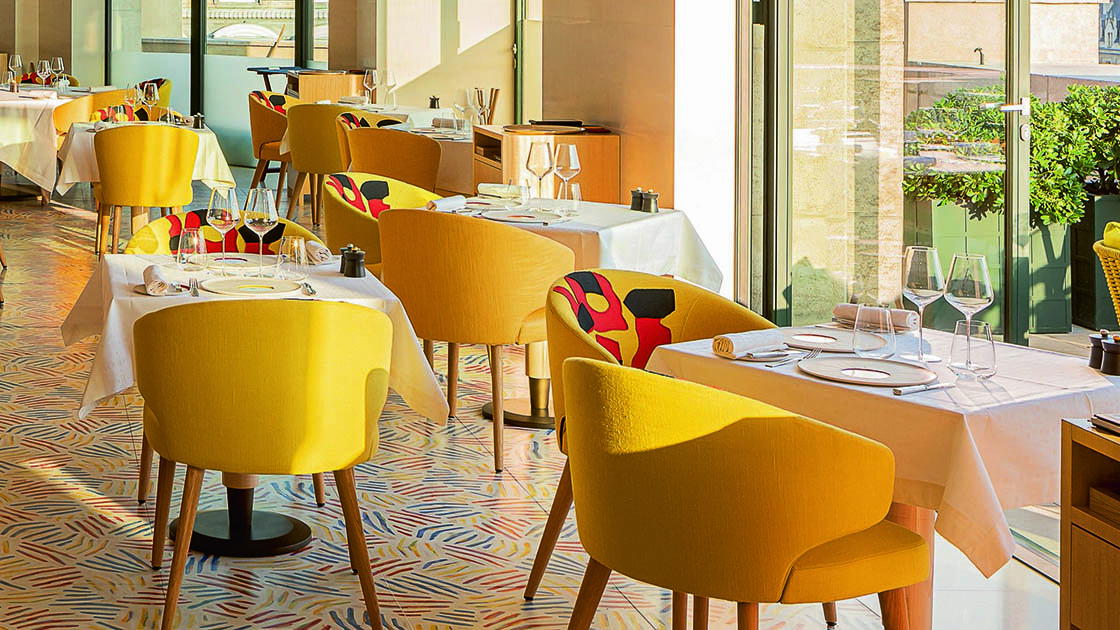
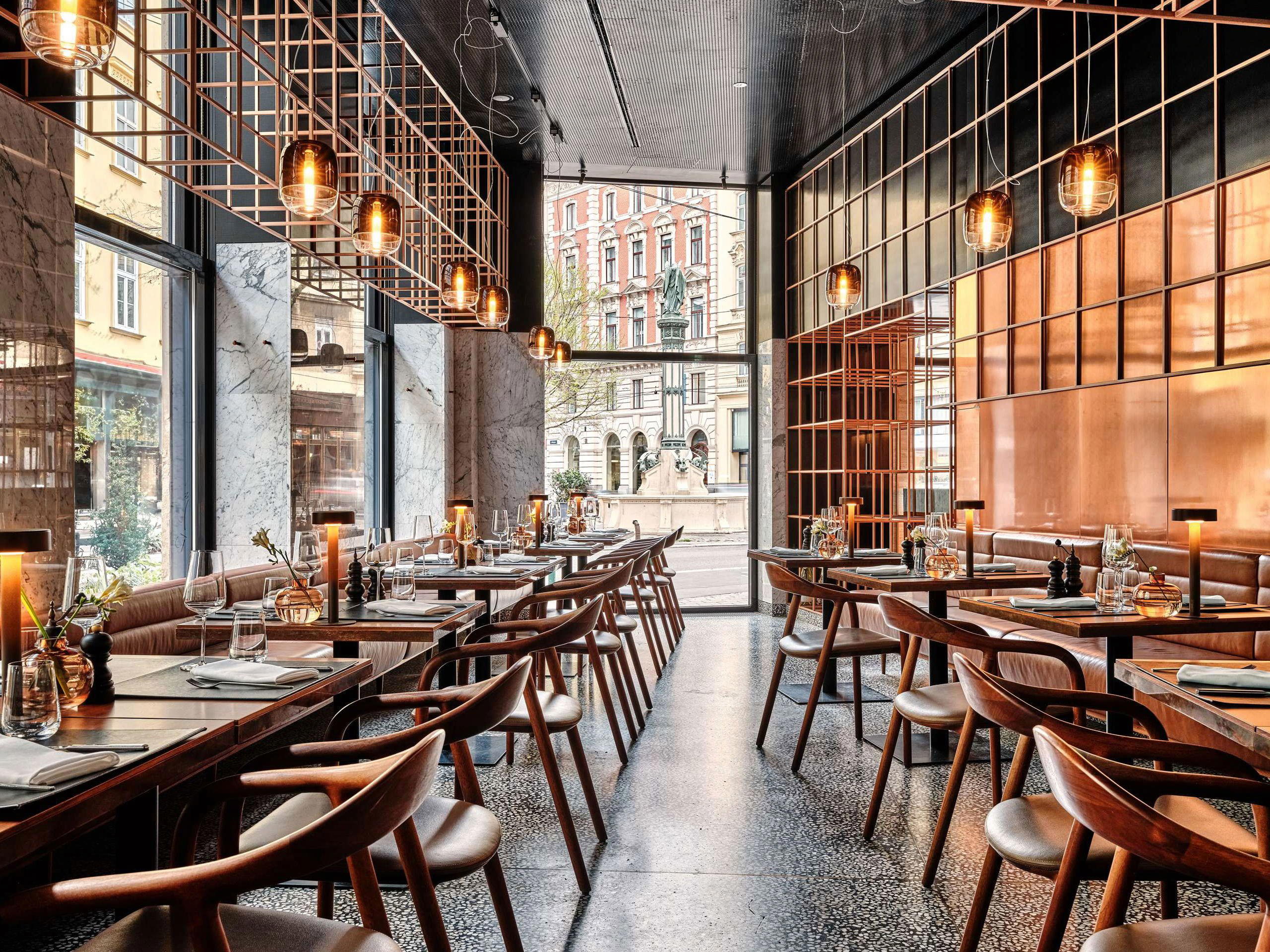
Bars in Zermatt
All bars in Zermatt →
Details
- Elegant
- Modern
- Cozy
- Sophisticated
- Scenic
- Date Night
- Special Occasion
- Business Dinner
- Hotel Restaurant
- Terrace
- Panoramic View
- Private Dining
- Extensive Wine List
- Sommelier Led
- Local Sourcing
- Mountain
- A La Carte
- Prix Fixe
- Vegetarian Friendly
- Gluten Free Options
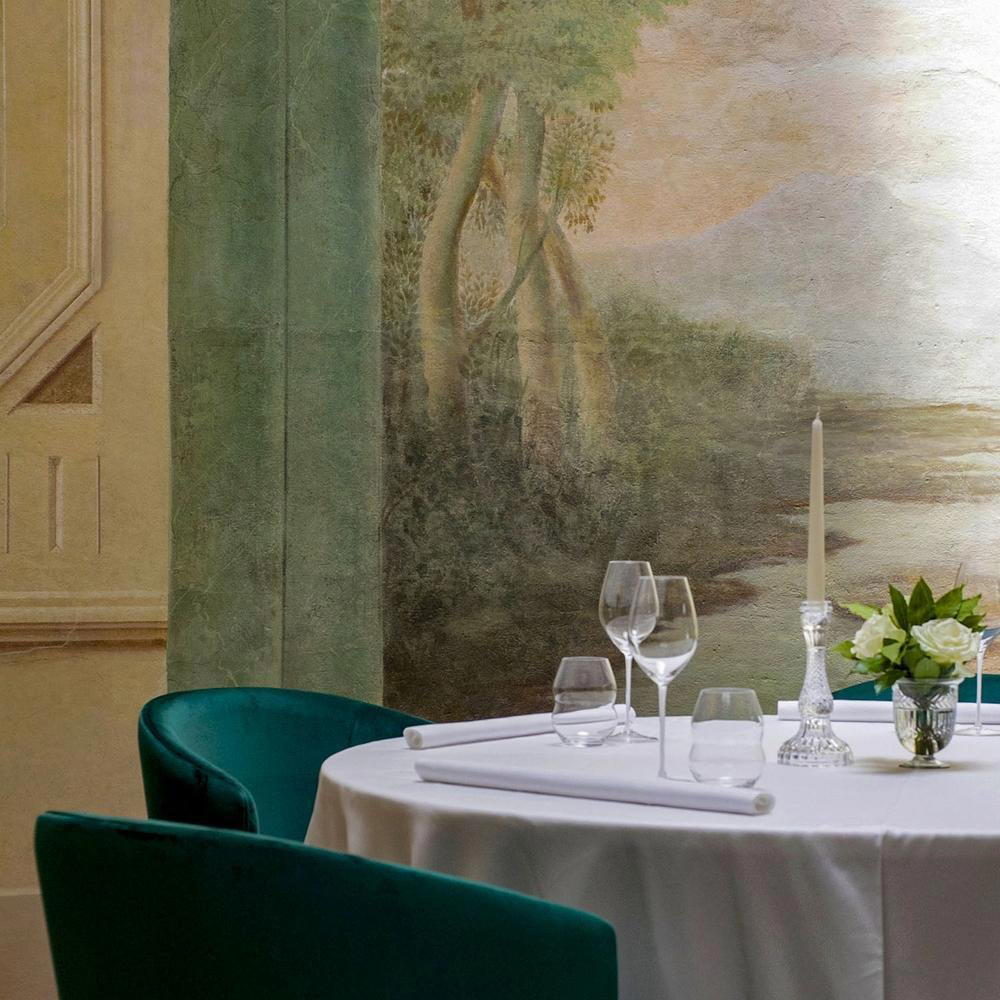
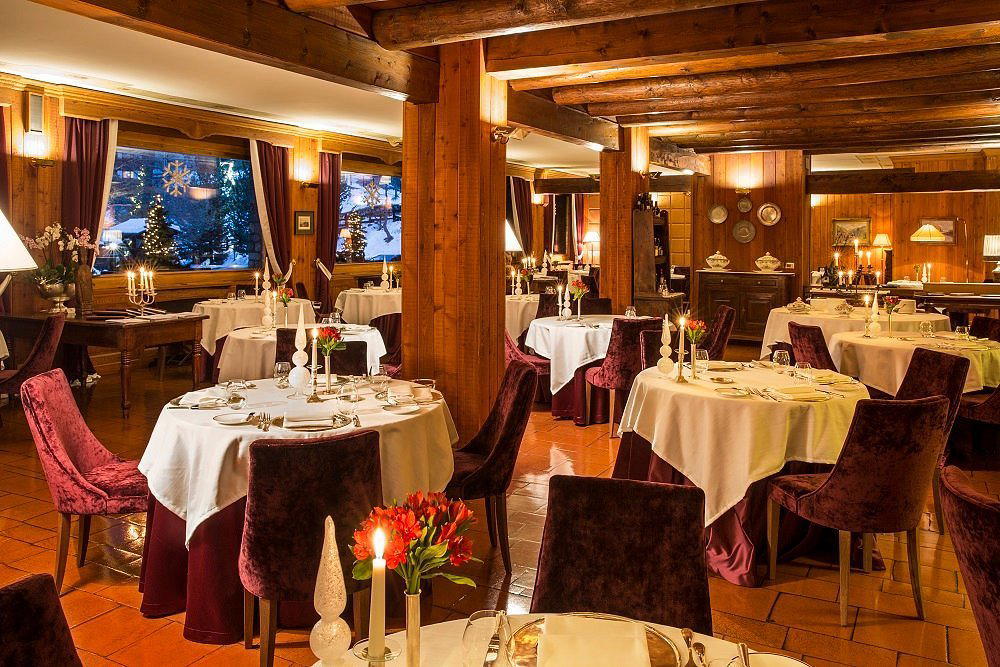
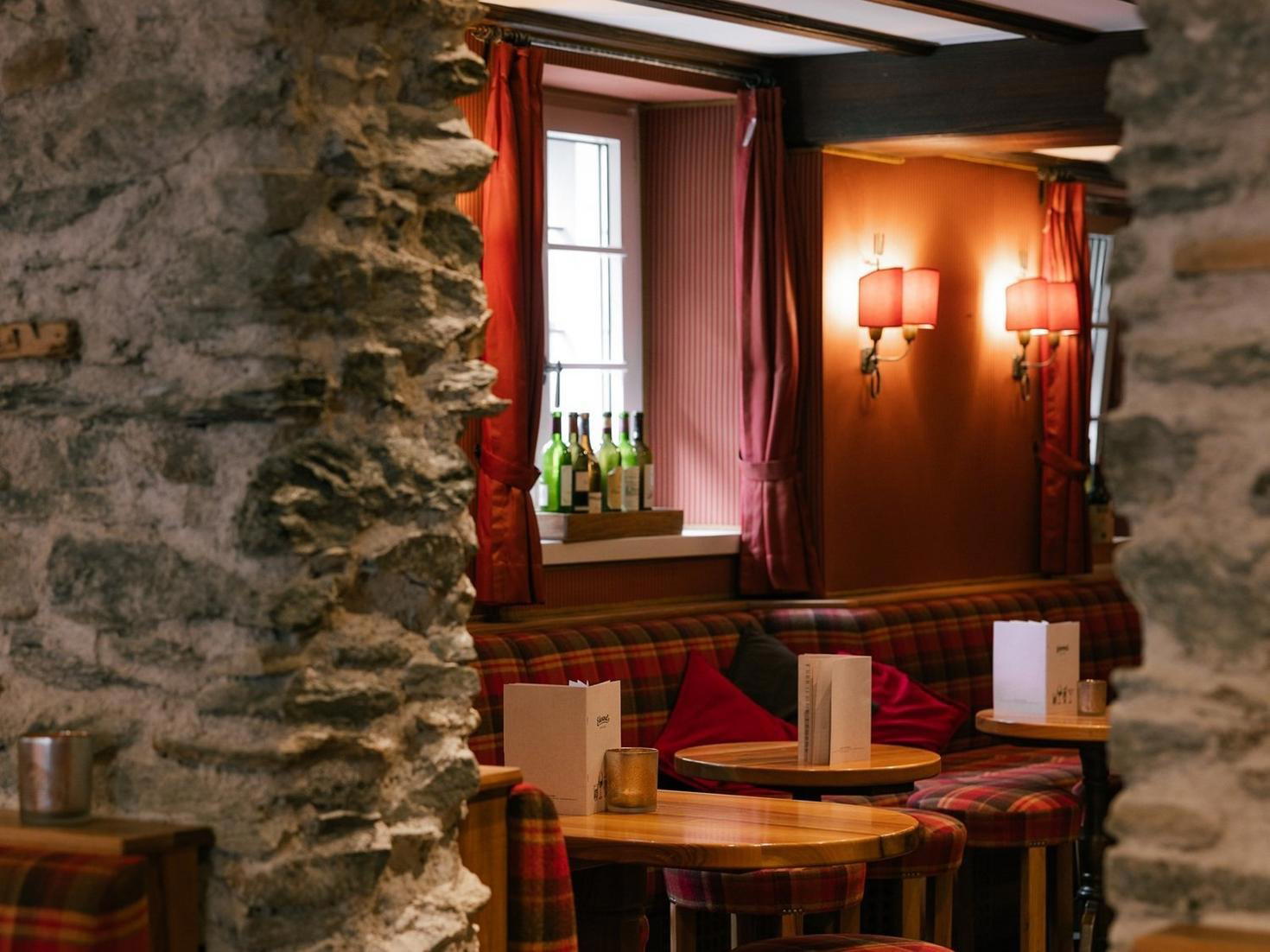
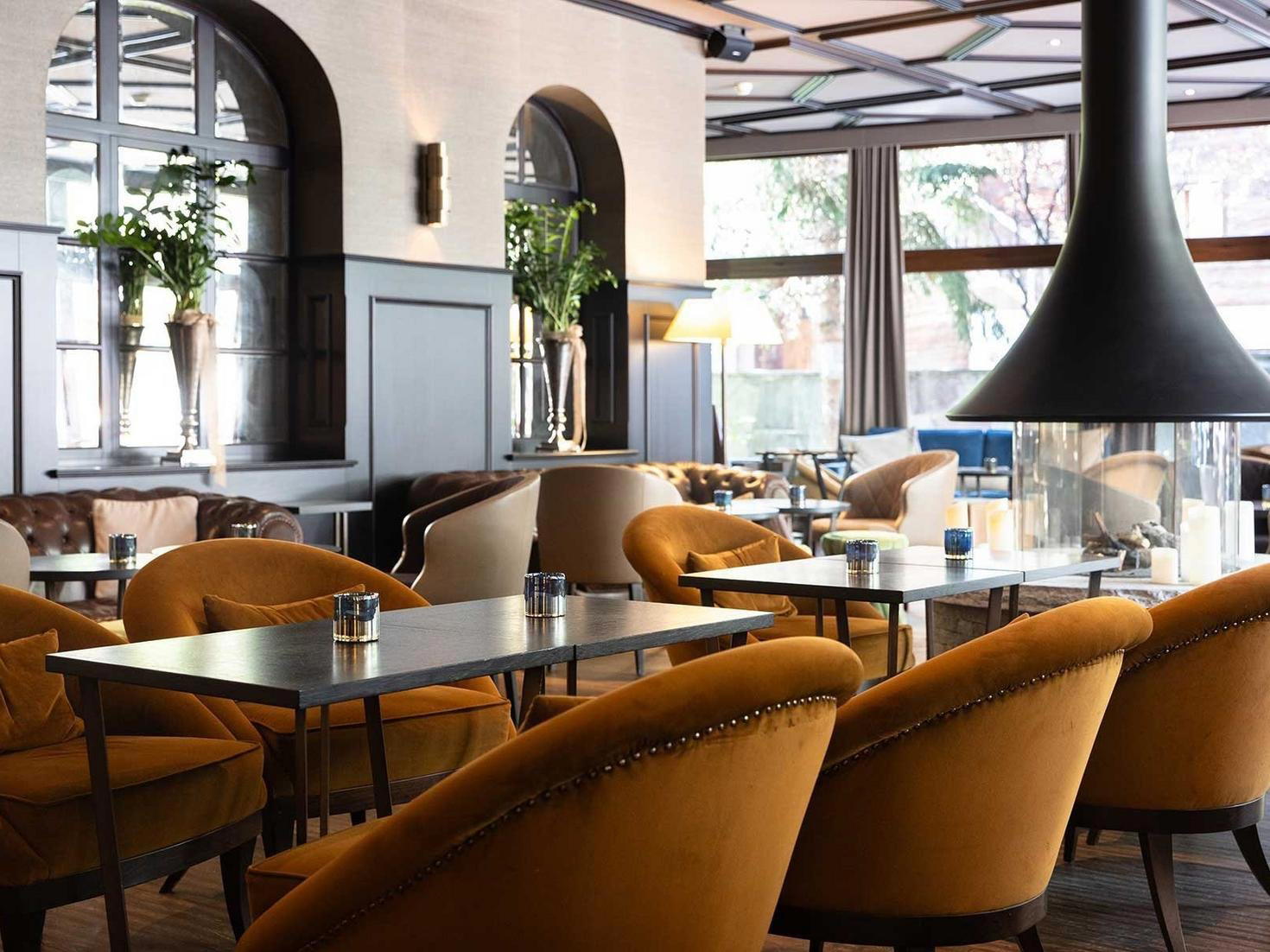
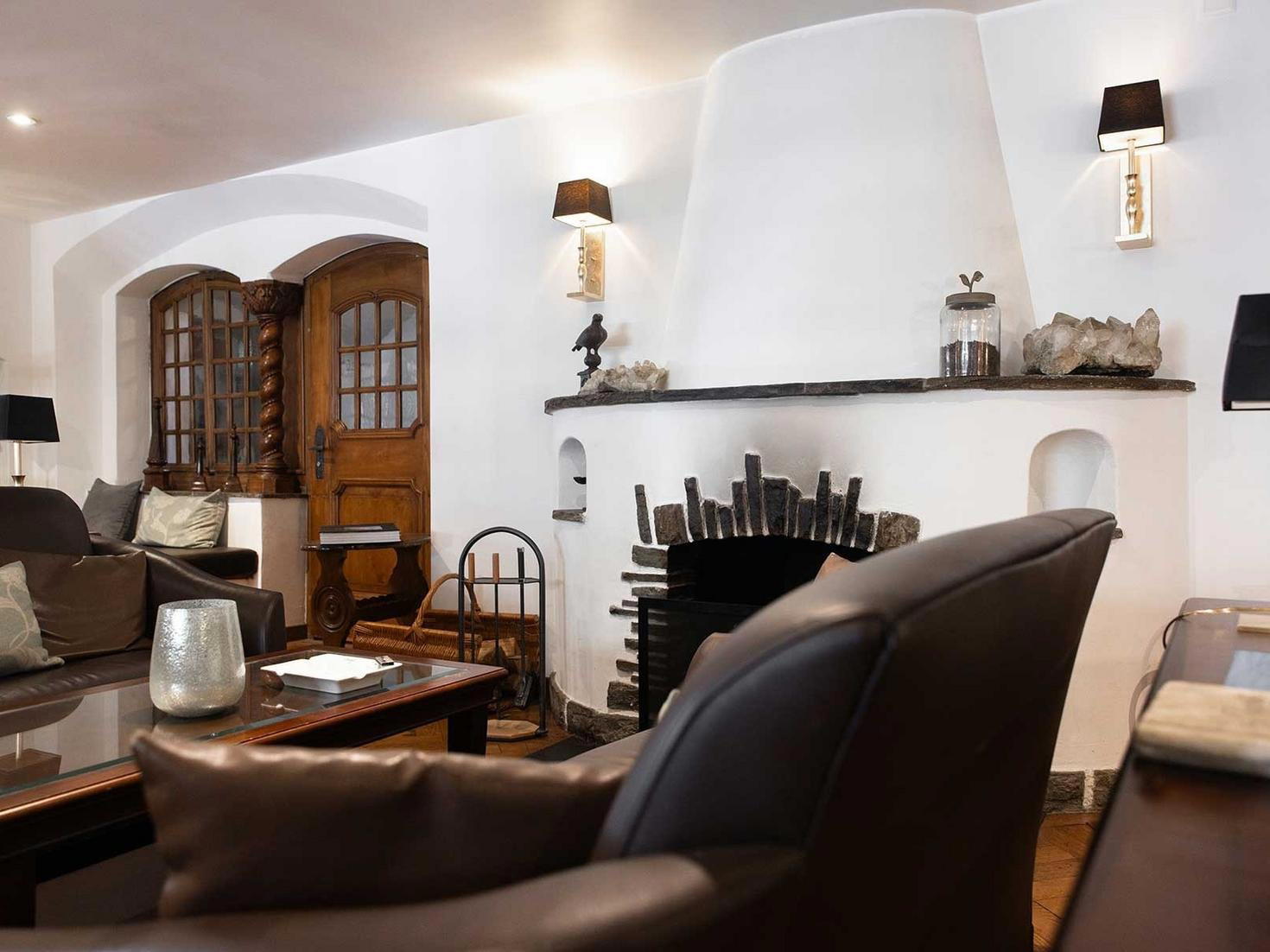
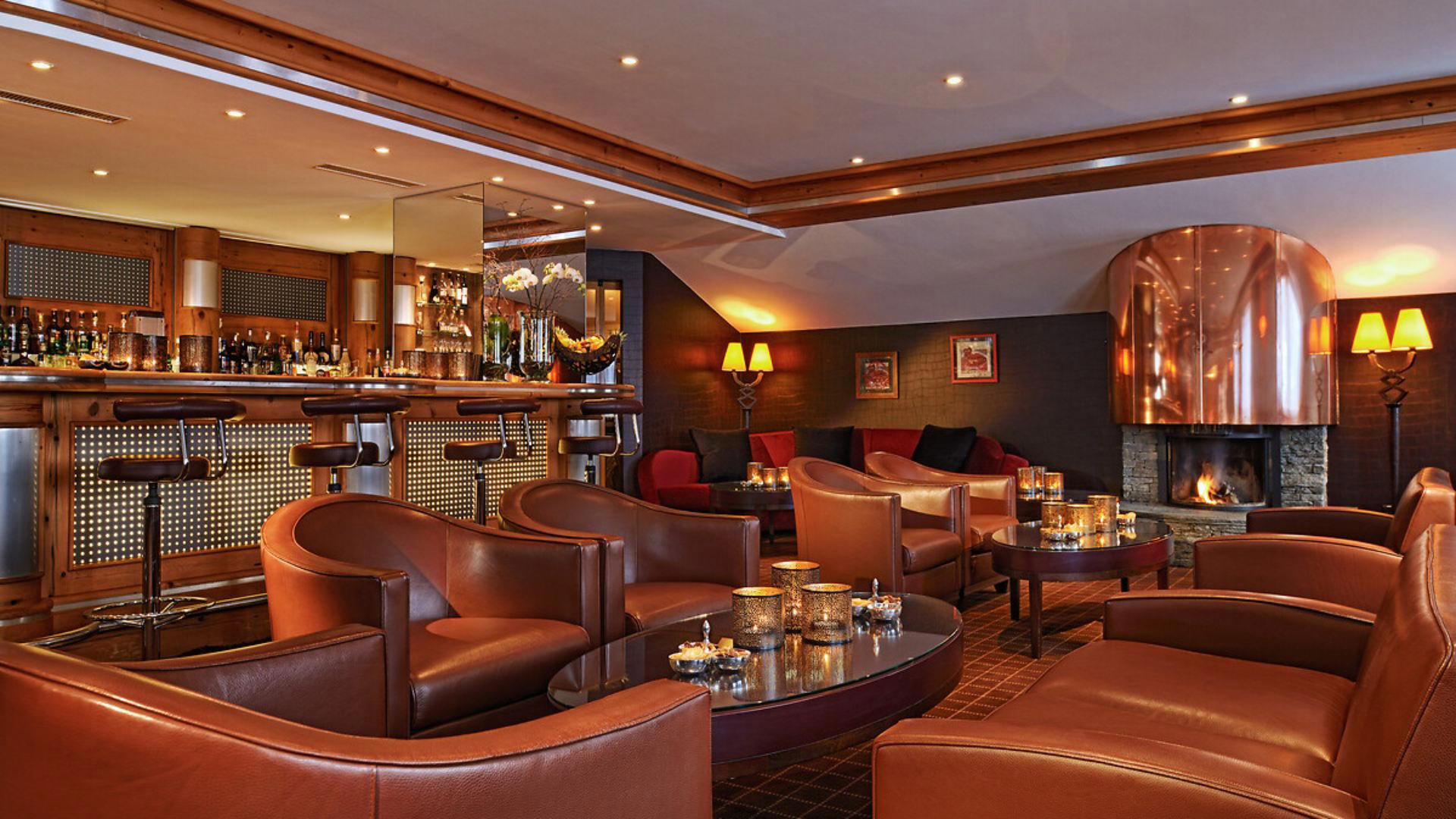
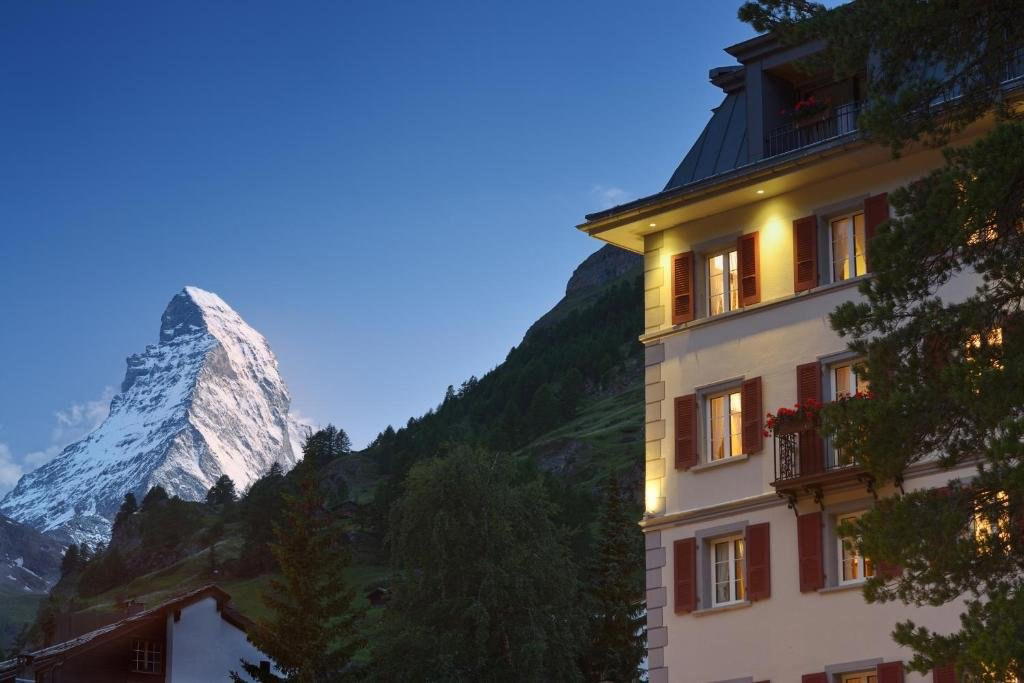
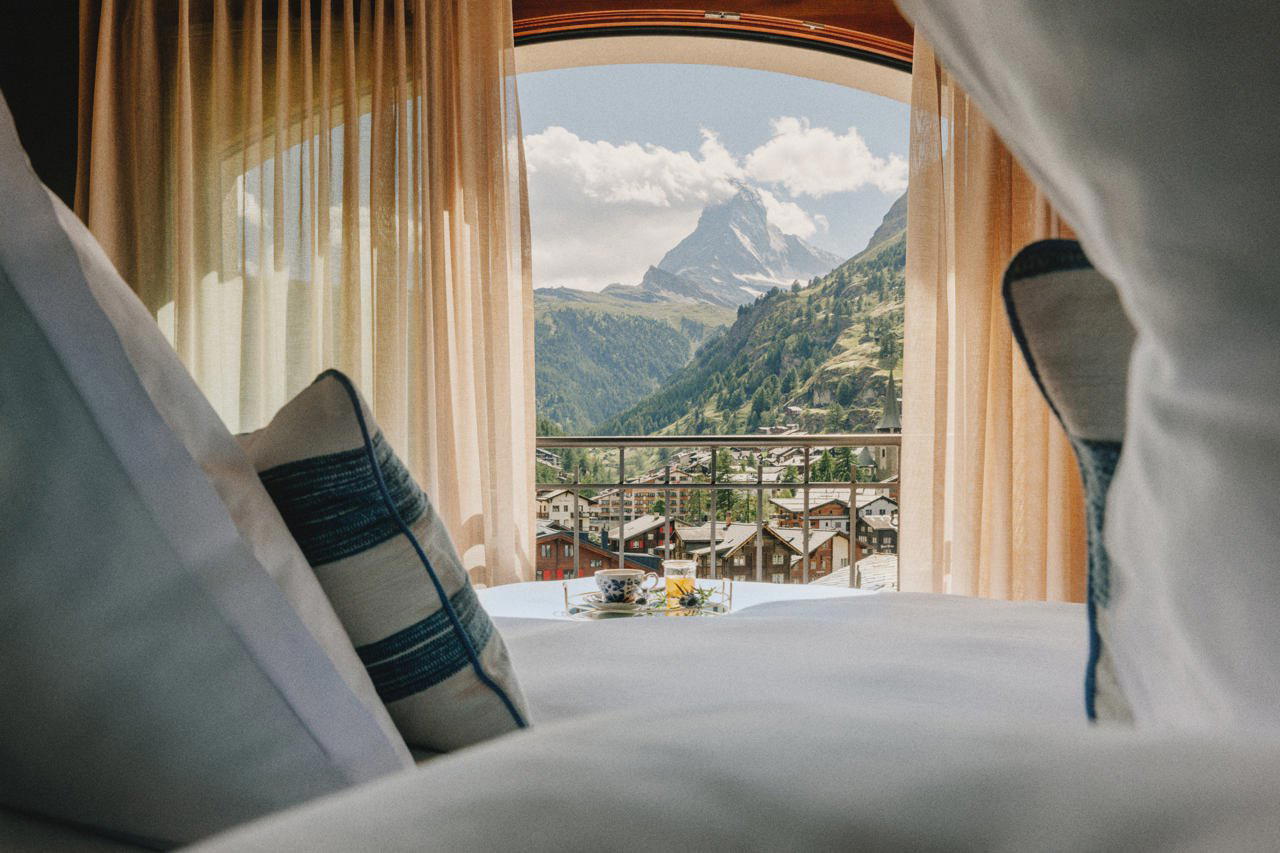
Light-flooded loft-style spaces with flickering fireplace, soft lighting, clean modern lines, and cozy nooks creating an intimate, upscale mountain lodge atmosphere.