Restaurant Julen

Star Wine List
Our verdict
In a resort town where dining often defaults to the transient and the convenient, Julen occupies a more deliberate tier, pairing Alpine setting with a wine list that attracted specialist editorial attention. It rewards guests who plan ahead rather than walk in on impulse.

Pearl is the En Primeur Club membership app — saves, bookings, and concierge access live there. Same editors, same standards.
- Address
- Riedstrasse 2, 3920 Zermatt, Switzerland
- Phone
- +41 27 966 76 00
- Hours
- Daily 12–1:30 PM, 6–10 PM
- Website
- julen.ch
- Directions
- Get directions
The menu
What to order
- Blackface lamb chops
- Lamb stew
- Lamb knuckle
- Rack of lamb
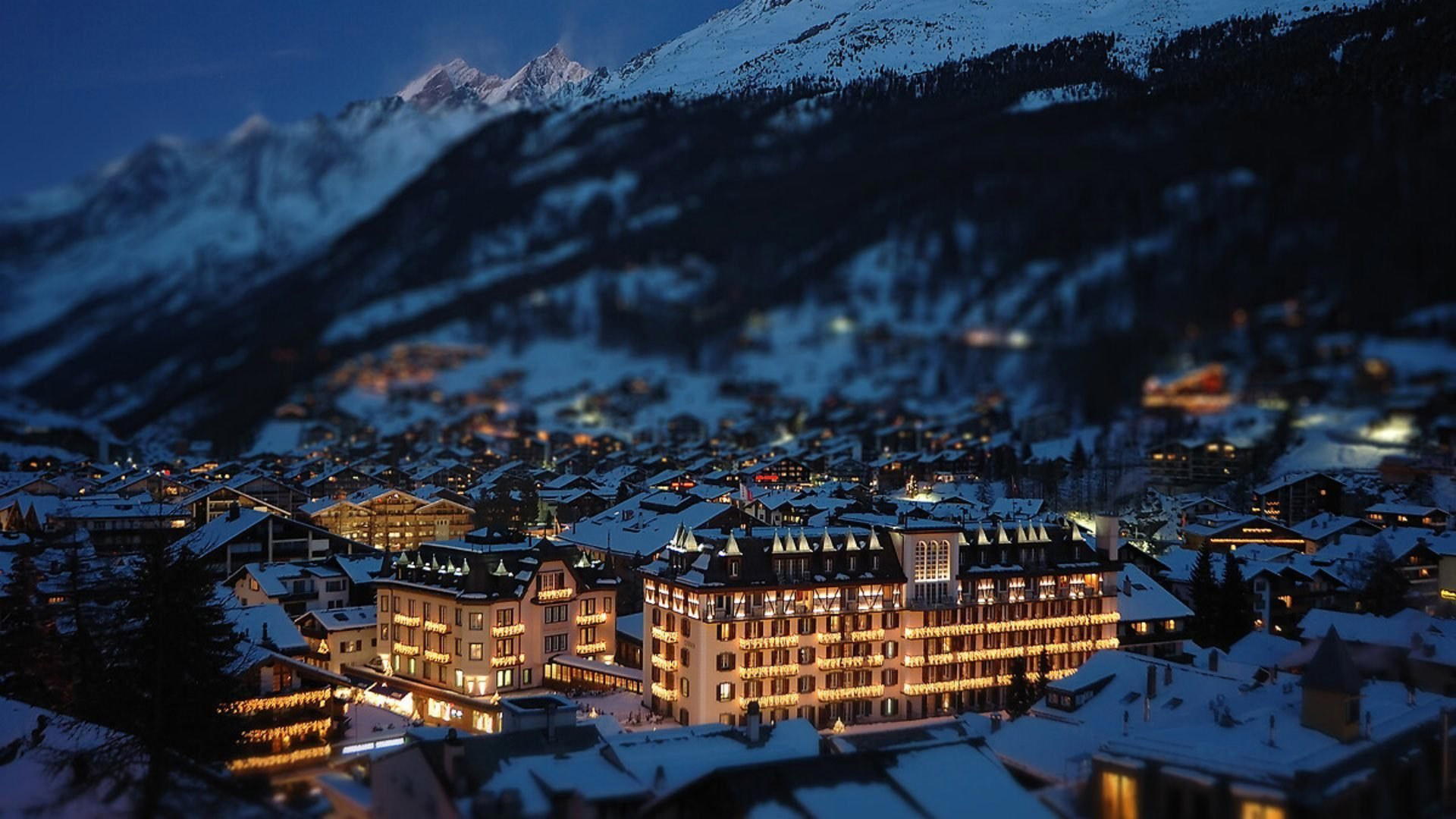
That physical context matters more than it might in other cities. Zermatt's dining scene divides roughly into two registers. The first is the high-altitude, high-spectacle category — restaurants perched on the mountain itself, trading primarily on views and the theatre of gondola access. The second is the in-village restaurant operating at table-service pace, where the kitchen has space to work with proper mise en place and the wine program can run deeper than a laminated card. Restaurant Julen belongs to the second register, and its recognition from Star Wine List — a White Star designation published in December 2021, signals that its cellar is the kind of thing specialists notice.
The Wine List as Primary Signal
Star Wine List's White Star is not a rating handed out for broad adequacy. The platform evaluates lists with a focus on depth, curation logic, and the presence of producers that require effort to source. For a mountain resort restaurant to attract that recognition places Julen in a smaller peer group than its address might suggest. Most ski-resort wine programs are built around fast-moving, high-margin bottles that work in a après-ski context. A White Star implies the opposite orientation: a list assembled with a point of view, stocked with bottles that reward attention.
In the Swiss Alpine restaurant context, that matters because the country's own wine production is largely invisible to international visitors. A well-assembled cellar in this location has the opportunity to introduce guests to a wine culture that doesn't travel, which is a more interesting proposition than another list anchored to French Bordeaux and Burgundy imports.
For broader Swiss fine dining context, lists recognized by specialist platforms like Star Wine List tend to cluster around properties such as Hotel de Ville Crissier in Crissier, Schloss Schauenstein in Fürstenau, and Cheval Blanc by Peter Knogl in Basel. Julen's recognition places it in conversation with that tier, at least on the wine axis, even if its mountain-resort setting puts it in a different operational category.
Ingredient Sourcing in an Alpine Setting
The editorial angle that shapes how Julen sits within Zermatt's dining scene is sourcing. At 1,600 metres above sea level, with no road access, every ingredient that enters a professional kitchen arrives by rail. That logistical constraint is not incidental: it shapes purchasing cycles, supplier relationships, and the degree to which a kitchen can commit to seasonal and regional produce. Restaurants that take sourcing seriously in Zermatt are working against a structural friction that flatter-terrain kitchens don't face. A kitchen genuinely oriented around Alpine sourcing can draw on ingredients with genuine provenance specificity, not local-for-marketing but local-by-geography.
Where Julen Sits in Zermatt's Restaurant Tier
Zermatt has a spread of restaurant formats that runs from casual to considered. On the creative end, After Seven and Alpine Gourmet Prato Borni operate at the higher-ticket, more composed end of the market. Chez Vrony holds a strong position in the regional cuisine category, known for consistent quality and mountain-facing views. Brasserie Uno operates at a contemporary register with a €€€€ price point, and Aroleid Restaurant works in the creative category at a more accessible price tier.
Julen occupies a position in this map that is shaped by its wine recognition rather than its cuisine classification. It is the kind of restaurant where the decision to eat there begins with the list rather than the menu, where a guest with specific cellar interests will book a table and then work backwards to the food.
Internationally, the model has precedents in restaurants where the wine program carries comparable prestige to the kitchen: venues like Le Bernardin in New York City or Memories in Bad Ragaz operate in different culinary registers but share the principle that a serious list changes the nature of the dining occasion. 7132 Silver in Vals and Colonnade in Lucerne represent the broader Swiss context in which serious wine programs are increasingly attached to serious food operations. Given its recognition and resort-town dynamics, where capacity is constrained and visitor numbers peak during ski season (December through April) and summer hiking season (July through September), booking ahead is the more reliable approach than arriving without a reservation. For a broader orientation to what Zermatt offers across food, drink, and accommodation, the full Zermatt restaurants guide, hotels guide, bars guide, and experiences guide map the broader scene.
Frequently asked questions
Does Restaurant Julen work for a family meal?
Julen sits within Zermatt's car-free village centre at Riedstrasse 2, meaning access is straightforward for all ages without navigating traffic or mountain terrain. In-village restaurants in Zermatt generally handle multi-generational groups more comfortably than high-altitude alternatives. The Star Wine List White Star recognition signals a considered dining environment rather than a casual canteen, so groups with younger children should factor that tone into their choice.
How would you describe the vibe at Restaurant Julen?
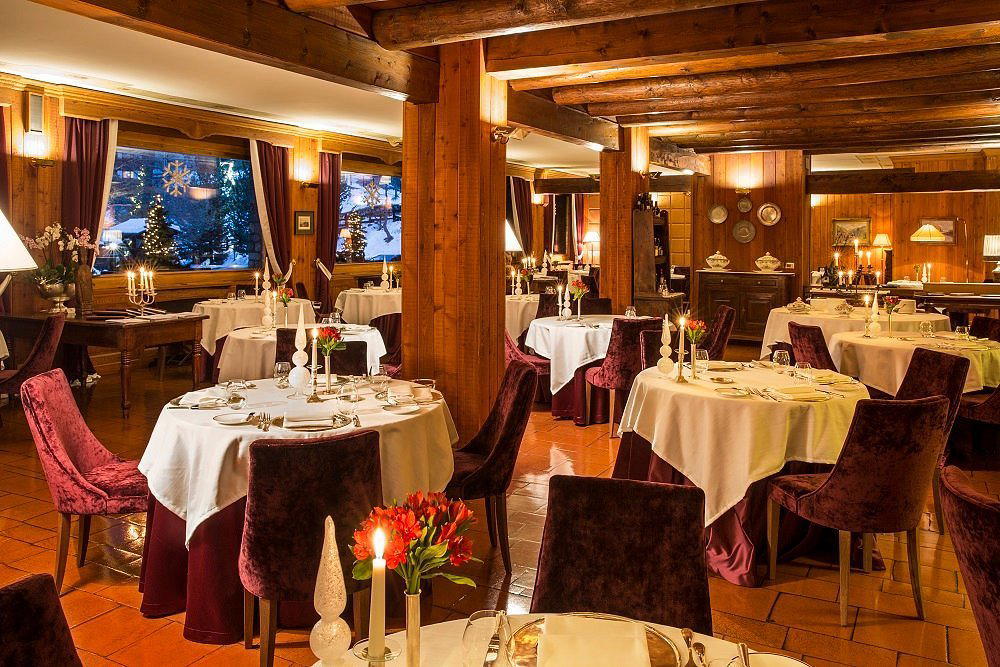
The Star Wine List White Star, earned through evaluation of curation logic and cellar depth, sets the frame: this is a room where the wine program carries genuine weight. Expect an atmosphere calibrated to the wine list rather than to après-ski informality. Zermatt's altitude and car-free setting already filter the crowd toward visitors who have made deliberate choices about where they spend their time.
What kind of recognition has Restaurant Julen received?
Restaurant Julen has received recognition including: Restaurant Julen is a restaurant in Zermatt, Switzerland. It was published on Star Wine List on December 15, 2021 and is a White Star..
What's the must-try dish at Restaurant Julen?
What the Star Wine List White Star does confirm is that the wine selection repays attention, so pairing a bottle from the cellar with whatever the kitchen is running is the most defensible way to anchor the meal.
What part of town is Restaurant Julen in?
Restaurant Julen is located at Riedstrasse 2, 3920 Zermatt, Switzerland, Zermatt.
Can I walk in to Restaurant Julen?
The address at Riedstrasse 2 is a short walk from Zermatt's main railway station, so physical access without a reservation is easy. Whether the kitchen has space is a different matter: restaurants carrying specialist recognition like the Star Wine List White Star tend to fill ahead of service, particularly during peak ski and summer seasons. Booking in advance is the lower-risk approach.
What makes Restaurant Julen worth seeking out?
The Star Wine List White Star, published in December 2021, is the clearest verifiable signal: the wine program operates at a level that a specialist platform with strict curation criteria chose to recognise. At 1,600 metres above sea level in a car-free village, maintaining a cellar of that calibre requires deliberate logistical effort, which makes the designation more meaningful than it would be for a city restaurant with conventional supply access.
Comparable Venues
Comparable venues nearby, for context on price, style, and recognition.
| Venue | Cuisine | Price | Awards | Notes |
|---|---|---|---|---|
| Restaurant JulenThis venue — the venue you are viewing | Traditional Swiss with Blacknose Lamb Specialties | $50–100 | Star Wine List | Not listed |
| Schäferstube | Traditional Valais Swiss with Lamb Specialties | $50–100 | Not listed | village center |
| Arvenstube | Swiss Alpine | $50–100 | Star Wine List | Dorfplatz |
| 1818 Eat & Drink | South American Grill & Tapas | $100–150 | Not listed | Zermatt |
| Saveurs | Modern French with Local Fusion | $150–200 | Relais Chateaux Award | Zermatt |
| The Omnia | Modern Alpine Fine Dining | Not listed | Michelin Plate · Star Wine List | Auf dem Fels |
Recognition history
Dated appearances from independent guides and award organizations, with the underlying list record or original source where available.
Star Wine List
Star Wine List
Continue exploring
More in Zermatt
Restaurants in Zermatt
Browse all →
Bars in Zermatt
Browse all →
Hotels in Zermatt
Browse all →

Details
- Cozy
- Rustic
- Elegant
- Classic
- Date Night
- Family
- Celebration
- Hotel Restaurant
- Local Sourcing
- Mountain
- A La Carte
Current opening hours
- Monday
- 12–1:30 PM, 6–10 PM
- Tuesday
- 12–1:30 PM, 6–10 PM
- Wednesday
- 12–1:30 PM, 6–10 PM
- Thursday
- 12–1:30 PM, 6–10 PM
- Friday
- 12–1:30 PM, 6–10 PM
- Saturday
- 12–1:30 PM, 6–10 PM
- Sunday
- 12–1:30 PM, 6–10 PM
Hours can change for holidays and private events. Last verified .
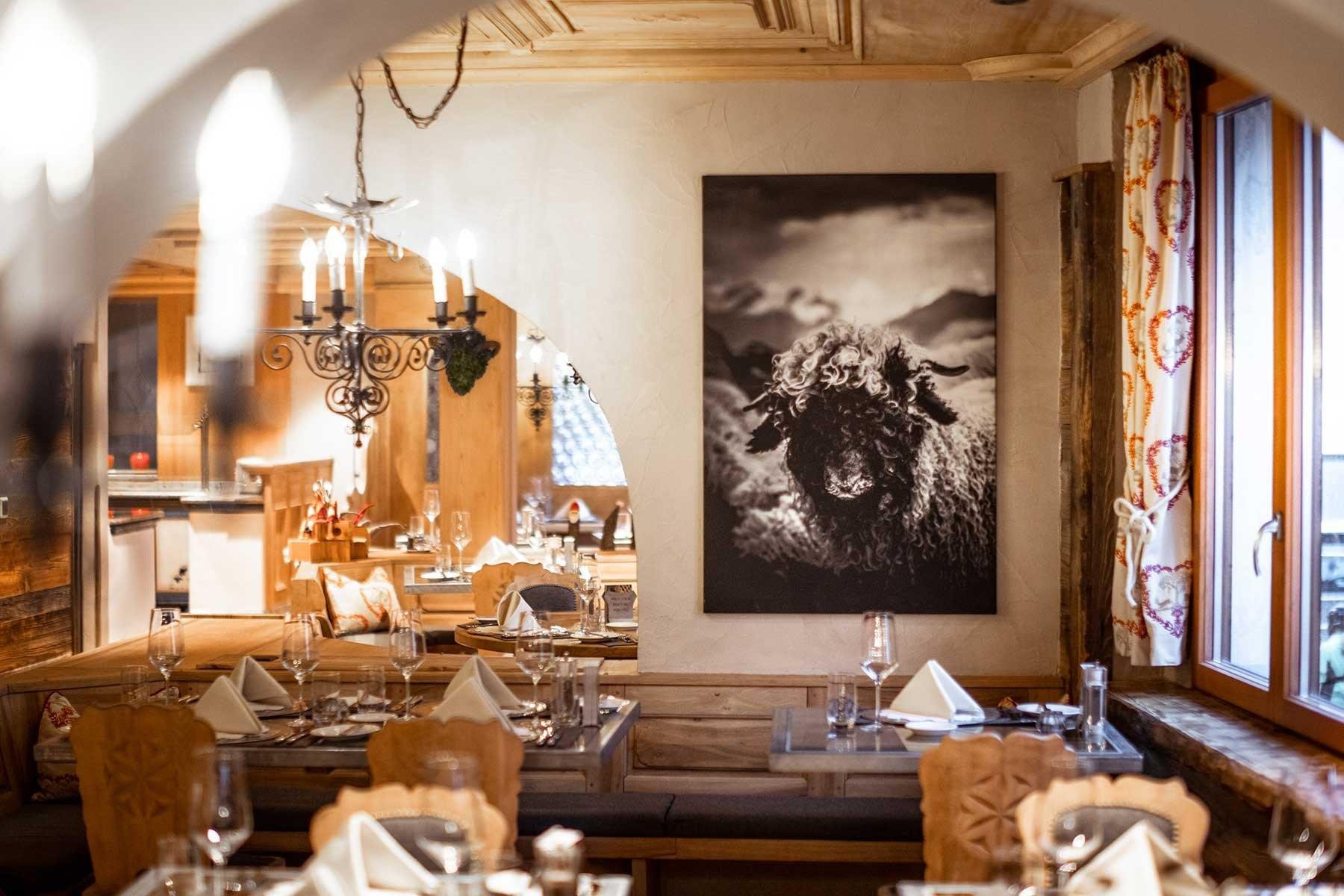
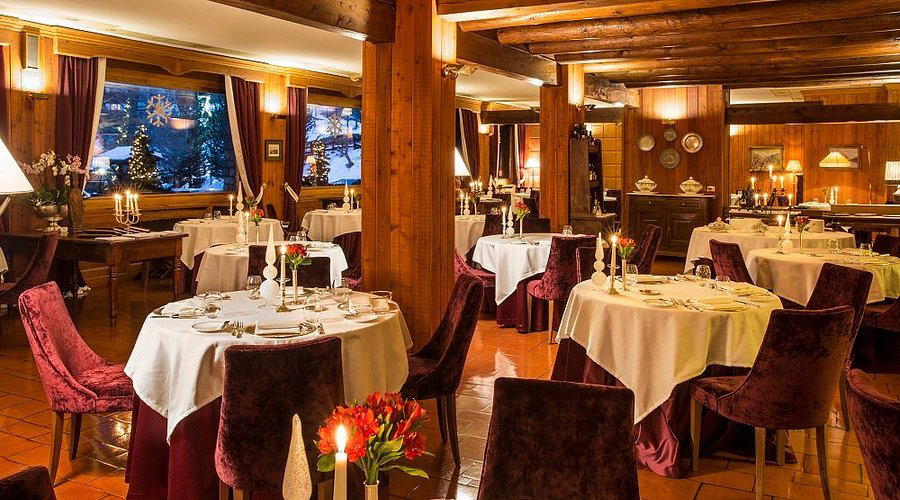
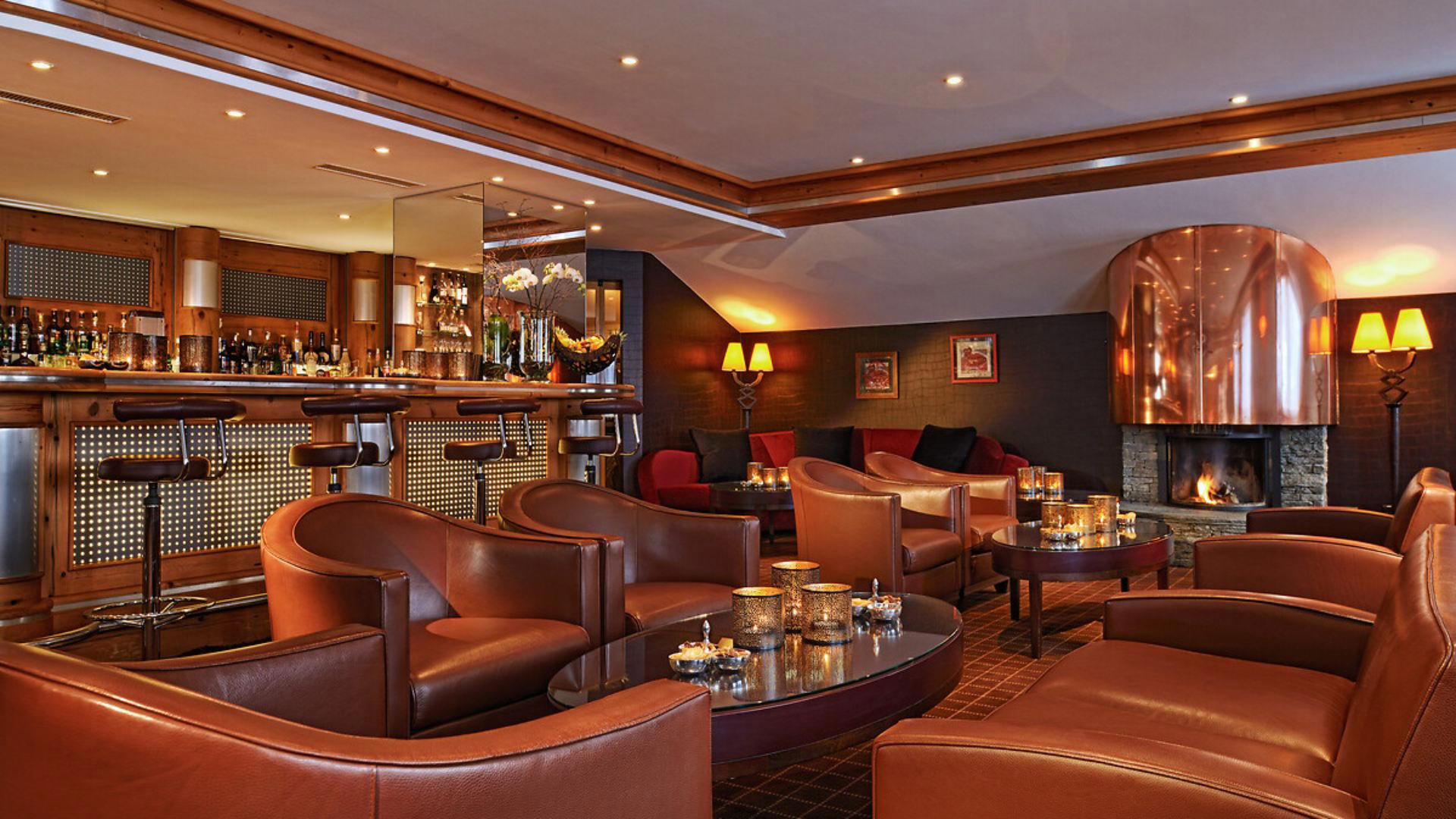
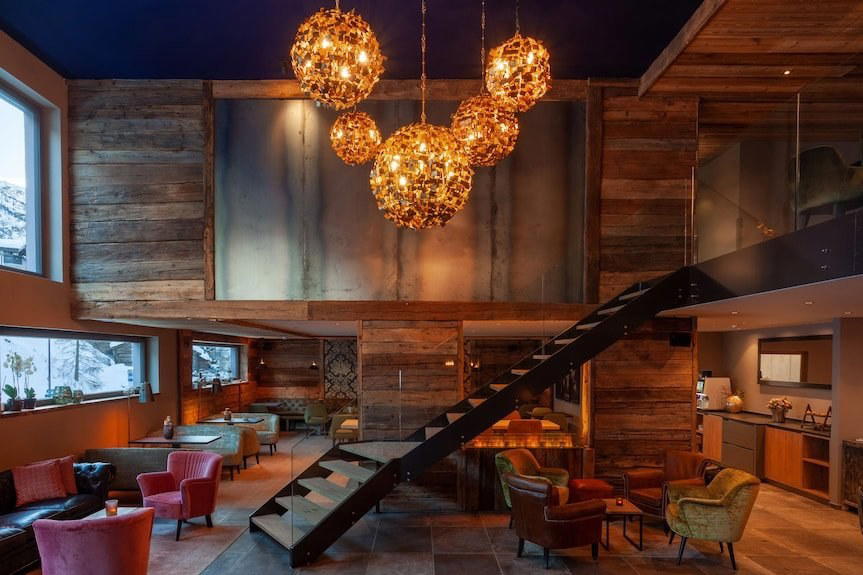
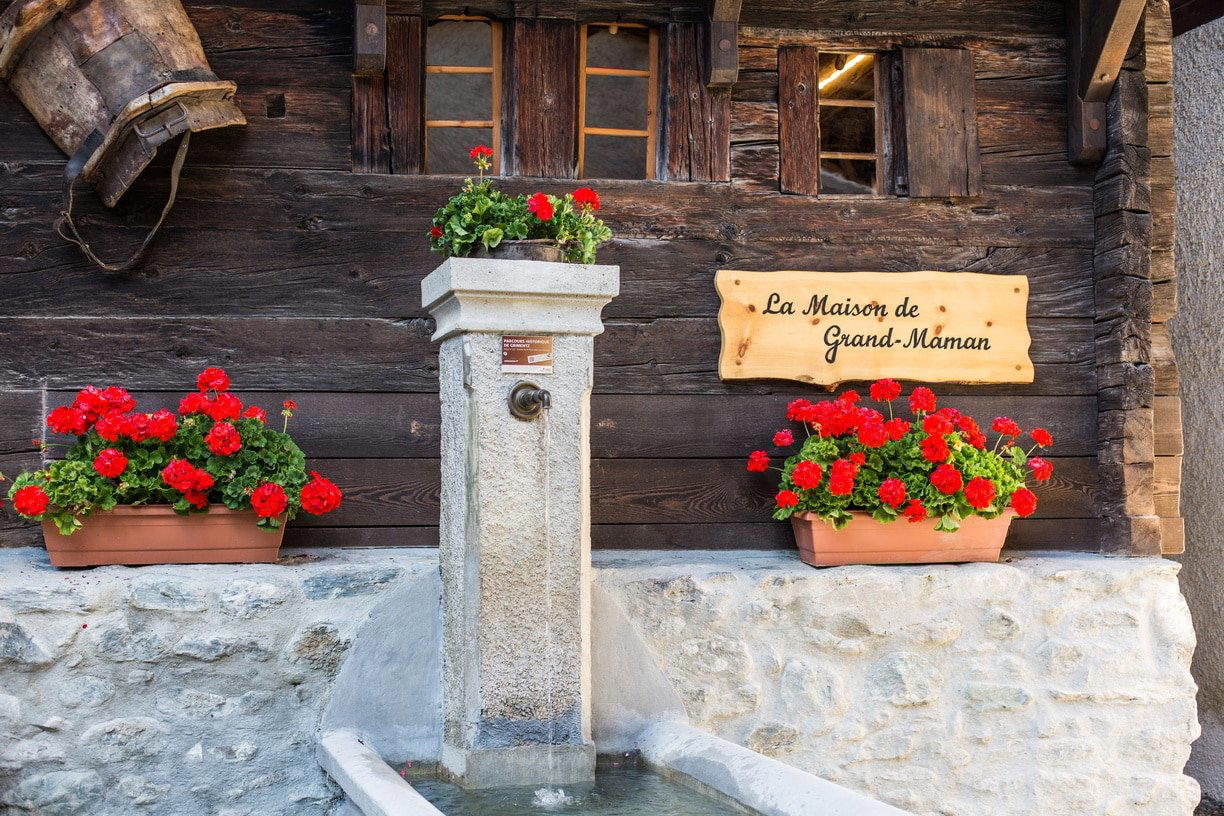
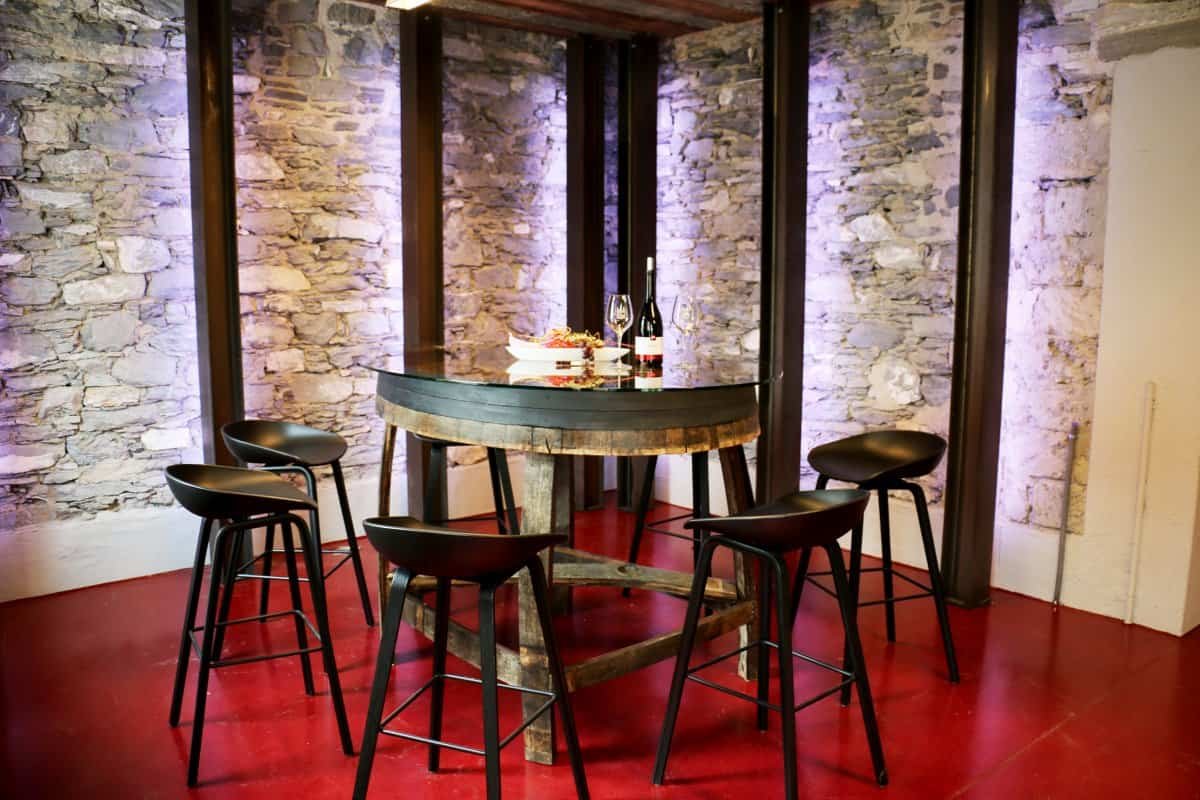
Wood-beamed coziness with candlelit tables, warm alpine atmosphere, and a hum of quiet contentment.