The Odeon

OpenTable Top 100 Restaurants
Our verdict
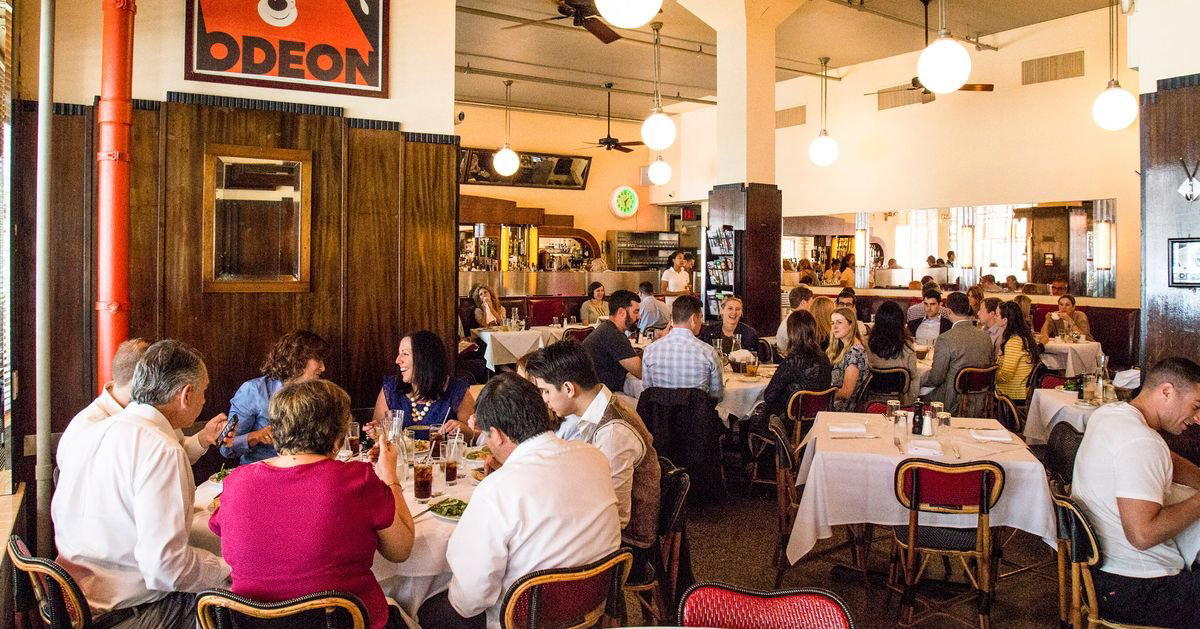
Open since 1980, The Odeon has anchored Tribeca's social life through every chapter of the neighbourhood's transformation, from post-industrial art district to one of Manhattan's most expensive zip codes. The American brasserie format, with its French-accented menu and outdoor seating on West Broadway, sits comfortably outside the tasting-menu circuit while carrying real historical weight in New York's dining record.

Pearl is the En Primeur Club membership app, where members save venues, book tables and use the concierge.
The menu
What to order
- Steak frites
- Cheeseburger
- French onion soup
A Room That Outlasted Every Trend Around It
Tribeca's restaurant scene has been rewritten several times since 1980. Warehouses became lofts, lofts became penthouses, and the dining calculus shifted accordingly, from artist-adjacent haunts to increasingly formal, expense-account-oriented rooms. The Odeon absorbed all of it without reconfiguring itself to match. That durability is architectural as much as it is cultural: the space at 145 West Broadway was originally a cafeteria, and the bones of that utilitarian past, the long room, the tiled floors, the neon signage visible from the street, have never been stripped out in favour of a more fashionable container. In a borough where restaurant interiors are remodelled to signal each new era, a room that has remained legible since the early Reagan years carries a different kind of authority.
The brasserie format is the right lens for understanding what The Odeon is. Not a bistro (too small, too intimate), not a formal dining room (too much occasion), a brasserie operates as civic infrastructure, the kind of place a neighbourhood uses at multiple points in a day and for multiple reasons. The French brasseries that defined the format in Paris were built around accessibility and longevity rather than exclusivity, and that template translates here. The Odeon's American variation keeps the French structural logic, a menu with classical anchors, a room designed for lingering, outdoor seating that connects the dining room to the street, while grounding the offering in a North American idiom.
The Design Argument for a Classic Room
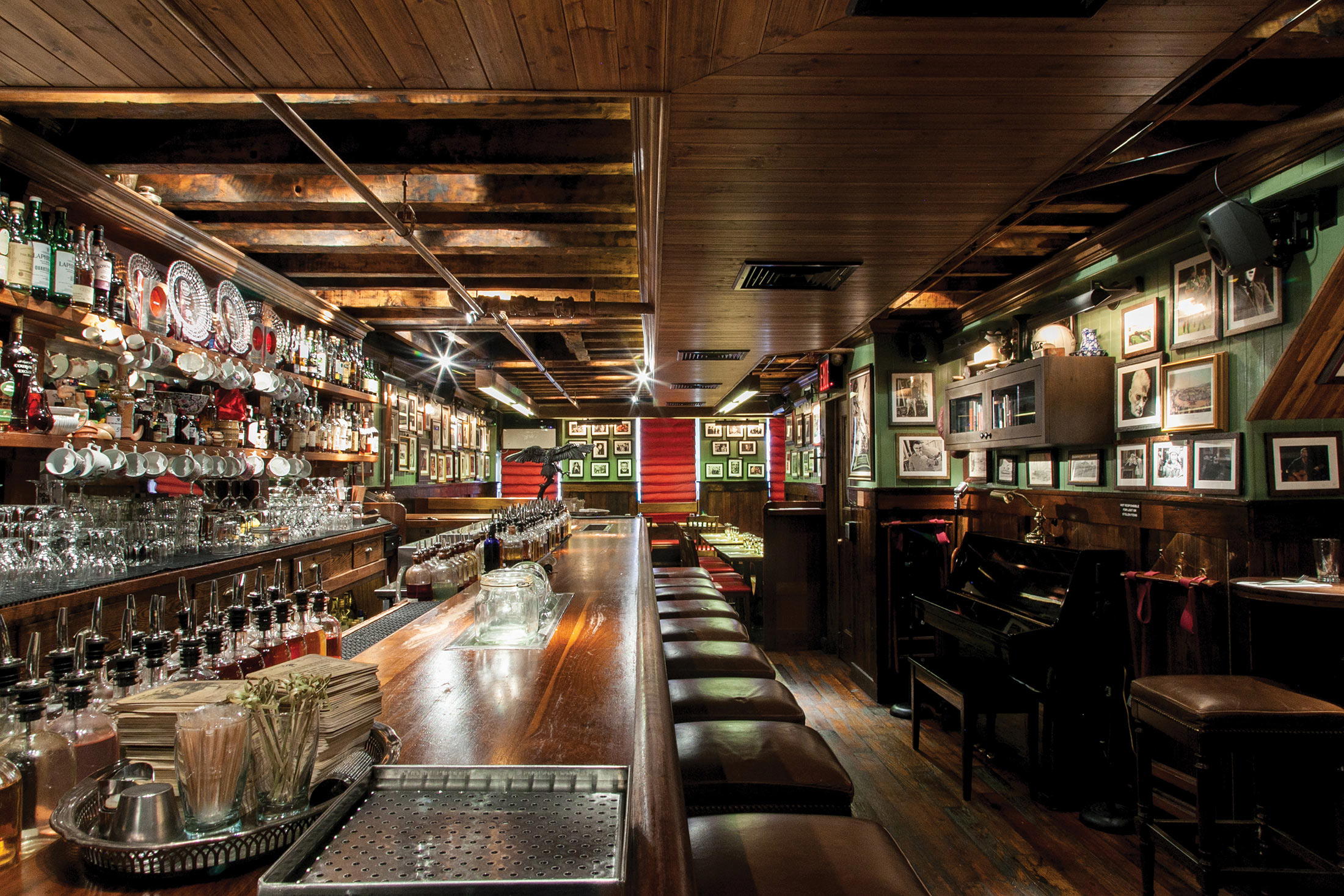
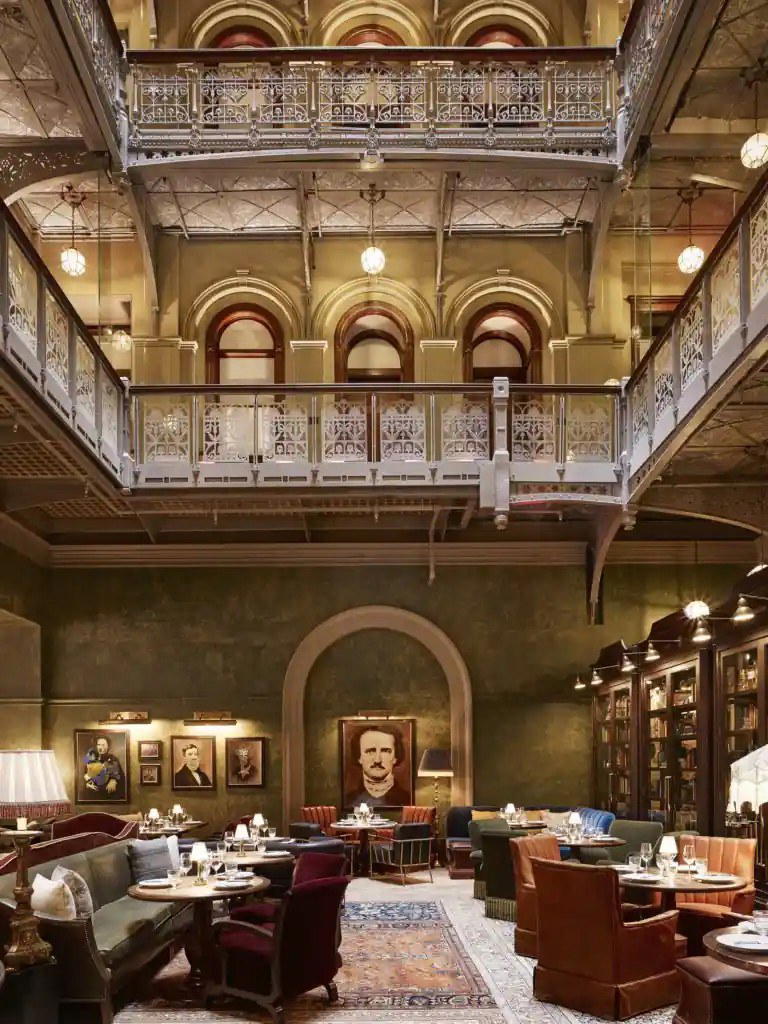
Interior architecture in New York restaurants has cycled through reclaimed wood, exposed concrete, and maximalist wallpaper in the decades since The Odeon opened. What the room at West Broadway offers instead is continuity. The original cafeteria ceiling height, the vintage clock, the bar running parallel to the main room, these are not design choices made recently to evoke nostalgia. They are the actual building, preserved rather than curated. That distinction matters because imitated vintage and actual vintage read differently when you are inside them.
Outdoor seating on West Broadway extends the room into the neighbourhood in a way that suits the brasserie format. Tribeca's streets, quieter and wider than much of downtown Manhattan, make pavement dining more viable here than in denser corridors to the north. The result is a space that functions differently at noon than it does at midnight, a range that few New York rooms sustain without forcing a mood change on their guests.
Among the generation of New York restaurants that opened around the same time, very few still operate in their original location with a recognisable version of their original format. The rooms that survived tended to be the ones that were built for daily use rather than event dining. The Odeon fits that pattern, and the room is the primary evidence of it.
Where the Menu Sits in the New York Context
The Odeon's French-accented American brasserie menu occupies a specific and increasingly rare tier in Manhattan dining. The city's most-discussed restaurants have polarised toward opposite extremes: tasting-menu-only counters at the leading end, Masa, Per Se, Eleven Madison Park, Atomix, Le Bernardin, and fast-casual operations at the other. The middle ground, where a kitchen produces classically structured à la carte food for a room that has been open since before many of its cooks were born, is harder to sustain economically and harder to staff at a consistent level.
The French nod in the menu is not a marketing designation. The brasserie tradition carries specific culinary commitments: stocks built from whole animals, sauces reduced properly, proteins treated with the kind of patience that a high-turnover operation cannot maintain. Whether a given kitchen on a given night delivers against that standard is a question a single visit can answer; that The Odeon has maintained enough of the commitment over four decades to still be described in those terms is the more telling data point.
For comparison, American brasserie formats with French roots at similarly durable institutions can be found across the country, Emeril's in New Orleans operates in a related register, as do the more formal French-influenced rooms at The French Laundry in Napa and Providence in Los Angeles, though those properties occupy different price tiers.
Tribeca as Context
The neighbourhood surrounding The Odeon is not the neighbourhood it opened in. Tribeca in 1980 was post-industrial, commercially depressed, and populated largely by artists who had followed cheaper rents south from SoHo. The Odeon's opening was itself part of the first wave of commercial activity that began converting the area. Four decades later, Tribeca consistently records some of the highest residential sale prices in Manhattan. The restaurants that have arrived since reflect that shift: the area now supports a range of serious dining rooms with corresponding price points.
What this means practically is that The Odeon now operates in a neighbourhood that has grown around and past it in terms of wealth density, while the restaurant itself has not repositioned to extract maximum value from that surrounding premium. That is a genuine editorial observation about where it sits in the current Tribeca context, not a criticism. A room that opened at the beginning of the neighbourhood's commercial life and has remained at a price point accessible to a broader range of guests than its neighbours now serve is a specific kind of institution.
For a fuller picture of where The Odeon fits in the wider Manhattan dining record, see our full New York City restaurants guide. If you are planning a broader trip, our New York City hotels guide, bars guide, wineries guide, and experiences guide cover the full picture. For reference points on what the tasting-menu tier looks like elsewhere in the country, Alinea in Chicago, Lazy Bear in San Francisco, and Single Thread Farm in Healdsburg represent different expressions of the same premium ambition. Internationally, 8½ Otto e Mezzo Bombana in Hong Kong and Alain Ducasse at Louis XV in Monte Carlo anchor the French-European fine dining tradition that The Odeon draws from at a different scale.
Planning Your Visit
The Odeon is located at 145 West Broadway in Tribeca, a short walk from the Franklin Street and Chambers Street subway stations. The room operates as a brasserie, meaning it is built for both lunch and dinner service, and the outdoor seating is available when weather permits. Given that the restaurant has maintained continuous operation since 1980, it is not a room with a short booking window for typical mid-week visits, though weekend evenings in a neighbourhood as residential as Tribeca now is warrant earlier reservations.
Quick reference: 145 West Broadway, Tribeca, New York NY 10013. American brasserie with French menu influences. Open since 1980. Outdoor seating available.
Frequently asked questions
What should I eat at The Odeon?
The kitchen operates within an American brasserie format with French culinary references, meaning the menu prioritises classically structured dishes over modern tasting formats. Ordering around the proteins and sauce-led preparations that define the brasserie tradition is the most direct way to understand what the kitchen does well. The menu has sustained a French accent since 1980, which means the classical techniques applied to those preparations have had four decades to become institutional knowledge rather than individual interpretation.
Should I book The Odeon in advance?
For weekday lunch or a quiet weeknight, The Odeon has historically been accessible without far-in-advance planning, the brasserie format and its scale as a room designed for neighbourhood daily use supports that. Weekend evenings are a different calculation: Tribeca's residential density has increased significantly since 1980, and the restaurant's status as one of the neighbourhood's longest-running addresses means it draws both locals and visitors with specific purpose. Booking ahead for Friday and Saturday dinner is the practical approach, particularly if outdoor seating is a priority during warmer months. The restaurant sits in a different booking tier from the tasting-menu rooms at the top of the New York market, the multi-month lead times required at Masa or Per Se do not apply here, but same-day availability on peak evenings should not be assumed.
Credentials Lens
| Venue | Cuisine | Price | Awards | Notes |
|---|---|---|---|---|
| The OdeonThis venue (the venue you are viewing) | French Brasserie | $50–100 | OpenTable Top 100 Restaurants | Not listed |
| Le Bernardin | French Seafood Fine Dining | $300–500 | 3 Michelin Stars · World's 50 Best #13 | French, Seafood |
| Atomix | Modern Korean Tasting Menu | $300–500 | 2 Michelin Stars · World's 50 Best #7 | Modern Korean, Korean |
| Masa | Seasonal Hokkaido Tempura Omakase | $150–200 | Tabelog 100 #34 | Sushi, Japanese |
| Per Se | French Fine Dining Tasting Menu | $300–500 | 3 Michelin Stars · World's 50 Best #40 | French, Contemporary |
| Eleven Madison Park | Contemporary Plant-Based Fine Dining | $300–500 | 3 Michelin Stars · World's 50 Best #4 | French, Vegan |
Recognition history
Dated appearances from independent guides and award organizations, with the underlying list record or original source where available.
OpenTable Top 100 Restaurants
OpenTable
Continue exploring
More in New York City
Restaurants in New York City
All restaurants in New York City →
Bars in New York City
All bars in New York City →




Details
- Lively
- Well Known
- Classic
- Date Night
- Casual Hangout
- Late Night
- Historic Building
- Craft Cocktails
- A La Carte
- Vegetarian Friendly
Current opening hours
- Monday
- 11 AM–10 PM
- Tuesday
- 11 AM–11 PM
- Wednesday
- 11 AM–11 PM
- Thursday
- 11 AM–11 PM
- Friday
- 11 AM–11 PM
- Saturday
- 10 AM–11 PM
- Sunday
- 10 AM–10 PM
Hours can change for holidays and private events. Hours as of .
Buzzy, lively atmosphere with red banquettes, original wood paneling, globe lights, and a constant hum of conversation in a crowded, fun space.