The Malabar Junction

Relais Chateaux Award
Our verdict
On Parade Road in Fort Kochi's colonial quarter, The Malabar Junction earns an EP Club 'Expression of the Terroir' highlight for its commitment to Kerala's coastal pantry. The kitchen draws from the spice trade geography that shaped this city — black pepper from the Ghats, coconut in every register, seafood pulled from the backwaters.

Pearl is the En Primeur Club membership app — saves, bookings, and concierge access live there. Same editors, same standards.
- Address
- Parade Road, Fort Kochi, Kochi, Kerala 682001, India
- Phone
- +91 484 2216666
- Hours
- Daily 7 AM–11 PM
- Website
- malabarescapes.com
- Directions
- Get directions
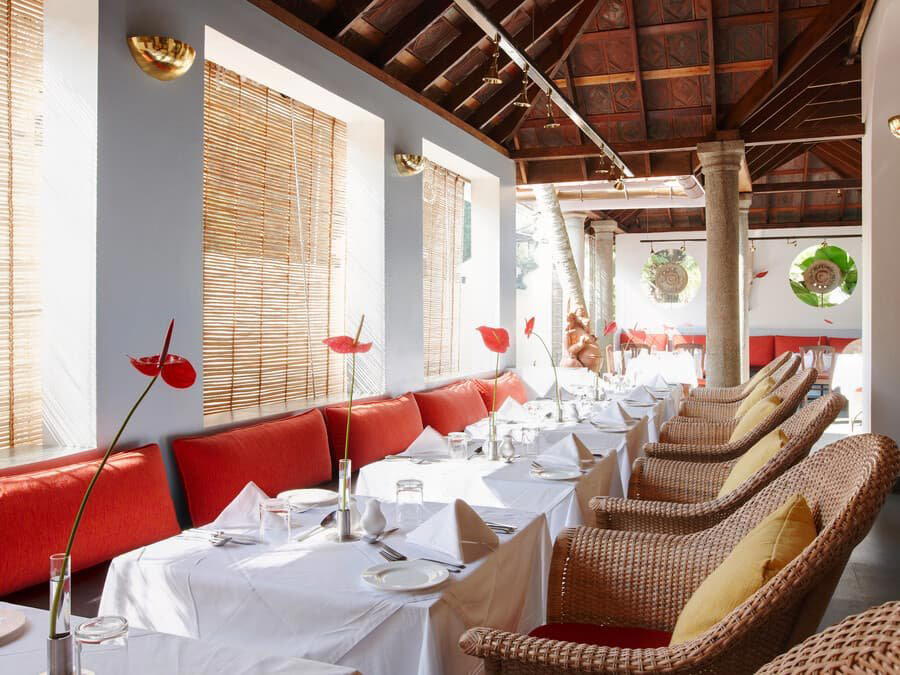
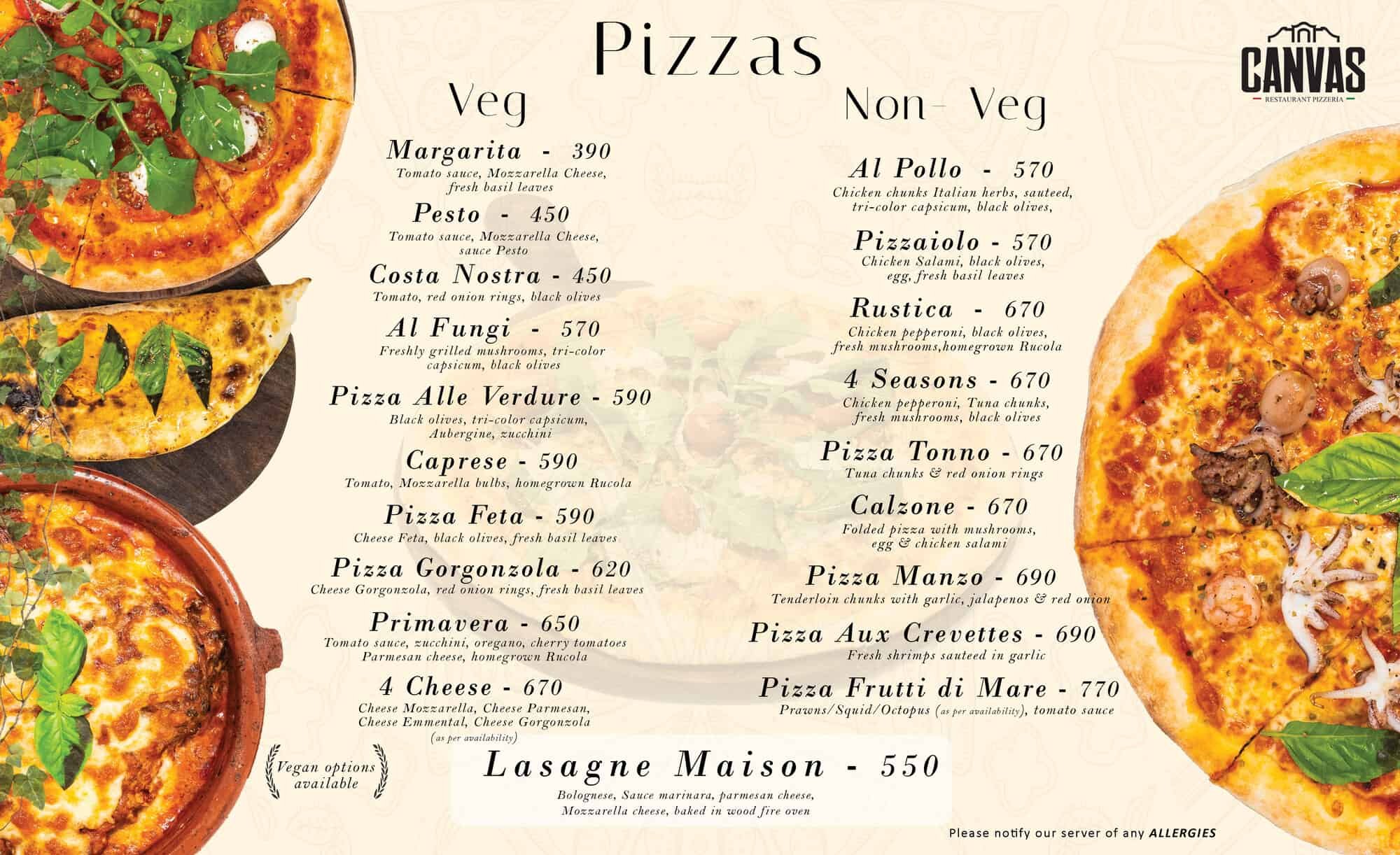
The menu
What to order
- Fish Pollichathu
- Mahi Mahi
- Chicken Curry
Cooking at the Edge of the Arabian Sea
Fort Cochin's relationship with fire and spice is older than almost any other cooking tradition on the subcontinent. The city's position as the original spice port — black pepper, cardamom, and cloves leaving these docks for Lisbon and Amsterdam centuries before refrigeration — means the local pantry was never incidental. It was the entire point. Restaurants that take that geography seriously cook differently from those that treat Kerala cuisine as a set of decorative regional notes on a pan-Indian menu. The Malabar Junction, on Parade Road in Fort Kochi's colonial core, is in the former category.
The comparison cohort here is not a city-centre curry house. It is a demanding international audience already familiar with coastal Indian cooking at restaurants like Karavalli in Bangalore and regional specialists such as Bomras in Anjuna.
The Physics of Radiant Heat in a Kerala Kitchen
The editorial angle assigned to this kitchen by its cooking tradition is fire, specifically the radiant, enclosed, intensely hot cooking environment that defines clay-oven technique. To understand why that matters in a Kerala coastal context, it helps to map the difference between North Indian tandoor culture and the open-flame, coconut-shell charcoal tradition of the Malabar coast. The tandoor, with its vertical cylinder and temperatures that can reach 480°C, produces a specific Maillard reaction: rapid surface caramelisation, a slight char on naan bread, tikka with sealed exteriors and moist interiors. That physics is well documented at restaurants like Dum Pukht in New Delhi, where the dum technique traps steam inside a sealed vessel to slow-cook meat, a thermal inversion of what the open tandoor does.
Coastal Kerala cooking answers the same demand for depth through different means: slow reduction, tamarind-heavy braises, coconut milk that carries fat-soluble spice compounds into every layer of a dish. Where the tandoor seals in moisture through radiant heat from above and below simultaneously, the Kerala approach extracts flavour through long contact between liquid and aromatics. Both are precision systems; they simply operate in opposite directions. A kitchen that holds an Expression of the Terroir recognition in this coastal city is making an argument that the local method, specific to the geography, the coconut plantations, the backwater fisheries, is not a lesser version of the tandoor tradition but a parallel one with its own technical logic.
For comparison, consider the way Farmlore in Bangalore treats South Indian provenance as a fine-dining framework rather than a stylistic shortcut. The same instinct operates here, but in a heritage environment where the colonial architecture does some of the atmospheric work that a purpose-built fine-dining room might achieve through design.
What the Terroir Award Signals About the Menu
EP Club's Expression of the Terroir designation is not awarded for ambience or service warmth. It identifies restaurants where the sourcing chain, what grows nearby, what is caught locally, what the soil and water produce, is legible in the cooking. In Fort Cochin, that means the Arabian Sea catches that form the backbone of Kerala fish curry, the Malabar pepper that once drove European colonialism, and the jackfruit, banana flower, and drumstick that define the vegetable repertoire of the region's home kitchens.
Restaurants elsewhere in India that have made provenance their primary editorial claim include Naar in Kasauli and Chandni in Udaipur, each operating in geographies with distinct pantry identities. The Malabar Junction's terroir argument is arguably more historically loaded than most: Fort Kochi itself is the reason half the spices in European cooking are where they are. A restaurant on Parade Road that treats the local pantry with seriousness is not making a modest claim.
For travellers who have eaten Indian coastal food at Adaa at Falaknuma Palace in Hyderabad or followed the Goan seafood thread through venues like Bomras, the Malabar kitchen offers a distinct regional counterpoint, heavier on coconut, more restrained in spice heat than Goan cooking, and deeply influenced by the Syrian Christian and Muslim trading communities whose recipes are the actual inheritance of this coastline.
Fort Cochin's Dining Scene in 2025
The broader Fort Cochin restaurant picture has shifted over the past decade from simple tourist-track menus to a more considered set of addresses. Heritage hotels have pushed the category upward, and the neighbourhood now contains properties that attract the kind of traveller who cross-references a Kerala dinner against what they ate at The Table in Mumbai or da Susy in Gurugram. The Malabar House, covered in EP Club's separate restaurant entry, represents the heritage-hotel dining end of that spectrum. The Malabar Junction operates in a slightly different register, more approachable in format, still serious in its sourcing commitments.
The broader neighbourhood context is worth reading in full. Our full Fort Cochin restaurants guide maps the dining character of each pocket of the area. For accommodation context, our Fort Cochin hotels guide covers the properties that place guests within walking distance of the better restaurant addresses. The bars guide, wineries guide, and experiences guide complete the picture for anyone spending more than a single night here.
Planning Your Visit
For readers building a broader India itinerary around serious regional cooking, the comparison set worth considering includes Baan Thai in Kolkata for another port-city food tradition, and Dining Tent in Jaisalmer for the desert counterpoint to this coastal register. Internationally, the terroir-led coastal cooking argument finds resonance at Le Bernardin in New York City and the ingredient-forward precision of Atomix, though the traditions and price brackets differ considerably.
Frequently asked questions
What do people recommend at The Malabar Junction?
The kitchen holds an EP Club Expression of the Terroir highlight, which points toward dishes built around Kerala's coastal pantry: backwater seafood, local spice blends, and ingredients sourced through a documented regional supply chain. Dishes rooted in that tradition — coconut-based curries, fresh Arabian Sea catch prepared with Malabar spicing — represent the direction the kitchen is known for. Specific current menu items should be confirmed directly with the restaurant at Parade Road, Fort Kochi.
Where exactly is The Malabar Junction?
The Malabar Junction is located at Parade Road, Fort Kochi, Kochi, Kerala 682001, India, Fort Cochin.
What's the best way to book The Malabar Junction?
The Malabar Junction is located at Parade Road, Fort Kochi, Kochi, Kerala 682001. Fort Kochi is accessible by ferry from Ernakulam, a crossing of roughly 10 minutes.
What is The Malabar Junction known for?
The Malabar Junction carries an EP Club Expression of the Terroir designation, awarded to kitchens where the sourcing chain connects directly to the surrounding region rather than generic supply lines. In Fort Cochin's case, that means Kerala's coastal pantry: Arabian Sea seafood, Malabar spice traditions, and a cooking identity shaped by one of the subcontinent's oldest trading ports. The address on Parade Road places it within the colonial-era peninsula of Fort Kochi, a neighbourhood with food roots stretching back centuries.
A Pricing-First Comparison
Comparable venues nearby, for context on price, style, and recognition.
| Venue | Cuisine | Price | Awards | Notes |
|---|---|---|---|---|
| The Malabar JunctionThis venue — the venue you are viewing | Modern Keralan Fine Dining | $30–50 | Relais Chateaux Award | Not listed |
| The Malabar House | Innovative Keralan-Mediterranean Fusion | $50–100 | Relais Chateaux Award | Fort Cochin, Innovative Keralan-Mediterranean Fusion |
| Zing | World of Flavors Buffet - Asian, Italian, Indian & Maharashtrian | Not listed | Not listed | Chikalthana MIDC, World of Flavors Buffet - Asian, Italian, Indian & Maharashtrian |
| Nand Di Hatti | Classic Punjabi Chole Bhature | $1–10 | Not listed | Sadar Bazar, Classic Punjabi Chole Bhature |
| Mynt | Pure Vegetarian Indian | Not listed | Not listed | Vrindavan, Pure Vegetarian Indian |
| Tadka | Not listed | Not listed | Not listed | Cantonment, Awadhi & North-West Frontier Indian Fine Dining |
Recognition history
Dated appearances from independent guides and award organizations, with the underlying list record or original source where available.
Relais Chateaux Award
Relais Chateaux
Full recognition history (2 entries)
Relais Chateaux Award
Relais Chateaux
Continue exploring
More in Fort Cochin
Restaurants in Fort Cochin
Browse all →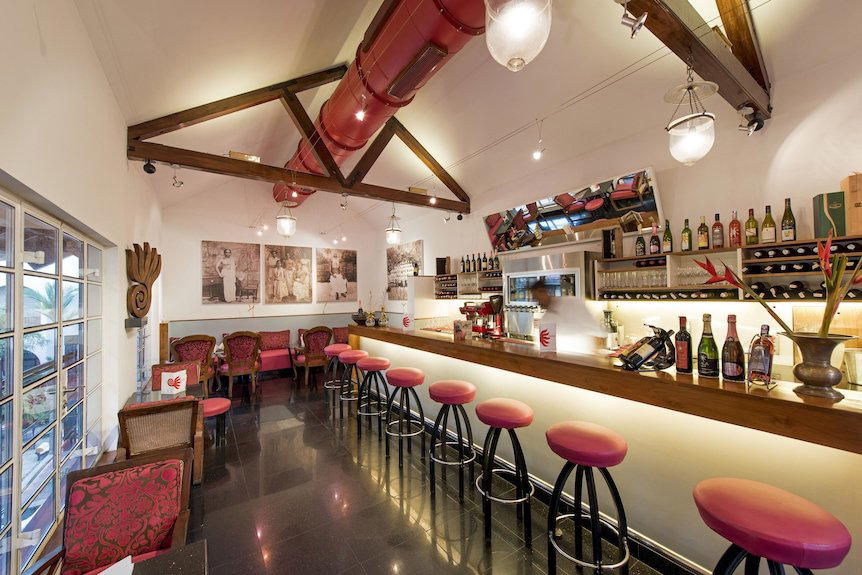
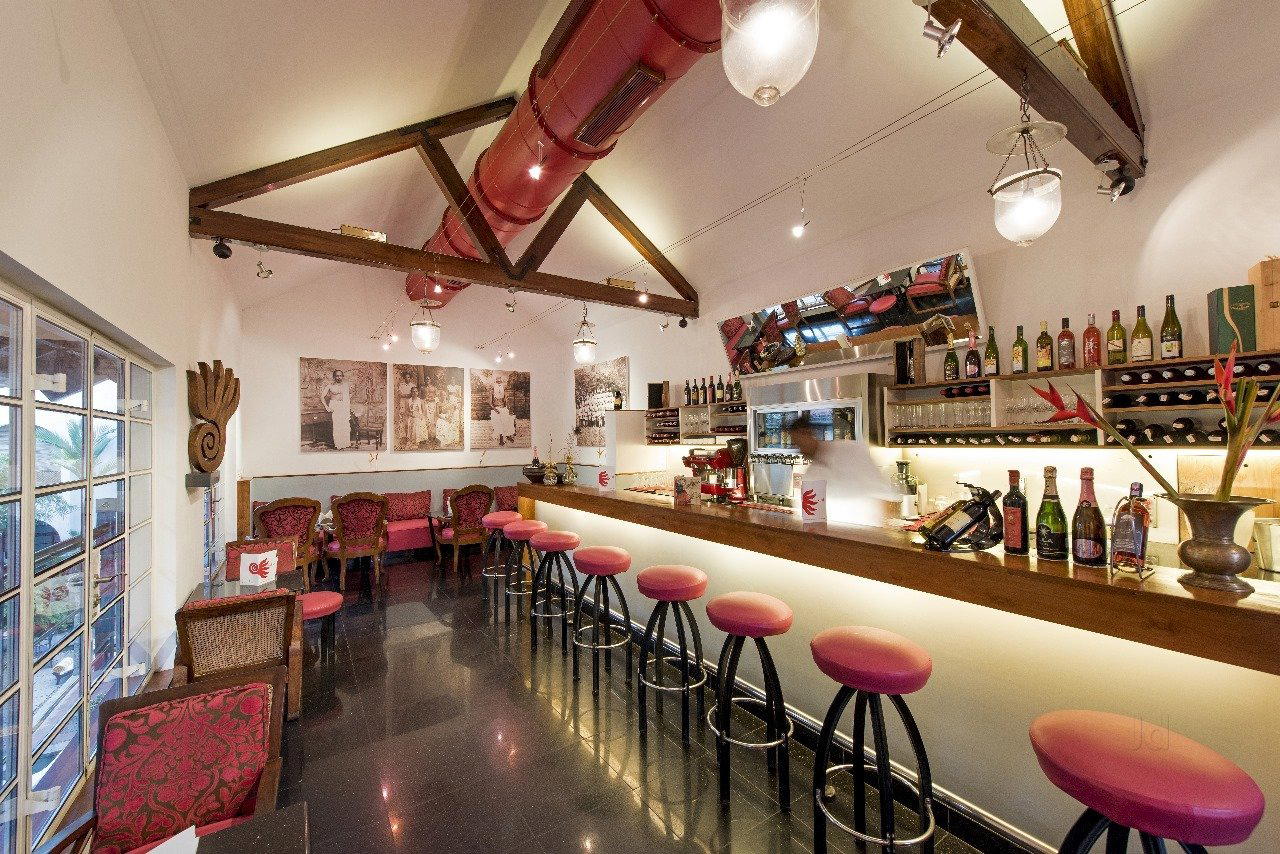
Bars in Fort Cochin
Browse all →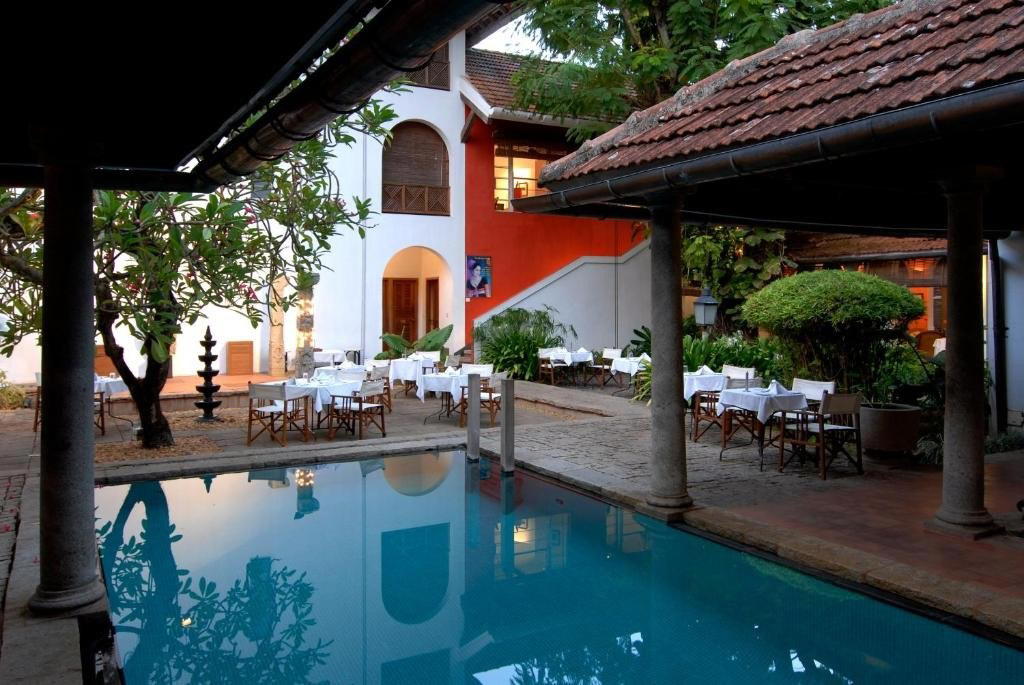
Details
- Elegant
- Romantic
- Cozy
- Scenic
- Date Night
- Special Occasion
- Business Dinner
- Courtyard
- Historic Building
- Hotel Restaurant
- Extensive Wine List
- Local Sourcing
- Organic
- Street Scene
- A La Carte
- Wine
- Vegetarian Friendly
Current opening hours
- Monday
- 7 AM–11 PM
- Tuesday
- 7 AM–11 PM
- Wednesday
- 7 AM–11 PM
- Thursday
- 7 AM–11 PM
- Friday
- 7 AM–11 PM
- Saturday
- 7 AM–11 PM
- Sunday
- 7 AM–11 PM
Hours can change for holidays and private events. Last verified .
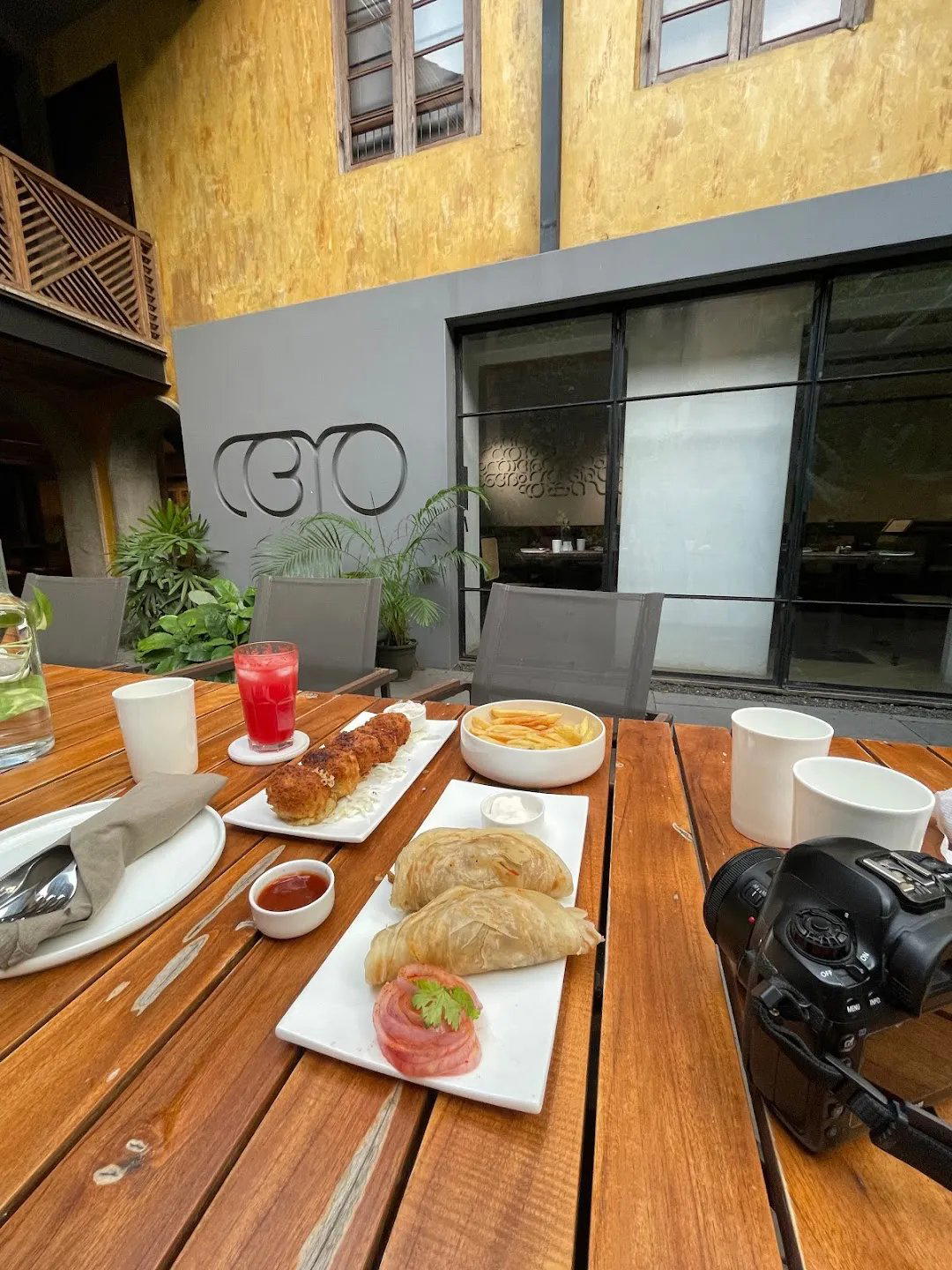
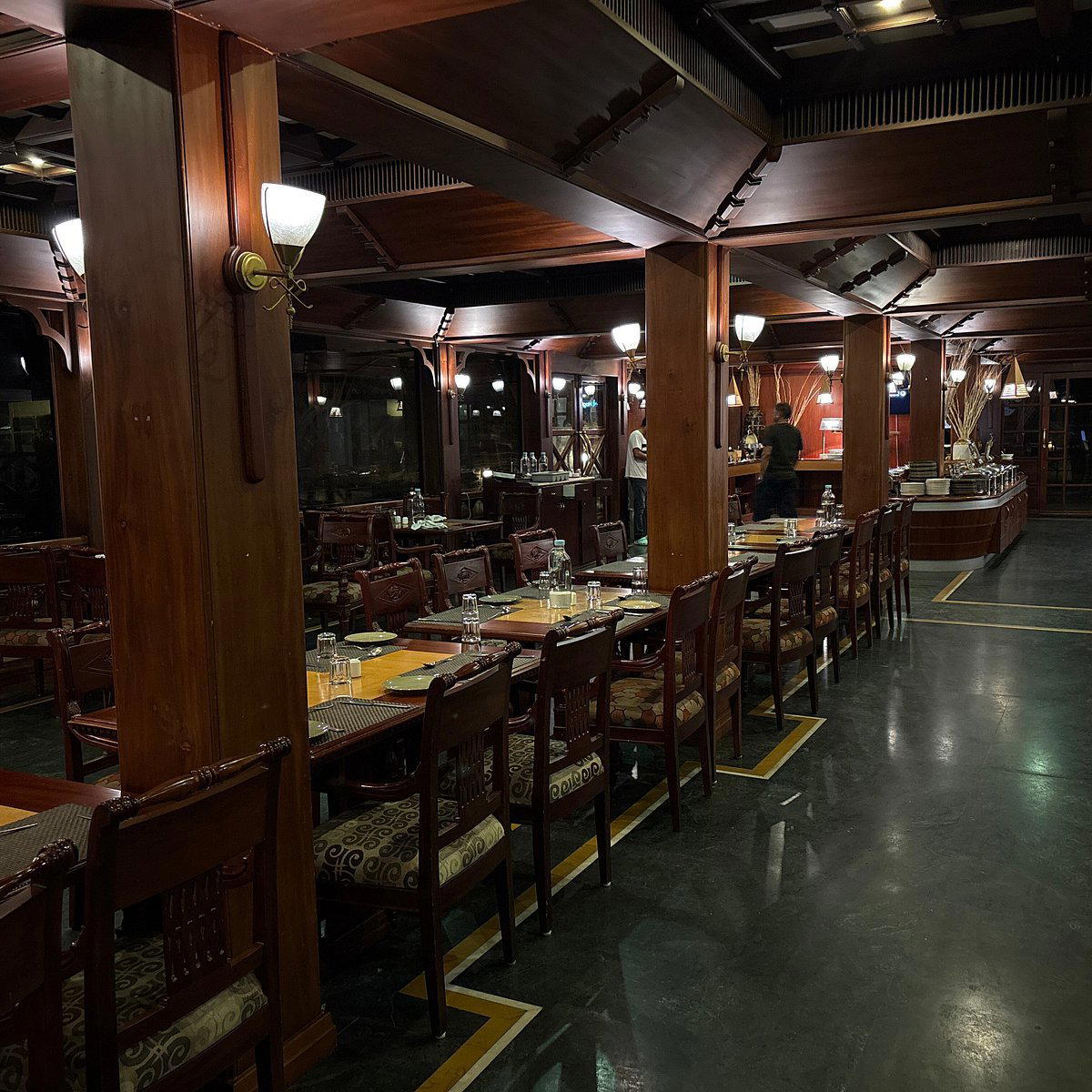
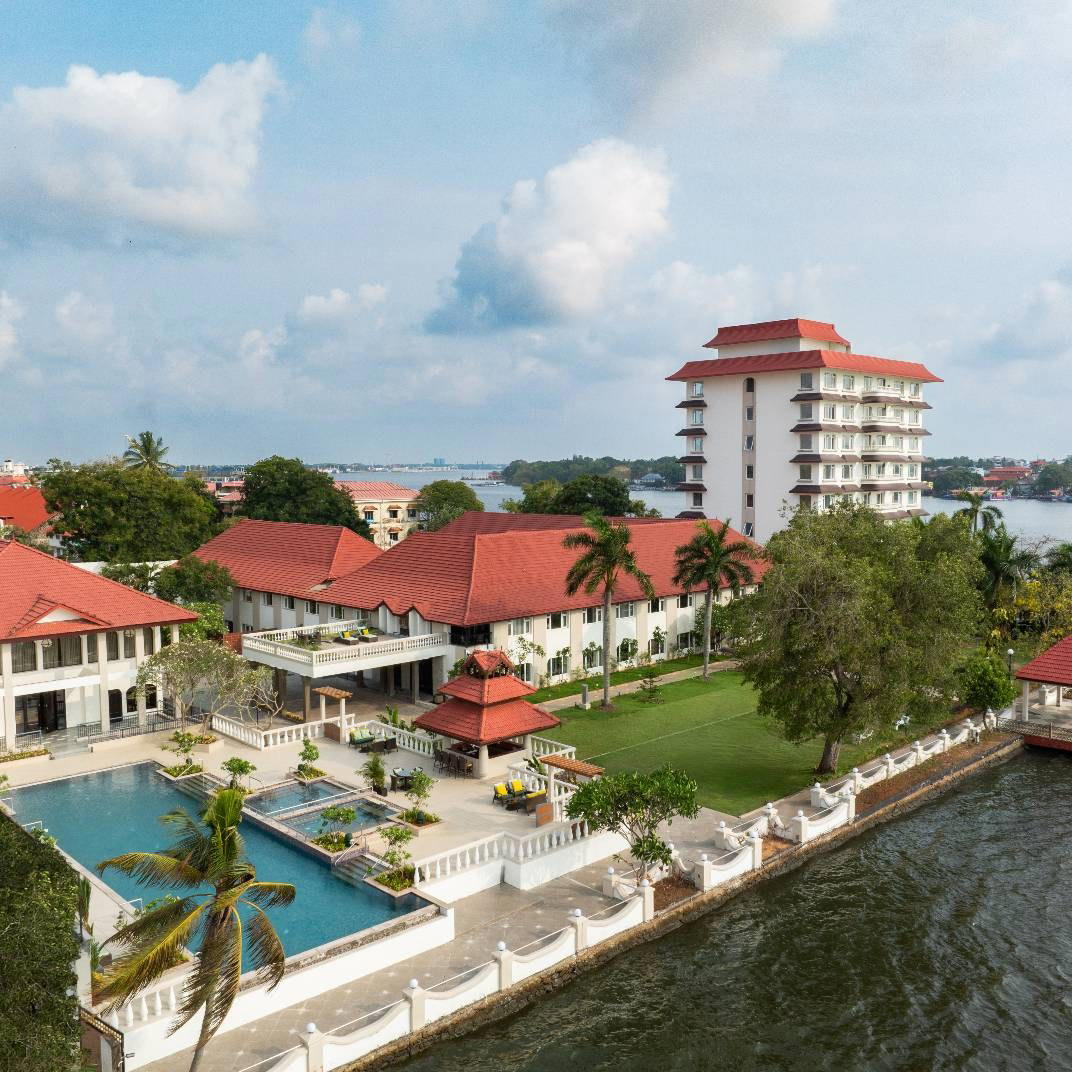
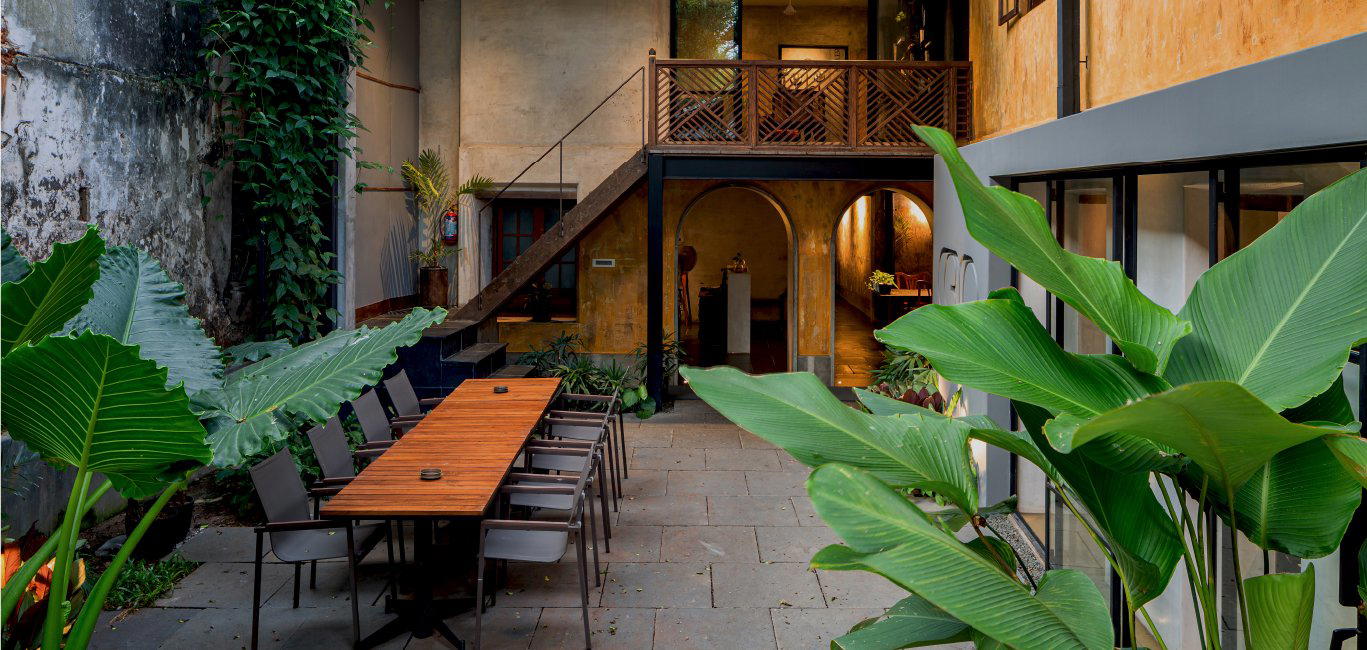
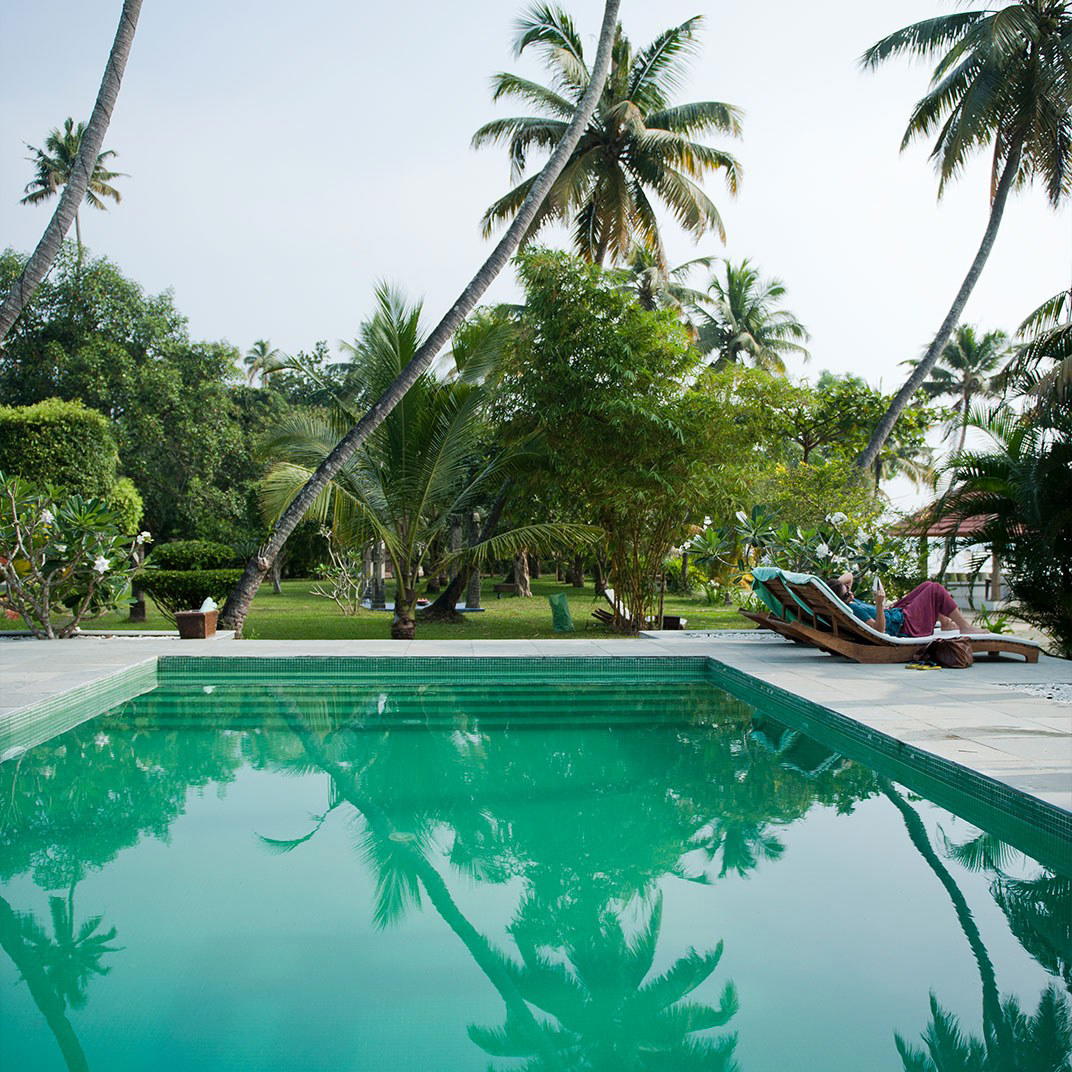
Lovely open-air courtyard setting with pool views, elegant and charming historic atmosphere, though sometimes brightly lit.