
A Michelin Plate recipient in both 2024 and 2025, The Legend on Xihu Road in Guangzhou's Yuexiu District occupies the mid-to-upper tier of the city's Cantonese dining scene. The kitchen applies classical technique to regional ingredients at a price point, ¥¥¥, that positions it between neighbourhood Cantonese and the city's starred hotel restaurants.
Pearl is the En Primeur Club membership app — saves, bookings, and concierge access live there. Same editors, same standards.
- Address
- 3F, Star River Bay Center, 168 Pazhou Avenue, Haizhu, Guangzhou, Guangdong Province, CHN
- Phone
- +86 20 2231 9731
- Website
- guide.michelin.com
- Directions
- Get directions
 Saves & bookings on Pearl
Where Guangzhou's Cantonese Tradition Meets Considered Sourcing
Yuexiu District carries a particular weight in Guangzhou's civic identity. The neighbourhood holds the old city's administrative and cultural core, and the restaurants along its quieter corridors tend to draw a local clientele rather than a tourist circuit. Walking along Xihu Road toward number 68, the pace shifts noticeably from the commercial thoroughfares nearby. The entrance to The Legend sits within this more measured register, a setting that signals, before a single dish arrives, that the kitchen is addressing a knowing audience. That audience, in Guangzhou, arrives with expectations shaped by one of China's most technically demanding and regionally specific food cultures.
Cantonese Cooking and the Sourcing Imperative
The sustainability argument in Cantonese cuisine is not a recent import from Western fine dining. It is structural. The tradition has always privileged living seafood, morning-market procurement, and seasonal rotation as the foundation of flavour, not because of environmental consciousness in the contemporary sense, but because freshness and quality are functionally inseparable in this cooking. A dried-out fish or a vegetable past its peak cannot be masked by sauce or reduction; the cuisine's comparative restraint with seasoning makes ingredient provenance the primary variable.
What has changed in the last decade, across Guangzhou's serious Cantonese kitchens, is the degree to which that structural sourcing logic has become explicit. Restaurants in the mid-to-upper tier, The Legend sits at ¥¥¥, the same price bracket as Imperial Treasure Fine Chinese Cuisine, and places emphasis on where fish come from, which farms supply live poultry, and how seasonal the menu actually is. The Michelin Plate recognition The Legend received in both 2024 and 2025 places it within the cohort of Guangzhou kitchens the guide considers worth tracking, even where a star has not yet been awarded. That consistent recognition across two consecutive years suggests stability of execution rather than a single strong performance.
The Scene in Yuexiu
Guangzhou's Cantonese restaurant geography divides loosely into hotel-anchored rooms and independent neighbourhood operators. The hotel tier, Lai Heen at the Ritz-Carlton and Jade River at the White Swan, carries star recognition and a price point that moves above ¥¥¥. Below that, the independent Cantonese category spans everything from roast-meat specialists to full dim sum operations to banquet-format restaurants. The restaurant occupies a specific position in this map: a neighbourhood-rooted address with Michelin visibility, priced accessibly relative to the hotel rooms but clearly operating above casual Cantonese.
That positioning matters for the sustainability framing. Independent kitchens at this price point in Guangzhou tend to have more direct relationships with their supply chains than large hotel operations managing multiple outlets simultaneously. The sourcing decisions, which wet market, which farm cooperative, which coastal supplier, are more likely to be made at the kitchen level rather than through a central purchasing office. The practical result, if executed well, is a menu that reflects what is actually available rather than what a standardised purchasing agreement mandates.
Guangzhou in the Broader Cantonese comparable set
Guangzhou is the origin city for the Cantonese tradition, which gives its serious restaurants a different relationship to the cuisine than practitioners elsewhere. The city's kitchens are in constant implicit dialogue with Hong Kong, where Forum represents the high-end Cantonese reference point, and with the diaspora-influenced versions of the food that have spread through mainland China and internationally. Within mainland China specifically, Cantonese restaurants in other cities, from Dai Yuet Heen in Nanjing to Chef Tam's Seasons in Macau, are benchmarked partly against what Guangzhou itself produces. The city's mid-tier independents carry that standard-setting function whether or not they are aiming for it.
Further afield, Le Palais in Taipei represents how Cantonese technique migrates and adapts in Chinese-speaking markets outside the mainland. Closer to home, the Cantonese-adjacent traditions of BingSheng Mansion and the modern interpretations at Jiang by Chef Fei show the range of registers within Guangzhou's own scene. The restaurant reads as classical in orientation, anchored in the techniques and formats that define traditional Cantonese rather than pursuing the contemporary fusion direction that some of the city's newer rooms have taken.
Practical Considerations
The address, 68 Xihu Rd, Yuexiu District, puts the restaurant in a walkable part of central Guangzhou. The ¥¥¥ price tier places an evening meal in the mid-range for serious Cantonese dining in the city, below the hotel-anchored starred rooms but above the casual roast-meat and congee category. Booking is recommended. reflecting an audience that knows the cuisine well enough to assess it critically.
For context on how Guangzhou's food culture compares with other Chinese cities, the kitchens at Xin Rong Ji in Beijing, 102 House in Shanghai, Ru Yuan in Hangzhou, and Xin Rong Ji in Chengdu offer useful regional counterpoints.
What to Order at The Legend
Specific ordering recommendations cannot be made here. What the Michelin Plate designation across 2024 and 2025 does confirm is that the kitchen is producing Cantonese cooking of a standard the guide considers noteworthy, consistent, technically sound, and representative of the tradition rather than departing from it. In practical terms, that means the kitchen's handling of the cuisine's core techniques, steaming, roasting, wok work, and broth-making, is where attention should be directed when the menu arrives. Classical Cantonese menus at this price tier in Guangzhou typically foreground seafood, poultry, and seasonal vegetables, with dim sum service available at lunch in most rooms of this type.
Price and Positioning
Comparable venues nearby, for context on price, style, and recognition.
| Venue | Cuisine | Price | Awards | Notes |
|---|---|---|---|---|
| The LegendThis venue — the venue you are viewing | Cantonese | $$$$ | Michelin Plate | Not listed |
| Chao Yue | Not listed | $$$$ | Michelin Plate | Guangzhoushi, Modern Chaozhou Fine Dining |
| Yun Pavilion | Guangzhoushi, Modern Cantonese | $$$$ | Michelin Plate | Not listed |
| Summer Palace | Xianggang, Refined Cantonese | $$$$ | Michelin Plate | Not listed |
| Zen Tea | Guangzhoushi, Zen Vegetarian Cantonese | $$$$ | Michelin Plate | Not listed |
| 玉堂春暖 - Yutang Chunnuan - White Swan Hotel | Guangzhoushi, Classic Cantonese Dim Sum | $$$$ | Not listed | Not listed |
Recognition history
Dated appearances from independent guides and award organizations, with the underlying list record or original source where available.
Michelin Plate
Michelin
Michelin Plate
Michelin
Michelin Plate
Michelin
Continue exploring
More in Guangzhou
Restaurants in Guangzhou
Browse all →
Bars in Guangzhou
Browse all →
At a Glance
- Elegant
- Sophisticated
- Classic
- Business Dinner
- Celebration
- Special Occasion
- Private Dining
- Extensive Wine List
- Sommelier Led
- Local Sourcing
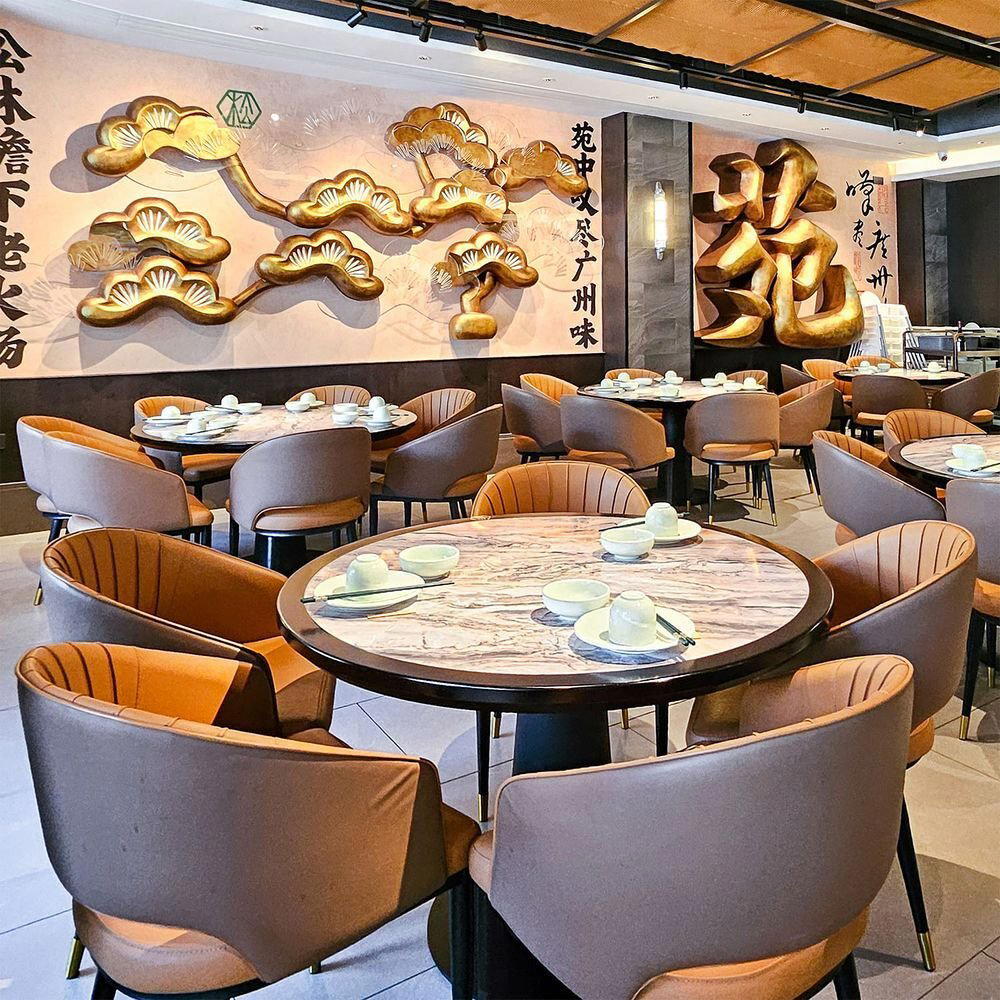
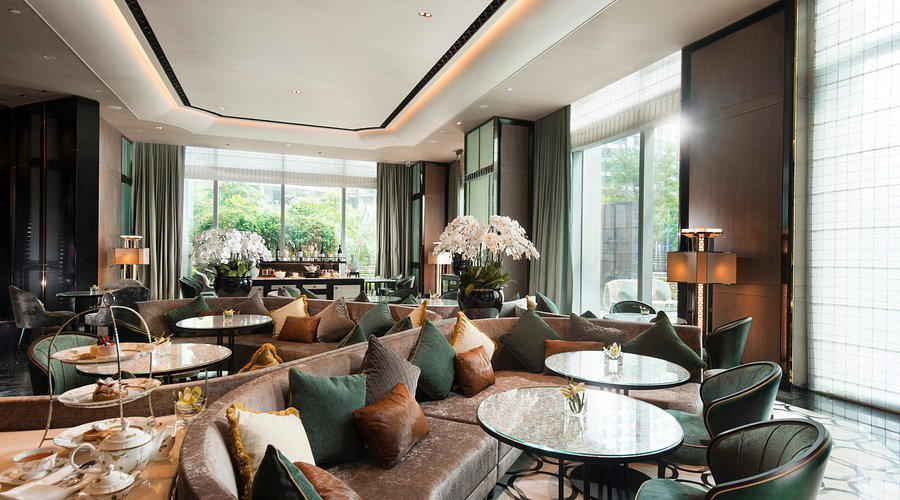
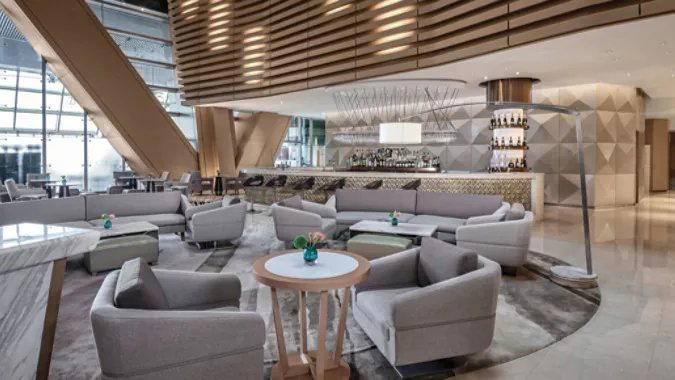
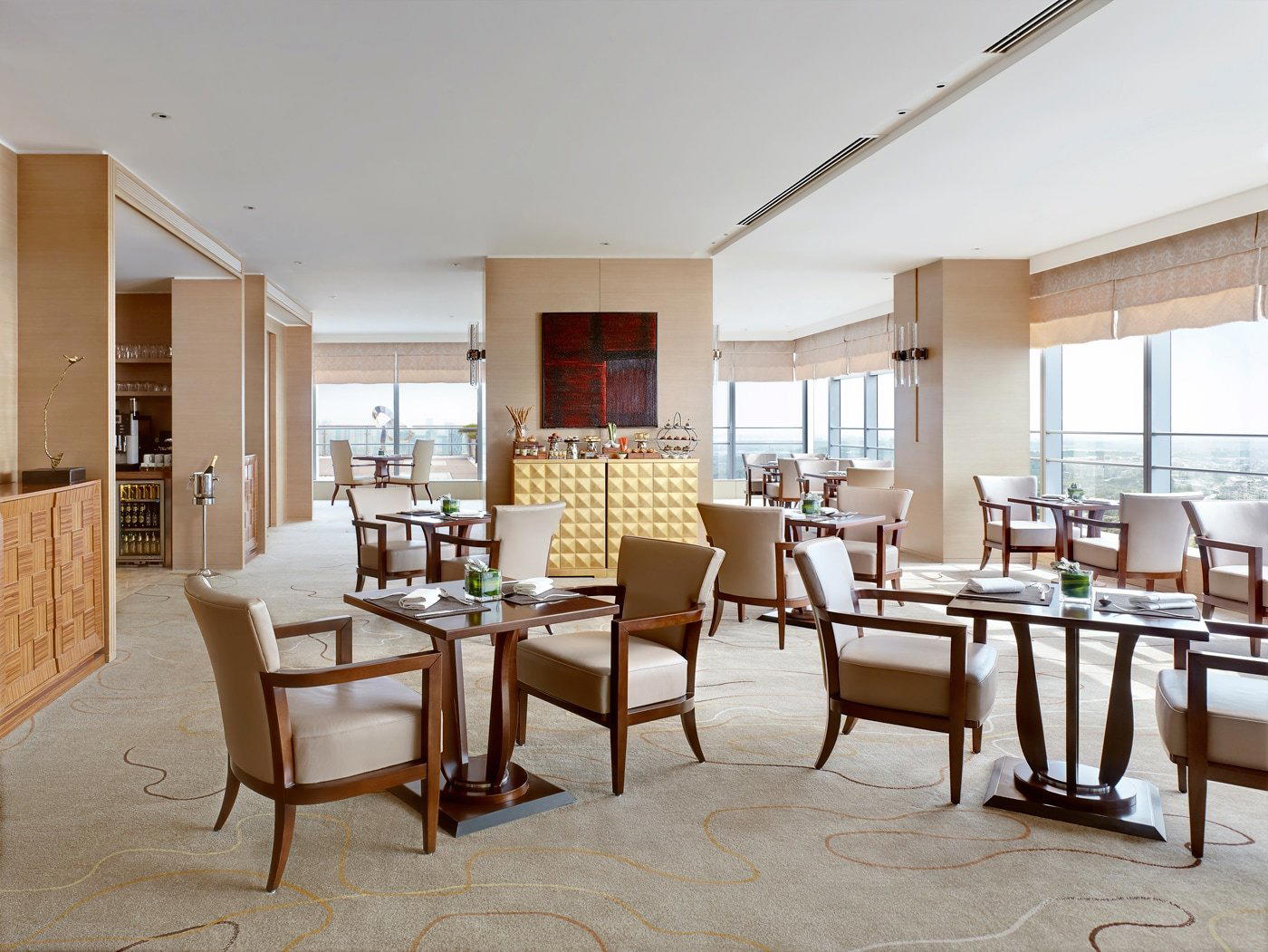
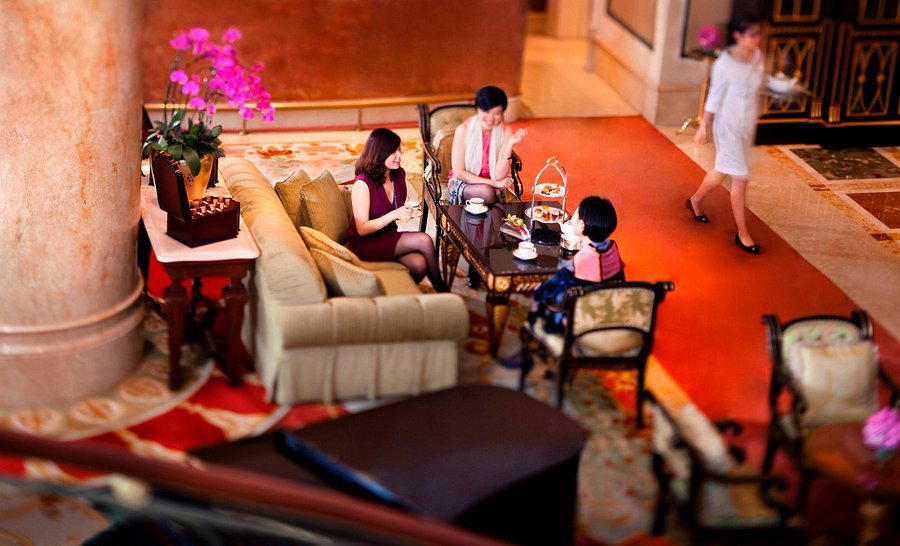
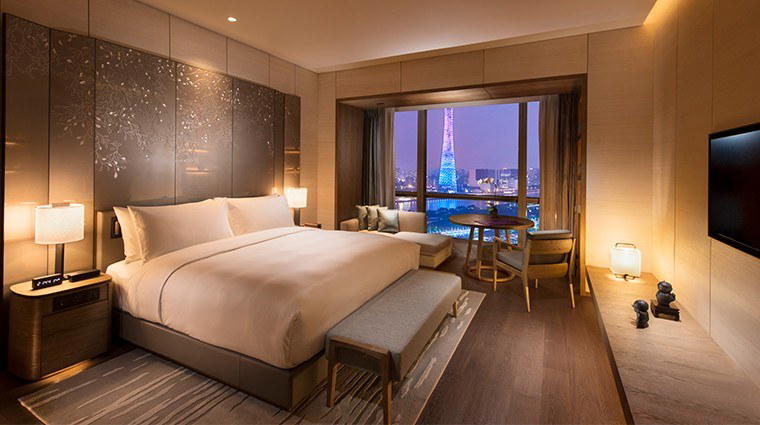
Contemporary Chinese chic featuring bird and flower murals, marble with precise veining, and quiet luxury.