Brasserie Brickell Key
Positioned on the quiet island enclave of Brickell Key, this brasserie operates at a remove from Miami's louder dining circuits. In a city where the wine program is often an afterthought to spectacle, the cellar and table service here draw a more considered crowd. It sits comfortably alongside Miami's serious dining tier, including Cote and Ariete, without competing on the same theatrical terms.
Pearl is the En Primeur Club membership app — saves, bookings, and concierge access live there. Same editors, same standards.
- Address
- 605 Brickell Key Dr, Miami, FL 33131
- Phone
- +13059828128
- Website
- brasseriebrickellkey.com
- Directions
- Get directions
 Saves & bookings on Pearl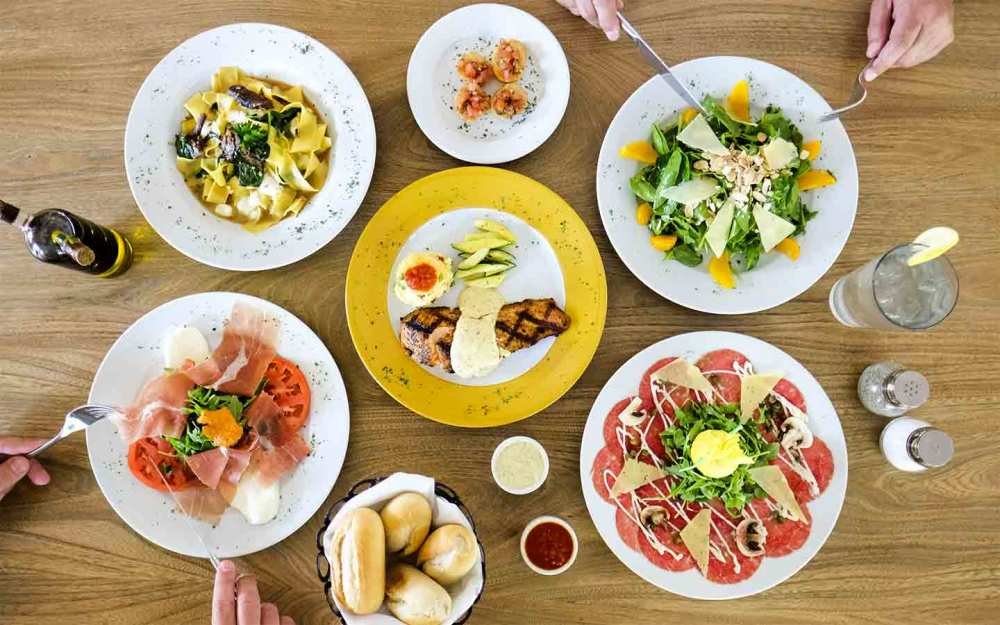
An Island Removed from Miami's Main Current
Brickell Key is a small residential island sitting in Biscayne Bay, connected to the mainland by a single causeway bridge. The approach alone signals a different register from the Brickell Avenue corridor a few minutes away, where Miami's financial district restaurants compete for attention with bold lighting and street-level noise. Arriving here, the water is on both sides, the pace drops, and the dining proposition shifts accordingly. Brasserie Brickell Key occupies that geography deliberately, serving a clientele that skews toward the island's residential population and a cross-bay crowd willing to cross water for something quieter and more settled.
Miami's serious dining scene has consolidated around a handful of neighborhoods: Wynwood, Coconut Grove, and the upper Design District carry the critical weight, while Brickell proper handles the finance-lunch and expense-account dinner trade. Brickell Key sits slightly outside all of those circuits. That separation is not a liability for the right kind of restaurant. Venues in isolated positions either struggle without foot traffic or build a loyal, deliberate audience. The brasserie format, with its implied breadth of menu and approachable formality, is well-suited to an address where most guests have made a specific decision to be there.
The Brasserie Format in a City That Rarely Uses It
The classic brasserie is a French construct, historically occupying the space between a casual café and a full-service grand restaurant. It carries a certain architectural vocabulary: long banquettes, wide tables, mirrors, and a wine list that runs deeper than the food menu might lead you to expect. Miami has not historically been a natural home for this format. The city's hospitality culture tends toward beach clubs, high-volume nightlife dining, and the kind of theatrical tasting menus that photograph well. The brasserie's quieter appeal, built on the steady competence of a properly composed wine program and a menu that rewards return visits, is a different proposition entirely.
That context matters when assessing where Brasserie Brickell Key sits in the Miami dining picture. It is not competing directly with the Korean steakhouse format that Cote Miami has made its own, nor with the ingredient-focused contemporary American work at Ariete in Coconut Grove. It occupies a calmer register, one that Miami's dining scene has room for but doesn't always provide. The closest peer comparison in format terms might be a hotel brasserie at a serious property, though the Brickell Key address functions more as a neighborhood anchor than a hotel amenity.
Reading the Wine Program as the Editorial Core
In the brasserie tradition, the wine list is not supplementary. It is, in many ways, the argument the restaurant makes about itself. A properly run brasserie program covers multiple price tiers, includes depth in at least two or three French appellations, and offers enough variety by the glass to support different courses without forcing a full-bottle commitment at every table. The sommelier role in this format is less about ceremony than about working knowledge: the ability to move between a table ordering by the carafe and one working through the wine list's deeper allocations.
Miami's wine culture has matured significantly over the past decade, though it remains uneven. Programs at venues like L'Atelier de Joël Robuchon Miami set a high baseline for French-influenced lists, while operators at the contemporary end, including Boia De in Little Haiti, have built notable Italian-focused programs. The brasserie wine list occupies a different space: it needs breadth rather than specialization, and it rewards a team that can explain the list to guests who aren't approaching it with prior knowledge. That kind of hospitality is harder to build and harder to sustain than a curated specialist cellar.
For guests whose primary interest is the wine program, the practical advice is consistent across serious brasserie formats anywhere in the country: arrive with time, ask the team what's open and drinking well that evening, and treat the meal as a framework for the glass rather than the other way around. The leading brasserie experiences in cities from New York to San Francisco, including the kind of tightly run programs you see at Le Bernardin or the wine-forward ethos at Single Thread Farm in Healdsburg, share that principle: the list and the kitchen should operate in genuine dialogue.
Where It Sits in Miami's Serious Dining Tier
Miami's upper dining tier has attracted significant attention in recent years, both from national press and from operators who have brought formats proven in other markets. The city's serious restaurant population now includes enough variety to support meaningful comparison. ITAMAE represents the Peruvian-Japanese nikkei tradition at a high level. The progressive American format has strong representation. What the scene has produced less consistently is the kind of mid-formal European dining room where the wine list carries equal weight to the kitchen, and where the pace is measured rather than driven by table-turn pressure.
Brasserie Brickell Key's position on the island removes it from the turn-pressure dynamics that affect higher-traffic mainland addresses. That alone changes how a dining room operates. Restaurants in residential or low-traffic settings tend to run longer services, with less urgency to cycle tables, and that shift in operational rhythm tends to benefit the wine experience specifically. It is harder to pace a wine program properly when the floor is moving fast. The island geography, which might appear to be a limitation in terms of walk-in traffic, may in practice be one of the more important structural advantages this format has in Miami.
For a fuller picture of where this restaurant sits within Miami's dining circuit, the EP Club Miami restaurants guide covers the field in more detail, including venues like Cote Miami for those whose priorities run toward the steakhouse format. Comparable exercises in wine-led European dining at the national level can be found at Addison in San Diego, Providence in Los Angeles, and Smyth in Chicago, each of which demonstrates what happens when a serious cellar program is built into the operational core of a restaurant rather than added as an afterthought.
Know Before You Go
- Address: 605 Brickell Key Dr, Miami, FL 33131
- Location: Brickell Key island, accessible via single causeway from Brickell Avenue
- Format: Brasserie-style dining room; suited to both business dining and leisurely evening meals
- Timing: Miami's high season runs from November through April; expect stronger service staffing and a more active room during those months
- Getting there: Rideshare is the most practical option from Downtown or Brickell; the island has limited street parking relative to the residential density
- Octopus Appetizer
- Shrimp Scampi Pasta
- Short Ribs
- Osso Buco
- Polpo
- Gnocchi
- Mango Cheesecake
- Bread Pudding
How Brasserie Brickell Key Miami compares with similar nearby venues.
| Venue | Cuisine |
|---|---|
| NAOE | Sushi |
| Dining Room (SeaDream II) | International Cruise |
| La Mar by Gastón Acurio | Peruvian |
At a Glance
- Romantic
- Cozy
- Rustic
- Intimate
- Classic
- Date Night
- Business Dinner
- Group Dining
- Casual Hangout
- Waterfront
- Standalone
- Extensive Wine List
- Craft Cocktails
- Waterfront
Current opening hours
- Monday
- 11:30 AM–3 PM, 6–11 PM
- Tuesday
- 11:30 AM–3 PM, 6–11 PM
- Wednesday
- 11:30 AM–3 PM, 6–11 PM
- Thursday
- 11:30 AM–3 PM, 6–11 PM
- Friday
- 11:30 AM–3 PM, 6–11:30 PM
- Saturday
- 6–11:30 PM
- Sunday
- 11:30 AM–10:30 PM
Hours can change for holidays and private events. Last verified .
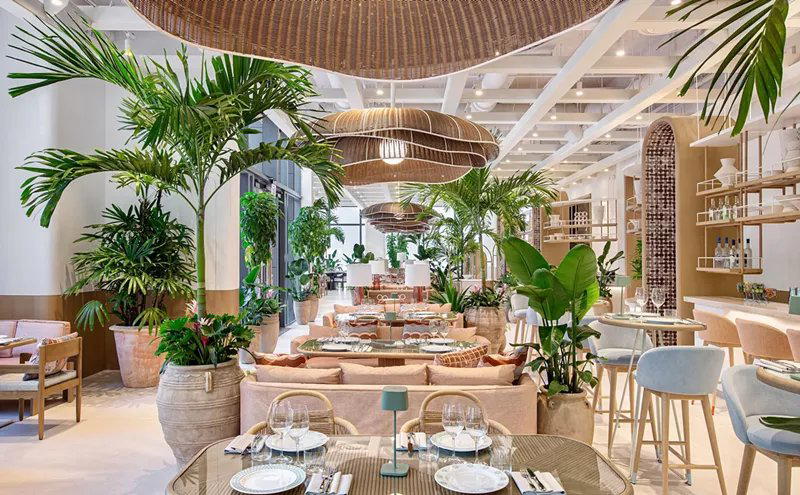
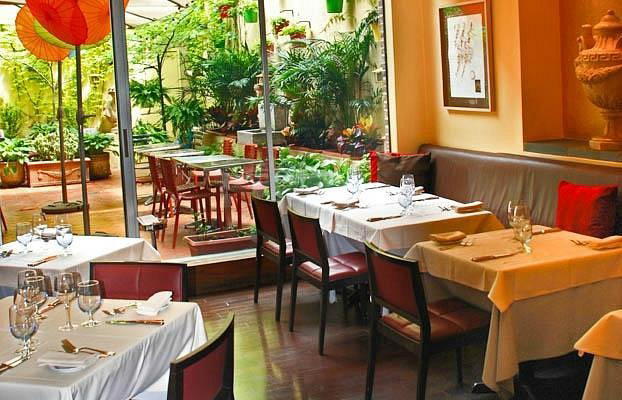
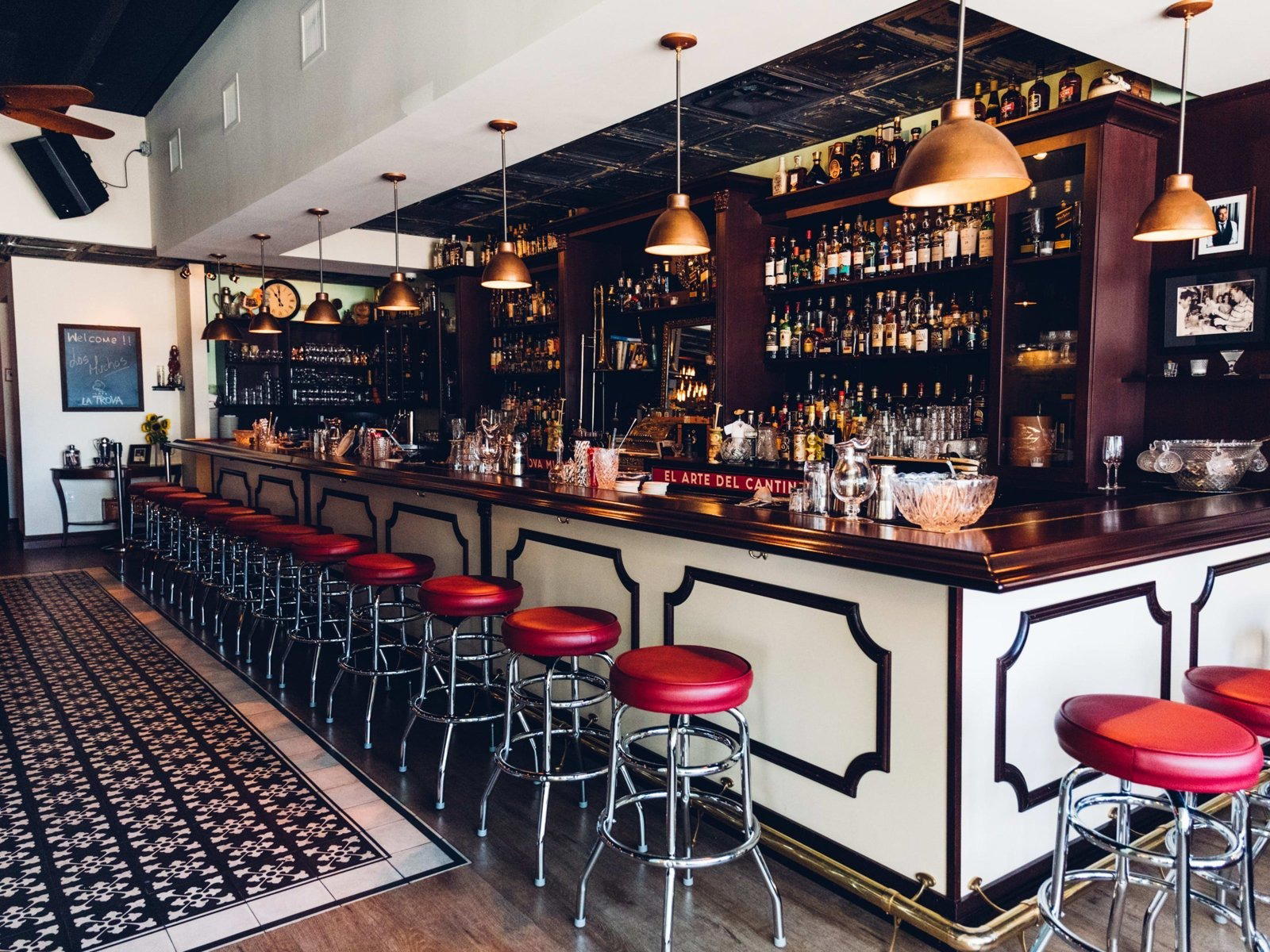
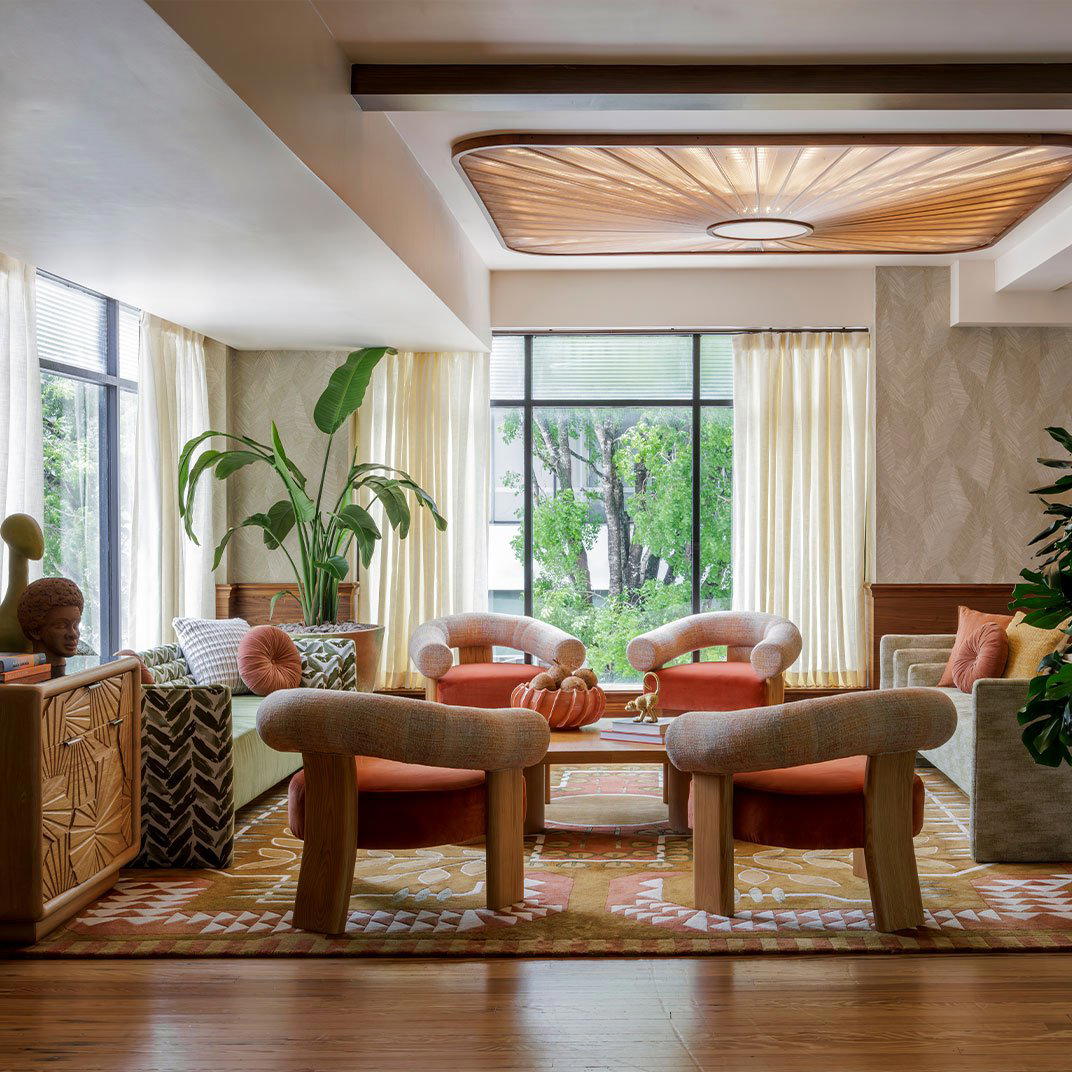
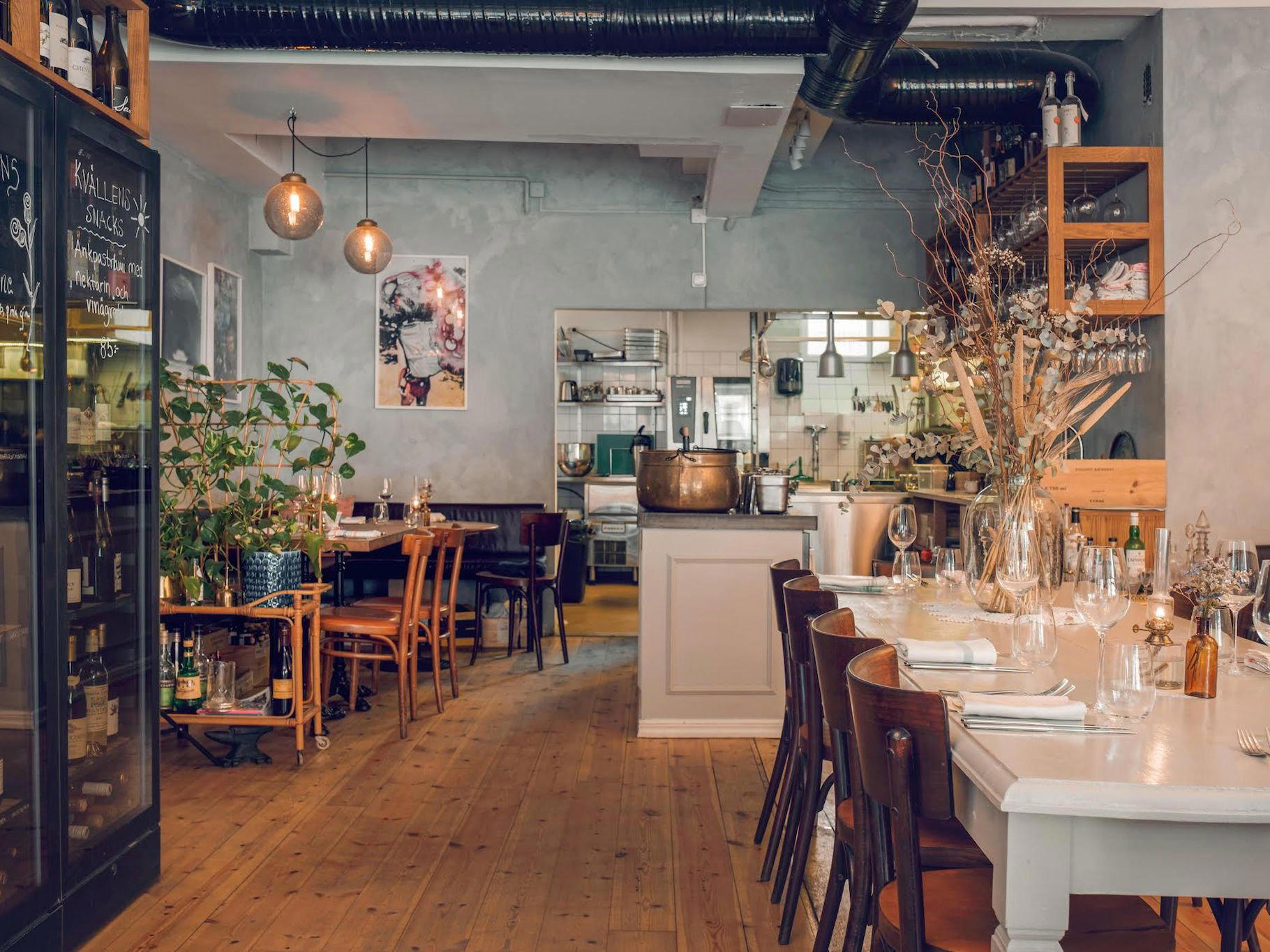
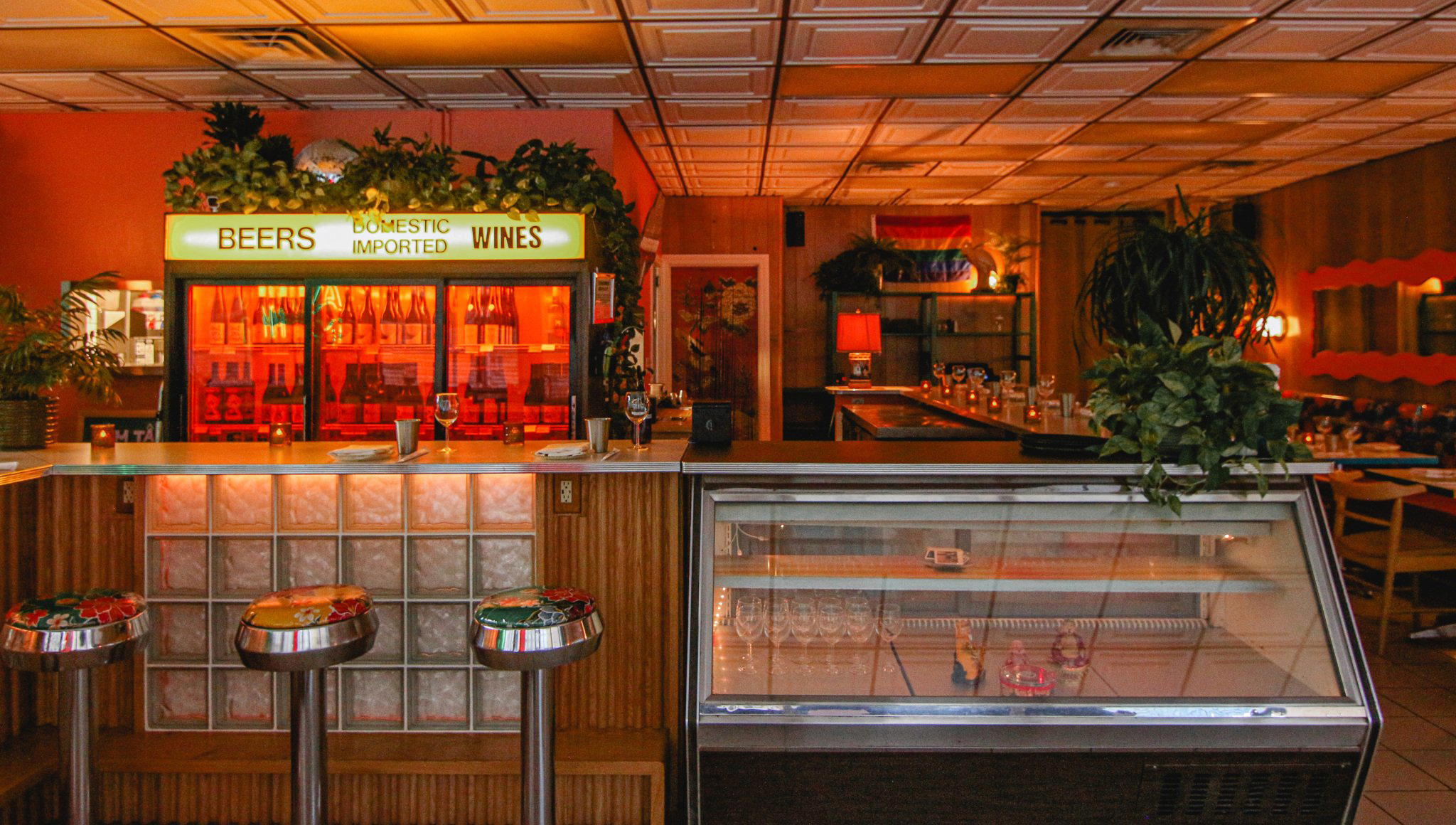
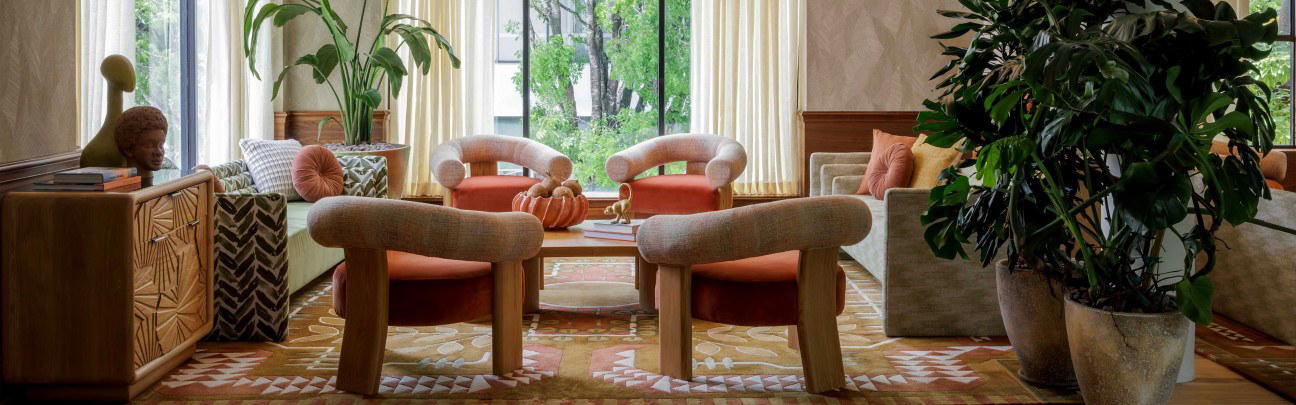
Warm and intimate with exposed brick walls, soft lighting, and the aroma of freshly baked bread creating a cozy, rustic-chic atmosphere well-suited for romantic dinners or casual gatherings.
Know Before You Go
- Getting there
- 605 Brickell Key Dr, Miami, FL 33131