The Kitchen
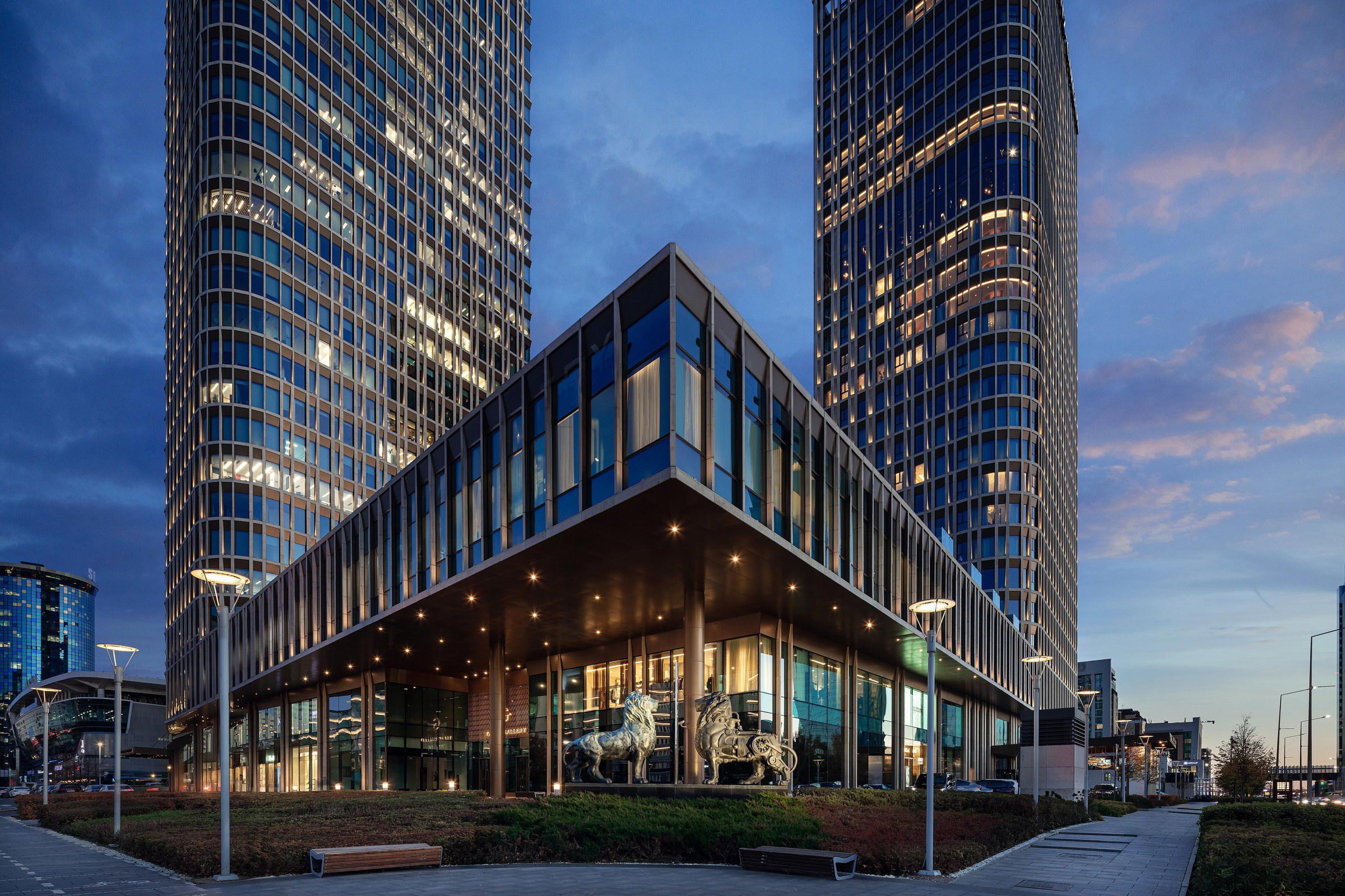
The Kitchen occupies an address on Dostyq Street inside Astana's Northern Lights residential complex, placing it within a city still defining its fine-dining grammar. Without confirmed cuisine type or formal awards, it sits in a tier where ingredient provenance and kitchen discipline tend to do the arguing. For visitors building an Astana itinerary, it warrants investigation alongside the city's more documented options.
Pearl is the En Primeur Club membership app — saves, bookings, and concierge access live there. Same editors, same standards.
- Address
- Northern Lights, ЖК, Dostyq St 5, Astana 010000, Kazakhstan
- Phone
- +77172688353
- Website
- astana.restoran.kz
- Directions
- Get directions
 Saves & bookings on Pearl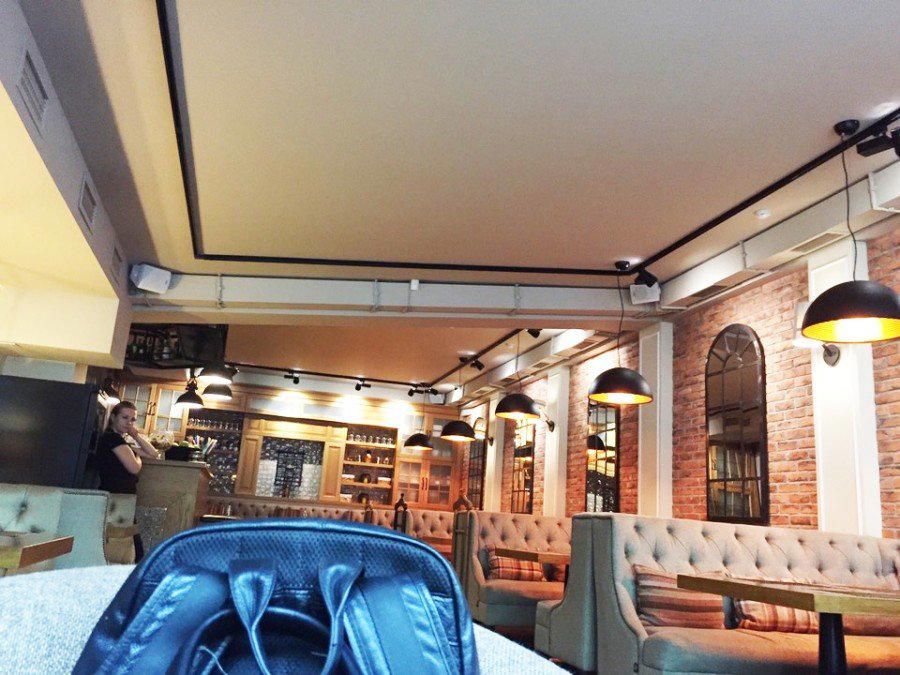
Dostyq Street and What It Signals About Astana's Dining Direction
Astana's restaurant addresses tell a story before you reach the door. The city's dining scene has developed in concentrated bursts, with serious kitchens clustering around the administrative core and the newer residential complexes that have grown up around it. Dostyq Street, where The Kitchen sits inside the Northern Lights residential development, belongs to that second wave: restaurants embedded in purpose-built mixed-use blocks, serving a resident and professional population that expects more than canteen-standard cooking. The address alone places The Kitchen in a specific bracket of the Astana market, distinct from the tourist-facing dining rooms near the capital's landmark buildings and from the longstanding Kazakh-European establishments that have anchored the city's mid-market for decades.
That mid-market context matters for understanding what a kitchen at this kind of address is expected to deliver. Across Astana, the stronger independent restaurants in residential-adjacent positions tend to draw regulars rather than one-time visitors, which imposes its own discipline: the sourcing has to hold up across repeated visits, the menu logic has to be coherent rather than crowd-pleasing, and the room has to function for a weeknight dinner as convincingly as a weekend occasion. Venues like Cafe Momona and Qazaq Gourmet have built followings on exactly this basis, and they represent the reference point against which neighbourhood-positioned kitchens in Astana tend to be measured informally. See our full Astana restaurants guide for a broader map of how the city's dining tiers currently sit.
The Ingredient Question in a Landlocked Capital
Kazakhstan's geography is the defining constraint for any serious kitchen operating in Astana. The country is landlocked, sits at significant distance from major coastal fish markets, and has a continental climate that concentrates fresh produce into a relatively short warm season. What that means in practice, for a kitchen that takes sourcing seriously, is a menu architecture built around what the steppe and the surrounding agricultural regions can actually provide at any given time of year, supplemented by supply chains that reach Almaty's larger wholesale markets or, for premium imported product, transit through the country's main distribution hubs.
This is not a disadvantage distinctive to Astana. Cities like inland Chinese centres and comparable capitals across Central Asia have developed strong culinary traditions precisely because their kitchens learned to work with what was available locally rather than importing a Mediterranean or Atlantic framework wholesale. The same pressure applies in Astana, and the kitchens that handle it leading tend to show their sourcing logic explicitly, whether through a menu that shifts seasonally, a visible relationship with Kazakh livestock producers, or a willingness to foreground ingredients that don't typically appear in European-influenced dining rooms. For reference, kitchens in Shymkent operating closer to Kazakhstan's agricultural south face different sourcing conditions, which produces a noticeably different ingredient palette even within the same national dining context.
The Kitchen's name suggests a certain directness about what it is, which in the Astana context functions as a mild editorial statement. The city has restaurants that lead with their concept, their European influences, or their Kazakh heritage branding. A name that foregrounds the kitchen itself implies the cooking is meant to be the argument.
Astana's Dining Scene: Where The Kitchen Fits
Astana's fine-dining tier remains thin by the standards of larger regional capitals. There is no Michelin Guide coverage for Kazakhstan, which means the credentialling systems that organise competitive hierarchies in cities like Hong Kong or Paris are simply absent here. In that vacuum, Astana restaurants position themselves through association, neighbourhood, price signalling, and word-of-mouth among a relatively tight professional class.
That dynamic means the city's serious restaurants operate more like those in mid-sized American cities before award infrastructure arrived: self-defined, reputation-dependent, and often better than the absence of external validation would suggest. Comparisons to destinations like Lazy Bear in San Francisco or Emeril's in New Orleans would be premature without verified data, but the structural parallel holds: in cities where the external credentialling apparatus is thin, kitchens that sustain a loyal following tend to be doing something right at the operational level, even when the evidence trail available to outside observers is limited.
Across Astana's mid-to-upper bracket, the Kazakh-European hybrid format has been the dominant mode, with venues like the Казах-Аул tradition and the more contemporary approaches seen at AUYL and Огонёк occupying different points on the register-versus-informality axis.
Planning a Visit: What to Know Before You Go
The Kitchen's address at Dostyq Street 5 inside the Northern Lights residential complex in Astana 010000 is the one confirmed logistical anchor available. The Kitchen is open Mon to Thu and Sun from 9 AM to 12 AM, Fri and Sat from 9 AM to 1 AM, with reservations recommended.
For travellers building a broader Astana itinerary, the city rewards a deliberate approach: the capital's dining geography is spread enough that consolidating meals in a defined area is more efficient than crossing the city for individual venues. The Dostyq Street corridor sits within reach of the central business district, which makes The Kitchen a practical option for a working lunch or early evening dinner if you are already operating in that part of the city. Visitors specifically interested in Kazakhstan's wider restaurant range will find useful reference points in Korean House for the city's significant Korean-Kazakh culinary crossover, and in Чайхана Navat in Almaty for the teahouse tradition that runs parallel to the formal restaurant culture across both of Kazakhstan's major cities. Tang Ramen Bar in Shymkent illustrates how the country's East Asian dining influences have developed into standalone formats rather than remaining embedded in pan-Asian menus.
Quick Comparison
Comparable venues nearby, for context on price, style, and recognition.
| Venue | Cuisine | Price | Notes |
|---|---|---|---|
| The KitchenThis venue — the venue you are viewing | European Gastropub & Grill | $$ | Not listed |
| Cafe Momona | Japanese Home Cooking | $$ | central Astana |
| Qazaq Gourmet | Modern Kazakh Fine Dining | $$$$ | Mangilik El Avenue |
| Korean House | Modern Korean | $$$ | Nura district |
| Tang Ramen Bar | Korean-Japanese Ramen Bar | $$ | Туркестанская |
At a Glance
- Trendy
- Cozy
- Modern
- Date Night
- Business Dinner
- Brunch
- Open Kitchen
Current opening hours
- Monday
- 9 AM–12 AM
- Tuesday
- 9 AM–12 AM
- Wednesday
- 9 AM–12 AM
- Thursday
- 9 AM–12 AM
- Friday
- 9 AM–1 AM
- Saturday
- 9 AM–1 AM
- Sunday
- 9 AM–12 AM
Hours can change for holidays and private events. Last verified .
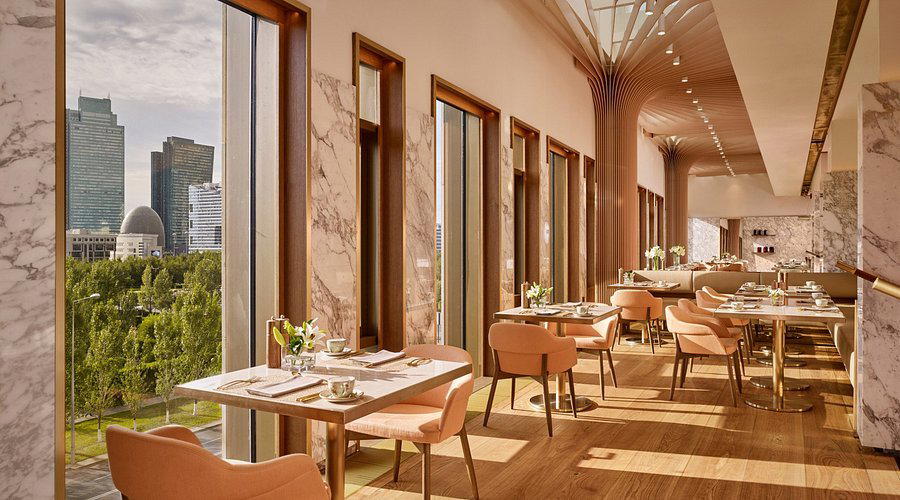
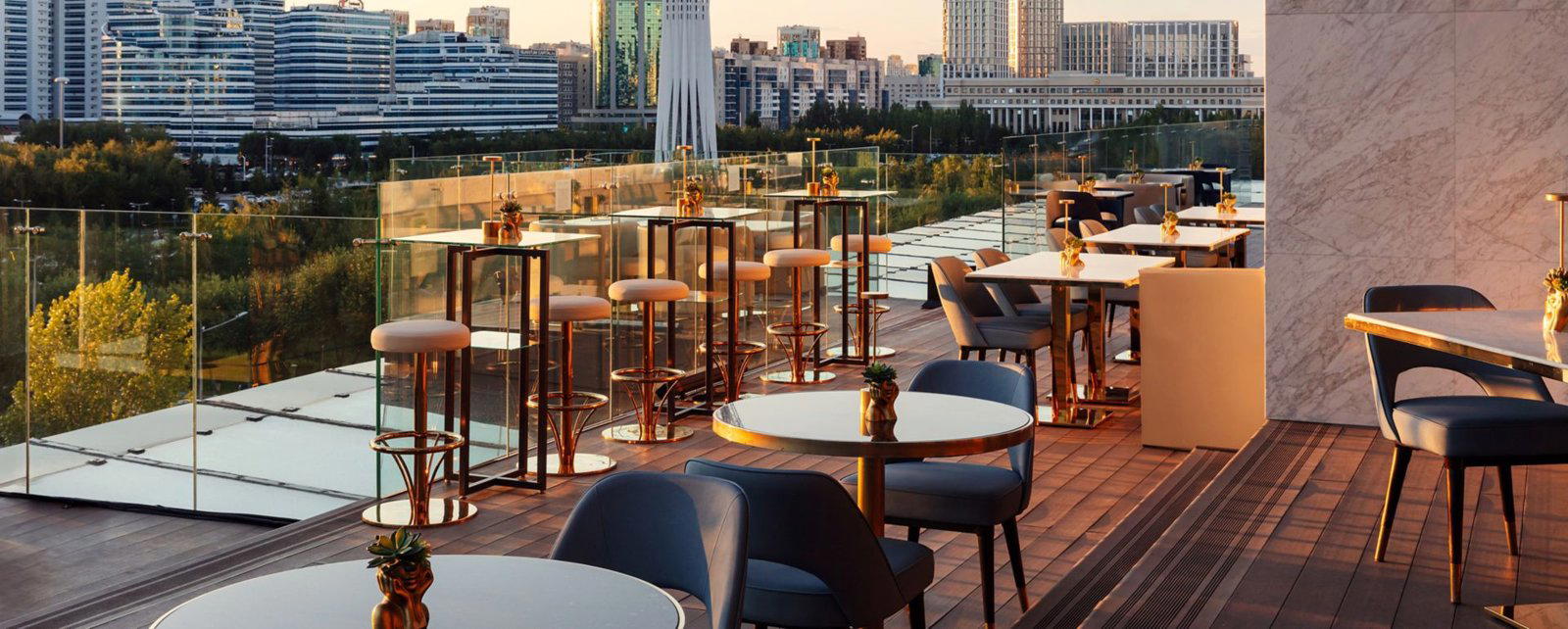
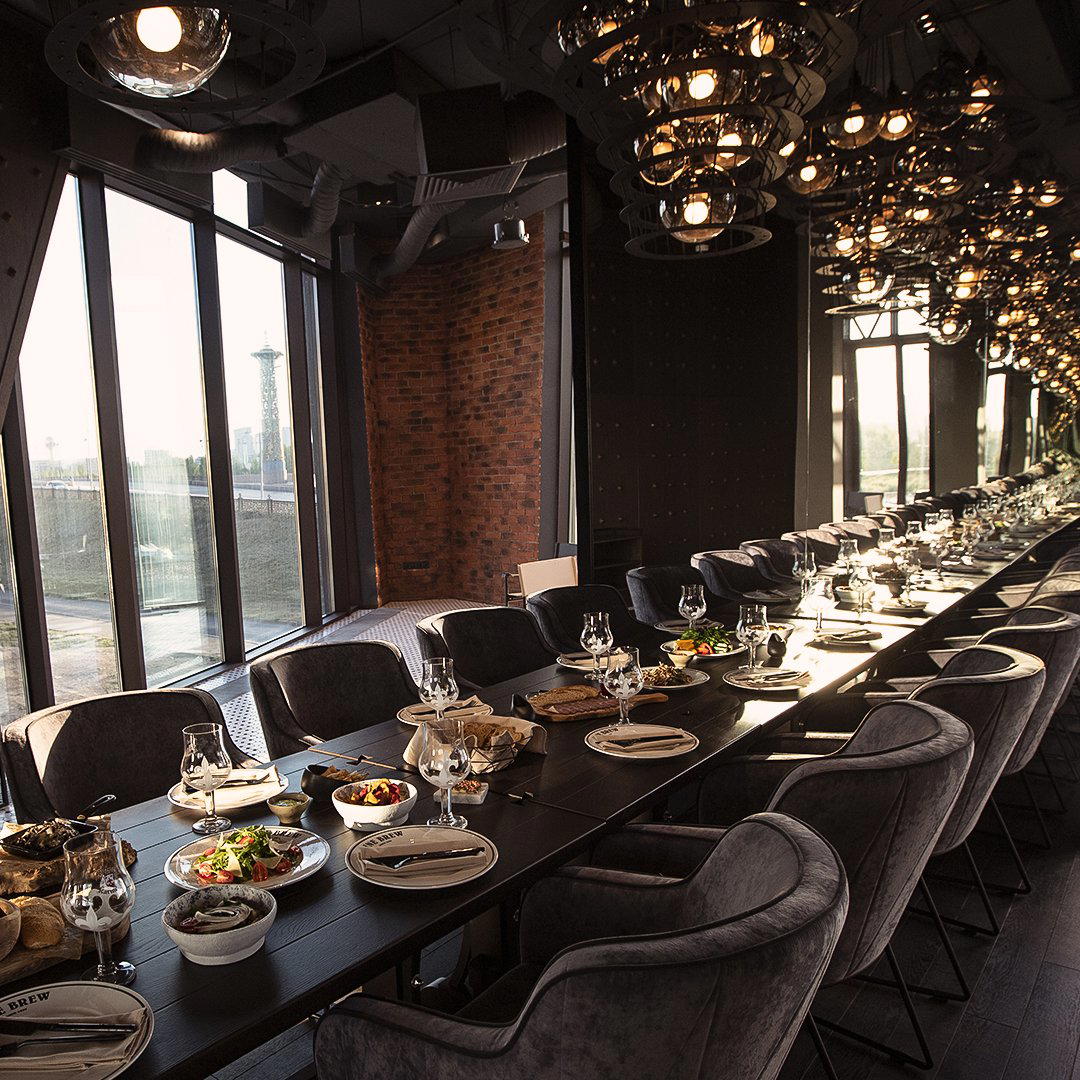
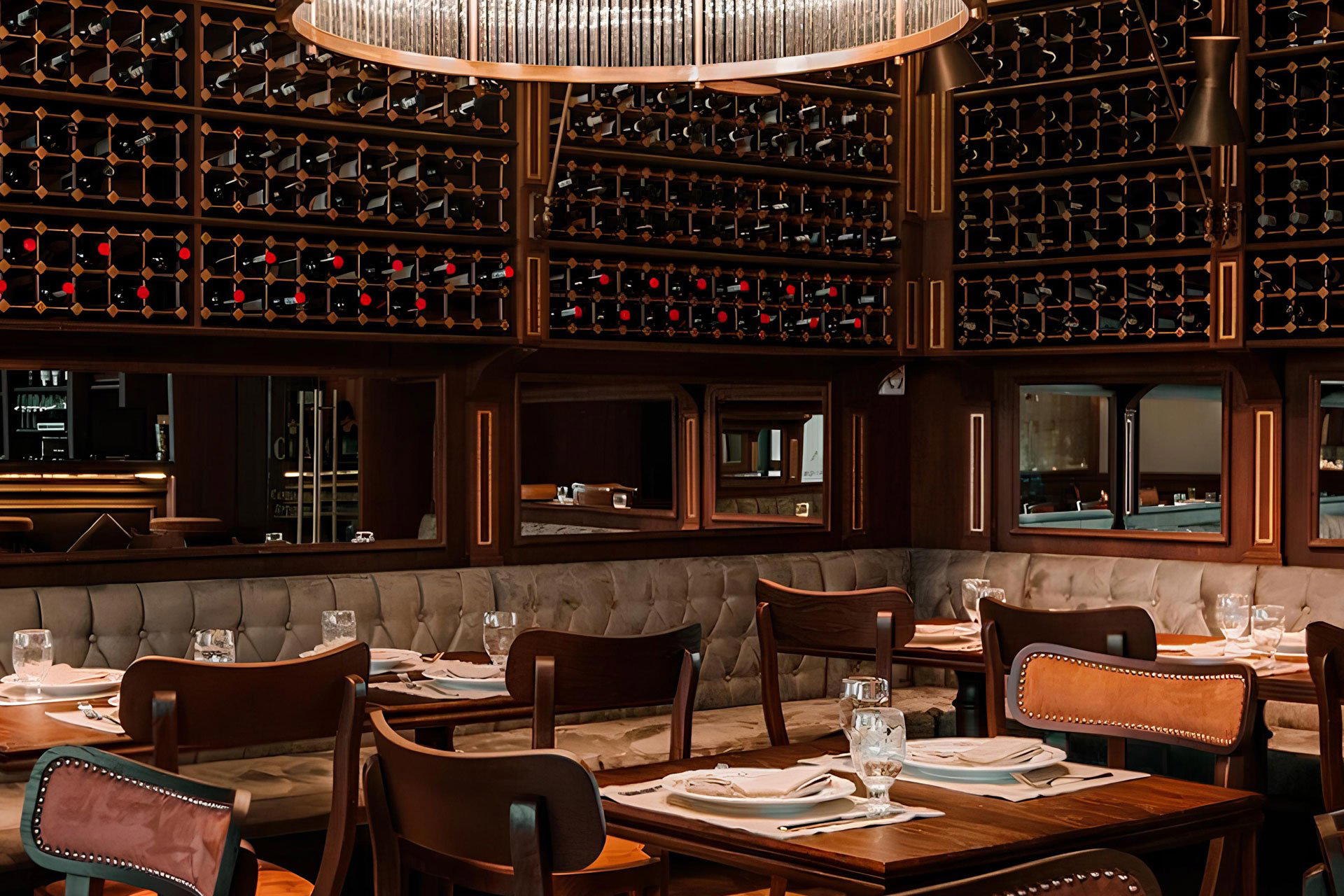
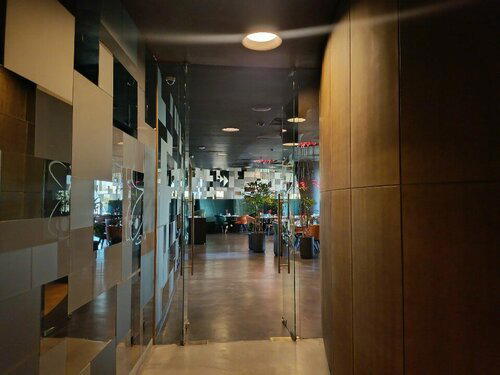
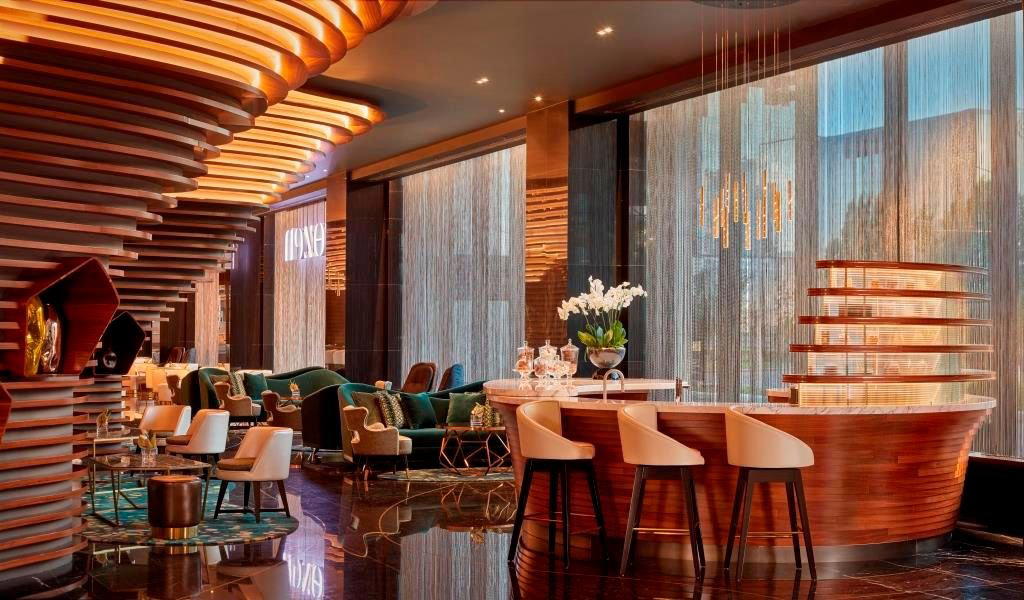
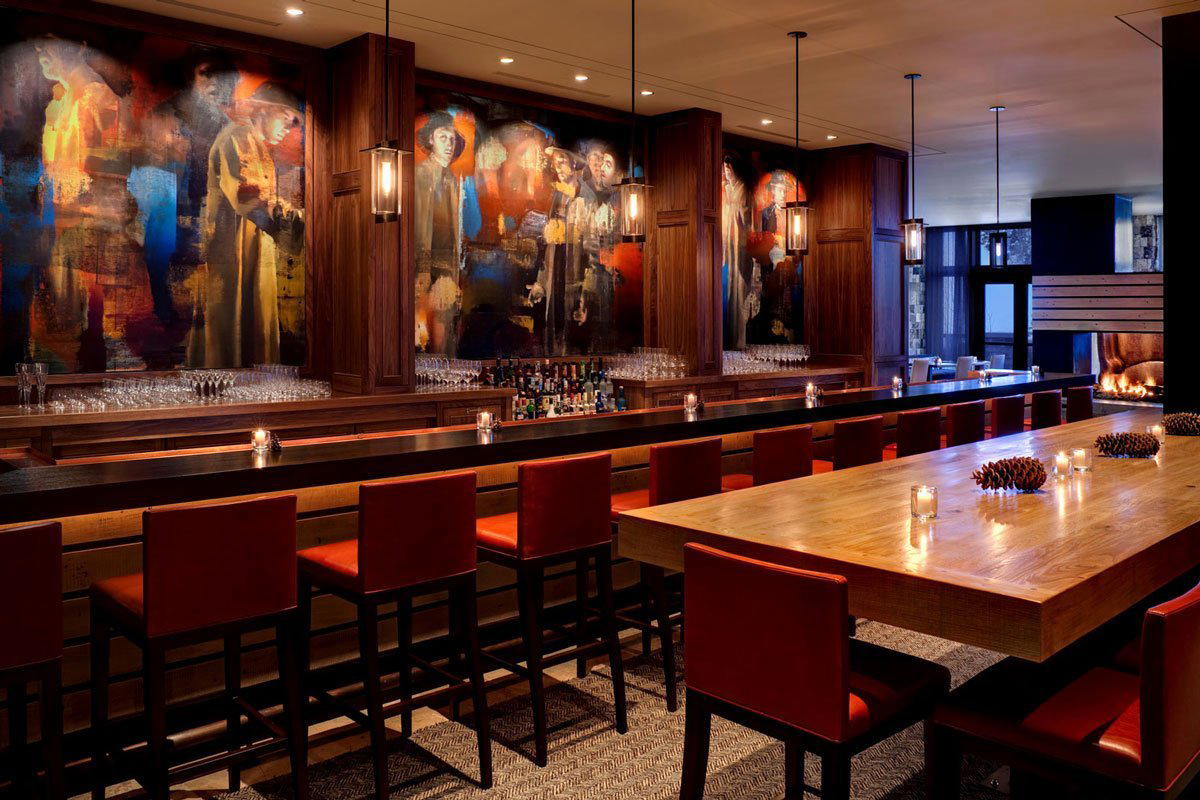
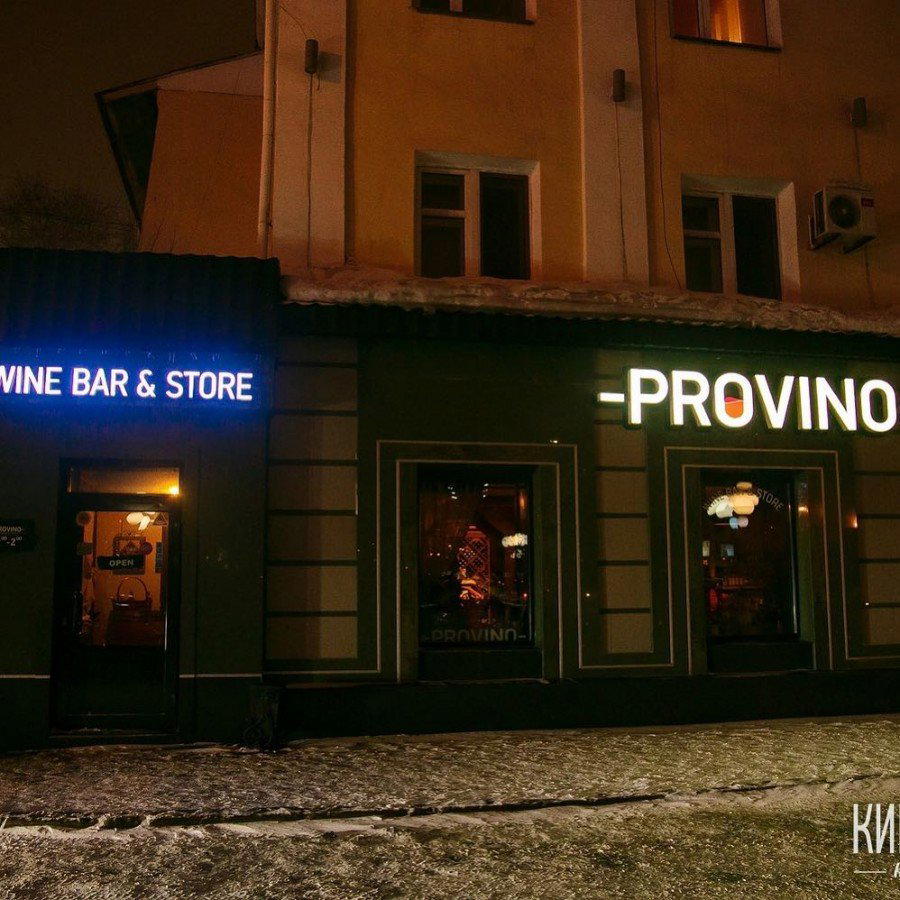
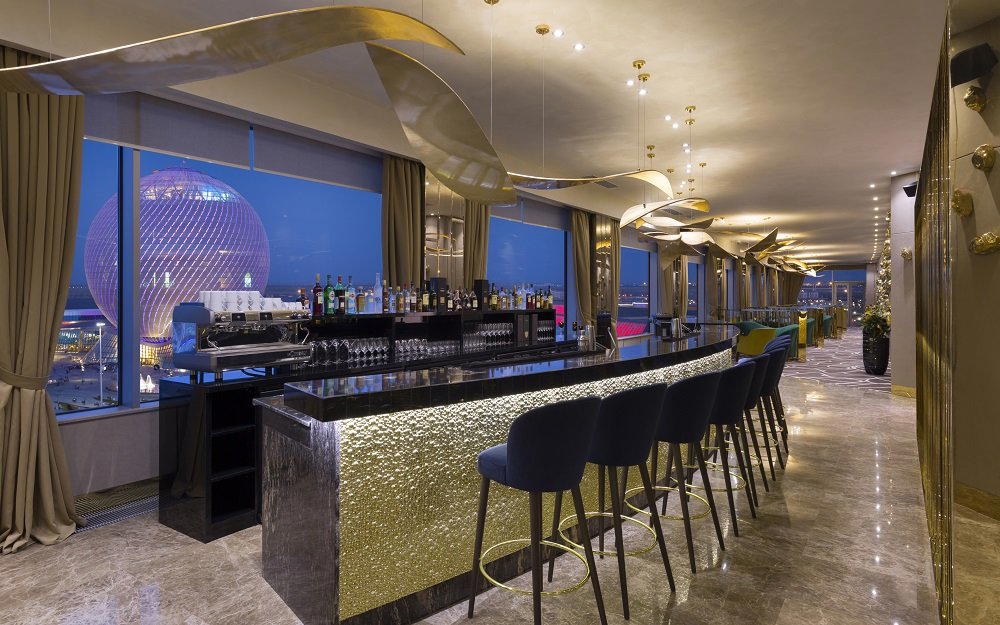
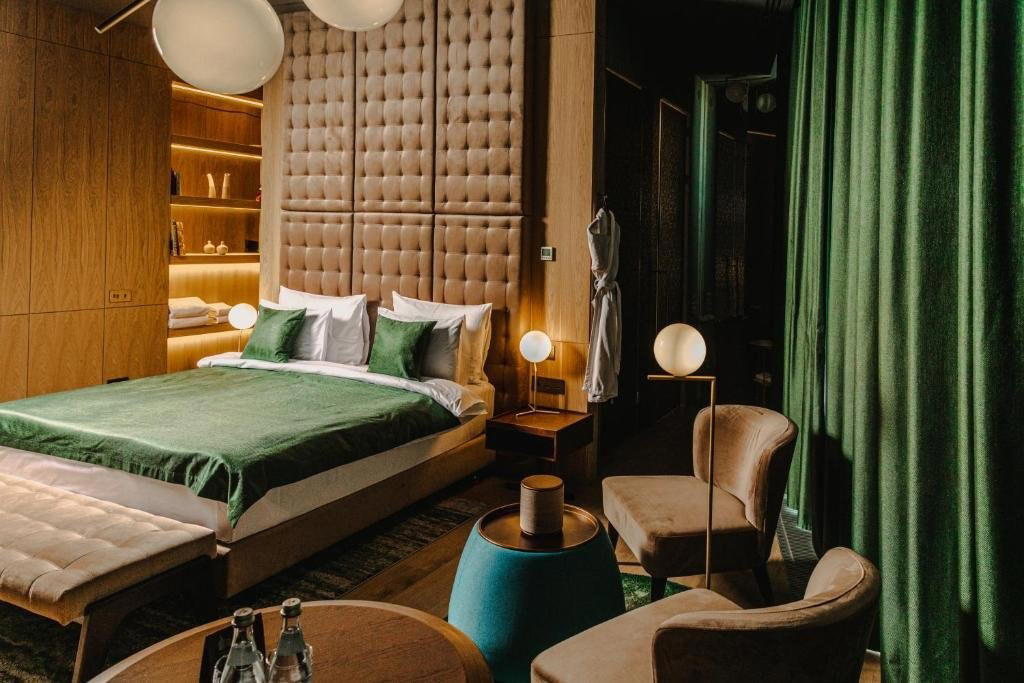
Cozy kitchen interior with modern decor that combines comfort and trendiness, relaxed atmosphere easy for conversations.