Cafe Momona
Situated on Bauyrzhan Momyshuly Avenue in central Astana, Cafe Momona occupies a position in the city's mid-range cafe circuit where ingredient sourcing and local food culture intersect. Kazakhstan's dining scene has shifted considerably in recent years, and Astana's neighbourhood cafes reflect that change more honestly than its flagship restaurants. A practical stop for those reading the city's food culture on street level.
Pearl is the En Primeur Club membership app — saves, bookings, and concierge access live there. Same editors, same standards.
- Address
- Bauyrzhan Momyshuly Ave 2б, Astana 010000, Kazakhstan
- Phone
- +77472858666
- Website
- facebook.com
- Directions
- Get directions
 Saves & bookings on Pearl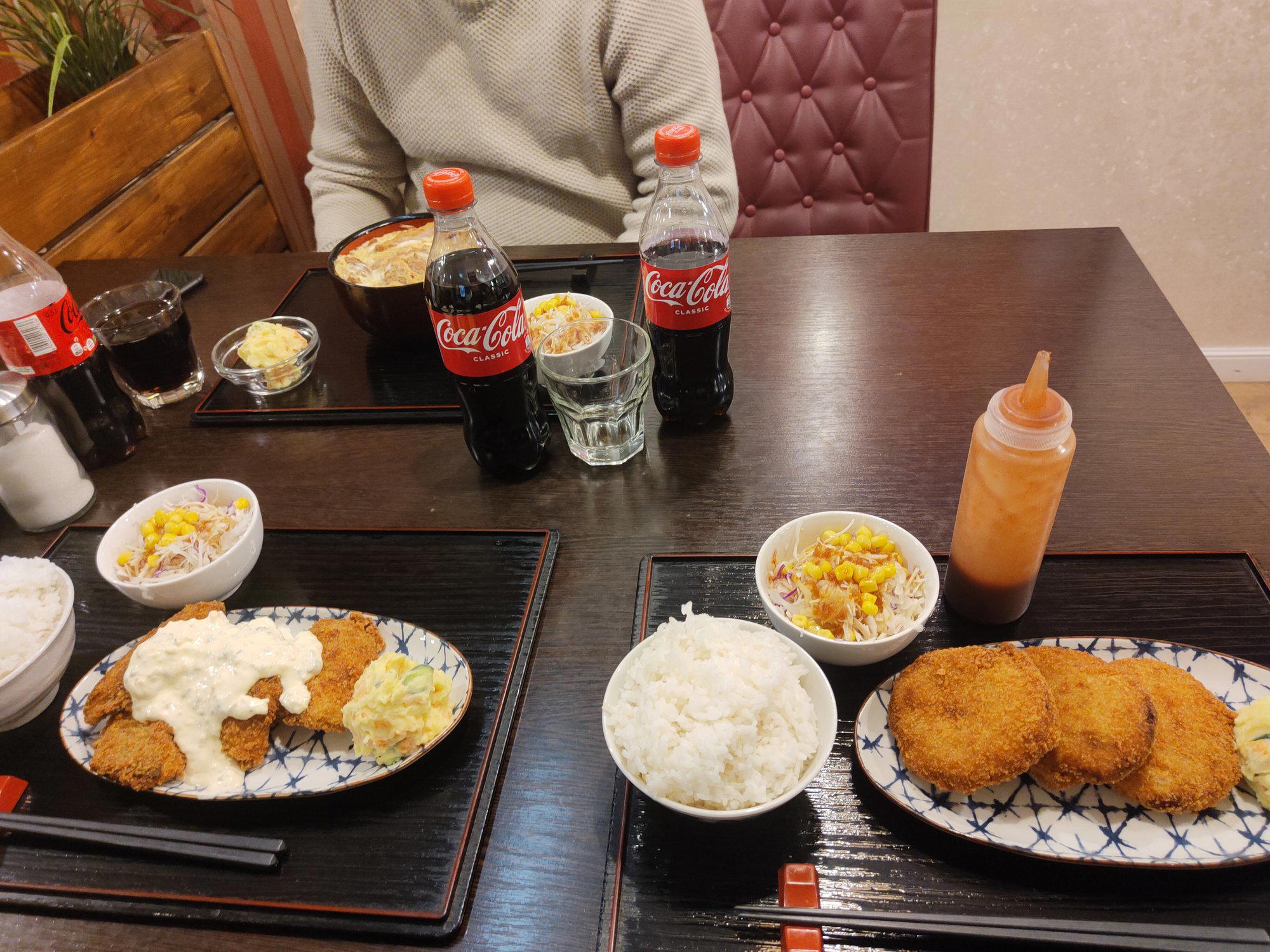
Where Astana's Cafe Culture Lands on the Ground
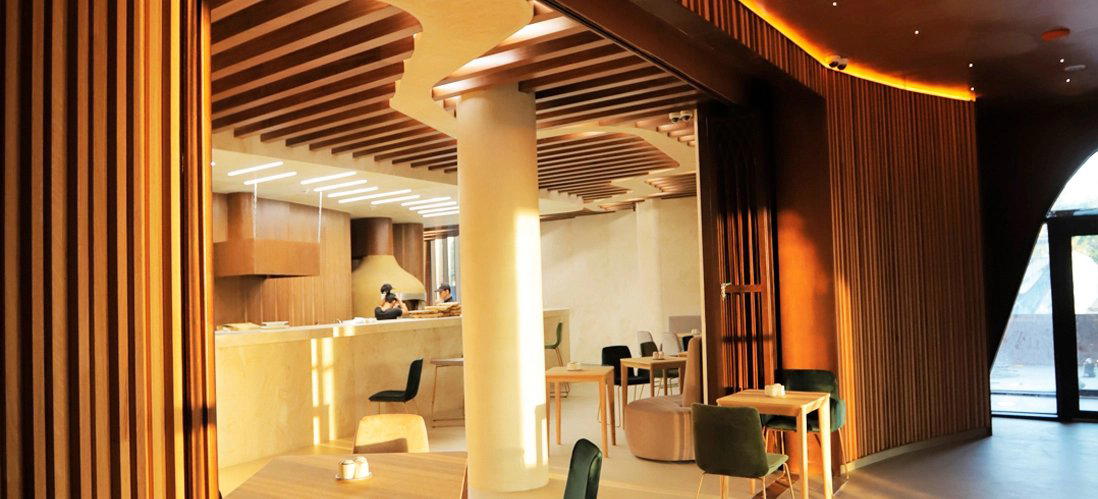
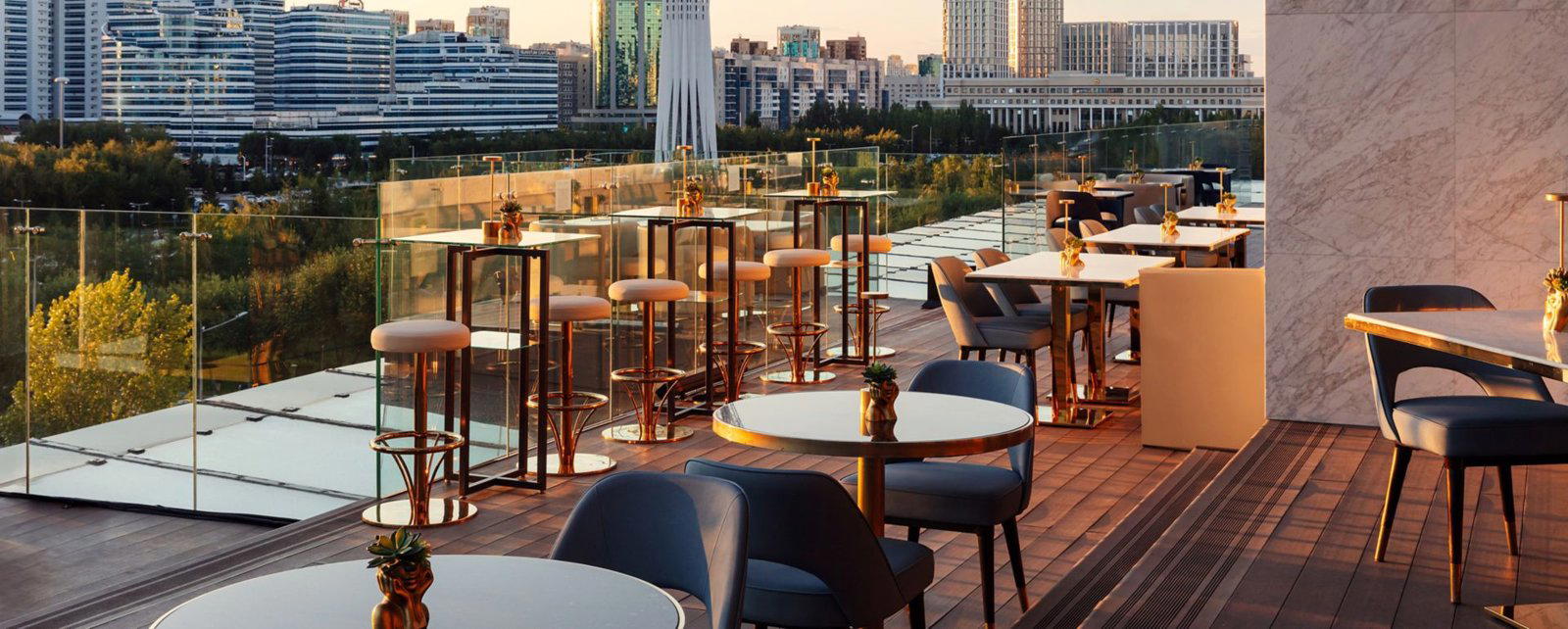
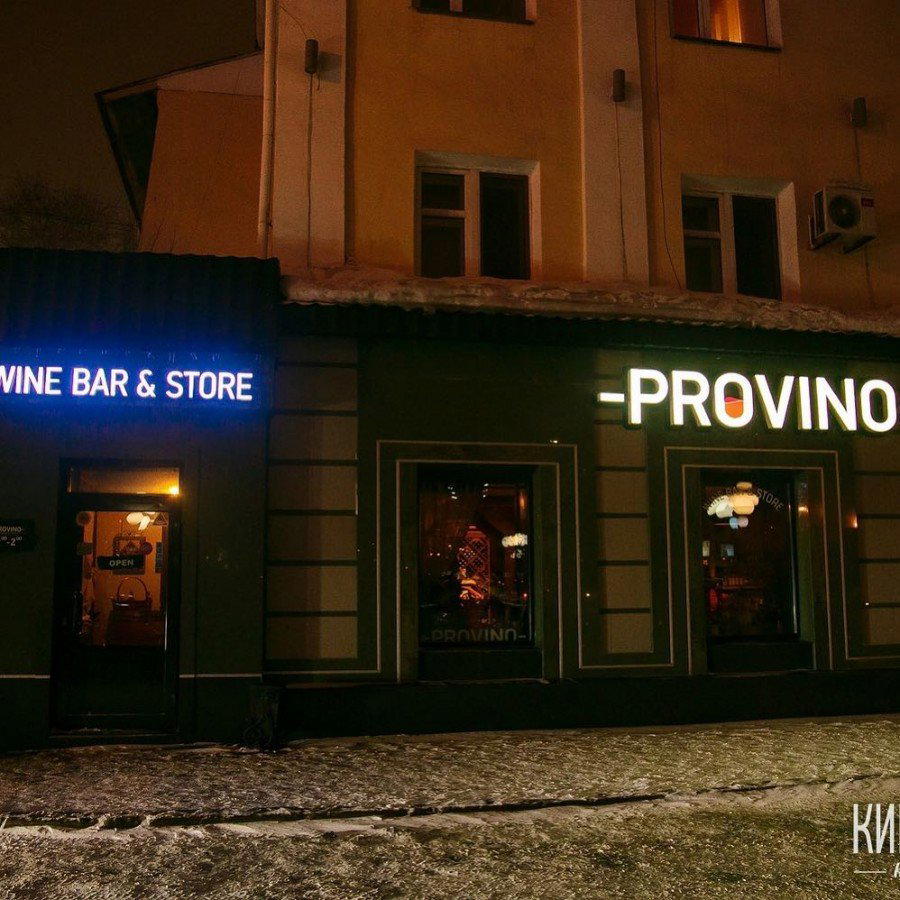
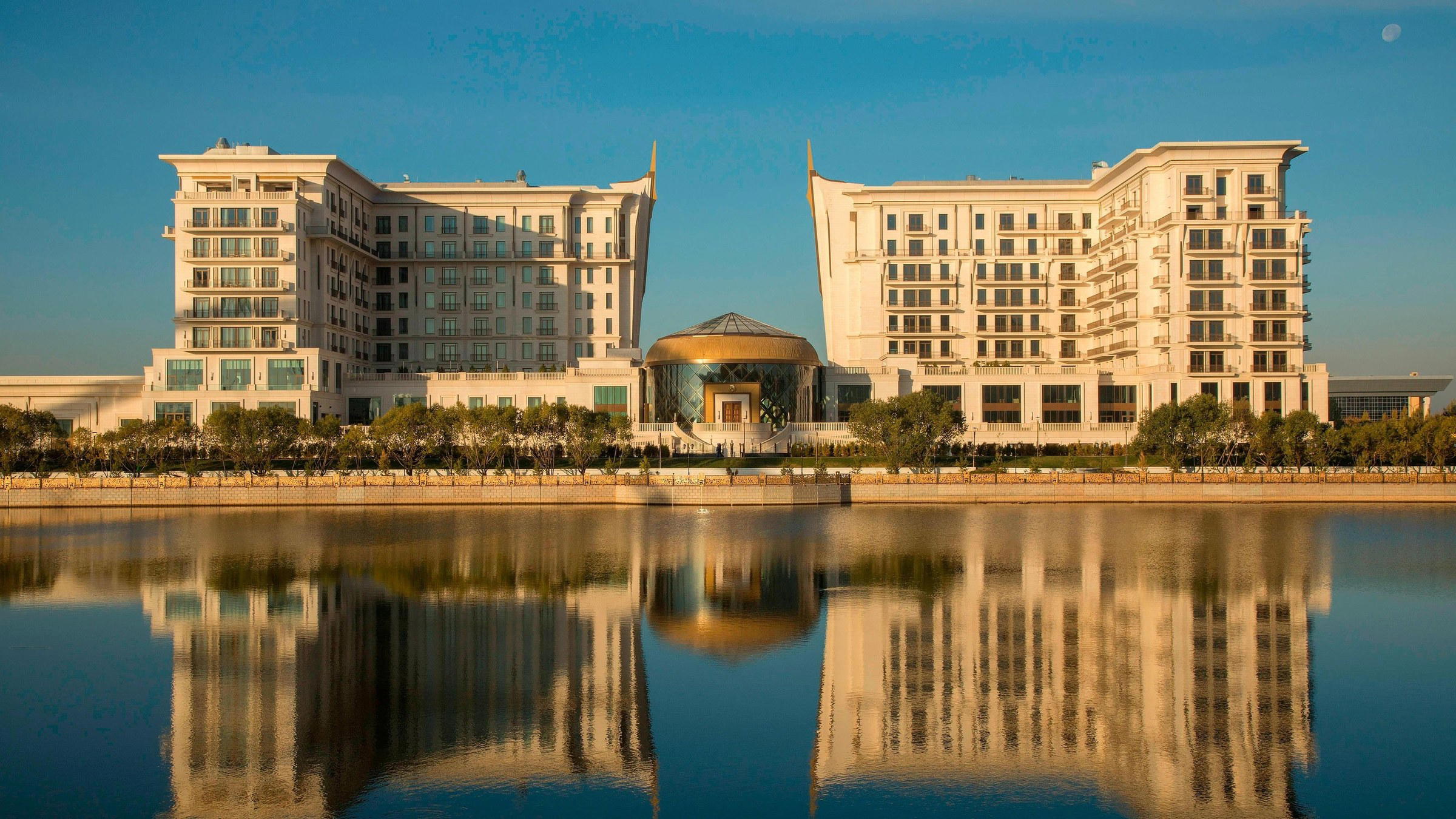
Astana's culinary identity has spent the better part of two decades being written in large strokes: government-commissioned architecture, flagship international hotel restaurants, and grand-format Kazakh dining halls designed to project national confidence. What happens at street level, along avenues like Bauyrzhan Momyshuly, tells a different story. The cafes here operate closer to how residents actually eat, and Cafe Momona, at address 2б on that avenue, sits within that everyday fabric rather than above it. The approach and entrance carry the texture of a neighbourhood institution rather than a destination restaurant, which, in a city that has historically prioritised spectacle, is itself a form of editorial statement.
Ingredient Provenance in the Kazakh Context
Kazakhstan is the world's ninth-largest country by area, with agricultural output that spans the grain-heavy north, lamb and horse meat from steppe-grazing traditions, and dairy production that has fed Central Asian communities for centuries. A cafe drawing on that supply chain, even modestly, is working with ingredient provenance that European farm-to-table operators spend considerable effort and marketing budget trying to approximate.
Fermented dairy products like kurt (dried sour cheese) and shubat (fermented camel's milk) remain in circulation in Astana's traditional food culture, though they appear less frequently in city cafes than in rural or market contexts. Lamb sourced from regional producers, rather than imported protein, still defines the flavour profile of honest Kazakh cooking at this level. Cafe Momona operates in a different register entirely.
Lanzhou in Shymkent draws on the Silk Road ingredient corridors that shaped southern Kazakhstan's cuisine, while Tang Ramen Bar in Shymkent reflects the city's proximity to Chinese and Korean food influences that have long been part of Kazakhstan's ethnic and culinary mix. In Almaty, Horoshiy God works a distinctly different urban register.
The Astana Mid-Range Cafe Format
Astana's mid-range cafe circuit occupies a tier that receives less international attention than the city's white-tablecloth operators but considerably more local foot traffic. These spaces function as the dining infrastructure of a capital city that has grown at an unusually compressed pace, with a population that moved from small-city habits to metropolitan ones within a single generation. The result is a cafe culture that mixes Soviet-era food memory, Kazakh culinary tradition, and the visual language of contemporary Central Asian urbanism in proportions that vary by neighbourhood and operator.
Bauyrzhan Momyshuly Avenue itself carries significance as a named street: it honours a Kazakh general and Hero of the Soviet Union, and the surrounding district carries both civic weight and residential character. Cafes along this stretch serve a population that expects familiarity in the food, not novelty. That expectation shapes the menu logic of any operator working here, regardless of their individual approach.
Understanding both ends helps calibrate what Cafe Momona is doing in the middle.
Kazakhstan Within a Wider Central Asian Frame
Central Asian cafe culture, when it functions well, does something that more internationally recognised restaurant formats often cannot: it holds culinary memory without theatricalising it. The tea-house tradition, represented at its most developed in venues like Чайхана Navat in Almaty, organises the experience around hospitality rhythms rather than dining-room service logic. Korean food culture, long embedded in Kazakhstan through the Koryo-saram diaspora, surfaces in venues like Korean House in Astana, where the ingredient sourcing reflects that specific community's adaptation to Central Asian supply chains.
Venues like Atelier Moessmer Norbert Niederkofler in Brunico and Reale in Castel di Sangro have built international recognition specifically around hyper-regional sourcing. At the opposite end of the recognition spectrum, neighbourhood cafes in Astana are making the same sourcing choices without any of the credentialing infrastructure.
Planning a Visit
The restaurant is located at Bauyrzhan Momyshuly Avenue 2б in central Astana, a district accessible by the city's public transport network and close enough to major residential zones to function as a practical stop rather than a detour. Reservations are recommended. Visiting outside the midday and early-evening rush periods that define cafe traffic in Astana will generally mean easier seating and more attentive service.
For those building a wider itinerary, Lanzhou in Almaty and the broader restaurant ecosystems mapped across EP Club's Kazakhstan coverage offer useful comparison points for understanding how the country's cafe and restaurant culture varies by city. Globally, venues ranging from Le Bernardin in New York City to Lazy Bear in San Francisco and Atomix in New York City demonstrate how sourcing and culinary identity scale across formats and price points. The restaurant operates at a local scale, and that is exactly the point of visiting it.
Quick Comparison
Comparable venues nearby, for context on price, style, and recognition.
| Venue | Cuisine | Price | Notes |
|---|---|---|---|
| Cafe MomonaThis venue — the venue you are viewing | Japanese Home Cooking | $$ | Not listed |
| Korean House | Modern Korean | $$$ | Nura district |
| The Kitchen | European Gastropub & Grill | $$ | .central Astana |
| Qazaq Gourmet | Modern Kazakh Fine Dining | $$$$ | Mangilik El Avenue |
| Tang Ramen Bar | Korean-Japanese Ramen Bar | $$ | Туркестанская |
At a Glance
- Cozy
- Intimate
- Casual Hangout
- Standalone
Current opening hours
- Monday
- Closed
- Tuesday
- 12–9 PM
- Wednesday
- 12–9 PM
- Thursday
- 12–9 PM
- Friday
- 12–9 PM
- Saturday
- 12–9 PM
- Sunday
- 12–9 PM
Hours can change for holidays and private events. Last verified .
Cute cafe atmosphere evoking a Japanese home with books and music, cozy and unpretentious.