Lanzhou
Shymkent's dining scene draws on the city's position at the crossroads of Silk Road trade routes, and Lanzhou sits within that tradition of northwestern Chinese culinary influence reaching deep into Central Asia. The name points directly to Gansu Province, the origin point of the hand-pulled noodle tradition that has traveled further than almost any other Chinese regional dish.
Pearl is the En Primeur Club membership app — saves, bookings, and concierge access live there. Same editors, same standards.
- Address
- South Kazakhstan Province, Shymkent
- Directions
- Get directions
 Saves & bookings on Pearl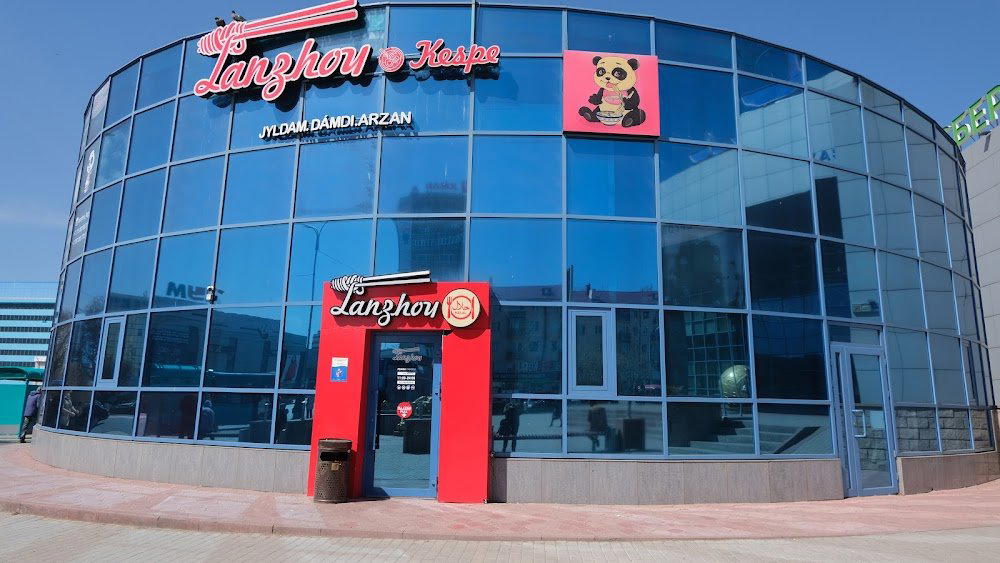
Where the Silk Road Puts Food on the Table
Shymkent occupies a particular position in Central Asian food culture that most cities in the region cannot claim: it sits close enough to both the Chinese border corridor and the Fergana Valley to have absorbed culinary traditions from multiple directions over centuries. The hand-pulled noodle tradition that the name Lanzhou references is not a restaurant invention. It is a technique that developed in Gansu Province in northwestern China and spread westward along trade and migration routes, landing in communities across Kazakhstan, Kyrgyzstan, and Uzbekistan long before the contemporary restaurant industry existed to package and sell it. Understanding that lineage is the starting point for understanding what a venue carrying this name is doing in Shymkent's South Kazakhstan Province.
The Ingredient Logic of Northwestern Chinese Cooking in Central Asia
Lanzhou-style cooking is built on a sourcing philosophy that the region has always shared with Central Asia: wheat, lamb, and aromatics. The hand-pulled noodle, or lamian, requires high-gluten flour and a specific pulling technique that produces a texture no machine replicates precisely. In Lanzhou city itself, the canonical beef noodle soup is assembled from ingredients that are almost entirely locally sourced: the broth from beef and bone, the noodles pulled to order, the garnish of white radish, chili oil, and coriander drawn from the surrounding agricultural region. This is not farm-to-table as a marketing concept. It is the practical logic of a landlocked cooking tradition that worked with what was nearby.
In Shymkent, that same logic applies with local substitution. Kazakhstan's southern regions produce lamb in volume, and the wheat grown across the steppe is high in protein, making it well-suited to the pulling technique. A Lanzhou-named venue in this city is positioned to draw on local supply chains that are genuinely compatible with the dish's original sourcing requirements, which is not always the case when this style of cooking migrates to coastal or European cities where the ingredient profile shifts considerably. That geographic alignment is worth noting as a structural advantage rather than an accident. Across Kazakhstan, similar ingredient alignments shape restaurants like Qazaq Gourmet in Astana, which frames Kazakh produce within a more formal European structure.
Shymkent's Position in Kazakhstan's Restaurant Development
Kazakhstan's restaurant culture has developed unevenly across its cities. Almaty holds internationally oriented dining scene, with venues like Caffe Del Teatro in Almaty and Чайxана Navat in Алматы representing the spectrum from European-influenced to traditional Kazakh formats. Astana, as the capital, draws institutional investment that shapes its food scene differently. Shymkent, Kazakhstan's third-largest city, operates on a different register: its food culture is more deeply embedded in the Silk Road corridor, more directly influenced by Uzbek, Uyghur, and northwestern Chinese culinary traditions, and less oriented toward the kind of fine dining signaling that Michelin-tracked cities pursue.
Within Shymkent's noodle-focused restaurant segment, venues that carry regional Chinese names are typically competing on the basis of noodle texture, broth depth, and the quality of accompanying condiments. A parallel can be drawn with Tang Ramen Bar in Шымкент, which operates in an adjacent category and reflects the city's appetite for wheat-based noodle formats across different East Asian traditions.
The Atmosphere of the Setting
Shymkent's South Kazakhstan Province context shapes the physical experience of eating here before you sit down. The city's food culture is oriented toward communal, unhurried meals rather than timed seatings or tasting-menu pacing. Noodle venues in this tradition tend toward open kitchens or visible prep stations, where the pulling technique functions as both production method and ambient theater. The sound of dough being worked, stretched, and cut is part of the register of the meal. The light in these spaces is generally direct and functional rather than atmospheric in the designed sense, and the furniture prioritizes durability over styling. This is a format that has internal logic: a dish that arrives in under ten minutes from an open kitchen requires a different room from one that takes forty-five minutes from a closed brigade.
The approach stands at considerable remove from the architectural ambition of venues like 8 1/2 Otto e Mezzo Bombana in Hong Kong or Amber in Hong Kong, but that comparison misframes the category. The relevant comparison is with other Central Asian noodle houses, where the value proposition is speed, technique, and ingredient quality rather than room design.
Planning a Visit
Shymkent is accessible by air from Almaty, Astana, and several international hubs, with Shymkent International Airport serving the city directly. South Kazakhstan Province operates on local Kazakh dining rhythms, which typically means lunch service is the primary meal period for this category of restaurant, with activity from midday through early afternoon. Visitors to Shymkent who are also tracking the broader Central Asian dining corridor may find it useful to cross-reference with Korean dining traditions in Kazakhstan, represented by venues such as Korean House in Астана, which reflects a different immigrant culinary lineage with its own sourcing logic.
How It Stacks Up
Comparable venues nearby, for context on price, style, and recognition.
| Venue | Cuisine | Price | Notes |
|---|---|---|---|
| LanzhouThis venue — the venue you are viewing | Chinese Noodle House | $$ | Not listed |
| Tang Ramen Bar | Korean-Japanese Ramen Bar | $$ | Туркестанская |
| Lanzhou | Chinese Noodle Bar | $ | Бостандыкский район |
| Чайxана Navat | Uzbek Central Asian | $$ | Abaya |
| Villa dei Fiori | Authentic Italian | $$$ | Bostandyk District |
| Horoshiy God | Modern European with Pan-Asian Accents | $$ | city center |
At a Glance
- Casual Hangout
- Family
Lively eatery with flavors of Chinese cuisine.