Огонёк - Ogonek


La Liste Top Restaurants · Star Wine List
Our verdict
Ogonek sits on Panfilov Street in central Almaty, holding consecutive La Liste placements (76.5 points in 2025, 75 in 2026) for its Kazakh-European cooking. The restaurant represents a strand of Almaty dining that treats Soviet-era nostalgia and Central Asian culinary heritage as equal creative material, producing a menu that reads more as cultural argument than fusion exercise.

Pearl is the En Primeur Club membership app — saves, bookings, and concierge access live there. Same editors, same standards.
- Address
- Panfilov St 125, Almaty 050000, Kazakhstan
- Phone
- +7 771 722 8240
- Hours
- Mon–Thu 10 a.m.–12 a.m.Fri–Sat 10 a.m.–1 a.m.Sun 10 a.m.–12 a.m.
- Website
- abr.kz
- Directions
- Get directions
- Booking
- Book on the venue's website
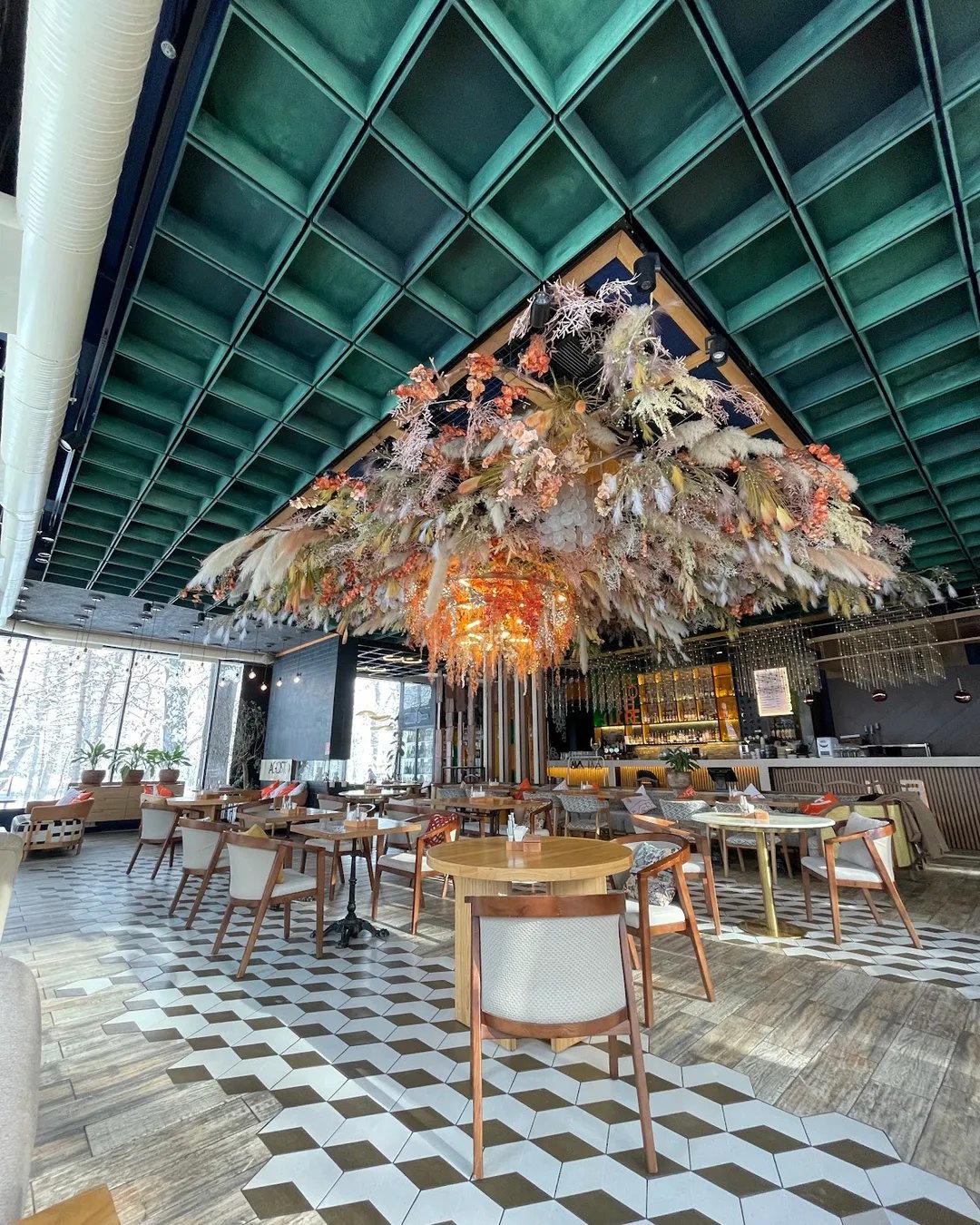
Where Panfilov Street Meets the Table
Almaty's dining identity has never resolved cleanly into a single register. The city carries three distinct culinary inheritances simultaneously: nomadic Kazakh tradition built around lamb, fermented dairy, and communal eating; Soviet-era cooking that imposed Russian and broader Eastern European patterns across Central Asia for seven decades; and a post-independence ambition that has pushed younger restaurants toward European technique without always knowing what to do with the first two layers. Ogonek, at Panfilov Street 125, works with all three at once, and that quality of address — literal and cultural — is what earns it repeated placement on La Liste's global ranking.
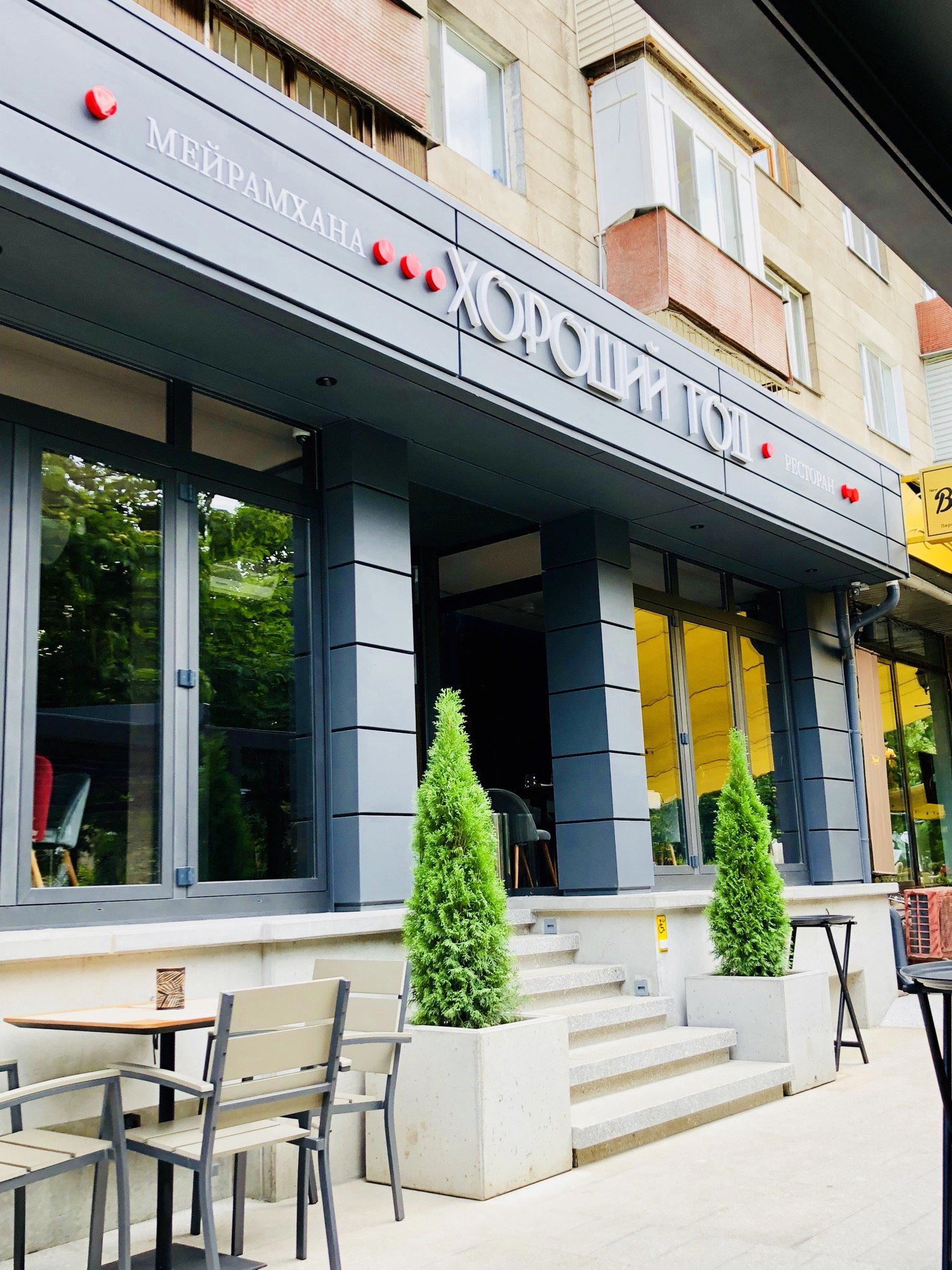
The address itself matters. Panfilov Street runs through one of Almaty's most historically loaded stretches, adjacent to Zenkov Cathedral and the Panfilov Park memorial complex. Arriving here is not the same as arriving at a hotel-district restaurant or a mall-anchored dining room, which have proliferated across the city in the last decade. The built environment communicates a particular relationship to Almaty's layered past, and the restaurant's name, Ogonek, meaning a small flame or little light, drawn from a Soviet-era illustrated magazine that was a fixture in Russian-speaking households, signals immediately that the kitchen intends to treat that past as usable material rather than something to be designed around.
Kazakh-European Cooking as a Critical Category
The Kazakh-European designation that applies to Ogonek is the same classification carried by Qazaq Gourmet in Astana, and it describes a recognizable strand of contemporary Central Asian restaurant ambition: Kazakh ingredients and reference points processed through European culinary grammar. The tension in that approach is productive. Kazakh cuisine has a formal structure, beshbarmak as the centrepiece communal dish, kurt as a preserved protein, koumiss as a fermented drink with no direct European equivalent, and European fine-dining technique is built around entirely different assumptions about plating, portion sequencing, and ingredient transformation.
When the combination works, it produces something that cannot be replicated by either tradition operating alone. When it collapses into decoration, Kazakh garnishes on otherwise European plates, the result is less interesting. The consistent La Liste recognition Ogonek has received across two consecutive years (76.5 points in 2025, 75 points in 2026) suggests the kitchen is operating in the productive range of that tension rather than the decorative one. La Liste's scoring methodology aggregates critical assessments from restaurant guides across multiple countries, so sustained placement reflects cross-cultural recognition rather than local preference alone.
For comparison, the European restaurants that anchor La Liste's highest tiers, Alléno Paris au Pavillon Ledoyen, Alain Ducasse at Louis XV in Monte Carlo, or Arzak in San Sebastián, operate within fully developed culinary traditions and deep institutional support. Ogonek's placement at 75-76 points is measured against that global field, which makes it a meaningful marker of where Almaty's serious dining now sits relative to the wider world.
Almaty's Restaurant Scene and Where Ogonek Fits
Almaty has developed a two-speed restaurant culture. One speed is the international casual tier: Korean barbecue, Italian trattorie, Japanese conveyor-belt formats, and American burger concepts that have multiplied since roughly 2010 as the city's middle class expanded and overseas travel normalized foreign dining references. The other speed is a smaller, more deliberate cohort of restaurants that treat Kazakhstani culinary identity as a subject worth sustained creative attention. Ogonek belongs to the second group, alongside Казах Аул (Qazaq Auyl), which approaches the same heritage question from a more traditional Kazakh-cuisine position.
The difference between those two approaches reflects a genuine debate within Central Asian food culture: whether the project is preservation and presentation of classical technique, or reinterpretation and synthesis using contemporary tools. Ogonek's Kazakh-European positioning puts it firmly in the reinterpretation camp, which carries both creative freedom and a greater burden of justification. A dish that references beshbarmak through European plating has to earn that translation; it cannot rely on the emotional authority of the original form.
The challenge of translating a non-European culinary tradition into formats legible to international fine-dining audiences is one shared by restaurants across Asia and the Middle East. Atomix in New York does this with Korean cuisine; 8½ Otto e Mezzo Bombana in Hong Kong works the Italian-Asian axis in the opposite direction. The Central Asian version of this challenge is younger and less documented, which is part of what makes Almaty's serious restaurants worth tracking now.
Planning a Visit
Ogonek is located at Panfilov Street 125, Almaty 050000. The Panfilov area is walkable from the city's central hotel district and within a short taxi ride from Medeu and Almaty-1 rail station.
For visitors building a broader Almaty itinerary, maps the city's dining tiers in detail. EP Club also maintains curated guides for hotels, bars, wineries, and experiences across the city.
Frequently asked questions
What's Огонёк - Ogonek's location?
Огонёк - Ogonek is located at Panfilov St 125, Almaty 050000, Kazakhstan, Almaty.
What's the must-try dish at Огонёк - Ogonek?
Ogonek's menu sits within the Kazakh-European category, which typically centres reworked steppe staples alongside continental technique. Specific dish recommendations are not documented here, but the kitchen's La Liste recognition in both 2025 (76.5 pts) and 2026 (75 pts) suggests the cooking holds a consistent standard across the menu. Asking staff at Panfilov St 125 what is current and in season will yield the most accurate steer.
Price and Recognition
| Venue | Cuisine | Price | Awards |
|---|---|---|---|
| Огонёк - OgonekThis venue — the venue you are viewing | Smart Comfort Live-Fire | $20–30 | La Liste Top Restaurants · Star Wine List |
| Казах Аул - Qazaq Auyl | Kazakh Cuisine | Not listed | Not listed |
| Qazaq Gourmet | Kazakh European | Not listed | Not listed |
Recognition history
Dated appearances from independent guides and award organizations, with the underlying list record or original source where available.
La Liste Top Restaurants
La Liste
Star Wine List
Star Wine List
Full recognition history (3 entries)
La Liste Top Restaurants
La Liste
Огонёк - Ogonek
The wine
- Wine program
- Curated wine list
- Extensive wine list
- Craft cocktails
Details
- Cozy
- Modern
- Elegant
- Date Night
- Casual Hangout
- Family
- Open Kitchen
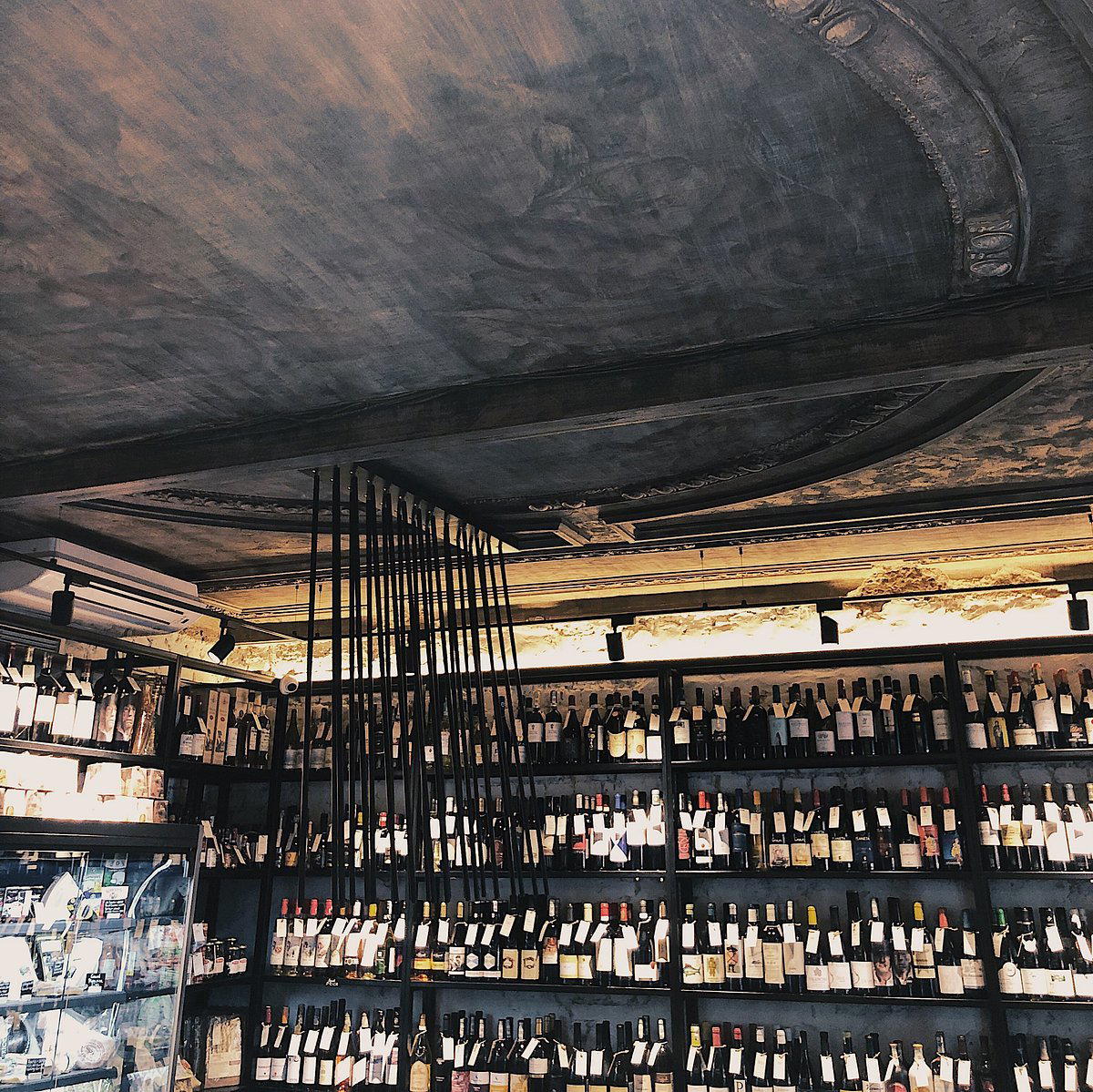
- Historic Building
- Terrace
- Extensive Wine List
- Craft Cocktails
- A La Carte
- Vegetarian Friendly
Current opening hours
- Monday
- 10 a.m.–12 a.m.
- Tuesday
- 10 a.m.–12 a.m.
- Wednesday
- 10 a.m.–12 a.m.
- Thursday
- 10 a.m.–12 a.m.
- Friday
- 10 a.m.–1 a.m.
- Saturday
- 10 a.m.–1 a.m.
- Sunday
- 10 a.m.–12 a.m.
Hours can change for holidays and private events. Last verified .
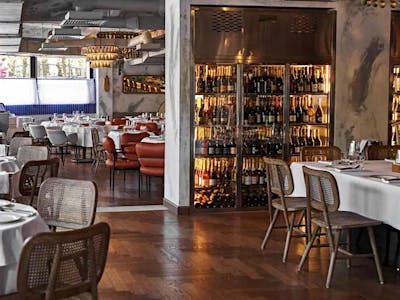
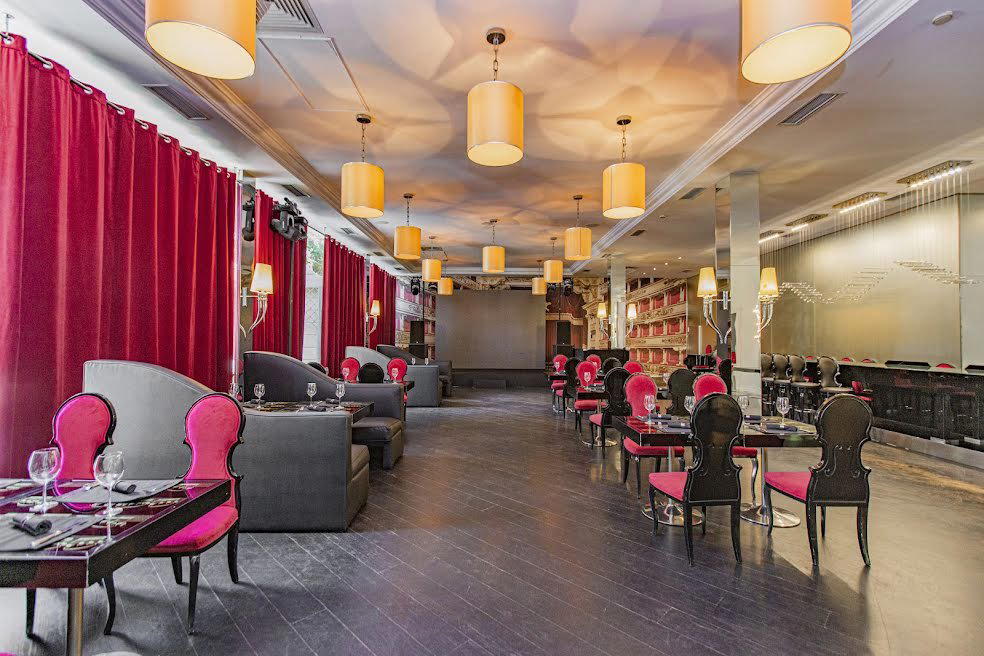
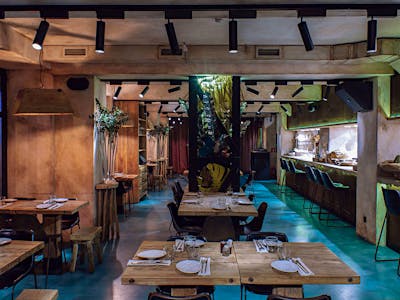
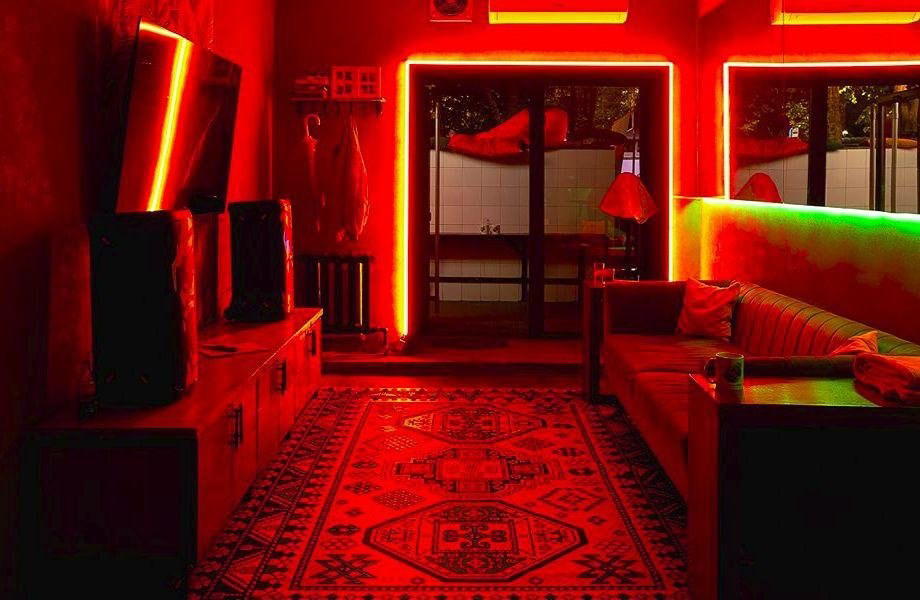
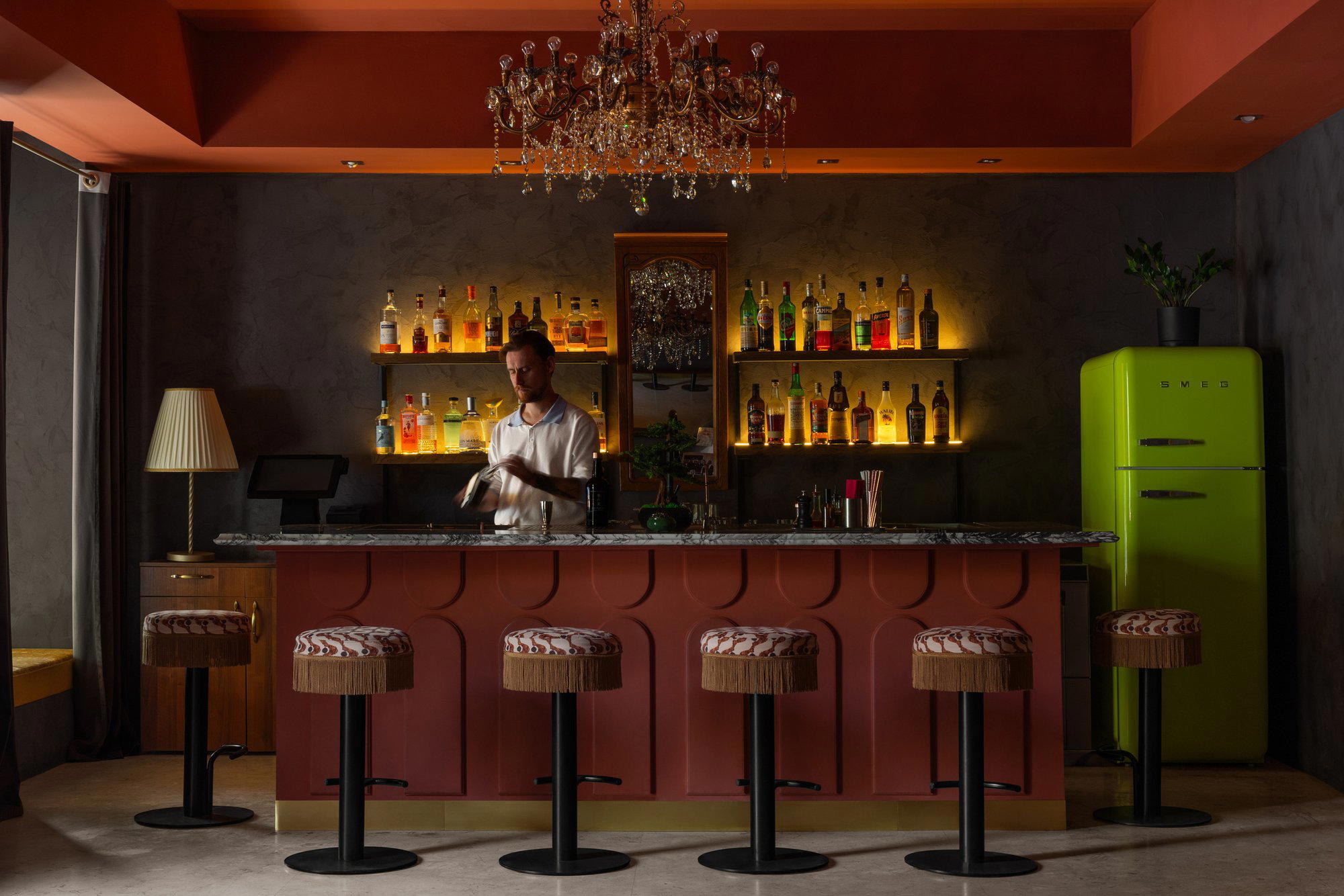
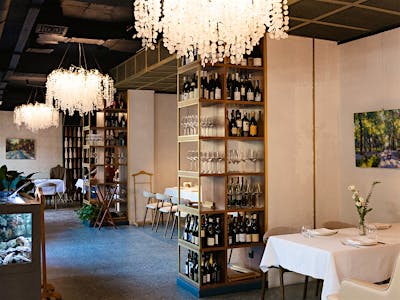
Soft lighting, live wood finishes, and ethnic techno/downtempo create a cozy yet party-vibe atmosphere in a stylish historic setting.