The Veil



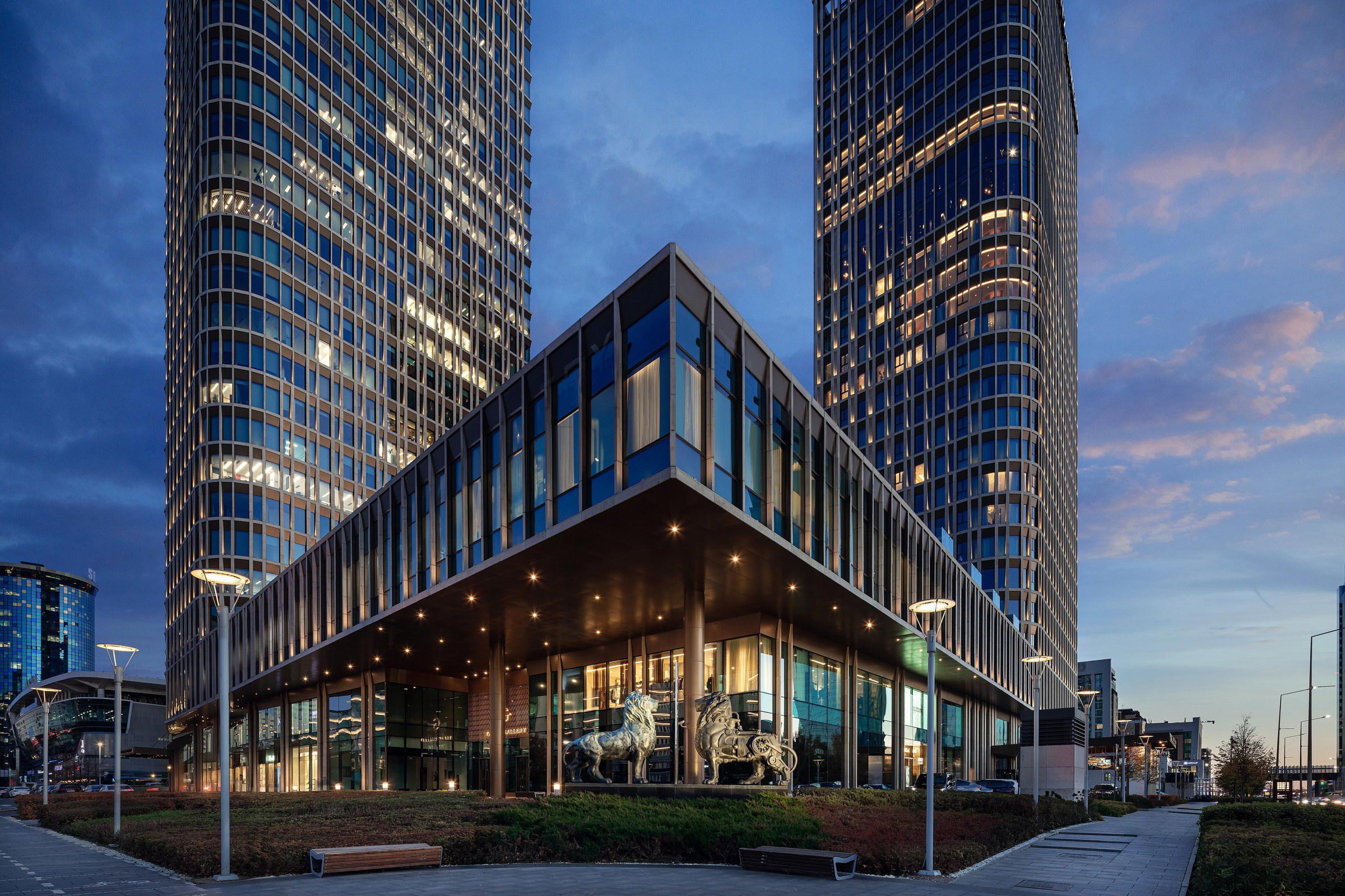
Featured in the Tatler Best Hotels Asia-Pacific 2025 list under the boutique category, The Veil occupies a striking address on Qadyrghali Zhalayyri Street in central Astana. The property sits among the Kazakh capital's most architecturally ambitious new hotels, positioning itself as a design-led alternative to the international chain options that dominate the city's upper tier.
Pearl is the En Primeur Club membership app — saves, bookings, and concierge access live there. Same editors, same standards.
- Address
- Qadyrghali Zhalayyri St 4, Astana 010010
- Phone
- +7 7172 79 77 67
- Website
- theveil.kz
- Directions
- Get directions
 Saves & bookings on Pearl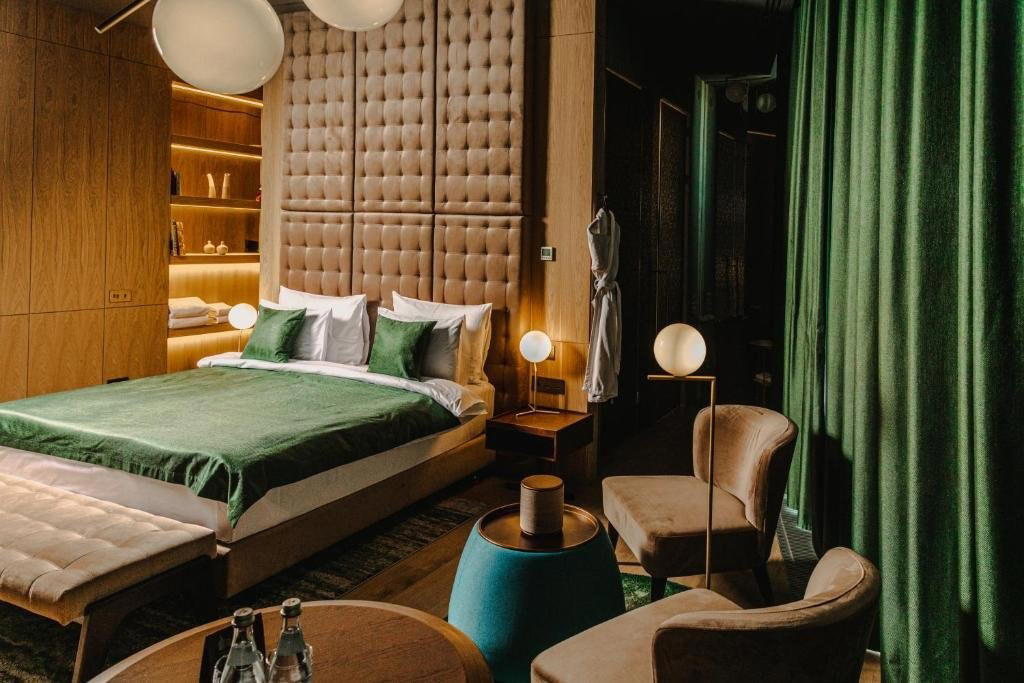
A Capital in Formation, and a Hotel Built for That Moment
Astana is an unusual city to read architecturally. Built largely from scratch since becoming Kazakhstan's capital in 1997, it presents a skyline of deliberate ambition: Norman Foster's pyramid concert hall, the Baiterek tower, the Khan Shatyr entertainment centre. The built environment is the civic statement. For hotels entering this context, the question is always whether the property can hold its own against the city's self-consciously monumental character or whether it defaults to the international chain formula that elsewhere buffers against local specificity.
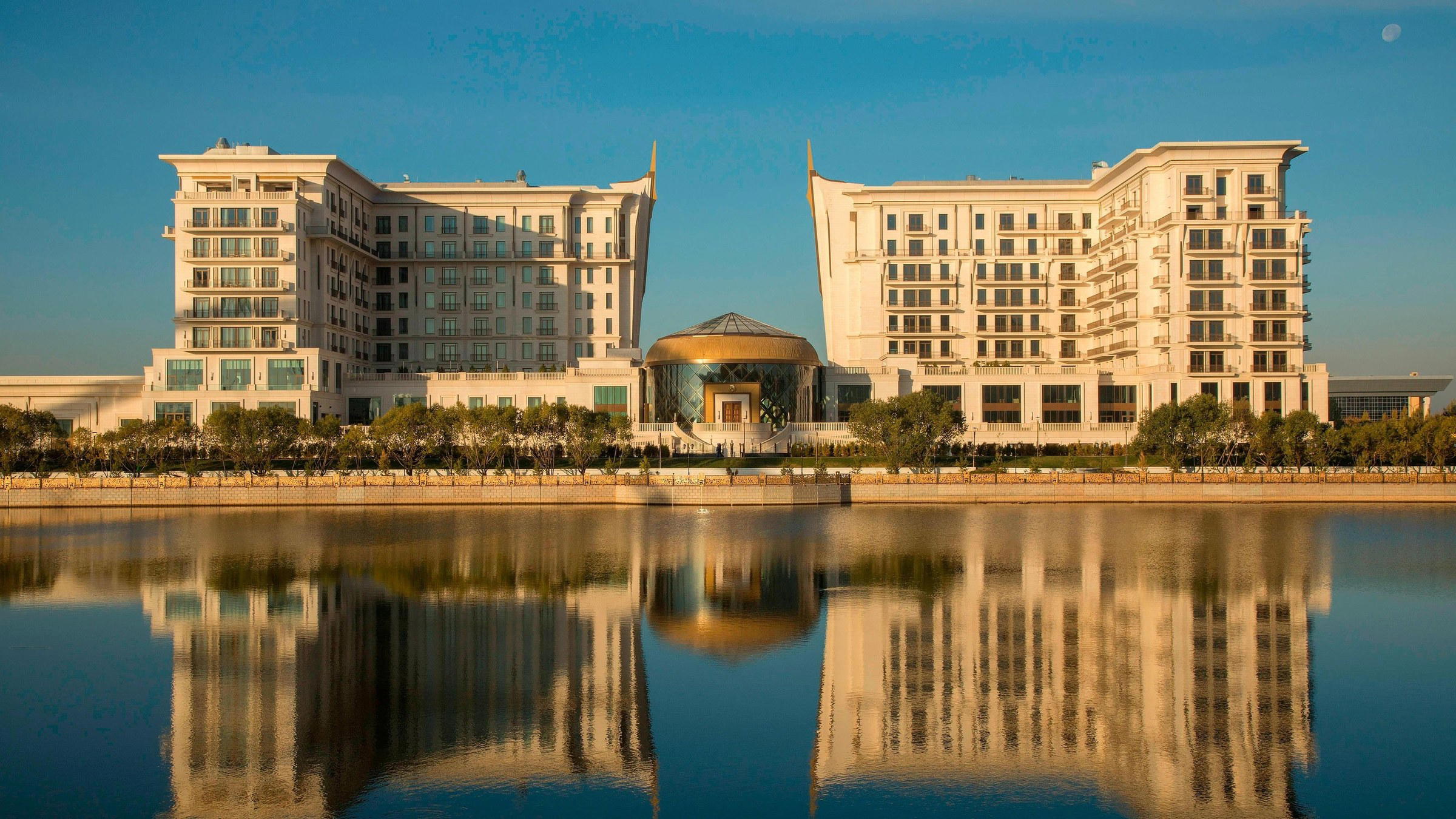
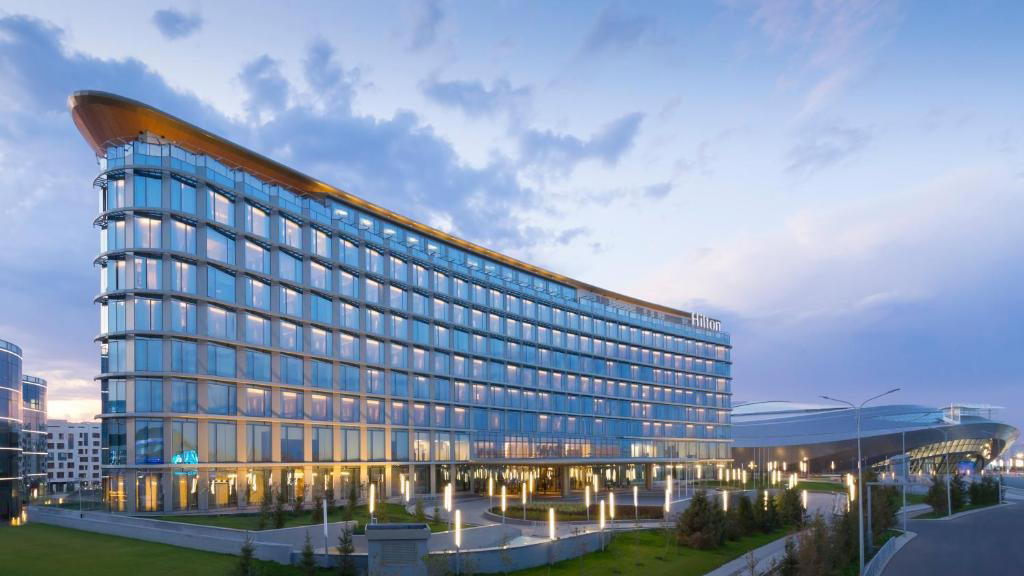
The Veil, a 5-star hotel at Qadyrghali Zhalayyri St 4 in Astana, takes the former position. Its inclusion in the Tatler Leading Hotels Asia-Pacific 2025 list, specifically within the boutique hotel taxonomy, signals something deliberate about its positioning: this is not a property competing in the same bracket as the flagship international flags, but operating as a design-led alternative within a city where such alternatives are still relatively scarce. For context, Astana's upper-tier accommodation market is otherwise occupied by addresses like The Ritz-Carlton, Astana, The St. Regis Astana, and Hilton Astana, all of which operate with the brand infrastructure and standardised service culture that those flags demand. The Veil's boutique classification is consequential: it implies a different set of priorities around design specificity, spatial character, and the texture of the guest experience.
What the Address Provides
Location in Astana functions differently than in most capitals. Because the city's central district was planned rather than organically accumulated, proximity to major landmarks is a function of urban design rather than historical accident. The Qadyrghali Zhalayyri Street address places The Veil in Astana's administrative and commercial core, the zone where particularly deliberate architectural ambition concentrates. That has practical value: the city's primary cultural venues, government quarter, and the Nurzhol Boulevard pedestrian axis are reachable without crossing the kind of Soviet-era fringe territory that still characterises parts of the outer ring.
For guests arriving from international connections through Nursultan Nazarbayev International Airport, the central position means a shorter transfer into the operational heart of the city. Business travellers whose schedules revolve around the ministries and the EXPO 2017 site, which now functions as a convention and exhibition complex, will find the address geographically coherent with those commitments. Leisure visitors benefit from the same concentration of landmarks. The location does not need to compensate for what surrounds it; the surroundings are, at least in urban planning terms, among the more considered in Central Asia.
Design as Argument
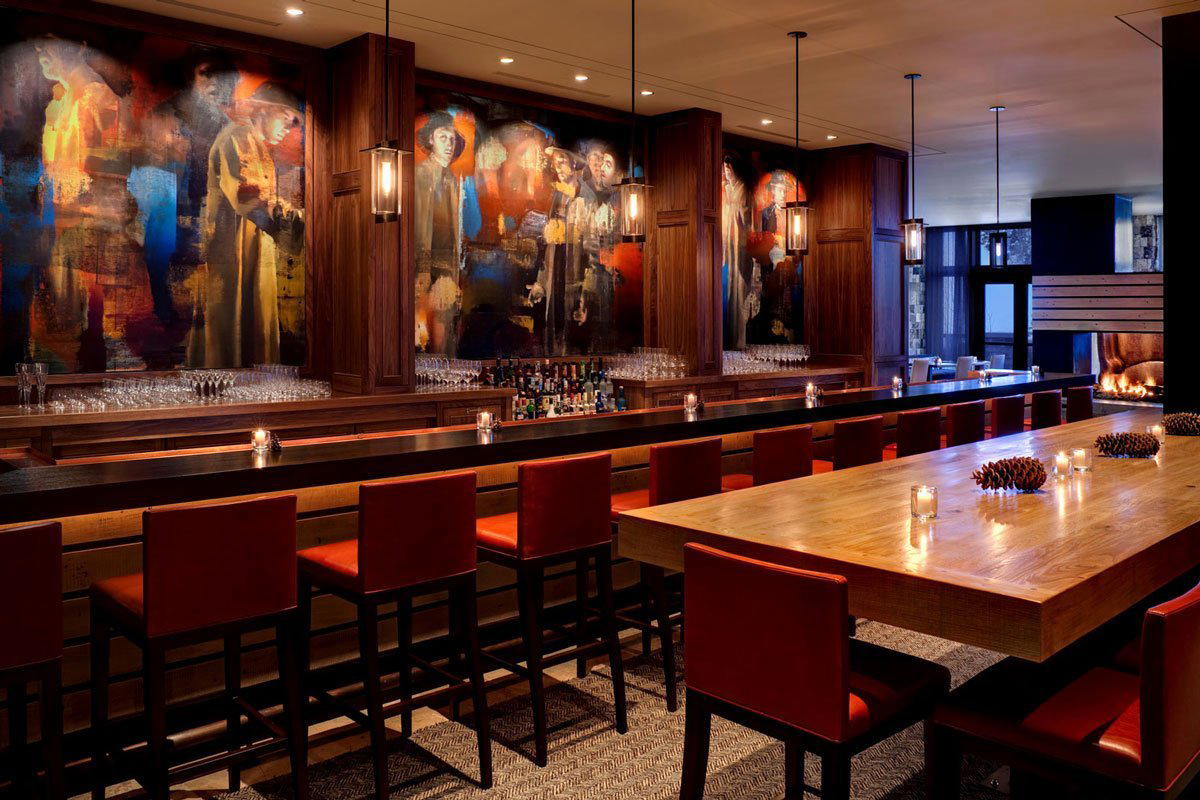
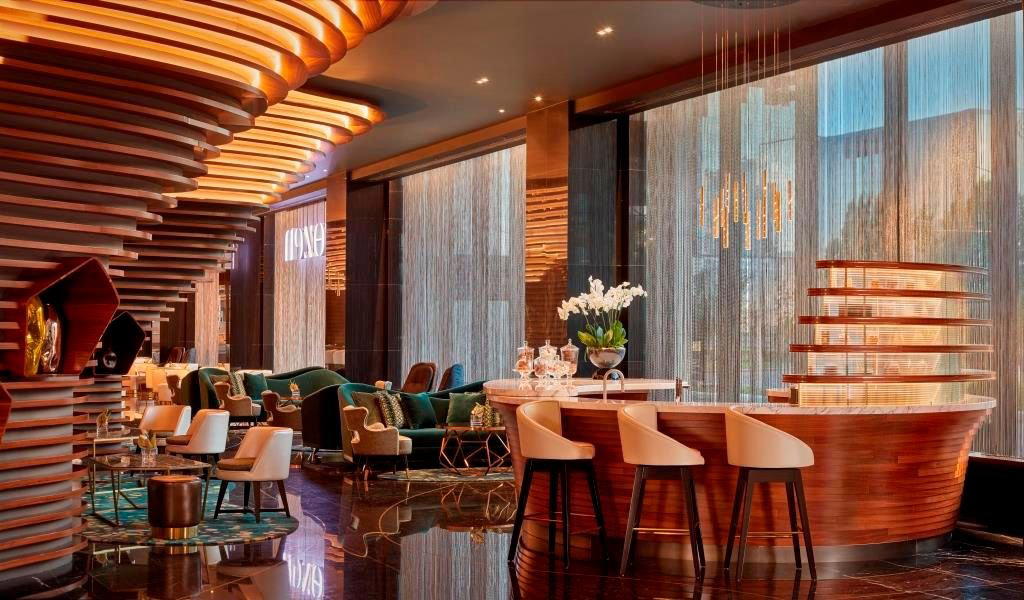
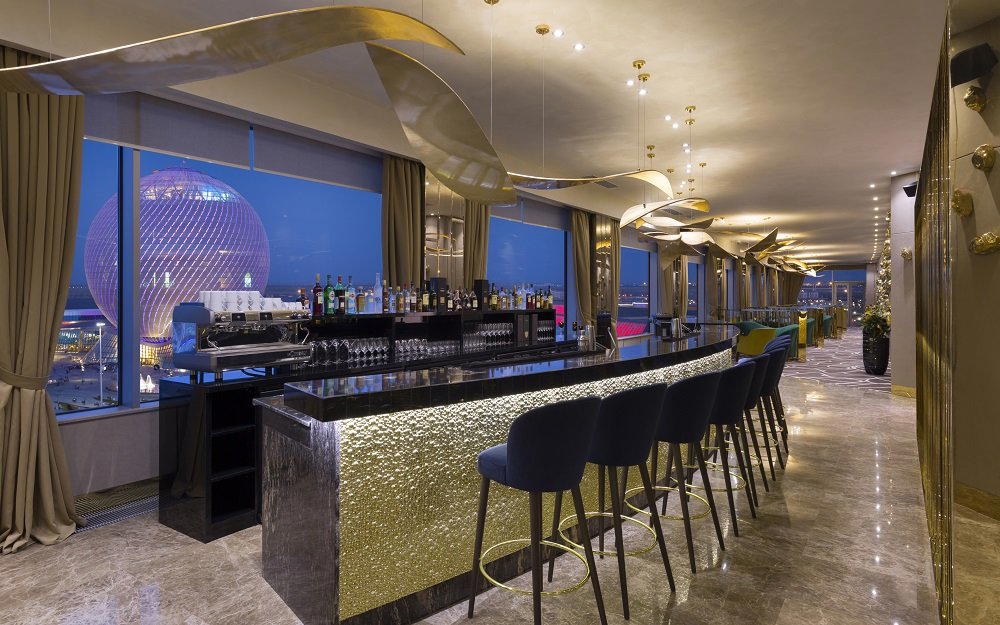
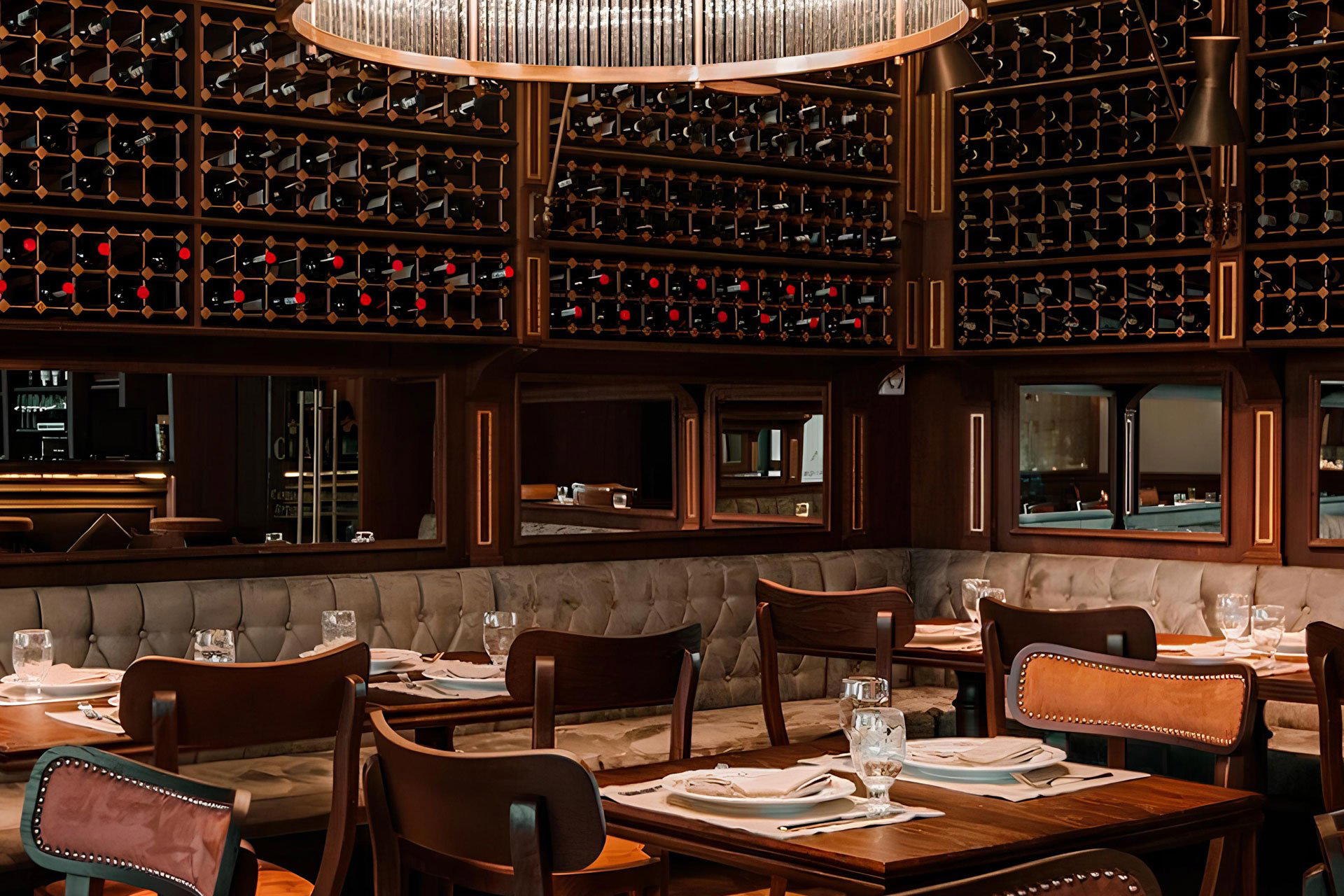
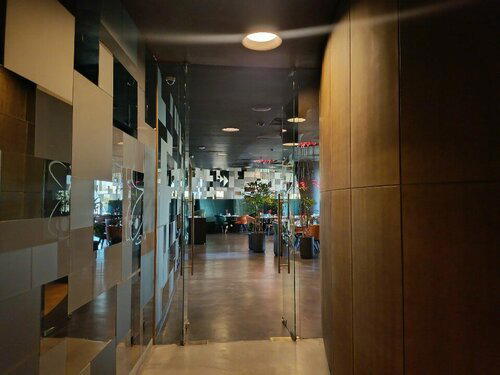
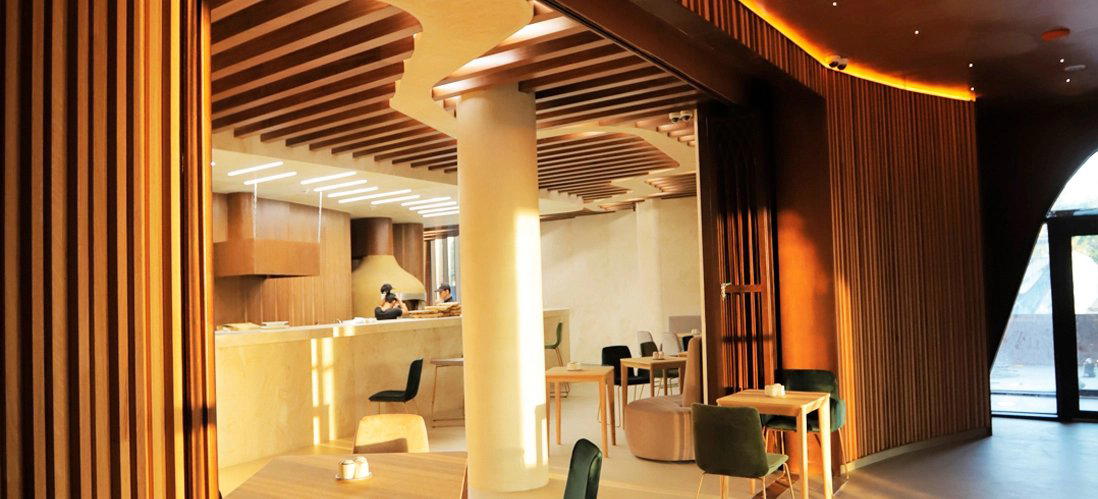
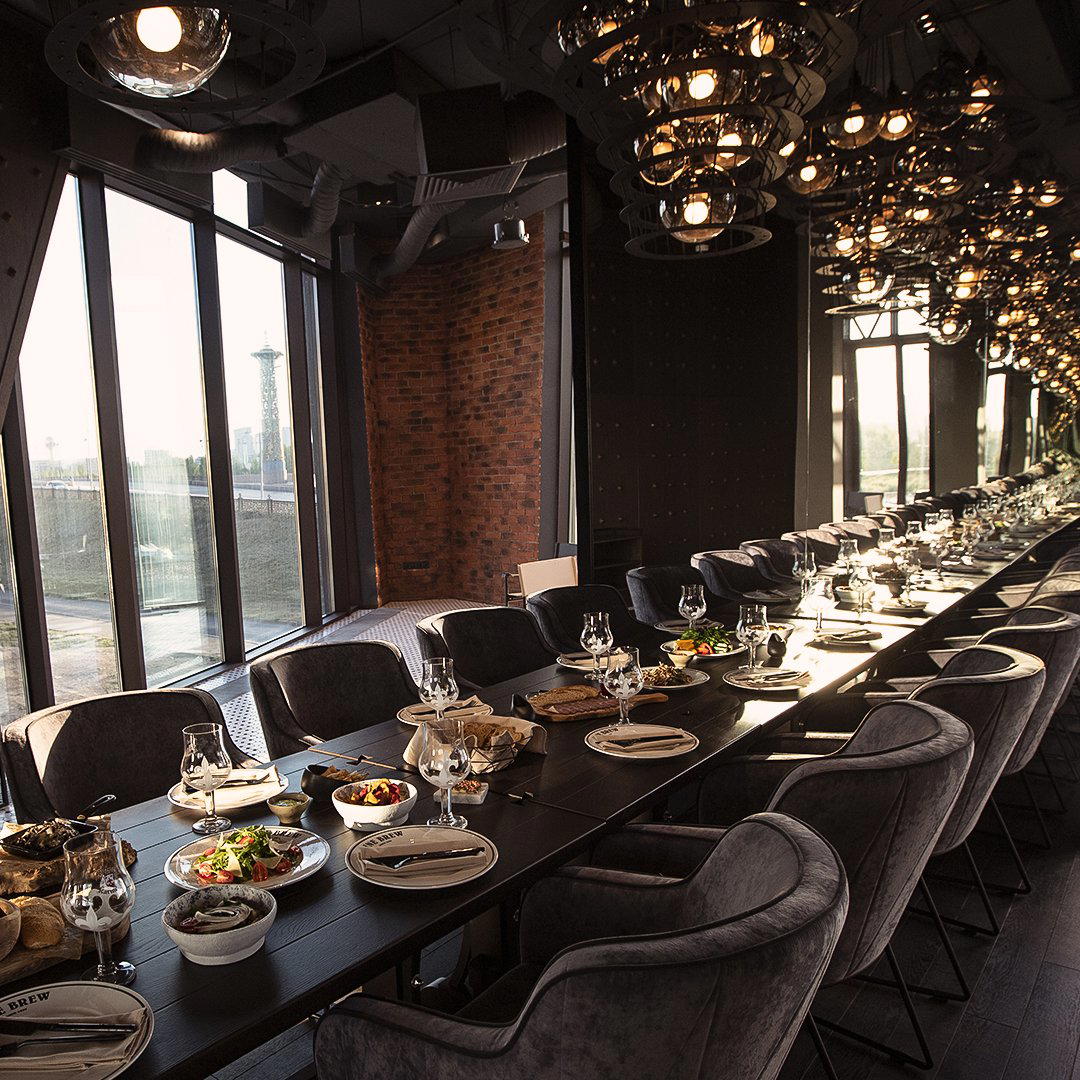
Boutique hotel classification in the Asia-Pacific context, as Tatler applies it, tends to reward properties where design is structural to the identity rather than decorative. The hotel's futuristic interior design language, referenced in available documentation, is consistent with the broader visual culture Astana cultivates at a civic level. This is a city that uses architecture as policy, and a hotel that mirrors that ambition in its interiors is operating in legible dialogue with the place rather than against it.
That approach has a clear peer comparison point. In global boutique terms, properties like Hotel Esencia in Tulum or Castello di Reschio in Lisciano Niccone anchor their identity in a singular design vision rather than brand standards. Aman Venice and Amangiri in Canyon Point operate on similar principles at the high end of the boutique spectrum. What unites these properties is the coherence between the physical space and the place it occupies. The hotel appears to be making a comparable wager: that Astana's architectural ambition is a context worth engaging rather than insulating guests from.
The Dining Dimension
Available information references eclectic cuisine as part of what the hotel offers, placing the food program within the hotel's broader identity rather than treating it as a standalone operation. In cities where hotel dining is often the default because the independent restaurant scene is still developing, this matters. Astana's independent dining options have grown substantially since the city's designation as capital, but the hotel restaurant remains a primary venue for many visitors, particularly international guests navigating an unfamiliar market. A hotel that treats its food program as evidence of its character rather than a compliance obligation operates at a different level from those that simply meet a breakfast requirement. For a fuller picture of where to eat across the city, our full Astana restaurants guide covers the independent scene in detail.
Planning a Stay
The hotel recommends reservations. Within Astana itself, the decision between the hotel and the major international flags at The Ritz-Carlton or The St. Regis largely comes down to whether a guest prioritises brand-system reliability or design-led specificity. The Tatler recognition confirms the hotel has earned standing in the latter category at a regional level.
The hotel is not claiming equivalence with those properties, but the classification places it in a tradition of design-led hotel-making that those names represent at their respective scales.
The Essentials
Comparable venues nearby, for context on price, style, and recognition.
| Venue | Price | Notes |
|---|---|---|
| The VeilThis venue — the venue you are viewing | $$$$ | Not listed |
| Hilton Astana | $$$$ | Yesil District, Modern luxury hotel with extensive conference facilities |
| The St. Regis Astana | $$$$ | Astana Business District, Well-known Kazakh elegance blending traditional art with modern grandeur |
| The Ritz-Carlton, Astana | $$$$ | Central Business District, Contemporary luxury hotel blending modern Astana spirit with Ritz-Carlton legacy. |
| The Ritz-Carlton, Almaty | $$$$ | Central Almaty, Five-star luxury urban hotel with panoramic views and refined elegance. |
| Tenir Eco Hotel, Shymbulak Mountain Resort | $$$ | Medeu District, Modern eco-lodge designed for mountain immersion with minimalist comfort and sustainability focus |
Recognition history
Dated appearances from independent guides and award organizations, with the underlying list record or original source where available.
Michelin Selected
Michelin
Small Luxury Hotels of the World Member
Small Luxury Hotels of the World
Tatler Listed in Best Hotels Asia-Pacific
Tatler

At a Glance
- Modern
- Elegant
- Sophisticated
- Trendy
- Business Trip
- Romantic Getaway
- Weekend Escape
- Panoramic View
- Rooftop Pool
- Wi Fi
- Pool
- Spa
- Sauna
- Room Service
- Concierge
- Restaurant
- Fitness Center
- Skyline
- Wi Fi
- Pool
- Spa
- Sauna
- Room Service
- Concierge
- Restaurant
- Fitness Center
Soft lighting and wood paneling create a warm, cocooning atmosphere amidst artistic and futuristic interiors.