AUYL



At 1,700 metres above Almaty, AUYL occupies a relocated Soviet-era yurt at the foothills of the Tian Shan mountains, framing a menu of water, flour, and fire-cooked meat with one of Central Asia's most considered sustainable wine lists. Ranked No. 1 by Star Wine List in 2026, it places nomadic Kazakh culinary tradition inside a format serious enough to hold its own against the city's most ambitious dining rooms.
Pearl is the En Primeur Club membership app — saves, bookings, and concierge access live there. Same editors, same standards.
- Address
- улица Керей-Жанибек хандар 586, Almaty 050020, Kazakhstan
- Phone
- +7 705 586 7711
- Website
- abr.kz
- Directions
- Get directions
 Saves & bookings on Pearl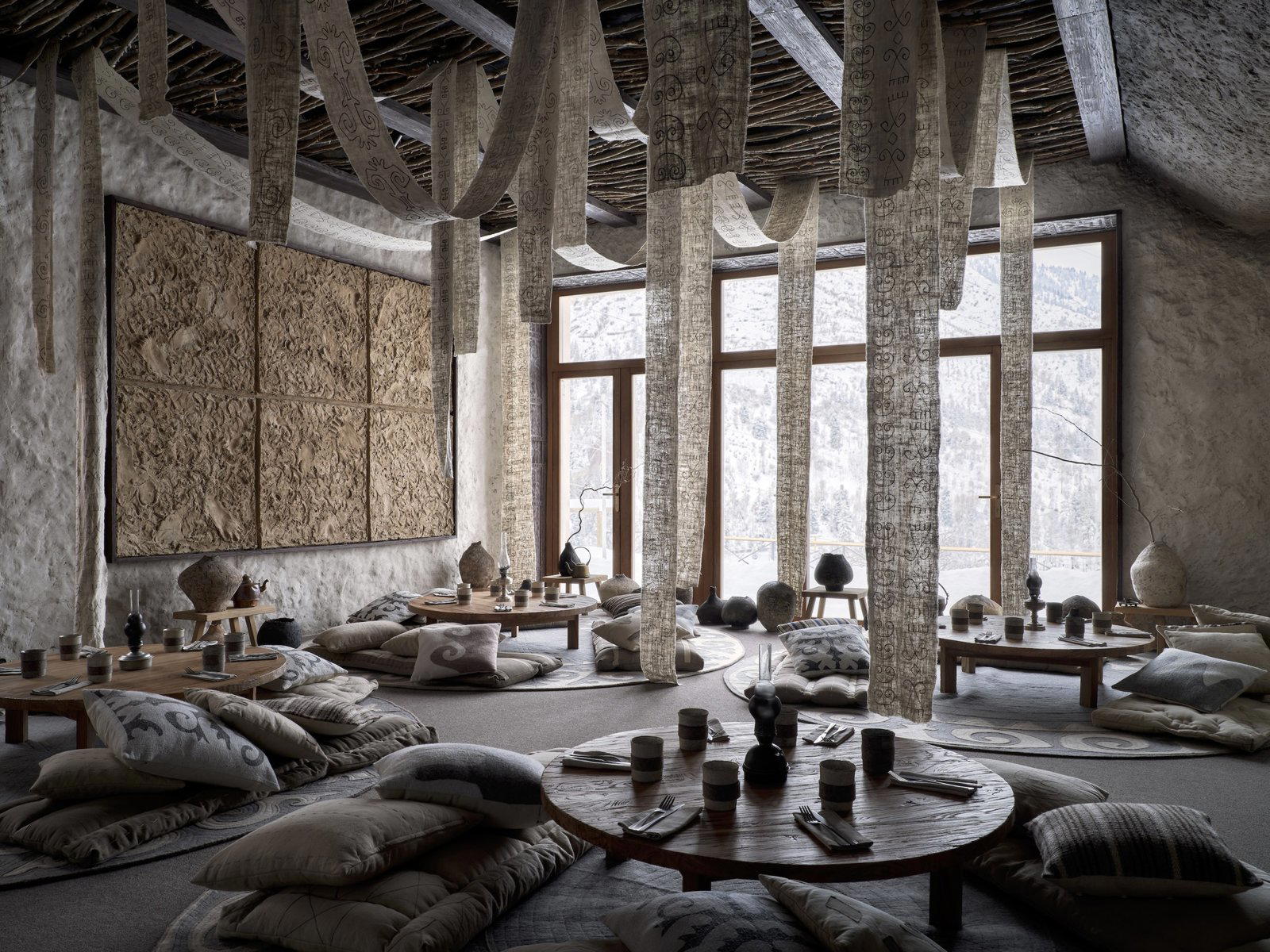
Fire, Elevation, and the Architecture of the Steppes
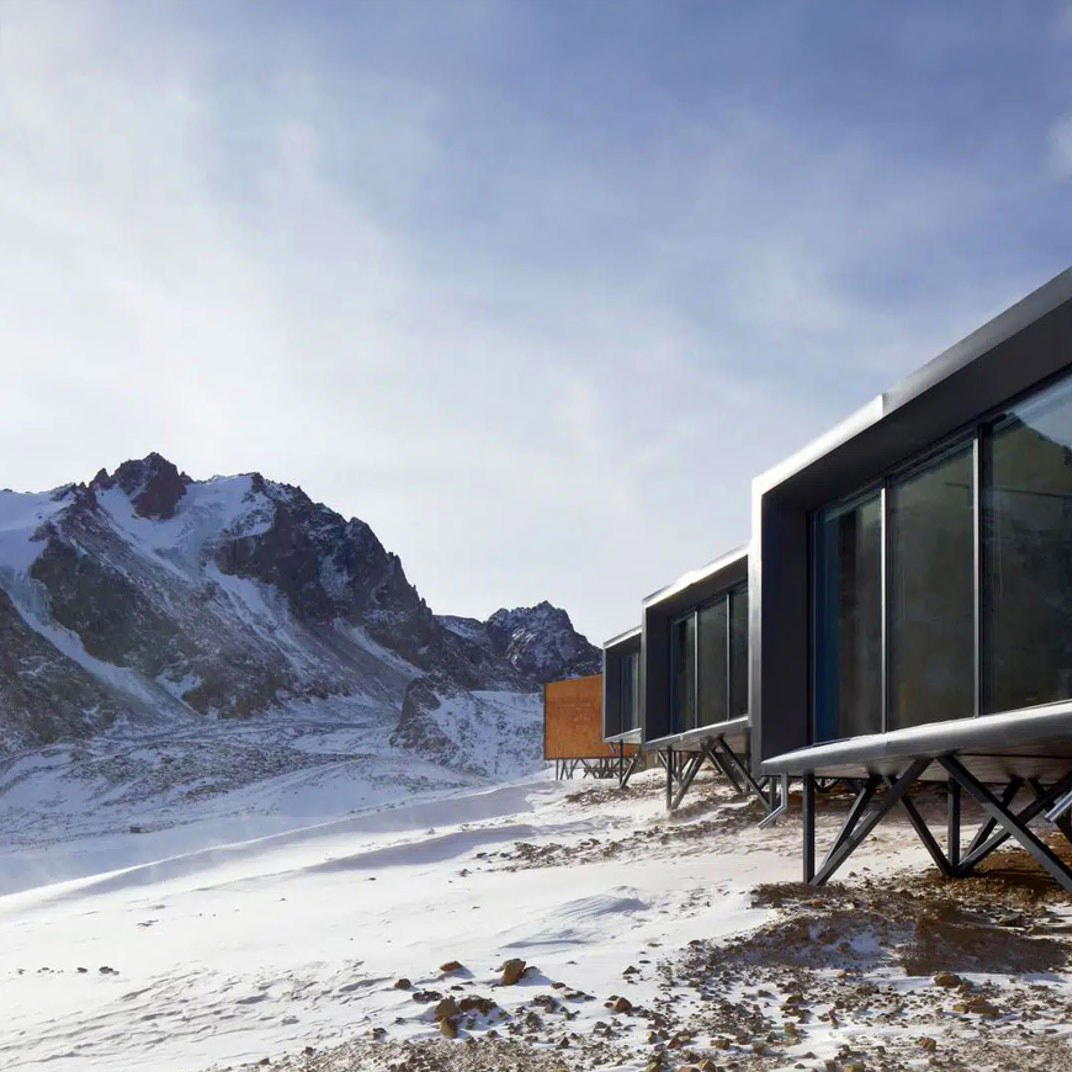
The drive out of Almaty takes around thirty minutes by car, climbing away from the city's grid of Soviet boulevards and contemporary commercial sprawl until the Tian Shan foothills begin to close in. AUYL is a Neo-Nomad Central Asian restaurant in Almaty, with a recommended reservation policy and smart casual dress code. At over 1,700 metres of elevation, the air changes before the building comes into view. What greets you is not a restaurant in the conventional urban sense but a relocated Soviet-era yurt, repurposed and expanded into a network of intimate spaces that feels simultaneously archaeological and contemporary. The structure itself is the first editorial statement: Kazakh nomadic architecture, historically portable and communal, fixed to a mountainside and made permanent without losing the circularity that defines its original form.
This is the context in which AUYL operates. It belongs to a category of dining that Central Asia is only beginning to produce: projects that treat nomadic food culture not as heritage decoration but as a serious culinary framework. Where venues like Казах Аул - Qazaq Auyl and Огонёк - Ogonek present Kazakh and Kazakh-European cuisine within the city itself, AUYL relocates the experience entirely, using distance and elevation as part of the proposition. The thirty-minute journey becomes a threshold crossing rather than a commute.
The Culinary Logic of the Qazan, Mangal, and Tandoor
The meal at AUYL is built around three cooking implements: the qazan (a cast-iron cauldron common across Central and South Asia), the mangal (an open-fire grill used from the Caucasus to the Kazakh steppe), and the tandoor (a clay oven with roots stretching from the Indian subcontinent to the Silk Road). These are not aesthetic props. Each instrument shapes the texture and character of what it produces, and the menu at AUYL is constructed to respect those distinctions rather than flatten them into a generic "fire cooking" category.
The foundational ingredients are water, flour, and meat: the trilogy that sustained nomadic Kazakh life across centuries of movement through terrain where refrigeration, agriculture, and urban supply chains were irrelevant concepts. That reduction is not poverty of imagination. It is disciplined constraint, the same logic that makes a French bouillon or a Japanese dashi compelling precisely because the cook has nowhere to hide. When the primary flavour carrier is slow-cooked meat and the textural anchor is handmade dough, technique becomes legible in every bite in a way that fourteen-component plated dishes rarely allow.
For comparison, consider how restaurants like Aponiente in El Puerto de Santa María have built acclaimed tasting menus around a single hyper-focused ingredient category. The editorial ambition at AUYL is analogous: total commitment to a culinary vernacular, treated with the rigour of fine dining rather than the informality of casual ethnic restaurants. Abay & Inzhu in Almaty works within a related tradition, but AUYL's mountain remove and fire-centred format place it in a different register.
The Wine List That Won the Argument
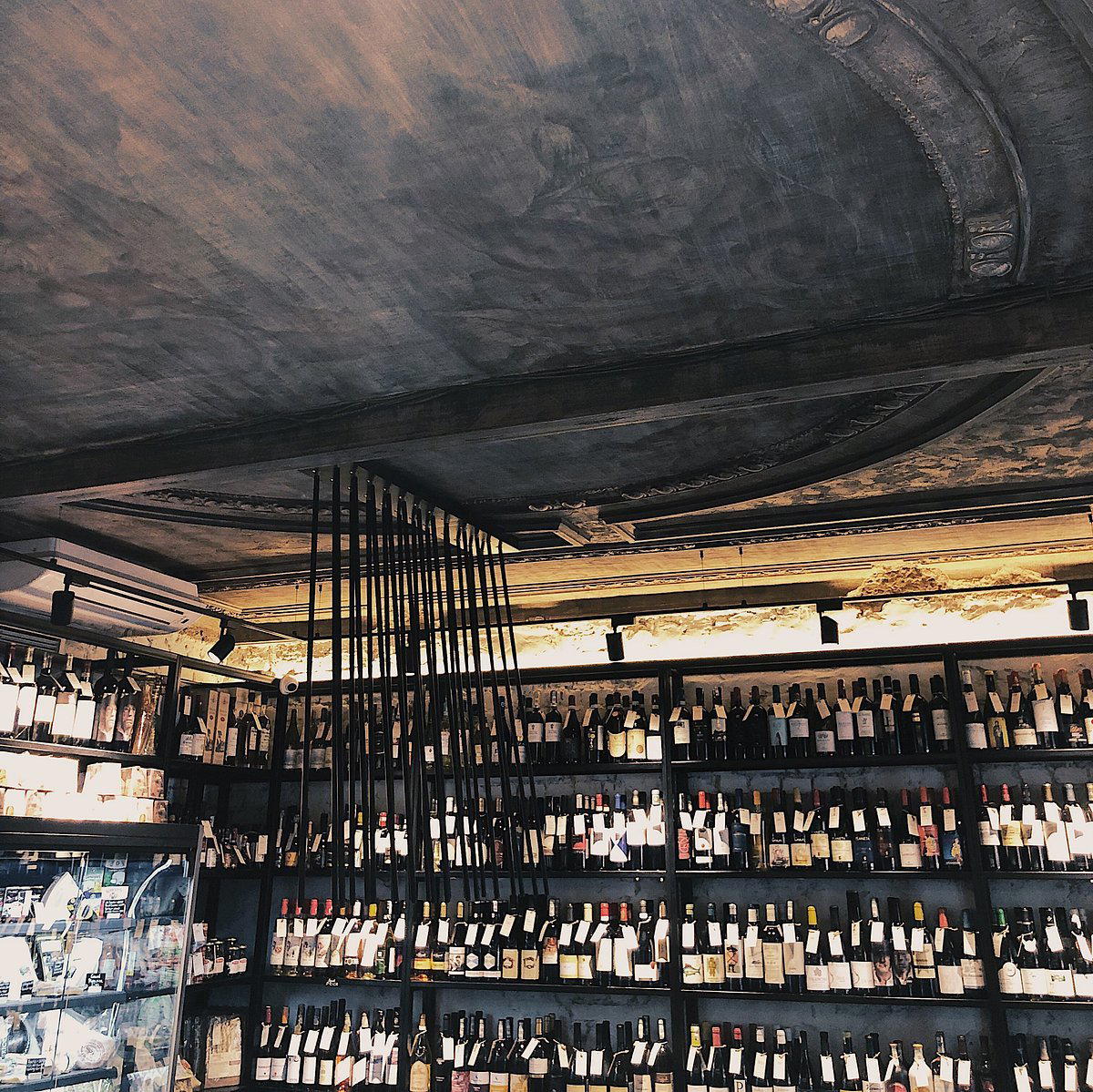
In 2026, Star Wine List ranked AUYL No. 1 in its category, a recognition that places the restaurant's beverage program on the same critical radar as venues associated with far older wine cultures. That ranking matters for a reason beyond prestige signalling: it confirms that the sommelier at AUYL is operating with a framework coherent enough to compete internationally, not simply curating bottles that pair loosely with steppe cuisine.
The list is described as bold and sustainable, two terms that in the wine world carry specific weight. Bold suggests a willingness to include producers outside consensus-approved regions and grape varieties. Sustainable points to a procurement philosophy that extends beyond the cellar, aligning with the outdoor, fire-based, material-conscious ethos of the project as a whole. For a restaurant at this elevation, sourcing a wine list with international critical credibility requires active curation rather than passive ordering from a distributor catalogue. The result is a program that functions as a genuine counterpart to the food rather than an afterthought.
Restaurants that have earned comparable wine recognition at altitude or in geographically remote settings include Lazy Bear in San Francisco, where the beverage program is treated as co-equal to the kitchen's output. The parallel is not well-suited, but the structural point holds: when a wine list earns independent recognition at a venue defined by its distance from conventional hospitality infrastructure, it signals a level of intentionality that separates serious projects from atmospheric ones.
Neo-Nomad as Design Discipline
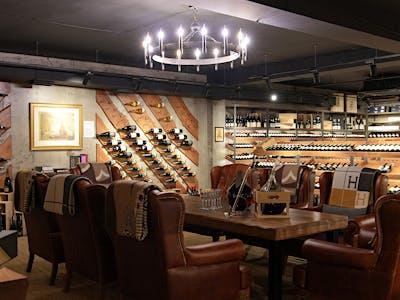
The phrase used to describe AUYL's concept is "neo nomad," and the specifics justify the label: handmade furniture, textiles, and decor sourced and assembled to choreograph mood rather than fill space. This is interior design as editorial argument. In the context of Kazakh material culture, where textiles (shyrdak felts, tus kiiz wall hangings) carry symbolic and social meaning, the choice to foreground handmade craft inside a yurt structure is not simply decorative. It positions the venue within a lineage of Kazakh domestic aesthetics that predates the Soviet period and survived it.
The open kitchen is integrated into the spatial sequence rather than hidden behind a wall, allowing the fire cooking to participate in the atmosphere directly. Smoke, heat, and the sound of meat on metal are part of the dining room's sensory register. This is consistent with the broader shift in premium dining away from the French service model's physical separation of kitchen and table, a trend visible at venues from Alinea in Chicago to Louis XV in Monte Carlo, though at AUYL the rationale is specifically cultural rather than theatrical.
Placing AUYL in the Almaty Dining Hierarchy
Almaty's dining scene has expanded significantly over the past decade, with the city now hosting a range from neighbourhood canteens to tasting-menu formats targeting international visitors and the city's own professional class. Within that range, AUYL occupies a position defined by its remove from the city centre, its fire-cooking specialism, and its externally validated wine program. It does not compete with Almaty's urban restaurants on convenience. It competes on experience architecture: the thirty-minute drive, the elevation, the yurt, the fire.
For broader Central Asian context, Qazaq Gourmet in Astana represents a comparable ambition to reframe Kazakh cuisine at the formal end of the market, though in a different urban register. Internationally, the closest structural analogies are restaurants like Emeril's in New Orleans or 8½ Otto e Mezzo Bombana in Hong Kong, where a distinct culinary identity is presented with enough formal rigour to attract cross-cultural critical attention.
Getting to AUYL requires a car, either private or hired; the address at улица Керей-Жанибек хандар 586 places it at the edge of the Tian Shan foothills south of the city. Given the Star Wine List No. 1 ranking in 2026 and the venue's positioning as a destination rather than a neighbourhood drop-in, booking ahead is strongly advisable. The mountain setting means seasonal conditions can affect accessibility, and the outdoor fire cooking format is likely optimised for warmer months, though the specifics of seasonal operation should be confirmed directly with the venue.
A Pricing-First Comparison
Comparable venues nearby, for context on price, style, and recognition.
| Venue | Cuisine | Price | Notes |
|---|---|---|---|
| AUYLThis venue — the venue you are viewing | Medeu, Neo-Nomad Central Asian | $$$ | Not listed |
| Огонёк - Ogonek | Almaly, Smart Comfort Live-Fire | $$$ | Not listed |
| Abay & Inzhu | Not listed | $$$ | Kok-Tobe, Modern European & Mediterranean |
| Spiros | Not listed | $$$ | upper Almaty, Modern Greek Island Cuisine |
| Казах Аул - Qazaq Auyl | Not listed | $$$ | Medeu District, Authentic Kazakh Nomadic Cuisine |
| Lanzhou | Бостандыкский район, Chinese Noodle Bar | $ | Not listed |
Recognition history
Dated appearances from independent guides and award organizations, with the underlying list record or original source where available.
La Liste Top Restaurants
La Liste
Star Wine List
Star Wine List
La Liste Top Restaurants
La Liste
Tatler Listed in Best Restaurants Asia-Pacific
Tatler
At a Glance
- Modern
- Rustic
- Intimate
- Trendy
- Scenic
- Special Occasion
- Date Night
- Group Dining
- Open Kitchen
- Panoramic View
- Historic Building
- Extensive Wine List
- Local Sourcing
- Mountain
Current opening hours
- Monday
- 12 PM–12 AM
- Tuesday
- 12 PM–12 AM
- Wednesday
- 12 PM–12 AM
- Thursday
- 12 PM–12 AM
- Friday
- 12 PM–12 AM
- Saturday
- 11 AM–12 AM
- Sunday
- 11 AM–11 PM
Hours can change for holidays and private events. Last verified .
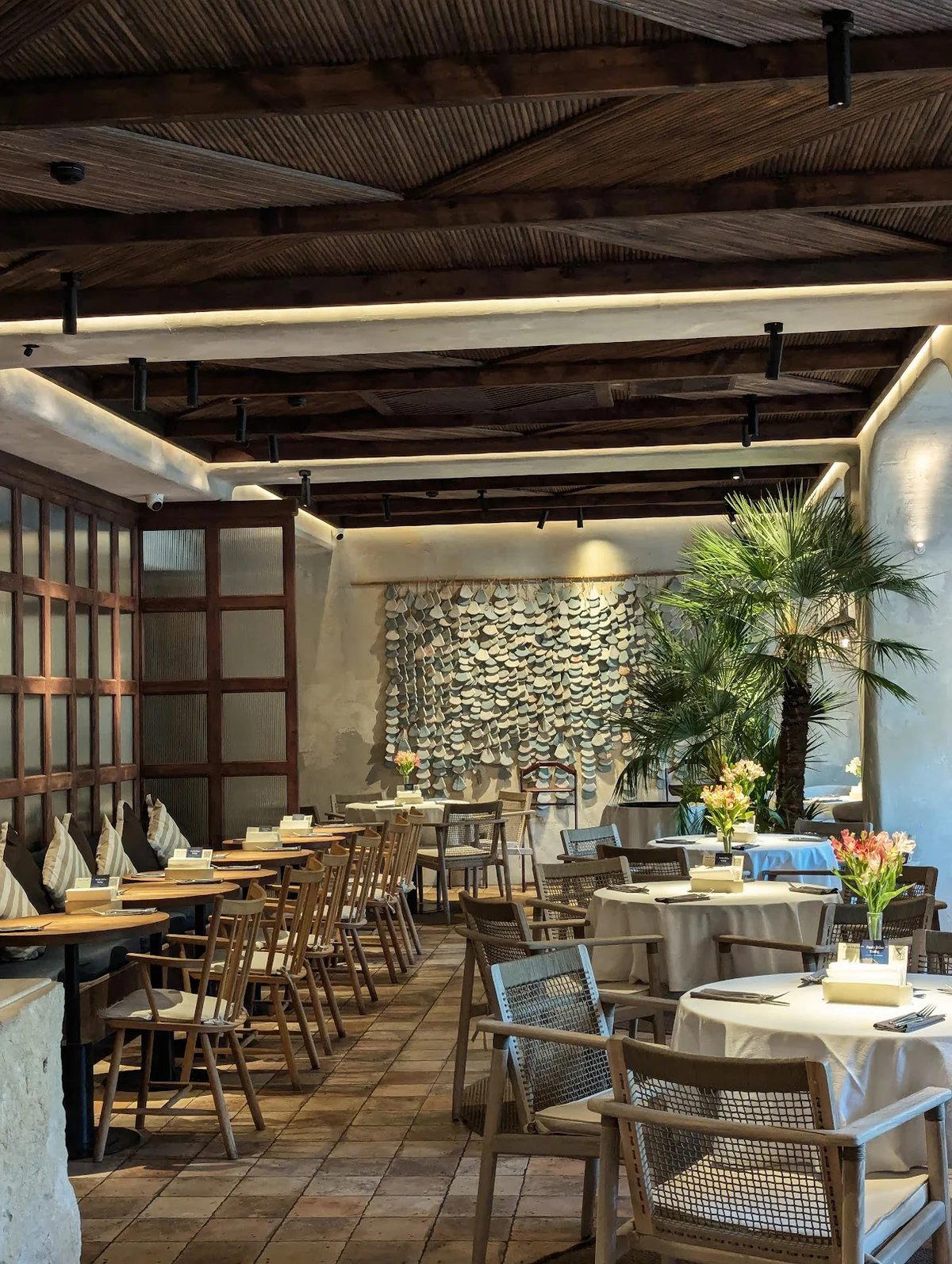
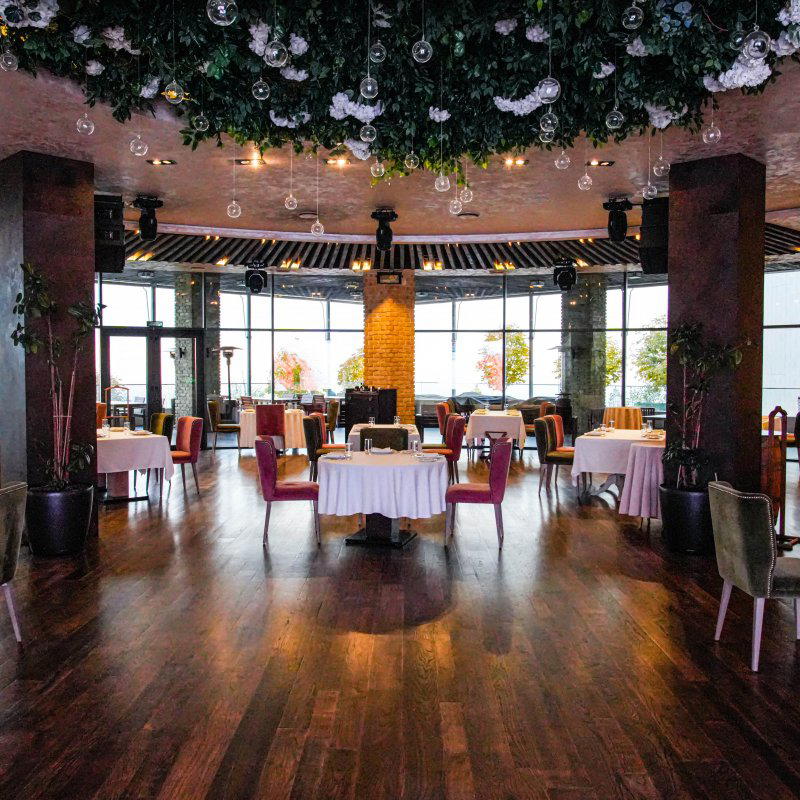
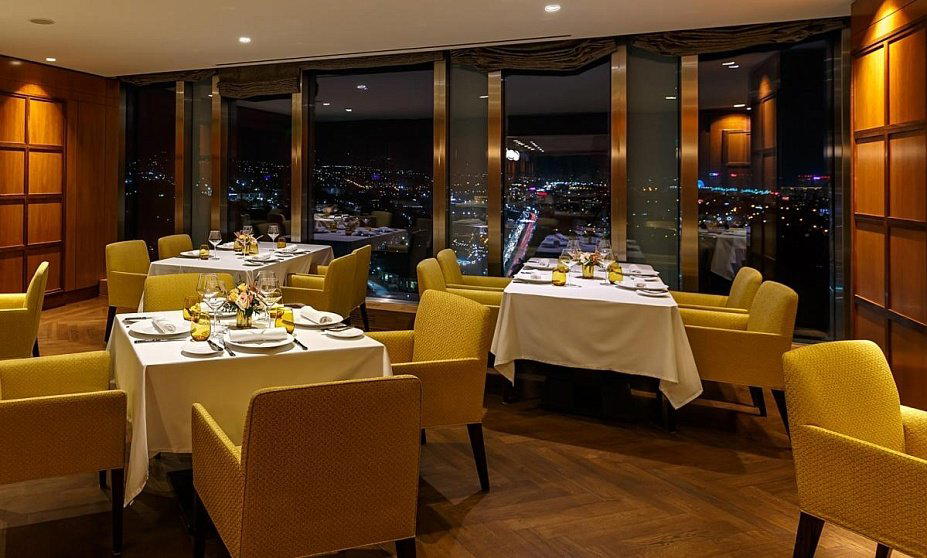
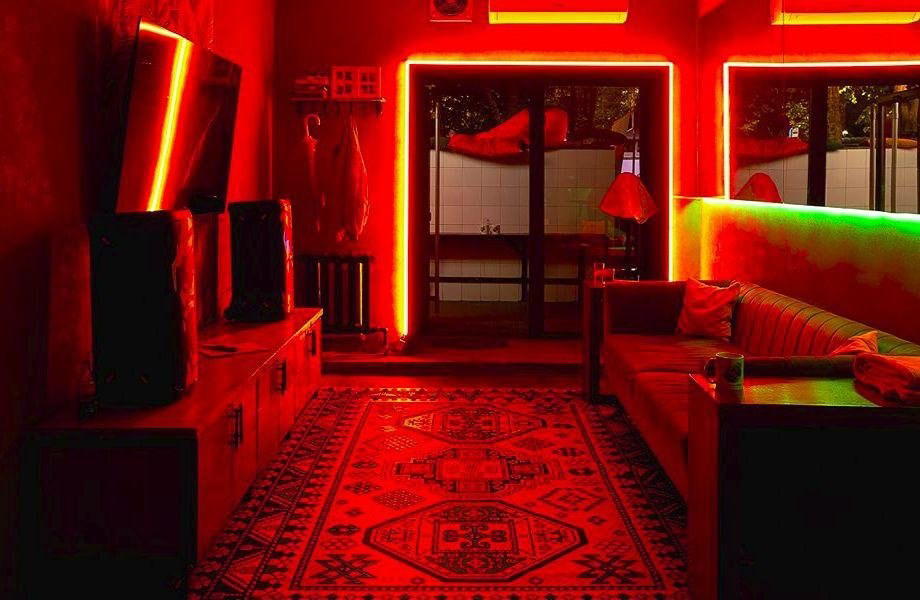
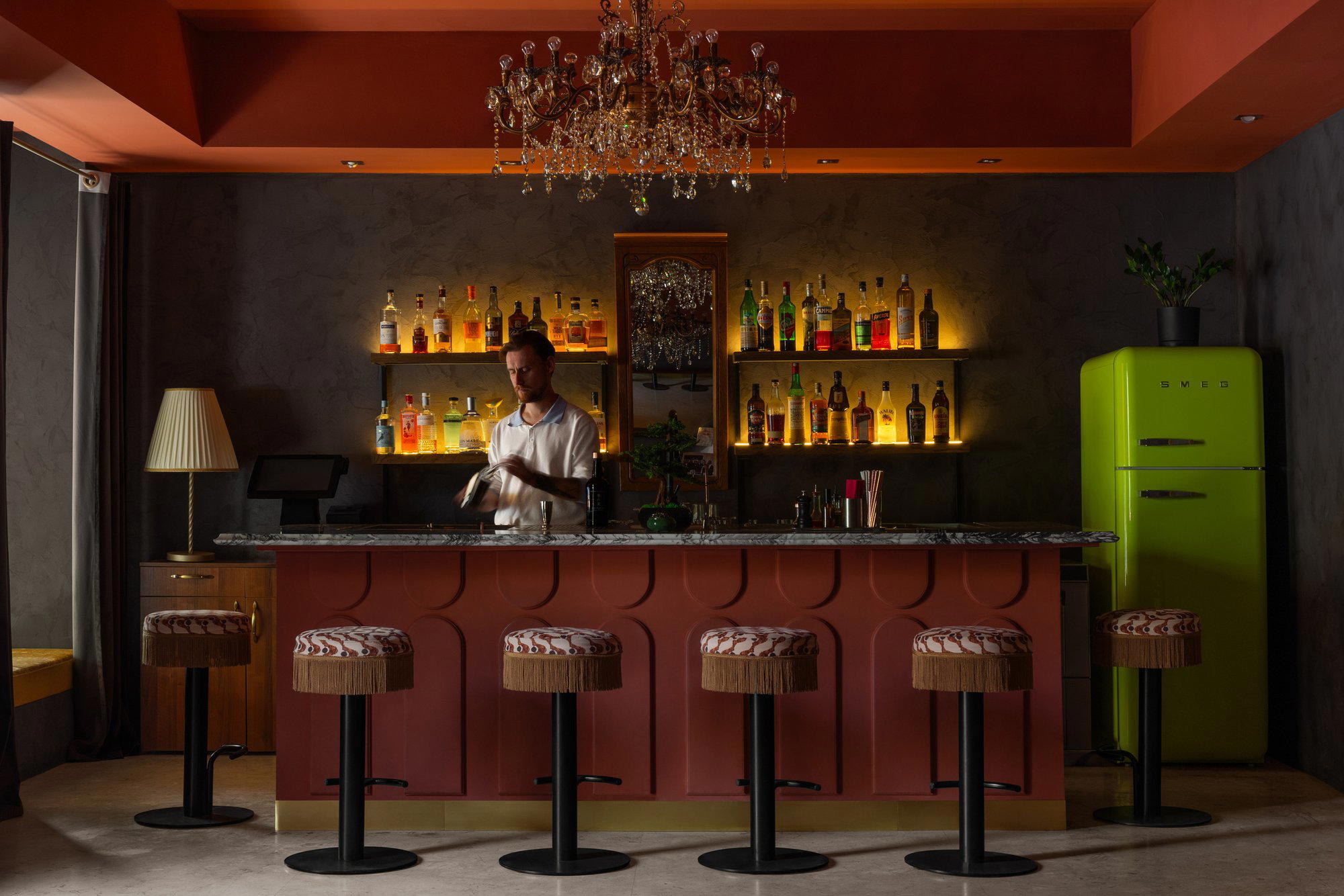
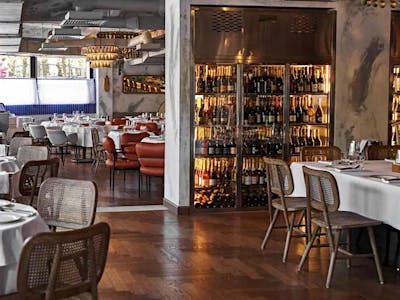
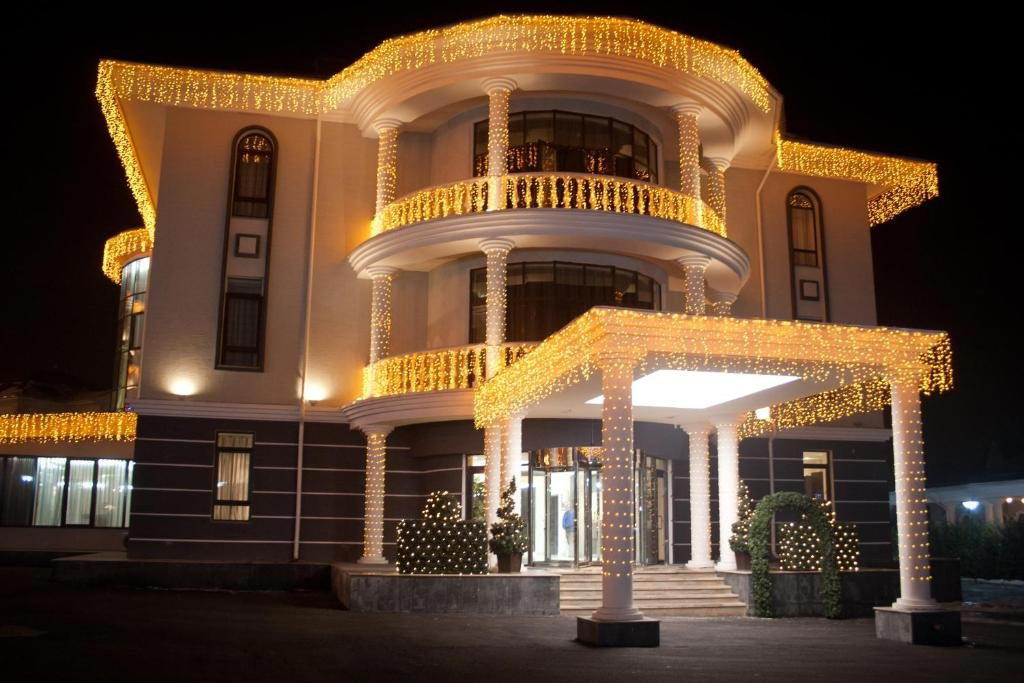
Atmospheric subdued lighting, textured organic interiors with handmade crafts, and panoramic mountain views creating a sensory fusion of nomadic tradition and modern artistry.