The Italian Barrel French Quarter

On Decatur Street in the French Quarter, The Italian Barrel sits at a cross-section that New Orleans has always navigated comfortably: the convergence of Old World technique and Gulf South ingredient culture. The address places it steps from the river, inside one of America's most food-saturated neighbourhoods, where Italian and Creole traditions have overlapped for well over a century.
Pearl is the En Primeur Club membership app — saves, bookings, and concierge access live there. Same editors, same standards.
- Address
- 1240 Decatur St, New Orleans, LA 70116
- Phone
- +1 504 569 0198
- Website
- italianbarrelfq.com
- Directions
- Get directions
 Saves & bookings on Pearl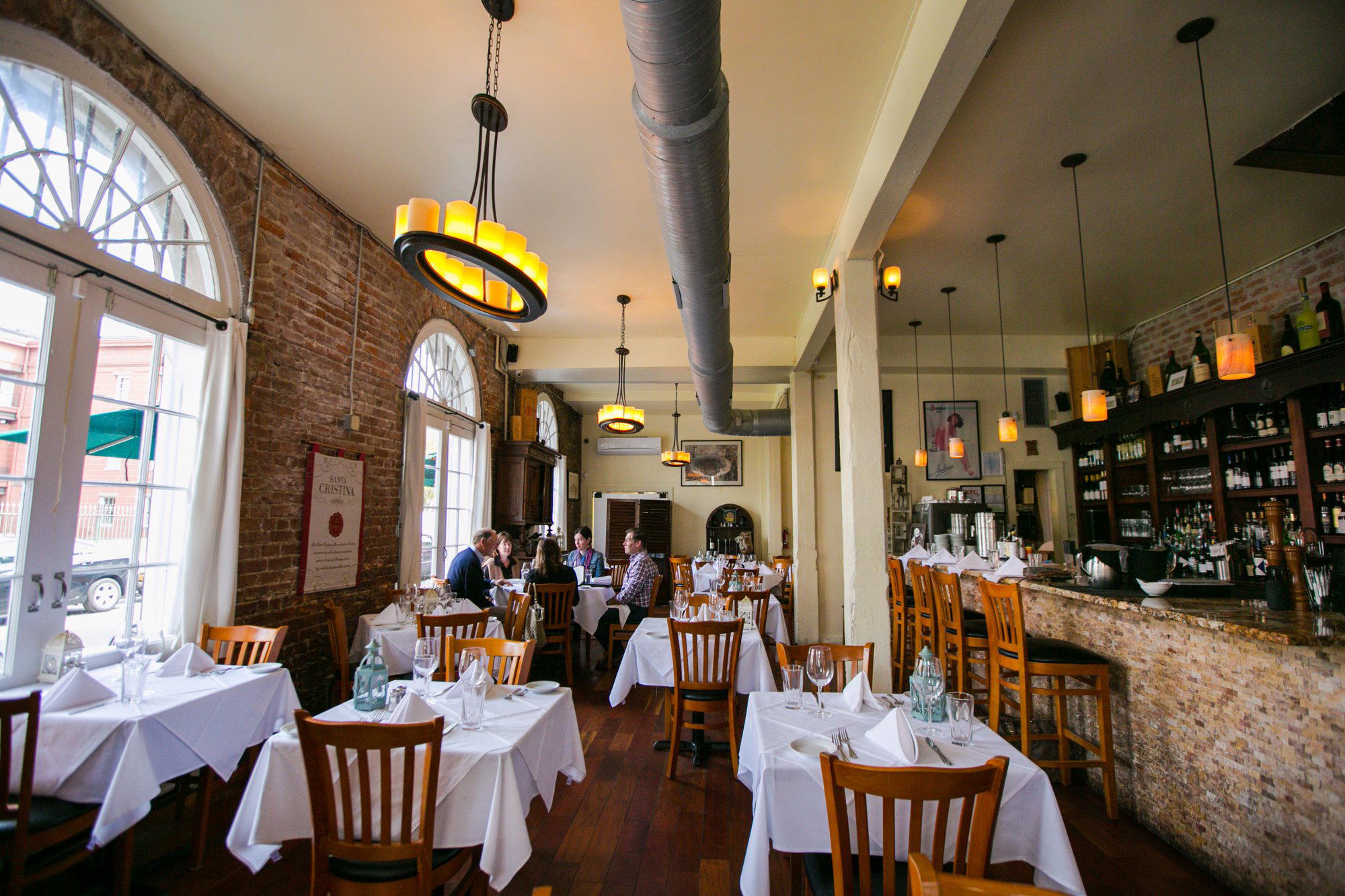
Decatur Street and the Italian Thread Running Through New Orleans
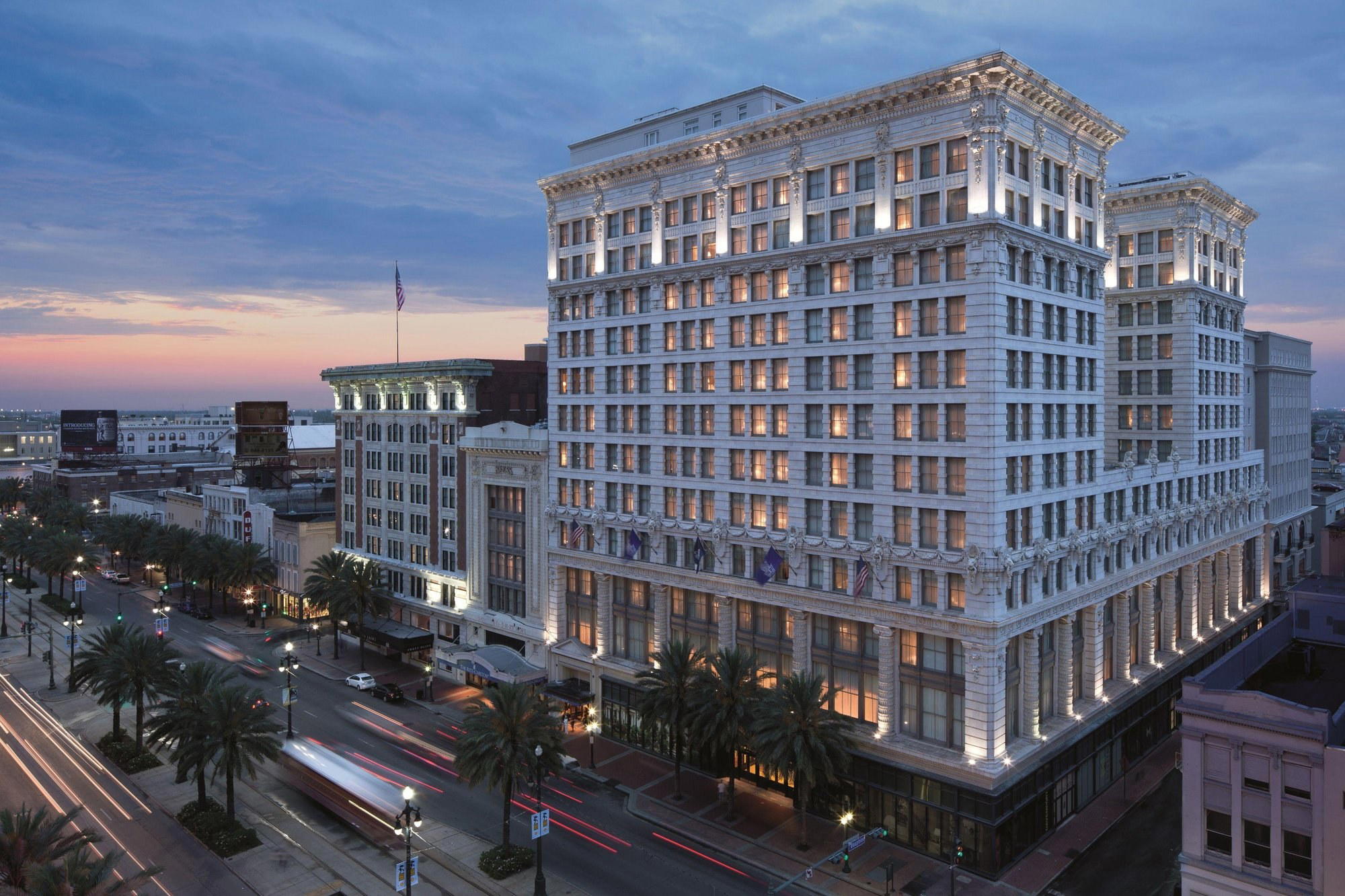
Decatur Street runs parallel to the Mississippi, close enough to the levee that the air carries a faint mineral weight most evenings. The French Quarter block where The Italian Barrel sits is part of a stretch that has housed Italian merchants, Sicilian immigrants, and their descendants since the late nineteenth century. That history is not incidental to the restaurant's address. New Orleans absorbed more Italian immigration than most American cities, and the city's Creole cooking absorbed it too: the tomato-forward red gravies, the braised meats, the emphasis on slow heat and layered fat. The Italian Barrel is a restaurant at 1240 Decatur St in New Orleans' French Quarter, serving Northern Italian fare at a midrange price point.
The city's high-end tier, represented by places like Saint-Germain and Re Santi e Leoni, has moved toward contemporary tasting formats and global technique applied to Louisiana product. A middle tier, anchored by long-standing addresses like Bayona and Emeril's, holds the city's relationship with Creole and Cajun tradition. Italian-American dining in the French Quarter occupies a different lane entirely, less scrutinized by critics, more embedded in the neighbourhood's everyday rhythm.
Local Ingredients, Italian Grammar
The editorial angle that matters most for any Italian restaurant in New Orleans is not authenticity in the Italian sense, but fluency in the Gulf South sense. The region's ingredient pool is notable on its own terms: Gulf shrimp, blue crab, redfish, mirliton, Creole tomatoes in summer, Tasso ham from the Cajun parishes. Italian technique, applied to this larder, produces something that neither pure Italian nor pure Creole cooking arrives at alone. The braised preparations that anchor Southern Italian cooking translate easily to slow-cooked Gulf seafood. Pasta dough made in Louisiana humidity behaves differently from pasta made in Bologna, and kitchens that have been operating on Decatur Street long enough know how to work with that.
This is the culinary model that venues at the intersection of imported method and indigenous product operate within. Across the United States, particularly analytically interesting iterations of this approach appear at places like Single Thread Farm in Healdsburg, where Japanese kaiseki structure meets Northern California agriculture, or Blue Hill at Stone Barns in Tarrytown, where European fine-dining grammar is applied to hyper-local Hudson Valley production. In New Orleans, the premise is less formally articulated but more historically rooted: Italian and Creole traditions have been interoperating in this city for five generations.
Where The Italian Barrel Sits in the French Quarter's Competitive Set
The French Quarter's dining options span a wider price and format range than any other New Orleans neighbourhood. On the fine-dining end, the quarter has addresses that compete nationally. At the neighbourhood and casual end, it has tourist-volume Italian-American spots that operate on throughput. The Italian Barrel's position on Decatur Street, rather than on Bourbon or Royal, places it in a sub-neighbourhood that tends toward slightly more local patronage and slightly less foot-traffic dining. That is a meaningful distinction in a neighbourhood where the difference between blocks can determine whether a restaurant's clientele is 80% visitor or 60% local repeat.
For comparison, restaurants operating at the American fine-dining tier where technique and local sourcing are the primary editorial story, places like Smyth in Chicago, Providence in Los Angeles, or Addison in San Diego, tend to formalize that sourcing story explicitly in their menus and communications. Italian-American neighbourhood dining, including in New Orleans, typically does not. The ingredient provenance is embedded in practice rather than narrated. Whether that is a disadvantage depends on the reader's priorities.
New American formats in New Orleans, such as Zasu, have taken a more deliberate approach to articulating their local-ingredient story. That difference in communication style tends to influence who finds these restaurants and how they are reviewed, but it does not necessarily reflect the quality of what is on the plate.
The Barrel Format and What It Signals
Wine-forward Italian restaurants that foreground their cellar in the name, the barrel reference here being one obvious example, occupy a specific niche in American Italian dining. The format typically implies a shorter, more rotation-friendly menu built around wine pairing logic rather than a fixed, encyclopedic Italian-American menu. Dishes tend to be fewer in number, higher in margin, and more dependent on the quality of both the wine list and the producer relationships behind it.
For context on what the barrel-format model looks like at its highest execution level, Frasca Food and Wine in Boulder represents the American benchmark for regional Italian wine culture applied to a focused, technique-driven menu. At the international level, Atelier Moessmer Norbert Niederkofler in Brunico shows what happens when Alpine Italian ingredient culture meets fine-dining ambition. The Italian Barrel is not competing in those tiers, but understanding those reference points helps calibrate where a French Quarter Italian address with a cellar-forward name is positioning itself.
Planning Your Visit
The Italian Barrel is located at 1240 Decatur Street, in the lower French Quarter between the French Market and the Esplanade end of the neighbourhood. The address is walkable from most French Quarter hotels and a short ride from the Central Business District or Marigny. Decatur Street at this end of the quarter is less congested than the Bourbon Street corridor, which makes arrival and departure significantly less complicated on weekend evenings. The restaurant is open daily from 11 AM to 10 PM, and reservations are recommended. For a broader view of where this address fits within New Orleans dining, the EP Club New Orleans restaurants guide maps the city's full range from neighbourhood Italian to the kind of technically ambitious American cooking found at Le Bernardin in New York City or Lazy Bear in San Francisco or The French Laundry in Napa or Atomix in New York City, and The Inn at Little Washington.
The Minimal Set
Comparable venues nearby, for context on price, style, and recognition.
| Venue | Cuisine | Price | Notes |
|---|---|---|---|
| The Italian Barrel French QuarterThis venue — the venue you are viewing | French Quarter, Northern Italian | $$$ | Not listed |
| Irene's | French Quarter, Upscale Italian-Creole | $$$ | Not listed |
| Venezia | Not listed | $$ | Mid-City, Home-Style Italian & Sicilian Pizza |
| SeaWitch | Central City, Cajun Seafood Oyster Bar | $$$ | Not listed |
| Louisiana Pizza Kitchen | Not listed | $$ | Riverbend, Wood-Fired Italian-Cajun Pizza |
| 13 | Not listed | $$$ | Marigny, Traditional New Orleans Late-Night Bites |
Recognition history
Dated appearances from independent guides and award organizations, with the underlying list record or original source where available.
Wine Spectator Award of Excellence
Wine Spectator
Continue exploring
More in New Orleans
Restaurants in New Orleans
Browse all →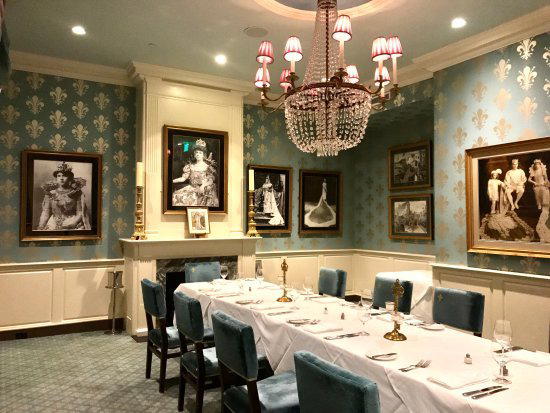
Bars in New Orleans
Browse all →
At a Glance
- Romantic
- Cozy
- Elegant
- Intimate
- Classic
- Date Night
- Special Occasion
- Open Kitchen
- Craft Cocktails
- Extensive Wine List
Current opening hours
- Monday
- 11 AM–10 PM
- Tuesday
- 11 AM–10 PM
- Wednesday
- 11 AM–10 PM
- Thursday
- 11 AM–10 PM
- Friday
- 11 AM–10 PM
- Saturday
- 11 AM–10 PM
- Sunday
- 11 AM–10 PM
Hours can change for holidays and private events. Last verified .
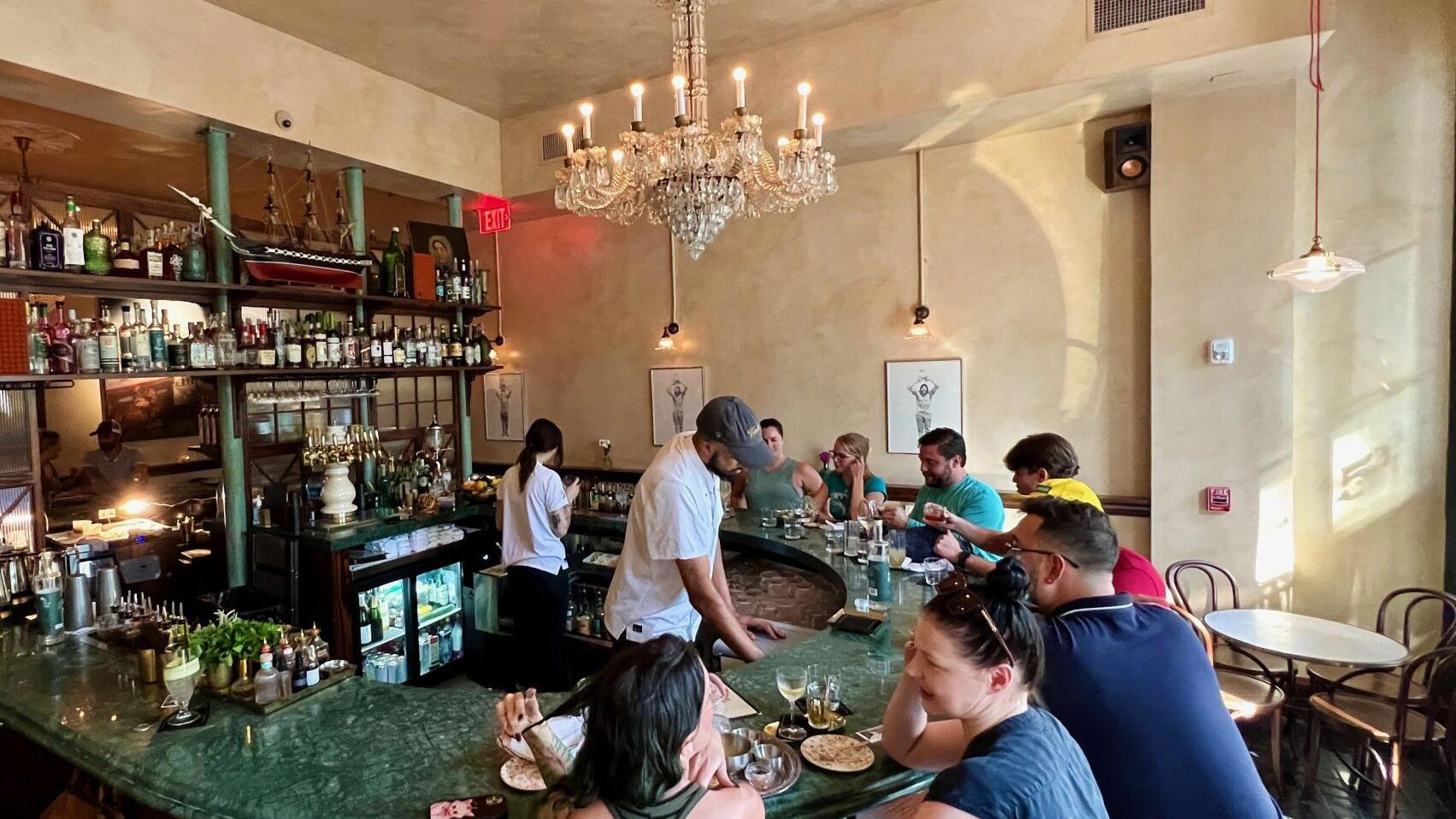
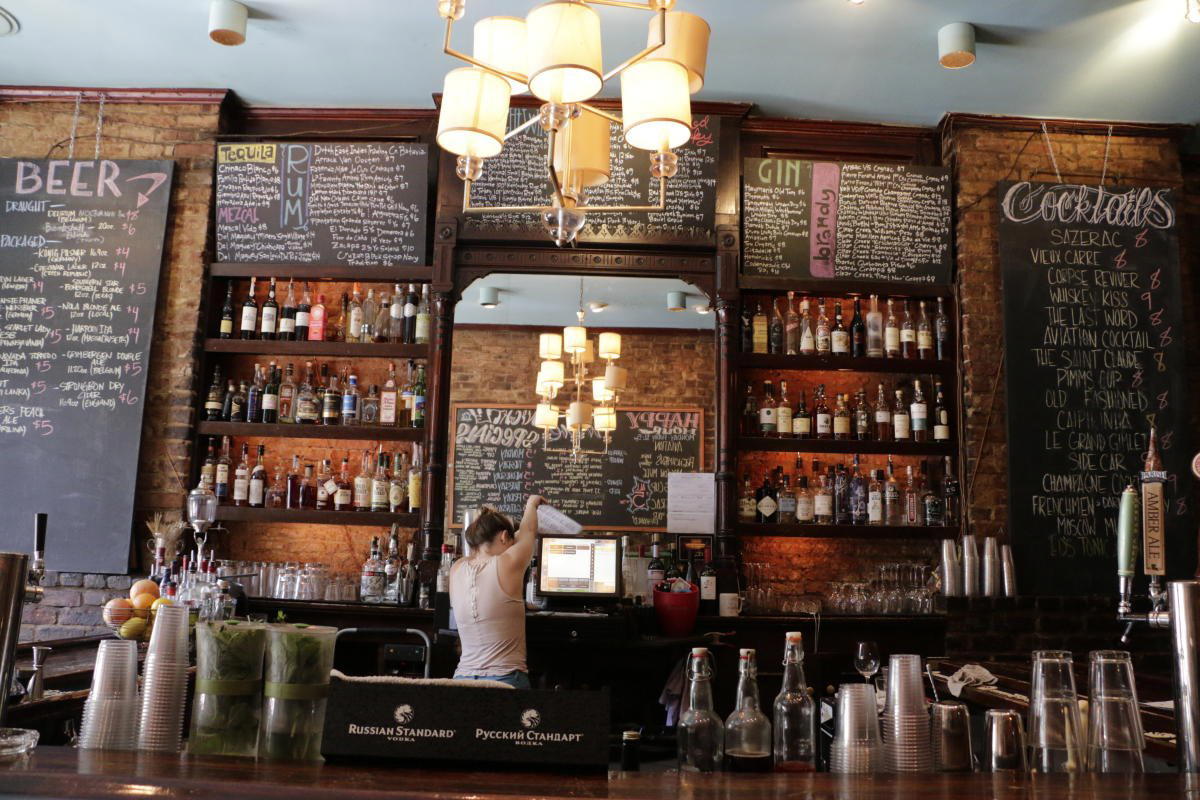
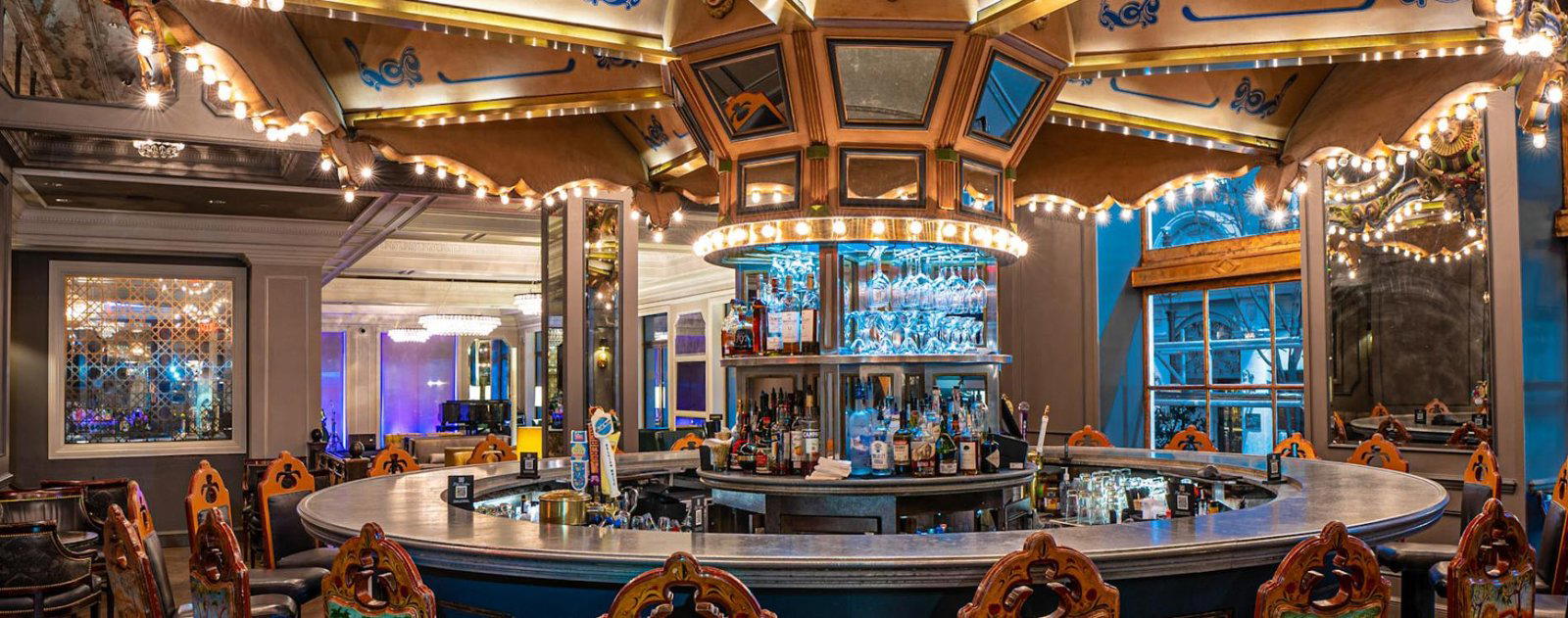
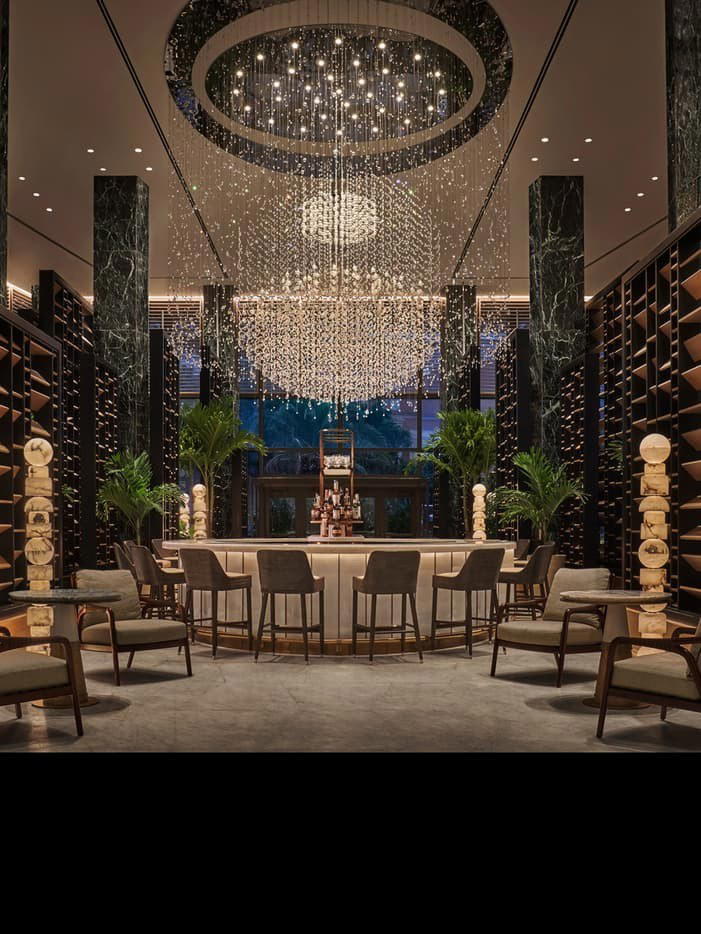
Chandeliers, exposed brick, and white tablecloths create an intimate, candlelit room with unhurried pace focused on sharing and conversation.