The Heritage Table
On Main Street in one of Texas's fastest-growing cities, The Heritage Table positions itself at the deliberate end of Frisco's expanding dining spectrum. Its address and name both signal a restaurant oriented toward occasion-worthy, tradition-anchored American dining rather than the suburban convenience default. For residents of Collin County's most affluent corridors, it represents the kind of considered sit-down option the city has been building toward.
 Discover on Pearl
Pearl is the En Primeur Club membership app — saves, bookings, and concierge access live there. Same editors, same standards.
- Address
- 7110 Main St, Frisco, TX 75033
- Phone
- +14696640100
- Website
- theheritagetable.com
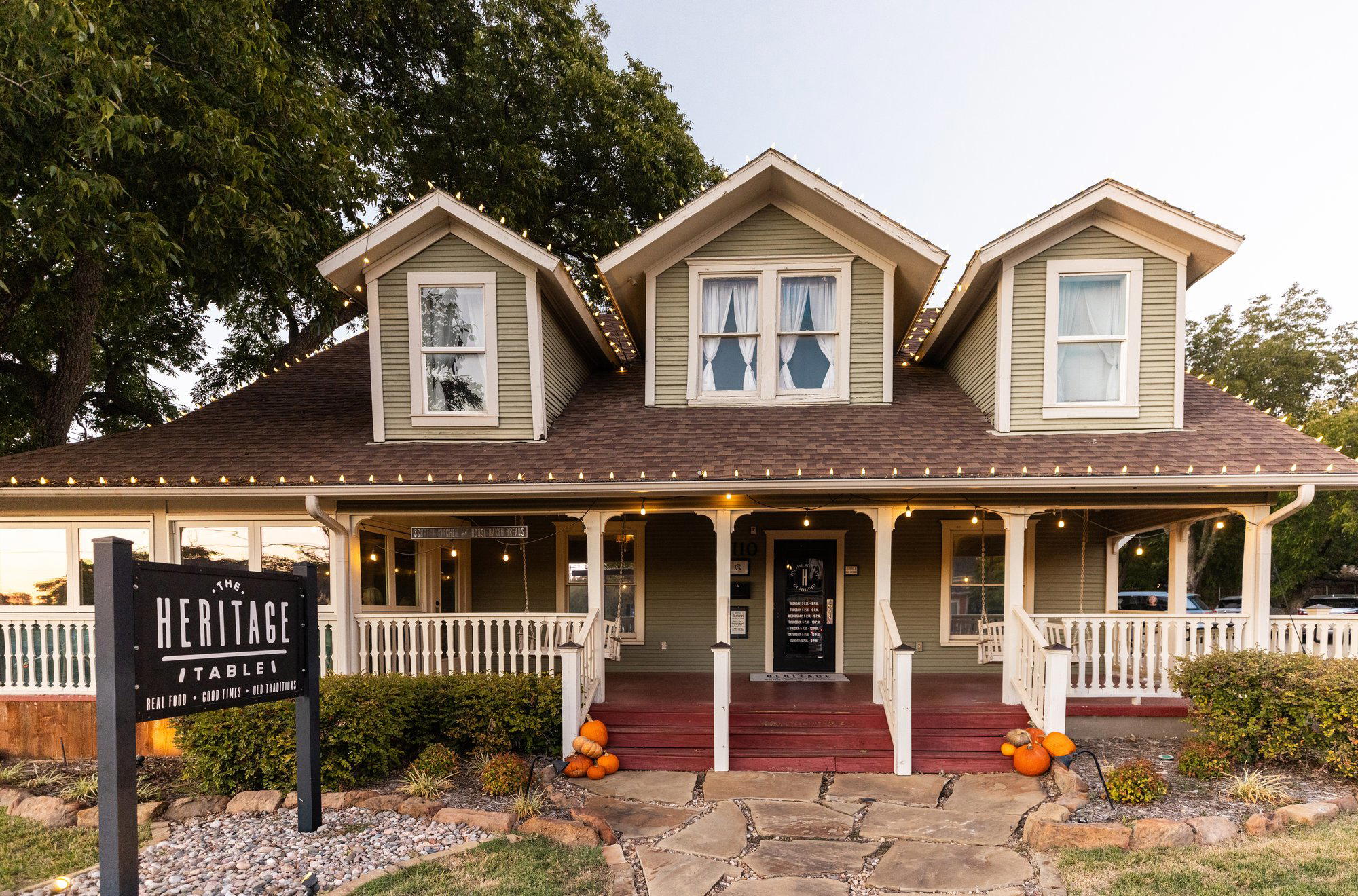
Main Street, Frisco: Where a Dining Room Earns Its Address
Main Street in Frisco, Texas, occupies a peculiar position in the suburban Dallas-Fort Worth sprawl. It is one of the few corridors in this fast-growing city where the physical fabric of the street still gestures toward something older and more deliberate than the strip-mall geometry that defines most of Collin County. At 7110 Main St, The Heritage Table is a restaurant serving Modern Texas Farm-to-Table cooking in Frisco, Texas. Streets named Main, in cities that move as quickly as Frisco has over the past two decades, tend to anchor the aspirational dining options that a city turns to when it wants to signal arrival.
Frisco's restaurant scene has expanded rapidly alongside its population, which crossed 200,000 residents in recent years, making it one of the fastest-growing cities in the United States. That growth has generated genuine dining range: from the sushi counter at Hinoki to the red-meat certainty of EG Steak and III Forks, to the regional Mexican warmth of La Hacienda Ranch and the Mediterranean spread of Fadi's Mediterranean Grill. Within that range, venues anchored on historically resonant streets carry a different kind of positioning than their counterparts in newer mixed-use developments. The name Heritage Table reinforces this: it is a declaration of intent about where the restaurant situates itself relative to the city's rapidly accumulating but still shallow historical roots.
What the Name Signals About the Experience
The phrase "heritage table" does real work in the vocabulary of American dining. Across the country, restaurants deploying that language are almost always making a case for provenance: sourcing transparency, preparations that reference older culinary traditions, and a pace of service that pushes back against the transactional efficiency of high-volume suburban dining. The framing is itself informative. Restaurants that choose this vocabulary in fast-growth suburban markets are typically positioning against the chain-restaurant default, appealing to a segment of the local population that arrived from larger, more dining-sophisticated metro areas and expects a certain kind of deliberateness in a sit-down meal.
This positioning has precedent across the American dining scene. At the far end of the ambition spectrum, places like Blue Hill at Stone Barns in Tarrytown and Single Thread Farm in Healdsburg have built their entire identity around the provenance-and-tradition framework. The French Laundry in Napa and The Inn at Little Washington operate in the same register but with decades of credential behind them. Closer in format to a suburban market like Frisco, Emeril's in New Orleans demonstrated that an American city can sustain chef-driven, tradition-anchored dining outside of its most metropolitan core. The Heritage Table's address and name suggest it is reaching for something in that direction, scaled to Frisco's specific appetite and demographic.
The Main Street Location as Experience Architecture
In cities that have grown as quickly as Frisco, a Main Street address functions differently than it would in an established urban grid. It is not the result of decades of organic commercial layering; it is more often a deliberate decision by a restaurateur who wants the implied legitimacy of a named civic artery. That choice shapes the guest experience from the moment of approach. Parking tends to be closer to street-scale than to the sprawling lot arrangements of suburban commercial corridors. The street-level presence is more visible, more pedestrian-scaled. The experience of arriving on foot from a nearby parking spot, rather than cutting across a surface lot, changes the register of a meal before it begins.
This kind of location decision also says something about who the restaurant expects to serve. Main Street businesses in Frisco draw from the surrounding residential fabric rather than from office-park lunch traffic or highway-exit convenience. The Heritage Table, positioned here, is making a case for the regular dinner-out occasion as much as for the special-event meal. That dual positioning is common in suburban dining markets where the population density is high enough to sustain frequency visits but the overall dining occasion is still anchored in the household rather than the corporate calendar.
Frisco in the American Fine-Casual Spectrum
Texas has produced a serious dining culture, concentrated in Dallas proper but spreading steadily into the northern suburbs as population has followed development. Frisco sits at an interesting inflection point: affluent enough to sustain ambition, young enough as a dining city to still be forming its identity. The venues that establish themselves in this window have an outsized role in shaping what the city's dining expectations become for the next decade. Nationally, cities like San Diego and Los Angeles have demonstrated what that maturation looks like: Addison in San Diego and Providence in Los Angeles now anchor their respective scenes after years of building credential. Le Bernardin in New York City, Alinea in Chicago, and Atomix in New York City show what sustained ambition looks like at the top of the American table. Lazy Bear in San Francisco and 8 1/2 Otto e Mezzo Bombana in Hong Kong illustrate the range of formats that fine dining now encompasses globally.
Frisco is not yet in that conversation, but restaurants operating on Main Street with heritage-forward names are part of the infrastructure that makes a city dining scene eventually worth the conversation.
Planning a Visit
The Essentials
Comparable venues nearby, for context on price, style, and recognition.
| Venue | Cuisine | Price | Notes |
|---|---|---|---|
| The Heritage TableThis venue — the venue you are viewing | $$$ | ||
| Randy's Steakhouse | $$$$ | Historic Downtown Frisco, Classic American Steakhouse | |
| La Hacienda Ranch | Preston Road, Tex-Mex Steakhouse | $$ | |
| III Forks | $$$$ | Legacy Drive, North Dallas, Texas French Prime Steakhouse | |
| Hinoki | Frisco, Modern Sushi Omakase | $$$ | |
| EG Steak | Modern Brazilian Steakhouse | $$$$ |
Continue exploring
More in Frisco
Restaurants in Frisco
Browse all →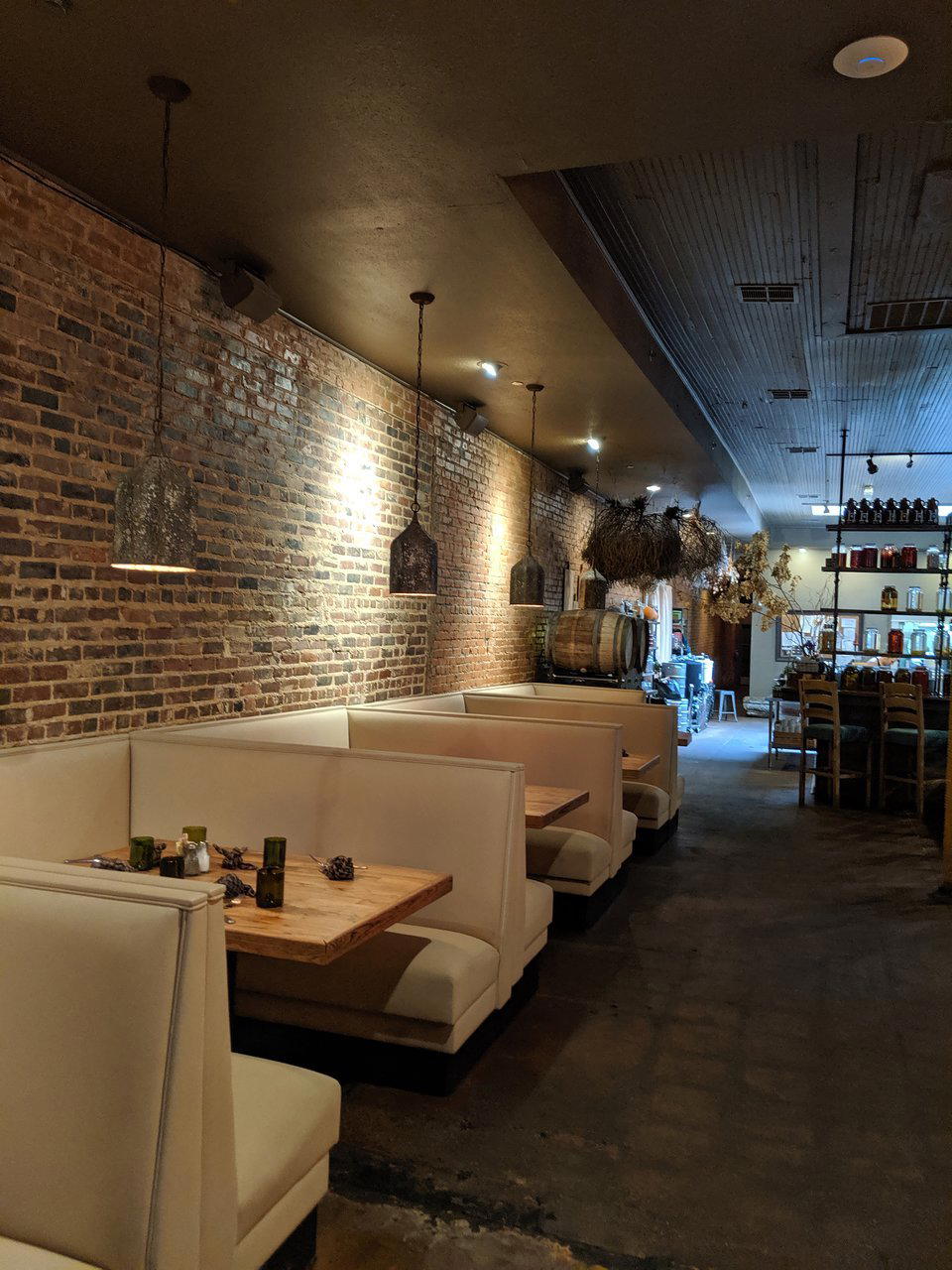
Bars in Frisco
Browse all →
Hotels in Frisco
Browse all →
At a Glance
- Cozy
- Rustic
- Elegant
- Classic
- Date Night
- Special Occasion
- Group Dining
- Historic Building
- Private Dining
- Open Kitchen
- Craft Cocktails
- Farm To Table
- Local Sourcing
- Street Scene
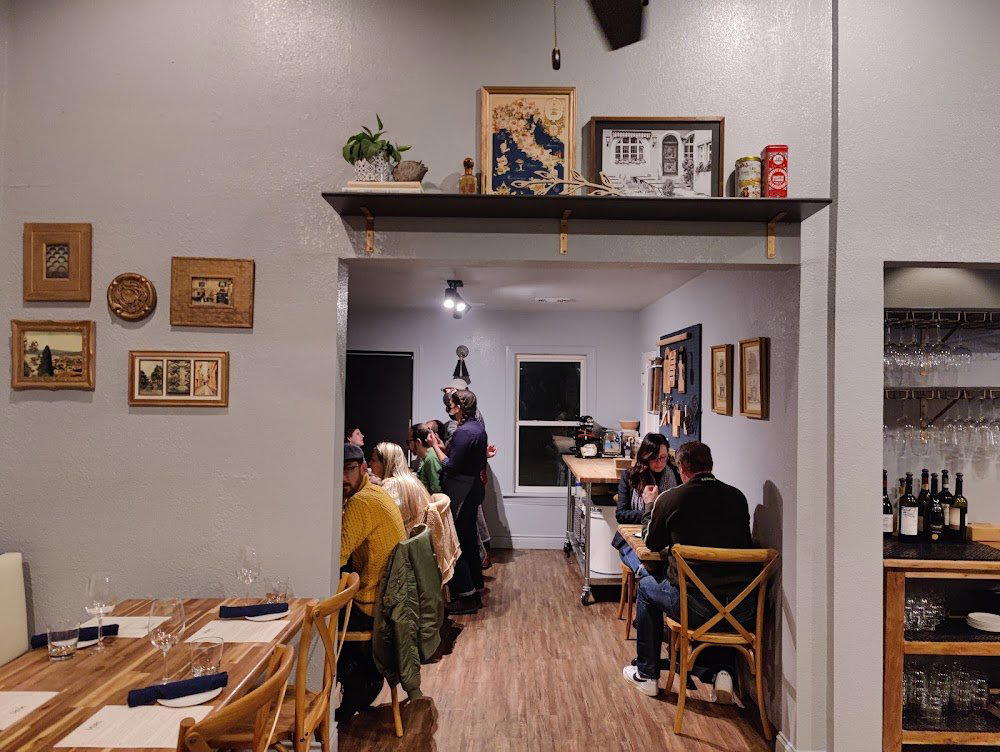
Comfortable upscale atmosphere in a historic Victorian home with screened patio for people-watching and a quiet back dining room for conversation.