Hinoki
Sushi in the Suburbs: What Frisco's Omakase Scene Signals Walk into a strip-mall suite on Preston Road and the contrast is immediate. Outside: the sprawl of one of the fastest-growing cities in the United States, a corridor of chain restaurants...
 Discover on Pearl
Pearl is the En Primeur Club membership app — saves, bookings, and concierge access live there. Same editors, same standards.
- Address
- 8050 Preston Rd #106, Frisco, TX 75035
- Phone
- (972) 292-9262
- Website
- instagram.com
Sushi in the Suburbs: What Frisco's Omakase Scene Signals
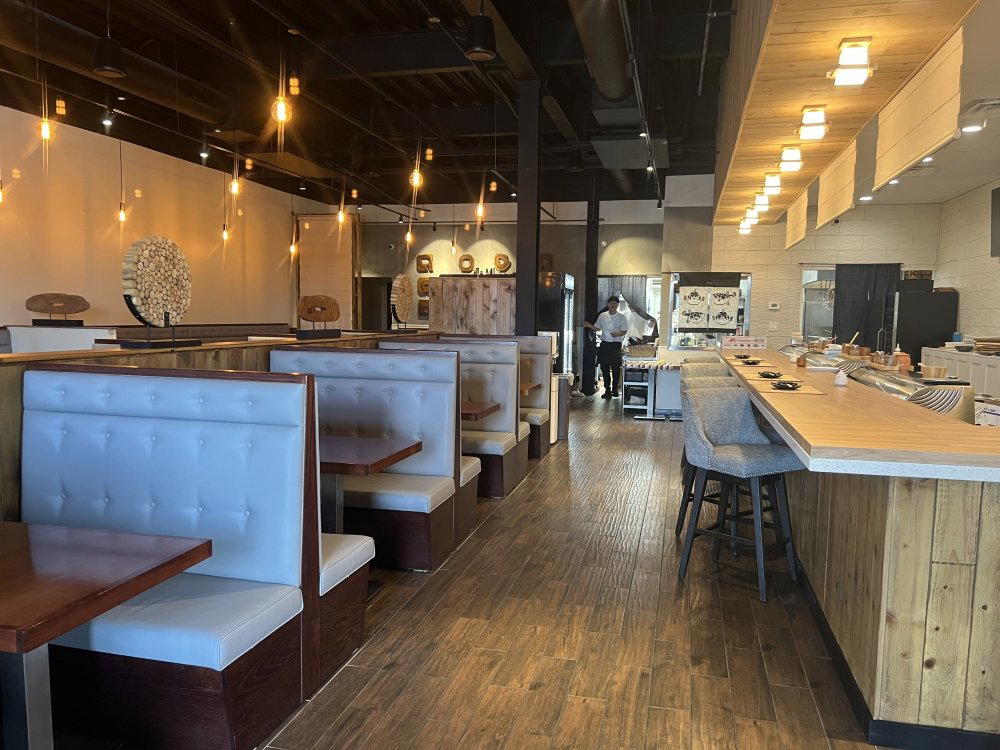
Hinoki is a restaurant in Frisco, Texas, serving Modern Sushi Omakase. Outside: the sprawl of one of the fastest-growing cities in the United States, a corridor of chain restaurants and drive-throughs stretching toward the horizon. Inside Hinoki: a counter format, quiet intention, and the kind of focused service that belongs to a dining category with a very specific set of expectations. That gap between exterior and interior is not incidental, it is, in many ways, the defining feature of omakase dining in mid-size American metros. The tradition traveled from Tokyo's Ginza counters and Osaka's back-alley sushiya to suburban Texas not by dilution but by transplantation, and Hinoki sits squarely in that pattern.
The Apprenticeship Tradition and What It Means in Practice
Sushi at the omakase level is inseparable from the shokunin ethic, the Japanese concept of a craftsperson who spends years, often decades, in service to a single discipline. In Tokyo, the training arc for a sushi chef typically runs between seven and ten years before a practitioner is considered capable of running their own counter. The first years are spent not cutting fish but watching, washing, managing rice, a substance sushi chefs in Japan treat with the same reverence Western kitchens reserve for stock. This is not romanticization; it is the structural logic behind why omakase counters, even in cities far from Japan, tend to share a recognizable grammar of quality, pacing, and restraint.
Hinoki operates within that grammar. The casual omakase format it occupies sits below the high-commitment, three-hour, multi-course counters found in cities like New York or Los Angeles, where venues such as Providence in Los Angeles or Atomix in New York City anchor themselves to deep tasting menus and considerable per-person investment, but it draws from the same lineage. The chef-driven, sequenced format, where the kitchen decides what you eat and in what order, is the essential inheritance from Japan's apprenticeship culture. It assumes the chef has earned the authority to make those decisions.
That assumption carries weight in a market like Frisco. The DFW metroplex has developed a credible dining scene over the past decade, but the omakase category remains thin compared to coastal cities. Where Le Bernardin in New York City or The French Laundry in Napa exist within dense comparable venues that enforce quality standards through competition and critical attention, a counter like Hinoki occupies a more isolated position, which raises both the opportunity and the responsibility. Diners arriving without a reference point for what a well-executed casual omakase should deliver are largely trusting the format itself.
Frisco's Dining Mix and Where Omakase Fits
Frisco's restaurant scene skews heavily toward steakhouses and American casual, a pattern consistent with suburban North Texas broadly. The city's dining options include EG Steak, III Forks, and Randy's Steakhouse, which together represent the dominant hospitality instinct in the area: confident, protein-forward, built for large parties and corporate entertainment. On the more casual side, options like Fadi's Mediterranean Grill and La Hacienda Ranch fill the mid-market, family-friendly tier.
Omakase sits outside all of those categories. It is not family-style, not tablecloth-and-wine-list formal in the Western sense, and not designed for large groups. It is, by structure, an intimate format, a counter seating a small number of guests who agree, implicitly, to hand over the ordering function. That makes it a different kind of decision for a Frisco diner than choosing between steakhouses. It asks for a degree of trust and engagement that the genre's suburban transplants do not always make legible to first-time visitors.
Casual Omakase as a Category
The casual omakase tier that Hinoki occupies has expanded significantly across American cities in the past eight years. Where the format was once confined to high-commitment, high-price counters in coastal metros, a second wave of practitioners has applied the sequenced, chef-directed structure to more accessible price points and less formal settings. This mirrors a pattern visible in other culinary formats: the chef's tasting menu concept, once reserved for rooms like Blue Hill at Stone Barns in Tarrytown or Smyth in Chicago, has found footholds in smaller cities through formats that preserve the sequencing logic while adjusting the scale and investment.
In sushi specifically, the casual omakase format still demands a technical floor. Rice temperature, fish sourcing, and knife work are not variables that forgive inattention at any price point. This is what separates the category from standard sushi restaurant service, where the a-la-carte model places quality decisions in the diner's hands. At a counter operating the omakase model, every piece that arrives reflects a deliberate choice, which fish, which preparation, which order of service. That accountability is structural, not optional, and it is the direct descendant of the apprenticeship culture that produced the format.
What to Eat at Hinoki
The core of any omakase counter is the nigiri sequence: individual pieces of fish, prepared to order, set on hand-formed rice and presented one or two at a time. In the casual omakase tier, this sequence typically runs shorter than the extended progressions at destination counters, think of the multi-hour commitments at venues like Single Thread Farm in Healdsburg or Addison in San Diego, but the discipline of the form remains intact. Fatty fish, leaner cuts, shellfish, and cooked preparations typically rotate through the sequence in an order calibrated to palate progression rather than diner preference.
What the format does reliably deliver is a structured eating experience where the chef's decisions govern the arc of the meal. For visitors unfamiliar with omakase, that is the essential point: you are not choosing from a menu. You are receiving a sequence. The quality of that sequence is the measure of the kitchen.
Planning a Visit
Hinoki is located at 8050 Preston Rd #106 in Frisco, a Preston Road corridor address that places it in a busy retail strip with accessible parking. Reservations are recommended. Omakase counters at the casual tier in mid-size American markets tend to book one to three weeks out, with weekend slots filling earliest. Current hours are Mon: Closed; Tue: Closed; Wed: 11:30 AM-2:30 PM, 5-10 PM; Thu: 11:30 AM-2:30 PM, 5-10 PM; Fri: 11:30 AM-10 PM; Sat: 11:30 AM-10 PM; Sun: 11:30 AM-9:30 PM, and pricing is about $75 per person.
In Context: Similar Options
Comparable venues nearby, for context on price, style, and recognition.
| Venue | Cuisine | Price | Awards | Notes |
|---|---|---|---|---|
| HinokiThis venue — the venue you are viewing | Modern Sushi Omakase | $$$ | , | |
| The Heritage Table | Modern Texas Farm-to-Table | $$$ | , | Rail District |
| La Hacienda Ranch | Tex-Mex Steakhouse | $$ | , | Preston Road |
| Randy's Steakhouse | Classic American Steakhouse | $$$$ | , | Historic Downtown Frisco |
| Fadi's Mediterranean Grill | Lebanese Mediterranean Grill | $$ | , | Frisco |
| EG Steak | Modern Brazilian Steakhouse | $$$$ | , | Frisco |
Continue exploring
More in Frisco
Restaurants in Frisco
Browse all →
Bars in Frisco
Browse all →
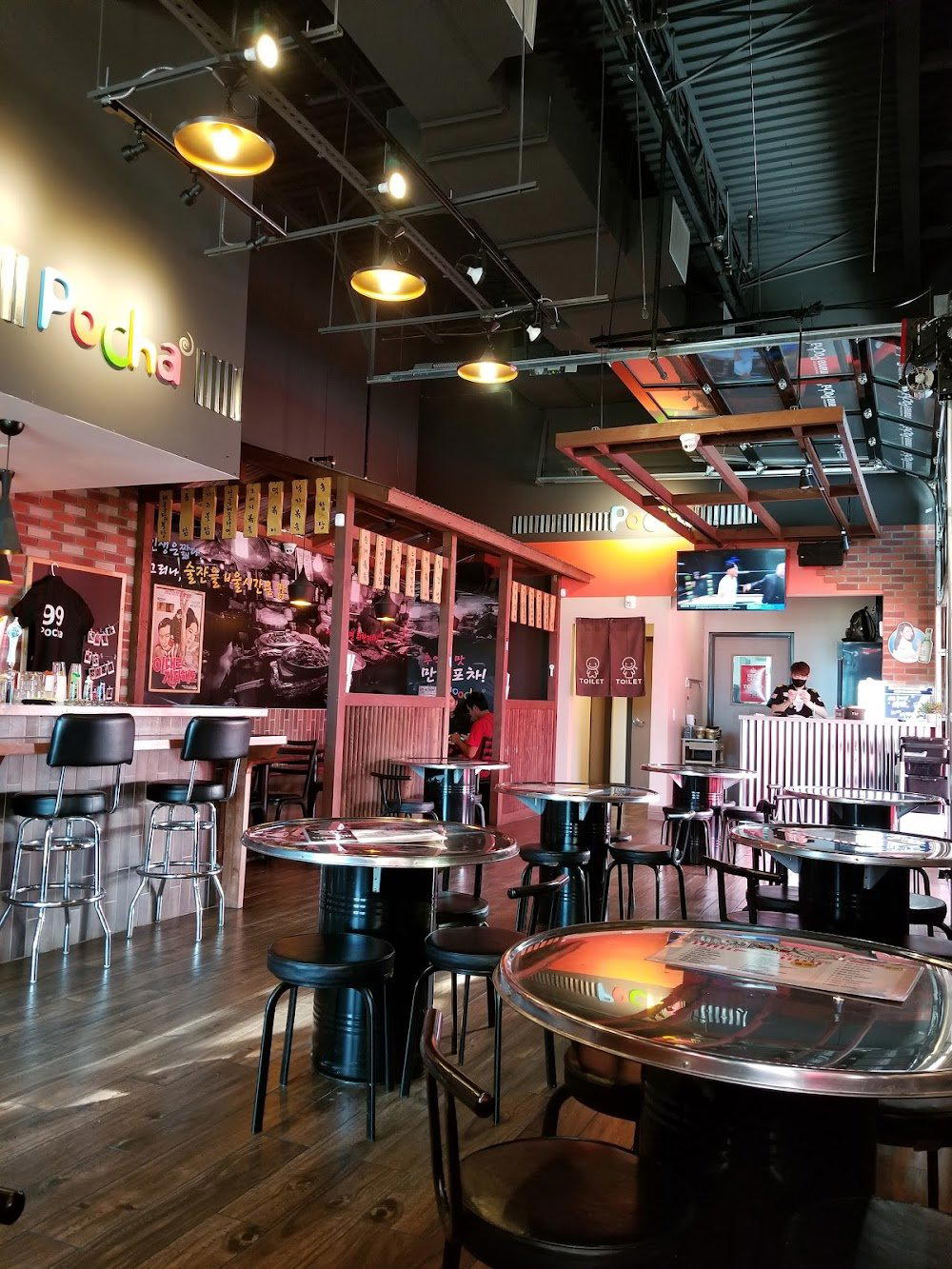
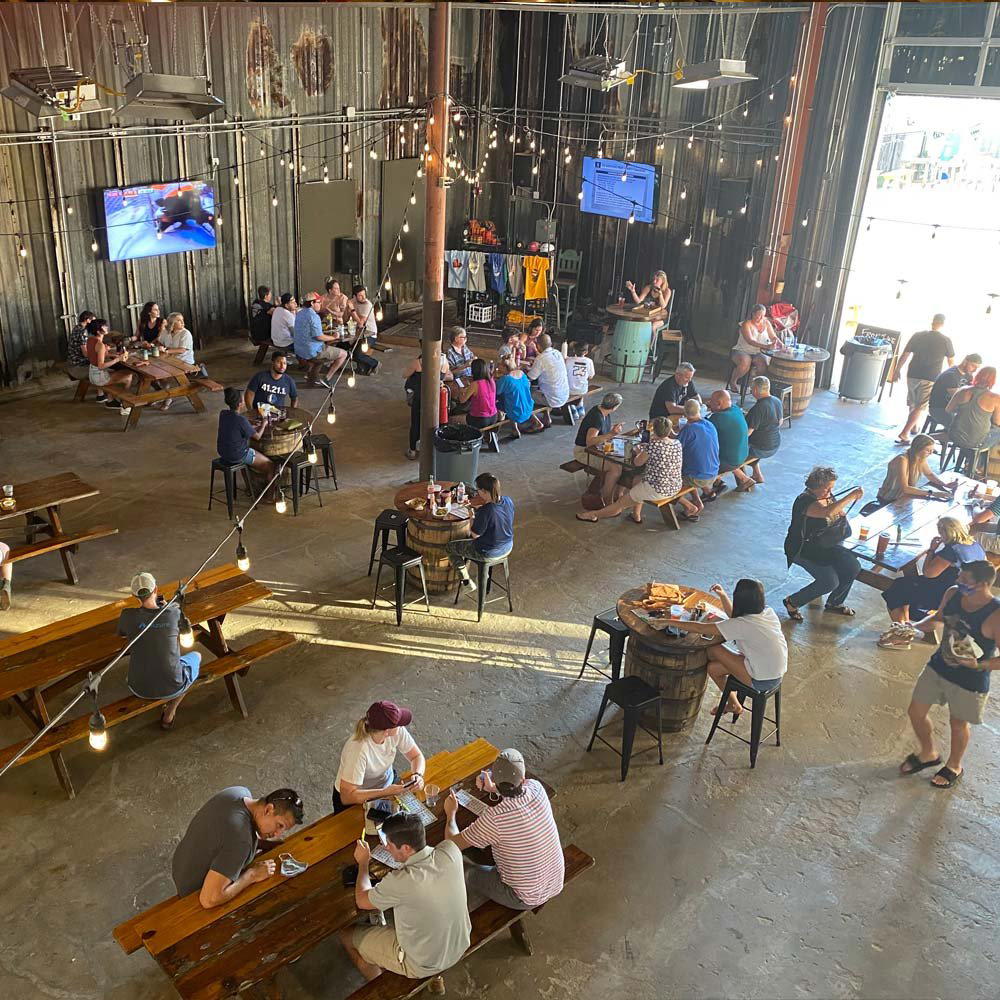
Hotels in Frisco
Browse all →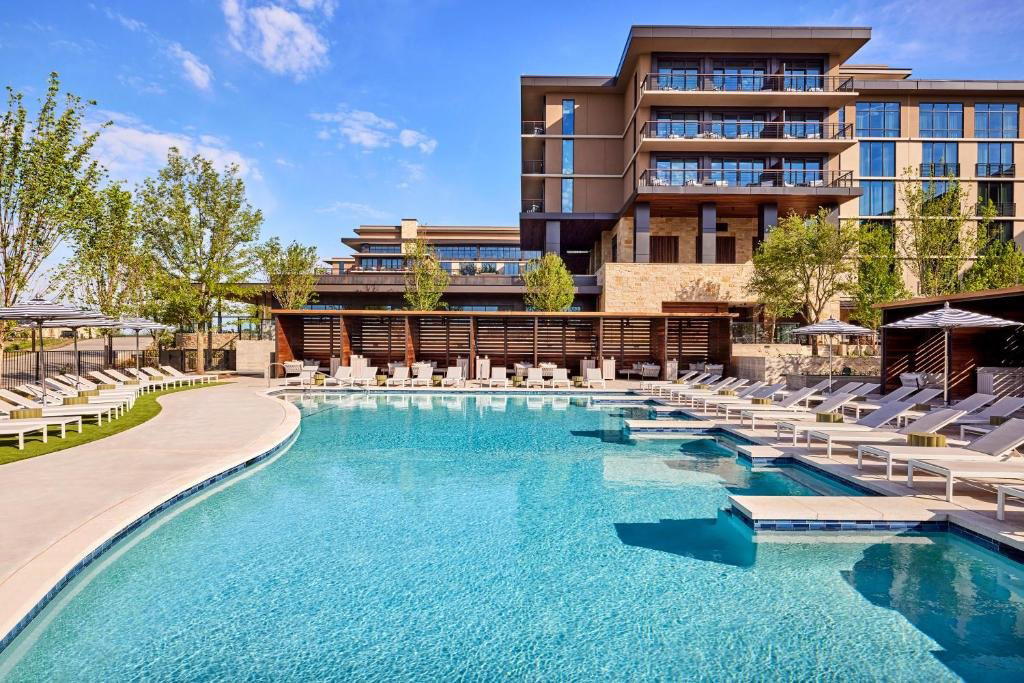
At a Glance
- Modern
- Trendy
- Sophisticated
- Date Night
- Special Occasion
- Open Kitchen
- Sake Program
- Craft Cocktails
Modern sushi bar atmosphere with casual dining vibe.