Mao Fun Hot Pot occupies a specific tier within Tainan's communal dining scene, where the hot pot format functions as both meal structure and social ritual. Set against a city defined by small-eat traditions and street-level snacking, this is a sit-down, shared-table proposition that rewards groups willing to commit time as much as appetite. Tainan regulars treat it as a counter to the city's more transient food culture.
Pearl is the En Primeur Club membership app — saves, bookings, and concierge access live there. Same editors, same standards.
- Address
- 東區府東街148號, 臺南市, 臺南市 701
- Directions
- Get directions
 Saves & bookings on Pearl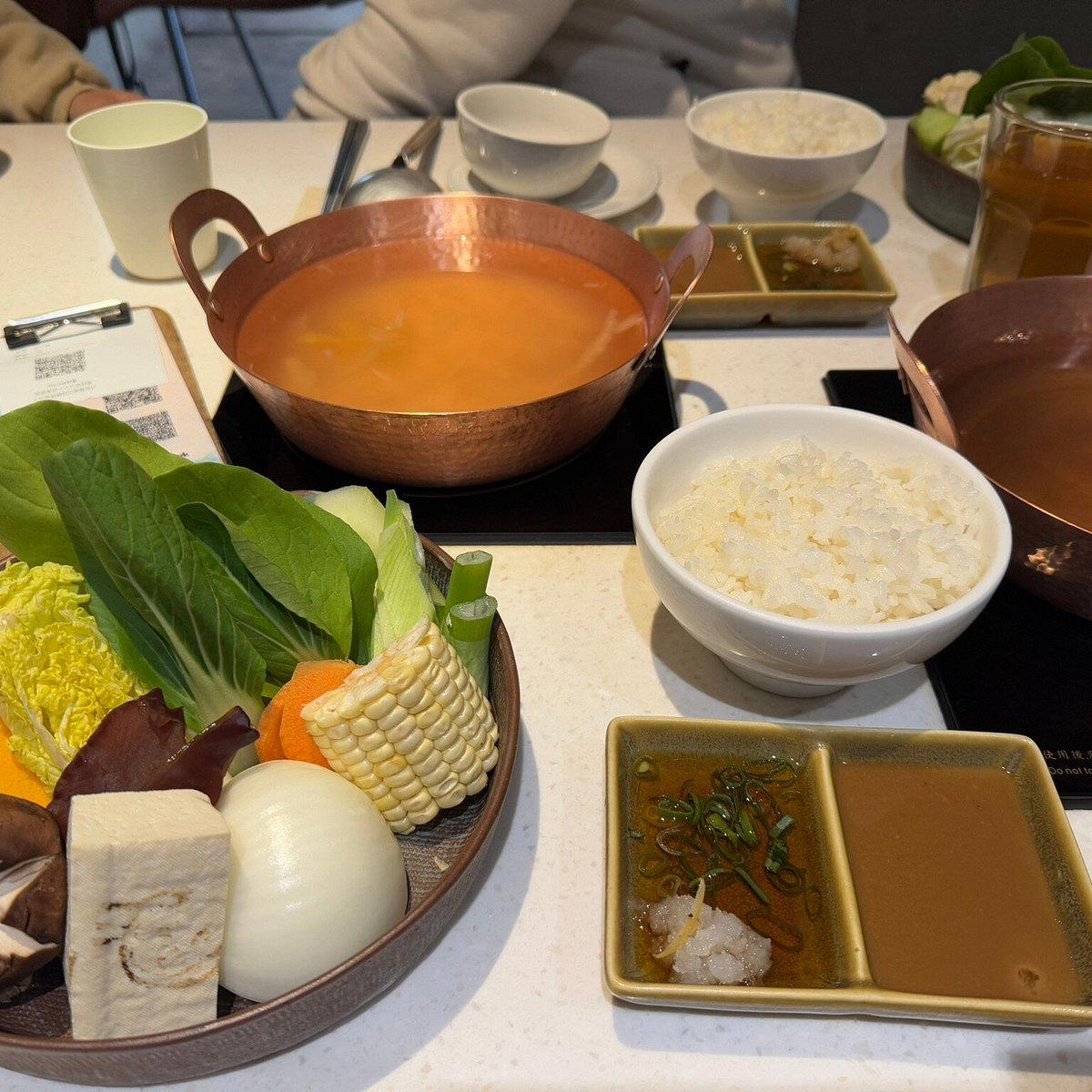
Hot Pot in a Small-Eat City
Tainan is not a hot pot city by default. Its culinary identity is built on speed, precision, and portion control: a bowl of beef soup from A Cun Beef Soup on Baoan Road, a plate of oden from A Hai Taiwanese Oden, congee from A Hsing. These are formats that move quickly and leave no residue. Hot pot, by contrast, is a commitment. The table fills with raw ingredients, broth simmers for an hour or more, and the meal unfolds at a pace the kitchen does not control. Mao Fun Hot Pot operates in this slower register, which in Tainan represents a deliberate departure from the city's default mode rather than a continuation of it.
That contrast matters when placing Mao Fun Hot Pot in its competitive set. The city's mid-range dining tier includes venues like Amei at a similar price bracket, and the small-eat corridor around Baoan Road represented by spots like A Ming Zhu Xing runs cheaper and faster. A hot pot format at a comparable price point is asking diners to trade efficiency for immersion, and that trade only makes sense in a space designed to justify the time spent inside it.
The Space as the Argument
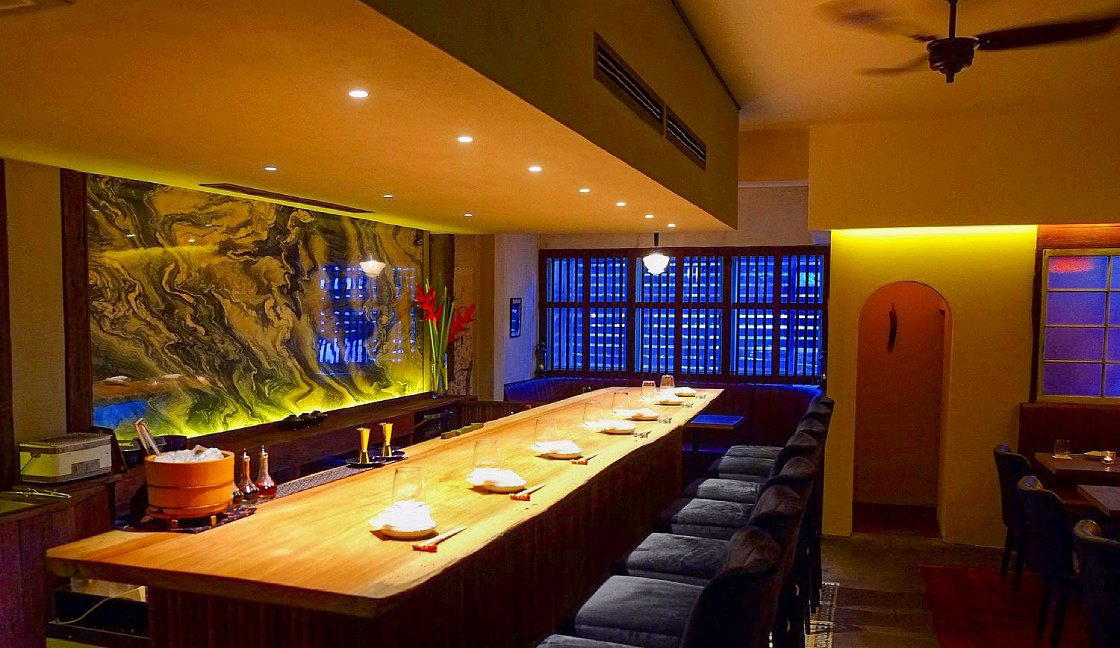
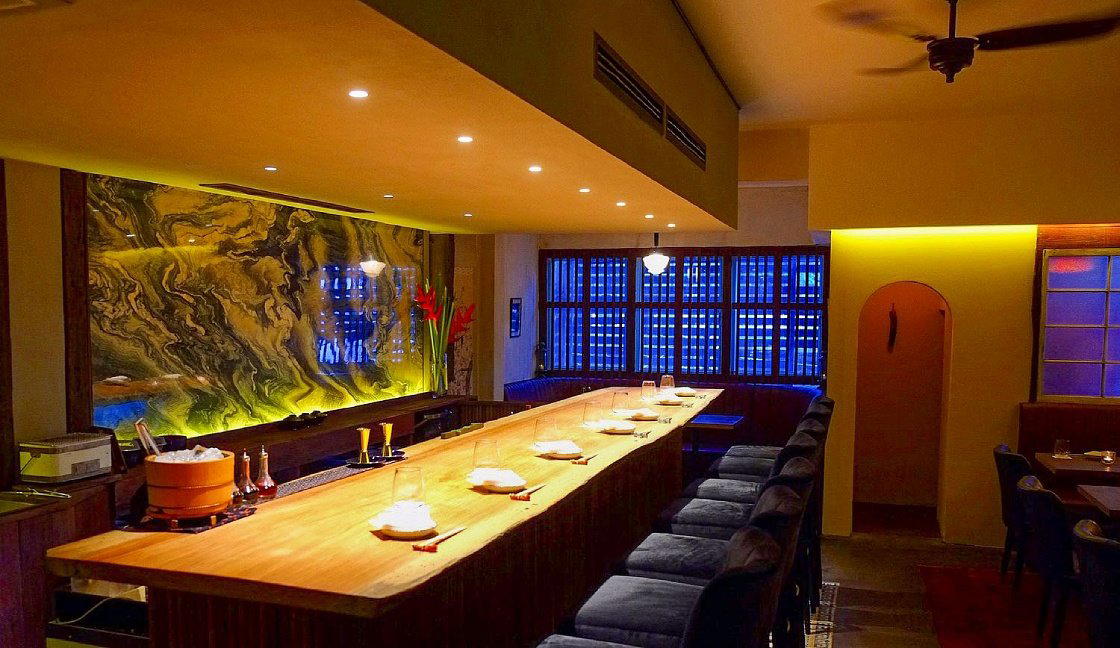
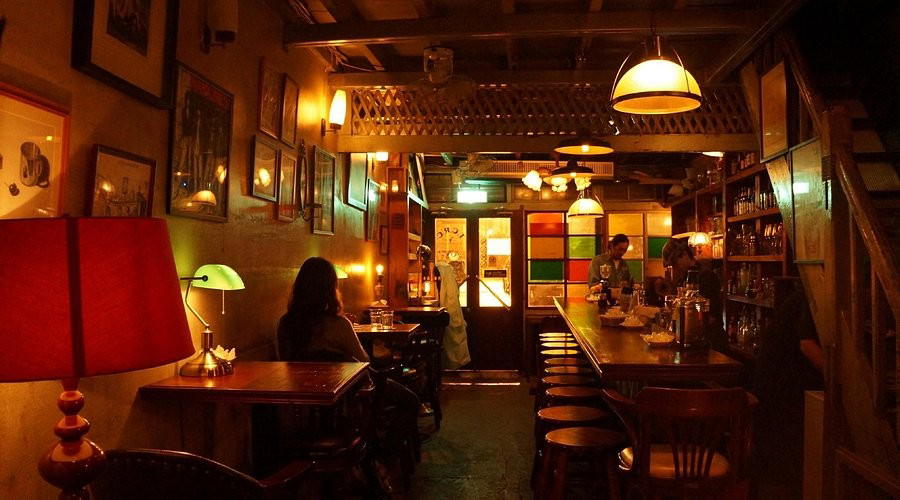
In hot pot dining across Taiwan, the physical environment carries more argumentative weight than it does in formats where food arrives plated and finished. When the kitchen sends out raw ingredients and the diner completes the cooking at the table, the room itself becomes the product. The quality of the seating, the management of steam and extraction, the spacing between tables, the surface area available for ingredient staging, these details determine whether the format feels generous or merely functional.
This is the lens through which Mao Fun Hot Pot is most usefully read. Hot pot venues in Taiwan split broadly between high-volume operations with tight table turnovers and a harder, more commercial atmosphere, and smaller rooms where the design slows the meal down by design. The former category dominates chains and shopping mall food halls; the latter occupies a more interesting niche in city neighbourhoods where locals return specifically because the room does not pressure them out. Tainan's dining culture, rooted in repeat-visit loyalty and neighbourhood belonging, tends to produce and sustain the second type.
What the format itself implies, and what Tainan's dining ecology tends to support for named, locally regarded hot pot venues, is a room scaled for groups rather than solo diners or couples on a tight schedule. The hot pot table is a communal object. The space around it needs enough depth to accommodate shared plates, condiment staging, and the social choreography of a meal that nobody at the table finishes at the same moment.
What the Format Asks of the Diner
Across Taiwan's hot pot scene, the format has diversified considerably. At the higher end, venues like JL Studio in Taichung and logy in Taipei represent the fine-dining axis of Taiwanese cuisine, where the diner is a passive recipient of a fixed sequence. Hot pot inverts this: the diner is an active participant, making decisions about timing, combinations, and doneness throughout the meal. That participation is either the point or an inconvenience, depending on the diner's expectations.
For groups eating at Mao Fun Hot Pot, the format functions as a social scaffold. The shared broth base becomes a common reference point; arguments about what to add and when are part of the experience rather than a failure of service. In a city where GEN in Kaohsiung and Michelin-tracked venues elsewhere in Taiwan have shifted attention toward solo tasting counter formats, the group hot pot table operates in a different register entirely, one defined by noise, negotiation, and shared residue in the broth by the end of the meal.
For practical planning, Tainan's dining windows follow patterns worth noting. The city eats earlier than Taipei, with dinner services typically busiest between 6 p.m. and 8 p.m. Hot pot venues that draw a local crowd often see the heaviest demand on weeknights when groups are less likely to face the weekend tourist influx that affects Tainan's more-visited snack corridors. Arriving with a confirmed group size is advisable for any hot pot venue in this category, as table configuration at shared-broth restaurants is rarely flexible mid-service.
Placing Mao Fun Hot Pot in Tainan's Wider Dining Picture
Tainan's culinary reputation rests on its small-eat density and the depth of its street-level traditions. Visitors navigating the city through our full Tainan restaurants guide will find that the city's most celebrated addresses tend to be single-format, high-repetition operations that have refined one thing over years or decades. The congee at A Hsing, the oden at A Hai, the beef soup at A Cun, these are venues defined by mastery of a narrow brief.
Hot pot sits differently in this structure. It is not a format that rewards the same kind of narrow refinement, because the variables are too distributed across ingredients, broth, and the diners themselves. What a well-run hot pot venue in Tainan offers instead is consistency of raw material quality, a broth foundation that holds across a long meal, and a room that makes the time spent worthwhile. The restaurant is judged on consistency of ingredients, broth, and room.
Within the mid-range dining tier that includes venues like Chang Ying Seafood House and the small-eat operators along Baoan Road, a hot pot offering at a comparable price point competes not just on food but on time value. A meal here takes longer than any of those alternatives. The question the format always poses is whether the communal, interactive experience justifies the additional hour. For groups specifically, the answer in Tainan's neighbourhood dining context is often yes, particularly when the alternative is sequencing through multiple small-eat stops to achieve comparable saturation.
Visitors arriving from Taipei's more developed fine-dining scene should recalibrate expectations accordingly. Tainan operates on a different scale of ambition, and that is not a criticism. The city's dining culture prizes accessibility, repetition, and local rootedness over the kind of novelty that attracts international press. A hot pot venue in this city is making an implicit argument for slowness and sharing in a food culture that otherwise prizes precision and brevity. That argument, made well, is worth the table time.
The Quick Read
Comparable venues nearby, for context on price, style, and recognition.
| Venue | Cuisine | Price | Notes |
|---|---|---|---|
| Mao Fun Hot PotThis venue — the venue you are viewing | East District, Taiwanese Hot Pot | $$ | Not listed |
| Lakeside Restaurant | Not listed | $$$ | West Central District, Chinese Fusion Lakeside Dining |
| A Xia | Not listed | $$ | West Central District, Traditional Tainan Seafood |
| Guo Hua Street Minced Pork Rice | Not listed | $$ | Guohua Street, Taiwanese Minced Pork Rice |
| Gyu Go Zou | Anping District, Taiwanese Beef Hot Pot | $$ | Not listed |
| Jyu Dim | East District, Hong Kong-style Dim Sum | $$ | Not listed |

At a Glance
- Modern
- Cozy
- Trendy
- Group Dining
- Family
- Casual Hangout
- Historic Building
- Local Sourcing
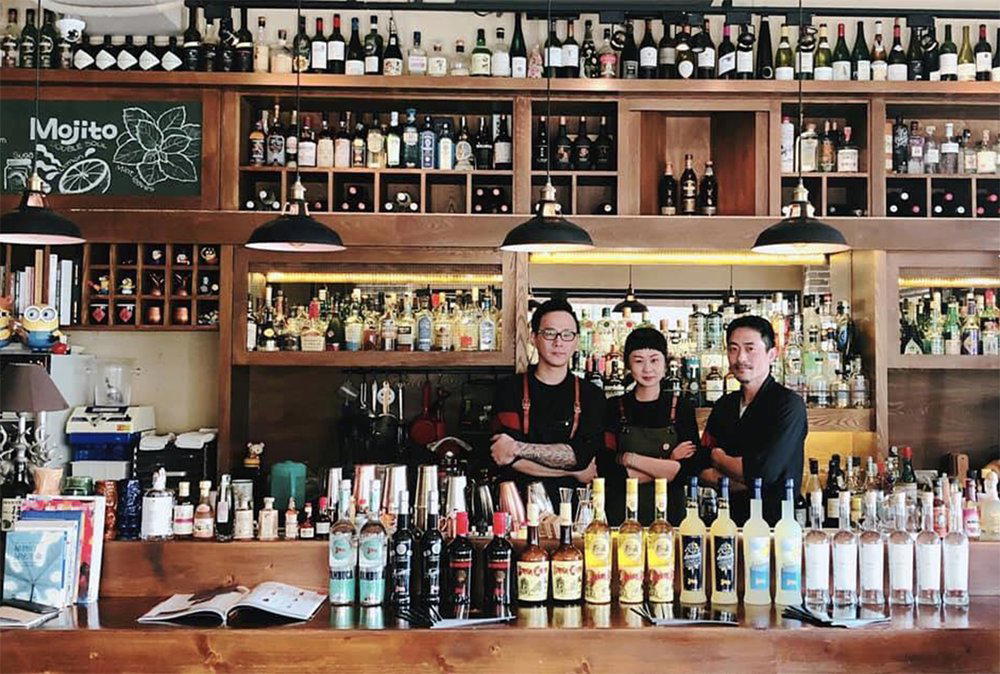
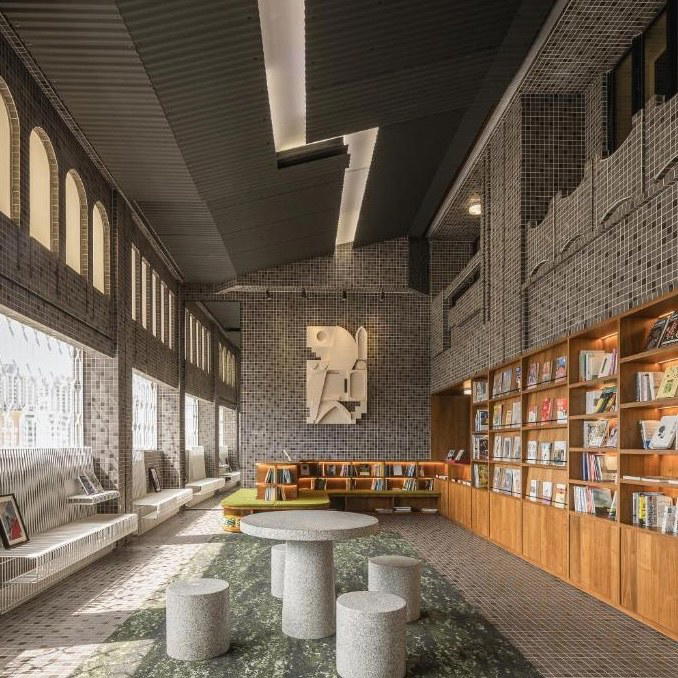
Distinctive space in a rebuilt old house with modern decorative details creating a memorable hot pot dining atmosphere.