Civil Life Brewing Co.
Civil Life Brewing Co. occupies a converted building on Holt Avenue in St. Louis's Tower Grove South neighborhood, operating within a local craft beer scene that has grown considerably more competitive over the past decade. The brewery sits alongside a cohort of independent production houses that have collectively shifted St. Louis drinking culture away from its macro-beer heritage and toward small-batch, community-rooted production.

Pearl is the En Primeur Club membership app — saves, bookings, and concierge access live there. Same editors, same standards.
- Address
- 3714 Holt Ave, St. Louis, MO 63116
- Hours
- Mon ClosedTue–Thu 3–10 PMFri–Sat 11:30 AM–11 PMSun 12–9 PM
- Website
- thecivillife.com
- Directions
- Get directions
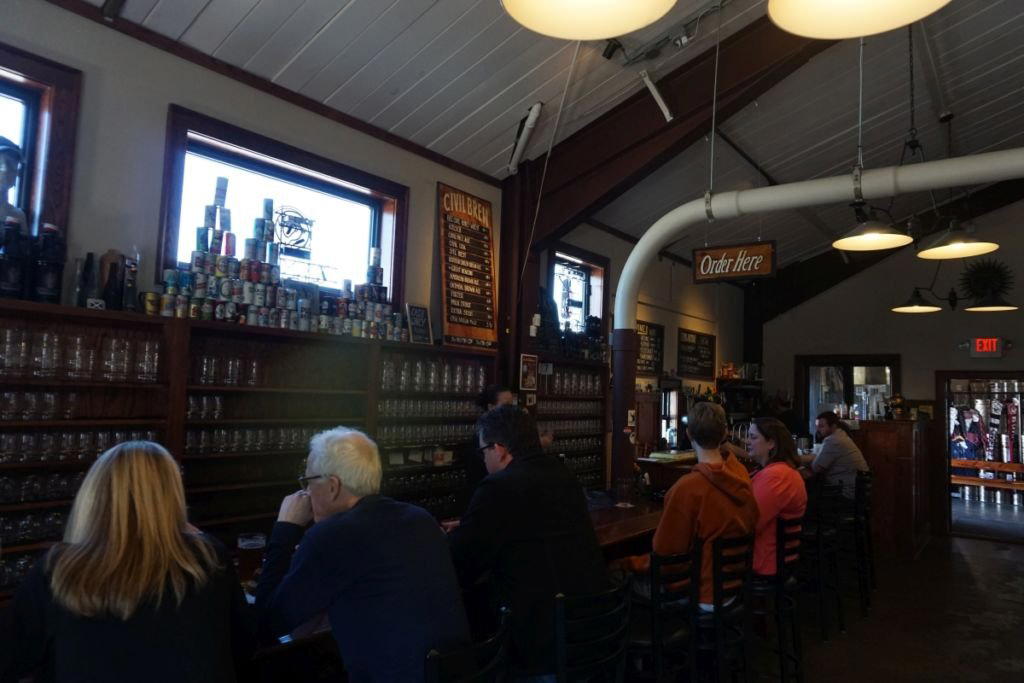
Tower Grove South and the Shifting Geography of St. Louis Craft Beer
St. Louis carries a brewing identity that runs deeper than most American cities, shaped by generations of German immigrant lager culture and, for much of the twentieth century, the gravitational pull of Anheuser-Busch's industrial output. The craft movement that has reorganized drinking habits across the country arrived here with a particular charge: breweries weren't just opening, they were making an argument. Civil Life Brewing Co. at 3714 Holt Ave in Tower Grove South, entered that conversation early enough to help define what a neighborhood-scale St. Louis brewery could look like, and the way that definition has evolved over time tells you something useful about where the city's independent beer scene now stands.
Tower Grove South is not the most obvious destination for a drinking itinerary. It sits south of the park that shares its name, a residential grid of brick houses and corner businesses that functions at a different rhythm than the more trafficked Soulard or Lafayette Square. That positioning was a choice, and it shaped Civil Life's early identity as a genuinely local operation rather than a tourist-adjacent one. In a city whose craft beer geography has spread and professionalized over the past decade, that neighborhood grounding remains one of the more consistent signals of what the brewery is trying to do.
How the St. Louis Craft Tier Has Reorganized
To place Civil Life accurately, it helps to understand how St. Louis brewing has stratified. Operations like 4 Hands Brewing Company expanded into wider distribution and event programming, occupying a mid-large tier that blends production scale with hospitality infrastructure. 2nd Shift Brewing carved out a reputation on the more experimental end, building credibility with beer enthusiasts who track limited releases and adjunct-forward formats. Civil Life has occupied a different position in this structure: smaller in footprint, more focused on English-influenced ale traditions, and deliberately community-scaled in its ambitions.
That positioning is worth reading as a strategic choice rather than a limitation. Across American craft brewing, the breweries that have aged leading are often those that resisted the pressure to scale into production tiers that require distribution infrastructure and marketing spend to sustain. The neighbourhood taproom model, when executed with consistency, generates a loyal local base that large-format operations struggle to replicate. Civil Life's address in Tower Grove South, away from the consolidated bar districts, reinforces rather than undercuts that logic.
The Ale Tradition in an American Context
Civil Life has maintained a focus on English-style ales at a moment when American craft brewing has moved in several other directions simultaneously: hazy IPAs, pastry stouts, fermented beverage hybrids, and hard seltzer adjacency have all absorbed significant industry attention. Holding to bitter, mild, and brown ale formats during that period of stylistic fragmentation is an editorial position in itself. It signals a reading of craft beer not as a trend-responsive industry but as a continuation of a specific brewing lineage.
For the drinker who finds the dominant IPA culture repetitive or the pastry stout trend overwrought, a well-made English bitter in a room that doesn't require a reservation or a familiarity with the beer release calendar is its own kind of relief. That's the experience Civil Life has structured itself to provide, and it maps onto a broader pattern visible in cities with mature craft scenes: a counter-movement back toward sessionable, lower-alcohol formats made with precision rather than novelty.
Comparable dynamics are visible in drinking scenes across the country. In Chicago, Kumiko built its reputation on technical discipline rather than trend-chasing. In Houston, Julep grounds its program in regional tradition. In New Orleans, Jewel of the South operates from a historically informed foundation. The through-line across these operations, and the reason they tend to sustain critical attention over time, is that they committed to a defined point of view rather than a responsive one. Civil Life's English ale focus belongs to that same logic, applied to a brewing format.
Evolution Without Reinvention
The editorial angle that matters most for Civil Life is not a dramatic pivot or a relaunch, but the quieter evolution of a brewery that held its position while the category around it transformed. When Civil Life opened, the St. Louis craft scene was still proving itself against the city's macro-beer identity. A decade-plus later, that argument is settled. The independent tier now includes production breweries, taproom-only operations, hybrid hospitality venues, and experimental fermentation projects. Civil Life sits inside that ecosystem as one of its earlier and more stable nodes, which gives it a different kind of authority than a newer entrant would carry.
That longevity matters for the drinker who wants some signal of consistency. A brewery that has maintained its format and neighborhood commitment through multiple cycles of industry pressure is offering a different kind of guarantee than one still finding its footing. It also means the taproom experience has had time to become itself, without the roughness of a recent opening or the awkwardness of a concept still being tested.
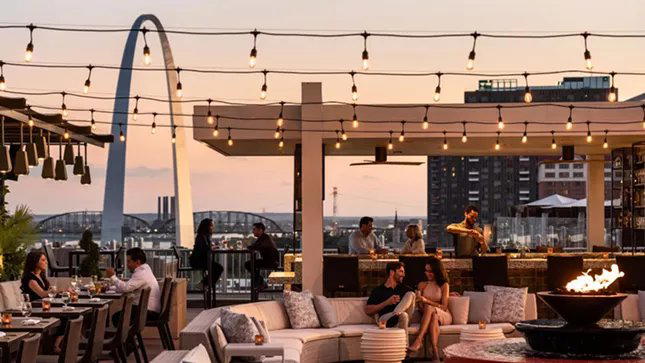
For visitors to St. Louis who want to understand the city's drinking culture at a granular level, the contrast between venues like Civil Life and the higher-profile, more design-forward operations is instructive. 360 Rooftop Bar and Angad Arts Hotel occupy the refined hospitality tier where views and atmosphere carry as much weight as the drink itself. Civil Life is solving a different problem: where to drink in St. Louis when the drink itself is the point. Peer operations internationally, from Bar Leather Apron in Honolulu to ABV in San Francisco to The Parlour in Frankfurt and Superbueno in New York City, share that orientation: places where the program is the story, not the backdrop.
Planning Your Visit
Civil Life Brewing Co. is located at 3714 Holt Ave in St. Louis's Tower Grove South neighborhood, a residential address that sits outside the main tourist circuits and is leading reached by car or ride-share. Current hours, contact information, and any seasonal programming should be confirmed directly with the brewery before visiting, as operational details for smaller independent taprooms can shift. The brewery's address places it within a reasonable drive of the Tower Grove Park area, making it a logical stop alongside exploration of the south side's broader dining and drinking options. For a fuller picture of what St. Louis offers across price points and formats, the full St. Louis restaurants guide covers the city's range in detail.
A Credentials Check
Comparable options at a glance, pulled from our tracked venues.
| Venue | Price |
|---|---|
| Civil Life Brewing Co.This venue — the venue you are viewing | $10–20 |
| 2nd Shift Brewing | $20–30 |
Details
- Rustic
- Cozy
- Classic
- Casual Hangout
- After Work
- Beer Garden
- Outdoor Terrace
- Seated Bar
- Craft Beer
Current opening hours
- Monday
- Closed
- Tuesday
- 3–10 PM
- Wednesday
- 3–10 PM
- Thursday
- 3–10 PM
- Friday
- 11:30 AM–11 PM
- Saturday
- 11:30 AM–11 PM
- Sunday
- 12–9 PM
Hours can change for holidays and private events. Last verified .
Venerable time warp to the late 1800s with a welcoming, friendly atmosphere.