The Fly Trap
The Fly Trap at 606 Folsom St occupies a corner of SoMa where San Francisco's industrial past and its appetite for serious dining have long overlapped. The address carries genuine history on a street that has seen the city's restaurant culture cycle through several generations. For context on where The Fly Trap sits within the broader San Francisco dining conversation, see EP Club's full city coverage.
Pearl is the En Primeur Club membership app — saves, bookings, and concierge access live there. Same editors, same standards.
- Address
- 606 Folsom St, San Francisco, CA 94107
- Phone
- +14152430580
- Website
- flytrapsf.com
- Directions
- Get directions
 Saves & bookings on Pearl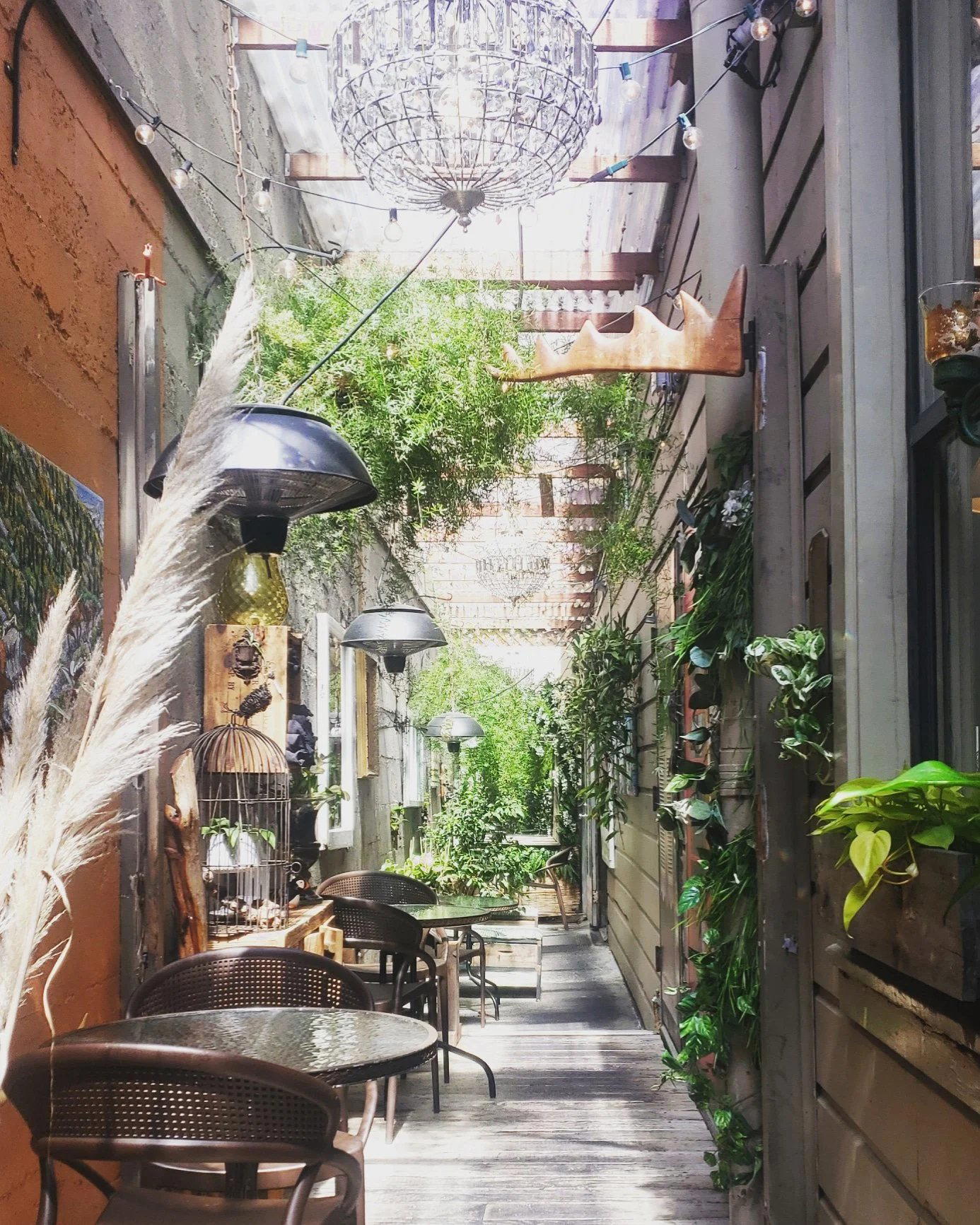
SoMa's Long Memory: The Fly Trap in Context
San Francisco's SoMa district has never been a direct dining neighbourhood. Its character has shifted repeatedly over the past century and a half, from industrial warehousing to the epicentre of the dot-com boom to a corridor now home to some of the city's most closely watched restaurants and bars. The address at 606 Folsom Street carries layered associations with that evolution. In a city where dining institutions tend to cluster in Pacific Heights or the Financial District, a SoMa address signals something slightly different: a willingness to exist outside the conventional geography of prestige, and to earn an audience on the strength of the room and the work done inside it.
That positioning matters when you consider how San Francisco's serious dining tier has consolidated in recent years. Tasting-menu counters at venues like Lazy Bear and high-concept modernist programmes at Atelier Crenn have pulled a certain kind of attention toward San Francisco's progressive American and Modern French registers. Meanwhile, the city's more classically grounded mid-to-upper registers have had to work harder to maintain visibility alongside three-Michelin-star operations like Benu and the deeply sourced Italian programme at Quince. Where a restaurant chooses to plant itself, physically and conceptually, is rarely incidental.
A Name With Precedent
The Fly Trap is a restaurant at 606 Folsom St in San Francisco, serving contemporary American with Californian and Italian influences. That original Fly Trap was known for solid German-Californian cooking and a clientele drawn from the city's commercial class.
The resonance of reviving or inheriting such a name in a later era is significant. In American cities with deep restaurant histories, like New Orleans (where Emeril's helped anchor a particular chapter of that city's culinary evolution) or Washington DC (where The Inn at Little Washington has operated continuously for decades), legacy names carry weight that informs how a contemporary audience reads the room from the moment they arrive. A name like The Fly Trap immediately signals a preference for continuity over novelty, for a certain kind of hospitality that grounds itself in the city's own timeline rather than in international trend cycles.
The Team as the Programme
In American fine dining, the restaurants that sustain the longest relevance tend to be those where the dynamic between kitchen, floor, and wine programme operates as a coherent whole rather than as a hierarchy with one dominant personality. This is a structural observation that holds across the country's most durable institutions. At The French Laundry in Napa, the coordination between culinary and front-of-house teams has always been as central to the experience as what arrives on the plate. At Single Thread Farm in Healdsburg, the farm, the kitchen, and the service philosophy are presented as a single integrated argument. At Alinea in Chicago, the theatrical precision of the floor is inseparable from what the kitchen produces.
The restaurant at 606 Folsom operates within this broader American pattern where collaboration between the people running the room and the people running the kitchen defines the experience. In a city where progressive American programmes like Saison have built reputations partly on that kind of integration, the expectation for any serious SoMa address is that no single element carries the whole weight. The sommelier's choices need to speak to what the kitchen is doing; the pace of the room needs to be managed by a floor team that understands the menu's rhythm. When these elements are misaligned, the experience reads as fragmented regardless of the quality of individual components. When they work together, the room produces something that holds a guest's attention across an entire service.
Across the American restaurant spectrum, from Le Bernardin in New York to Providence in Los Angeles to Addison in San Diego, the venues that accumulate sustained critical attention are consistently those where the team dynamic is treated as a design element rather than an afterthought.
SoMa's Competitive Position
SoMa as a dining address has become more legible to international visitors over the past decade, partly because the neighbourhood's proximity to the Moscone Center and to a cluster of high-occupancy hotels has built a reliable non-local audience. That audience tends to arrive with reference points drawn from other American cities and, increasingly, from international dining cultures. Venues like Atomix in New York and 8½ Otto e Mezzo Bombana in Hong Kong have demonstrated how a restaurant can hold relevance across a sophisticated, well-travelled audience by maintaining consistency and a clear point of view across every element of the experience. For a SoMa address, meeting that audience on its own terms requires a level of operational coherence that goes beyond the plate.
San Francisco's broader dining scene, covered in full in EP Club's San Francisco restaurants guide, has been shaped by waves of investment and contraction, by the specific demands of a tech-driven economy, and by a food culture that places a premium on sourcing transparency and seasonal discipline. For comparison, consider how farm-integration has defined restaurants like Blue Hill at Stone Barns in Tarrytown and how ingredient-first thinking at venues like Bacchanalia in Atlanta has built long-term credibility outside the major coastal markets. The restaurant's Folsom Street address places it within the city's conversation about what serious dining looks like outside the tasting-menu tier.
Planning Your Visit
606 Folsom Street sits in SoMa, accessible from multiple BART stations and with street parking availability that varies significantly depending on the day of the week and proximity to Moscone Center events.
Credentials Lens
Comparable venues nearby, for context on price, style, and recognition.
| Venue | Cuisine | Price | Notes |
|---|---|---|---|
| The Fly TrapThis venue — the venue you are viewing | Contemporary American with Californian and Italian influences | $$$ | Not listed |
| Pied Piper | Classic California Contemporary American | $$$ | Financial District/South Beach |
| McCalls Catering & Events | Contemporary American Catering | $$$ | Mission |
| RT Bistro | Californian Bistro | $$$ | Hayes Valley |
| Camino Alto | California with Mexican influences | $$$ | Marina |
| Biscuits & Blues | Southern Soul Food with Live Blues | $$$ | Nob Hill |
Continue exploring
More in San Francisco
Restaurants in San Francisco
Browse all →
Bars in San Francisco
Browse all →
Hotels in San Francisco
Browse all →


At a Glance
- Classic
- Elegant
- Well Known
- Business Dinner
- Special Occasion
- Group Dining
- Historic Building
- Private Dining
- Extensive Wine List
Current opening hours
- Monday
- 3–10 PM
- Tuesday
- 3–10 PM
- Wednesday
- 3–10 PM
- Thursday
- 3–10 PM
- Friday
- 3–10 PM
- Saturday
- 3–10 PM
- Sunday
- Closed
Hours can change for holidays and private events. Last verified .
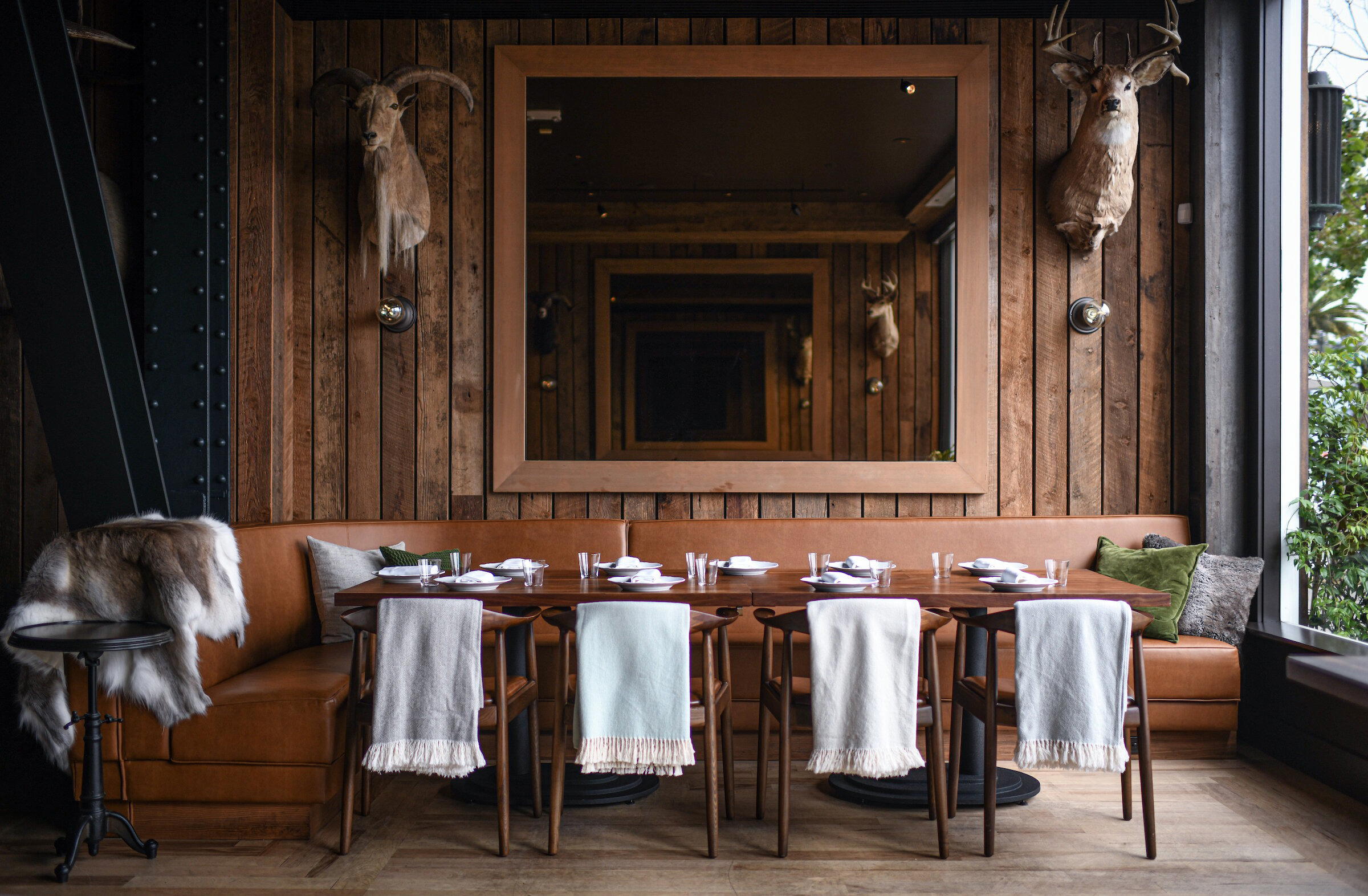
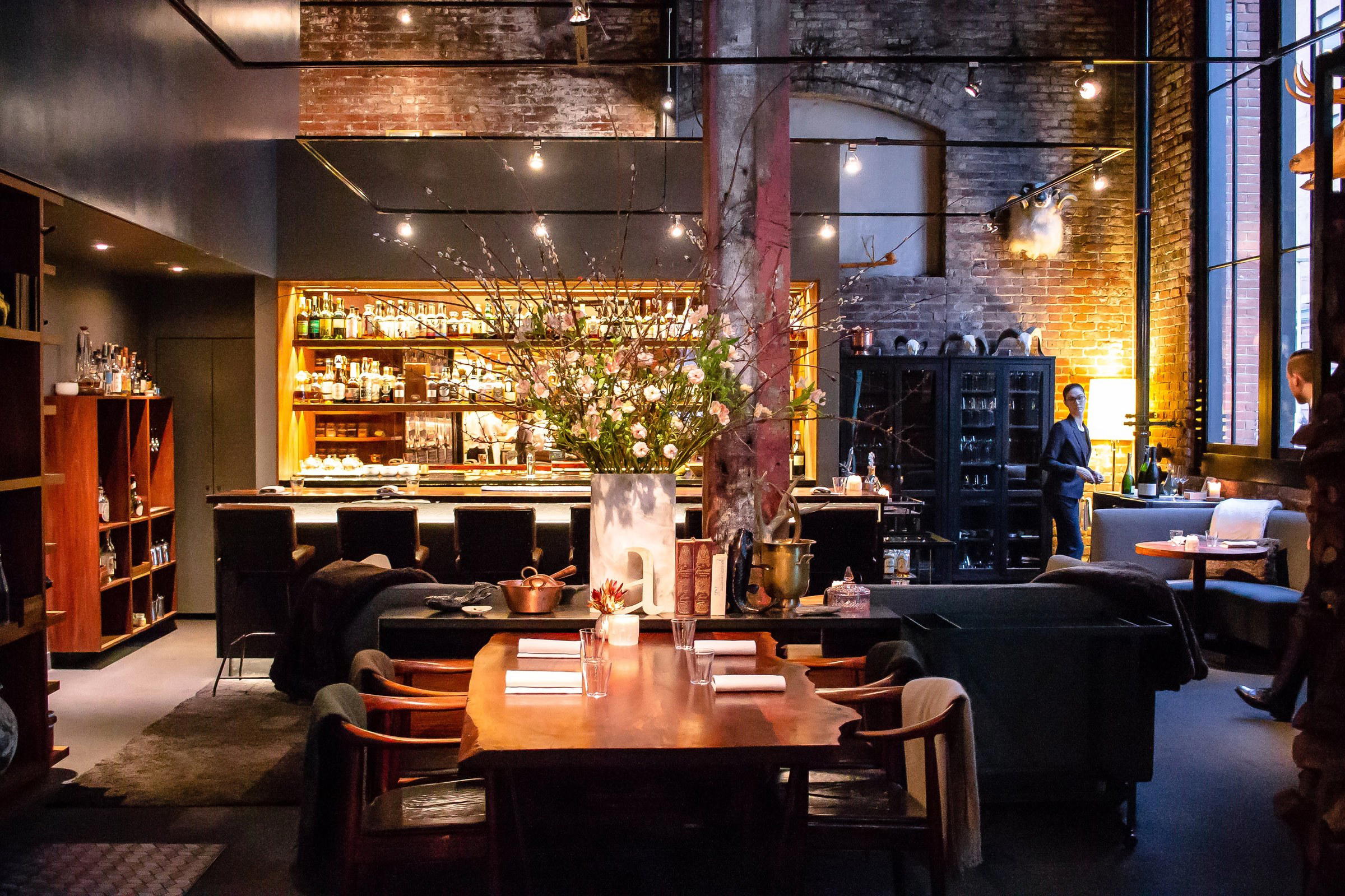
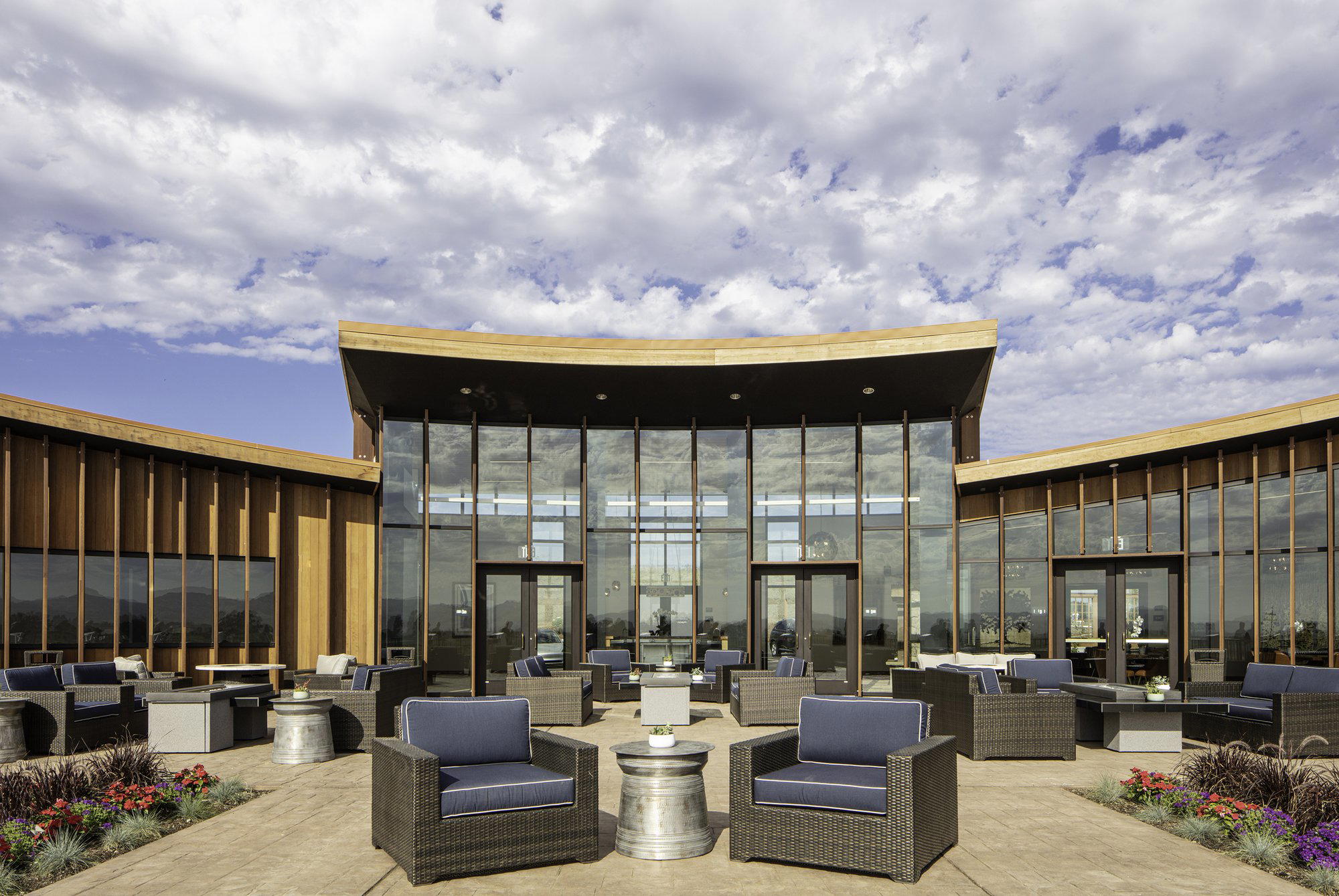
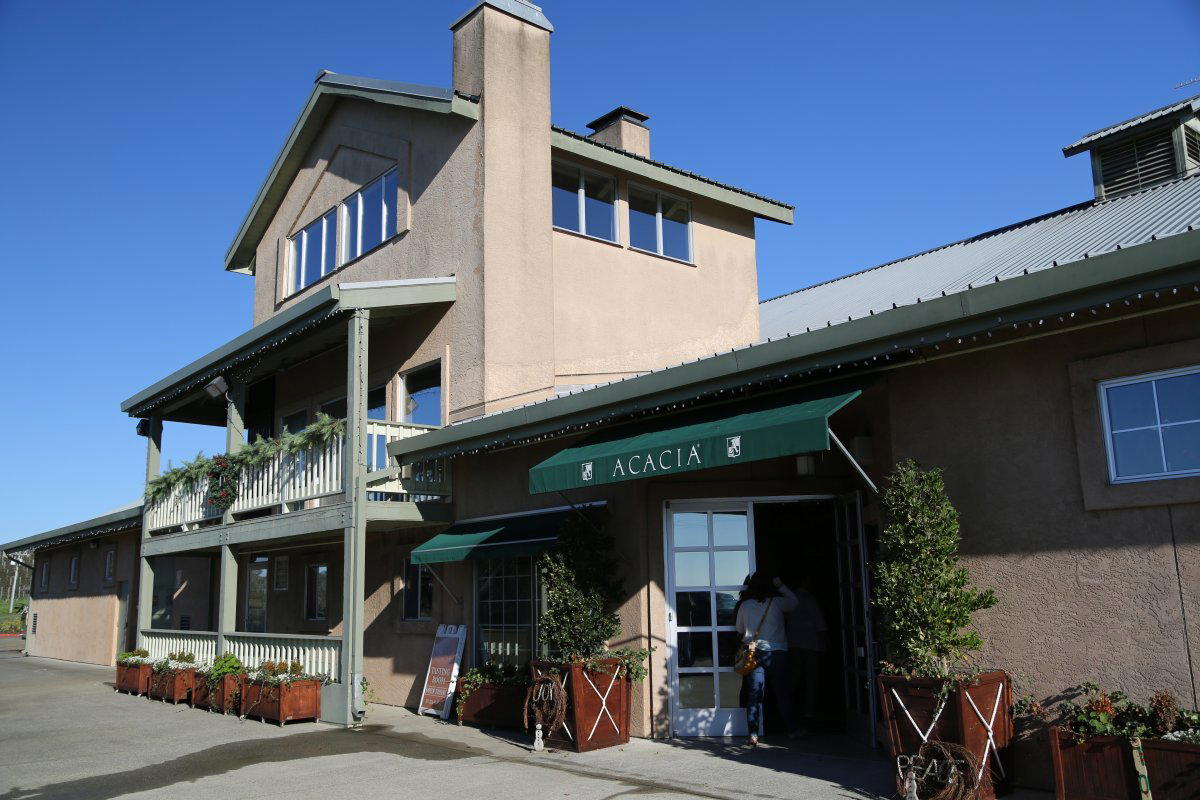
Bustling yet elegant atmosphere with moderate noise, featuring a casual communal area and refined main dining room.