The Dining Room
Our verdict
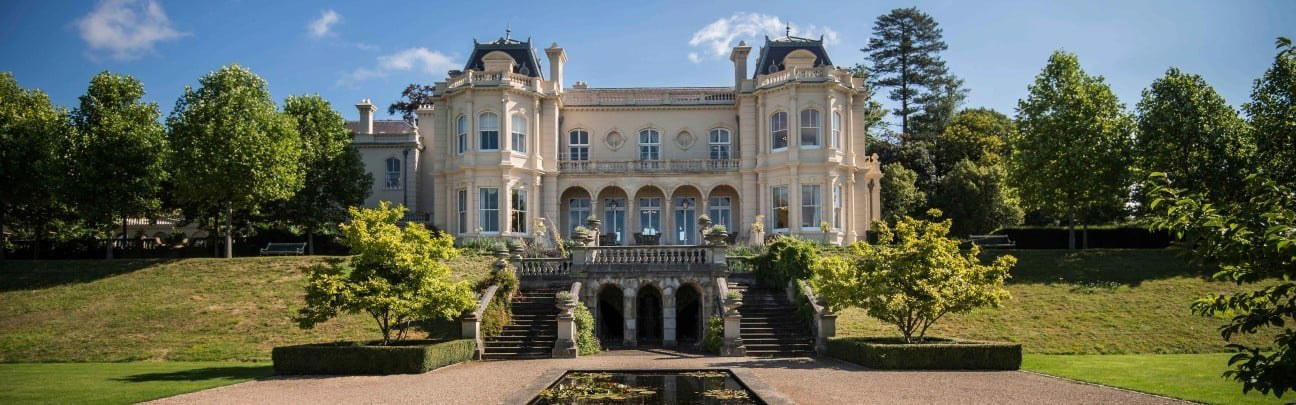
The Dining Room sits within a country house setting on Vowels Lane in East Grinstead, placing it squarely in the tradition of rural fine dining that defines West Sussex's more serious restaurant tier. For context on the local scene, our East Grinstead dining guide covers the broader options.

Pearl is the En Primeur Club membership app — saves, bookings, and concierge access live there. Same editors, same standards.
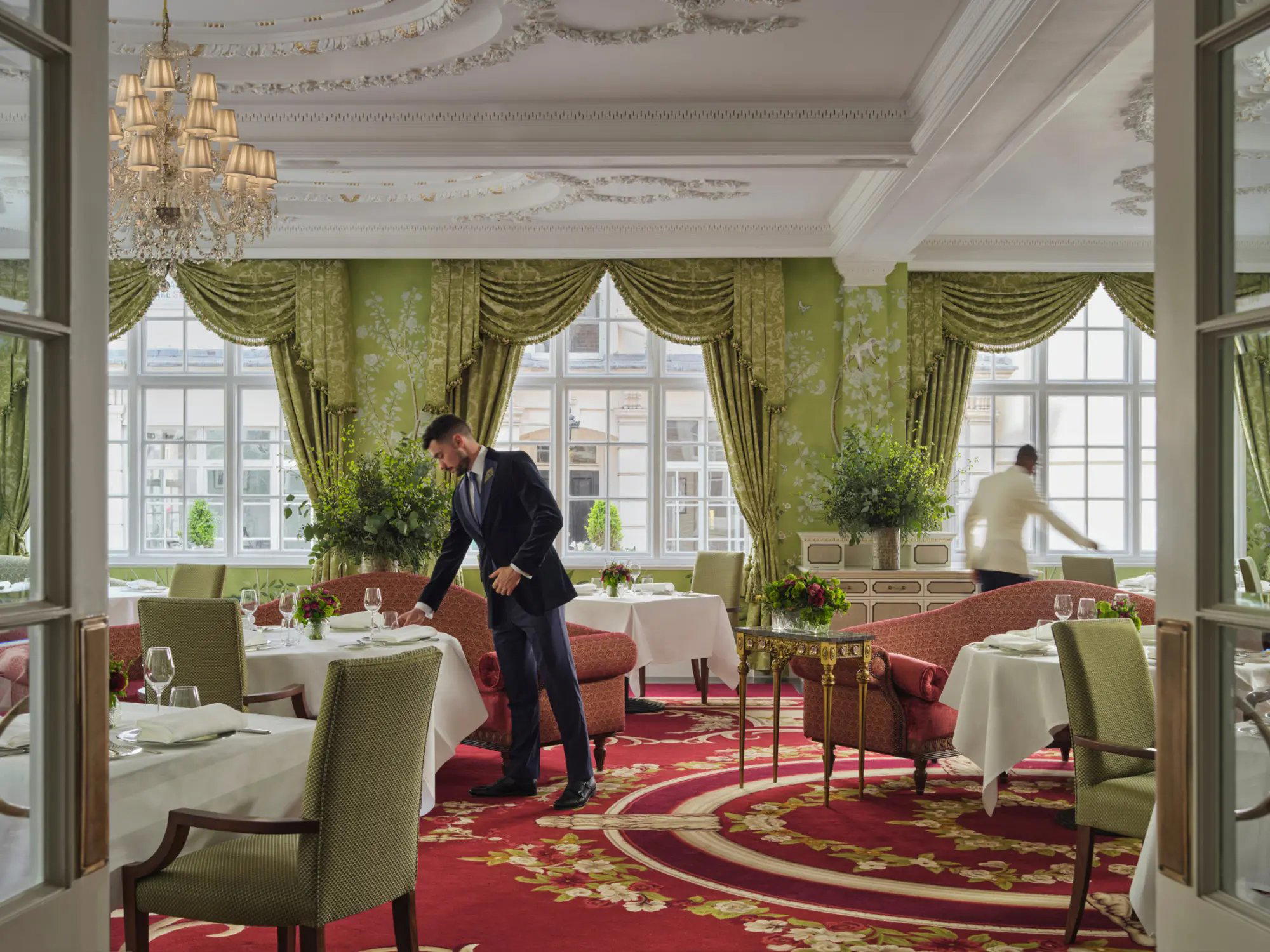
Country House Dining in West Sussex: Where The Dining Room Fits
The road to Vowels Lane does not announce itself loudly. East Grinstead sits at the northern edge of the High Weald, a stretch of ancient woodland and farmland that separates the Sussex coast from the London commuter belt, and the approach to any serious dining destination here tends to involve narrowing lanes, hedgerow, and a gradual shedding of urban noise. That physical context matters when thinking about what country house dining in this part of England actually represents. It is not merely a backdrop; it is a structural argument about where ingredients come from, how slowly a kitchen can work when it is not turning sixty covers in ninety minutes, and why the connection between land and plate is easier to maintain at this latitude than in a city postcode.
The Dining Room, addressed at Vowels Lane in East Grinstead, belongs to a tradition of rural fine dining that has deep roots in the counties surrounding London. The High Weald and the Ashdown Forest sit within range of some of the most productive small-scale farming in the south of England: rare-breed livestock operations, kitchen garden growers, wild herb foragers, and artisan producers who supply restaurants rather than wholesale markets. That supply geography gives kitchens in this corridor a distinct advantage over urban peers who must work harder and pay more to source equivalent provenance.
Broader context for The Dining Room is a county scene where the benchmark is set by Gravetye Manor, whose kitchen garden model has become one of the most cited examples of direct-from-estate sourcing in British fine dining. That property, also in East Grinstead, operates its own walled garden and frames ingredient provenance as a culinary philosophy rather than a marketing point. Any serious restaurant in the same postcode operates in that shadow and is measured, consciously or not, against that standard. For a fuller picture of how East Grinstead's dining options stack up, the EP Club East Grinstead restaurants guide maps the competitive field.
The Sourcing Argument in Southern English Fine Dining
British fine dining has spent the last two decades reorganising itself around ingredient provenance in a way that was not true of the previous generation. The country house hotel format, once associated with classical French technique applied to generic luxury product, has largely reinvented itself as a localist argument: the kitchen as the end point of a sourcing chain that begins in the surrounding fields and hedgerows. This shift is visible across the country, from L'Enclume in Cartmel, whose farm supplies a significant portion of its tasting menu, to Moor Hall in Aughton, which has built a similar model in Lancashire. In the south, Le Manoir aux Quat'Saisons in Oxford established the walled-kitchen-garden template that many properties now reference, and Gidleigh Park in Chagford has long maintained relationships with Dartmoor-area producers as a defining part of its identity.
The West Sussex corridor, with its combination of clay-heavy soil suited to root vegetables and brassicas, proximity to Channel fishing ports, and a density of small estates still running kitchen gardens, is well-positioned within that national pattern. Restaurants here that commit to a sourcing programme can draw on a supply network that urban kitchens cannot replicate at comparable cost. The seasonal constraint this places on menus is also a creative discipline: what arrives from the garden or the nearby farm determines the direction of the kitchen, rather than the other way around.
Comparable rural fine dining properties across Britain have used exactly this model to build critical standing. Ynyshir Hall in Machynlleth built its reputation partly on the intensity of its sourcing relationships with Welsh producers. Midsummer House in Cambridge and Restaurant Sat Bains in Nottingham both operate with kitchen gardens that inform their menus directly. At the international level, properties like Le Bernardin in New York City and Atomix in New York City demonstrate how ingredient origin can function as a primary editorial frame for a kitchen's identity, even in dense urban contexts where local sourcing requires considerably more effort.
Understanding where The Dining Room sits requires mapping the tier structure of British fine dining more carefully than the generic country house category allows. At the upper end of the national recognition curve sit operations like CORE by Clare Smyth in London, which holds three Michelin stars and frames its sourcing programme around named British farms. The Waterside Inn in Bray occupies a different tier entirely, with a classical French foundation that has held three stars since 1985. Hand and Flowers in Marlow represents a different model again: a two-starred pub that has demonstrated how the sourcing-led, produce-focused approach can work outside the formal country house format.
Regional properties with strong award records, such as Restaurant Andrew Fairlie in Auchterarder, The Glenturret Lalique in Crieff, and Opheem in Birmingham, show that serious critical standing in British fine dining is no longer concentrated in London or the Thames Valley. Hide and Fox in Saltwood, Kent, is perhaps the closest geographic comparator for a Channel-adjacent, rurally situated kitchen operating at a high technical level. That Kent-Sussex coastal arc has produced a cluster of serious kitchens over the past decade, driven by the same supply geography: proximity to the sea, productive agricultural land, and a visitor base willing to travel for a meal.
Planning a Visit
East Grinstead is served by Thameslink from London Bridge and London Blackfriars, with journey times typically under an hour, making the town accessible for a dinner visit without requiring an overnight stay, though the setting on Vowels Lane is more naturally suited to a longer itinerary. Given the limited publicly available information about The Dining Room's current format, hours, and booking arrangements, direct contact with the property is the recommended first step. Visiting in autumn, when the High Weald's produce calendar peaks with game, root vegetables, and preserved summer harvests, tends to be the moment when kitchens in this region operate at their most expressive. Spring, when kitchen gardens begin producing again after winter, is the other high point on the seasonal calendar for this type of sourcing-led operation.
Frequently asked questions
Is The Dining Room okay with children?
Country house dining rooms at the destination end of the market — the category The Vowels Lane address places The Dining Room in — tend to run longer, quieter services that suit adults more naturally than young children. Without specific family policy details on record, the safest approach is to check the venue's official channels before booking. The formal rural setting and likely tasting menu format are worth weighing against the needs of younger guests.
What's the overall feel of The Dining Room?
The Vowels Lane address in East Grinstead sets the tone: this is a country house dining room reached by a lane that does not advertise itself, which tends to attract guests who have made a deliberate choice rather than a passing one. The High Weald setting shapes the pace — rural, unhurried, and oriented toward the kind of meal that fills an evening rather than an hour. Expect formality calibrated to a country house register rather than an urban restaurant room.
Is The Dining Room worth the trip from London as a standalone dining destination?
East Grinstead sits under an hour from London Bridge and London Blackfriars on Thameslink, which makes the Vowels Lane address genuinely viable as a day or evening trip rather than an overnight commitment. Country house restaurants at this distance from the capital typically draw a London audience alongside local regulars, and the destination format — away from a high street, reached by a named lane — positions The Dining Room as a considered journey rather than a convenience stop. Whether the kitchen justifies that journey is a question the current public record does not yet fully answer, but the physical access is easier than the rural setting implies.
What's the signature dish at The Dining Room?
Specific menu details for The Dining Room are not held in the current public record, and citing dishes without verified sourcing would misrepresent the kitchen's actual output. For current menu information, contacting the venue directly via their Vowels Lane address in East Grinstead is the reliable route. Country house kitchens in this part of West Sussex frequently anchor menus to High Weald and broader southern English produce, though that is a regional pattern rather than a confirmed detail for this specific room.
How do I find The Dining Room?
The Dining Room is located at Vowels Ln, East Grinstead RH19 4LJ, United Kingdom, East Grinstead.
In Context: Similar Options
| Venue | Cuisine | Price | Awards | Notes |
|---|---|---|---|---|
| The Dining RoomThis venue (the venue you are viewing) | Modern British Fine Dining | $100–150 | Not listed | Not listed |
| CORE by Clare Smyth | Modern British Fine Dining | $150–200 | 3 Michelin Stars · World's 50 Best #97 | Modern British |
| Restaurant Gordon Ramsay | French Fine Dining | $200–300 | 3 Michelin Stars · World's 50 Best #13 | Contemporary European, French |
| Sketch, The Lecture Room and Library | Modern French Fine Dining | $200–300 | 3 Michelin Stars · World's 50 Best #18 | Modern French |
| The Ledbury | Modern British Fine Dining | $300–500 | 3 Michelin Stars · World's 50 Best #42 | Modern European, Modern Cuisine |
| Dinner by Heston Blumenthal | Historic British Fine Dining | $200–300 | 2 Michelin Stars · World's 50 Best #45 | Modern British, Traditional British |
Continue exploring
More in East Grinstead
Restaurants in East Grinstead
All restaurants in East Grinstead →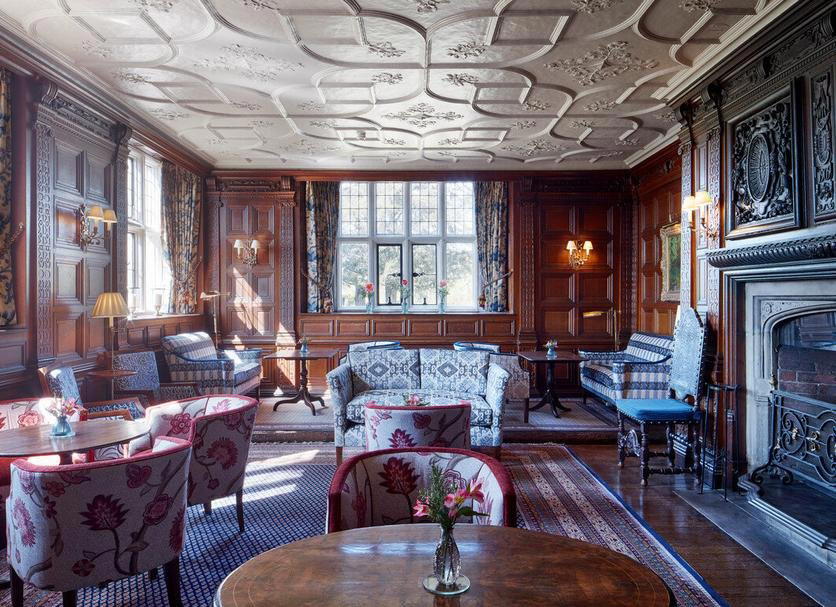
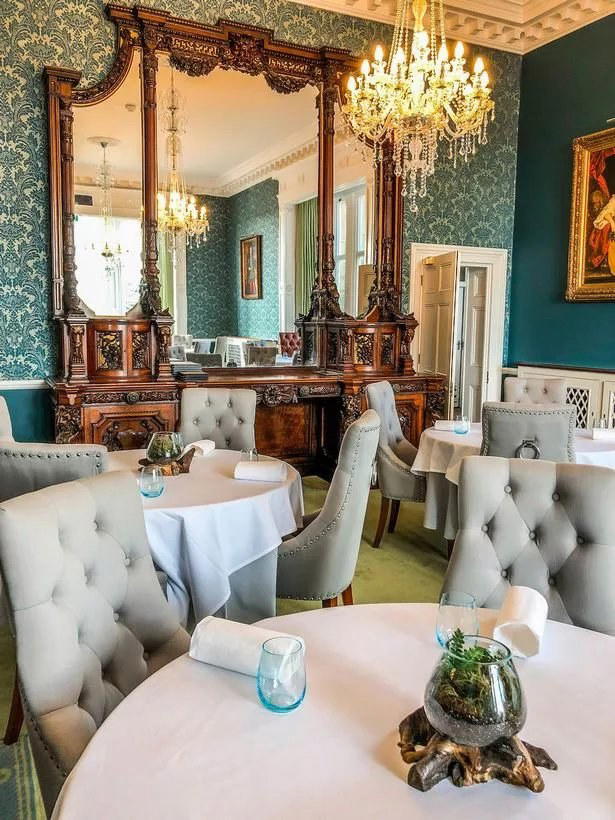
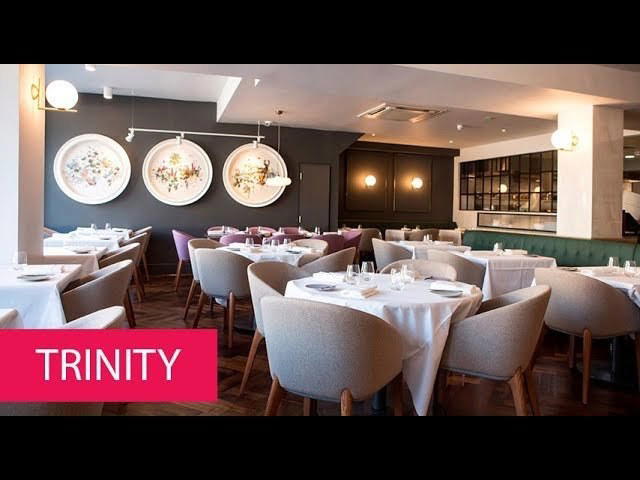
Bars in East Grinstead
Browse all →

Details
- Elegant
- Sophisticated
- Intimate
- Scenic
- Special Occasion
- Date Night
- Celebration
- Garden
- Historic Building
- Hotel Restaurant
- Farm To Table
- Local Sourcing
- Garden
- A La Carte
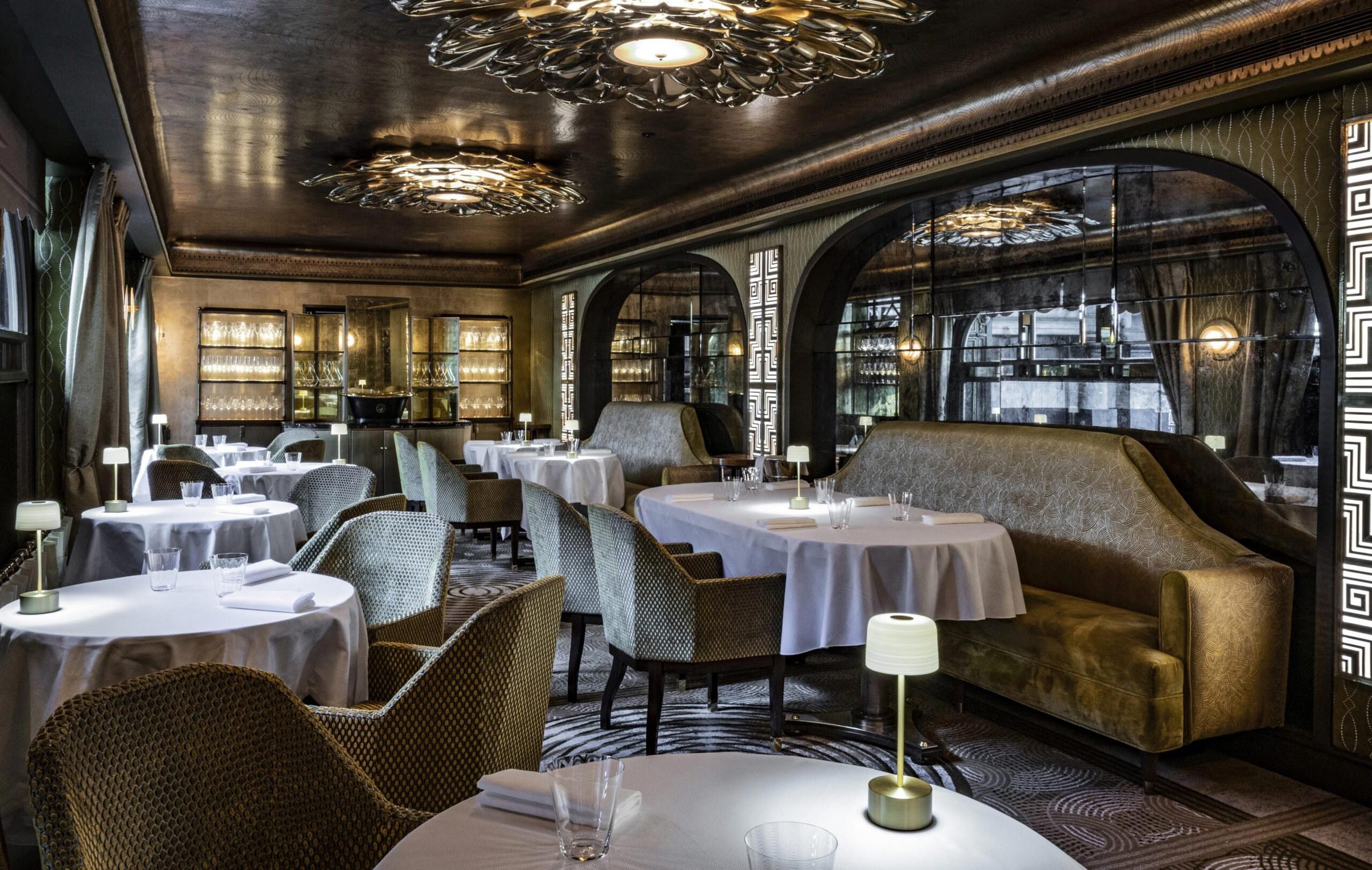
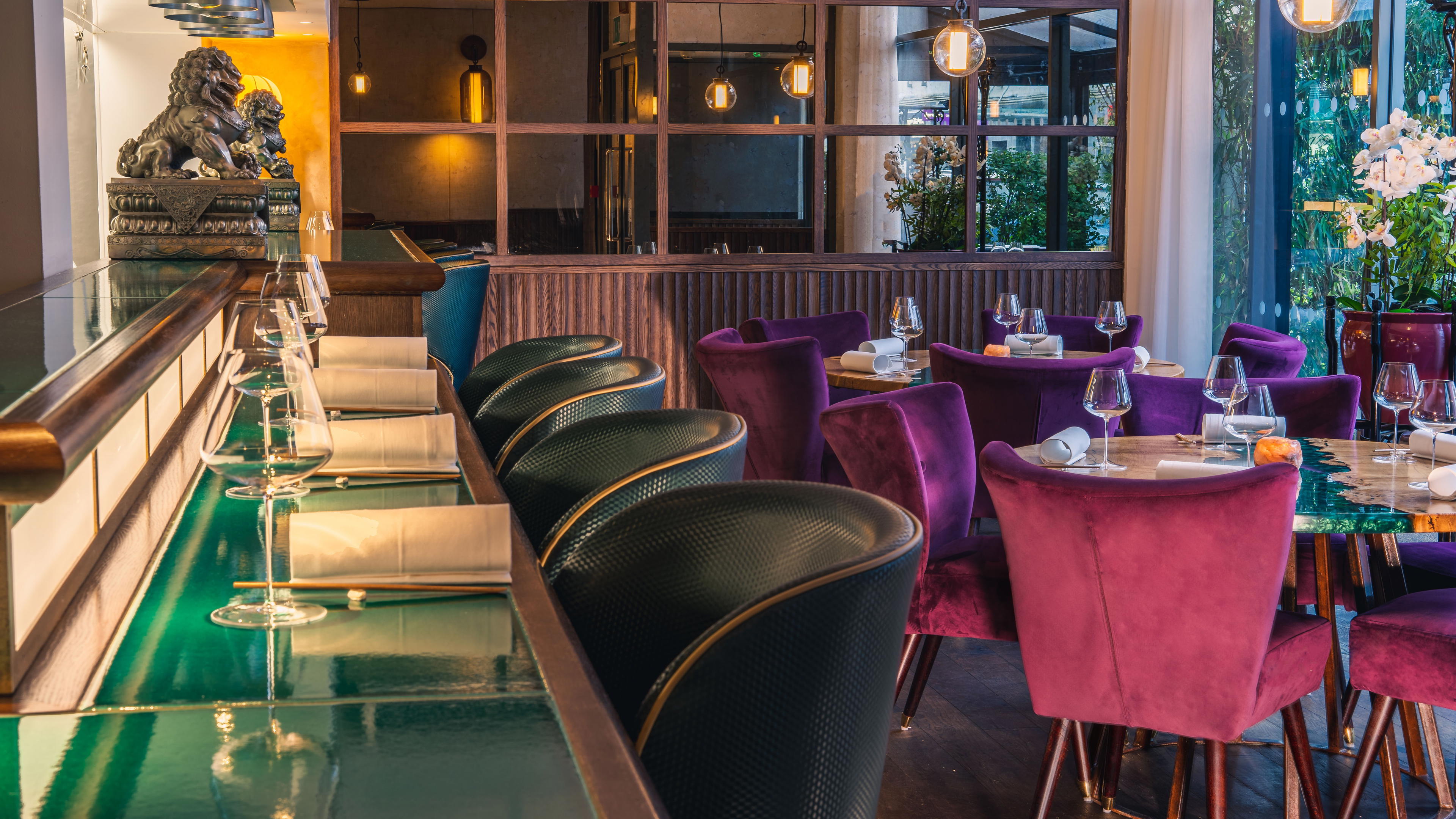
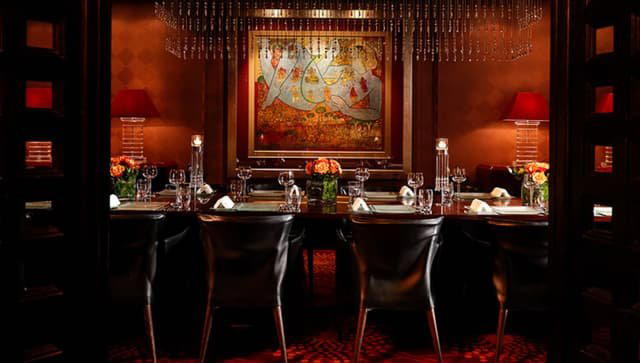
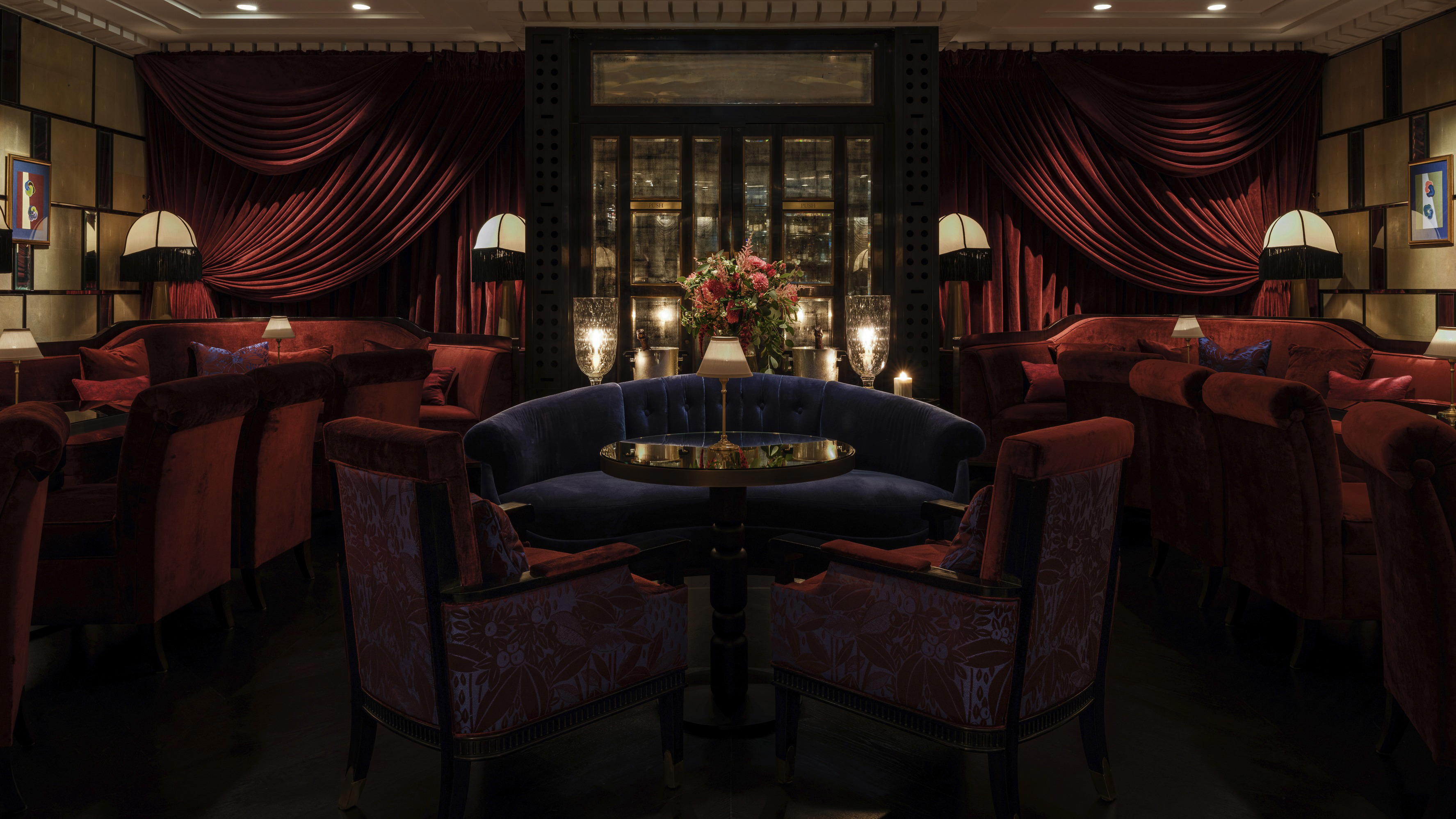
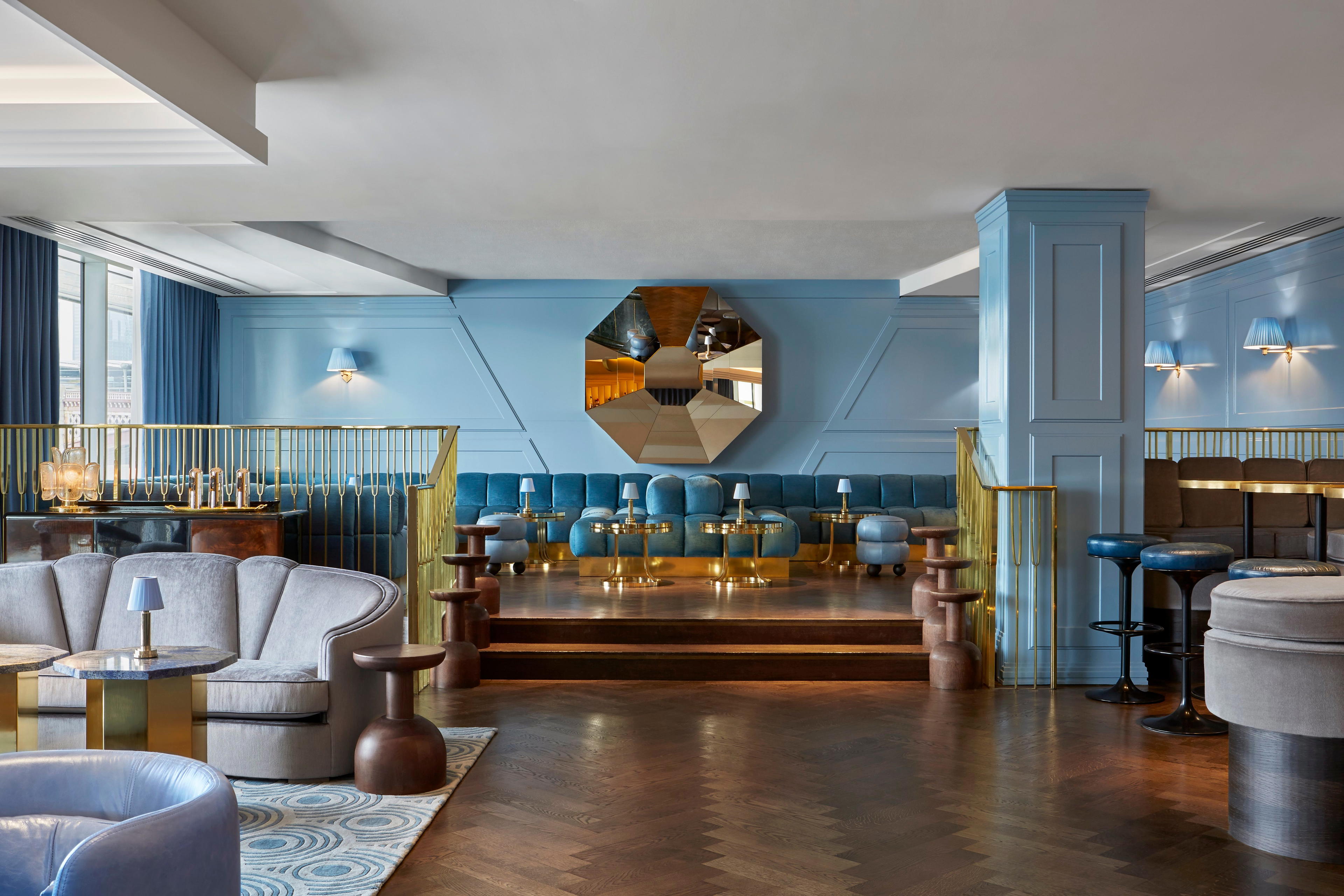
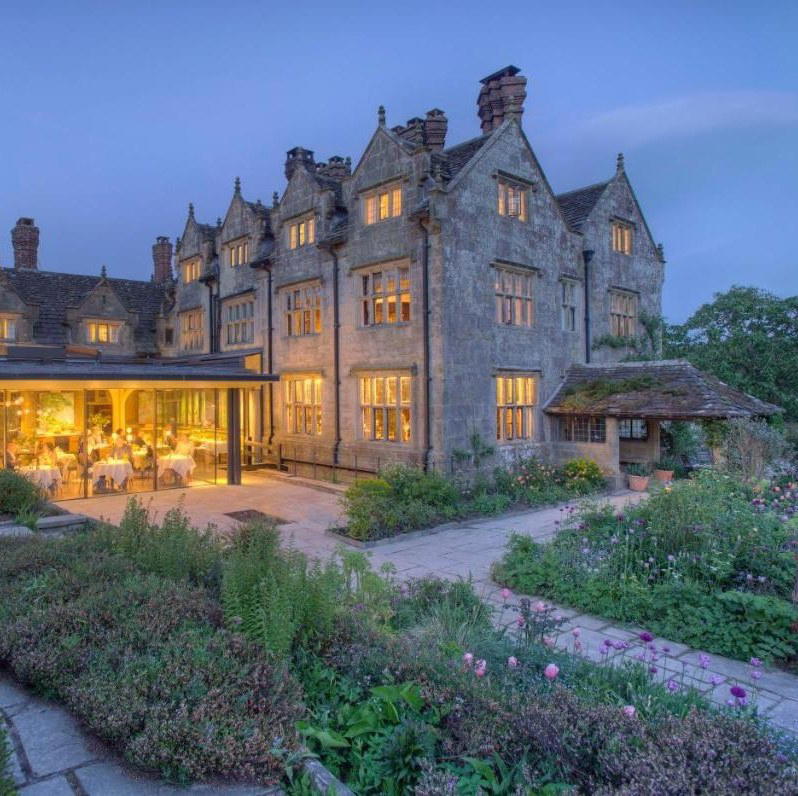
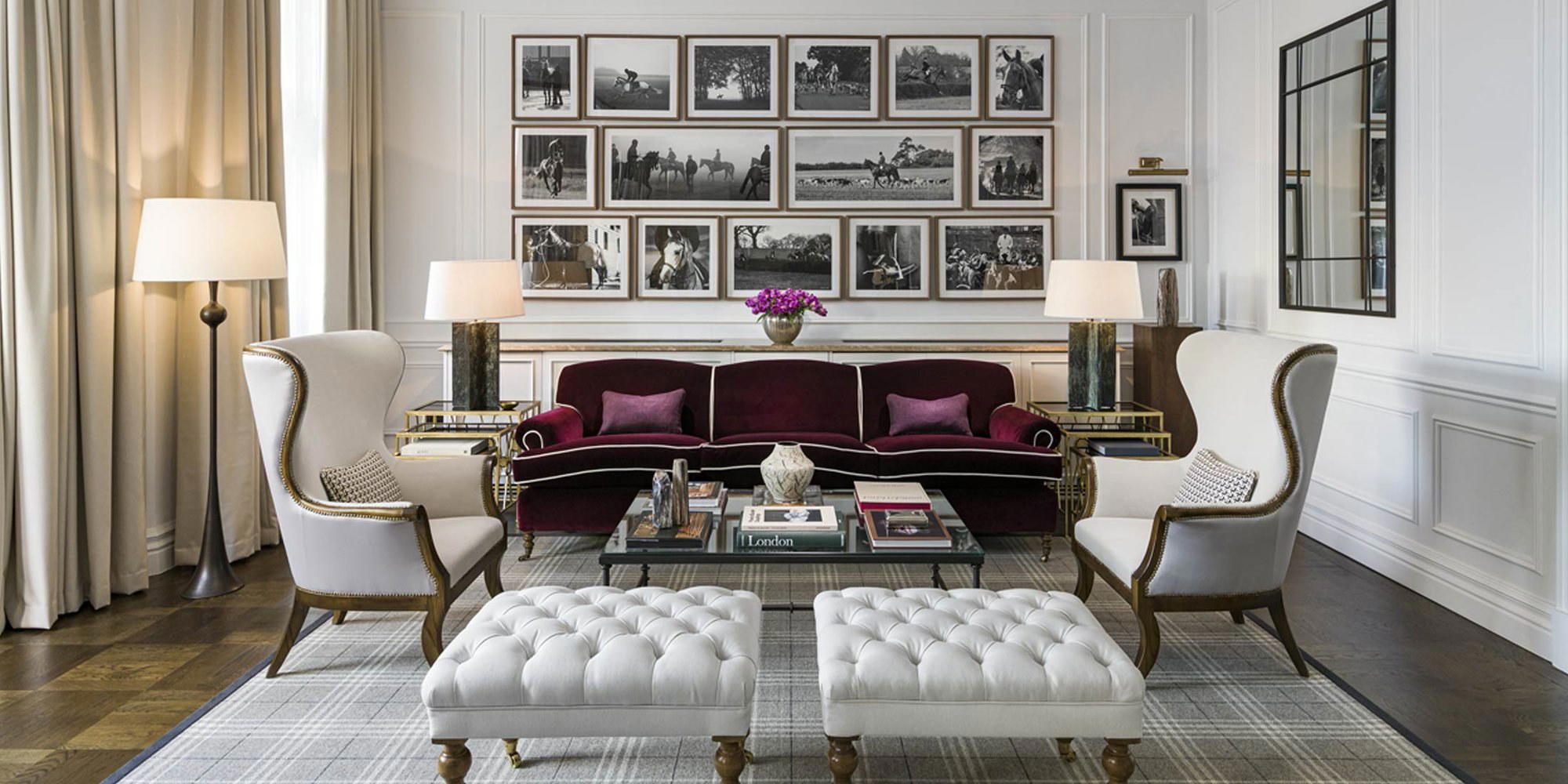
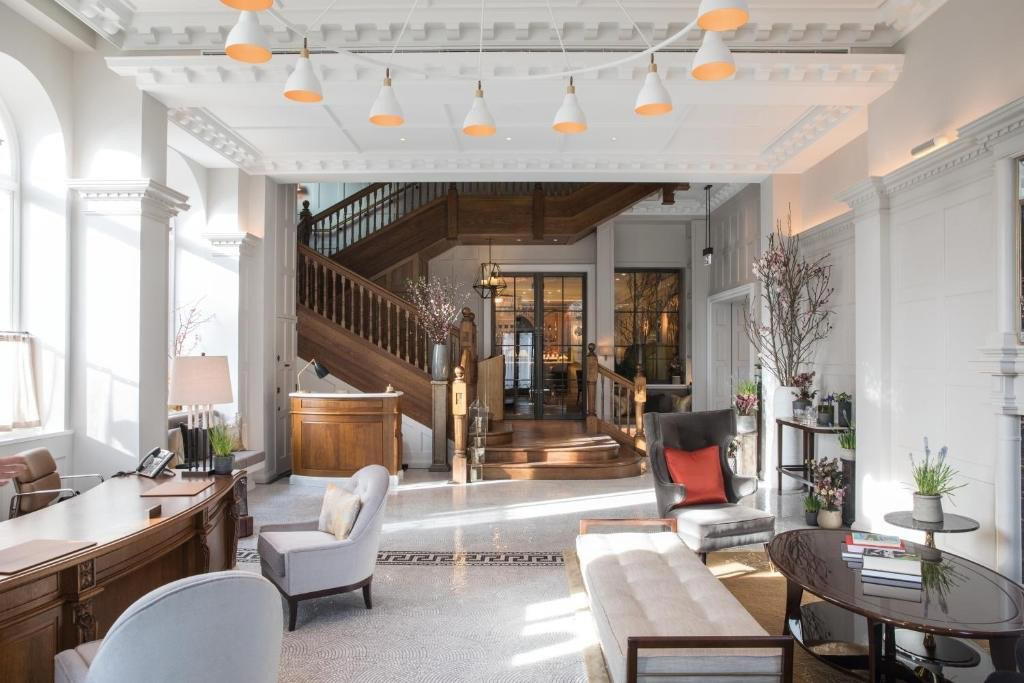
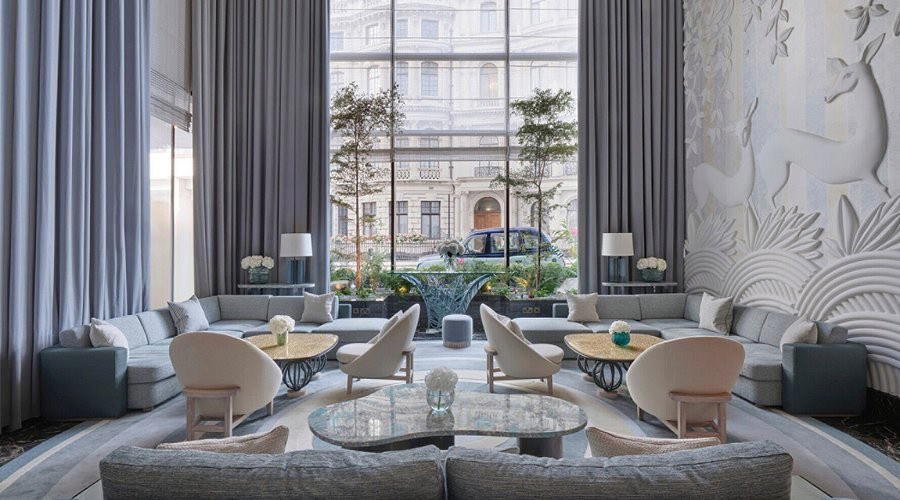
Striking contemporary extension with floor-to-ceiling glass walls offering uninterrupted garden views, well-spaced tables, wood-paneled elements, crackling log fires, and blissfully low noise levels without background music.