Coworth Park
Our verdict
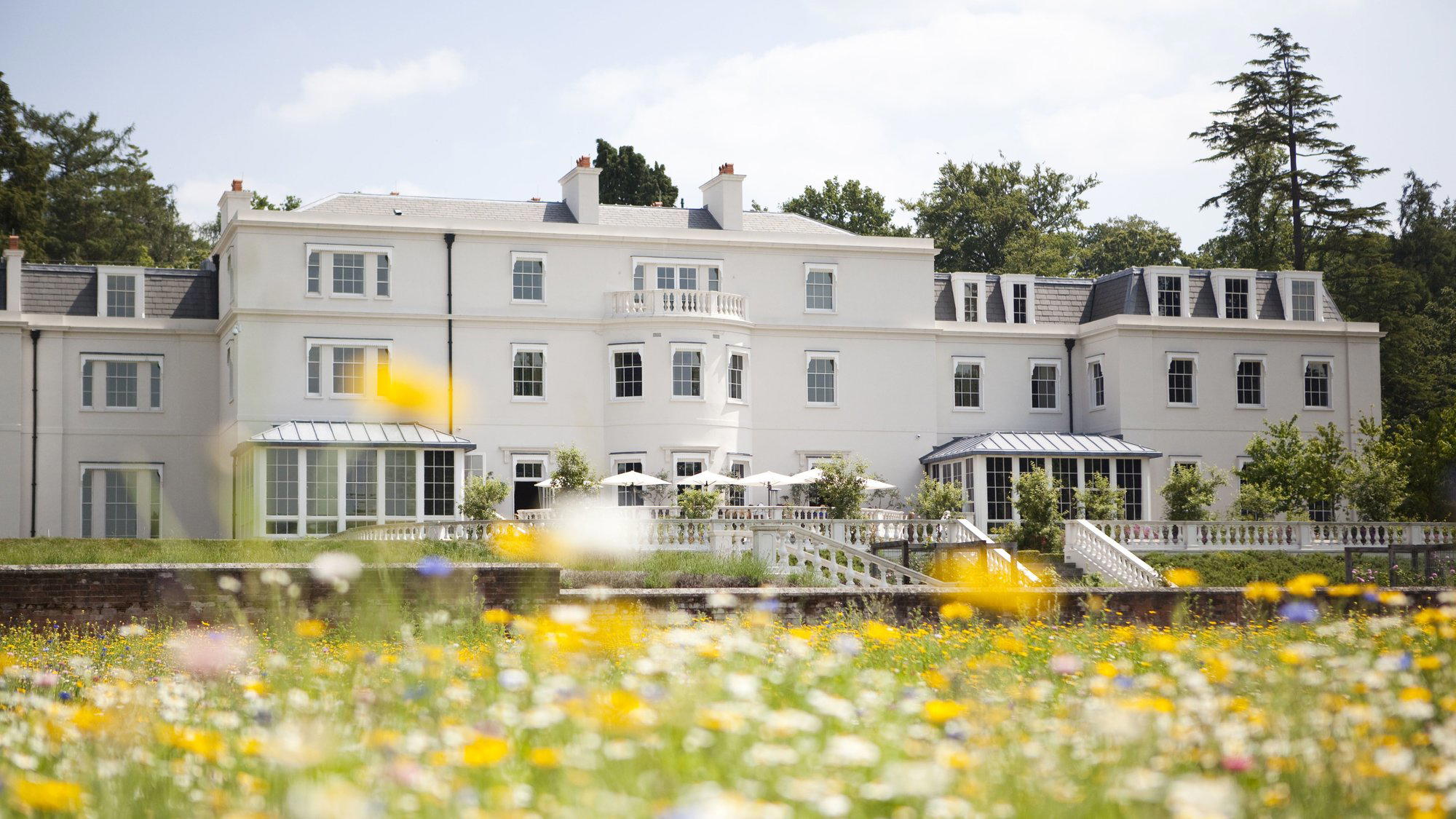
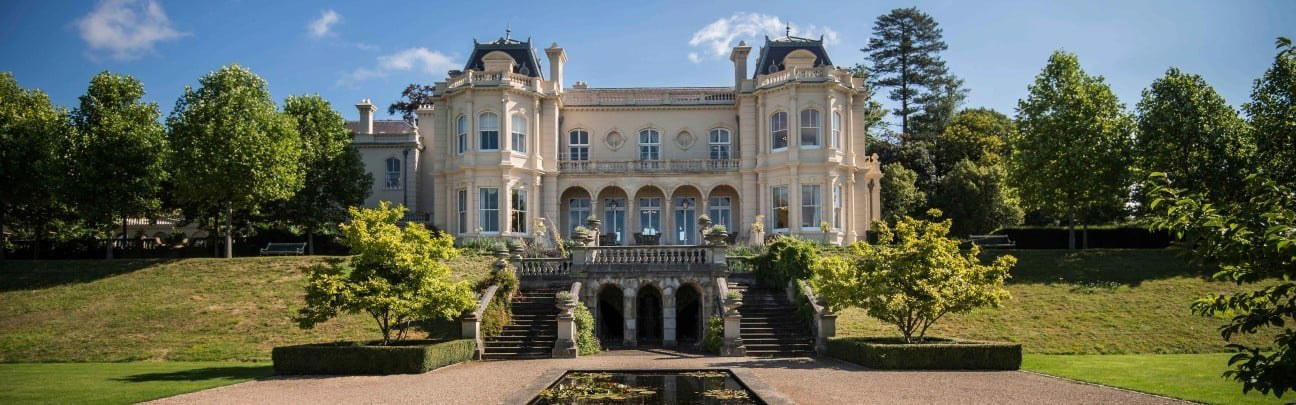
Coworth Park is a country house hotel set across 240 acres of Berkshire parkland, positioned within easy reach of Windsor and central London. The property combines formal estate architecture with a dining program that has attracted serious culinary attention in the Ascot corridor, making it a reference point for country house hospitality in the Thames Valley region.

Pearl is the En Primeur Club membership app — saves, bookings, and concierge access live there. Same editors, same standards.
- Address
- Coworth Pk, Sunningdale, Ascot SL5 7SE, United Kingdom
- Phone
- 01344 876 600
- Hours
- Mon–Thu ClosedFri–Sun 12–5 PM
- Website
- coworthpark.com
- Directions
- Get directions
Parkland, Proximity, and the Country House Dining Tradition
The English country house hotel occupies a specific cultural niche: close enough to London to draw a metropolitan crowd, far enough to justify the slower pace that defines the format. Coworth Park, set across 240 acres of Berkshire parkland near Sunningdale, sits firmly within that tradition. The approach through open grounds before the Georgian manor comes into view is the kind of arrival sequence that the country house format was built around — a deliberate transition from the speed of the city to something more considered. That spatial grammar matters here. The estate's scale sets expectations before you've crossed the threshold.
Berkshire's position along the Thames Valley corridor has made it one of England's most consistent concentrations of serious dining outside the capital. Our full Ascot restaurants guide maps the range, but the short version is that venues in this pocket — from Ascot through to Bray and beyond, tend to compete on a different axis than London restaurants. The format, not just the food, carries weight. A meal at a property like this is as much about the full day's arc as it is about any individual course.
The Wider Context: Country House Cooking in Britain
British country house cooking has historically tracked two competing impulses. One tendency leans toward classical French technique, rooted in the long tradition of formally trained brigade cooking that shaped properties like Le Manoir aux Quat' Saisons in Great Milton and Gidleigh Park in Chagford. The other moves toward a more specifically British idiom, seasonal produce, regional suppliers, and a self-conscious connection to the land that surrounds the property.
The more interesting country house programs today tend to sit between these poles, drawing on classical discipline while framing the result in a genuinely local register. That middle ground is where the category has found its most durable critical recognition. Properties that commit fully to one idiom without acknowledging the other tend to feel either derivative or parochially narrow. The ones that hold tension between the two, technical seriousness applied to British materials, are the ones that generate sustained conversation.
This is the competitive context in which Ascot-area dining operates. Woven by Adam Smith has become the most discussed name in the immediate vicinity, anchoring a strong case for the Ascot corridor as a genuine destination rather than a convenience stop between London and the racecourse. Bluebells Restaurant represents a different register in the same geography. Coworth Park participates in this cluster not simply by proximity but by the gravitational pull that a significant estate property creates around a dining offer.
The British Country House as Cultural Artifact
Understanding what a place like this is asking of its guests requires some cultural framing. The country house hotel emerged as a commercial form in the mid-twentieth century, converting private estates that had become financially unsustainable into hospitality businesses. What persisted, in the better examples, was the texture of private ownership: rooms furnished with the specificity of individual taste, grounds maintained with the patience that only long institutional continuity affords, and dining rooms operating at a pace that hotel dining in cities rarely matches.
The leading comparisons for this kind of format in the British context are properties where the dining program has achieved independent recognition while remaining embedded in the full estate experience. L'Enclume in Cartmel has built one of the country's most discussed restaurants partly because the surrounding village becomes part of the experience. Moor Hall in Aughton similarly draws on its lakeside setting as an integral element of how the food reads. The principle applies here: the parkland is not backdrop but context, shaping the register of what happens inside.
For international visitors calibrating where British country house dining sits relative to global reference points, the most useful framing may be the contrast with destination restaurants that operate without accommodation. A dinner at CORE by Clare Smyth in London or The Fat Duck in Bray is a concentrated, timed experience. A stay at a country house property extends the experience across arrival, a night in the grounds, and departure, a fundamentally different rhythm, and one that some guests will find more sustaining.
Ascot as a Dining Destination
Ascot's identity is inseparable from the racecourse, and Royal Ascot week in June functions as a soft high season for the area's hospitality sector. Demand for accommodation and dining during race week runs well ahead of the standard calendar, and advance planning for that window is necessary rather than optional. Outside race season, the Berkshire countryside around Sunningdale draws visitors for whom the proximity to Windsor Great Park and the M25 corridor represents practical convenience rather than compromise.
The wider regional picture includes serious dining addresses at varying price points and formats. Hand and Flowers in Marlow and Midsummer House in Cambridge show the range of Michelin-recognised cooking available within a reasonable drive of Ascot. Hide and Fox in Saltwood represents the kind of smaller-format destination that has multiplied across the Home Counties in the past decade. For those building an itinerary around the Ascot corridor, our full Ascot hotels guide, bars guide, wineries guide, and experiences guide map the full picture beyond dining alone.
Planning a Visit
Coworth Park sits near Sunningdale in Berkshire, approximately 25 miles southwest of central London. The estate is accessible by rail via Sunningdale station on the South Western Railway line from London Waterloo, with the journey taking around 45 minutes. By road, the property is a short distance from the A30 and well connected to the M25 at junction 13. For guests arriving from further afield, Heathrow Airport is within roughly 10 miles, making the estate one of the more accessible country house properties relative to an international gateway.
Given the estate's position as both a hotel and dining destination, direct contact with the property is the appropriate channel for room and restaurant reservations. Race week and summer weekends at this kind of Berkshire property book early, and flexibility on dates pays dividends outside peak periods. Those comparing this format against urban fine dining alternatives should factor in the full-day or overnight arc: the estate experience is not well served by treating it as a quick dinner stop.
Frequently asked questions
Is Coworth Park okay with children?
Country house hotels of this type in Berkshire generally maintain a relaxed policy toward families, particularly on weekend stays when the atmosphere shifts away from corporate guests. The estate's outdoor grounds near Sunningdale give children space that a city-centre property cannot offer. Confirm specific children's amenities and age policies directly with the hotel before booking, as these can vary by season and room category.
What's the vibe at Coworth Park?
Coworth Park occupies the quieter, more residential end of the English country house spectrum: closer to a private estate than a destination resort. The Ascot address brings a certain horseracing-season formality in June, but outside Royal Ascot week the tone is unhurried. Expect drawing rooms and grounds that reward guests willing to slow down rather than those seeking an activity-heavy programme.
Is Coworth Park a good base for visiting Ascot racecourse?
Coworth Park sits in Sunningdale, Ascot SL5 7SE, placing it within a short drive of the racecourse — an advantage during Royal Ascot week in June when local accommodation fills quickly and rates rise across the area. The estate's parkland setting means guests can return to genuine quiet after race days, unlike hotels in the town centre. Booking well in advance for race-week dates is standard practice across all properties in this postcode.
What's the best thing to order at Coworth Park?
The country house dining tradition in Berkshire typically leans on seasonal British produce with classical European technique. check the venue's official channels for current menu and tasting-menu formats before your visit.
Price and Positioning
Comparable venues nearby, for context on price, style, and recognition.
| Venue | Cuisine | Price | Awards | Notes |
|---|---|---|---|---|
| Coworth ParkThis venue — the venue you are viewing | Modern British Fine Dining | $150–200 | Not listed | Not listed |
| The Spatisserie | British Spa Café | Not listed | Not listed | Sunningdale, British Spa Café |
| The Drawing Room | Modern British Afternoon Tea | $50–100 | Not listed | Ascot, Modern British Afternoon Tea |
| The Barn | Modern British Gastropub | $50–100 | Not listed | Ascot, Modern British Gastropub |
| Bluebells Restaurant | Modern European Fine Dining | $50–100 | Michelin Plate | Ascot, Modern European Fine Dining |
| Woven by Adam Smith | Modern British Fine Dining | $150–200 | 1 Michelin Star · La Liste Top Restaurants | Ascot, Modern British Fine Dining |
Continue exploring
More in Ascot
Restaurants in Ascot
Browse all →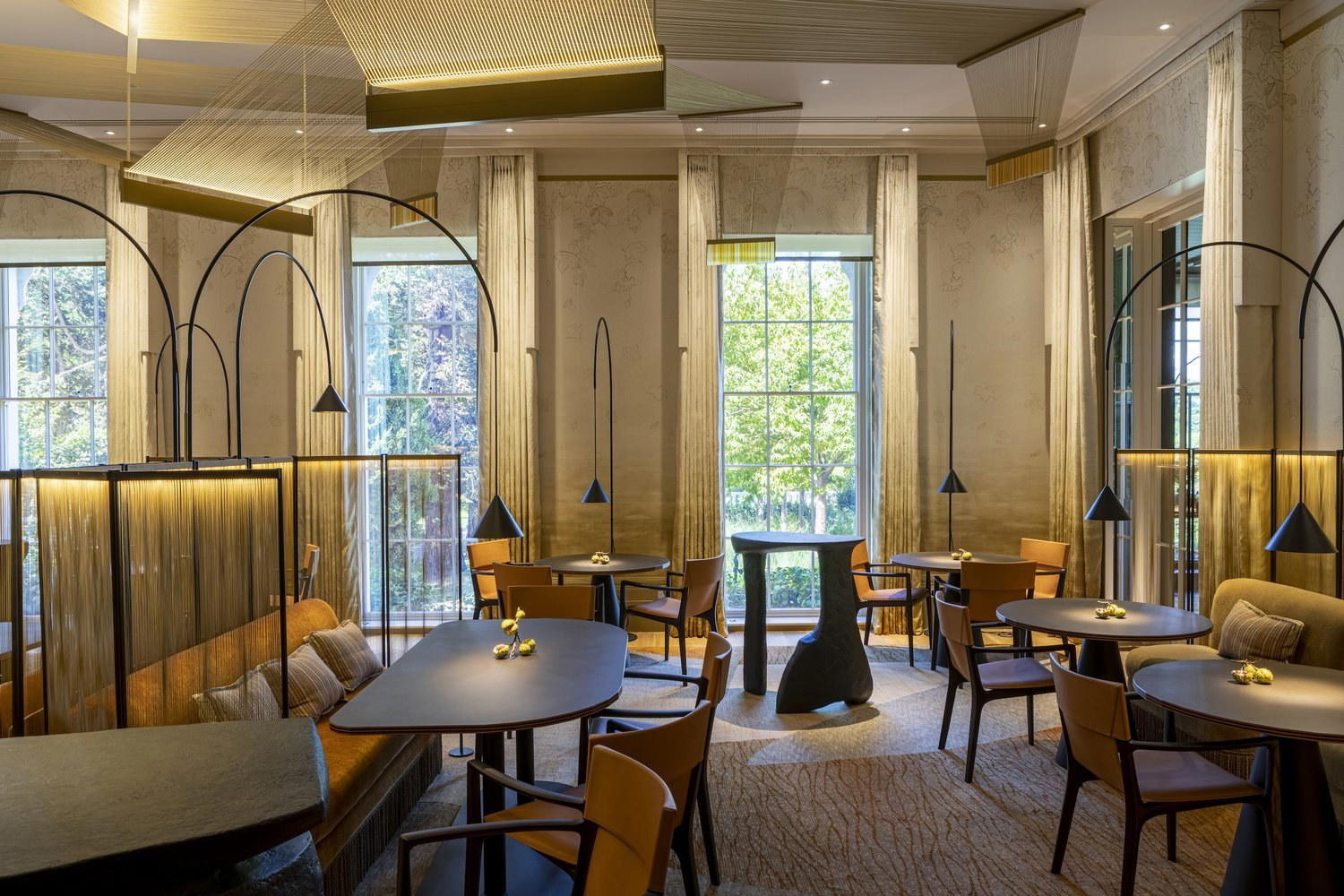
Bars in Ascot
Browse all →
Hotels in Ascot
Browse all →


Details
- Elegant
- Rustic
- Sophisticated
- Scenic
- Special Occasion
- Celebration
- Date Night
- Hotel Restaurant
- Garden
- Private Dining
- Extensive Wine List
- Sommelier Led
- Organic
- Local Sourcing
- Garden
- Tasting Menu
- A La Carte
- Wine
- Vegetarian Friendly
- Vegan Options
- Gluten Free Options
Current opening hours
- Monday
- Closed
- Tuesday
- Closed
- Wednesday
- Closed
- Thursday
- Closed
- Friday
- 12–5 PM
- Saturday
- 12–5 PM
- Sunday
- 12–5 PM
Hours can change for holidays and private events. Last verified .
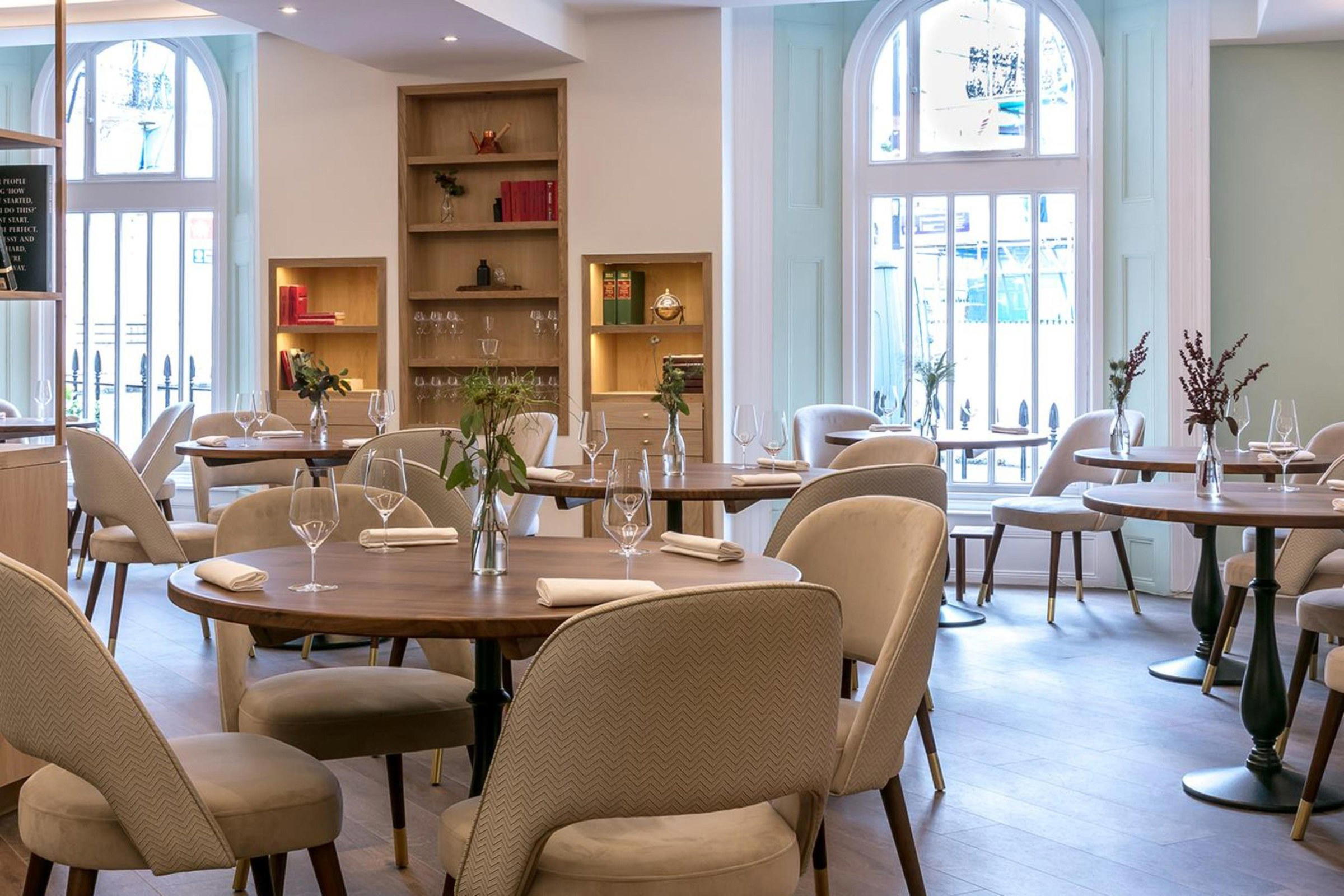
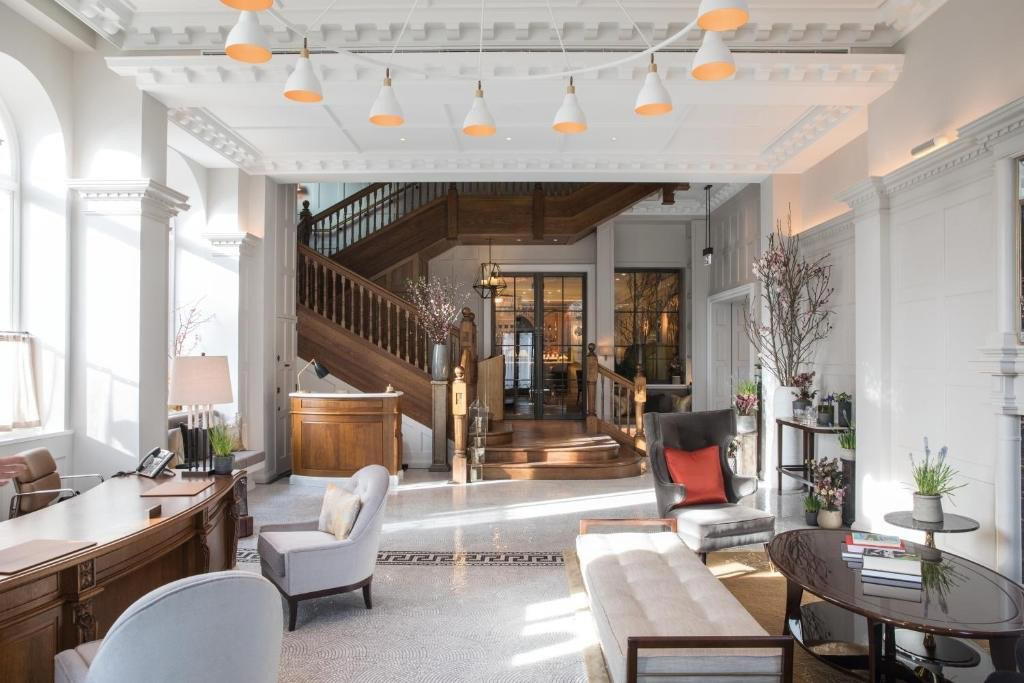
Grand dining room with large well-spaced tables looking out over gardens; warm country house feel with stone floors and reclaimed oak tables.