The Dining Room at The Guesthouse

RH's Guesthouse on Gansevoort Street extends the brand's design-first aesthetic into a restaurant that takes live-fire cooking seriously. The focused contemporary menu moves from caviar starters through whole grilled branzino to butterscotch crème brûlée, each course executed with precision against a backdrop of polished modern interiors. At the summit of New York's price tier, it competes on atmosphere as much as on the plate.
Pearl is the En Primeur Club membership app — saves, bookings, and concierge access live there. Same editors, same standards.
- Address
- 55 Gansevoort St, New York, NY 10014
- Phone
- (212) 931-1874
- Website
- rhguesthouse.com
- Directions
- Get directions
 Saves & bookings on Pearl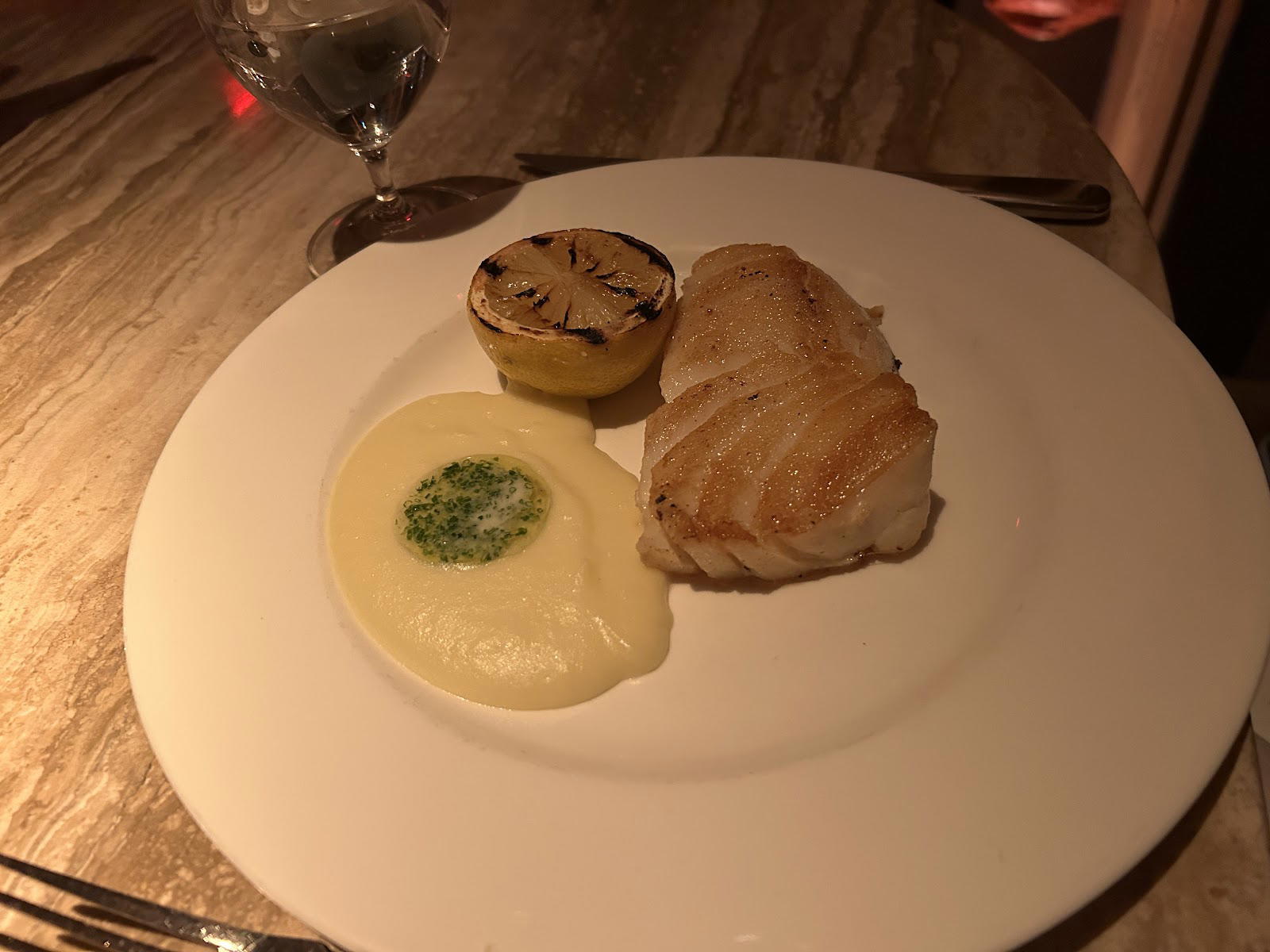
Where a Design Brand Tests Its Hospitality Ambitions
The caviar arrives before you've fully settled in, a deliberate opening move that sets the register for everything that follows at The Dining Room at The Guesthouse. Located at 55 Gansevoort Street in the Meatpacking District, the restaurant operates inside RH's (formerly Restoration Hardware) hotel venture, a project that asks a pointed question: can a home furnishings company build something that competes seriously at New York's leading dining tier?
The Meatpacking District has undergone several identity shifts over the past two decades, moving from its industrial origins through a nightlife-heavy phase and into its current configuration as a neighbourhood of high-design retail flagships, boutique hotels, and serious restaurants. RH's presence here is part of a broader pattern in which heritage brands with strong visual identities have extended into hospitality, betting that the same customer who buys their furniture will also want to eat and sleep inside the brand's world. The Dining Room is that logic made physical.
The Service Architecture Behind a Focused Menu
Editorial angle that matters most here is how a dining room of this type functions as a coordinated system rather than as the output of a single chef's vision. In New York's top tier, a bracket that includes César, Acru, and Bridges, the quality of the guest experience depends heavily on the relationship between kitchen output, floor pacing, and the drinks program. When those three elements are calibrated against each other, a focused menu reads as intentional restraint. When they aren't, the same menu feels thin.
At The Dining Room, the floor team carries the brand's design language into the service style: composed, attentive, and warm without being casual. The room's aesthetic, the modern materials, the clean lines consistent with RH's house vocabulary, creates an expectation on the part of the guest that extends to how they expect to be looked after. Meeting that expectation requires front-of-house work that knows when to explain and when to simply place and retreat. That calibration is a skill set distinct from cooking, and in a hotel dining room it often determines the overall impression more than any single dish.
The drinks side of the equation matters here too. A short contemporary menu built around live-fire technique, the kind of cooking that produces char, rendered fat, and smoke, needs a wine program that can move between clean whites and fuller reds without making the selection feel like an afterthought. The Guesthouse's positioning at the summit of the market (a $$$$ price tier that puts it alongside Barawine in terms of spend expectations) implies a list with range and editorial point of view, though the specifics of the program sit within the operational side of the restaurant's daily work.
Live Fire in a High-Design Context
Contemporary menus that feature live-fire elements have become common across New York's mid-to-upper tier, but the interpretation varies considerably. At one end, open-hearth cooking is performative, visible grills, dramatic plating, a menu structured around the theatrics of flame. At the other end, fire is simply a technique applied selectively, present in the finished dish through char and texture rather than through spectacle. The Dining Room's approach leans toward the latter: the live-fire elements appear as unfussy execution choices rather than as the concept itself.
The whole grilled branzino is the clearest expression of this. A whole fish preparation is a test of kitchen confidence, there's nowhere to hide in the plating, and the quality of the sourcing shows directly in the eating. Paired with caviar-studded starters that open proceedings at a clear register of luxury, and finished with butterscotch crème brûlée, the menu traces a coherent arc from arrival to departure without trying to overextend into territory that a short, focused list can't support.
This kind of disciplined menu construction has precedents across the contemporary American dining tier. Restaurants like Lazy Bear in San Francisco and Single Thread Farm in Healdsburg have shown how restraint in menu length, when backed by strong sourcing and clear technique, holds up against far more elaborate formats. In New York, where the ceiling is set by institutions like Alinea in Chicago's level of ambition, and domestically by The French Laundry in Napa, a focused contemporary menu is a considered position, not a concession.
The Hotel Dining Room as a Category
Hotel dining rooms occupy a distinct position in any city's restaurant ecosystem. They serve a mixed audience of hotel guests who default to convenience and local diners who choose the room deliberately, which creates a tension that the leading hotel restaurants resolve by giving local diners a strong reason to arrive from outside. At the summit of the market, where Providence in Los Angeles and Jungsik in Seoul demonstrate how a restaurant can completely transcend its hotel context, the dining room has to work as a destination in its own right.
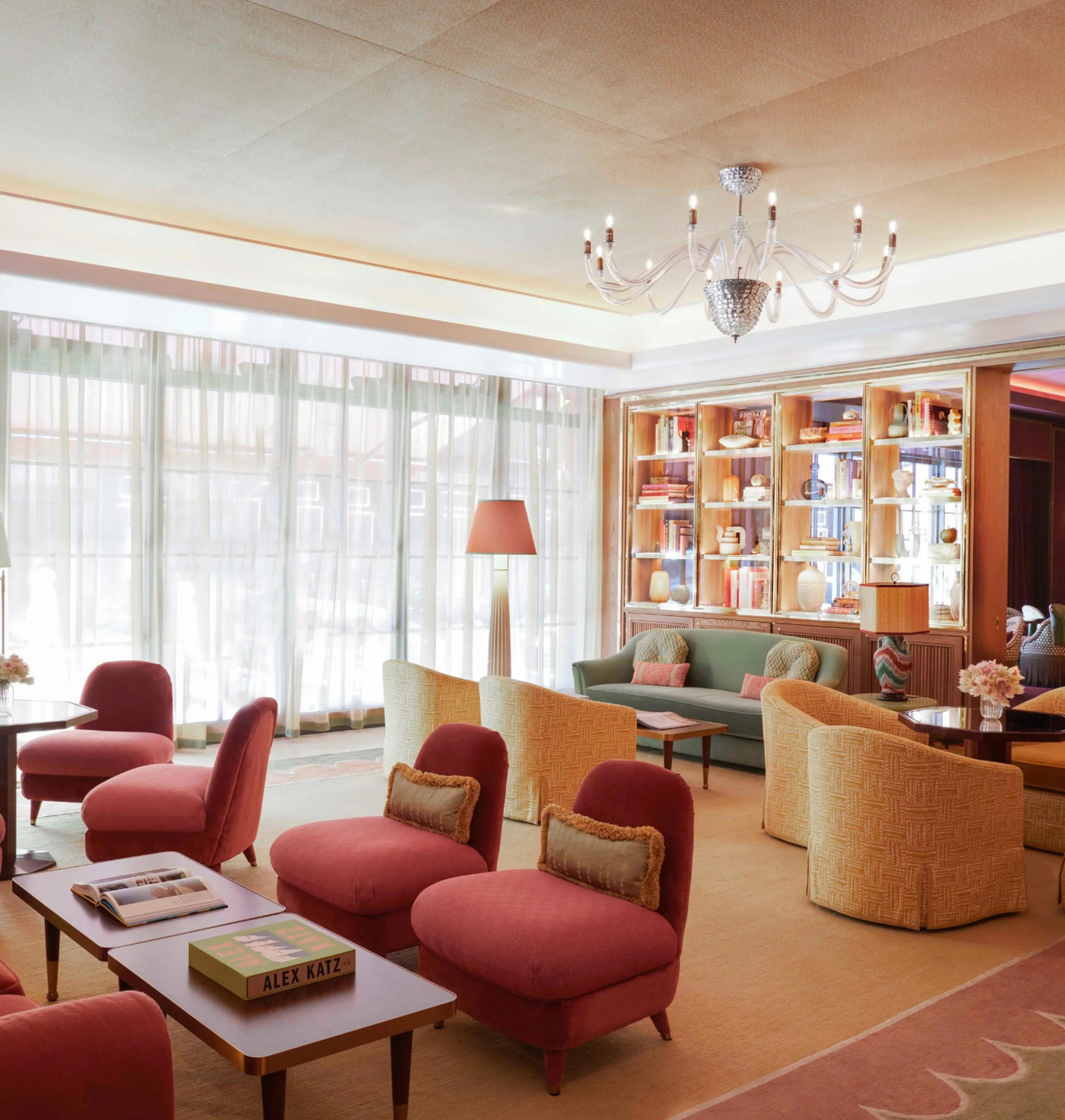
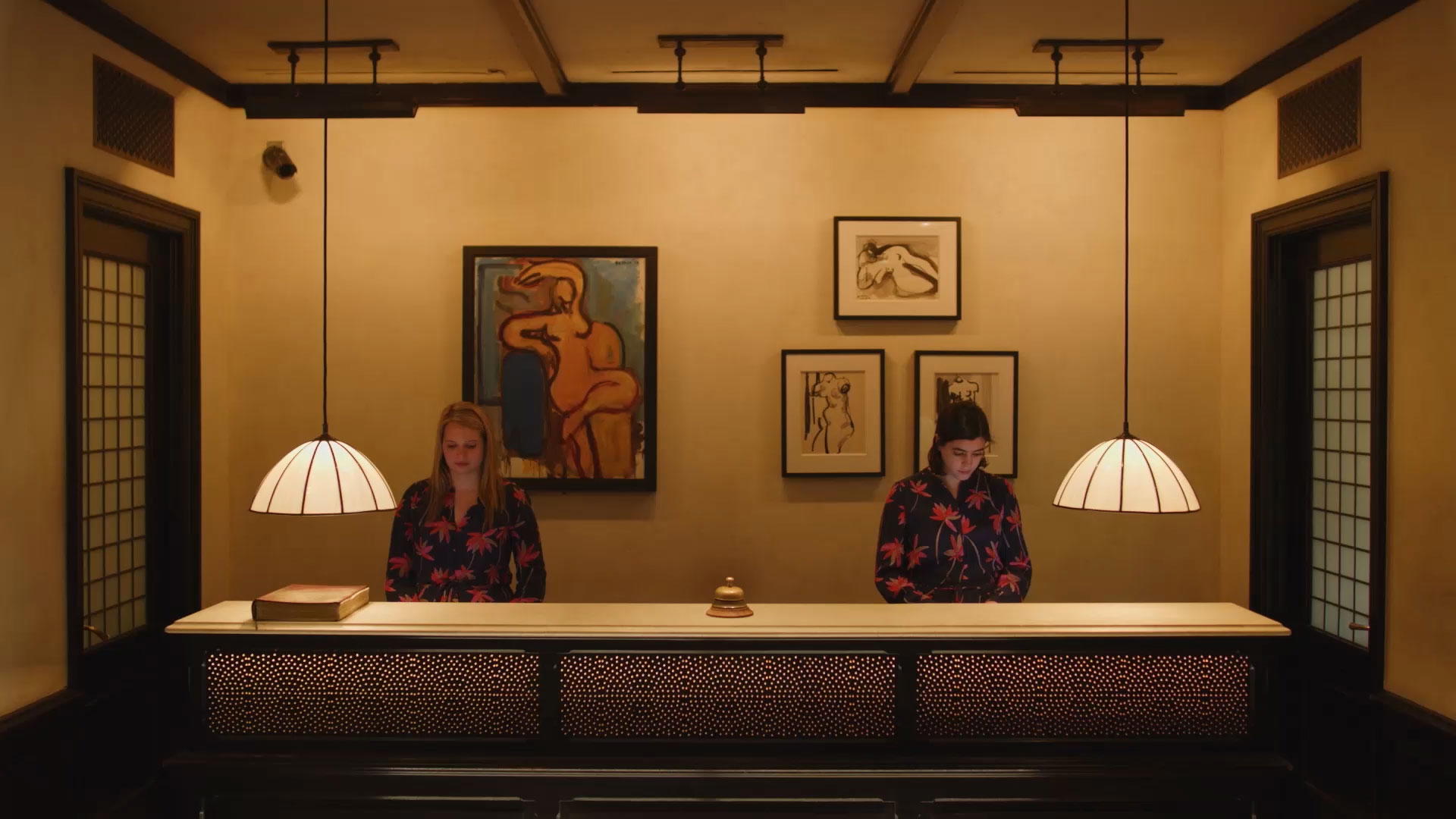
The Guesthouse positions itself differently from those destination-first hotel restaurants. The brand integration is explicit: the design, the ethos of being welcomed into a private home, and the polished visual identity are all part of what the experience is selling. This is not a hotel restaurant trying to make guests forget they're in a hotel. It's a dining room that uses the hotel's design vocabulary as its primary differentiator, competing more directly against the neighbourhood's restaurant scene than against the classic New York institutions.
That neighbourhood, Gansevoort Street and its immediate surroundings, carries strong contextual weight. Nearby, YingTao represents the kind of independent dining room that defines the Meatpacking District's current character. The Dining Room is playing a related but distinct game: it's the anchored, design-coherent option in a neighbourhood that increasingly rewards that kind of integrated experience.
For international context, the format has parallels in how Alo in Toronto and Emeril's in New Orleans have both sustained serious dining reputations within hotel-adjacent or brand-associated contexts without letting those associations dilute the food program's credibility.
Practical Details
Location: 55 Gansevoort St, New York, NY 10014, Meatpacking District. Price tier: $$$$, budget accordingly for a full dinner with drinks. Cuisine: Contemporary, with live-fire technique and a focused, precise menu. Reservations: Recommended given the venue's positioning and hotel-guest demand at peak times. Getting there: The A/C/E at 14th Street and the L at 8th Avenue are the closest subway options; the High Line's Gansevoort Street entrance is within easy walking distance. Nearby: The RH flagship is a short walk; the broader Meatpacking District dining and bar scene is immediately accessible.
Cuisine Lens
Comparable venues nearby, for context on price, style, and recognition.
| Venue | Cuisine | Price | Awards | Notes |
|---|---|---|---|---|
| The Dining Room at The GuesthouseThis venue — the venue you are viewing | Modern American Live-Fire | $$$$ | Michelin Plate | Not listed |
| Aretsky's Patroon | Contemporary American Steakhouse | $$$$ | Not listed | East Midtown-Turtle Bay |
| Barney Greengrass | Classic Jewish Deli | $$$ | Not listed | Upper West Side (Central) |
| Chambers | Modern New American | $$$$ | Michelin Plate | Tribeca-Civic Center |
| ABC Kitchen | Farm-to-Table American | $$$ | Not listed | Midtown South-Flatiron-Union Square |
| BOTA Supper Club | Polished Modern American | $$$$ | Not listed | St. George-New Brighton |
Recognition history
Dated appearances from independent guides and award organizations, with the underlying list record or original source where available.
Michelin Plate
Michelin
Continue exploring
More in New York City
Restaurants in New York City
Browse all →
Bars in New York City
Browse all →
Hotels in New York City
Browse all →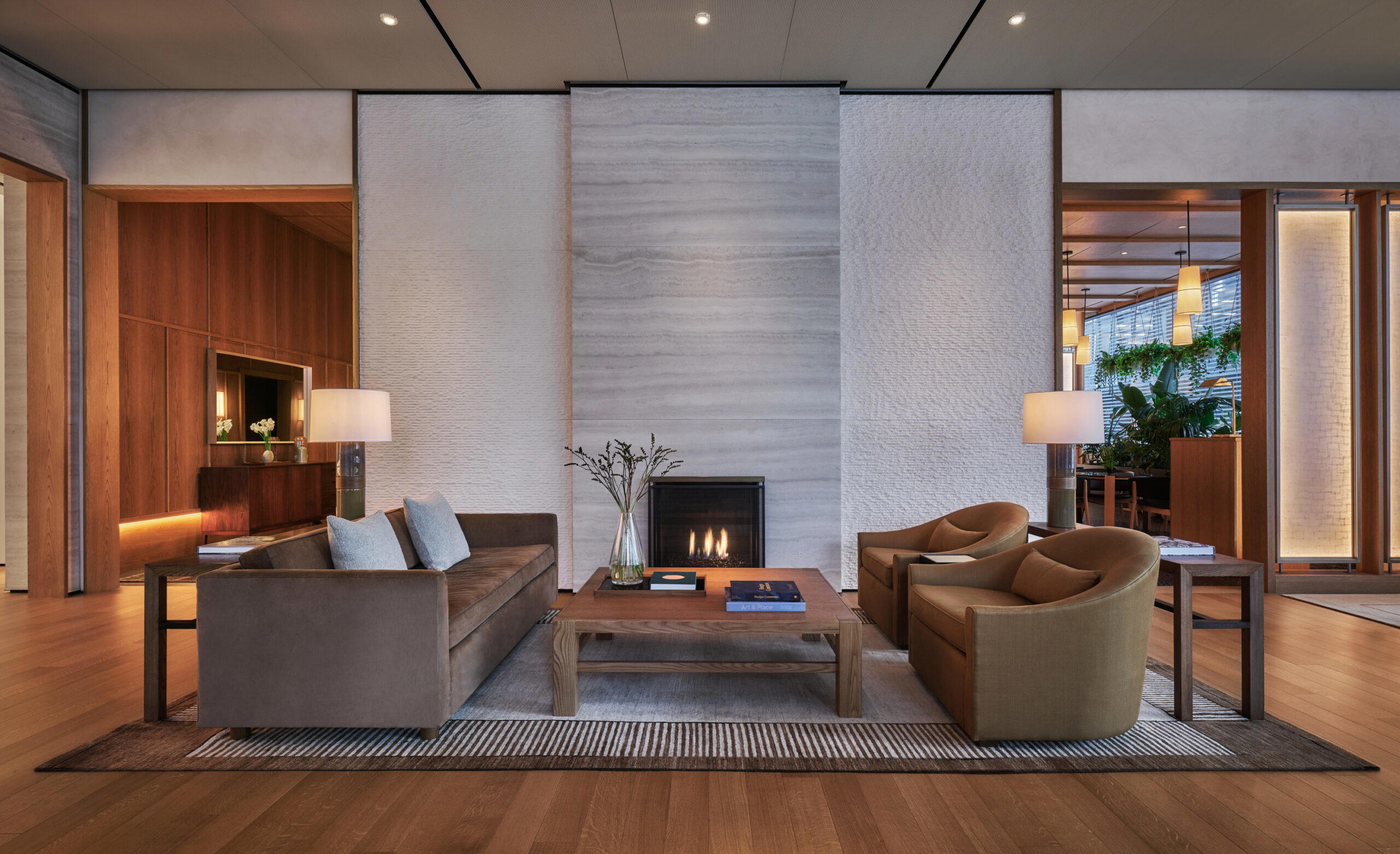






At a Glance
- Elegant
- Sophisticated
- Modern
- Intimate
- Date Night
- Business Dinner
- Special Occasion
- Celebration
- Open Kitchen
- Hotel Restaurant
- Extensive Wine List
- Local Sourcing
Current opening hours
- Monday
- 8 AM–10 PM
- Tuesday
- 8 AM–10 PM
- Wednesday
- 8 AM–10 PM
- Thursday
- 8 AM–11 PM
- Friday
- 8 AM–11 PM
- Saturday
- 10 AM–11 PM
- Sunday
- 10 AM–10 PM
Hours can change for holidays and private events. Last verified .
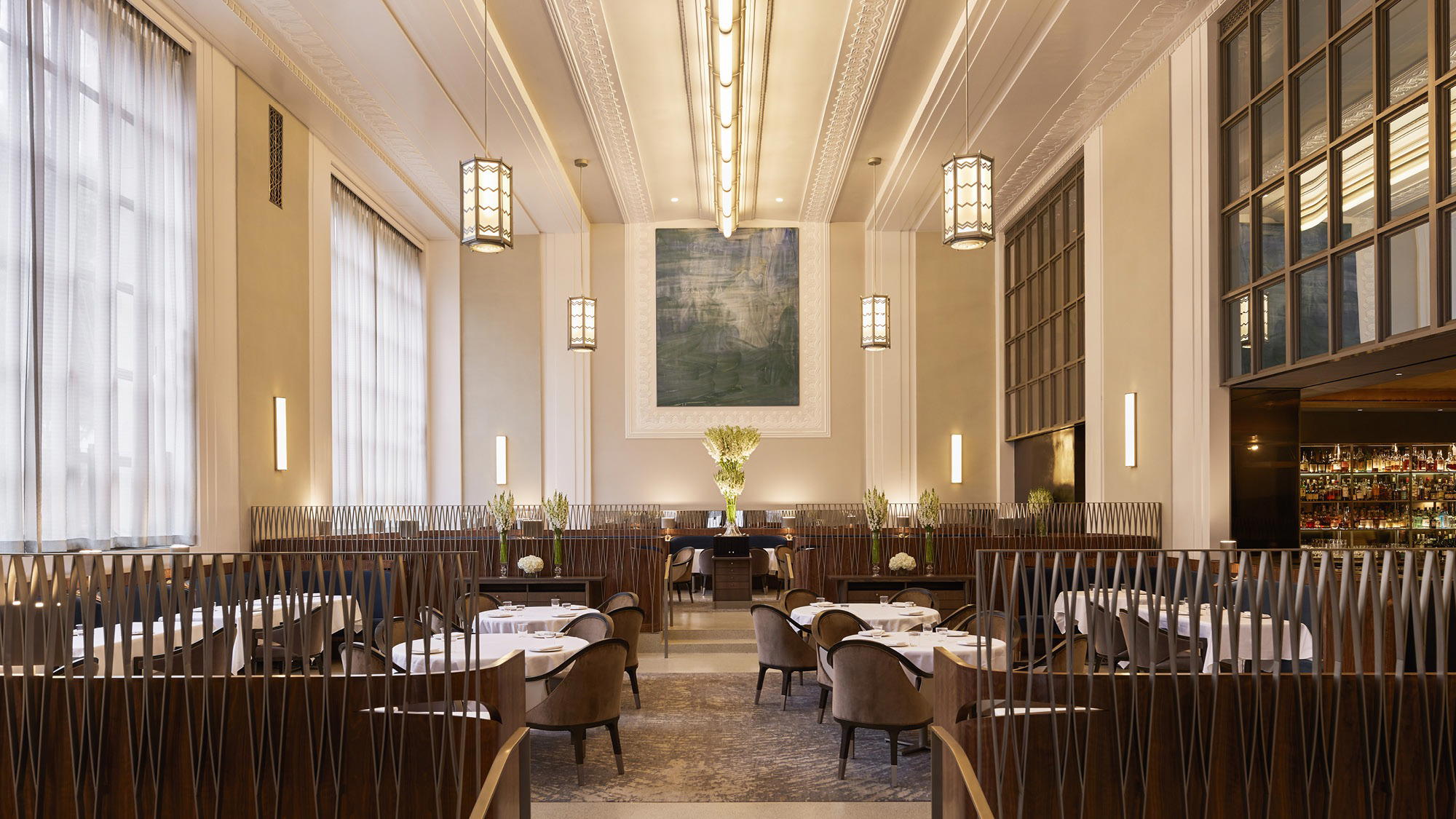
Sophisticated and elegant with soaring ceilings, velvet banquettes, floor-to-ceiling travertine, and a monolithic hearth creating an intimate, modern luxury atmosphere.