The Cowboy House

Karuizawa’s dining culture is not only French rooms and resort cafés; it also has a steak-and-American thread built for families, drivers, and mountain evenings. The Cowboy House belongs to that practical side of Kitasaku-gun, with Tabelog 100 Steak / Teppanyaki EAST recognition in 2025 and a format that reads closer to a local institution than a polished resort dining room.
Pearl is the En Primeur Club membership app — saves, bookings, and concierge access live there. Same editors, same standards.
- Address
- 2144 Nagakura, Karuizawa, Kitasaku District, Nagano 389-0111, Japan
- Phone
- +81 267-46-3984
- Website
- tabelog.com
 Saves & bookings on Pearl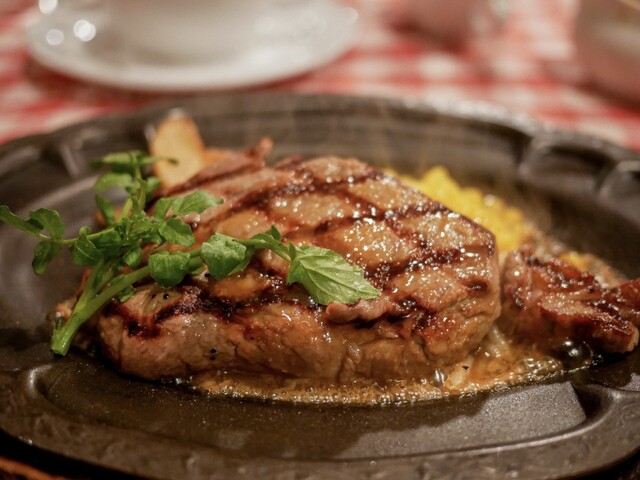
Approaching a steak house in Karuizawa feels different from arriving at one in central Tokyo. The pace is lower, road culture matters, and mountain air shapes the appetite more than office-tower ceremony. In Kitasaku-gun, where resort dining swings between French formality, bakery breakfasts, and family-run Japanese rooms, the American steak format has a clear role: beef, wine, and unfussy group dining without making the meal a production.
The Cowboy House sits in that lane. Its selection for Tabelog 100 Steak / Teppanyaki EAST in 2025 places it in a category where Japan judges not only premium wagyu counters and polished teppanyaki, but also restaurants that understand beef as a social meal. That distinction matters in Karuizawa, a resort market with weekend surges, family traffic, and diners choosing between a restrained lunch, cake stop, or larger dinner after a day outside. For a wider map of that decision set, Our full Kitasaku-gun restaurants guide shows how steak, French, Chinese, bakeries, and seasonal cafés divide the town’s attention.
Mountain-resort steak culture with an American accent
Karuizawa has long absorbed outside influences without losing its Japanese resort logic. Bread culture is unusually visible, which is why French Bakery and haluta bageri sit naturally beside more formal restaurants. The town also supports sweets and tea rituals, represented by Chimoto Sohonten Karuizawa honten, and destination dining such as A Fenestella or Chinese Hanten Reisho. Against that mix, steak is not an imported novelty; it is part of the town’s hospitality grammar, especially for mixed-age tables and diners wanting a direct meal rather than a tasting-menu sequence.
The sourcing angle is broader than a single named farm or cut. In Japan, steak restaurants sit where domestic beef culture, American dining codes, and regional resort demand meet. Karuizawa’s position in Nagano adds nearby agricultural identity, cool-climate tourism, and car-based weekend dining, making ingredient clarity more persuasive than theatrical plating. The Cowboy House’s category listing as steak and American signals a format, not a chef-led narrative. Beef anchors the meal, wine frames the drinking, and the room is built for tables rather than counter choreography.
That makes it different from high-priced Japanese dining nearby. Japanese cuisine Kasuke sits in a much higher dinner bracket, while HARVEST NAGAI FARM Karuizawa ten occupies a casual low-price end of the local spectrum. The Cowboy House lands between those poles: serious enough to earn category recognition, informal enough for resort families and friends. In a town where visitors often over-plan around special-occasion dining, this middle tier can be the meal that actually fits the day.
Recognition without the ceremony of a fine-dining room
Tabelog’s Hyakumeiten lists matter in Japan because they sort restaurants by category rather than a single luxury scale. A steak-and-teppanyaki selection in the EAST region does not mean the room behaves like a Michelin-style temple; it means the restaurant has cut through a crowded field of beef specialists. The 2025 selection gives the restaurant a concrete trust signal, and prior selections in 2024 and 2021 show attention was not a one-season spike.
The more interesting point is how recognition fits Karuizawa’s dining ecology. Resort towns reward polish, but also reliability: places that handle families, groups, drivers, and repeat weekenders. This format points to that second value. Private rooms and private use are not part of the offer, while public details emphasize a non-smoking room, wine, and school-age children being welcome. Those facts define the likely table. This is not for diners seeking hushed ceremony; it is a beef-focused, social restaurant in a town that needs those as much as destination French.
There is also a practical Japanese steak-house lesson in the price tier. A restaurant can earn category attention without pushing every diner into a luxury check. That matters for travelers comparing Karuizawa with city dining elsewhere in Japan, from beef-focused rooms such as -Grilled beef Sukiyaki- KAMAKURA TANUKIAN 鎌倉 たぬき庵 in Kamakura to urban casual addresses such as. 鮪と炭火焼き うお炭 秋葉原店 in Tokyo.cafe in Osaka.know in Kumamoto, (Shoku) Vietnam in Kawasaki, and [Curry Senmon Ten] Maruyama Kyoju. in Sapporo. The relevant comparison is not cuisine-to-cuisine, but how strongly a restaurant’s format matches its local use case.
How to place it in a Karuizawa itinerary
Kitasaku-gun rewards travelers who plan by rhythm rather than trophy hunting. A day might begin with bread, move through tea or sweets, and finish with a larger beef dinner. The restaurant suits that pattern because steak has natural evening weight in a mountain resort town, while the American framing keeps the meal legible for groups with different appetites. Its selection history gives it more credibility than a generic roadside steak room, but the value lies in fit with Karuizawa rather than ceremony.
That distinction helps when building a broader trip. Dining is only one piece of the area’s appeal; lodging, bars, wine country, and structured activities shape how long the town can hold a traveler’s attention. For adjacent planning, use Our full Kitasaku-gun hotels guide, Our full Kitasaku-gun bars guide, Our full Kitasaku-gun wineries guide, and Our full Kitasaku-gun experiences guide. International readers comparing casual Japanese formats with overseas Japanese drinking and snack culture may also find useful contrast in Jōdo Saké Bar in Los Angeles and Onigiri Time in Pasadena.
The editorial read is simple: choose this when the meal needs beef at the center, a relaxed resort-town register, and enough third-party recognition to justify prioritizing it over an anonymous steak stop. Karuizawa has more polished rooms and more delicate food traditions, but not every strong meal in a resort town should behave like a set piece. Sometimes the smarter move is the place that understands the appetite of the town.
In Context: Similar Options
Comparable venues by cuisine and price in the same metro.
| Venue | Cuisine | Price | Notes |
|---|---|---|---|
| The Cowboy HouseThis venue — the venue you are viewing | American Steakhouse | $$ | Not listed |
| Kawakami An Honten | Japanese Soba | $$ | Karuizawa |
| Usagi no Mori Karuizawa ten | Yoshoku (Japanese-style Western cuisine) | $ | Karuizawa |
| José Luis Karuizawa | Spanish × Shinshu Modern Restaurant | $$$ | Karuizawa |
| Chimoto Sohonten Karuizawa honten | Japanese sweets café | $ | Old Karuizawa |
| haluta bageri | Dining | Not listed | Kitasaku-gun |
Recognition history
Dated appearances from independent guides and award organizations, with the underlying list record or original source where available.
Tabelog 100 #45 · No. 45
Tabelog · Tabelog 100 - Steak / Teppanyaki - EAST - 2025
Continue exploring
More in Kitasaku-gun
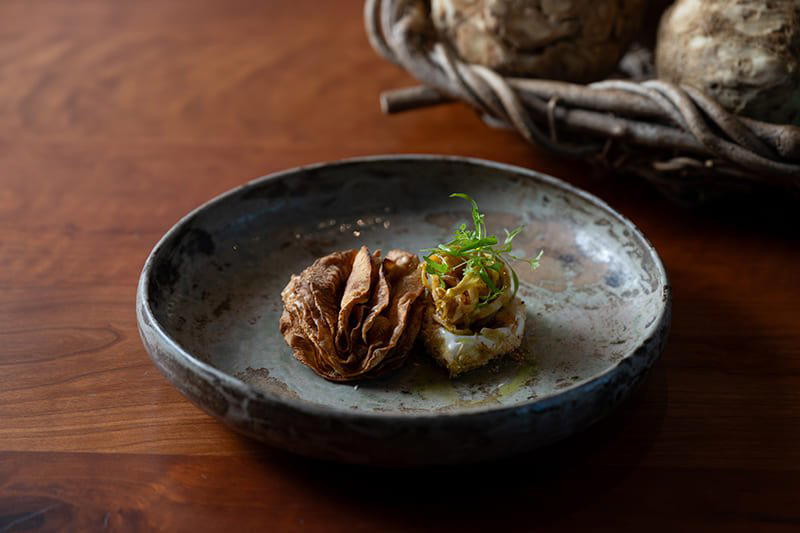
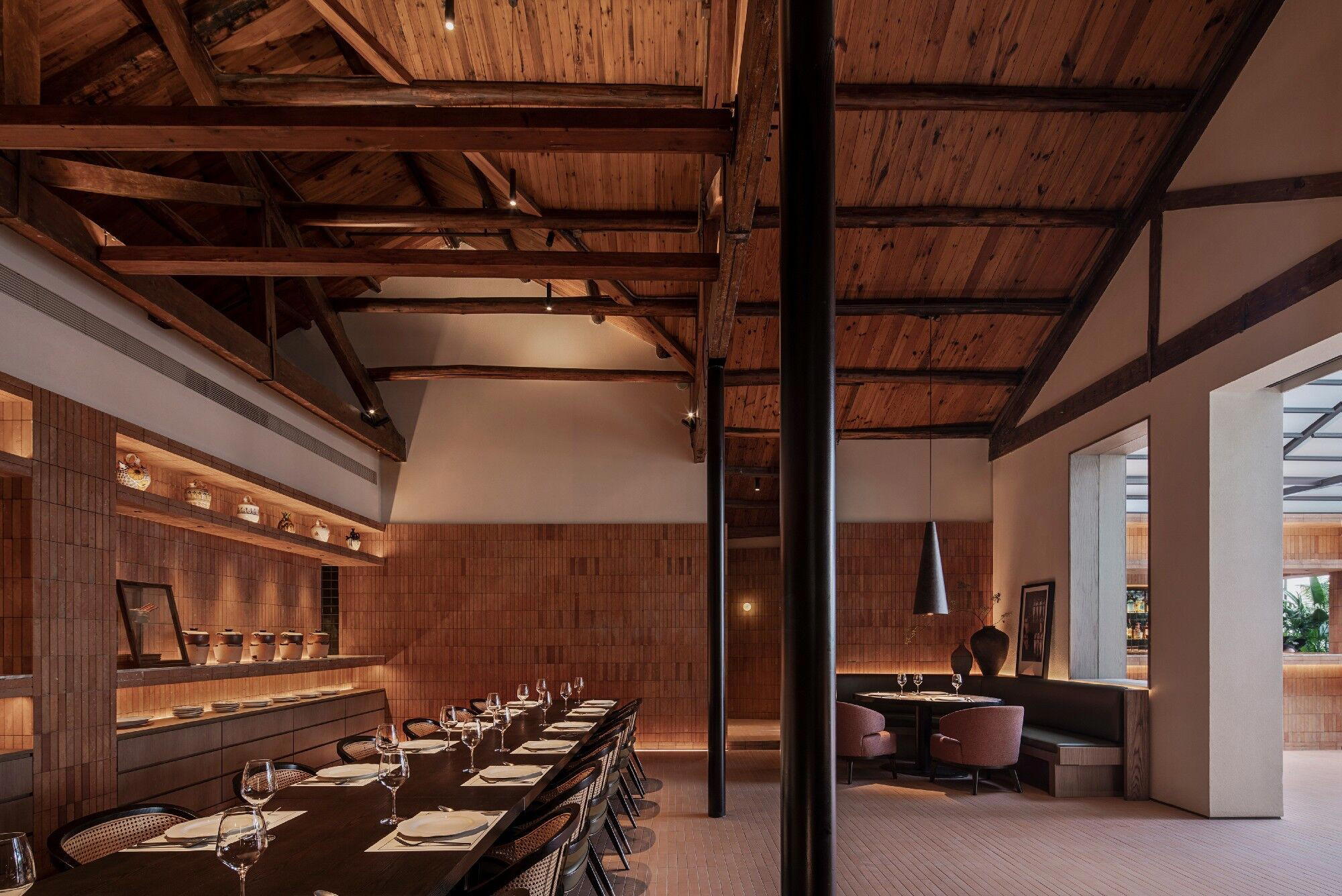
Restaurants in Kitasaku-gun
Browse all →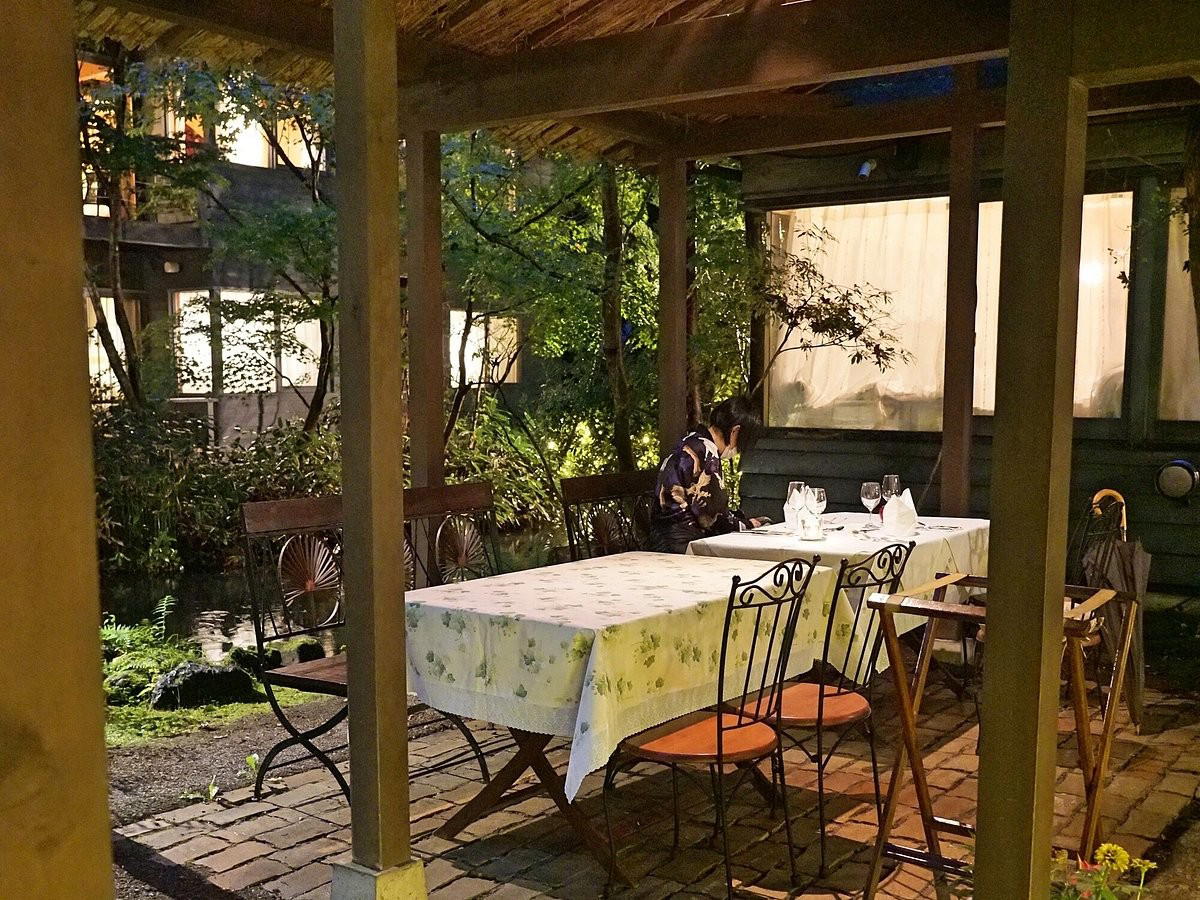
Hotels in Kitasaku-gun
Browse all →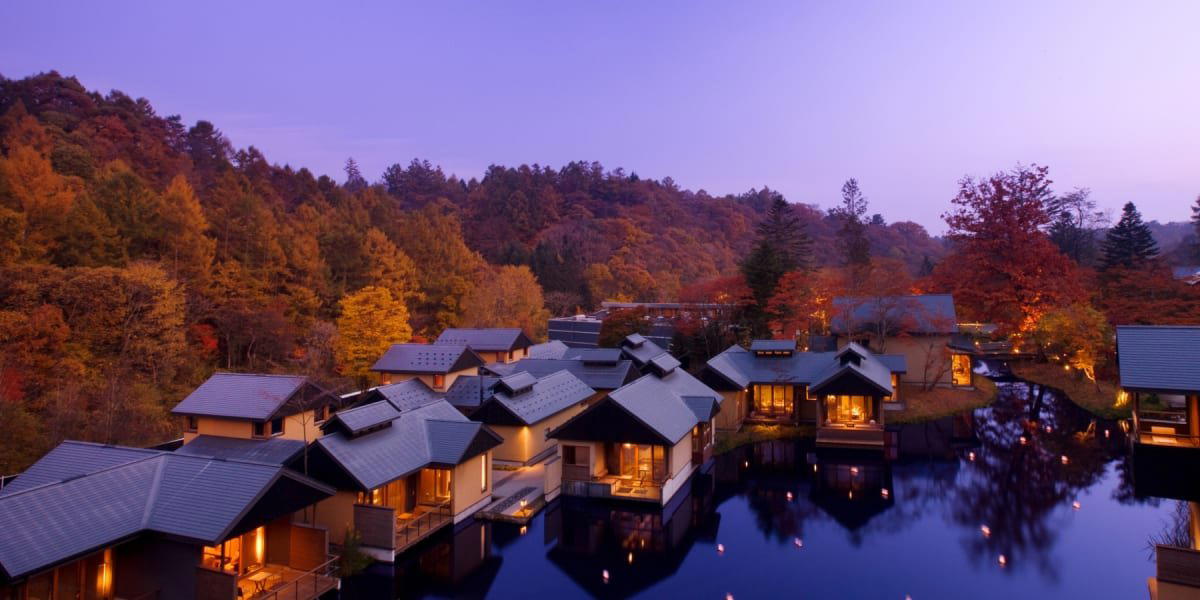
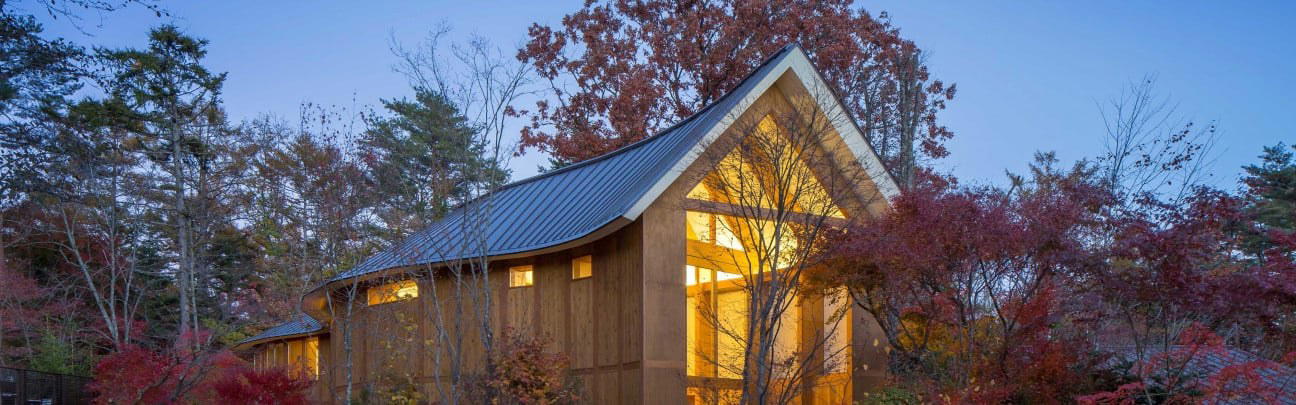
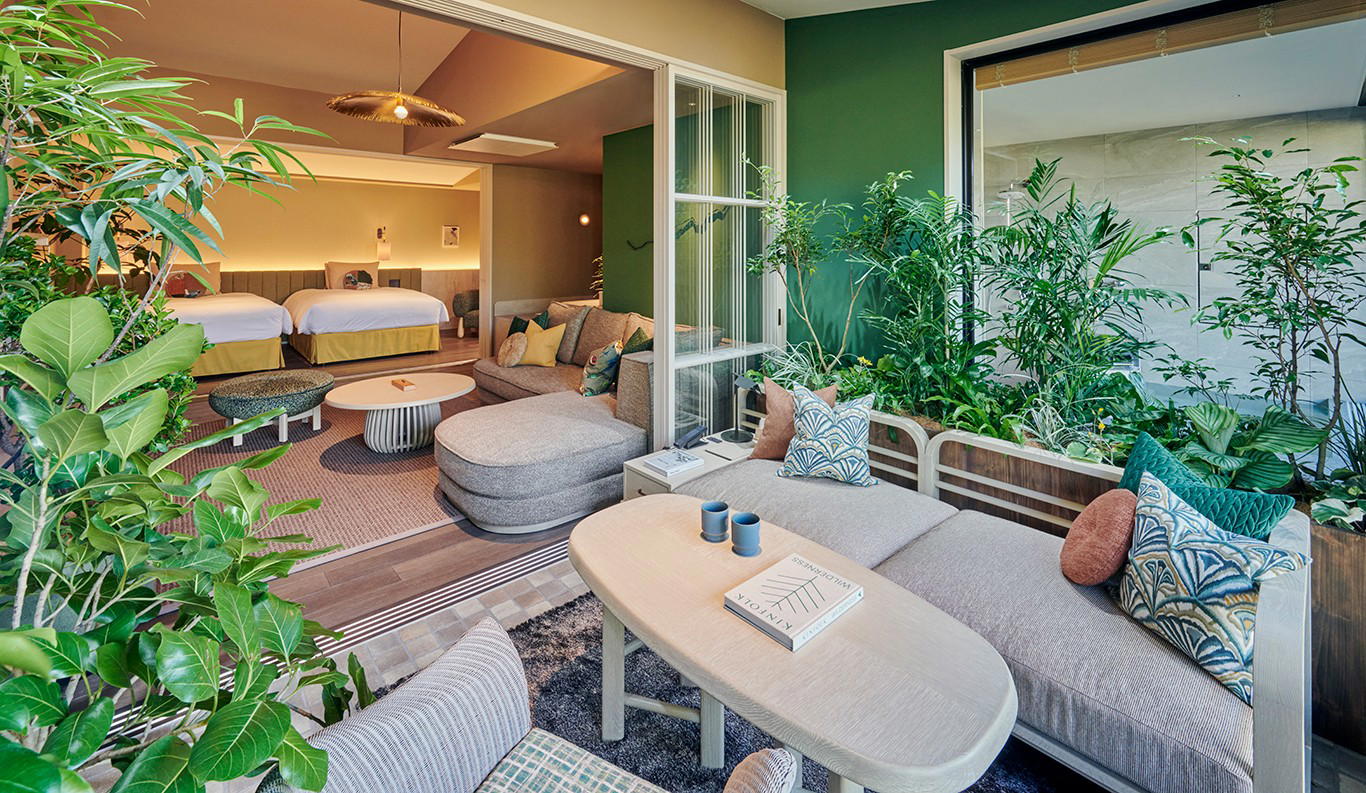
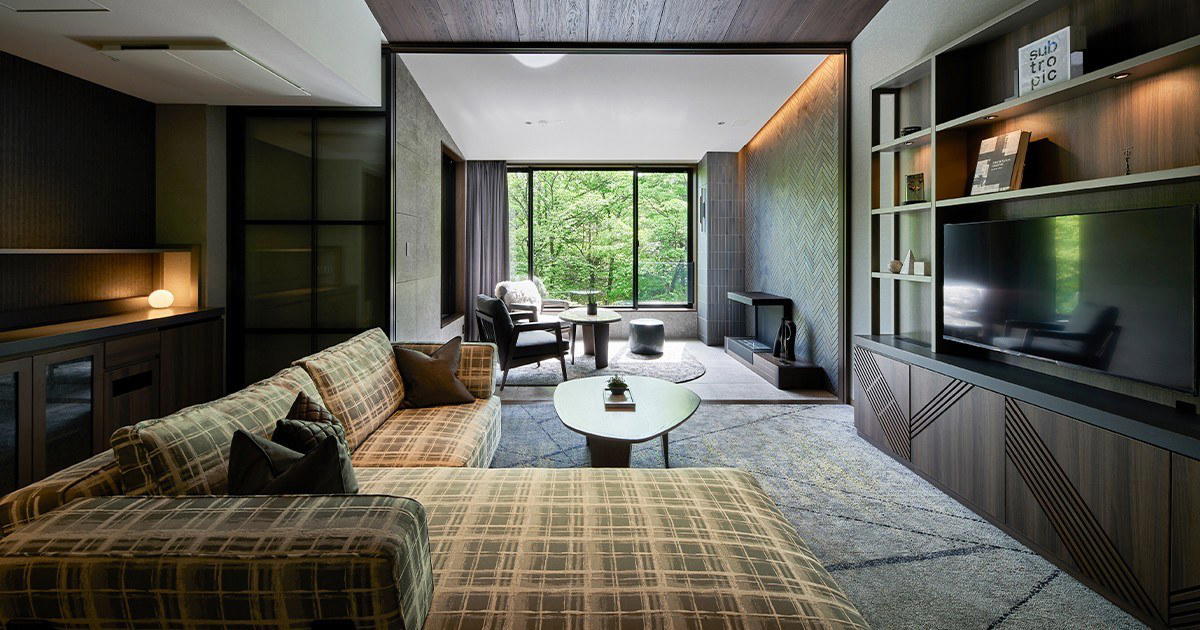
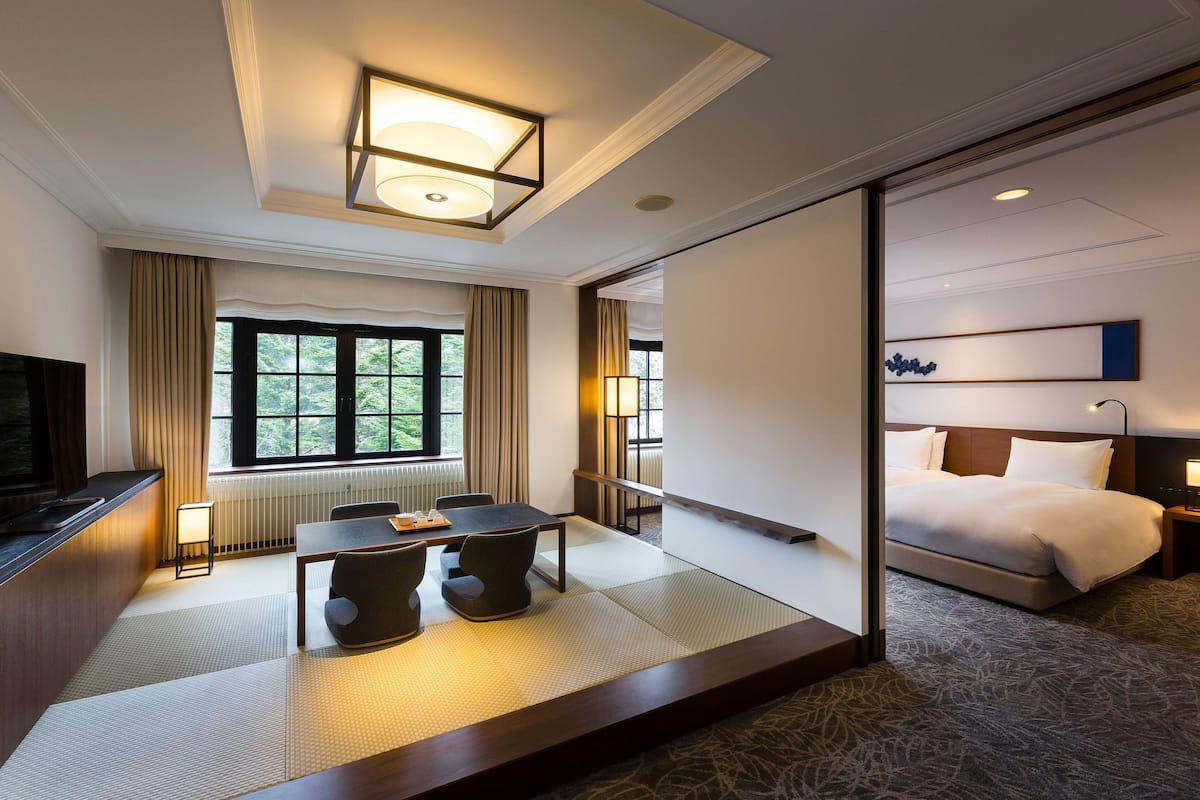
Wineries in Kitasaku-gun
Browse all →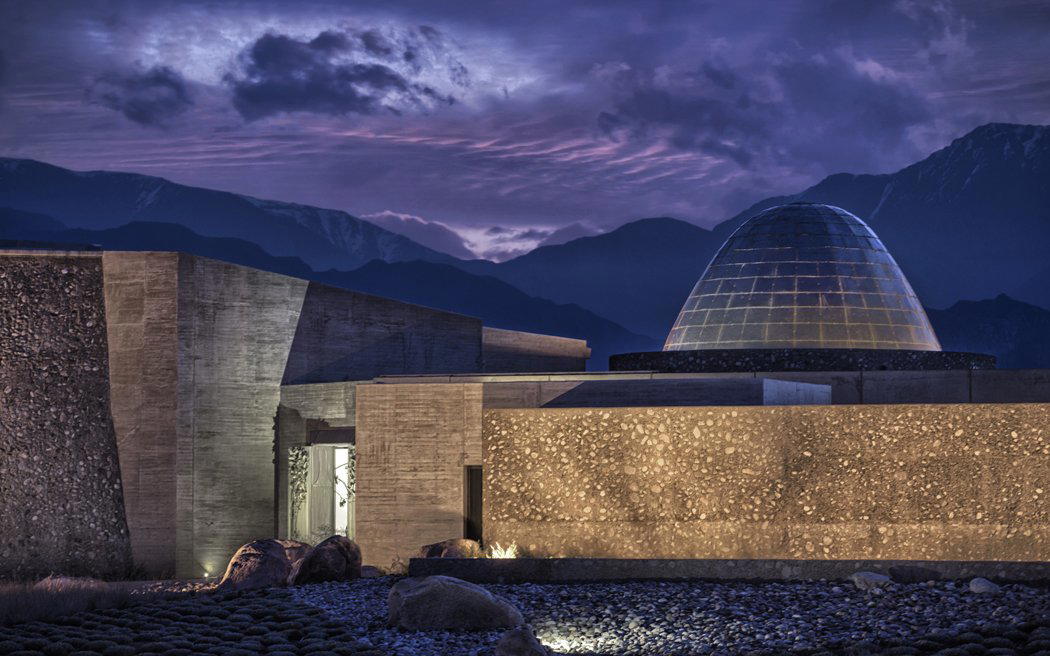
At a Glance
- Rustic
- Lively
- Cozy
- Family
- Casual Hangout
- Group Dining
- Celebration
- Date Night
- Standalone
Current opening hours
- Monday
- 5–8:30 PM
- Tuesday
- Closed
- Wednesday
- Closed
- Thursday
- 5–8:30 PM
- Friday
- 5–8:30 PM
- Saturday
- 11:30 AM–2 PM, 5–8:30 PM
- Sunday
- 11:30 AM–2 PM, 5–8:30 PM
Hours can change for holidays and private events. Last verified .