The Country Club

Tucked into the Bywater neighborhood at 634 Louisa Street, The Country Club occupies a Victorian mansion that has long drawn New Orleans locals seeking an atmosphere removed from the French Quarter's tourist circuit. The property pairs a relaxed, clothing-optional pool culture with a full kitchen and bar program, placing it in a category of its own among the city's social institutions.
Pearl is the En Primeur Club membership app — saves, bookings, and concierge access live there. Same editors, same standards.
- Address
- 634 Louisa St, New Orleans, LA 70117
- Phone
- +1 504 945 0742
- Website
- thecountryclubneworleans.com
- Directions
- Get directions
 Saves & bookings on Pearl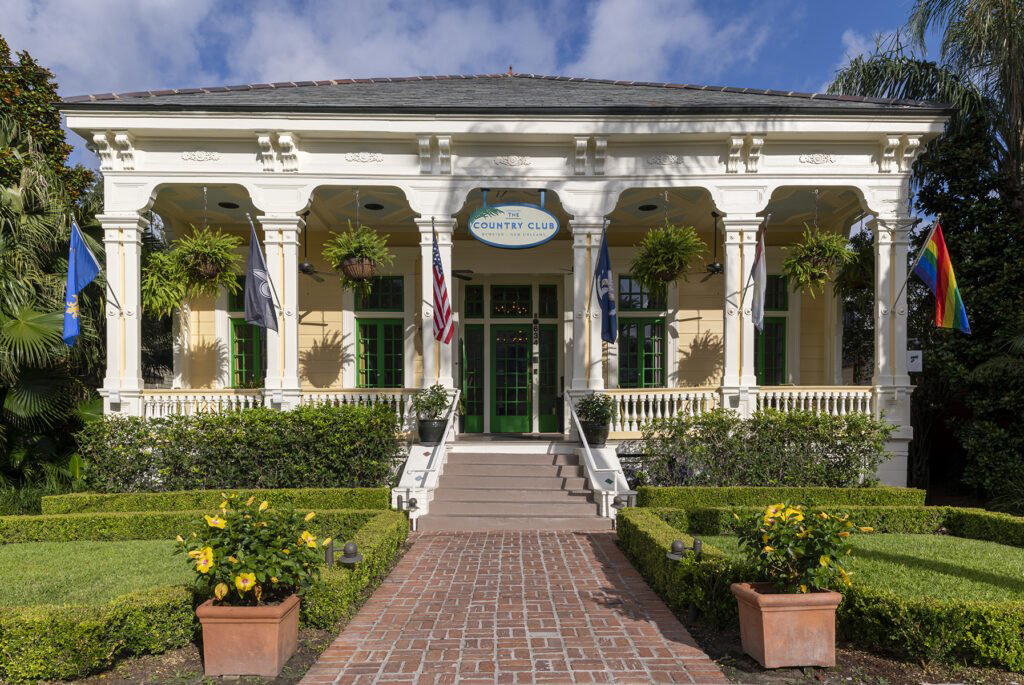
Where the Bywater Goes to Unwind
New Orleans has always maintained a parallel social geography: the French Quarter for spectacle, the Garden District for propriety, and the Bywater for residents who prefer their pleasures unhurried and uncurated. The Country Club at 634 Louisa Street sits squarely inside that third tradition. The building itself, a painted Victorian with deep porches and subtropical greenery, signals the neighborhood's character before you step through the gate. The sounds arriving first are pool water and conversation, not kitchen clatter, and that sequencing tells you something about what kind of evening this is going to be.
The venue operates as a social institution as much as a food-and-drink destination, which places it in a different analytical frame than, say, Saint-Germain at the upper end of contemporary New Orleans dining, or the more formally composed tasting formats you would find at Re Santi e Leoni. The Country Club does not compete in that register. Its comparable set is closer to the city's other neighborhood anchors, places where the room matters as much as the plate.
The Arc of a Meal Here
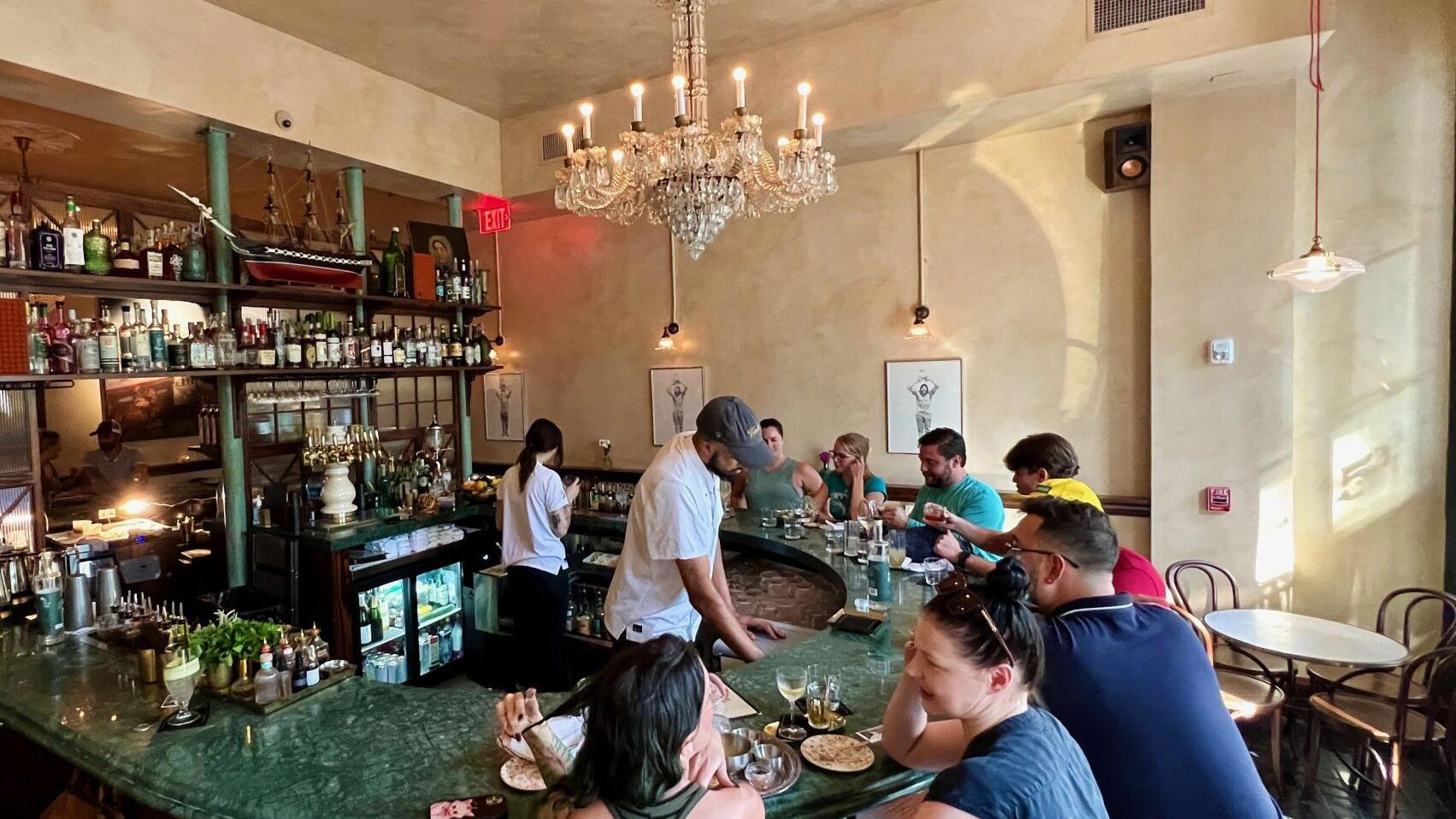
The editorial angle most useful for understanding The Country Club is progression: not a tasting menu in the Michelin sense, but the natural sequencing that emerges when a venue is built around lingering rather than turning tables. A visit tends to open at the bar, where the drink program leans into the city's cocktail vernacular. New Orleans has a stronger baseline for this than almost any American city, and a venue in the Bywater draws a crowd that knows the difference between a well-made Sazerac and a tourist approximation.
From the bar, the movement is outward, toward the pool terrace, then eventually inward to eating. That arc, drink first, atmosphere second, food as punctuation rather than headline, is a specific cultural product. You encounter it in pockets of New Orleans that have resisted the professionalization of hospitality, the same impulse that makes Bayona feel like a different city from the one outside its courtyard walls. The restaurant belongs to a tradition that treats hospitality as something closer to hosting than service.
The kitchen output in this context functions as the later chapters of a meal that began well before anyone sat down. American comfort food, rendered through a Southern lens, suits the format: dishes that hold up on a humid evening, that pair with cold drinks, that do not demand the kind of focused attention a tasting progression at Lazy Bear or Smyth would require. The comparison with those venues is not a criticism; it is a clarification of register.
The Bywater Context
The neighborhood itself is part of what shapes the experience. Bywater sits downriver from the French Quarter, separated from it in atmosphere by more than geography. The area attracted artists and musicians long before the broader wave of post-Katrina reinvestment, and it retains a character that the more commercially developed neighborhoods have lost. A venue like The Country Club did not cause that character; it reflects it, and its longevity in the neighborhood is evidence that it has read the room correctly over many years.
That longevity matters as a trust signal. Bywater has changed considerably over the past two decades, with new investment arriving alongside longtime residents. Venues that have survived multiple cycles of neighborhood change do so by staying legible to successive waves of locals, not by repositioning for tourists. The restaurant's address on Louisa Street places it away from the main Chartres and Royal corridors, which means the clientele arriving there is largely making a deliberate choice rather than a convenience stop.
For context on how New Orleans dining stratifies by neighborhood and register, our full New Orleans restaurants guide maps the city's main corridors against cuisine type and price tier. The restaurant occupies a category that guide treats as social infrastructure rather than destination dining, alongside the kind of institutions that anchor residential neighborhoods citywide.
Positioning Against the City's Dining Range
New Orleans in 2024 supports a wider range of serious dining than it did a decade ago. Emeril's anchored one vision of the city's culinary ambition through the 1990s and 2000s. The current generation has pushed further into contemporary formats, with some tables now pricing and presenting in a tier comparable to Le Bernardin in New York City, The French Laundry in Napa, or Addison in San Diego. The restaurant does not operate in that tier. It answers a different question: not where to eat one ambitious meal in New Orleans, but where to spend four hours in a garden on a warm evening with good company and competent food.
Venues like Zasu or Blue Hill at Stone Barns in Tarrytown make the case that setting and agriculture can be the organizing principle of a dining experience. The restaurant makes a related but distinct argument: that social atmosphere can carry an evening when the kitchen is supporting rather than leading. It is a position that requires the room and the crowd to do real work, and in the Bywater, both reliably do.
For travelers who want to cross-reference against other American venues where experience architecture matters as much as the plate, Single Thread Farm in Healdsburg, Providence in Los Angeles, Frasca Food and Wine in Boulder, Atomix in New York City, The Inn at Little Washington, and Atelier Moessmer Norbert Niederkofler in Brunico each represent the opposite pole: venues where format and sequencing are precisely engineered. The restaurant is the counter-argument, and a necessary one.
Planning a Visit
The venue sits in a residential block of the Bywater, which means street parking is the primary arrival mode; rideshare from the French Quarter or Marigny runs roughly fifteen minutes depending on traffic. The property's social nature means timing matters more than at a conventional restaurant: arriving in the late afternoon, before the pool crowd peaks and while the light on the garden is still working, produces a different evening than arriving after dark.
Cuisine Context
Comparable venues nearby, for context on price, style, and recognition.
| Venue | Cuisine | Price | Notes |
|---|---|---|---|
| The Country ClubThis venue — the venue you are viewing | Italian-French and Creole-Southern | $$$ | Not listed |
| Fulton Alley | American Gastropub | $$$ | Arts District |
| Ralph's on the Park | Modern Louisiana | $$$ | City Park |
| Jacques-Imo's | New Orleans Cajun & Creole | $$$ | Carrollton |
| Mr. B's Bistro | Creole Bistro | $$$ | French Quarter |
| Evangeline | Authentic Cajun & Creole | $$ | French Quarter |
Recognition history
Dated appearances from independent guides and award organizations, with the underlying list record or original source where available.
Wine Spectator Award of Excellence
Wine Spectator
Continue exploring
More in New Orleans
Restaurants in New Orleans
Browse all →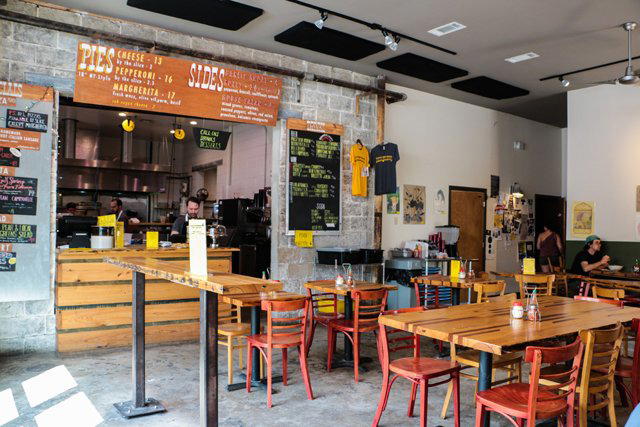
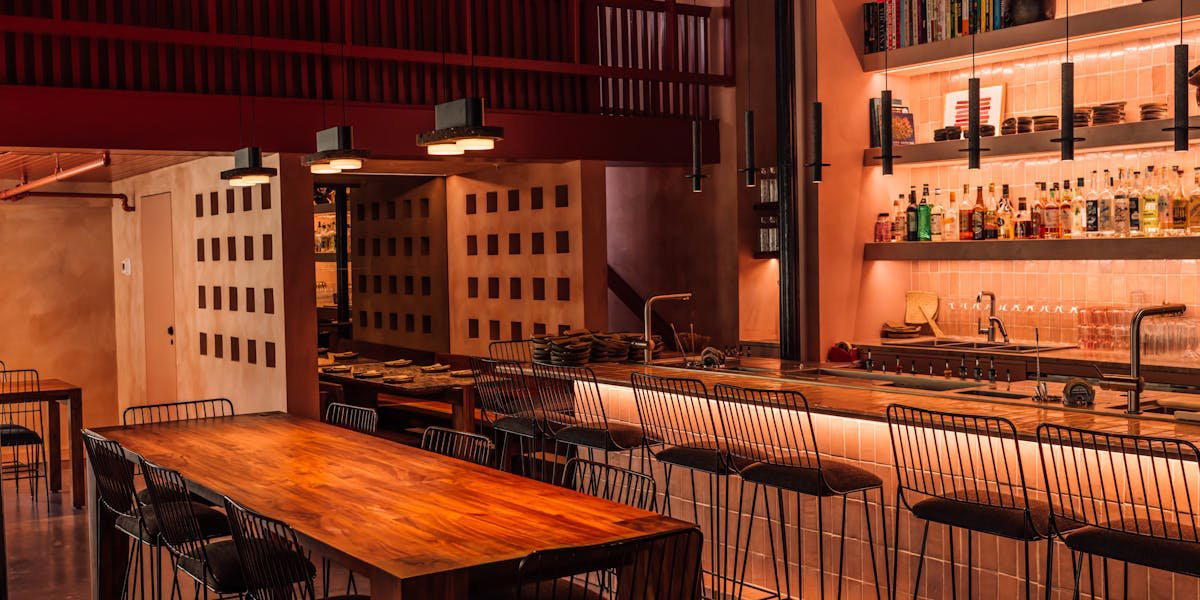
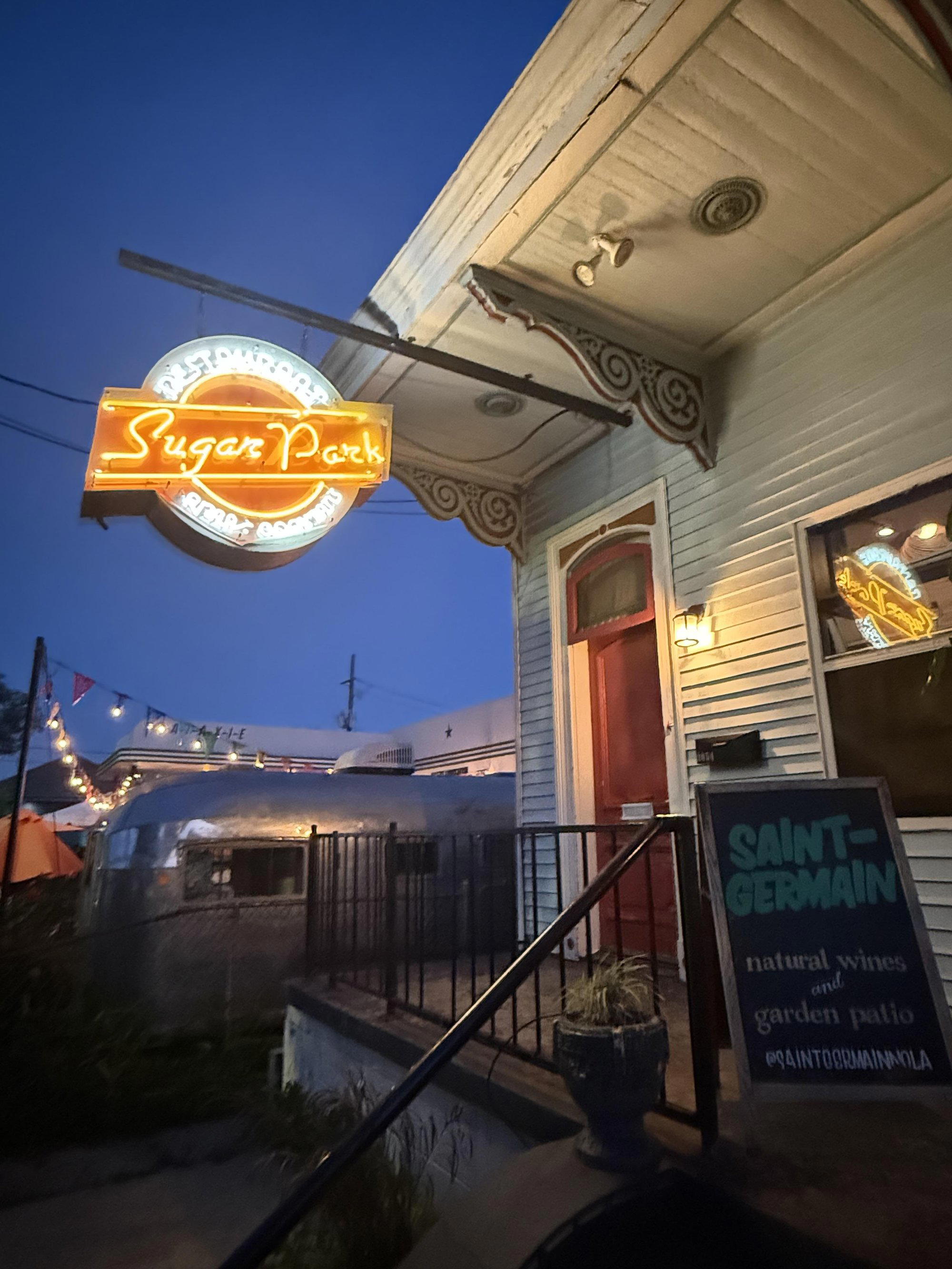
Bars in New Orleans
Browse all →
At a Glance
- Elegant
- Classic
- Cozy
- Bohemian
- Date Night
- Brunch
- Special Occasion
- Historic Building
- Courtyard
- Craft Cocktails
- Local Sourcing
- Garden
Current opening hours
- Monday
- 10 AM–11 PM
- Tuesday
- 10 AM–11 PM
- Wednesday
- 10 AM–11 PM
- Thursday
- 10 AM–11 PM
- Friday
- 10 AM–11 PM
- Saturday
- 9:30 AM–11 PM
- Sunday
- 9:30 AM–11 PM
Hours can change for holidays and private events. Last verified .
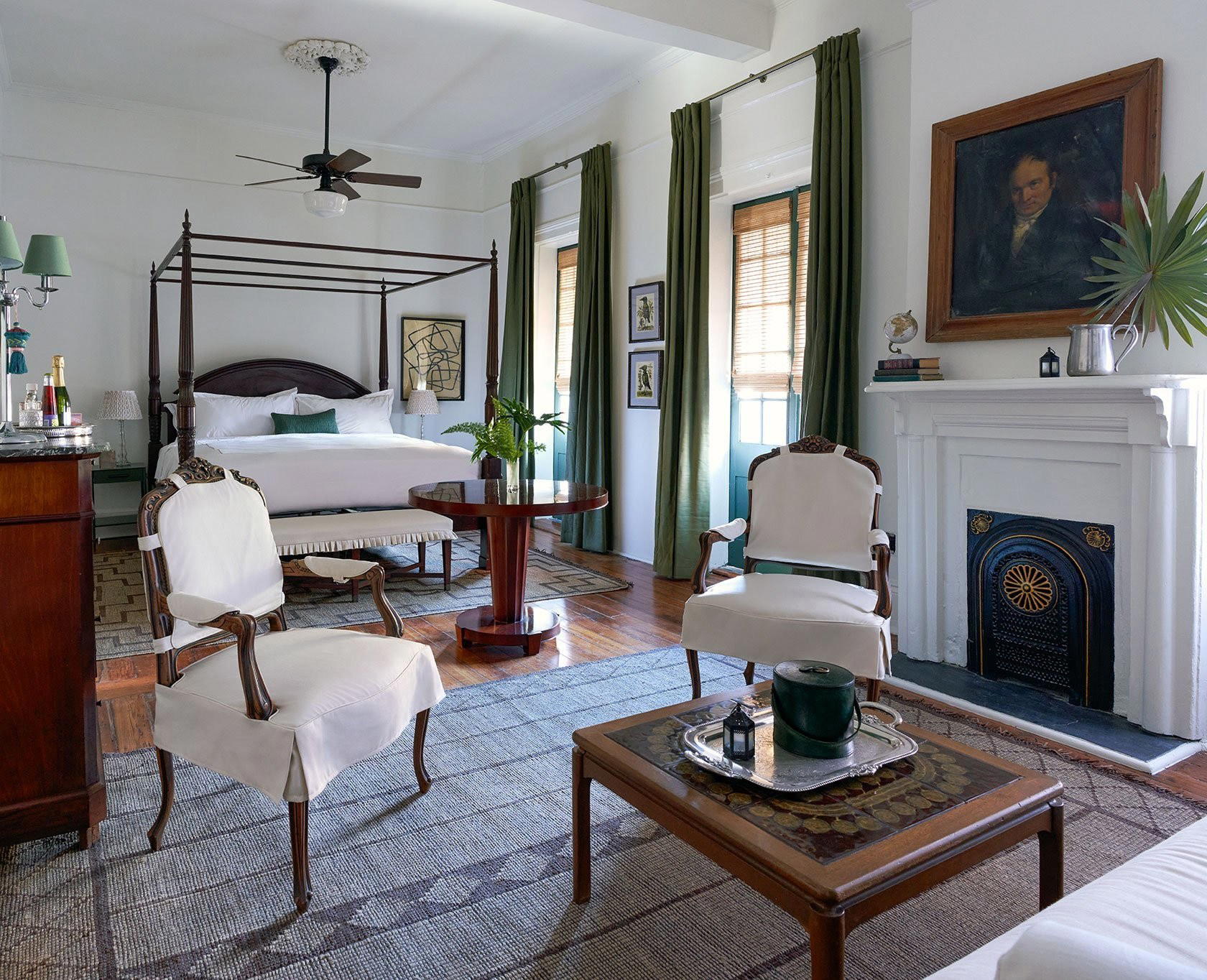
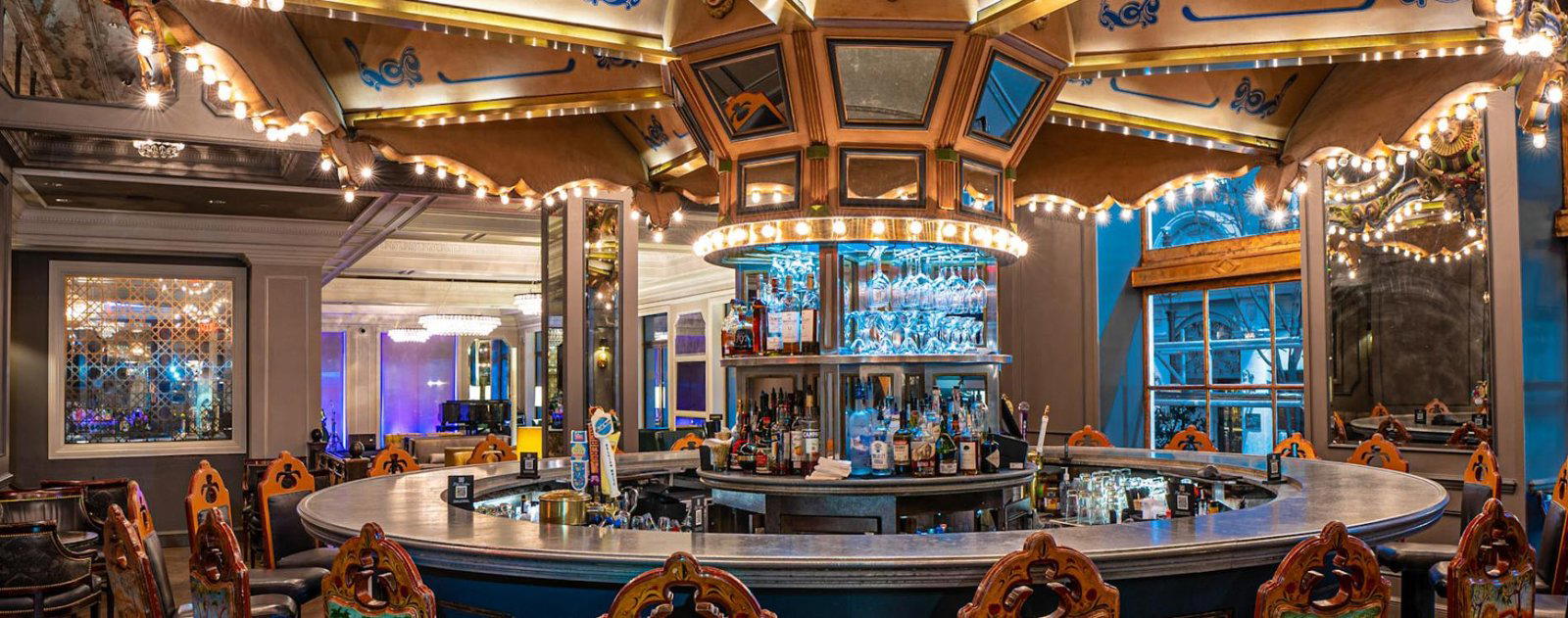
Sophisticated yet comfortable with a mix of finery and funk, featuring art-filled interiors, grand hardwood bar, and lush outdoor oasis.