All-day dining in Muscat occupies a distinct niche between the city's heritage Omani restaurants and its hotel-led fine dining tier. The Coffee Club sits within that middle register, offering a format built around flexibility and consistency rather than occasion-specific menus. For visitors moving between the souq and the waterfront, it functions as a reliable anchor in a city still defining its casual-dining identity.

Pearl is the En Primeur Club membership app — saves, bookings, and concierge access live there. Same editors, same standards.
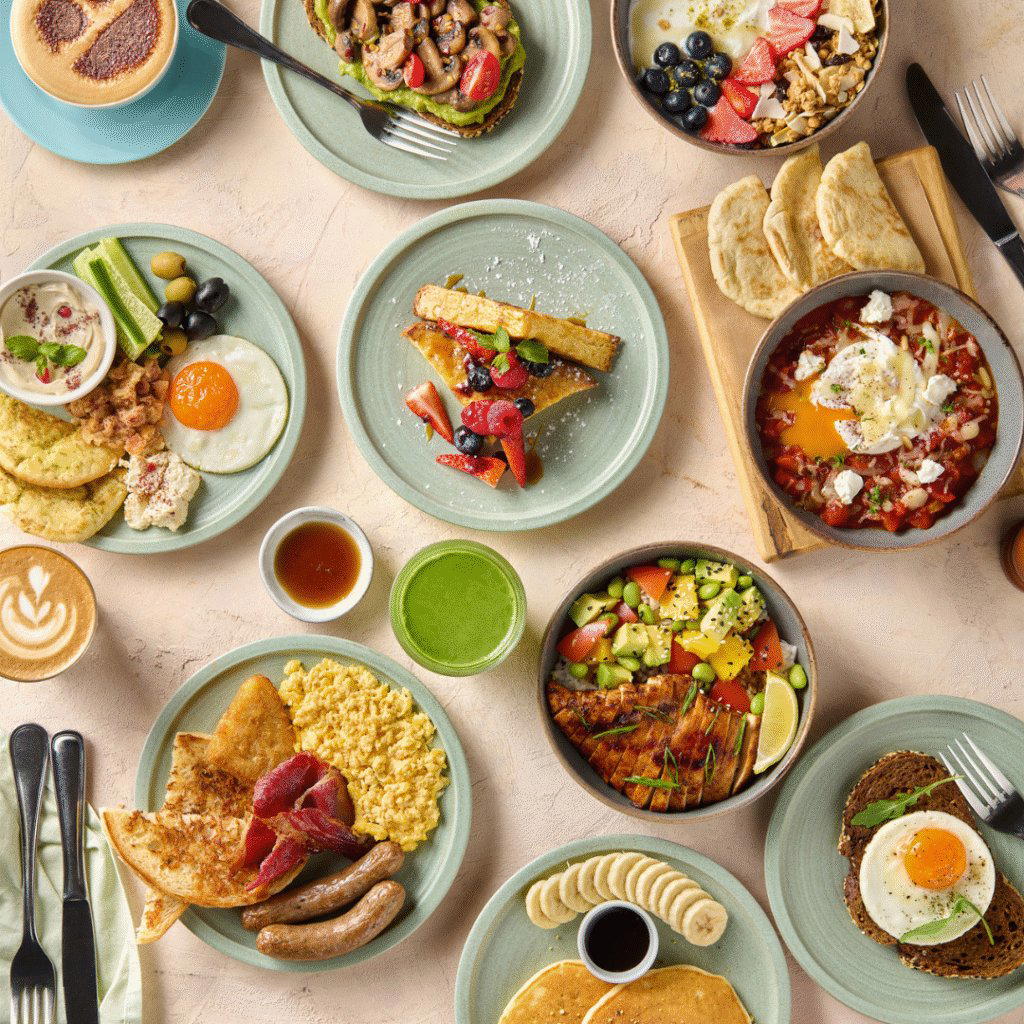
All-Day Dining in Muscat: Where the Format Fits
Muscat's restaurant culture has long been organised around two poles: the heritage-driven Omani table, where slow-cooked meats and saffron rice anchor the experience, and the hotel dining room, where international menus and formal service set the tone for business and celebration. Between those two sits a growing but still underdeveloped middle tier — the all-day venue that absorbs breakfast crowds, midday working lunches, and late-afternoon coffee meetings without requiring a reservation or a dress code negotiation. The Coffee Club operates inside that format, and understanding what the format demands explains more about the venue than any single dish description could.
All-day dining as a category carries specific obligations. A kitchen that serves from morning through evening must hold quality across multiple dayparts, staff transitions, and menu switches that single-occasion restaurants never face. In cities with a mature café culture — think Melbourne, Singapore, or Dubai's DIFC, the all-day format has evolved into something architecturally and editorially sophisticated, with venues splitting their identity between a serious coffee program and a food menu that changes character between breakfast and dinner. Muscat is earlier in that evolution, which makes a venue's ability to maintain consistency across the full day more noteworthy, not less. For context on how all-day formats have been handled at different price points globally, Sessions, All-day dining in St Julian's offers a useful comparison point in the Mediterranean register.
The Cultural Context of Coffee in Oman
Any venue leading with coffee in Oman operates against a backdrop that is older and more specific than the global third-wave conversation. Qahwa, the lightly spiced, cardamom-forward Arabic coffee served in small handleless cups, is one of the most codified hospitality rituals in the Gulf. It is poured before meals, during negotiations, at celebrations, and upon arrival in homes across the country. The Coffee Club, as a concept built around coffee and all-day eating, enters that context as a contemporary register rather than a continuation of it. That distinction matters: international coffee-focused formats in the Gulf typically appeal to an expatriate and younger Omani demographic that has absorbed third-wave café culture through travel and social media, while traditional qahwa remains rooted in home and majlis settings.
This is not a tension unique to Muscat. The same dynamic plays out across Riyadh, Doha, and Abu Dhabi, where specialty coffee brands have found significant traction among younger urban populations without displacing the ceremonial role of qahwa at all. For visitors, it means that a visit to a contemporary all-day venue is one lens on Muscat's food culture, not a complete picture. The fuller picture includes venues like Bait Al Luban and its Mutrah counterpart Bait Al Luban Omani Restaurant - Mutrah, which anchor the heritage end of the spectrum, and Al Mandoos, which represents Omani cooking in a more formal presentation. Understanding the Coffee Club means understanding where it sits on that spectrum, closer to the international café model than to the local tradition, and serving a clientele that crosses both.
What the All-Day Format Actually Requires
The structural challenge of the all-day format is that it competes on convenience and consistency rather than on destination appeal. A venue like CHAR in Muscat draws visitors who plan around it; an all-day dining venue draws visitors who are already nearby and need a reliable option. That changes everything about menu design, pricing philosophy, and interior planning. Seating must accommodate both the solo laptop worker and the four-person family group. The menu must deliver credibly on eggs at 8am and a light dinner at 9pm. Coffee quality has to hold across a full day of variable traffic, not just during the focused morning rush when a specialty café is at its most attentive.
These are not easy operational asks, and they explain why the all-day format in many cities produces either generic hotel-lobby experiences or genuinely strong neighbourhood anchors, with little in between. Muscat's dining scene is growing fast enough that the demand for reliable middle-tier all-day options is real. For context on how different formats across Oman handle their specific niches, Mazahbi Salalah Restaurant offers a regional counterpoint in the southern Dhofar tradition, while Bypass Grills and Shawarma in Salalah represents the fast-casual end of Omani street-food culture.
Positioning Within Muscat's Broader Dining Map
Muscat's geography spreads dining options across a long coastal corridor, from Mutrah's historic port district through Ruwi and Qurum to the newer commercial zones further west. All-day venues tend to cluster where foot traffic is most consistent, near shopping centres, hotel lobbies, and business districts rather than in the souq-adjacent areas where heritage dining is concentrated. The Coffee Club's positioning within this geography matters for visitors planning a day that moves between sightseeing and eating: it is more likely to be a practical mid-route stop than a destination that warrants a separate journey.
For visitors building a more deliberate Muscat dining itinerary, the comparison set shifts. Al Mandoos in Seeb and Tuk Tuk in Al Mawalih offer different entry points into Omani food culture across different parts of the city. Internationally, the format benchmarks against far more developed all-day programs, venues like Harvest show how the format can be taken seriously at a higher pitch, but Muscat's all-day tier is calibrated to its own market conditions, not to an international podium. Our full Muscat restaurants guide maps those conditions across the full dining spectrum.
Planning a Visit
The format typically rewards off-peak timing, mid-morning between the breakfast rush and the lunch crowd, or mid-afternoon, when kitchen attention is more evenly distributed and seating pressure is lower. Dress code in this category runs casual to smart-casual across Muscat's market, consistent with the city's general preference for modest but not formal attire. For visitors arriving from the Mutrah corniche or the Grand Mosque area, a midday or afternoon stop fits naturally into the city's pace.
Budget Reality Check
Comparable venues nearby, for context on price, style, and recognition.
| Venue | Cuisine | Price | Notes |
|---|---|---|---|
| The Coffee ClubThis venue — the venue you are viewing | Qurum, All-Day Dining Cafe | $$ | Not listed |
| Harvest | Not listed | $$$ | Shatti Al Qurum, International Healthy Seasonal |
| Al Mandoos | Al Mouj, Authentic Omani | $$ | Not listed |
| Mazahbi Salalah Restaurant | Not listed | $ | Al Ghubra Ash Shamaliyyah, Bawshar, Traditional Omani Mandi & Grilled Meats |
| Bait Al Luban Omani Restaurant - Mutrah | Mutrah, Traditional Omani | $$ | Not listed |
| Bait Al Luban | Mutrah, Traditional Omani | $$ | Not listed |
At a Glance
- Modern
- Trendy
- Casual Hangout
- Brunch
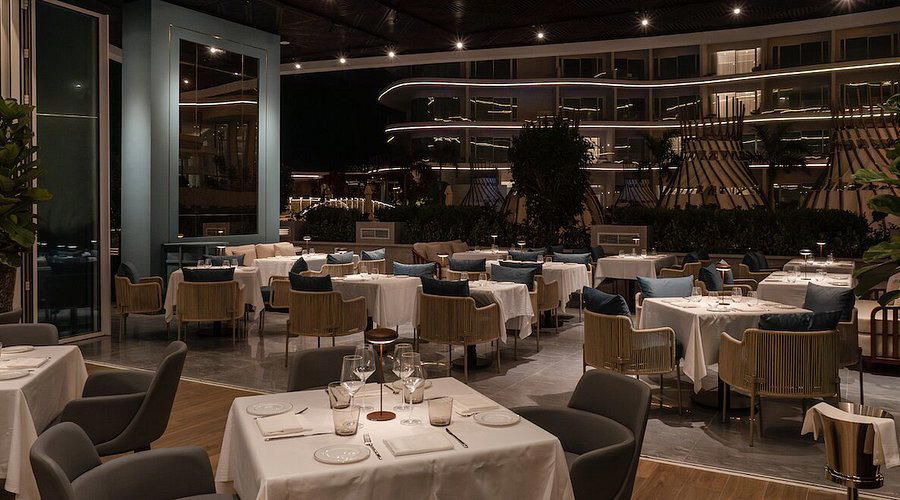
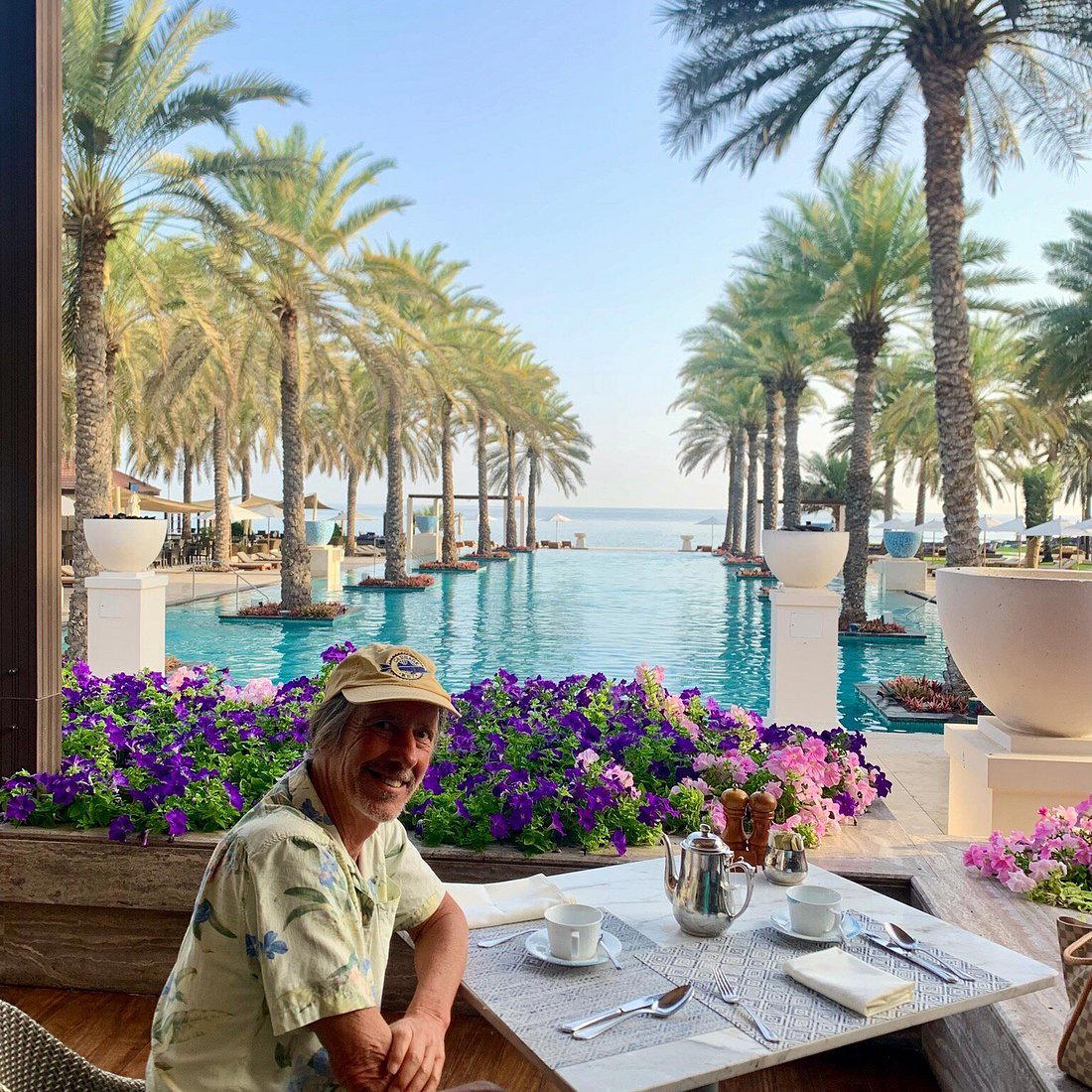
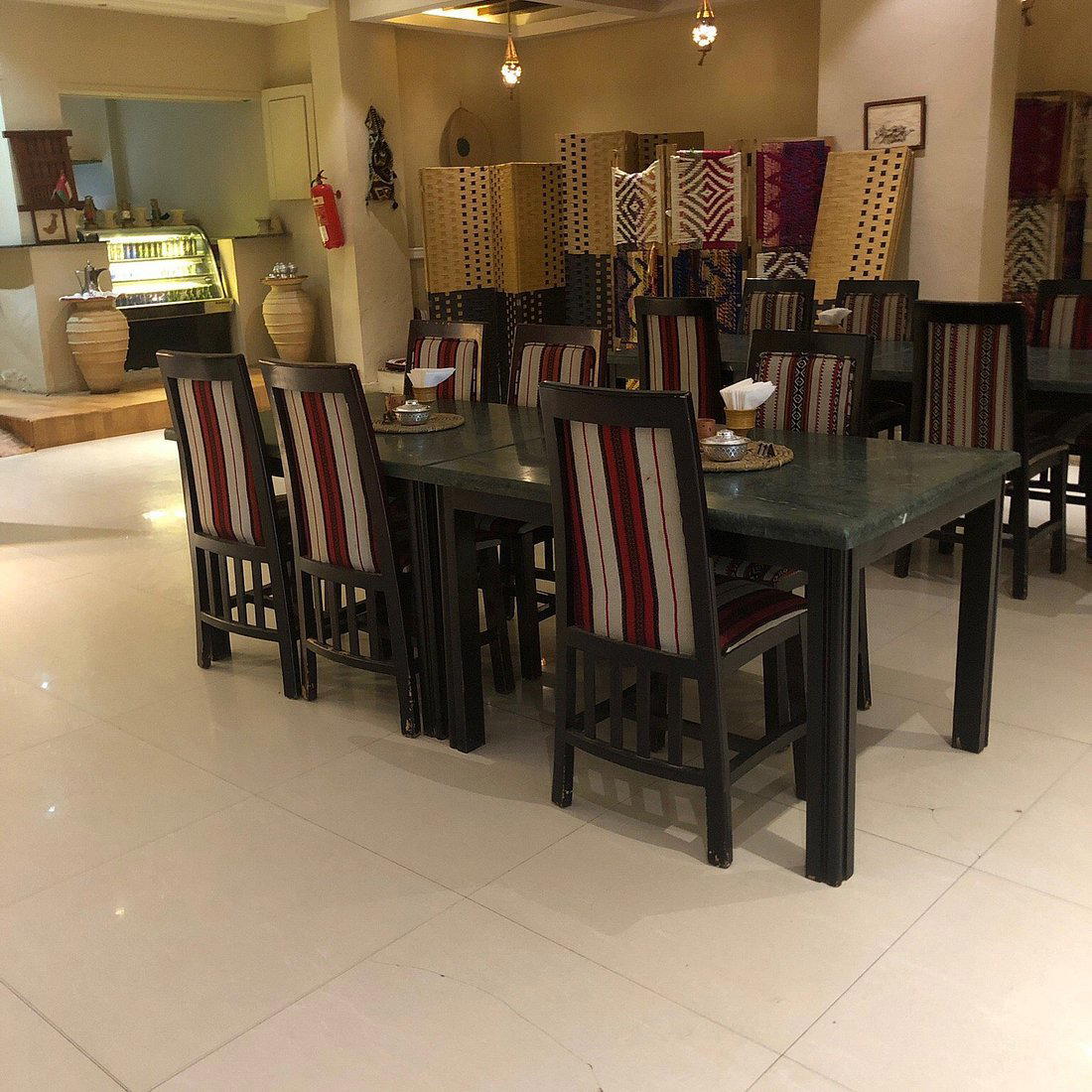
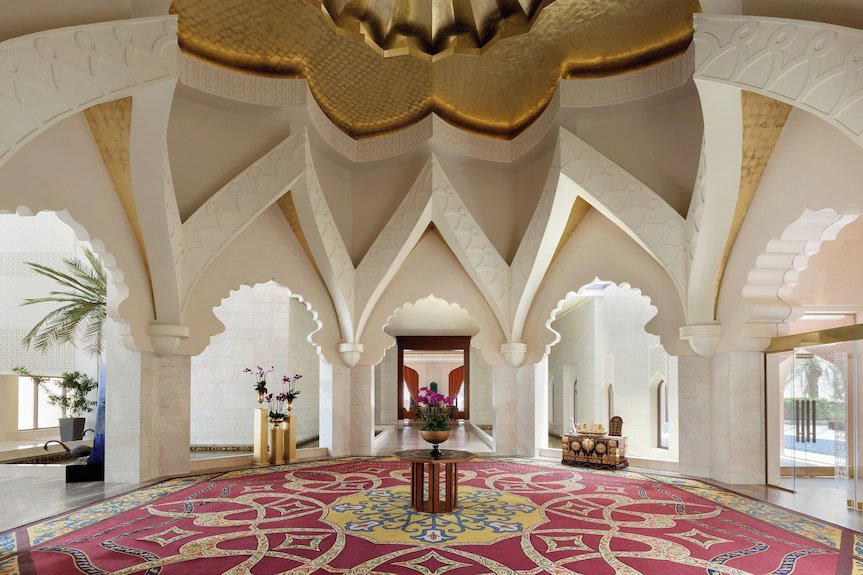
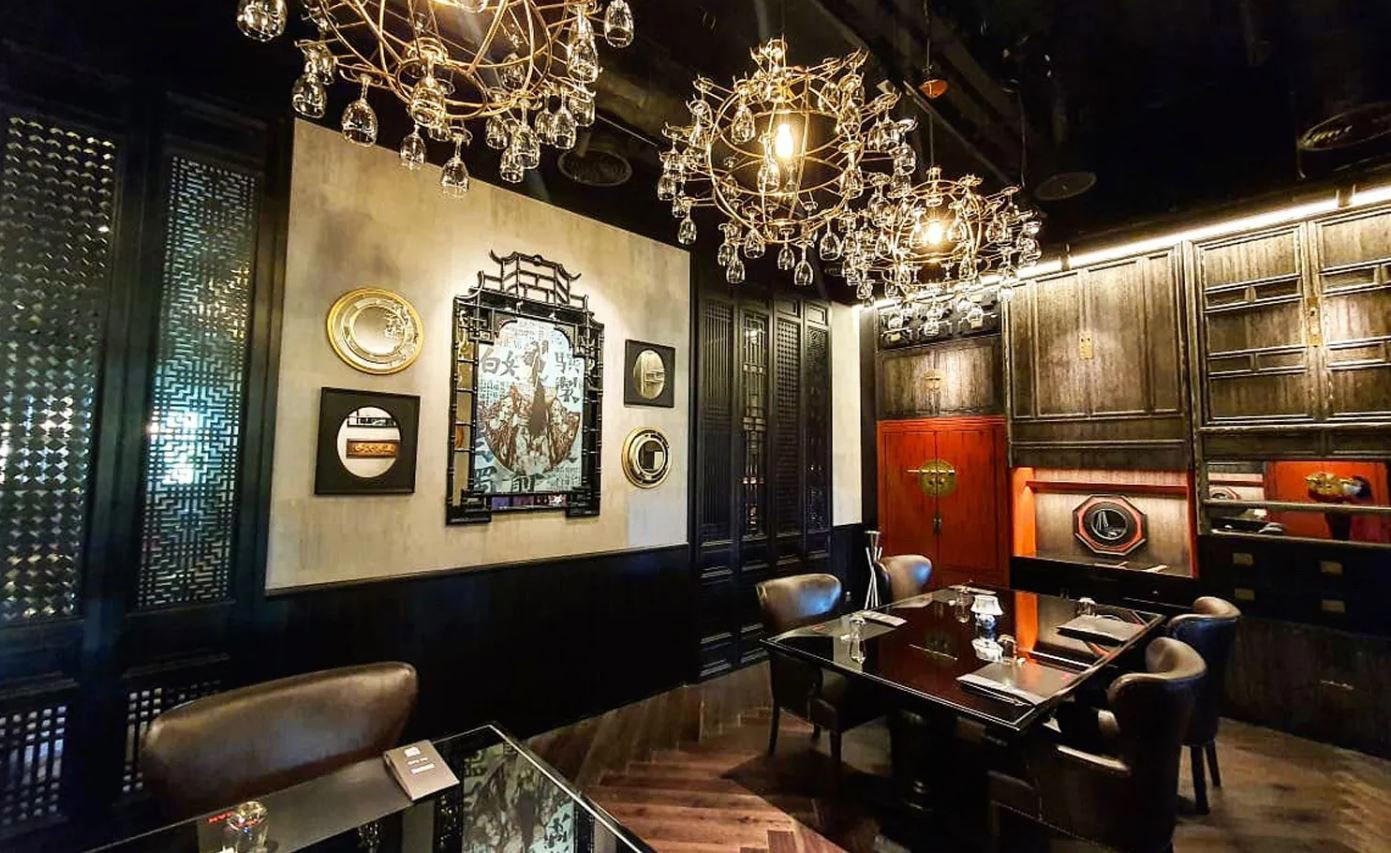
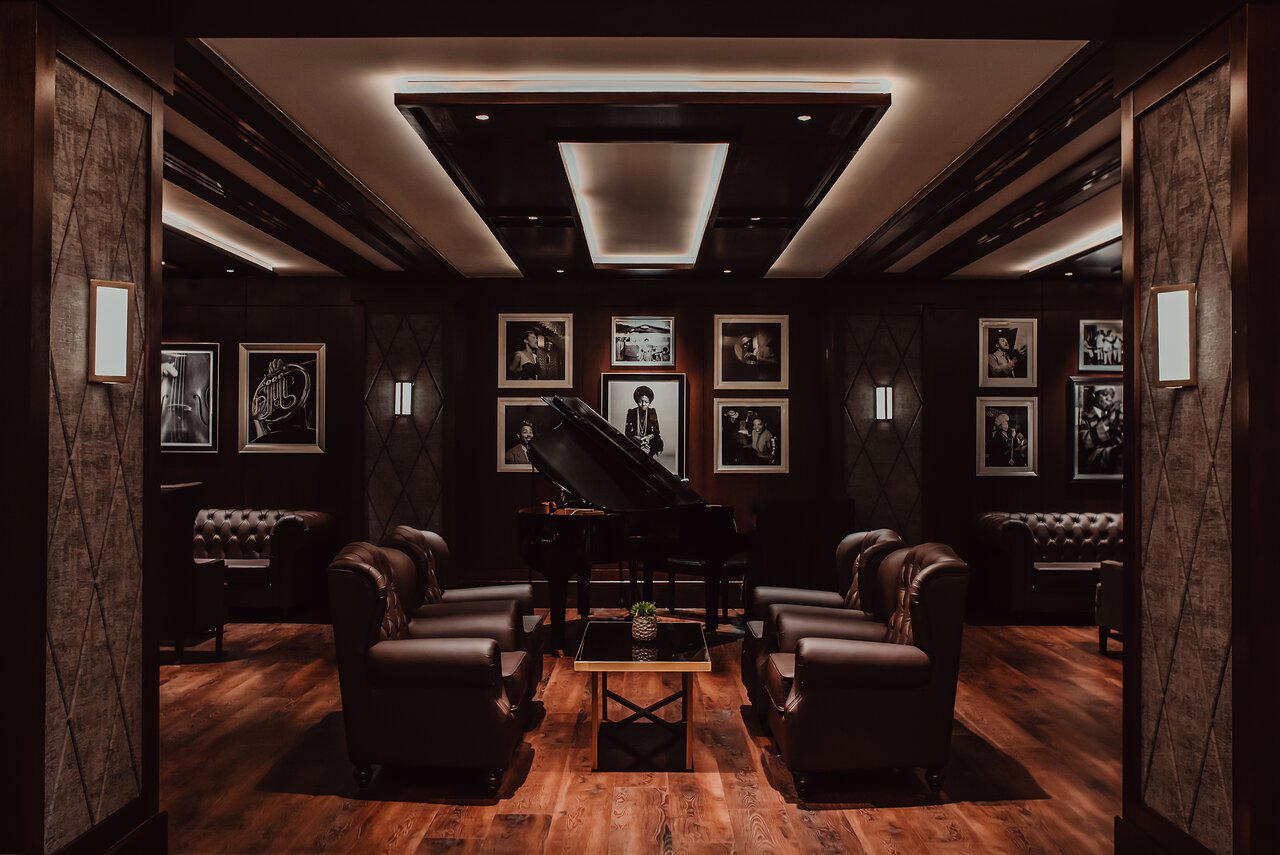
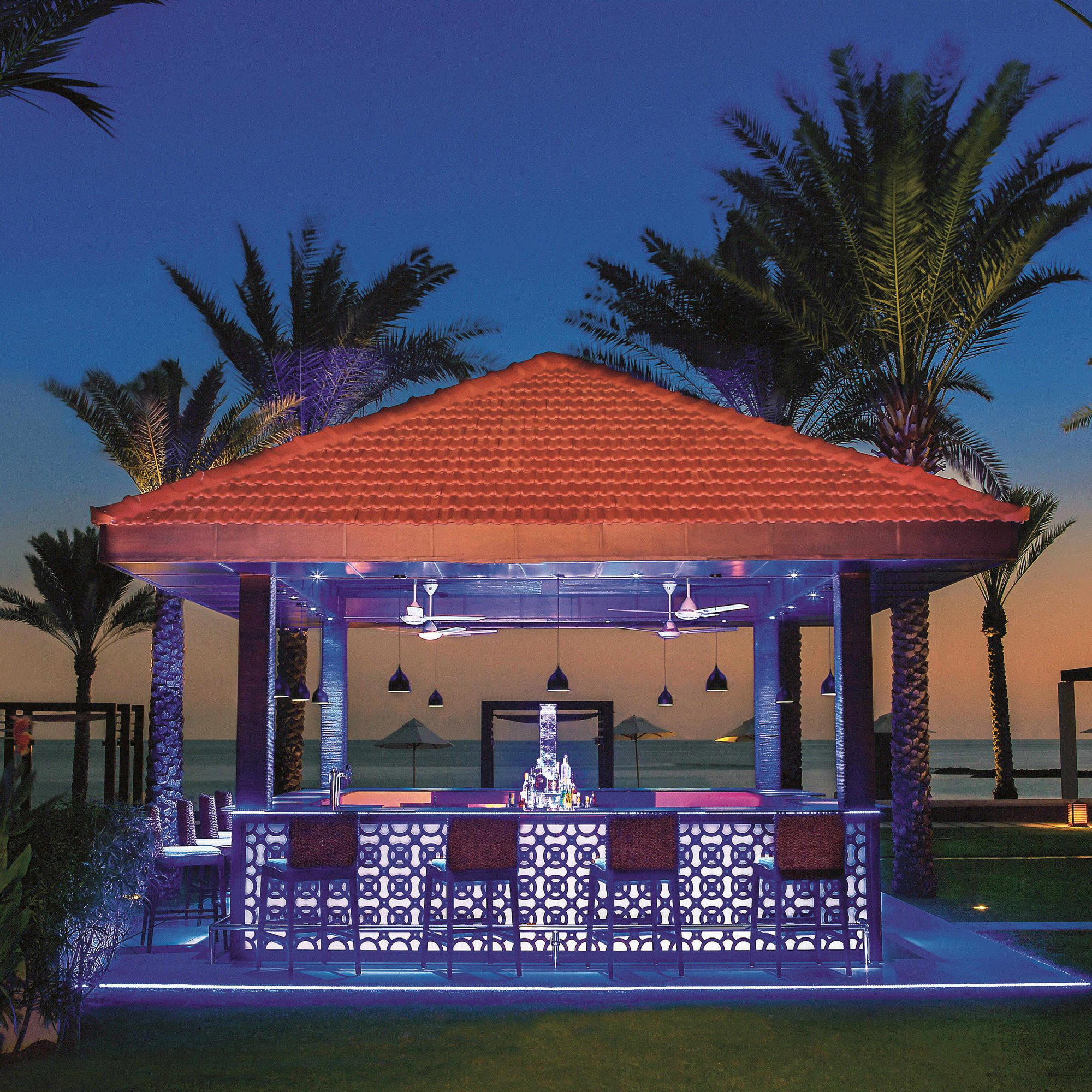
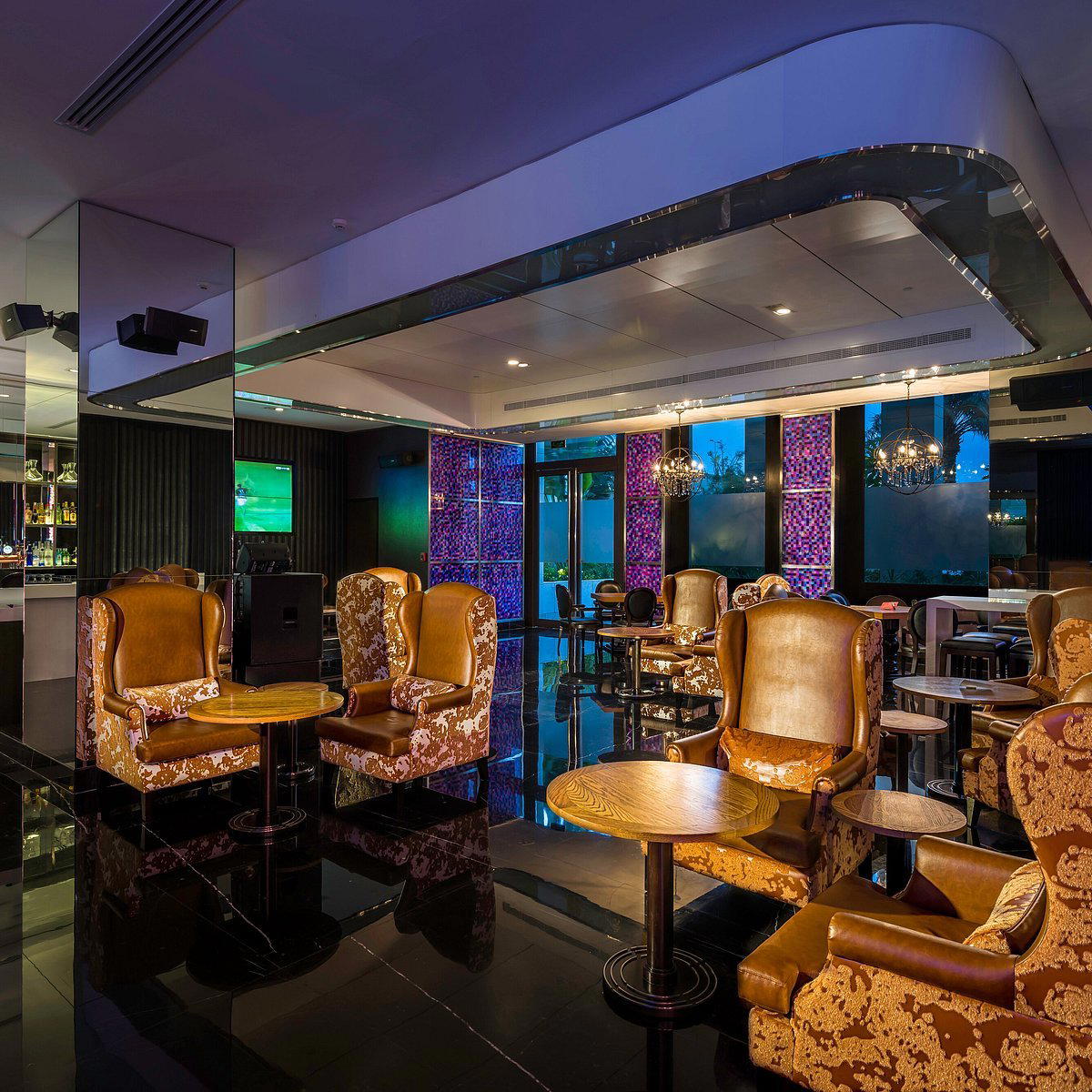
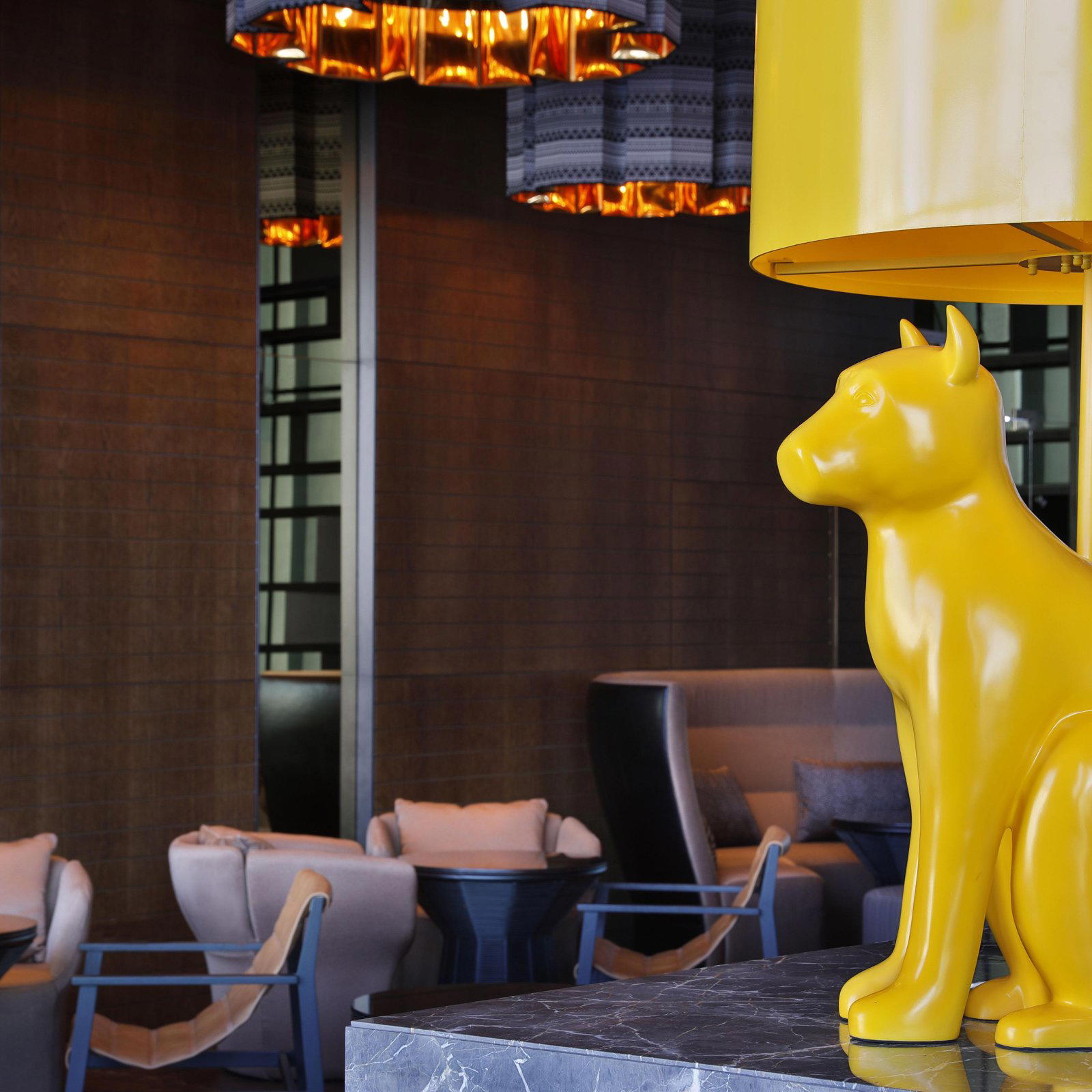
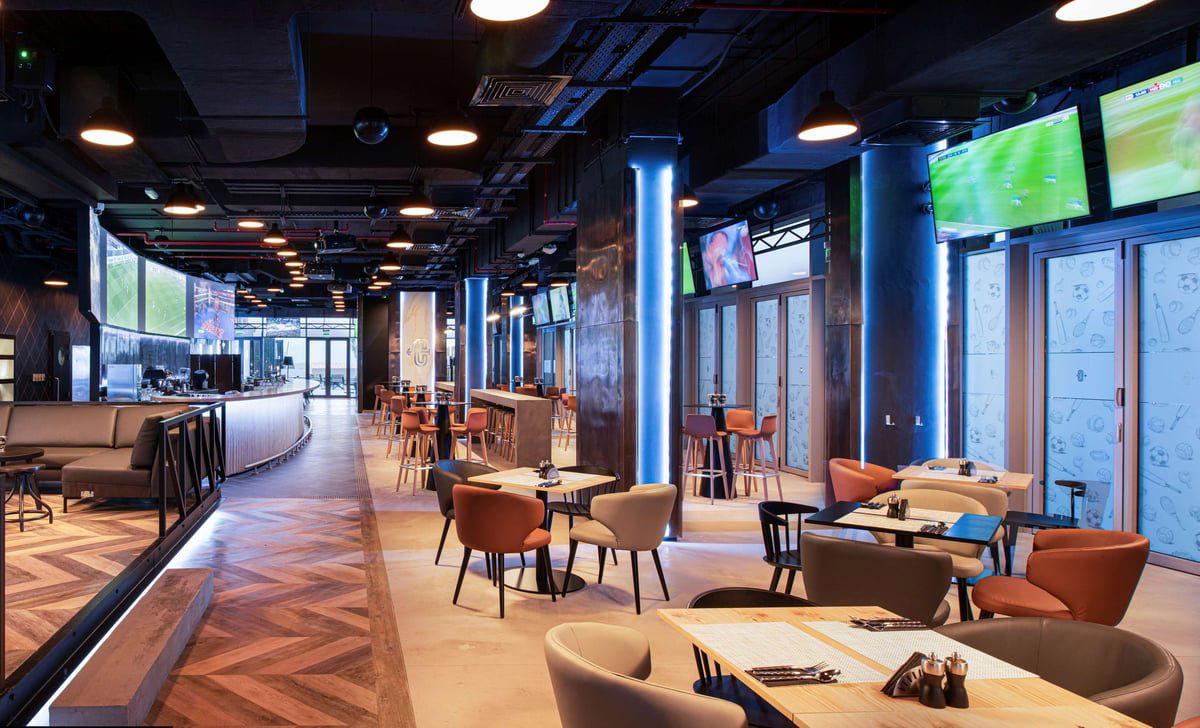
Eclectic and gorgeous decor creating a picture-well-suited atmosphere.