Sessions
Our verdict
Sessions in St Julian's operates as an all-day dining address in one of Malta's most active coastal strips, where the pace of eating shifts from morning coffee through late-evening plates. The format suits the neighbourhood's rhythm: unhurried enough for a long lunch, focused enough for a proper dinner. It sits within a St Julian's dining scene that now spans everything from Lebanese mezze to Aegean charcoal cooking.

Pearl is the En Primeur Club membership app, where members save venues, book tables and use the concierge.
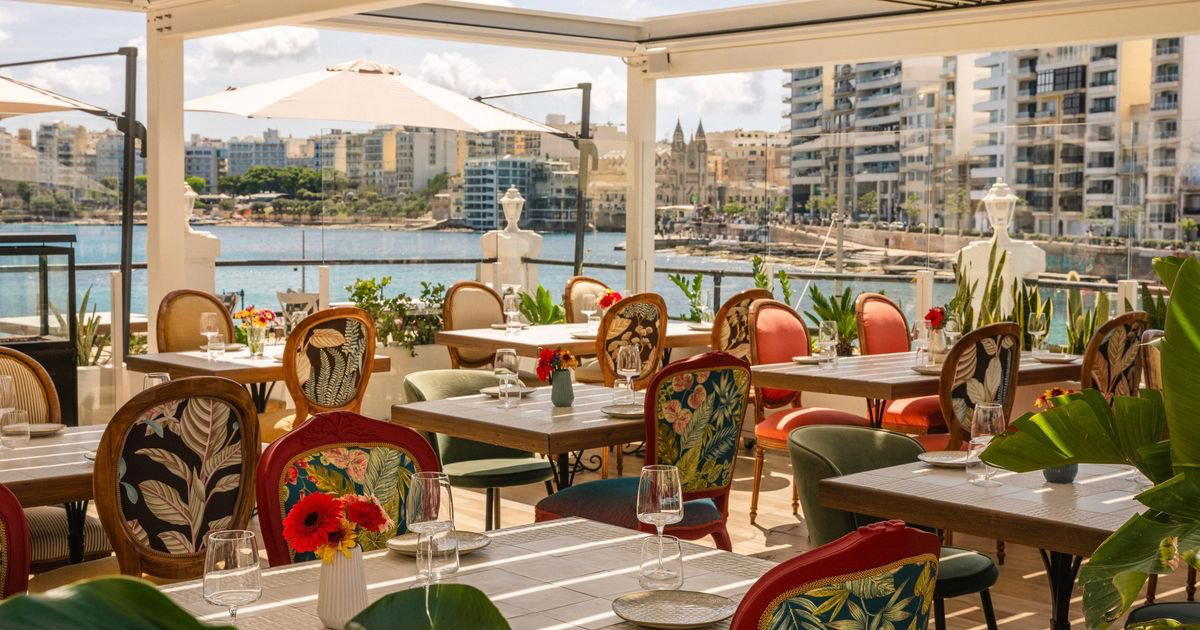
How St Julian's Eats, and Where Sessions Fits
St Julian's has a particular relationship with time. The seafront moves through the day in distinct registers: espresso crowds at the waterfront before nine, lunch tables turning over through the midday heat, aperitivo spilling onto terraces as the light drops, and dinner running later than most northern European visitors expect. All-day dining addresses work well here not because the format is fashionable, but because the town's rhythm genuinely requires them. A venue that can absorb a table at half eleven and again at nine in the evening is doing something structurally useful, not just stylistically flexible.
Sessions operates within that logic. As an all-day dining concept in St Julian's, it sits in a category that has expanded across the Mediterranean over the past decade, as operators recognised that rigid lunch-and-dinner binaries don't match how people actually move through coastal resort towns. The format places it in a different competitive set from the tasting-menu houses, the destination fine-diners like ION Harbour by Simon Rogan in Valletta, or the creative €€€ operations like Rosamì in St Julian's. Sessions answers a different question: where do you go when you're not planning a meal, but you want the meal to be good anyway?
The Rhythm of the Table
All-day dining has a specific etiquette problem that better versions of the format solve and weaker ones ignore. The challenge is that breakfast service, lunch service, and dinner service each carry different social contracts. Breakfast is individual, functional, often solo. Lunch is transitional, shared but time-pressured. Dinner is the one where pacing matters most, where a table expects to be left alone between courses, where the room should allow conversation without effort.
In St Julian's specifically, where the tourist density means many tables will be occupied by people with no local frame of reference, how a room handles those transitions tells you a great deal about how seriously it takes the dining ritual. The towns along Malta's northeastern coast attract a wide range of visitors, from the Paceville nightlife crowd moving through quickly to longer-stay travellers seeking something more considered. An all-day address that manages those different registers without defaulting entirely to the lowest common denominator is doing real editorial work in the neighbourhood.
Across the Mediterranean, the better all-day formats tend to anchor their identity in a core kitchen philosophy that persists regardless of the clock. The breakfast pastry and the evening small plate share a sensibility. That through-line is what separates an all-day dining room from a hotel buffet with ambitions. It's the difference between a venue that serves food all day because someone decided to and one that understands why a guest at three in the afternoon deserves the same attention as one at eight in the evening.
St Julian's in Comparative Context
The restaurant scene in St Julian's has diversified considerably, pulling in a range of cuisine types that reflect both Malta's position at the centre of Mediterranean trade routes and the expectations of its international visitor base. Al Kasbah brings Lebanese cooking to the strip, while CYANA Aegean Cuisine covers charcoal-fired seafood and mezze in a format that suits long, unhurried evenings. Elsewhere on the island, addresses like AYU in Gzira, Bahia in Balzan, and Giuseppi's in Naxxar each stake out distinct positions within Malta's broader dining conversation.
Within St Julian's itself, the price tier spread is instructive. Noni and ION Harbour anchor the €€€€ tier, while Commando's Mediterranean cooking sits at €€, making it one of the more accessible options for a longer meal without ceremony. Le GV in Sliema draws the Italian-Asian crossover crowd from just across the bay. Sessions, as an all-day concept, occupies a positioning that doesn't map cleanly onto that fine-dining hierarchy, which is partly the point. All-day dining competes on availability and consistency as much as it competes on cuisine ambition.
For a fuller map of what's open and worth your time in the area, the St Julian's restaurants guide covers the scene across price points and styles. If you're building a longer itinerary, the St Julian's hotels guide, bars guide, wineries guide, and experiences guide provide the surrounding context. Further afield on the island, Al Sale in Xagħra, Commando in Mellieħa, and Grotto Tavern in Rabat are worth considering if you're moving across the island rather than staying anchored to the northeastern coast.
Practical Planning
All-day dining venues in a tourist-heavy coastal town like St Julian's tend to run fuller than their hours suggest. Midday and early evening are typically the tightest windows, particularly through the summer months when Malta's visitor numbers peak. If you're arriving without a reservation, the late-morning and mid-afternoon slots generally offer the most room to settle in without pressure. For dinner, particularly on weekends, calling ahead or checking for any online booking option is sensible. The format means the kitchen is running a long shift, which usually means the cooking is calibrated for consistency across the day rather than built around a single high-intensity service window, a trade-off that all-day dining makes, and that guests should understand before they arrive expecting the precision timing of a tasting menu.
Sessions in the Broader Register
Malta's dining scene is increasingly confident in its own identity, drawing on North African proximity, Italian culinary inheritance, and a native ingredient tradition that doesn't need international comparison to justify itself. All-day venues in that context serve a specific function: they hold space for the kind of meal that doesn't need an occasion. The comparison point isn't necessarily a destination restaurant like Le Bernardin in New York City or a technically demanding counter like Atomix, where every element of the meal is choreographed from the moment you sit down. It's a different register entirely, and a useful one. The question Sessions answers is not whether you can have an ambitious meal in Malta, but whether you can have a reliable, well-paced one at any point in the day. In a town that runs from morning coffee to 2 a.m. cocktails without a natural break, that's not a minor thing to get right.
Frequently asked questions
Is Sessions in St Julian's suitable for solo diners or small groups passing through the area?
All-day dining formats in coastal towns like St Julian's are structurally well-suited to solo diners and pairs who want flexibility over timing rather than a fixed dining occasion. Sessions operates within this format in one of Malta's most visitor-dense neighbourhoods, which means the room is accustomed to a mix of table sizes and visit lengths. For anyone moving through St Julian's on an unstructured schedule, the all-day model removes the need to synchronise with conventional lunch or dinner windows.
What should I eat at Sessions?
Sessions runs an all-day dining format, which means the kitchen is structured to cover morning meals through to evening rather than specialising in a single cuisine category. Without a confirmed fixed menu on record, the practical approach is to treat the format as the guide: arrive at off-peak hours when the kitchen has more bandwidth, and ask staff what is moving well that day. All-day venues in St Julian's tend to anchor their strongest output in the middle of the service window, so mid-morning and early afternoon are often the most reliable slots.
How hard is it to get a table at Sessions?
St Julian's runs at near-capacity during Malta's peak tourism window, which spans late spring through early autumn, and pressure on restaurant tables in the area is proportional. All-day dining venues absorb some of that demand by spreading covers across a longer service window, but midday and early evening remain the most competitive slots. Arriving outside those windows, mid-afternoon, for instance, typically gives the best chance of a seat without advance planning.
Cuisine and Recognition
Comparable venues nearby, for context on price, style, and recognition.
| Venue | Cuisine | Price | Awards | Notes |
|---|---|---|---|---|
| SessionsThis venue (the venue you are viewing) | Tex-Mex | $20–30 | Not listed | Not listed |
| Al Kasbah | North African | Not listed | Not listed | St Julian S |
| Zest | Asian Fusion and Japanese-Peruvian Nikkei | Not listed | Michelin Plate | Not listed |
| Caviar & Bull | Modern Mediterranean Fine Dining with Caviar & Beef | $50–100 | Michelin Plate | St Julian's |
| CYANA Aegean Cuisine | Mediterranean Aegean Seafood | $30–50 | Not listed | St Julian |
| Sale e Pepe Tradizione Italiana | Authentic Sicilian Italian | $50–100 | Not listed | St. Julian's |
Continue exploring
More in St Julian's
Restaurants in St Julian's
All restaurants in St Julian's →
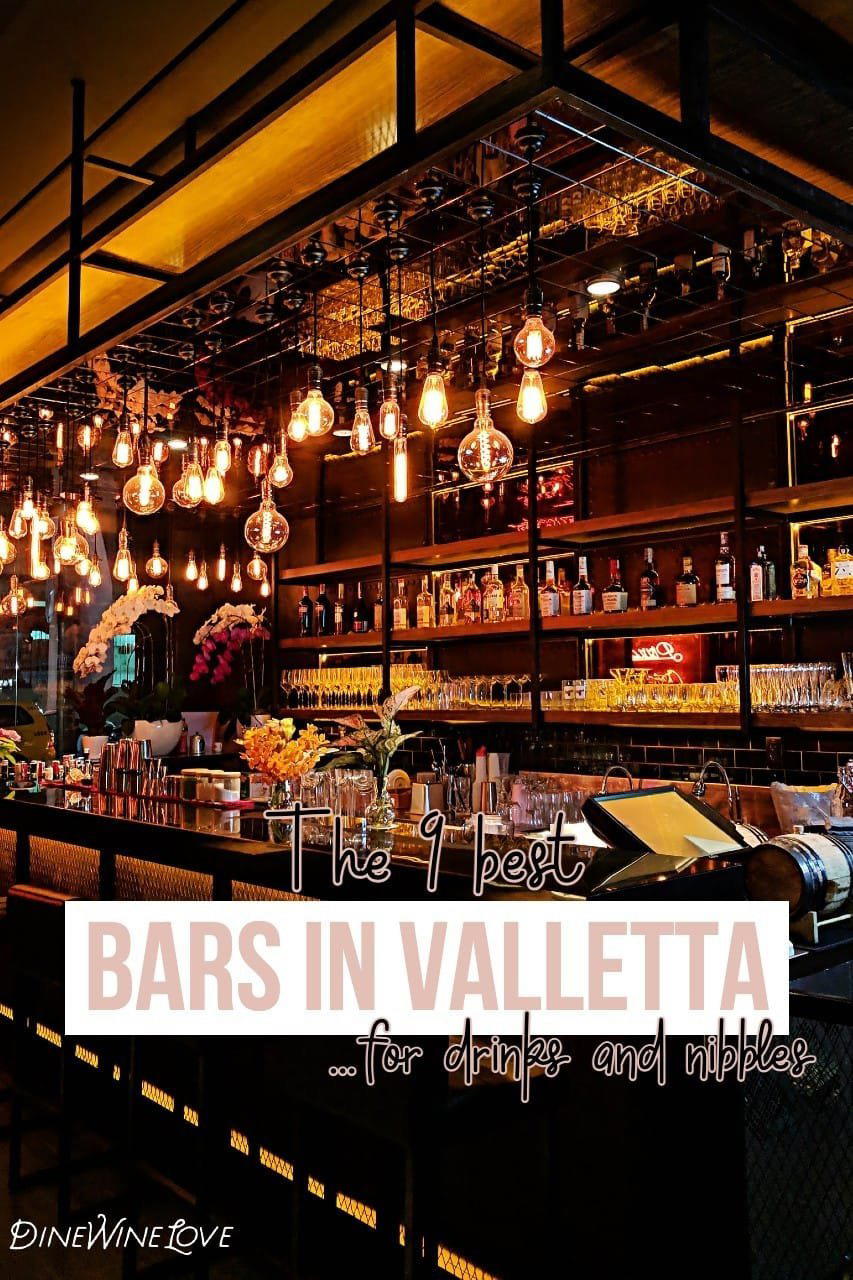
Bars in St Julian's
All bars in St Julian's →
Hotels in St Julian's
All hotels in St Julian's →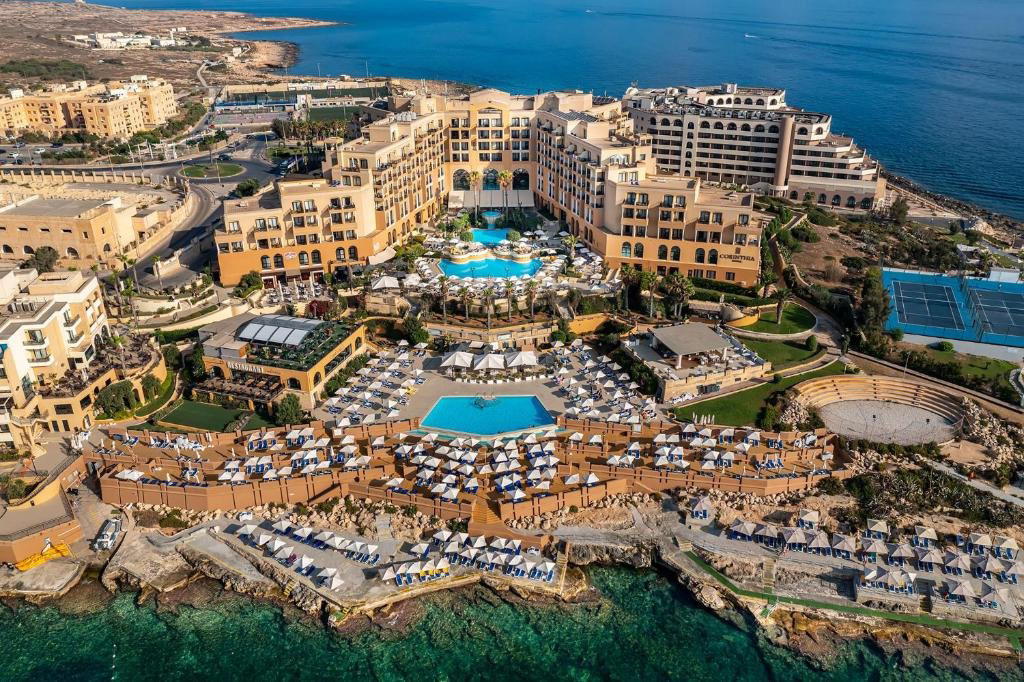
Wineries in St Julian's
Browse all →
Details
- Casual Hangout
- Group Dining
- A La Carte
Lively and welcoming atmosphere with good ambience ratings from guests.