Mazahbi Salalah Restaurant brings the cooking traditions of Dhofar to Muscat's dining scene, where slow-cooked Omani preparations and communal eating customs define the experience. The name references the Salalah region's distinct culinary identity, separating it from the capital's more familiar Gulf-leaning menus. For visitors tracing Oman's regional food differences, this is a useful reference point.
Pearl is the En Primeur Club membership app — saves, bookings, and concierge access live there. Same editors, same standards.
- Address
- Muscat, Oman
- Directions
- Get directions
 Saves & bookings on Pearl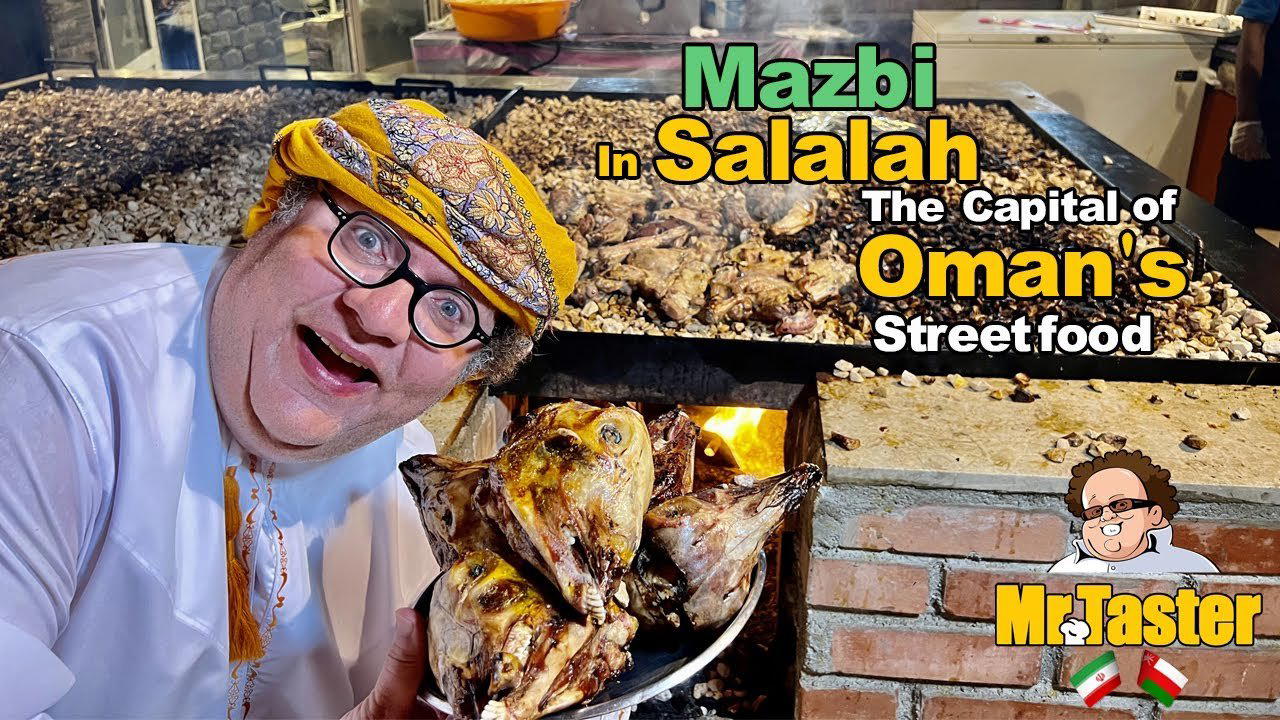
Where Dhofar Meets the Table
Salalah occupies a different culinary register from Muscat. The Dhofar region, separated from the capital by hundreds of kilometres of desert highway, developed its food culture along Indian Ocean trade routes that brought frankincense merchants, African spice traders, and monsoon-season travellers through its ports long before modern Oman unified its regions. The cooking that emerged from that history is slower, more aromatic, and more reliant on wood smoke and dried spice blends than the grilled-and-grains format that dominates central Omani cooking. Mazahbi Salalah Restaurant brings that southern tradition to Muscat, positioning itself inside a small category of Omani restaurants attempting to represent regional, rather than generic national, cuisine.
Muscat's restaurant scene has expanded considerably over the past decade, pulling in international formats from hotel dining rooms to fast-casual imports. The Omani-heritage dining segment remains comparatively narrow, with a handful of addresses carrying the tradition: Bait Al Luban and its Mutrah sibling have long anchored the formal end of that category, while Al Mandoos and its Seeb outpost occupy a broader, more accessible tier. Mazahbi's focus on Salalah-specific preparations gives it a distinct angle within that group, appealing to diners who want something more geographically specific than a generalised Omani menu.
The Rhythm of a Dhofari Meal
The dining customs that accompany Salalah-style cooking are worth understanding before you sit down. Dhofari meals follow a communal logic: large shared platters arrive at the centre of the table, with rice as the base and proteins arranged on leading or alongside. The pace is deliberate. Unlike the quick-fire small-plate format that has colonised much of the Gulf's contemporary dining scene, a proper Dhofari spread expects diners to settle in, tear bread by hand, and move through courses at the rhythm of conversation rather than a kitchen timer.
Incense and frankincense are woven into the hospitality tradition of the Dhofar region in ways that distinguish it from Muscat's more cosmopolitan dining culture. The broader Salalah food vocabulary includes preparations like harees (slow-cooked wheat and meat), heavily spiced rice dishes layered with dried limes and cardamom, and braised meats finished over charcoal. These are not dishes designed for speed. They are the result of long cooking times and layered seasoning that cannot be rushed without losing the point entirely. Restaurants that honour this tradition necessarily operate on a different timetable than their international counterparts across town at addresses like CHAR.
Regional Identity on the Plate
The distinction between Salalah and Muscat cooking is roughly analogous to the difference between regional French cuisine and Parisian restaurant food: the capital aggregates and refines, while the region preserves specificity. Dhofari cooking sits closer to the East African and South Asian flavour profiles that define the western Indian Ocean coastline, where tamarind, coconut, and fenugreek appear more frequently than in the date-and-rose-water register of northern Omani kitchens.
For context, this kind of regional specificity is what separates a restaurant worth seeking out from a generic heritage-format address. The Gulf's dining scene has no shortage of restaurants invoking tradition through decor while serving food that reads as a pan-Arab composite. A kitchen anchored to Dhofar's actual culinary geography is doing something more specific.
Visitors already familiar with Oman's regional variety, perhaps having eaten their way through Bypass Grills and Shawarma in Salalah itself or explored the resort dining at Sense on The Edge at Six Senses Zighy Bay or Spice Market at Six Senses Zighy Bay, will have a useful frame of reference for measuring what Mazahbi does against the real southern Omani tradition.
Muscat's Heritage Dining Tier: How Mazahbi Fits
Placing Mazahbi accurately within Muscat's dining structure requires acknowledging that the city's heritage-format restaurants operate across different price and ambition bands. At the formal end, Bait Al Luban has established itself as a reference point for visitors wanting a curated, presentation-conscious Omani meal. Slightly further down the formality register, addresses like Tuk Tuk in Al Mawalih and the broader casual tier handle everyday Omani and regional eating. All-day dining formats represented by places like The Coffee Club serve a different appetite entirely.
Mazahbi's Salalah identity suggests it sits between the casual and the curated, serving food that requires knowledge and time to prepare properly but may not wrap that effort in the polish of a hotel dining room. That positioning, if accurate, fills a real gap: the mid-register heritage restaurant that takes its regional sourcing seriously without charging resort prices for the privilege.
Planning Your Visit
Specific booking details, hours, and pricing for Mazahbi Salalah Restaurant were not available at time of writing. For current operational information, direct enquiry through local search or Muscat dining guides is the most reliable approach. As a general principle for heritage-format restaurants in Muscat, weekends (Thursday and Friday evenings in Oman) fill faster than weekday slots, and arriving without a reservation during peak hours carries risk. Reservations, where accepted, are worth making in advance. For a broader map of where Mazahbi sits within the capital's dining options, see our full Muscat restaurants guide, which covers the range from Harvest to the full heritage tier.
Those building a longer Oman trip with dining as a thread will find Mazahbi useful as a Muscat reference point for Dhofari cooking before or after time in the south. The comparison between eating this cuisine at source in Salalah and encountering it in a Muscat interpretation is itself an instructive exercise in how regional food travels.
- Camel Mandi
- Camel Curry
- Mutton Mandi
- Chicken Mandi
- Mazbi
- Shawarma
Cuisine-First Comparison
| Venue | Cuisine | Awards |
|---|---|---|
| Mazahbi Salalah RestaurantThis venue — the venue you are viewing | This venue | Not listed |
| The Coffee Club (all-day dining concept) | all-day dining | all-day dining |

At a Glance
- Casual
- Rustic
- Family
- Group Dining
- Casual Hangout
- Standalone
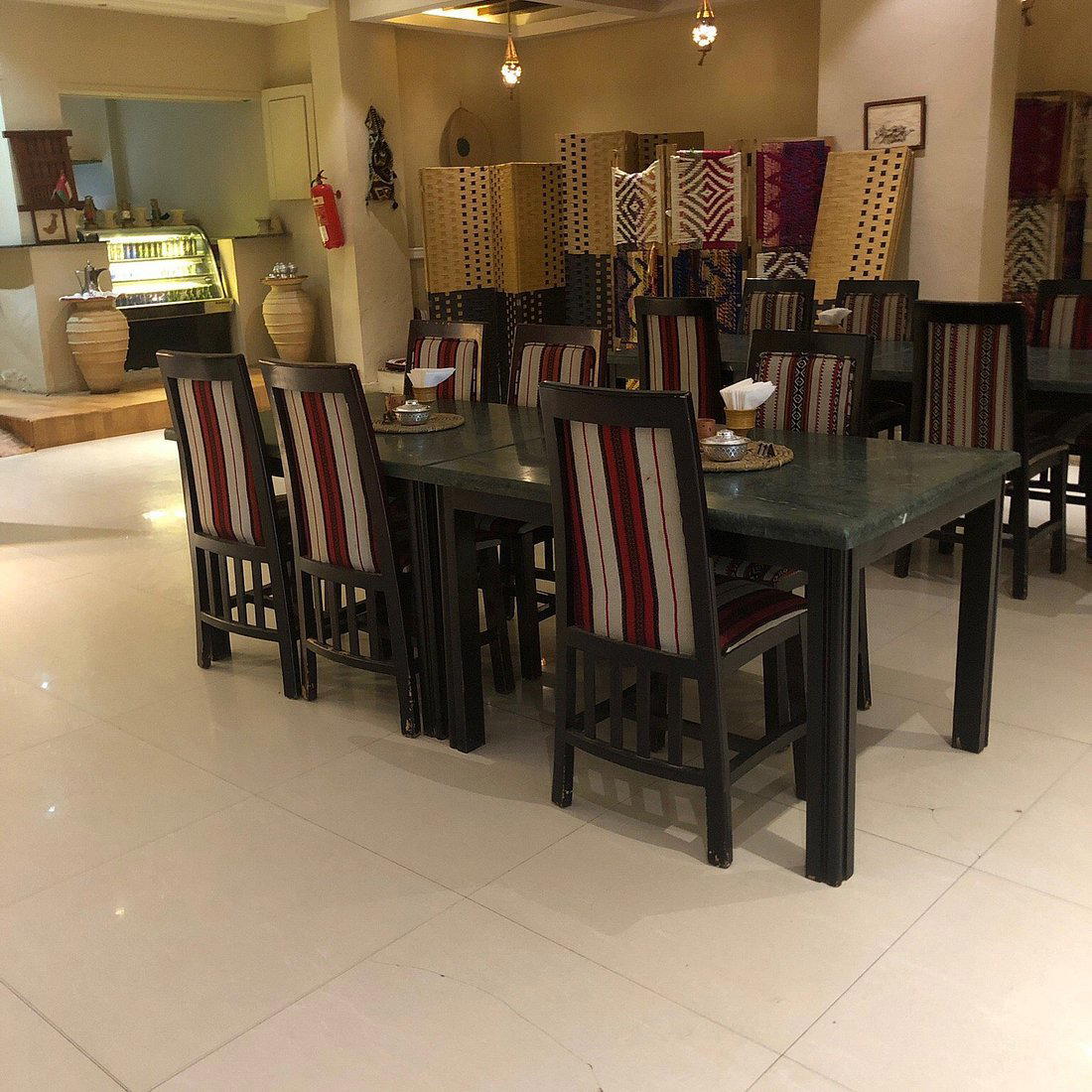
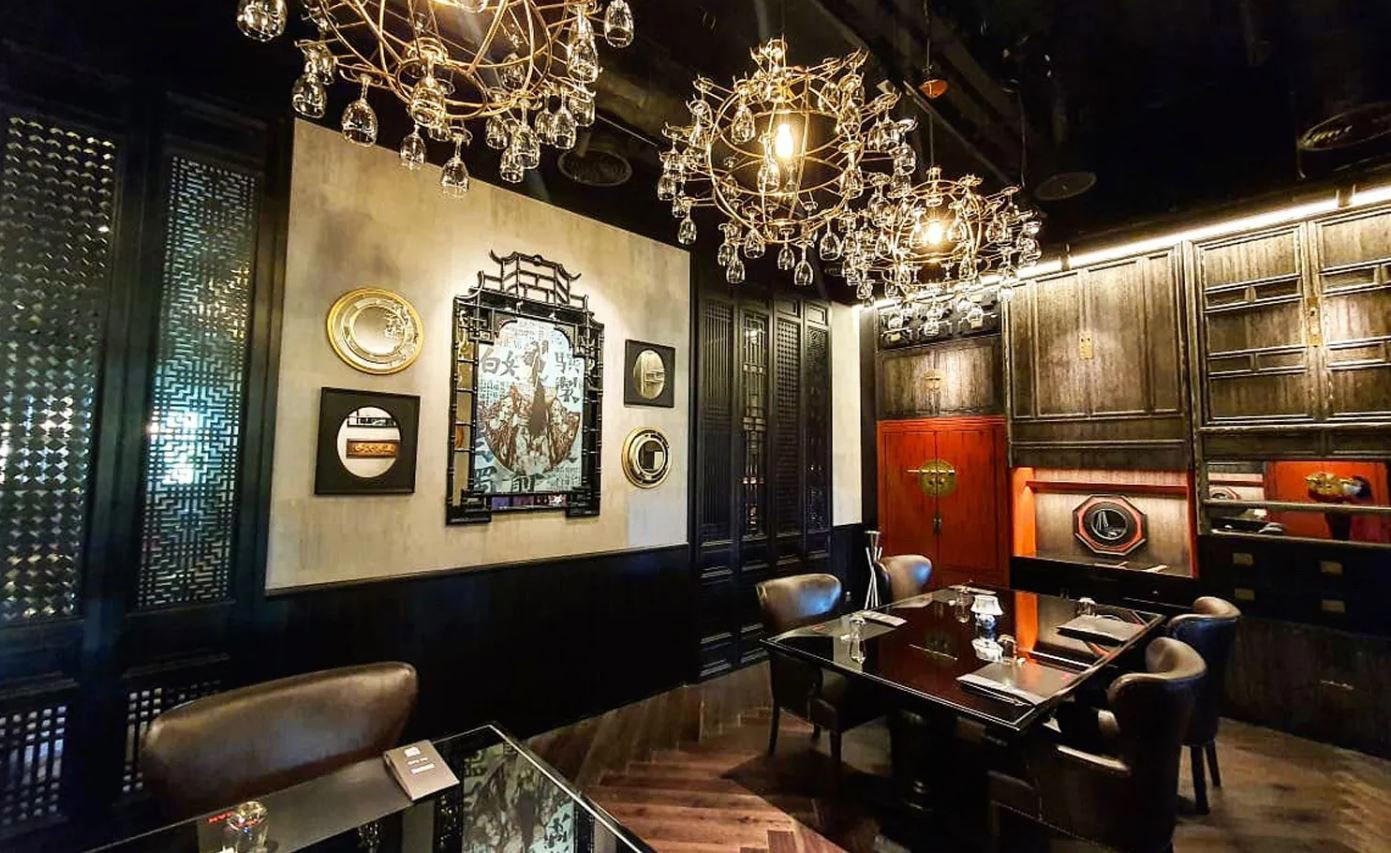
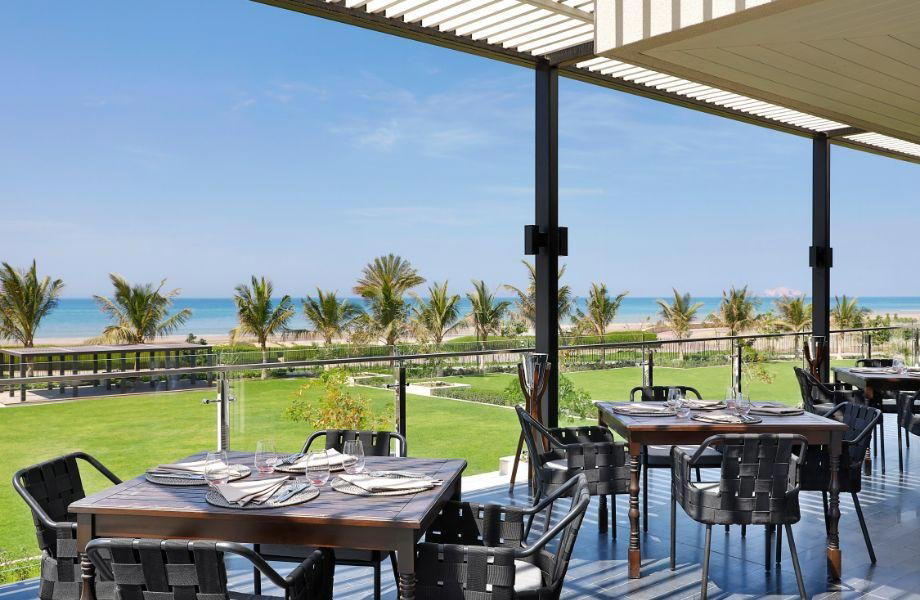
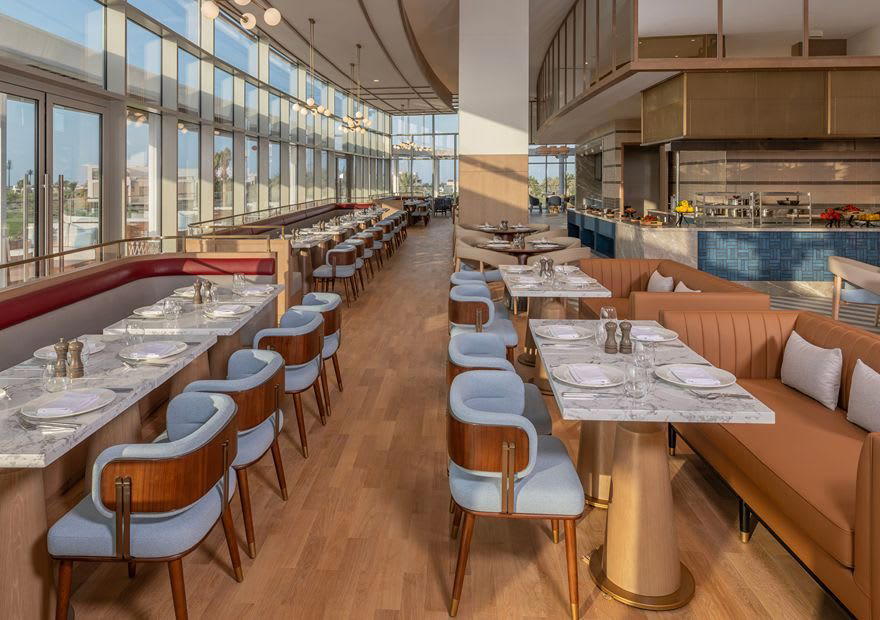
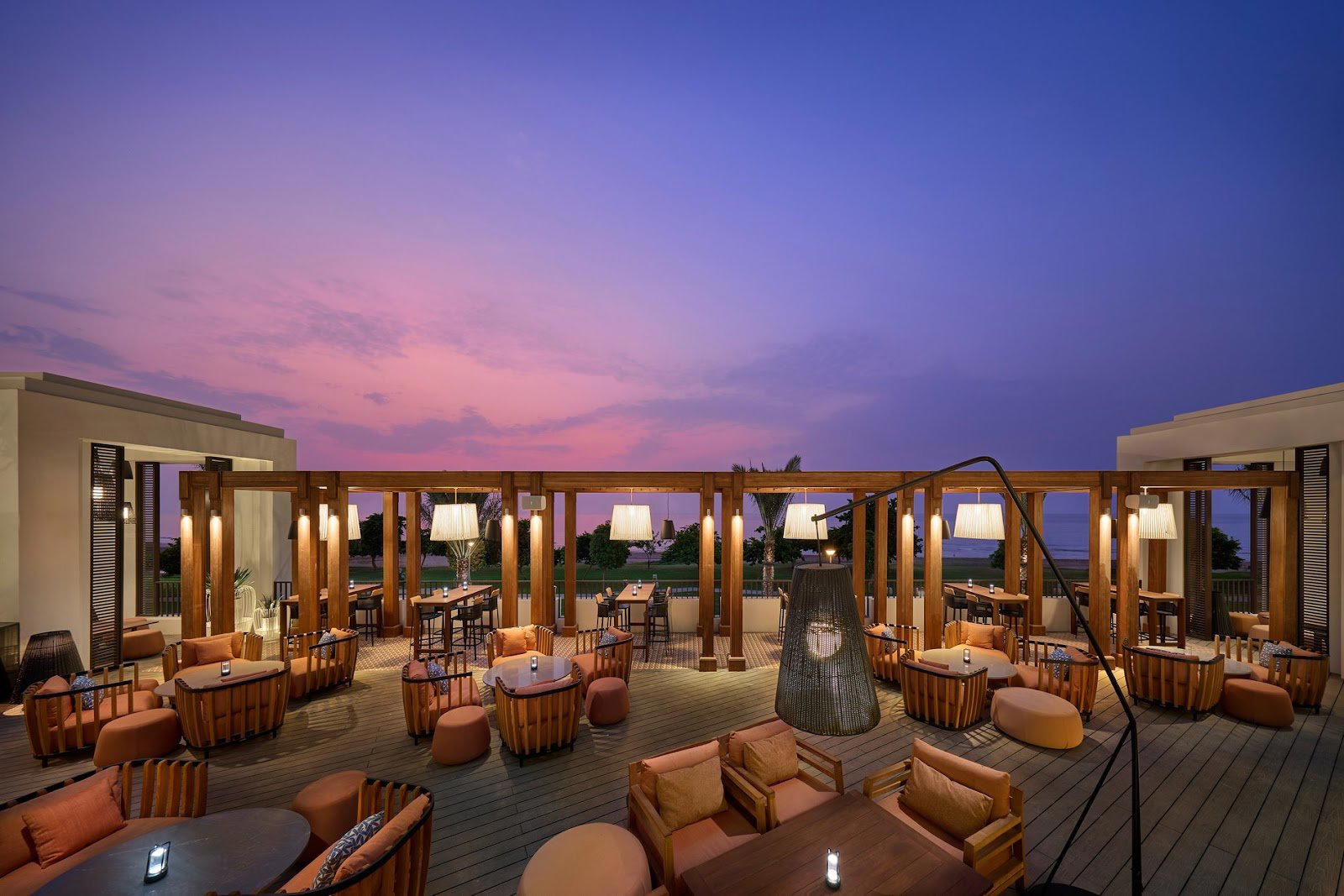
Casual, family-oriented dining environment with a focus on traditional Omani hospitality and authentic street food atmosphere.