Al Mandoos sits within Muscat's growing circuit of Omani dining rooms that take traditional Gulf hospitality seriously as a format. The name itself — referencing the ornate wooden chest central to Omani heritage — signals an intent to ground the experience in cultural specificity rather than regional generality. For visitors seeking Omani cuisine beyond hotel buffets, it represents a practical starting point in the capital.
Pearl is the En Primeur Club membership app — saves, bookings, and concierge access live there. Same editors, same standards.
- Address
- Muscat, Oman
- Directions
- Get directions
 Saves & bookings on Pearl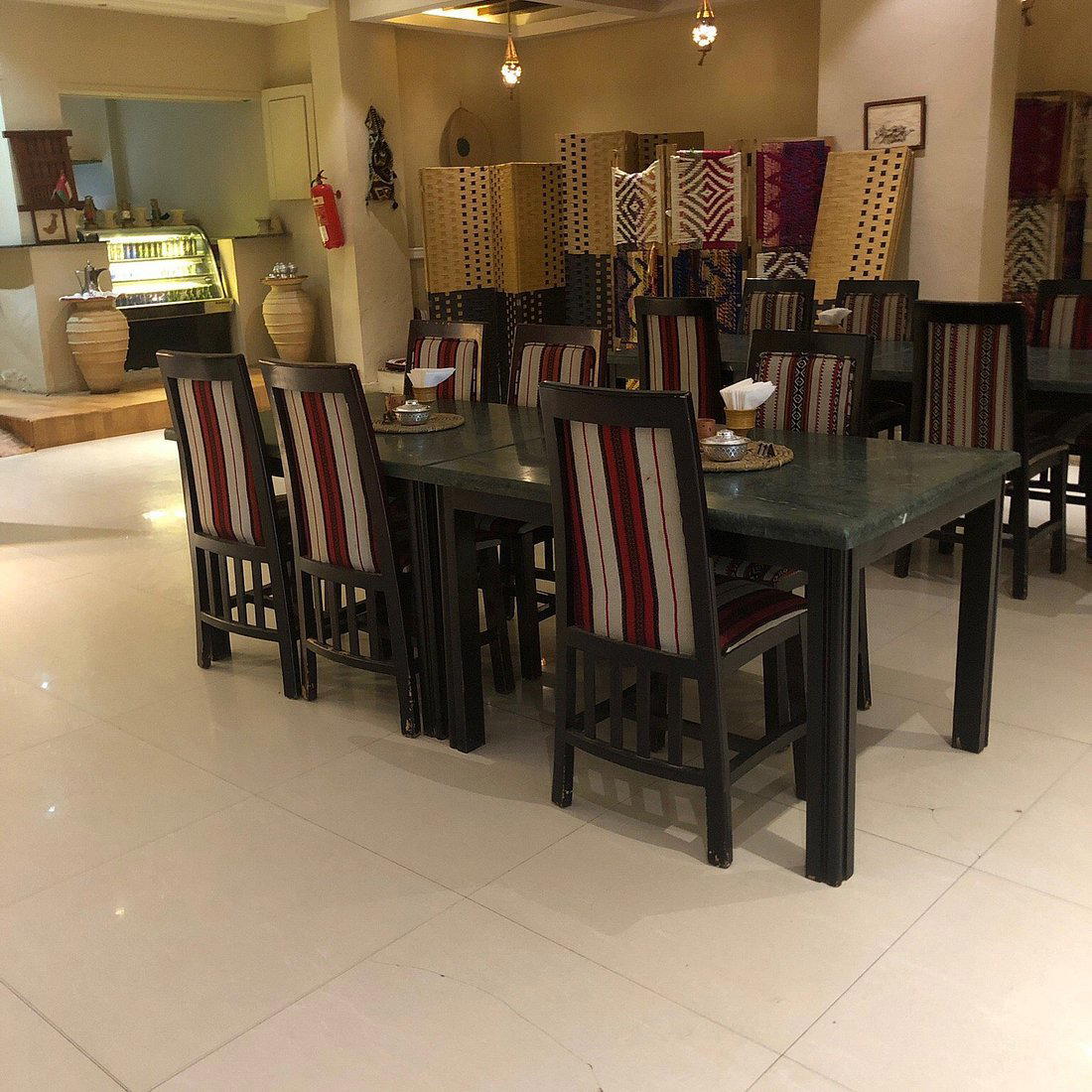
The Chest and What It Contains: Omani Dining Culture in Muscat
The mandoos, an intricately carved wooden chest once used to store valuables and passed between generations, carries significant weight in Omani domestic life. When a restaurant adopts that name, it sets a clear expectation: the contents matter, the tradition behind them matters more. Muscat's dining scene has spent the past decade sorting itself into two broad camps — internationally oriented hotel restaurants serving a transient expatriate and tourist population, and a smaller, more deliberate cohort of Omani-inflected dining rooms attempting to codify and present a cuisine that has historically lived inside homes rather than commercial kitchens. Al Mandoos belongs to the second group.
That distinction carries real weight in a city like Muscat, where Omani food has long been undersold relative to the country's actual culinary depth. The Gulf's food traditions draw on Persian, Indian, East African, and Bedouin influences accumulated over centuries of trade through ports like Mutrah — a complexity that rarely surfaces in the abbreviated versions served to visitors. Restaurants that take this tradition as their primary subject, rather than as decorative backdrop, occupy a different position in the city's dining conversation. Peer venues in that conversation include Bait Al Luban and its Mutrah counterpart Bait Al Luban Omani Restaurant - Mutrah, both of which have built sustained reputations for presenting Omani cooking with enough seriousness to attract visitors specifically seeking the cuisine rather than merely encountering it.
What Omani Cuisine Actually Is
Any serious engagement with Omani food requires understanding what sets it apart from the broader Gulf culinary category. Oman's cuisine is distinguished by its use of dried limes (loomi), the slow-roasted whole-animal tradition of shuwa, meat buried in underground pits lined with date-palm leaves and cooked over hours or days, and rice dishes like machboos that absorb the aromatics of Gulf spice blends differently from their Saudi or Emirati equivalents. Coastal Oman adds a seafood register that inland Gulf cooking lacks: shark prepared with turmeric and fenugreek, fresh hammour handled with restraint rather than heavy spicing.
Beyond protein and grain, Omani cuisine has a halwa tradition, a dense, slow-cooked sweet made from sugar, rosewater, saffron, and ghee, that functions as both a hospitality gesture and a cultural marker. Being served Omani halwa with coffee (kahwa) is not incidental to a meal; it is the social architecture of the meal. Restaurants that understand this serve the sequence deliberately rather than as an afterthought. That cultural register is what separates a serious Omani dining room from one merely deploying Omani ingredients as surface decoration.
For a wider view of where Al Mandoos fits within the capital's restaurant options, the full Muscat restaurants guide maps venues across cuisine type, neighbourhood, and format. Muscat's dining geography is dispersed, the old Mutrah corniche area, the commercial districts around Al Qurum, and the newer development corridors each have distinct dining characters, and understanding which part of the city you are in shapes expectations considerably.
Muscat's Omani Dining Circuit
The city's Omani-specific dining options sit within a broader regional picture that includes venues outside the capital. Mazahbi Salalah Restaurant brings southern Omani cooking, a distinct register shaped by the Dhofar region's monsoon climate and its own spice and ingredient palette, into the capital, extending the range of Omani culinary geography available to a single visit. The Al Mandoos location in Seeb represents the same name operating in a different part of greater Muscat, a signal that the format has enough demand to sustain multiple sites rather than remaining a single specialist address.
That geographic spread is worth noting for visitors planning around Oman more broadly. The country's dining scene extends significantly beyond Muscat: Bypass Grills and Shawarma in Salalah and venues at Sense on The Edge at Six Senses Zighy Bay and Spice Market at Six Senses Zighy Bay in Zighy represent what the country's resort hospitality sector is doing at its upper tier, a format that prioritises setting and produce sourcing alongside culinary identity.
For those filling out a Muscat itinerary, the city also sustains a parallel range of formats: CHAR operates in the grilled-protein register that Muscat's expatriate dining crowd relies on, while The Coffee Club covers the all-day casual territory that anchors midday dining for residents. Tuk Tuk in Al Mawalih and Harvest fill adjacent positions in the mid-register. None of these, however, address the specific need that Al Mandoos and its Omani-cuisine peers serve: a deliberate, culture-grounded encounter with what Oman actually eats.
The Hospitality Logic of Gulf Dining
Understanding why Omani restaurants occupy the position they do in Muscat requires understanding Gulf hospitality as a structural force rather than a stylistic choice. In Omani culture, feeding guests is not peripheral to social life, it is one of its primary expressions. The commercial translation of that instinct into a restaurant format carries inherent tension: the warmth of hospitality-as-obligation becomes hospitality-as-transaction. The dining rooms that navigate this most effectively are those that retain the sequence and pacing of Omani domestic eating rather than compressing it into a Western restaurant timeline. Long meals, multiple courses arriving in a particular order, the coffee-and-halwa ritual as genuine closure rather than a bill-delivery mechanism, these structural choices signal whether a venue is treating the cuisine as culture or as product.
That question is relevant across the global fine-dining spectrum. Restaurants like Atomix in New York have demonstrated how deep cultural framing can transform a meal's meaning well beyond its ingredients, while institutions like Le Bernardin show how sustained commitment to a culinary tradition builds a reputation that outlasts individual dishes. In a smaller, less internationally scrutinised market like Muscat, the standard of comparison is necessarily local, but the logic is the same. A venue that treats its cuisine's cultural architecture seriously earns a different kind of loyalty than one that treats it as atmosphere.
Planning a Visit
Muscat's dining rhythm differs from most major cities. Meal times skew later, particularly during Ramadan when the entire dining economy restructures around iftar and suhoor. Visitors unfamiliar with Gulf dining timing should build in flexibility, especially if eating at venues where communal and family dining is the primary format, tables may be larger, service pacing more deliberate, and the experience less calibrated to two-person Western dining conventions. The Bait Al Luban Mutrah location, situated near the historic corniche, offers a useful orientation point for understanding how Omani dining geography and tourist geography intersect in the old city.
Booking and Cost Snapshot
| Venue | Price |
|---|---|
| Al MandoosThis venue — the venue you are viewing | This venue |
| The Coffee Club (all-day dining concept) | all-day dining |

At a Glance
- Classic
- Cozy
- Family
- Casual Hangout
- Standalone
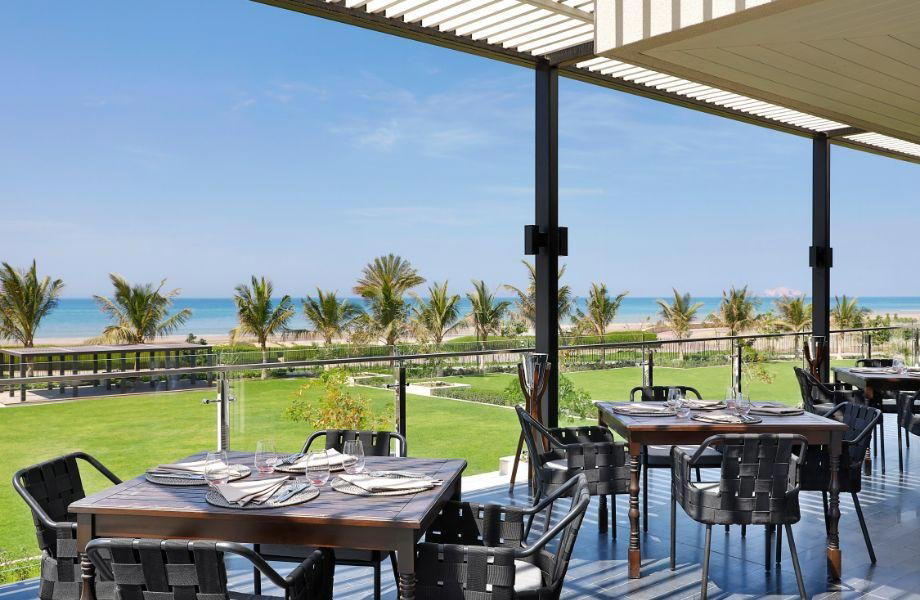
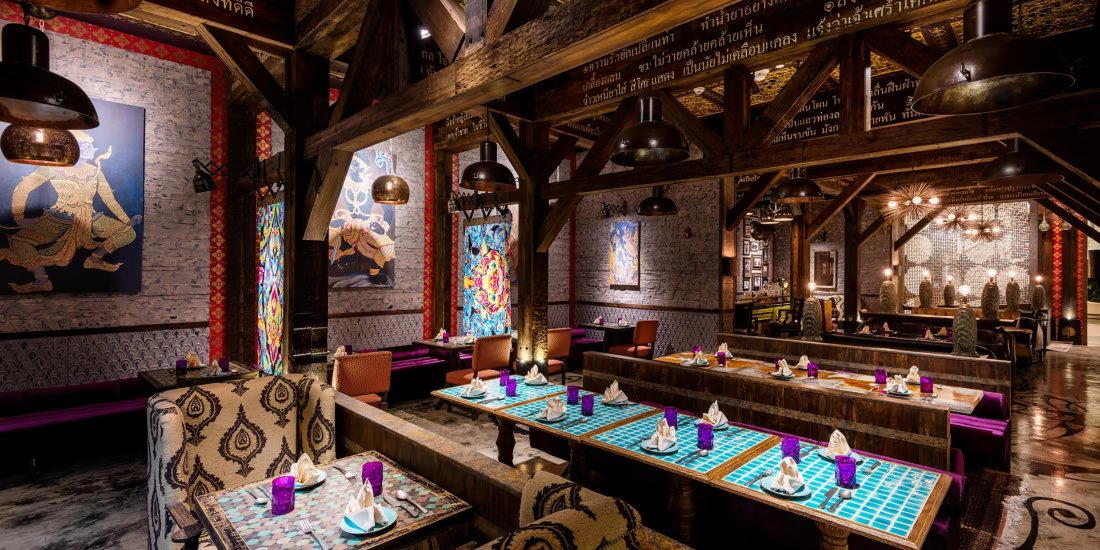
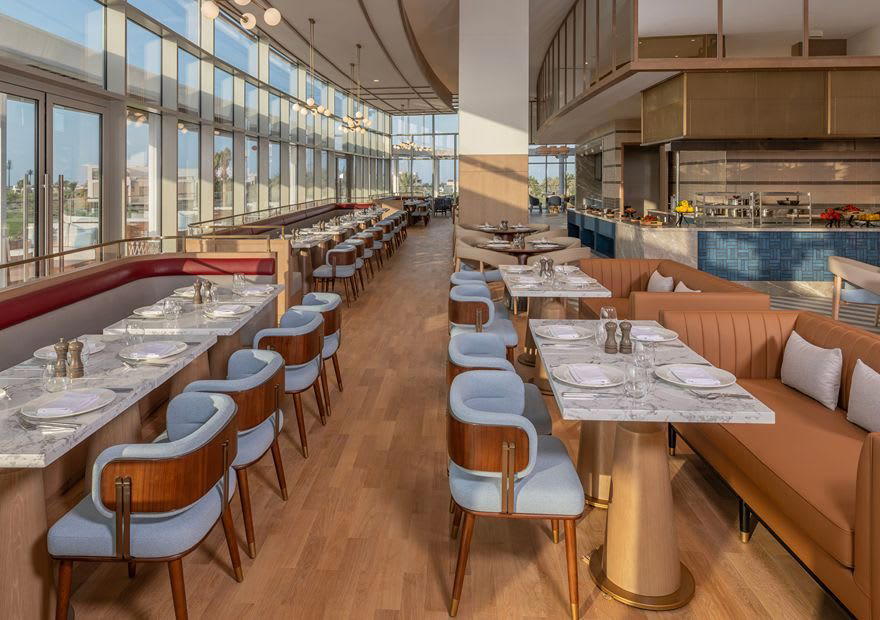
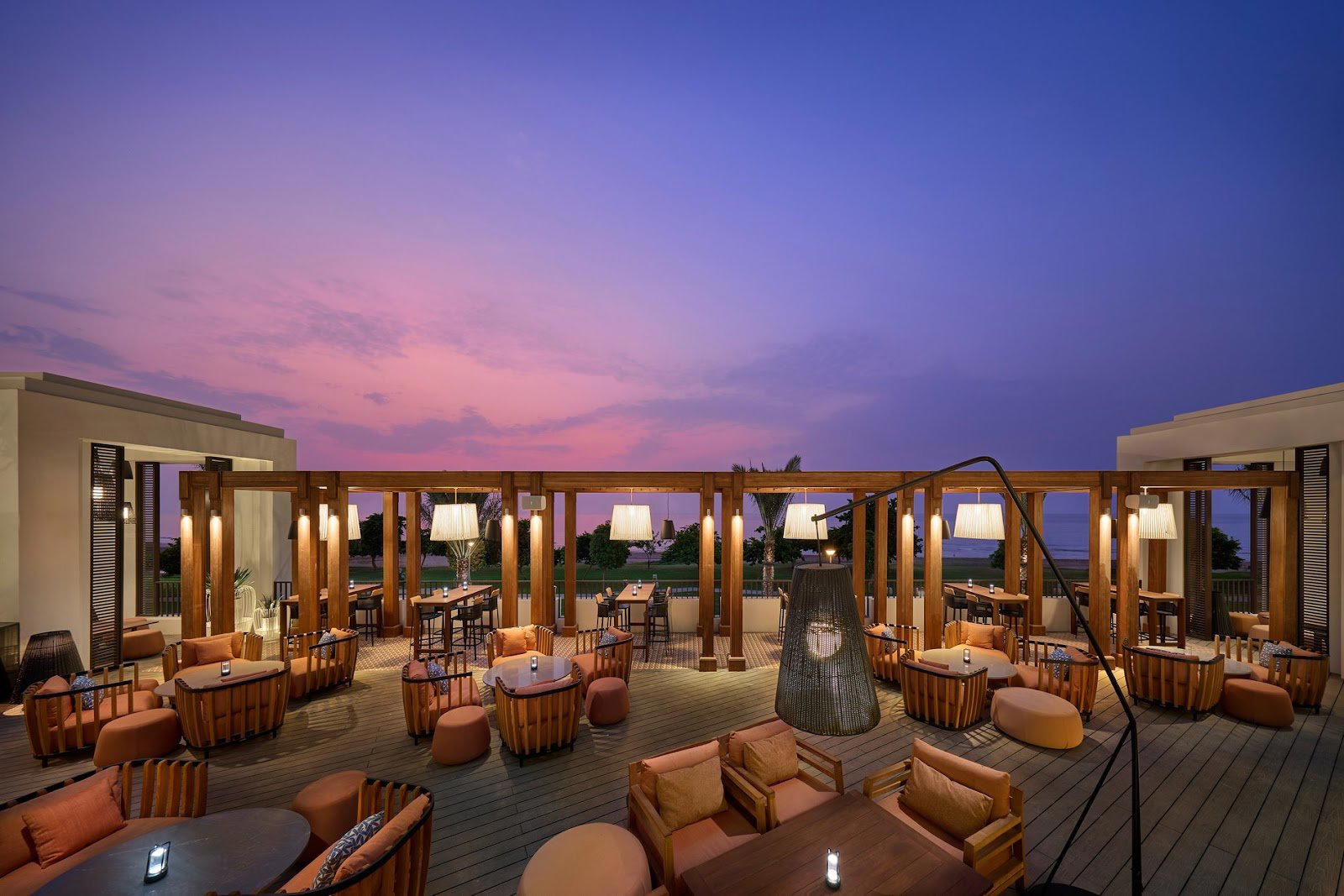
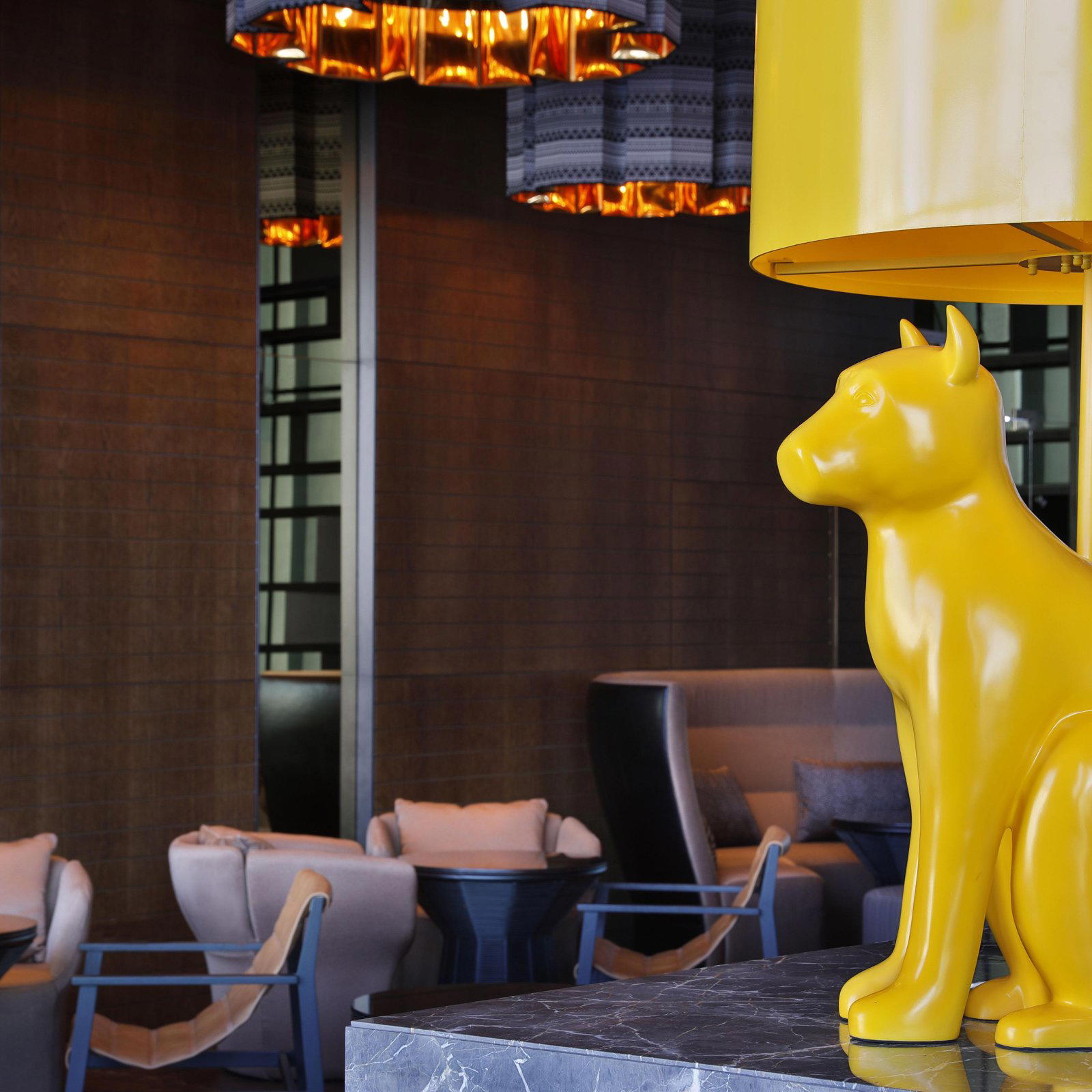
Traditional Omani atmosphere with floor seating options and attentive classic service.