CHAR at the W Muscat brings fire-focused cooking to Alkharjiya Street, positioning itself within the city's growing tier of hotel dining rooms that compete on format and atmosphere as much as on the plate. Set inside one of Muscat's most architecturally deliberate hotel properties, it represents a style of dining where the ritual of the meal — the pacing, the theatre of the grill — does much of the talking.
Pearl is the En Primeur Club membership app — saves, bookings, and concierge access live there. Same editors, same standards.
- Address
- W hotel, alkharjiya street, Muscat, Oman
- Phone
- +96871919124
- Website
- marriott.com
- Directions
- Get directions
 Saves & bookings on Pearl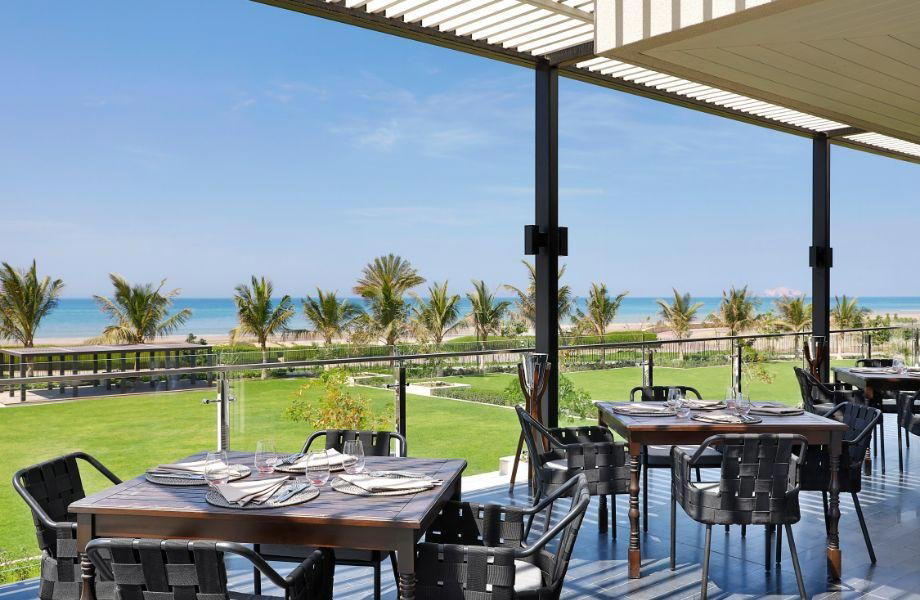
Fire, Pacing, and the Hotel Dining Room in Muscat
Muscat's premium hotel dining has been quietly recalibrating. Where international five-star properties once treated their restaurants as amenity checkboxes, a newer wave of openings has pushed the in-hotel dining room toward something closer to a destination in its own right. CHAR, operating inside the W Muscat on Alkharjiya Street, sits within this shift. The name signals the cooking method before anything else — char, heat, the Maillard reaction — and that directness sets the tone for how the experience is structured.
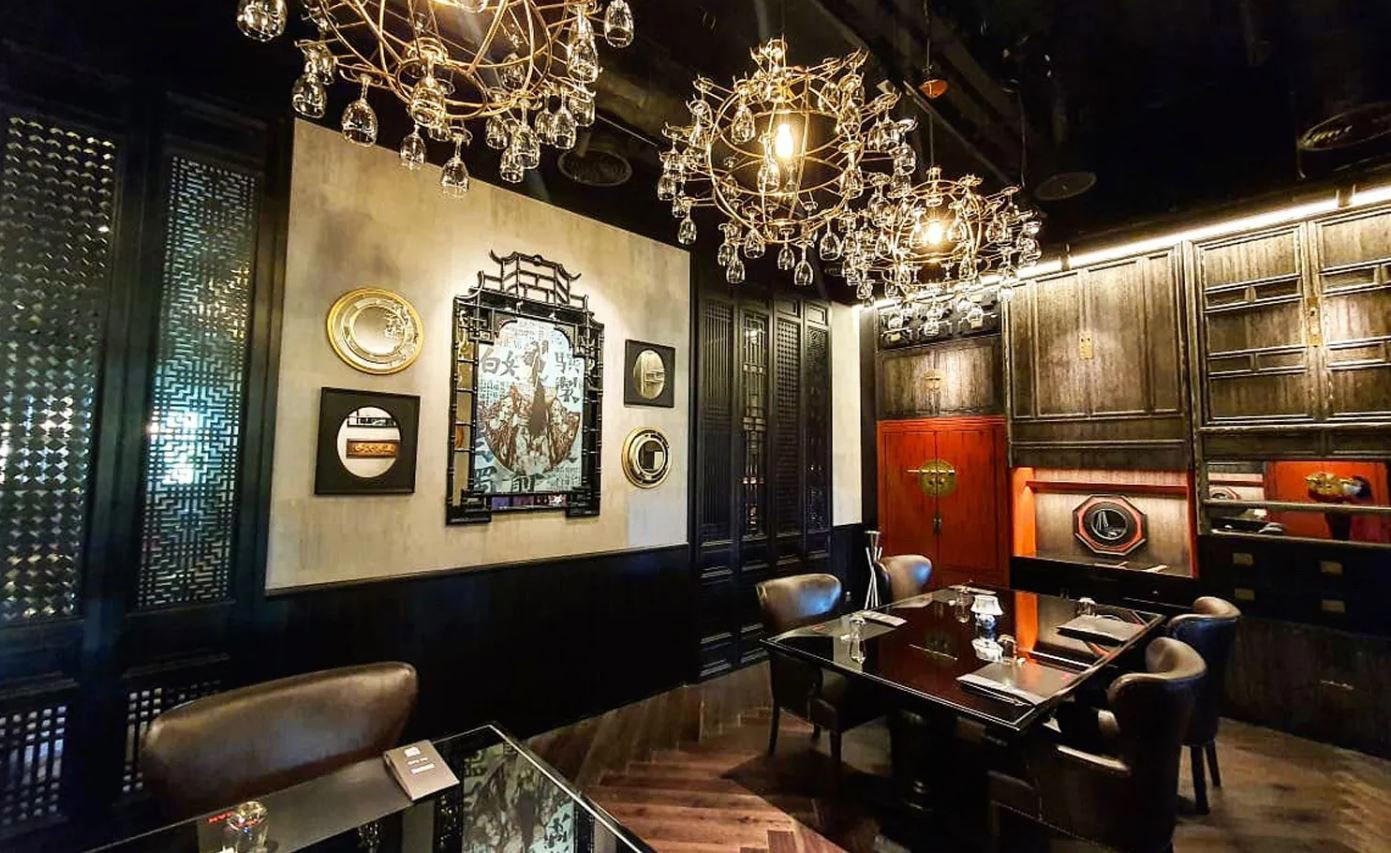
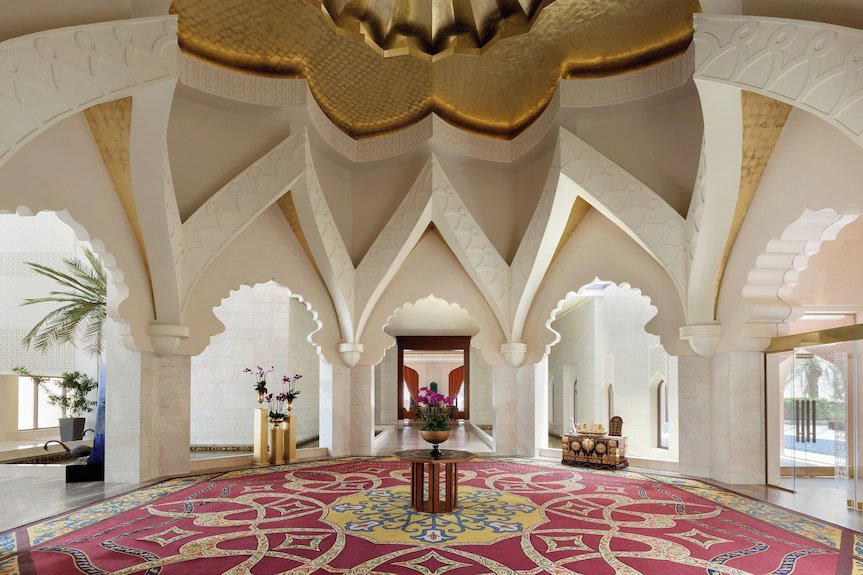
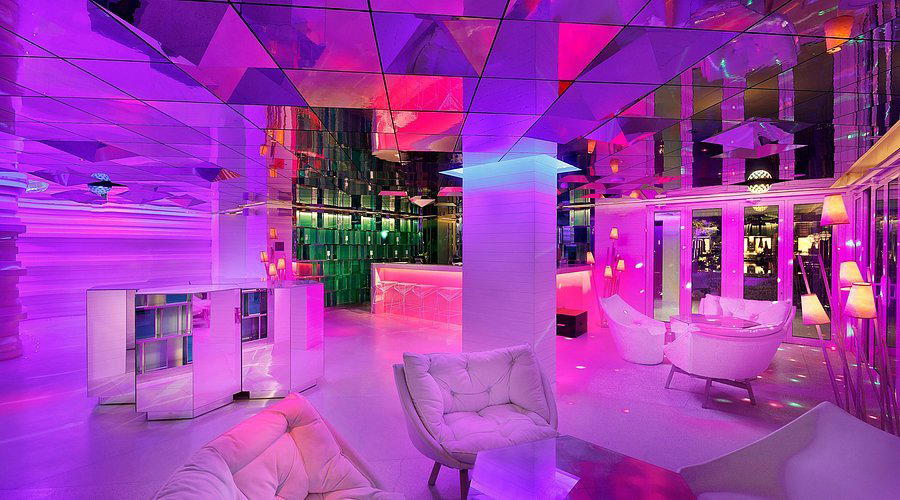
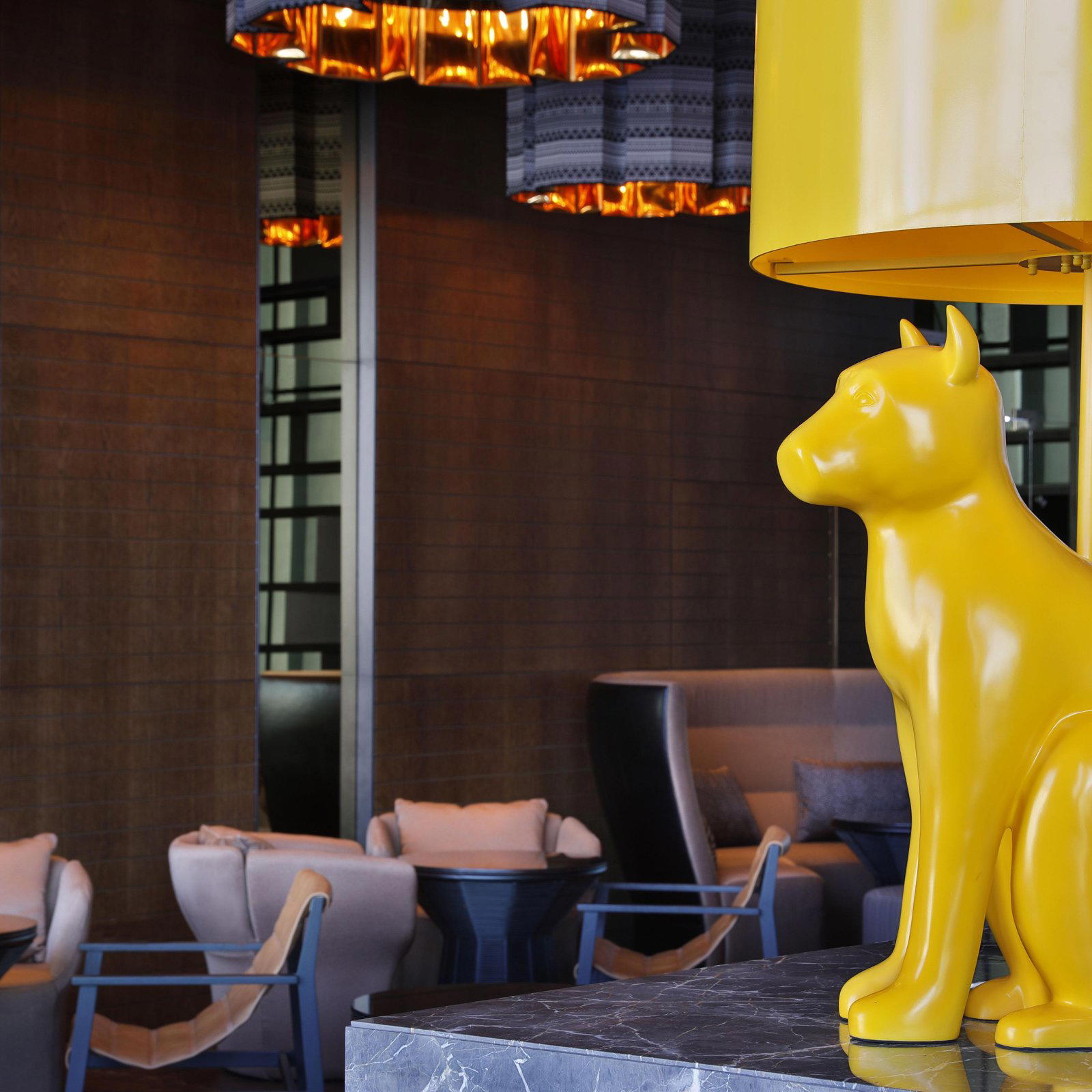
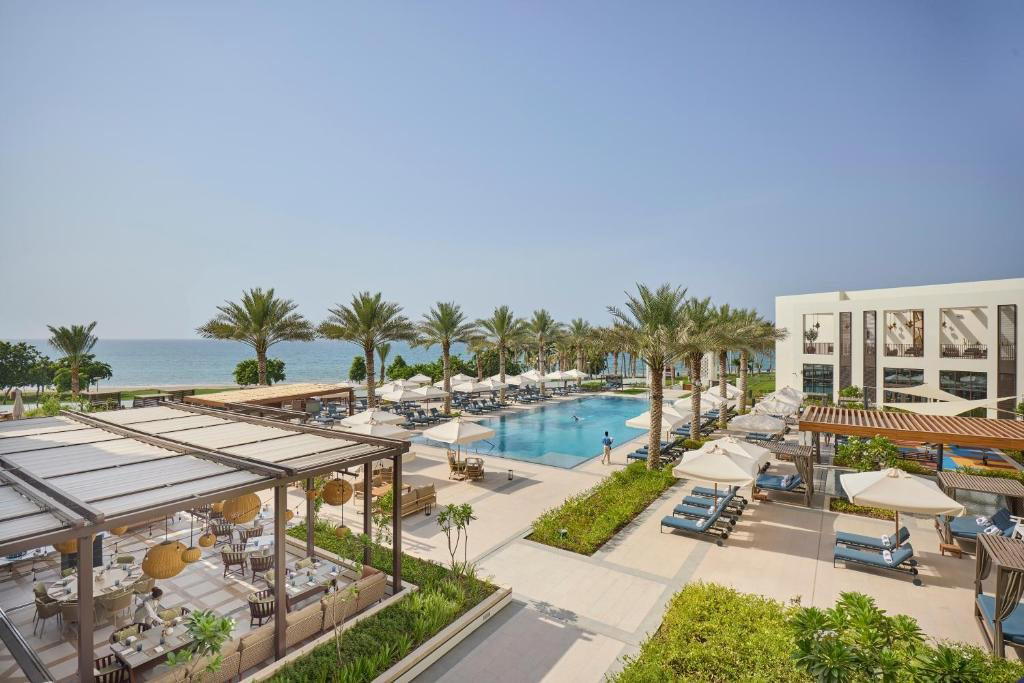
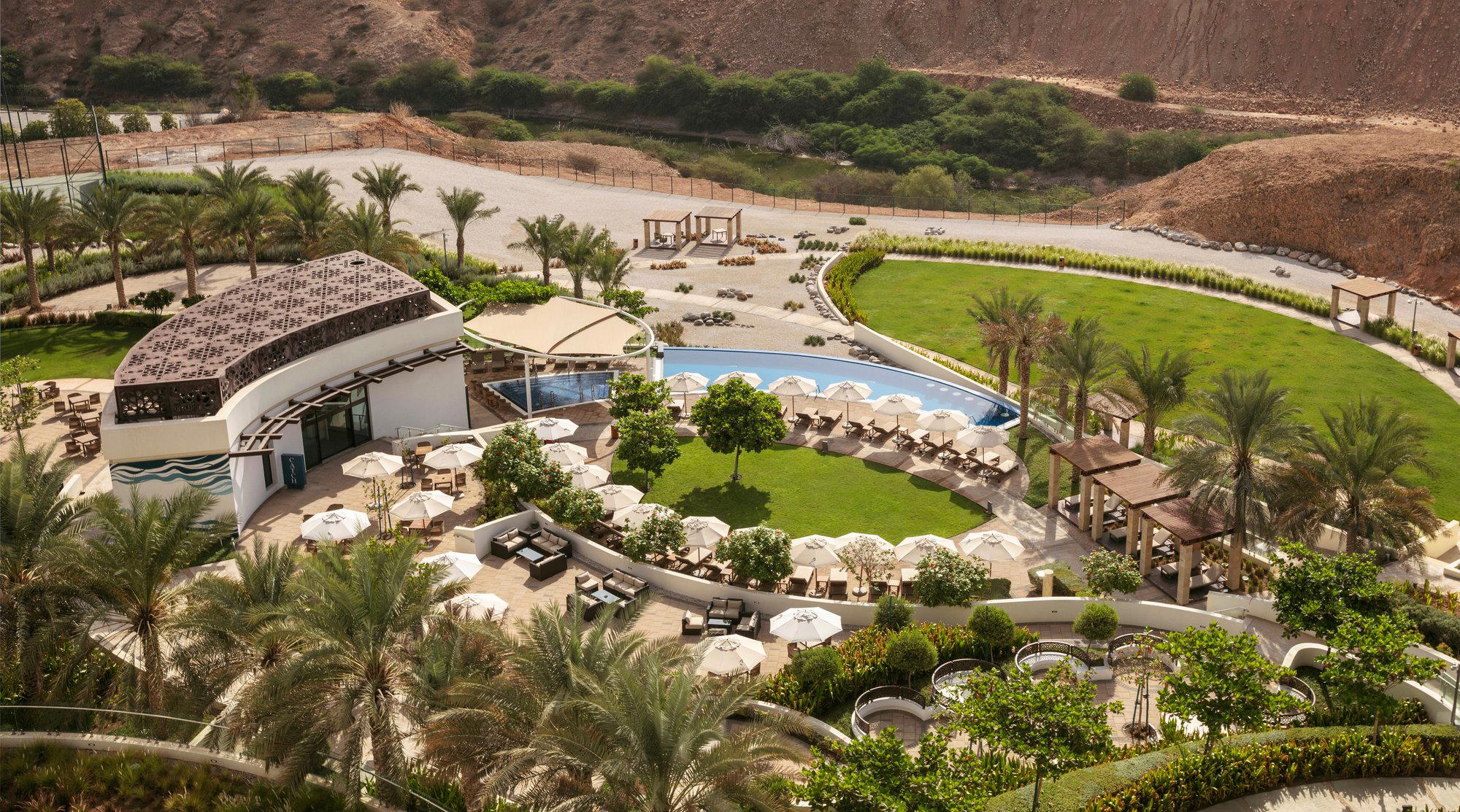
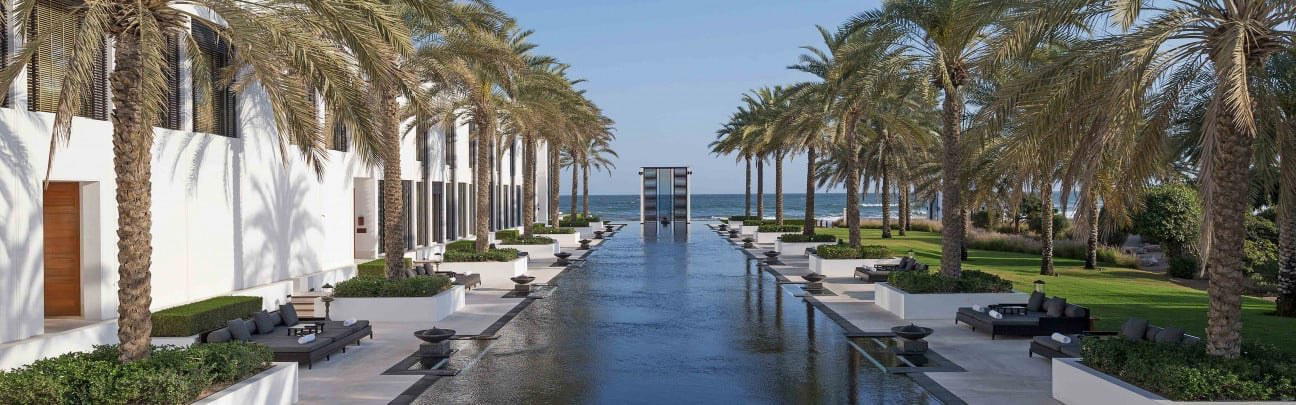
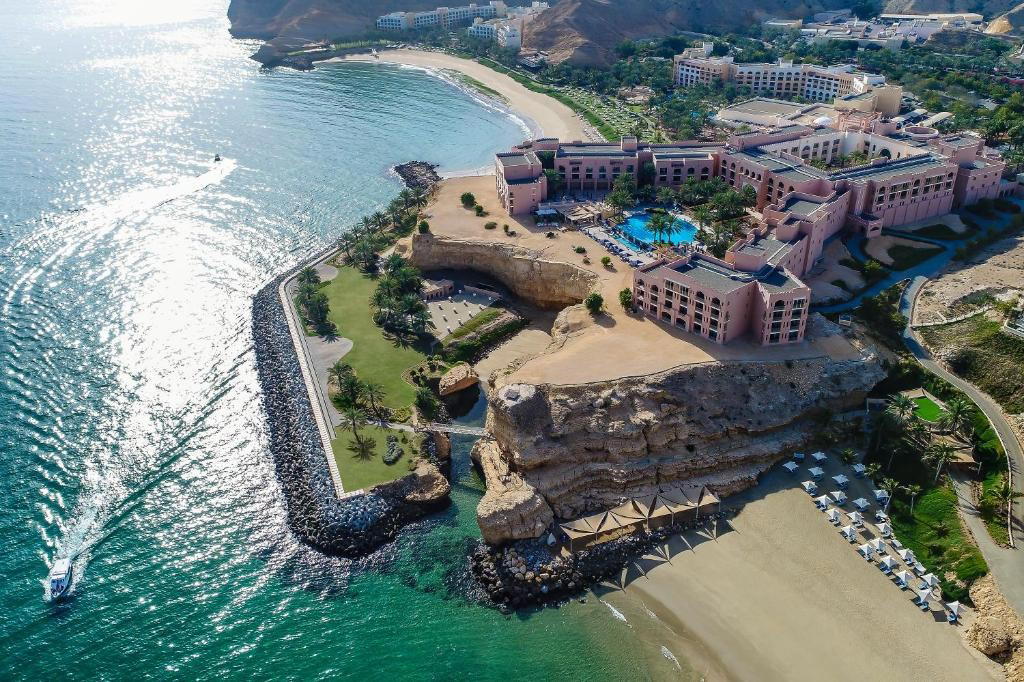
The W brand's design language is well-documented across its global portfolio: high contrast, deliberate lighting, surfaces chosen for visual weight. In Muscat, that framework intersects with a city that has spent the last decade building hotel infrastructure at pace, giving guests arriving at CHAR a physical environment that reads as intentionally theatrical. Approaching the room, the expectation is already calibrated: this is not a space designed for quiet efficiency. It is designed to hold a certain kind of evening.
The Grammar of a Grill-Focused Meal
Across cities where fire-led restaurants have matured, from the wood-roast rooms of northern Spain to the live-fire programs that have anchored reputations at restaurants like Lazy Bear in San Francisco or informed the produce-first rigour at Atelier Moessmer Norbert Niederkofler in Brunico, the format carries a particular dining ritual. Courses arrive with deliberate spacing. The kitchen's output is visible or audible in ways that quieter, plated-only rooms are not. Smoke, heat, and char are not incidental; they are the argument the kitchen is making.
At CHAR, that argument is made within a hotel-dining context, which shapes the ritual in specific ways. Hotel restaurants operate on a different rhythm than independent rooms. They absorb a broader guest mix, business travellers, hotel residents, walk-ins alongside reservations, and their pacing tends to accommodate that range. For a fire-focused concept, this means the drama of the cooking method has to carry across different table speeds. The better grill-focused hotel restaurants resolve this by anchoring the experience in the arrival of the proteins and cuts rather than in a fixed tasting sequence, giving individual tables the latitude to set their own tempo without losing the structural logic of the format.
This is a distinct dining ritual from what you encounter at, say, the tightly sequenced counters that Atomix in New York City or the formal procession of Le Bernardin have built their reputations around. The grill-room ritual is more interactive, more dependent on the guest's appetite and pace, and in a hotel setting, more forgiving of variation.
Where CHAR Sits in Muscat's Dining Order
Understanding CHAR requires placing it within Muscat's broader restaurant scene rather than reading it in isolation. The city's dining spectrum runs from deeply rooted Omani cooking, represented most directly by places like Bait Al Luban and its Mutrah location, or Al Mandoos, through to internationally formatted hotel dining of which CHAR is part. These are not competing for the same diner on the same night. They occupy different positions in the city's hospitality ecosystem.
The traditional Omani dining ritual, preserved at places like Bait Al Luban (بيت اللبان) and Mazahbi Salalah Restaurant, centres on communal sharing, slow-cooked spiced meats, rice-heavy dishes built around shuwa or harees, and a meal structure that flows differently from the individual-plate format of a Western-style grill room. Visitors to Muscat who want to understand what the city's food culture actually looks like, beneath the hotel tier, should spend time at those addresses, our full Muscat restaurants guide maps that landscape in detail.
CHAR operates on a different axis: it is part of the international hotel-dining tier, which in Muscat means competing not on local culinary tradition but on execution, atmosphere, and the quality of its core product. The peer comparison is less about other Muscat restaurants and more about what the W brand has delivered in comparable markets, and what a well-resourced hotel grill room should be able to achieve.
For context on all-day dining alternatives within the hotel segment, The Coffee Club (all-day dining concept) represents the more casual end of that same hotel-adjacent spectrum in Muscat, while Al Mandoos in Seeb shows how the city's appetite for grilled meats is served outside the hotel context entirely.
Beyond Muscat, Oman's dining scene extends to experiences worth noting: Sense on The Edge at Six Senses Zighy Bay and the Spice Market at Six Senses Zighy Bay represent the resort-dining tier that competes in a different register again. And for those who want to see how grill culture functions at a more street-accessible level in southern Oman, Bypass Grills and Shawarma in Salalah is instructive.
Planning a Visit
CHAR is located within the W Muscat on Alkharjiya Street, which places it in one of the city's more accessible hotel corridors. Given the W's positioning as a premium lifestyle brand, the dining room will align with that tier in terms of dress expectations and price point, though specific menu pricing and current hours should be confirmed directly with the hotel. Booking in advance is advisable for evenings, particularly on weekends when Muscat's hotel dining rooms draw both residents and visitors. The W's front desk is the most reliable contact point in the absence of a dedicated restaurant reservation line. For context on where CHAR fits relative to the city's wider scene, including Omani-owned addresses that offer a different kind of evening entirely, the EP Club Muscat guide covers the full range. Those exploring regional variation within the country should also note Tuk Tuk (توك توك) in Al Mawalih and Harvest in Muscat as further reference points across different meal types.
At a Glance
- Sophisticated
- Elegant
- Modern
- Trendy
- Date Night
- Special Occasion
- Celebration
- Waterfront
- Terrace
- Open Kitchen
- Hotel Restaurant
- Waterfront
Current opening hours
- Monday
- 6–11:30 PM
- Tuesday
- Closed
- Wednesday
- 6–11:30 PM
- Thursday
- 6–11:30 PM
- Friday
- 6–11:30 PM
- Saturday
- Closed
- Sunday
- 6–11:30 PM
Hours can change for holidays and private events. Last verified .
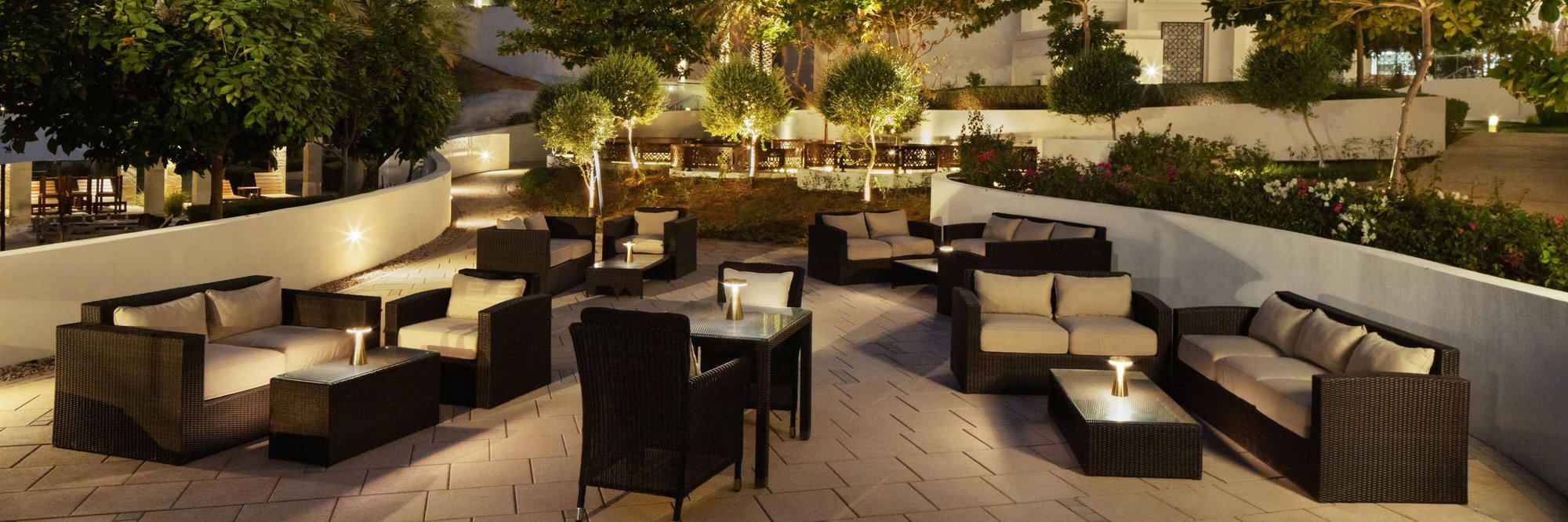
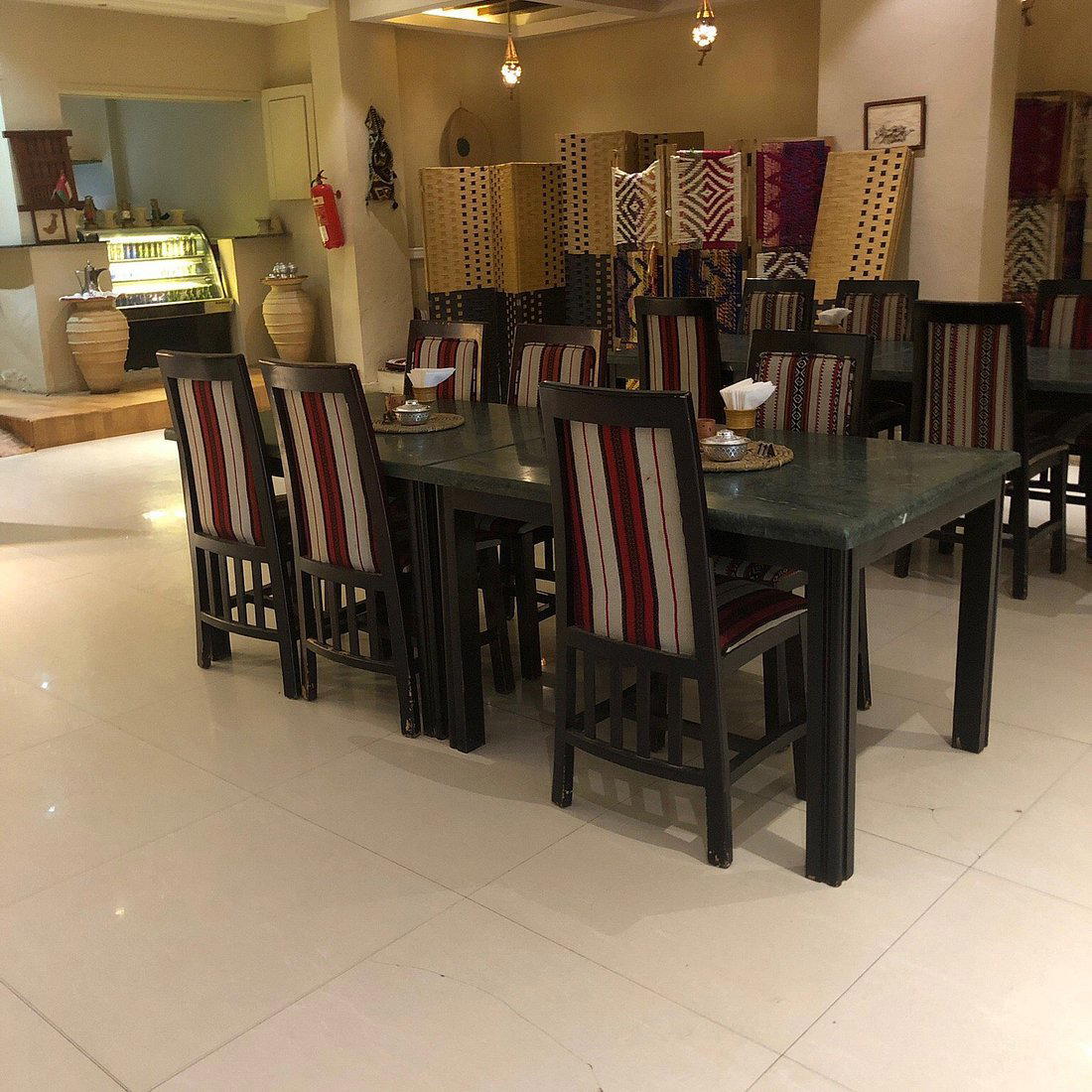
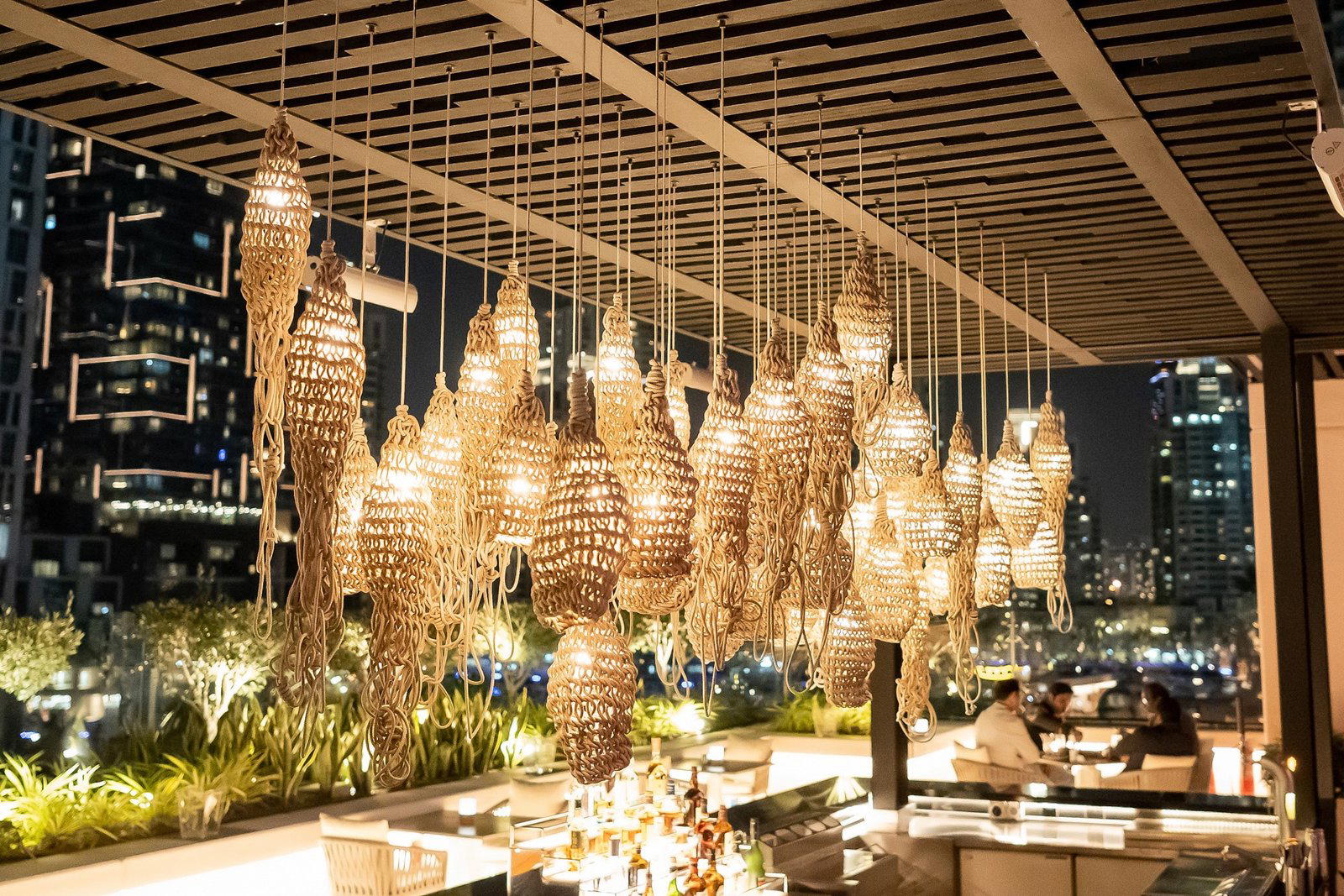
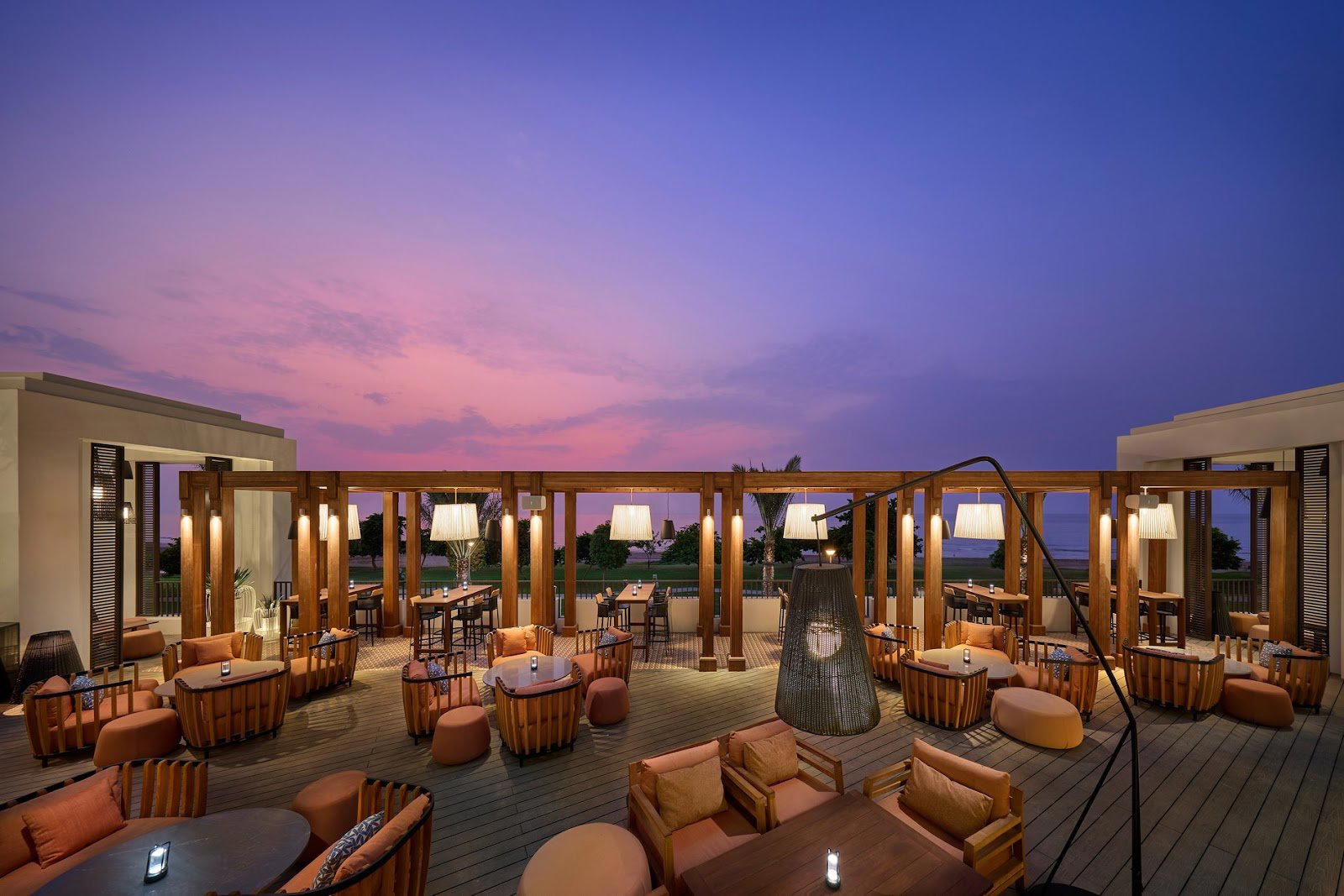
Cool, chic and stylish atmosphere with elegant terrace, warm contemporary feel, and quiet, sophisticated vibe under starry skies.
Know Before You Go
- Getting there
- W hotel, alkharjiya street, Muscat, Oman