On the Mutrah Corniche, Bait Al Luban occupies one of Muscat's most charged dining addresses — directly opposite the old harbour where Omani trading vessels once loaded frankincense for the Arabian Peninsula and beyond. The kitchen draws on the same ingredient traditions that defined Gulf cooking for centuries, making it a reference point for anyone mapping Omani cuisine in its historical context.
Pearl is the En Primeur Club membership app — saves, bookings, and concierge access live there. Same editors, same standards.
- Address
- CORNICHE Harat A'shamal St, Muscat 130, Oman
- Phone
- +968 24 711842
- Website
- baitalluban.com
- Directions
- Get directions
 Saves & bookings on Pearl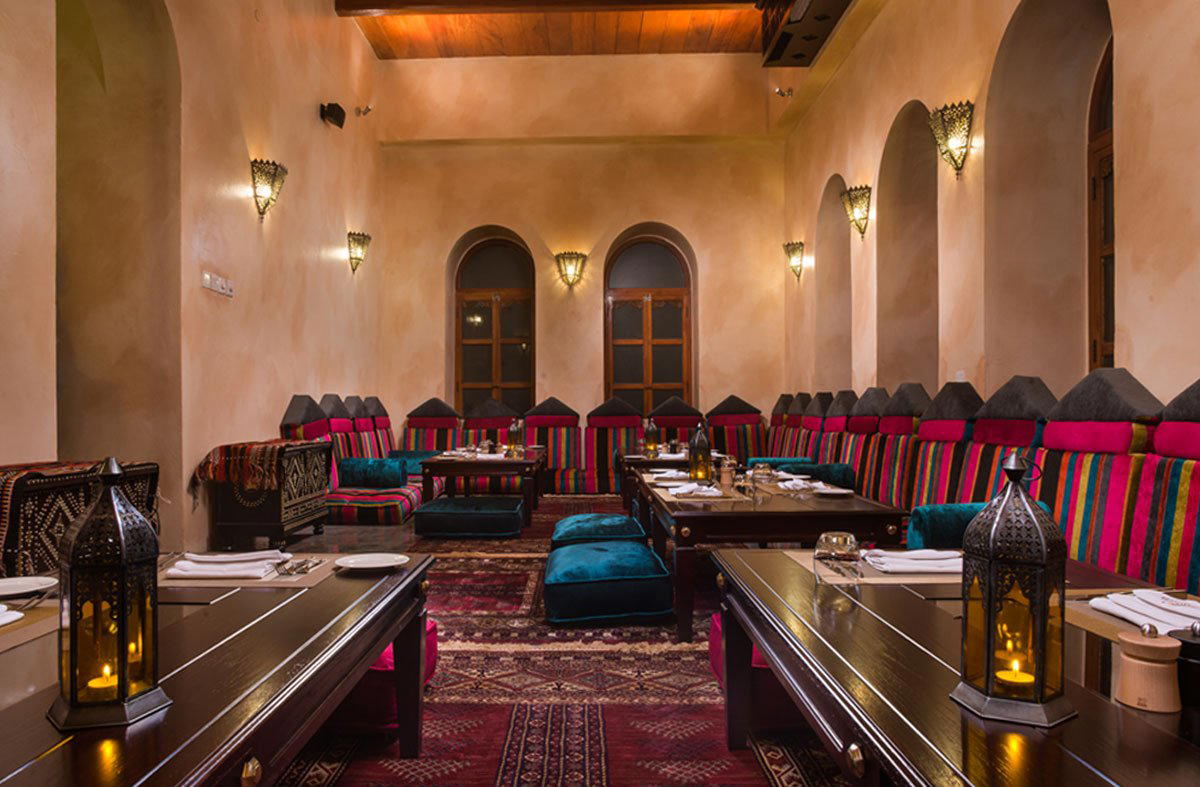
Where the Corniche Meets the Kitchen
Mutrah's waterfront has always been a place of exchange. The old souk sits a short walk inland from the corniche, and the harbour it faces was, for centuries, the commercial throat of Oman's frankincense trade. Arriving at Bait Al Luban Omani Restaurant along Harat A'shamal Street, the physical context does real work: the sea air, the fort above, the dhow silhouettes at anchor. That layering of place and culinary tradition is the starting point for understanding what makes this address, and the food served here, worth serious attention in our full Muscat restaurants guide.
Omani cooking is frequently flattened into a generic Gulf category by visitors who encounter it only through hotel buffets or international-chain approximations. The ingredients that define authentic Omani cuisine — Dhofari frankincense resin, dried limes from the Batinah coast, saffron sourced across historic Indian Ocean trade routes, rosewater from Al Hajar mountain valleys — are not decorative additions. They are structural to dishes that evolved over centuries of maritime commerce, and the kitchen at this Mutrah address works within that tradition rather than around it.
The Ingredient Logic Behind Omani Cooking
To understand what separates a restaurant grounded in Omani culinary tradition from one that merely lists Omani dishes on the menu, it helps to trace where the defining ingredients come from and why they appear in the combinations they do. Dried limes, loomi, in the regional vernacular, enter Oman through the Batinah coast and impart a fermented citric depth to rice dishes and stews that no fresh citrus can replicate. Saffron arrived via the same Indian Ocean networks that brought Gujarati traders to Muscat in the sixteenth and seventeenth centuries, and it settled into ceremonial rice dishes that still appear at Omani feasts today.
Frankincense, harvested from Boswellia trees in Dhofar in Oman's deep south, historically defined Oman's export economy and permeated domestic life as incense, medicine, and, in small quantities, as a flavouring agent. A kitchen that draws on this pantry is working with ingredients that carry centuries of documented provenance, not simply regional branding. In Muscat's restaurant scene, where venues range from the all-day international format of The Coffee Club (all-day dining concept) to the grill-focused programming at CHAR, a restaurant anchored in this specific ingredient tradition occupies a distinct position.
Within the Muscat Omani dining category, Bait Al Luban operates across more than one location. The Mutrah corniche branch places the kitchen in a neighbourhood with a longer cultural memory than Muscat's newer commercial districts. Visitors comparing options should note that Bait Al Luban and Bait Al Luban (بيت اللبان) in مطرح represent the same brand at different sites, each with its own neighbourhood dynamic.
The category of restaurants serving traditional Omani cuisine in Muscat is smaller than the city's overall dining scene might suggest. Venues like Al Mandoos and Mazahbi Salalah Restaurant occupy adjacent territory, each with a different regional emphasis, Mazahbi drawing from Dhofar's southern cuisine, Al Mandoos working a broader Gulf-heritage format. Al Mandoos (المندوس) in Seeb extends that presence into Muscat's western suburbs.
Beyond Muscat, Oman's regional dining diversity is significant. Bypass Grills & Shawarma in Salalah and Tuk Tuk (توك توك) in Al Mawalih illustrate how informal eating habits differ markedly from the sit-down heritage format. At the resort end of the spectrum, Sense on The Edge at Six Senses Zighy Bay and Spice Market at Six Senses Zighy Bay represent how Oman's luxury hospitality sector interprets regional flavours for an internationally calibrated audience. Harvest represents a further point of contrast for those mapping modern approaches to Omani ingredients.
Context in the Global Heritage-Dining Conversation
The critical conversation around restaurants that explicitly work from historical ingredient traditions has sharpened internationally. Venues like Atelier Moessmer Norbert Niederkofler in Brunico, which built its reputation around sourcing from a defined Alpine territory, or the hyper-local sourcing philosophies documented at Lazy Bear in San Francisco, show how ingredient provenance has moved from backstory to central critical criterion. The standard applied to those European and American kitchens, where does the food come from, and does that origin matter to what arrives at the table, is exactly the right frame for evaluating an Omani kitchen operating in a city where that question has an unusually deep historical answer.
Muscat is not a city where the fine-dining conversation centres on multi-course tasting menus of the kind that shaped the reputations of Atomix in New York City or Le Bernardin. The relevant comparison here is not technique or theatre but fidelity: whether a kitchen that claims a regional tradition is actually sourcing and cooking within it, or using the branding as a wrapper for something more generic. On the Mutrah corniche, the address itself provides a kind of accountability that restaurants in sanitised commercial zones do not face in the same way.
Planning a Visit
Bait Al Luban Omani Restaurant sits on the Corniche at Harat A'shamal Street in Mutrah, the older harbour district of Muscat. The Mutrah Corniche is most comfortably approached by taxi or ride-share from central Muscat; the area is walkable once you arrive, with the souk and the fort accessible on foot. Visitors coming directly from Muscat International Airport should factor in that Mutrah is among the closer dining destinations to the airport within the city proper. Dress practically for the corniche context; the surrounding neighbourhood is traditional, and modesty in dress is both appropriate and expected.


At a Glance
- Classic
- Cozy
- Rustic
- Intimate
- Family
- Special Occasion
- Celebration
- Historic Building
- Terrace
- Waterfront
- Street Scene
Current opening hours
- Monday
- 12–11 PM
- Tuesday
- 12–11 PM
- Wednesday
- 12–11 PM
- Thursday
- 12–11 PM
- Friday
- 12–11 PM
- Saturday
- 12–11 PM
- Sunday
- 12–11 PM
Hours can change for holidays and private events. Last verified .
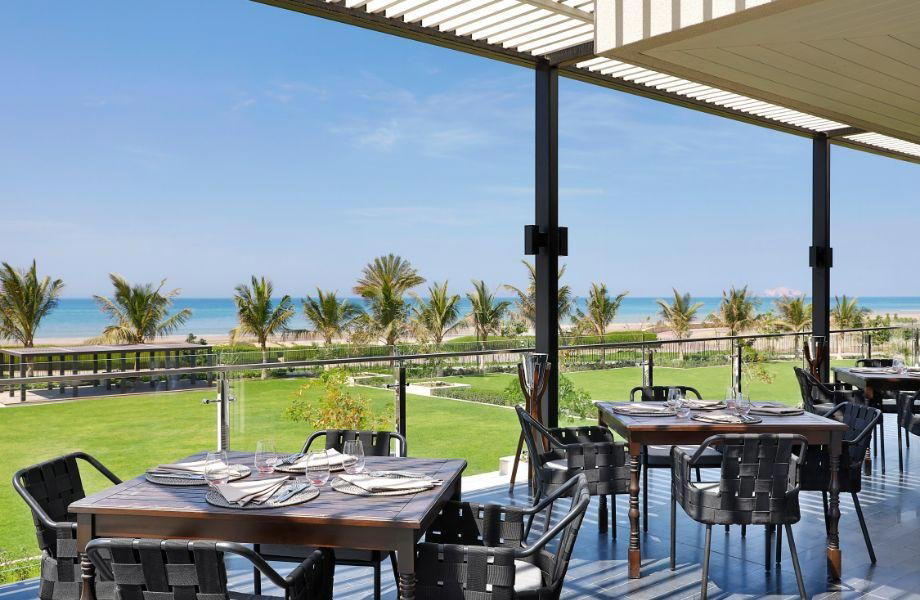
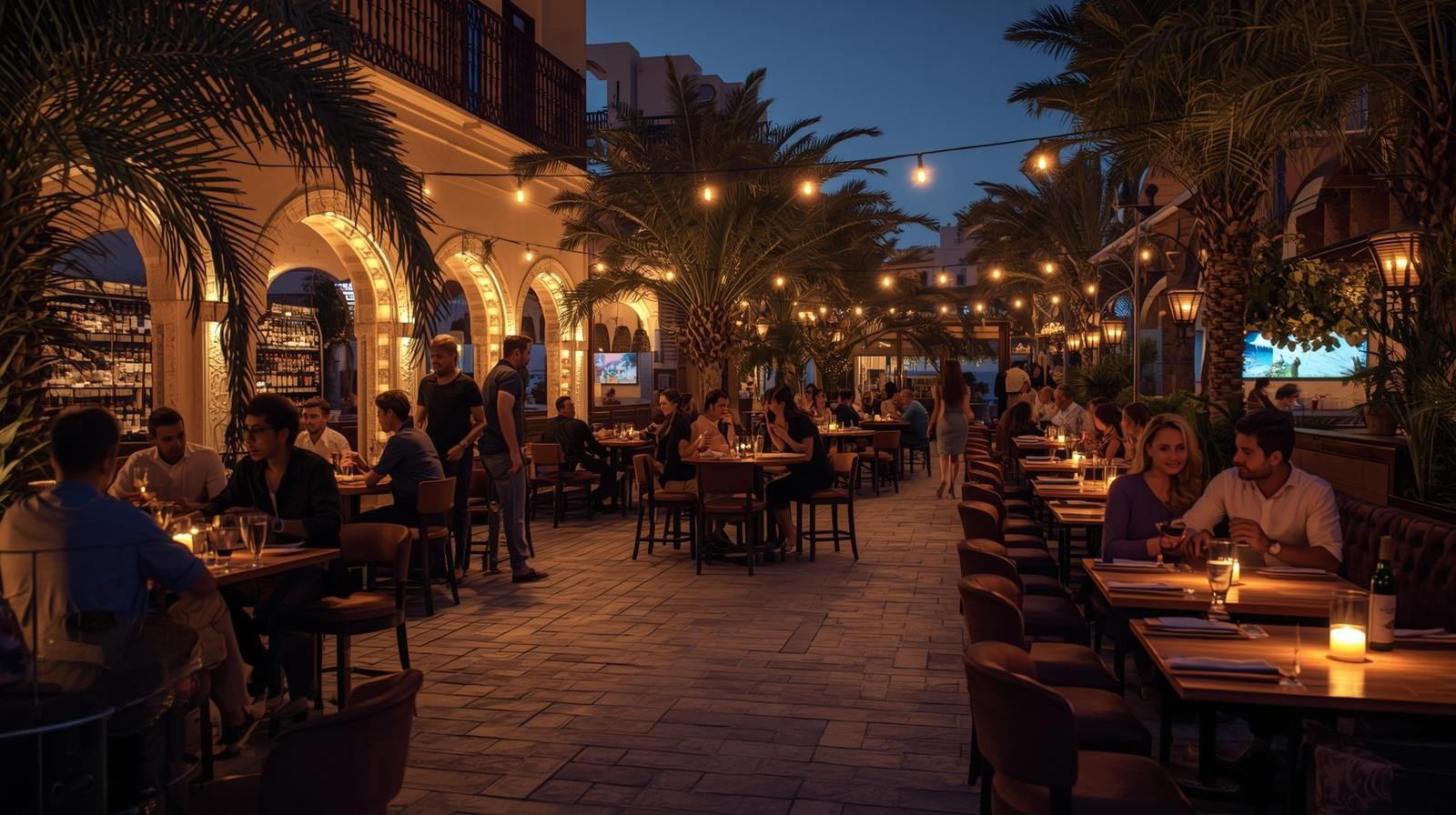
Warm oriental atmosphere with traditional Omani decor, low tables, carpets, pillows, and elegant cultural elements creating a cozy and authentic dining experience.
Know Before You Go
- Getting there
- CORNICHE Harat A'shamal St, Muscat 130, Oman