Al Mandoos sits on Al Mauj Street in Seeb, representing the kind of Omani dining address that prioritises traditional hospitality over spectacle. The name itself — mandoos, the ornate wooden chest that has served as a symbol of Omani craft and heritage — signals an orientation toward the indigenous. For travellers moving through the Muscat Capital Area, it offers a foothold in local culinary culture rather than the international hotel circuit.
Pearl is the En Primeur Club membership app — saves, bookings, and concierge access live there. Same editors, same standards.
- Address
- Al Mauj St, Seeb, Oman
- Phone
- +968 9742 9972
- Website
- instagram.com
- Directions
- Get directions
 Saves & bookings on Pearl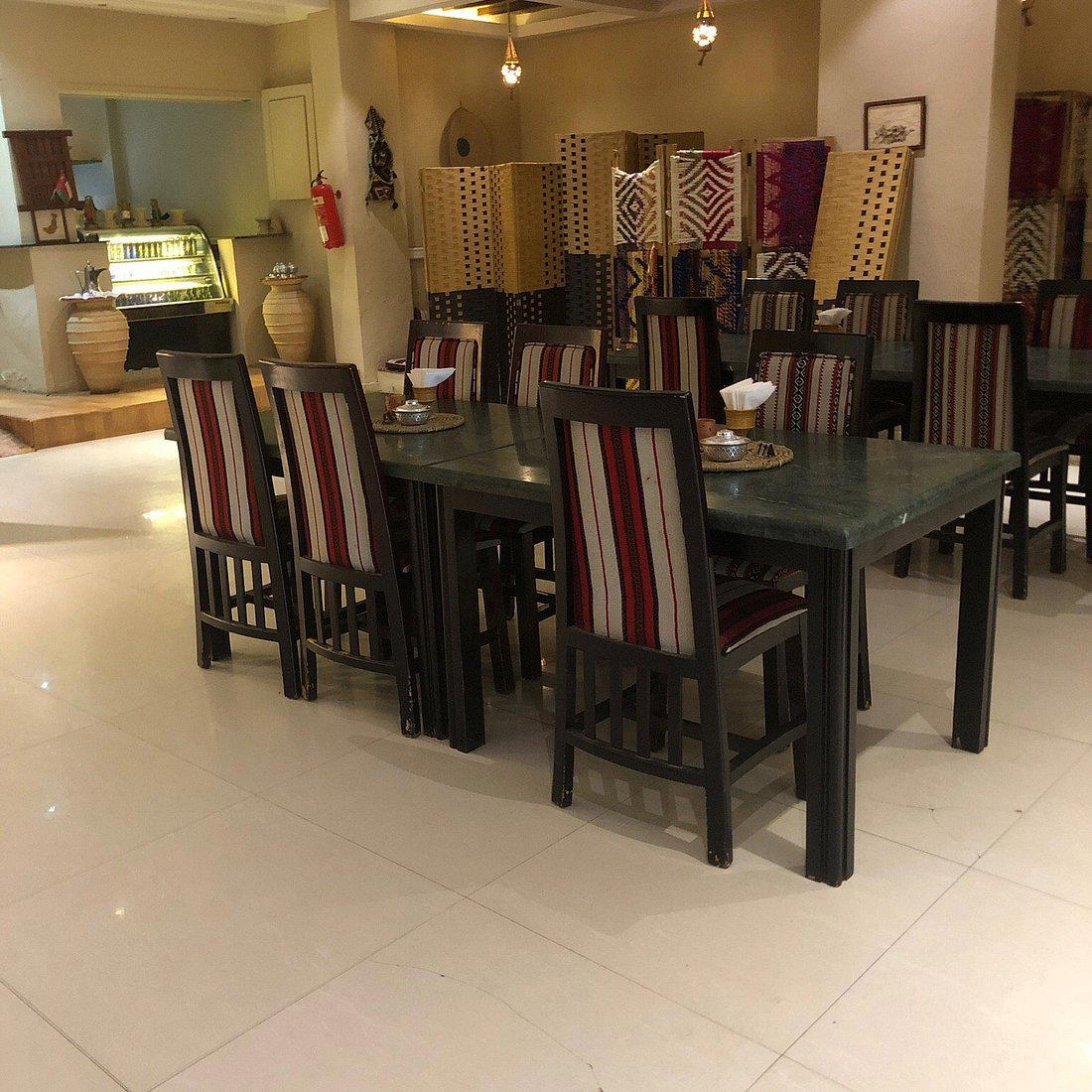
What Seeb Tells You About Omani Dining
Seeb sits at the western edge of the Muscat Capital Area, a district that functions more as a working city than a tourist corridor. Its restaurant culture reflects that: less oriented toward the resort dining circuits of the seafront hotels, more grounded in the daily rhythms of Omani households and the commercial activity around the airport. That context matters when you arrive at Al Mandoos on Al Mauj Street, because the reference points here are not the polished Mutrah waterfront restaurants like Bait Al Luban Omani Restaurant in Mutrah or the resort kitchens of properties such as Sense on The Edge at Six Senses Zighy Bay. The reference points are neighbourhood, tradition, and the kind of hospitality Oman has practised for centuries around the communal table.
The name Al Mandoos carries weight in that context. The mandoos, the intricately carved wooden chest that appears in Omani homes and heritage collections, is not a casual branding choice. It positions the restaurant within a specific cultural register: one that treats the everyday objects of Omani domestic life as worthy of attention and preservation. That orientation shapes what kind of dining address this is before you have read a single menu item.
Sourcing and the Omani Table
Omani cuisine is, at its structural core, a cuisine defined by where ingredients come from and how geography has shaped what grows, grazes, and swims in proximity to the kitchen. The country's coastline along the Arabian Sea and the Gulf of Oman has historically produced a fishing culture of real depth. Inland, the mountain valleys of the Hajar range and the fertile plains of the Batinah coast — the strip of land that runs along the Gulf from Muscat toward the UAE border, with Seeb sitting directly on it — have supported date cultivation, livestock rearing, and a variety of vegetables and legumes that anchor the traditional diet.
The Batinah coast's agricultural productivity is not incidental to understanding a restaurant like Al Mandoos. Seeb's position on this strip means proximity to some of the most historically productive farmland in Oman. The ingredients that define Omani cooking at its most grounded, fresh and dried fish, slow-cooked lamb and goat, the spice blends that arrived through centuries of Indian Ocean trade, dates at every stage of the table from appetiser to dessert, are ingredients this part of the country has always had close access to. Restaurants in Seeb that draw on local sourcing are not making a contemporary farm-to-table argument in the way that kitchens at destinations like Atelier Moessmer Norbert Niederkofler in Brunico or Uliassi in Senigallia do. They are simply cooking in continuity with a supply chain that has been there for generations.
That distinction matters. It separates local sourcing as ideology from local sourcing as inherited practice, and the latter tends to produce a different kind of cooking: less self-conscious, more technically embedded in the cuisine's own logic. The spicing in Omani food reflects the trade routes that made Muscat one of the most significant ports in the pre-modern world. Cardamom, cinnamon, dried limes, turmeric, and rose water appear not as flourishes but as structural elements, absorbed into the cuisine through sustained contact with Persian, Indian, and East African cooking traditions over hundreds of years.
For context on how this positions Seeb's dining culture relative to other Omani settings, consider that resort-anchored restaurants along Oman's southern and northern coasts, such as Spice Market at Six Senses Zighy Bay, necessarily reframe local ingredients through an international hospitality lens. Neighbourhood restaurants in Seeb operate without that intermediary layer. The cooking is addressed to a local audience first, which tends to enforce a different kind of discipline.
Placing Al Mandoos in the Seeb Dining Map
Seeb's restaurant mix reflects the district's character: a range running from international fast-casual and shawarma counters through to Omani-focused addresses that serve an audience of residents and business travellers rather than tourists on fixed itineraries.
Al Mandoos on Al Mauj Street sits within walking distance of residential and commercial activity that gives it a neighbourhood audience. For travellers, Al Mauj Street is accessible from the main Muscat-Seeb arterial routes that connect the airport zone to the older city centre. This is a practical address: not requiring the advance choreography of a resort booking, and not carrying the price premium of a hotel dining room. Visitors arriving or departing through Muscat International Airport, which sits in the Seeb zone, are better placed than they might expect to include a meal here as part of their travel rather than as a special excursion. Our full Seeb restaurants guide maps the broader options in the district for anyone spending more than a transit stop in this part of the Muscat area.
For comparison purposes, Seeb's Omani dining sits in a different tier from the heavily produced tourist-facing restaurants of Mutrah or the Qurum district. Addresses like Tuk Tuk in Al Mawalih and Bait Al Luban serve as useful reference points for understanding where neighbourhood-focused Omani cooking sits relative to the broader restaurant spectrum that includes internationally oriented programmes like those at Harvest. The editorial difference between a place like Al Mandoos and an internationally acclaimed kitchen such as Le Bernardin in New York or Atomix is not a question of quality ranking, it is a question of what kind of dining culture each represents and what kind of knowledge it produces for the person eating there.
Planning Your Visit
Al Mandoos is located on Al Mauj Street in Seeb, within the Muscat Capital Area. Given that no booking platform or phone contact is publicly confirmed in current data, the practical approach for first-time visitors is to arrive directly, as neighbourhood restaurants in this category in Oman typically accommodate walk-in guests. Seeb is served by Muscat's road network and is readily accessible by taxi from the airport or the city centre, making it a viable destination for travellers with limited time in the capital area. For comparison dining in Salalah, the southern alternative to the Muscat dining circuit, Bypass Grills and Shawarma in Salalah represents the kind of street-level eating that operates on similar neighbourhood logic in a different Omani city.
At a Glance
- Classic
- Cozy
- Family
- Group Dining
- Casual Hangout
- Standalone
Current opening hours
- Monday
- 10:30 AM–10 PM
- Tuesday
- 10:30 AM–10 PM
- Wednesday
- 10:30 AM–10 PM
- Thursday
- 10:30 AM–10 PM
- Friday
- 10:30 AM–10 PM
- Saturday
- 10:30 AM–10 PM
- Sunday
- 10:30 AM–10 PM
Hours can change for holidays and private events. Last verified .
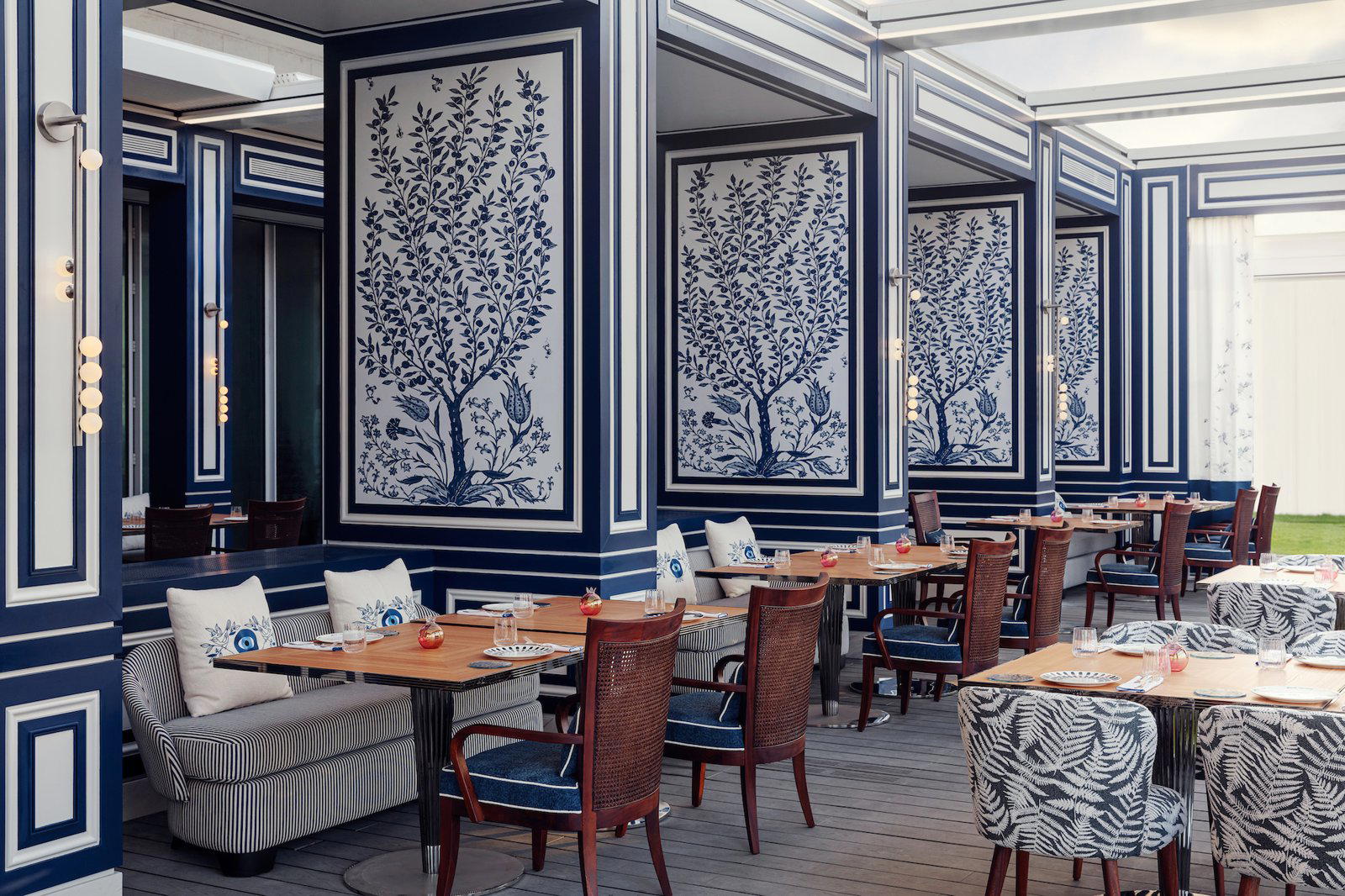
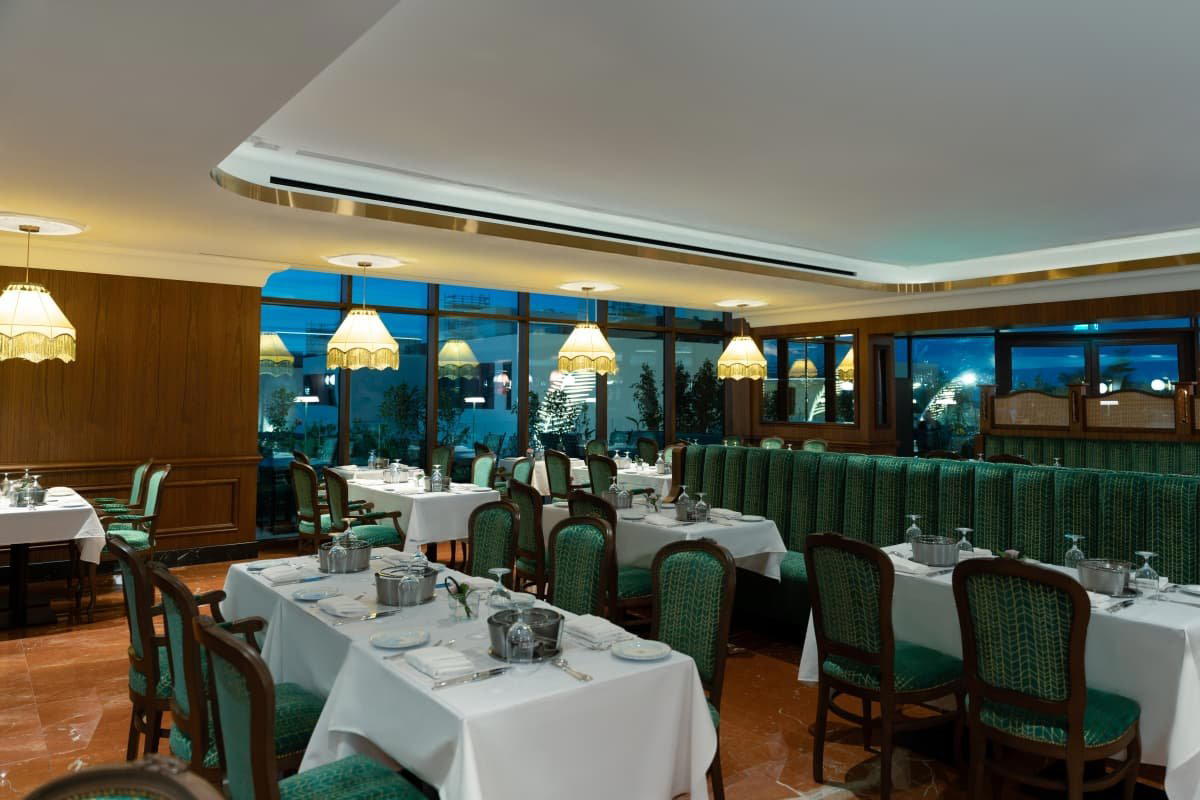
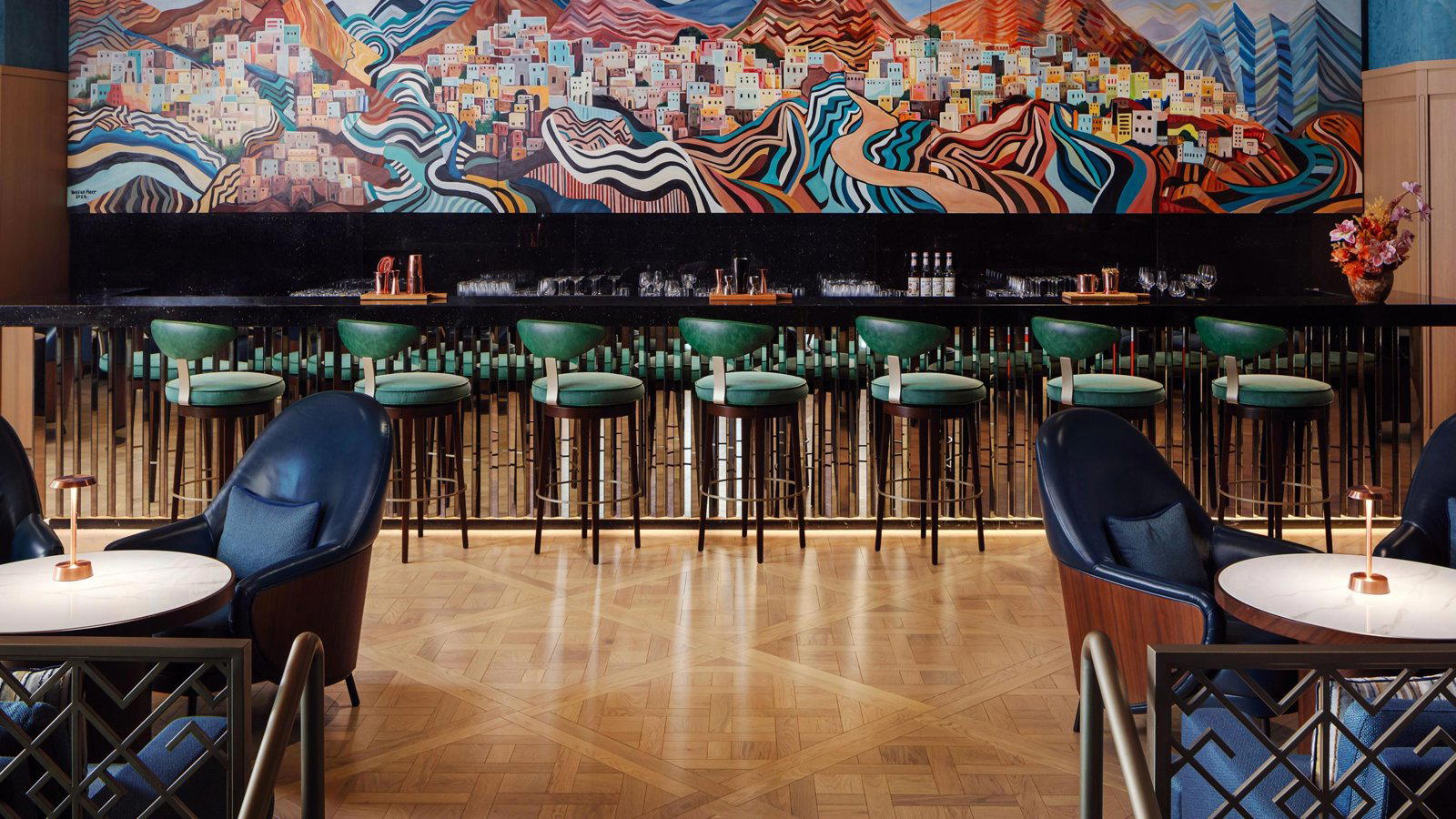
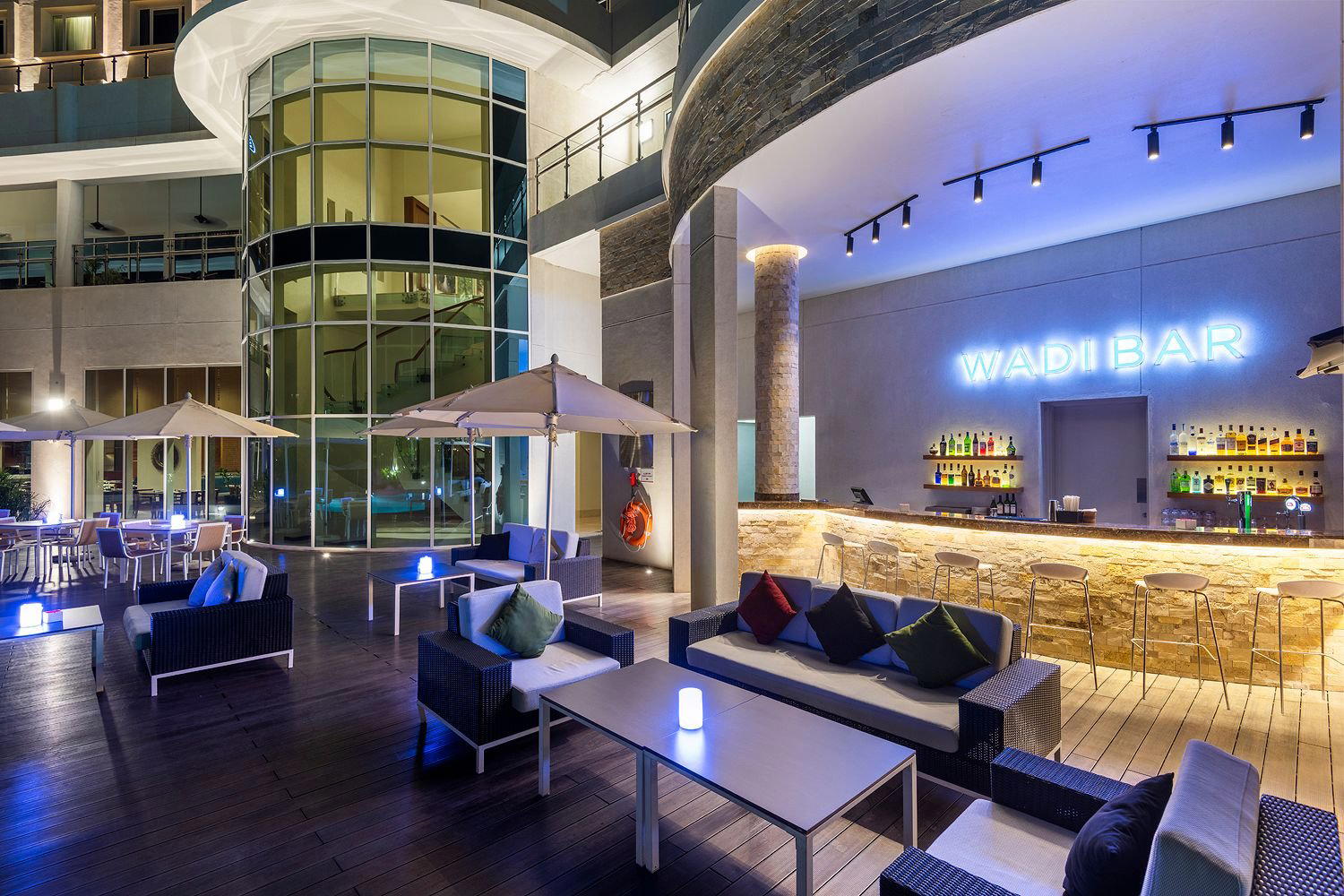
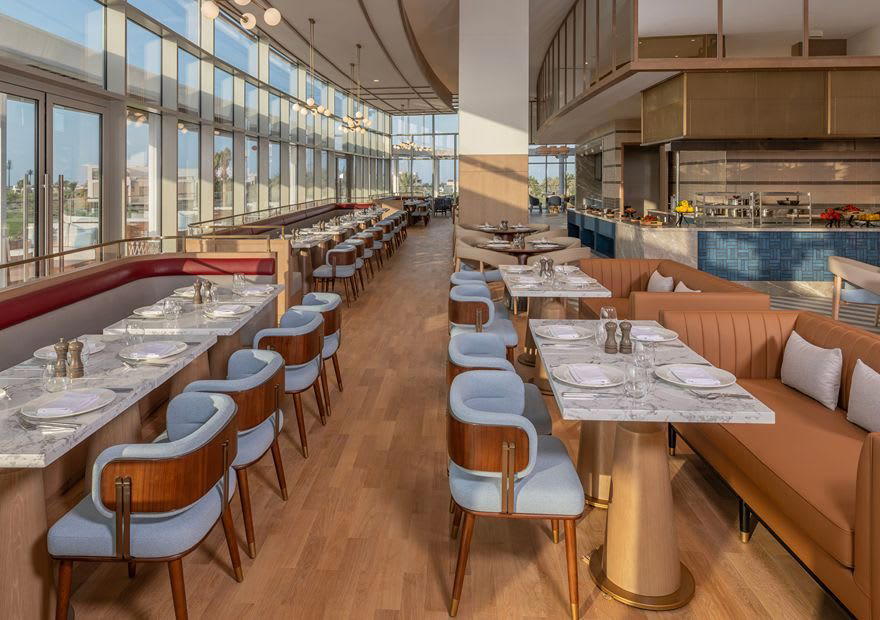
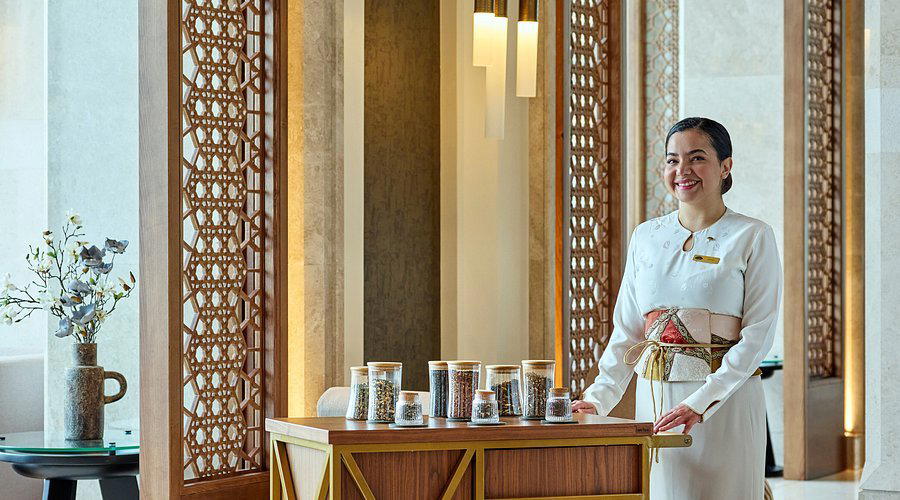
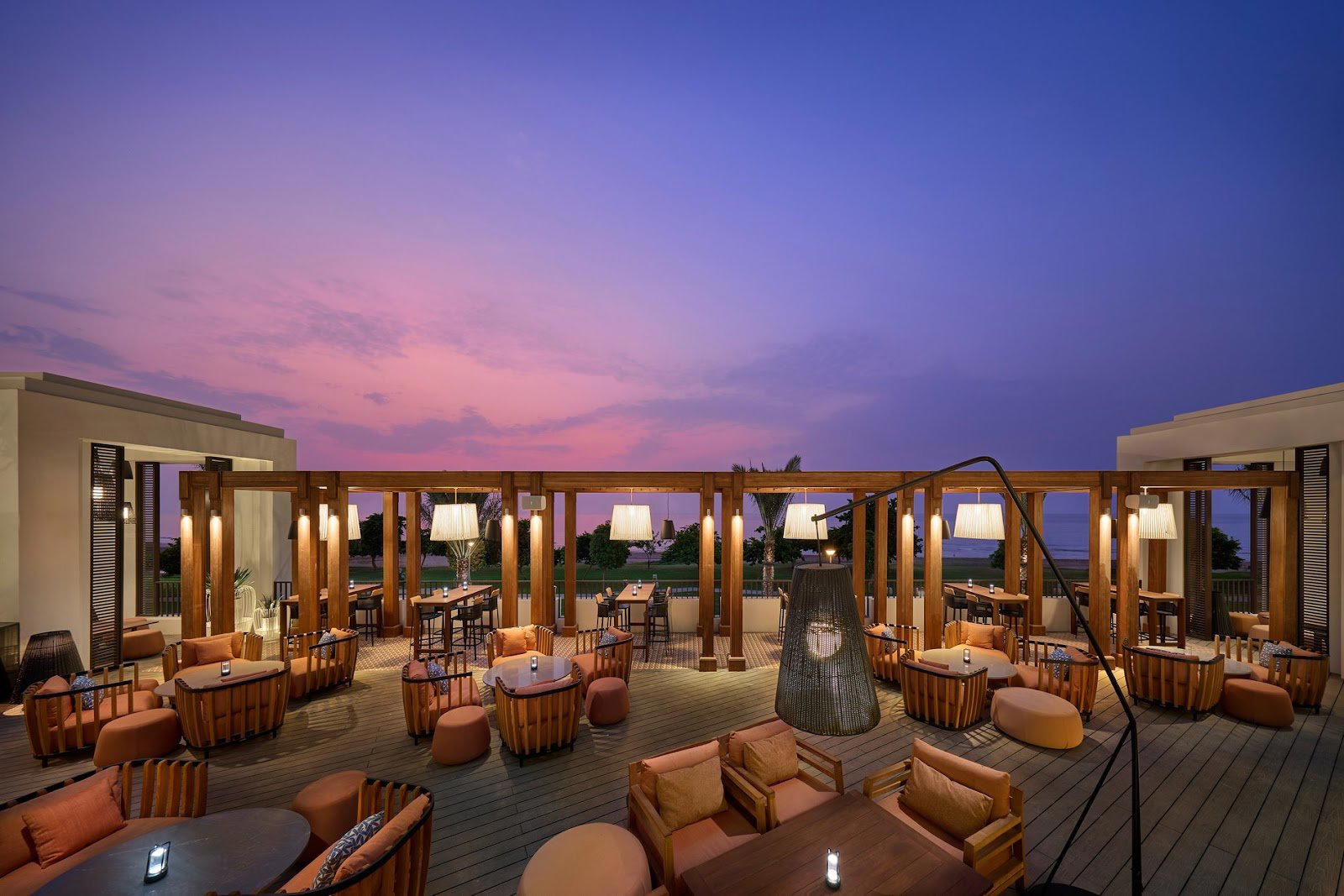
Traditional Omani environment with pleasant, clean setting and attentive service.
Know Before You Go
- Getting there
- Al Mauj St, Seeb, Oman