Our verdict
One of Castries' longer-standing dining addresses, The Coal Pot Restaurant draws on St. Lucia's Creole and Caribbean culinary traditions in a setting that reflects the capital's harbour-side character. The kitchen works with the island's agricultural output and coastal catch, placing it in the ingredient-led tier of local dining rather than the resort-buffet circuit.

Pearl is the En Primeur Club membership app, where members save venues, book tables and use the concierge.
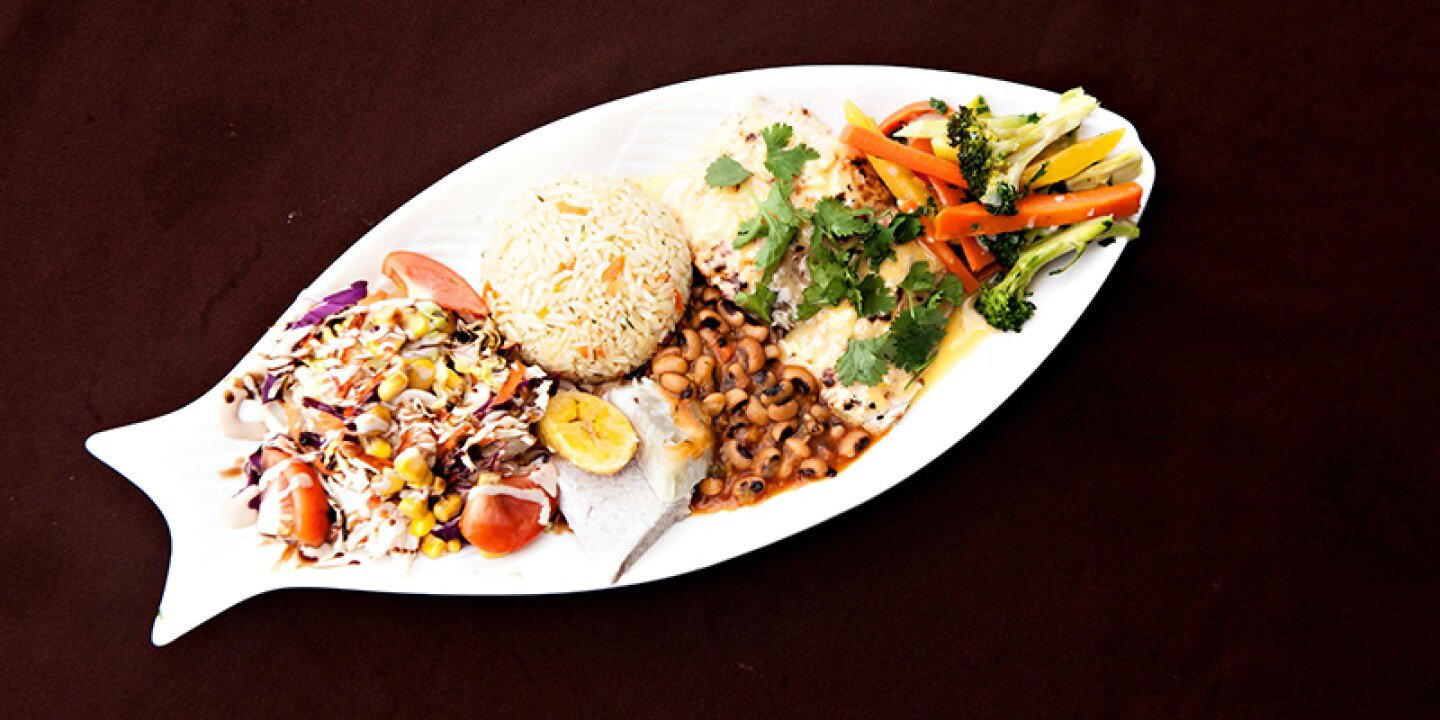
The menu
What to order
- St. Lucian crab back
- Red snapper
- Seafood chowder
Castries Harbour and the Restaurants That Stay Honest to It
There is a particular type of Caribbean restaurant that refuses the resort template: no swim-up bars, no laminated menus printed with stock-photo lobsters, no chafing dishes. The Coal Pot Restaurant in Castries occupies that category. It sits within reach of the capital's working waterfront, where St. Lucia's fishing boats still land their catch and the produce markets supply kitchens that have been cooking Creole food long before it became fashionable elsewhere. That context matters when you are trying to understand what this restaurant is and what it is not.
Castries itself is often bypassed by visitors who land at Hewanorra, collect their rental car, and drive straight south toward Soufriere or north toward Rodney Bay. Those who pause in the capital tend to find a city with considerably more dining character than its transit reputation suggests. The Coal Pot is part of that argument. For a broader orientation to eating and drinking in the city, the full Castries restaurants guide maps the wider scene across price points and neighbourhoods.
What the Island Grows and Catches: The Sourcing Logic
St. Lucia's agricultural profile is more varied than a single-export economy might suggest. The island grows breadfruit, dasheen, christophene, plantain, and a range of citrus and tropical fruits across its interior hills. The fishing villages along both coasts land kingfish, mahi-mahi, snapper, and flying fish with regularity. These are not exotic imports or produce-catalogue items: they are the materials of everyday Caribbean cooking, and they form the backbone of what Creole cuisine actually is at the table level.
The editorial significance of ingredient sourcing in this context is that Caribbean Creole food loses most of its authority when it travels. The spice blends, the green seasoning, the particular sweetness of locally grown pineapple or the texture of dasheen cooked fresh rather than frozen: these are qualities that depend on proximity to source. A restaurant operating in Castries, with access to the island's markets and its fishing fleet, starts with an ingredient advantage that no amount of technique can replicate elsewhere. That is the foundational case for eating Creole food in St. Lucia rather than reading about it somewhere else.
Restaurants in the comparable local tier, such as Waterfront De Belle View Restaurant and Bar, similarly anchor their menus to what the island produces. The Coal Pot's position within this ingredient-first approach is consistent with the broader pattern of Castries dining that takes its immediate geography seriously.
Setting and Atmosphere
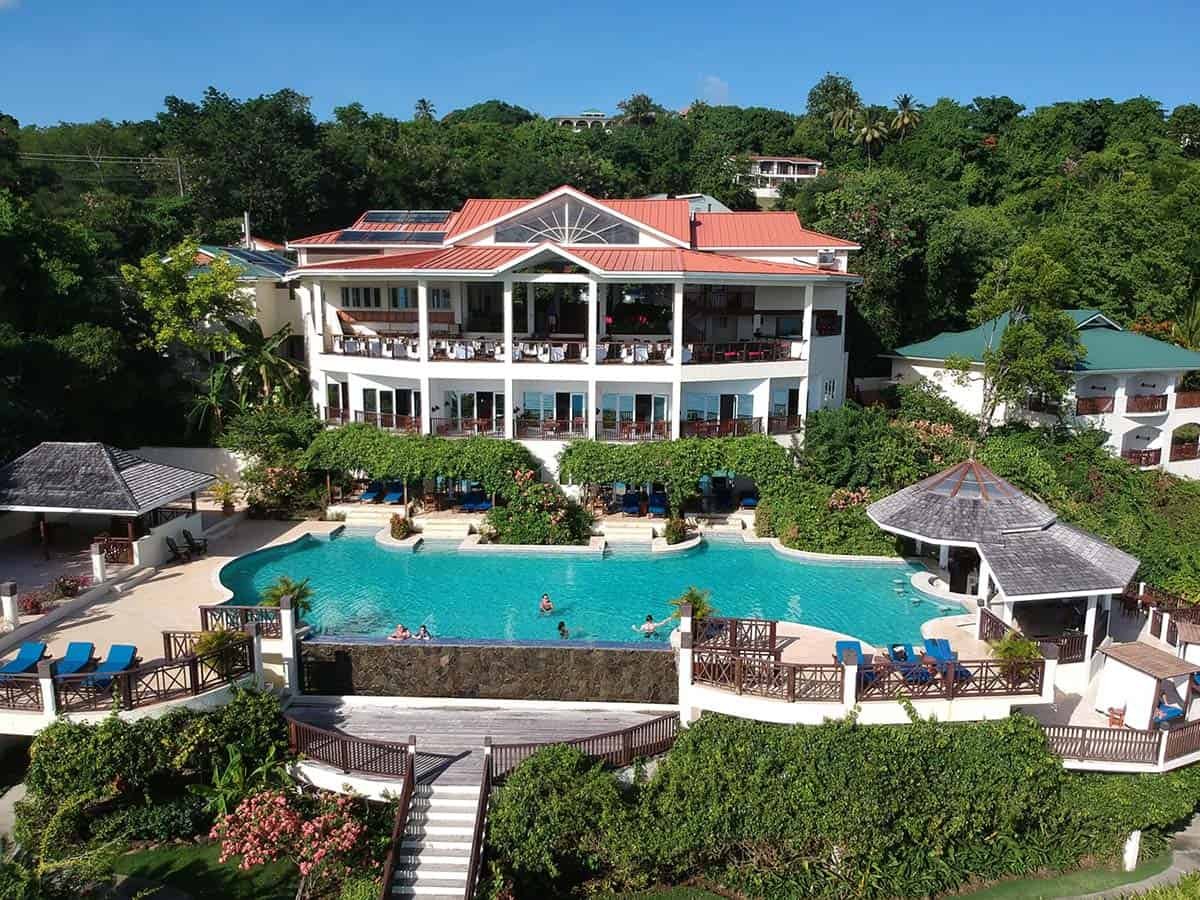
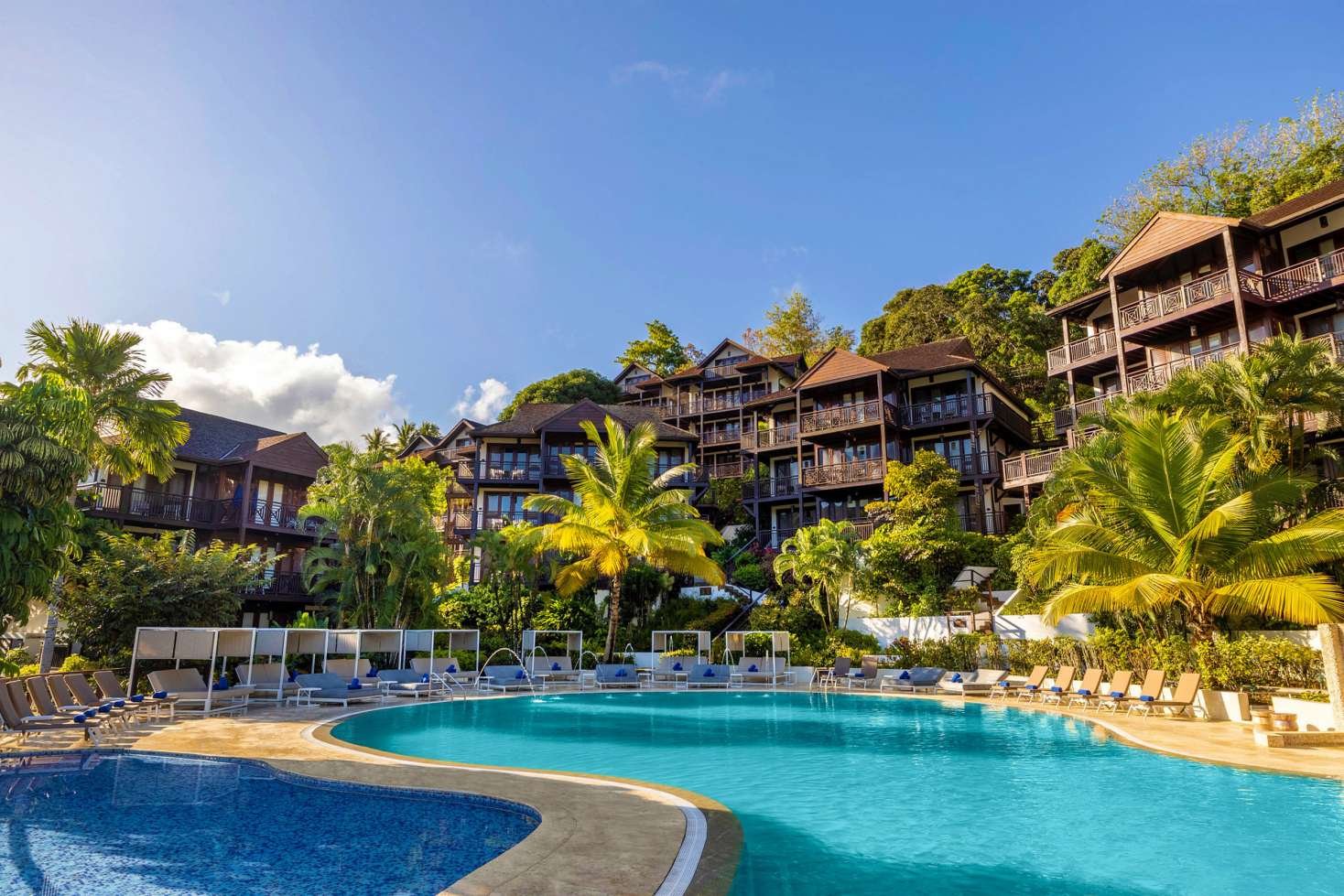
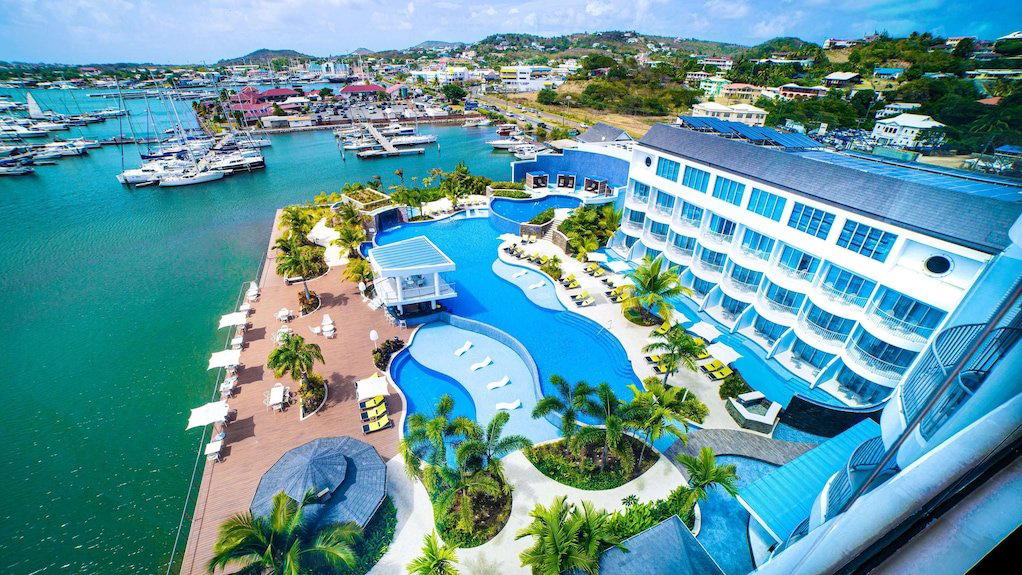
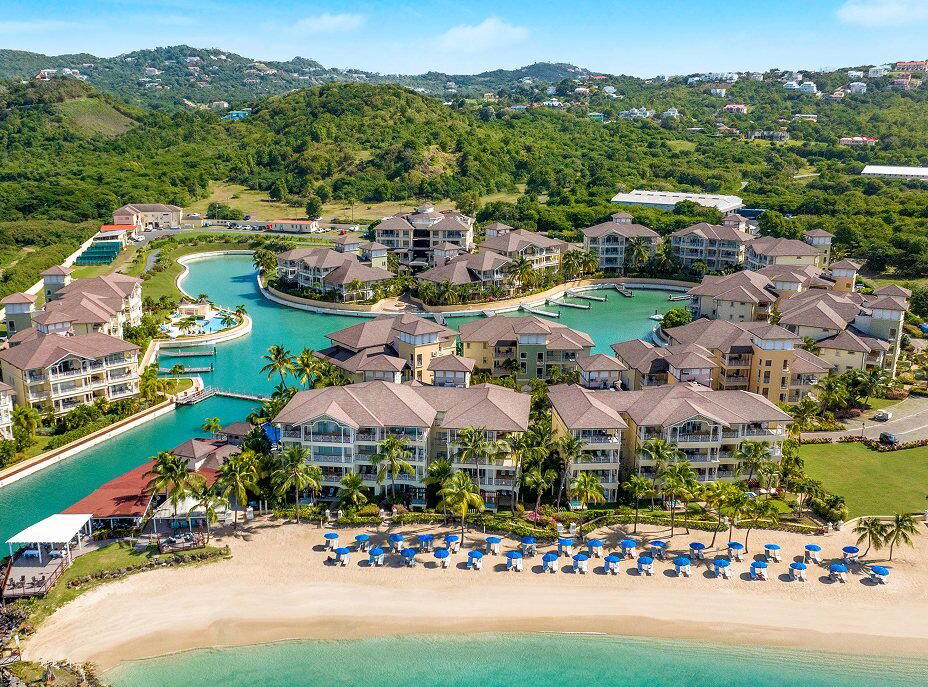
Approaching a waterfront restaurant in Castries in the early evening, the light changes in a way that is particular to Caribbean capitals: the heat drops slightly, the harbour reflects the last of the afternoon sun, and the city shifts from its working rhythm into something quieter. The Coal Pot's setting participates in that transition. This is not a restaurant designed around theatrical interior architecture or imported furniture; the atmosphere it generates comes more from its relationship to the surrounding environment than from any designed-in spectacle.
That kind of setting tends to suit a specific type of diner: one who is not looking for the controlled environment of a luxury resort dining room, but who wants a table with some genuine connection to place. For those seeking the more polished modern-cuisine format, Disini (Modern Cuisine) operates at the contemporary end of Castries dining, and Impasto represents another distinct option in the capital. The Coal Pot sits in a different register from both.
St. Lucia's Dining Scene in Context
St. Lucia's restaurant sector has stratified considerably over the past decade. At one end, the resort-embedded dining operations at properties concentrated around Marigot Bay and Cap Estate have pushed toward international fine-dining references. The Cliff at Cap in Gros Islet and Cap Maison Resort and Spa in Cap Estate represent that end of the market, where the experience is designed to compete with what an international luxury traveller might find in other premium destinations. At the other end, local kitchens from Martha's Tables in Belle Vue to Big Yard in Palmiste operate with minimal pretension and maximum reliance on what the island produces daily.
The Coal Pot occupies the middle ground of that spectrum: more structured than a rum shop lunch counter, less formal than a resort tasting menu. It is the type of restaurant that functions as a meaningful data point in any honest account of what Castries actually eats. Across the wider island, addresses like Orlando's Restaurant and Bar, Jambe de Bois in Rodney Bay, and Flavours of the Grill in Bois D'Orange collectively demonstrate that St. Lucia's restaurant culture is broader than the resort circuit would imply.
For comparison across other ingredient-driven traditions internationally, the way Caribbean Creole sourcing operates at its most committed level has parallels in how chefs at places like Atelier Moessmer Norbert Niederkofler in Brunico treat regional Alpine ingredients: the discipline is about working within what the immediate environment provides, not importing prestige ingredients to signal ambition. Caribbean Creole cooking, at its most coherent, applies that same logic to the tropics.
Planning Your Visit
Visitors to Castries are advised to approach The Coal Pot as a lunch or early dinner option given the city's general rhythm: the capital is more active during the day, and the waterfront area has a different energy in the earlier hours compared to the later evening. Because specific booking policies, hours, and pricing are not published centrally at the time of writing, the standard approach is to contact the restaurant directly or ask at your hotel for current reservation guidance. Visitors arriving from Rodney Bay or the northern hotel strip should factor in that Castries traffic can be slow during mid-afternoon hours. Those coming from Soufriere or the south, where restaurants like SMO Wellness and Hardest Hard Restaurant and Bar represent the local dining options, will find Castries a useful stop on the drive north.
Frequently asked questions
Can I bring kids to The Coal Pot Restaurant?
The Coal Pot sits in Castries rather than inside a resort compound, which means the setting is relaxed and unpretentious rather than formally structured. Nothing in the restaurant's positioning suggests it operates as a strict adults-only environment. That said, the early evening rhythm of the capital favours visits before the city quiets down, which naturally suits families travelling with younger children.
What kind of setting is The Coal Pot Restaurant?
The restaurant occupies a waterfront position in Castries, St. Lucia's capital, where the harbour light and working port define the atmosphere far more than any designed interior concept. It belongs to the category of Caribbean restaurants that operate outside the resort template: no managed beachfront, no curated poolside theatre. The mood tracks the city itself, which is active through lunch and quieter as the evening draws in.
How does The Coal Pot Restaurant fit into St. Lucia's broader dining scene compared to resort restaurants?
St. Lucia's restaurant sector has split between resort-embedded operations concentrated in the south and Rodney Bay, and a smaller tier of independently run city restaurants in Castries. The Coal Pot occupies the latter category, operating as a standalone venue in the capital rather than as a hotel dining room with a captive guest base. For visitors staying outside Castries, it represents a deliberate detour into the working city rather than a convenience option, which is precisely the draw.
What's the must-try dish at The Coal Pot Restaurant?
Lucia's agricultural and fishing supply: breadfruit, dasheen, christophene, plantain, and fresh local catch are the island's building blocks. Ordering what reflects the season and the day's supply is the approach that makes sense here rather than anchoring to a fixed signature.
How do I find The Coal Pot Restaurant?
The Coal Pot Restaurant is located at Castries, St. Lucia, Castries.
What's The Coal Pot Restaurant best at?
The Coal Pot's clearest point of difference in the Castries dining scene is its refusal of the resort-formula approach that dominates much of St. Lucia's restaurant sector. It operates in the capital, connected to the working harbour and local supply chains, which keeps the menu grounded in what the island actually grows and catches rather than what a hotel kitchen standardises for international guests.
Fast Comparison
| Venue | Cuisine | Price | Awards | Notes |
|---|---|---|---|---|
| The Coal Pot RestaurantThis venue (the venue you are viewing) | Caribbean Seafood Fusion | $30–50 | Not listed | Not listed |
| Disini | Refined French Mediterranean | Not listed | Michelin Plate | Modern Cuisine |
| Impasto | Italian Pizza and Pasta | Not listed | Not listed | Not listed |
| Waterfront De Belle View Restaurant and Bar | Caribbean Seafood | $20–30 | Not listed | Not listed |
Continue exploring
More in Castries
Restaurants in Castries
All restaurants in Castries →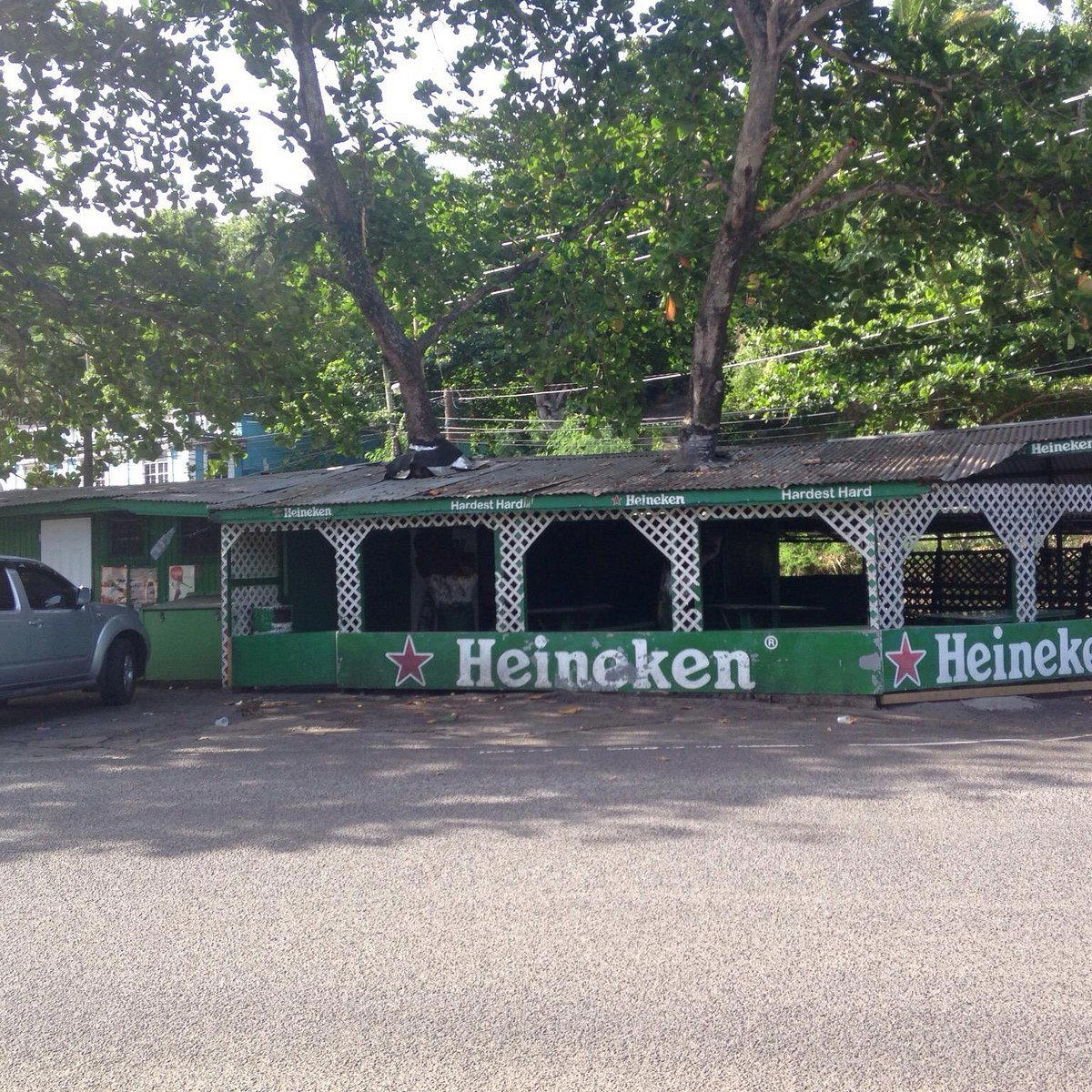
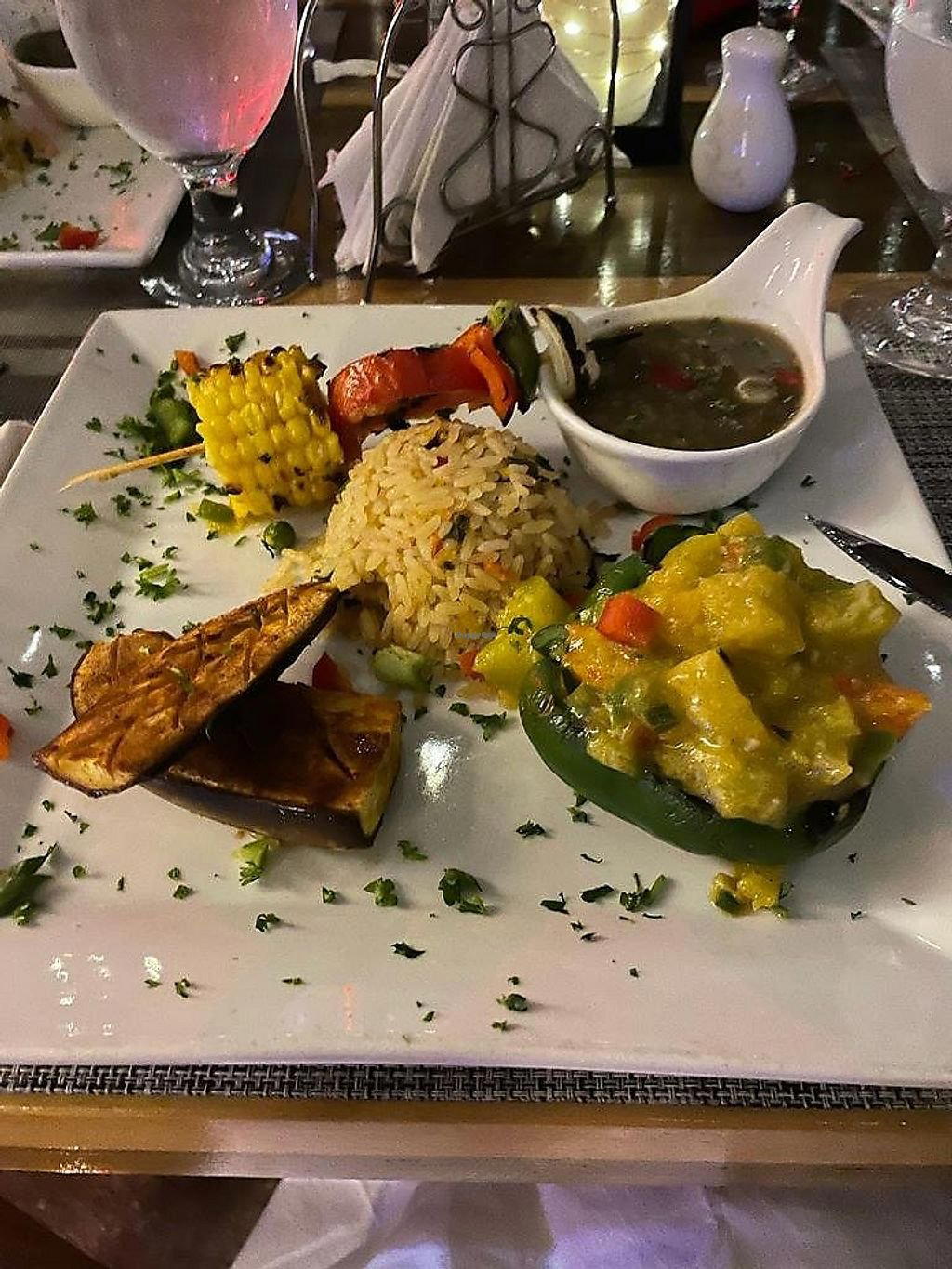
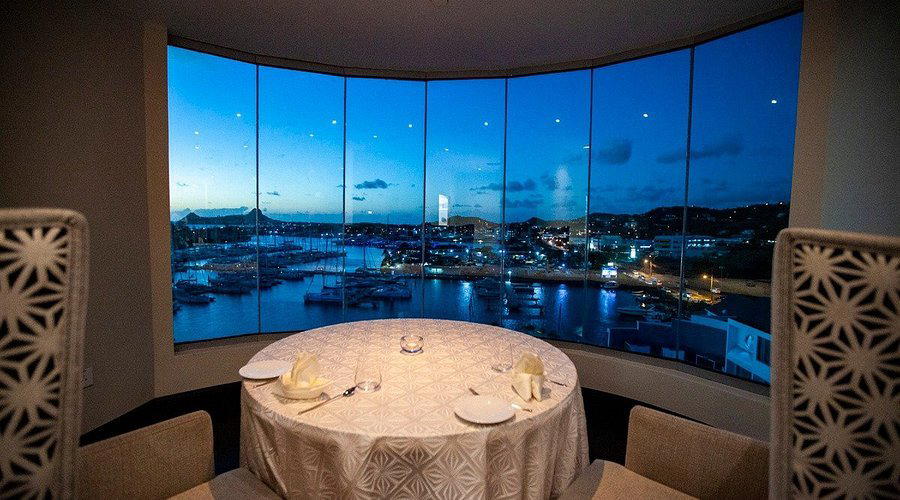
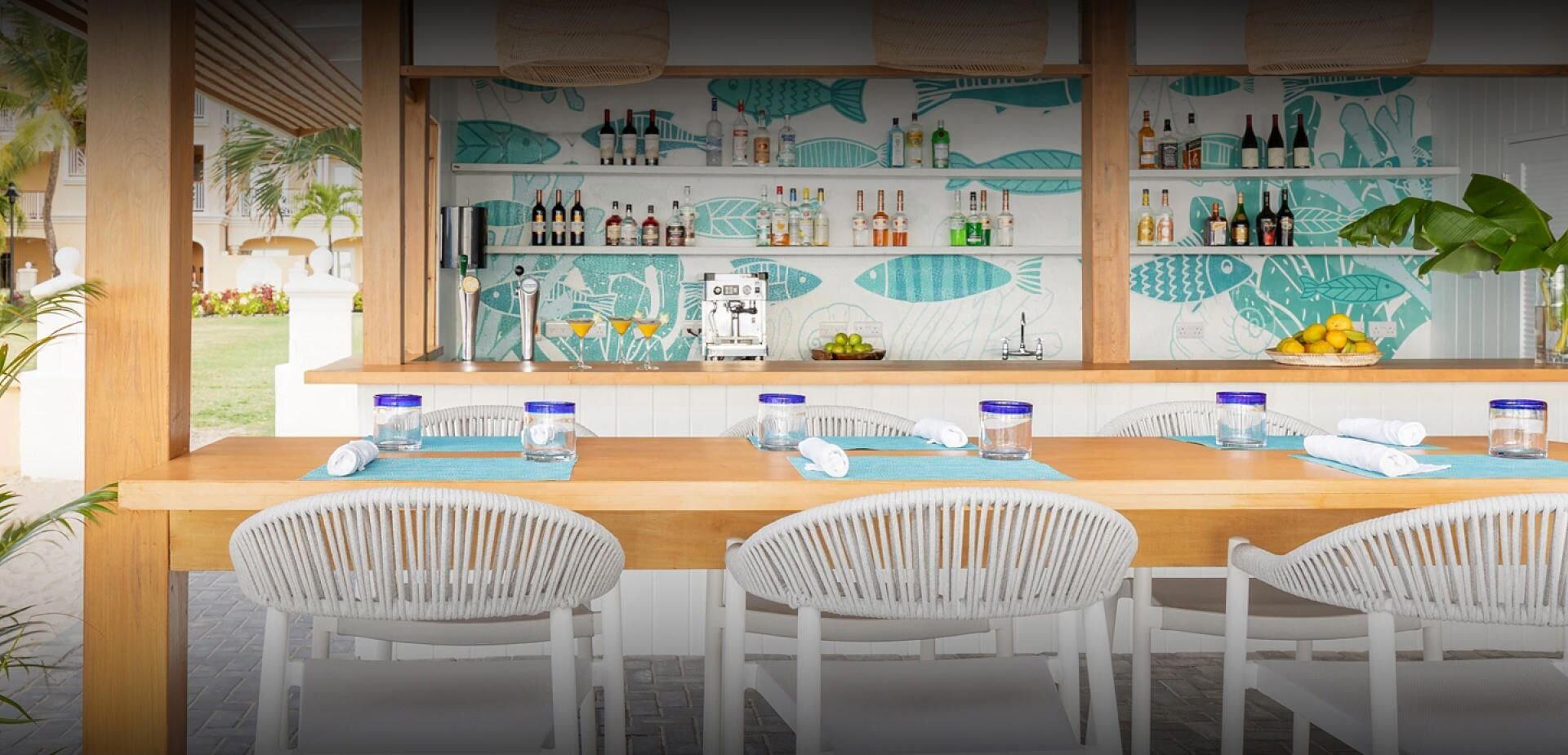
Bars in Castries
All bars in Castries →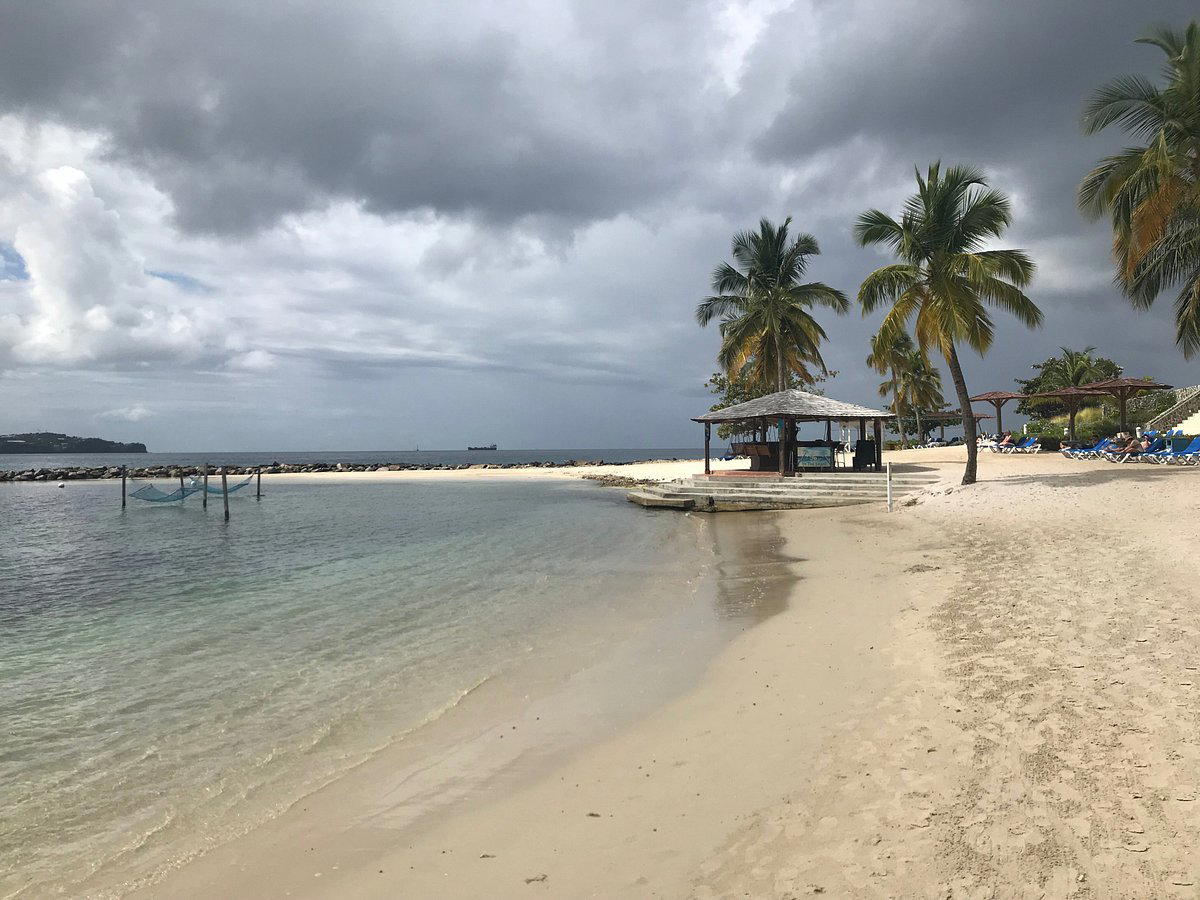
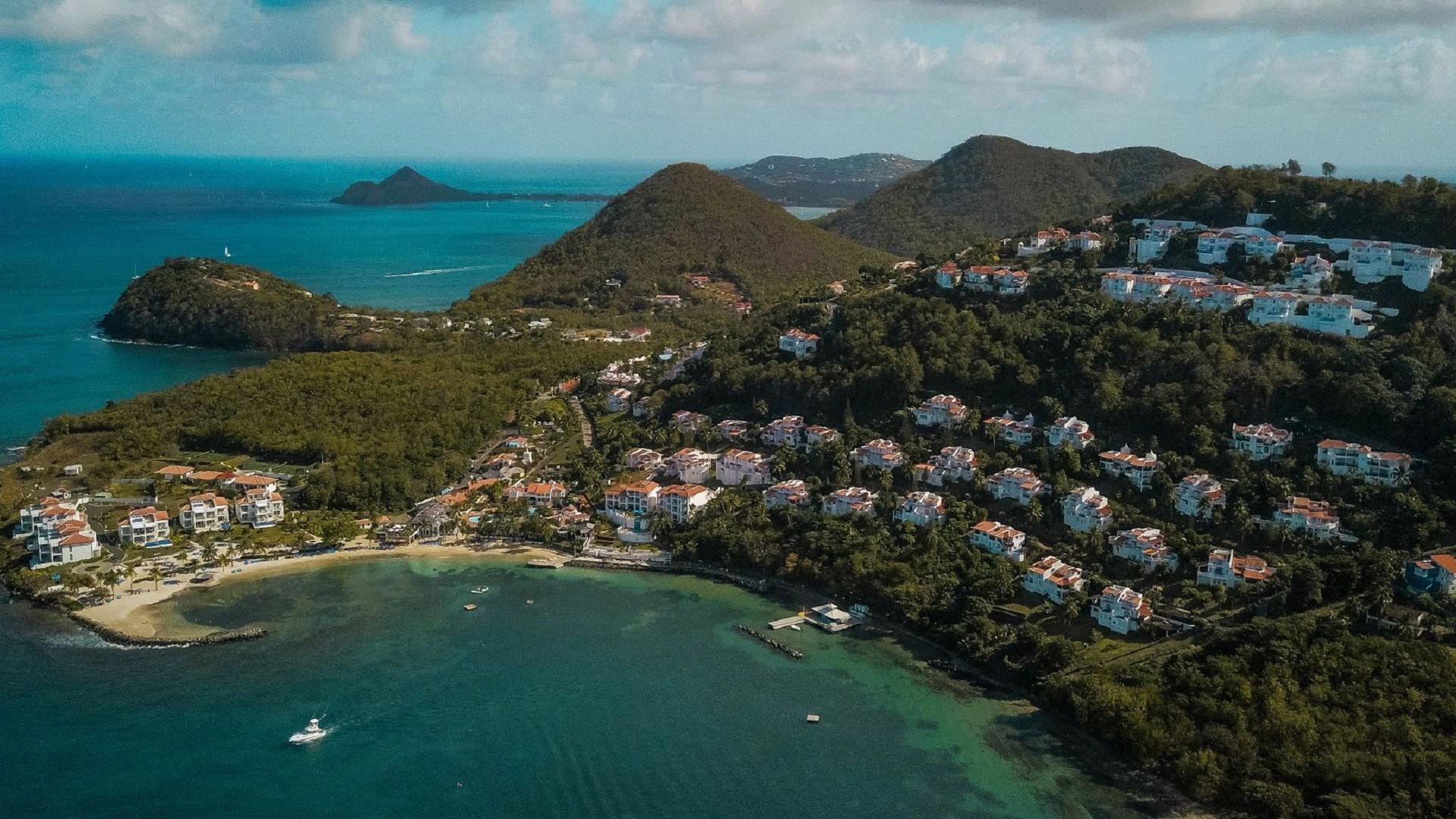
Details
- Romantic
- Rustic
- Scenic
- Intimate
- Date Night
- Special Occasion
- Business Dinner
- Waterfront
- Terrace
- Historic Building
- Local Sourcing
- Waterfront
- A La Carte
- Vegetarian Friendly
- Vegan Options
- Gluten Free Options
Current opening hours
- Monday
- 12–3 PM, 5:30–9 PM
- Tuesday
- 12–3 PM, 6:30–9:30 PM
- Wednesday
- 12–3 PM, 6:30–9:30 PM
- Thursday
- 12–3 PM, 6:30–9:30 PM
- Friday
- 12–3 PM, 6:30–9:30 PM
- Saturday
- 12–3 PM, 6:30–9:30 PM
- Sunday
- Closed
Hours can change for holidays and private events. Hours as of .
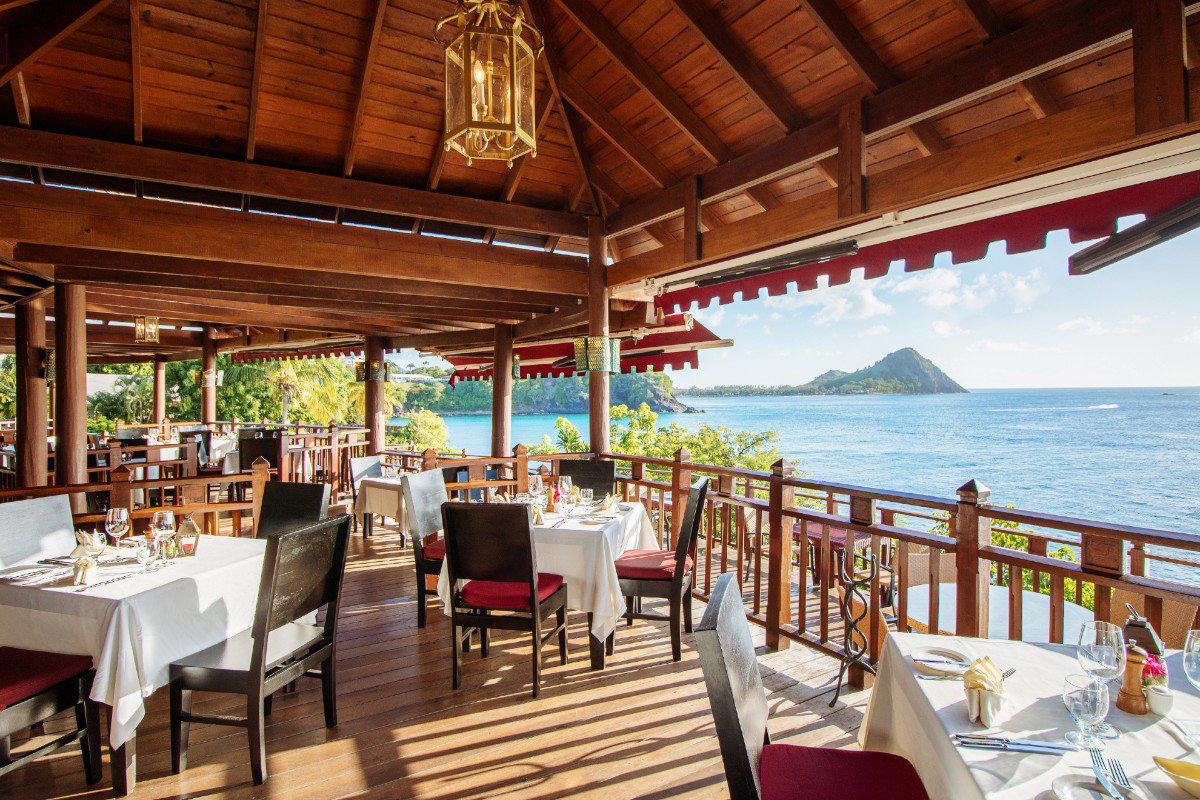
Rustic open-air deck overlooking the marina with a calm, breezy, and romantic atmosphere.