Our verdict
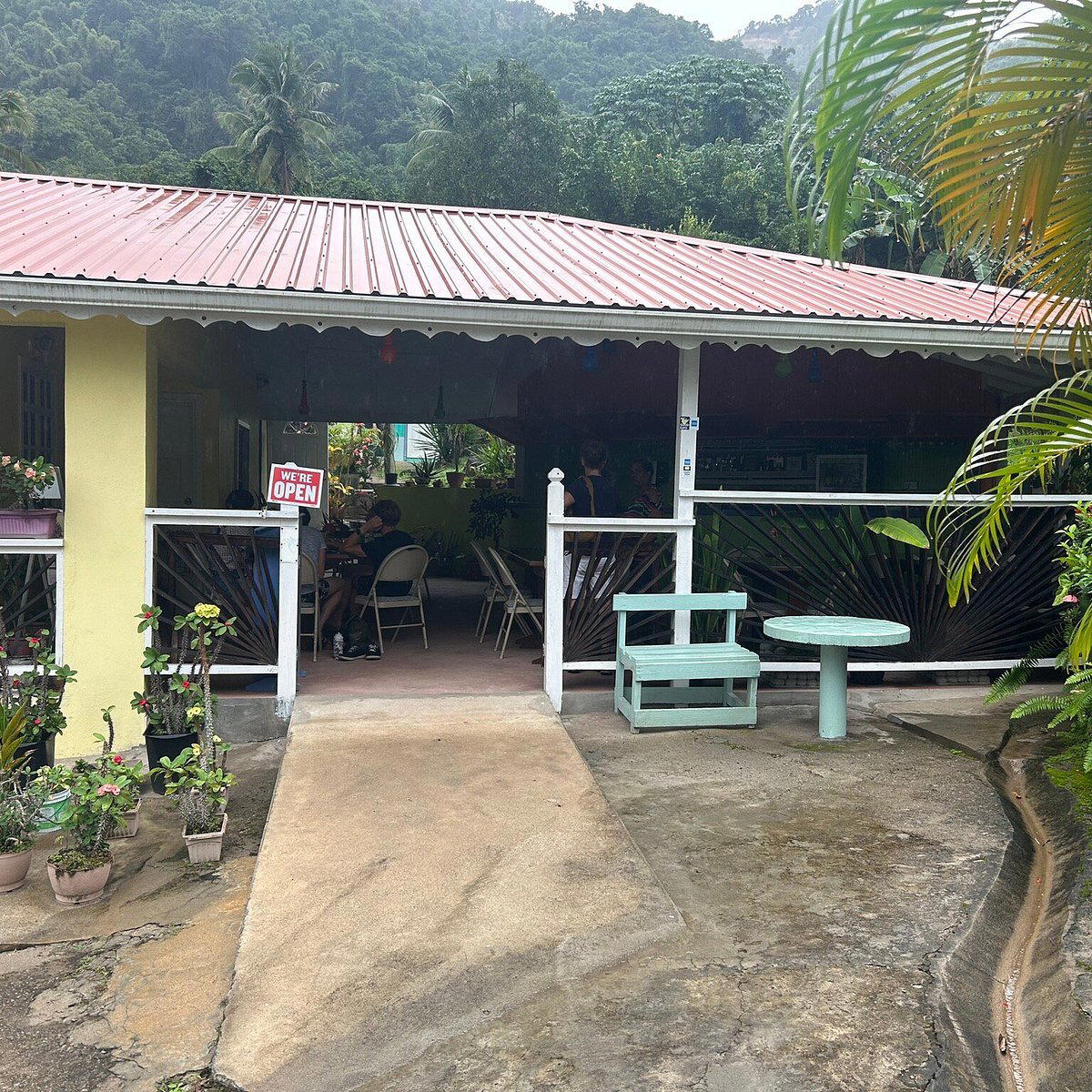
"Locally owned and operated, Martha's offerstasty, home-cooked food fromthepleasant covered porch of a private home, in a roadside location handy toSugar Beach and numerous attractions. Martha's draws resort guests out of their comfortable rooms and creates a deliciousdetour for thoseon their wayto visitnearby Sulphur Springs. Plates, heaped with breadfruit balls, fish cakes, panfried chicken or pork, or creole shrimp, and accompanied byat least three to four sides, are served at picnic tables. The prices are quitereasonable."

Pearl is the En Primeur Club membership app, where members save venues, book tables and use the concierge.
The menu
What to order
- Pork ribs
- Saltfish fritters
- Creole mahi mahi
The approach to the food follows the same logic as the location. Community kitchens in this part of St. Lucia have historically operated on a short-ingredient-list model: what is available from nearby growers and fishermen determines the menu, and the cooking technique draws on Creole tradition rather than continental import. Stews built on local spices, saltfish preparations, provisions roasted or boiled from the ground nearby, and grilled fresh catch are the structural vocabulary of this kind of kitchen. Comparison points for the editorial register this represents would be community-rooted spots elsewhere in the Caribbean rather than fine-dining addresses. For St. Lucia specifically, the contrast is sharp against more formal operations: The Coal Pot Restaurant in Castries and SMO Wellness in Soufriere represent different points on the island's dining spectrum.
St. Lucian Creole Cooking and Why Provenance Matters Here
St. Lucian Creole cuisine is the product of French and British colonial histories layered over African, indigenous Arawak, and South Asian influences, shaped further by the particular agriculture that volcanic Caribbean soil enables. The result is a culinary tradition that uses techniques and flavourings not replicated elsewhere in the English-speaking Caribbean at quite the same proportion. Green figs and saltfish, the national dish, is a case study in how local staple ingredients become cultural identity. Callaloo soup, bouyon, accra fritters, and preparations built around provisions pulled from kitchen gardens appear in home cooking and community restaurants in the Soufriere district with a frequency and fidelity that diminish as you move north toward the resort-heavy coast.
This matters from an ingredient-sourcing perspective because the argument for eating at a place like Martha's Tables is partly an argument about authenticity in the most practical sense: the food is made from things grown and caught nearby, by people who have been making versions of these dishes for generations. That is a different proposition from a resort restaurant sourcing premium Caribbean produce to execute international-format tasting menus. Neither is wrong, but they answer different questions for the traveller. Globally, the comparison class for this kind of rooted, community kitchen cooking would include spots in other agricultural regions where land and table maintain a close relationship, from the farming tables of northern Italy documented at places like Dal Pescatore in Runate to community-serving spots closer in format to Big Yard in Palmiste and Flavours of the Grill in Bois D'Orange on the same island. The Soufriere area attracts visitors travelling from the northern resort corridor, a drive that typically takes between 45 minutes and an hour depending on road conditions on the West Coast Road. Timing a visit alongside other Soufriere-area stops, including the Piton drive, the sulphur springs, or the botanical gardens, makes the geography work efficiently. Other dining options in the broader St. Lucia network worth noting for a multi-day itinerary include Jambe de Bois in Rodney Bay, Orlando's Restaurant and Bar, and Hardest Hard Restaurant and Bar in Charlotte.
Frequently asked questions
Is Martha's Tables a family-friendly restaurant?
Nothing in the available record explicitly confirms or contradicts a family policy, but the setting, a small community on an unnamed road above Soufriere in Belle Vue, points toward an informal, neighbourhood-scale operation rather than a formal dining room. That kind of setting in St. Lucia typically accommodates families without ceremony. Confirming current arrangements requires reaching the venue directly, as no phone number or website is listed.
What kind of setting is Martha's Tables?
Martha's Tables sits on an unnamed road in Belle Vue, a small community in the Soufriere district of southwest St. Lucia. It is not a resort or tourist-facing address; the location places it firmly within a working hillside community above Soufriere town, accessible by car or taxi. The setting reflects the hyper-local cooking tradition of the volcanic southwest rather than the resort strip at Rodney Bay.
Is Martha's Tables in Belle Vue worth the drive from Soufriere town for authentic St. Lucian Creole food?
Martha's Tables is located in Belle Vue, Soufriere district, a community above Soufriere town best reached by car or taxi. Its address on an unnamed road places it away from tourist circuits, which is itself a signal: restaurants in these communities typically serve food shaped by local provisioning rather than resort supply chains. For travellers specifically seeking St. Lucian Creole cooking rooted in the volcanic southwest rather than adapted for hotel menus, the detour is the point.
What's the signature dish at Martha's Tables?
What is established is the restaurant's position within the St. Lucian Creole tradition, which draws on French and British colonial histories layered over African, indigenous Arawak, and South Asian influences, a culinary lineage that typically centres provisions, salt fish, and stewed meats rooted in southwest St. Lucia's volcanic agricultural base.
Where do I go for Martha's Tables?
Martha's Tables is located at RWRQ+29R, Unnamed Rd, Belle Vue, St. Lucia, Belle Vue.
Can I walk in to Martha's Tables?
The Belle Vue address on an unnamed road above Soufriere is not within walking distance of any major tourist centre, so arrival requires a car or taxi regardless. Given the community-scale size suggested by the location, visiting without prior contact carries real risk of finding limited capacity.
What's Martha's Tables best at?
Martha's Tables operates in Belle Vue, Soufriere district, where the volcanic soil and sea air of southwest St. Lucia produce ingredients that resort kitchens in Rodney Bay routinely fly past in favour of imported proteins. The restaurant's position within this agricultural zone makes it a reference point for locally grounded St. Lucian Creole cooking rather than a menu built around international guest expectations.
Side-by-Side Snapshot
Comparable venues nearby, for context on price, style, and recognition.
| Venue | Cuisine | Price | Notes |
|---|---|---|---|
| Martha's TablesThis venue (the venue you are viewing) | St. Lucian Creole | $20–30 | Not listed |
| Jambe de bois | Caribbean Seafood | $20–30 | Rodney Bay |
| The Coal Pot Restaurant | Caribbean Seafood Fusion | $30–50 | Vigie Marina |
| Martha's Tables | St. Lucian Creole | $20–30 | Soufriere |
| SMO Wellness | caribbean | Not listed | Soufriere |
| Hardest Hard Restaurant & Bar | Authentic St Lucian Caribbean | Not listed | Charlotte |
Continue exploring
More in Soufriere
Restaurants in Soufriere
All restaurants in Soufriere →
Bars in Soufriere
Browse all →
Details
- Cozy
- Rustic
- Scenic
- Family
- Casual Hangout
- Terrace
- Farm To Table
- Local Sourcing
- Mountain
- Waterfront
- A La Carte
- Vegetarian Friendly
- Vegan Options
- Gluten Free Options
Current opening hours
- Monday
- 12–3 PM
- Tuesday
- 12–3 PM
- Wednesday
- 12–3 PM
- Thursday
- 12–3 PM
- Friday
- 12–3 PM
- Saturday
- Closed
- Sunday
- Closed
Hours can change for holidays and private events. Hours as of .
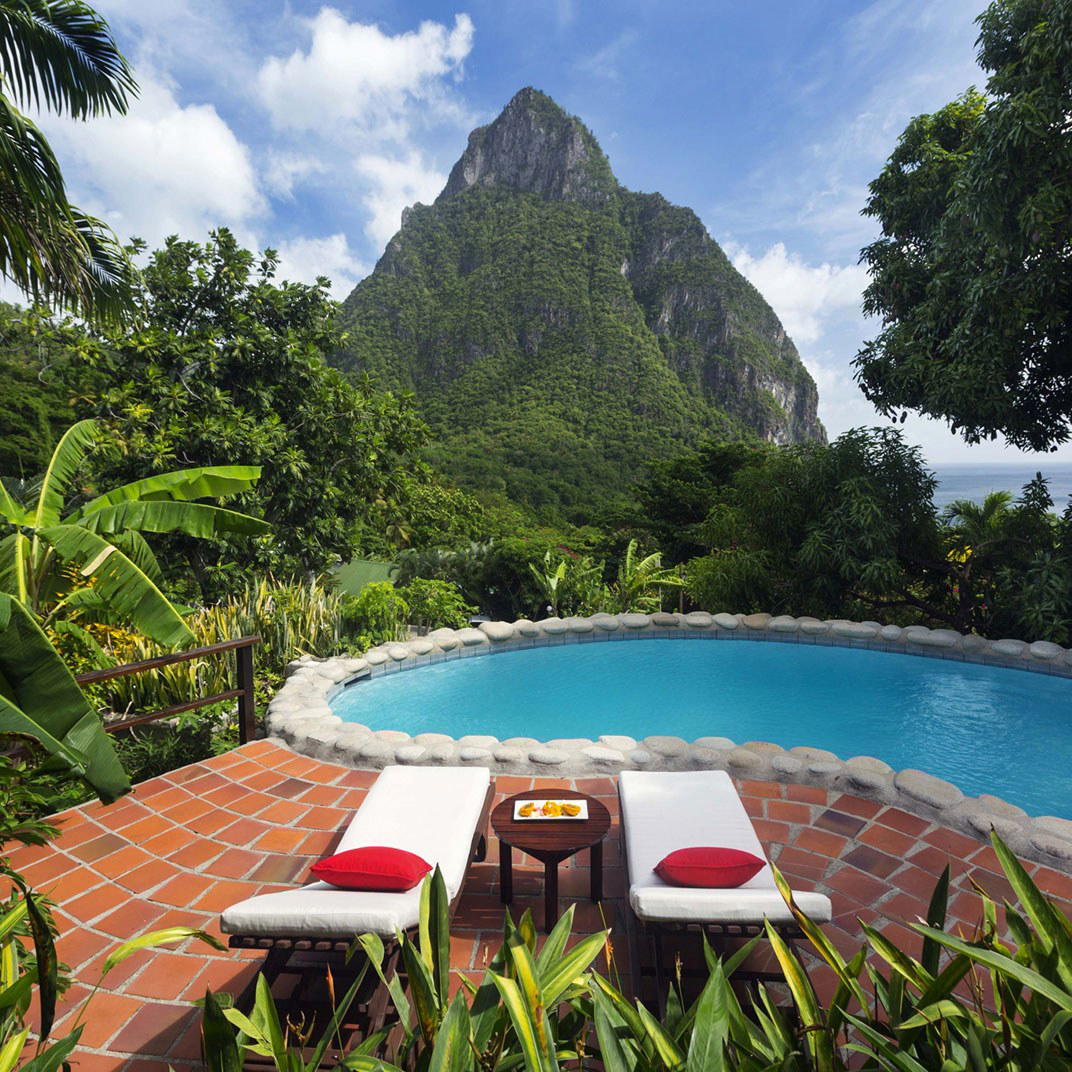
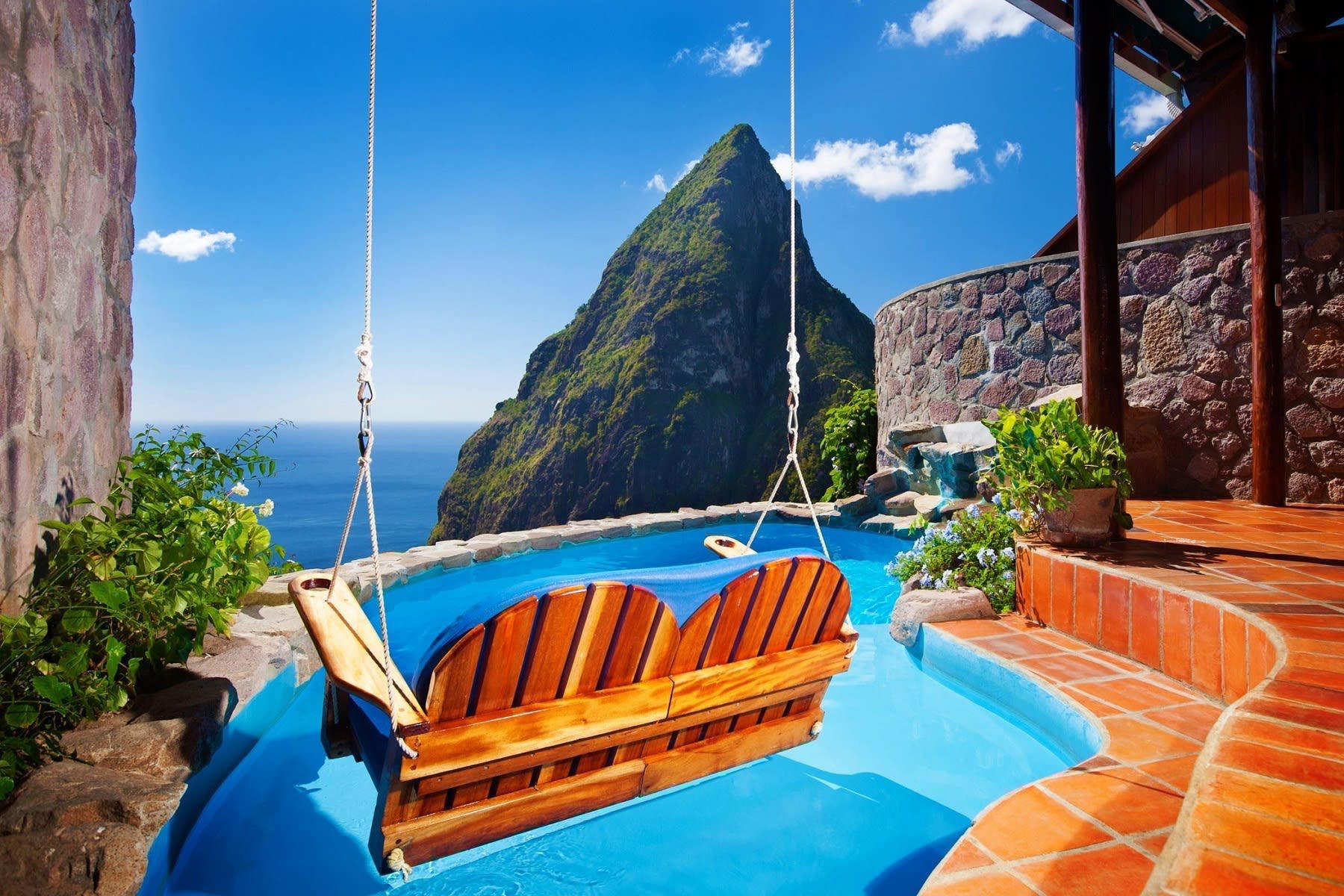
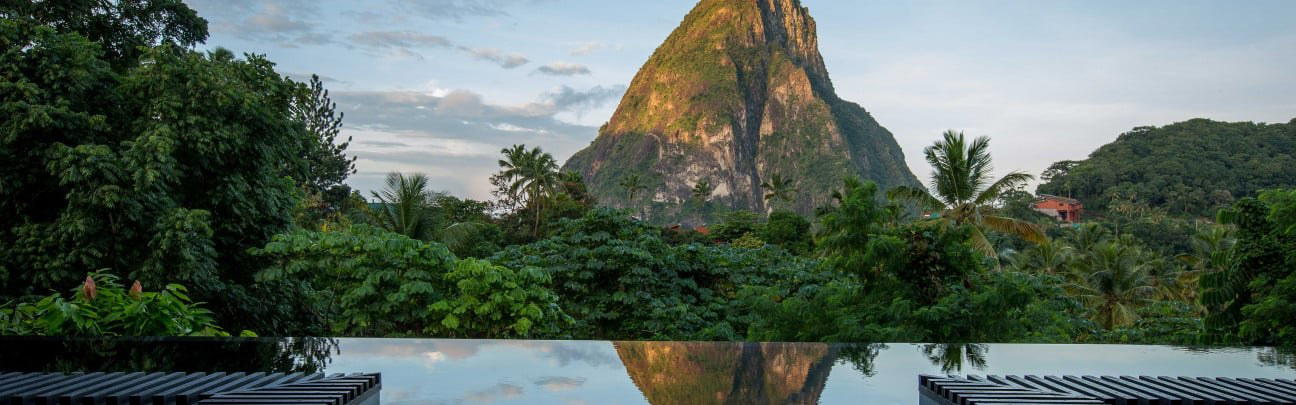
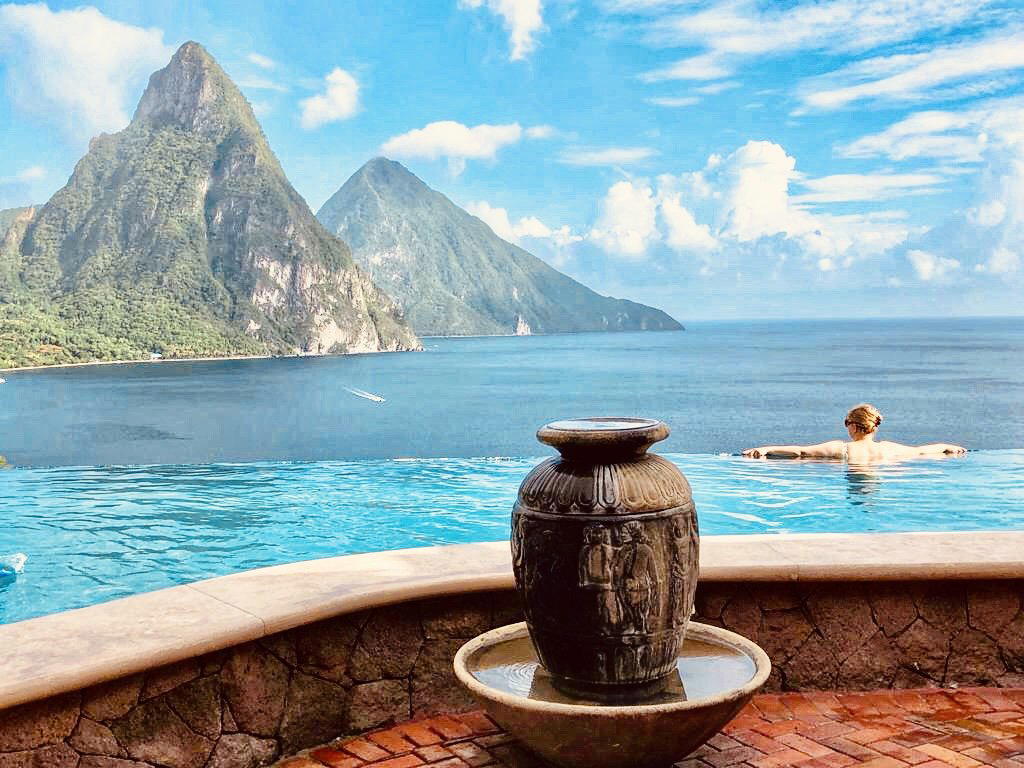
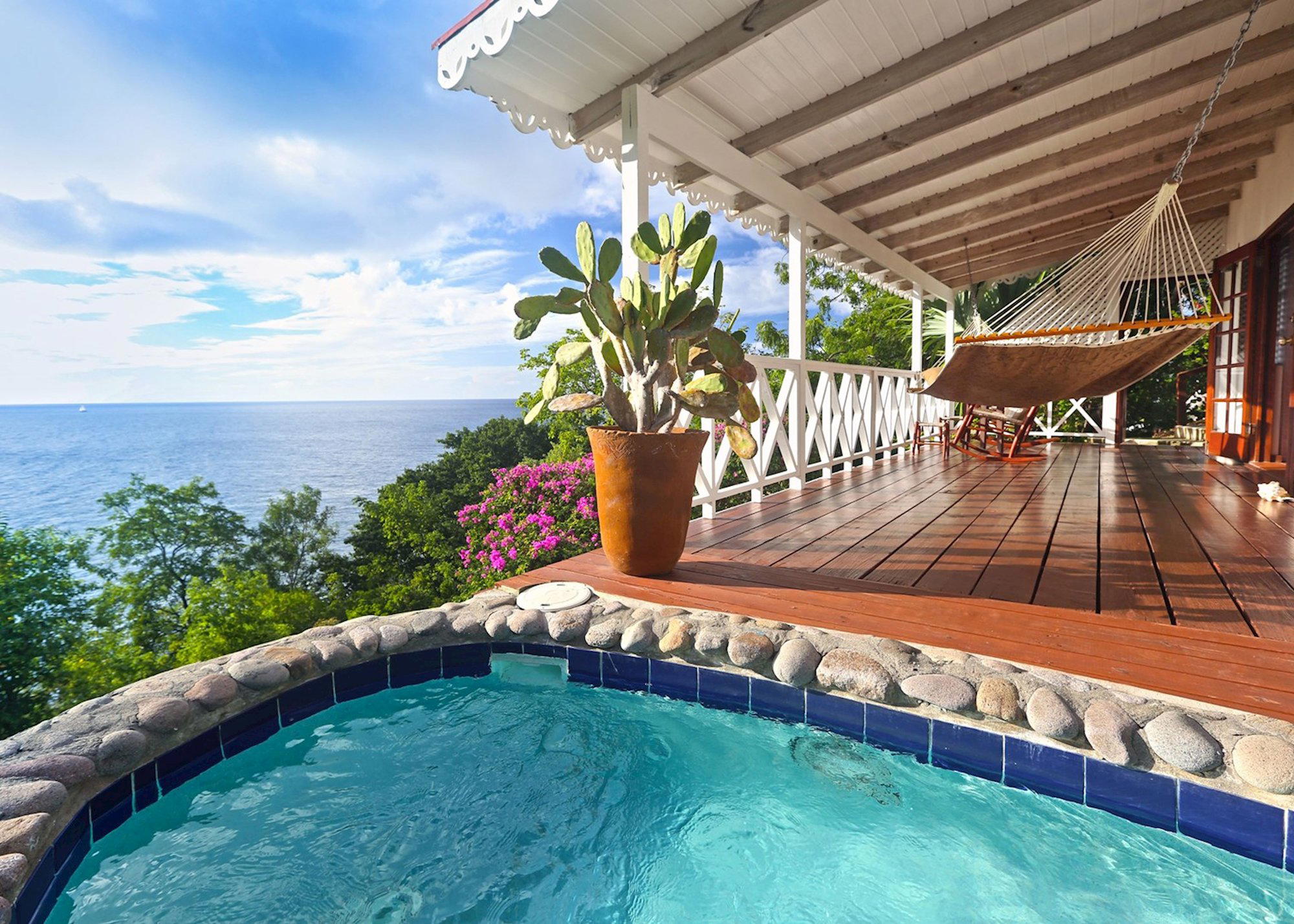
Warm, inviting homey atmosphere on a covered porch with views of Petit Piton and the Caribbean Sea.