Impasto sits on the Avenue des Abrivados in Castries, a mid-sized commune in the Hérault department that punches above its weight in the regional dining conversation. The name signals a kitchen with pasta-forward intentions, positioning it within a small cohort of French provincial restaurants that take Italian technique seriously rather than as a token gesture. For visitors working through the Languedoc-Roussillon food scene, it represents a distinct detour from the area's dominant Mediterranean-Provençal register.
Pearl is the En Primeur Club membership app — saves, bookings, and concierge access live there. Same editors, same standards.
- Address
- 92 Av. des Abrivados, 34160 Castries, France
- Phone
- +33467873612
- Directions
- Get directions
 Saves & bookings on Pearl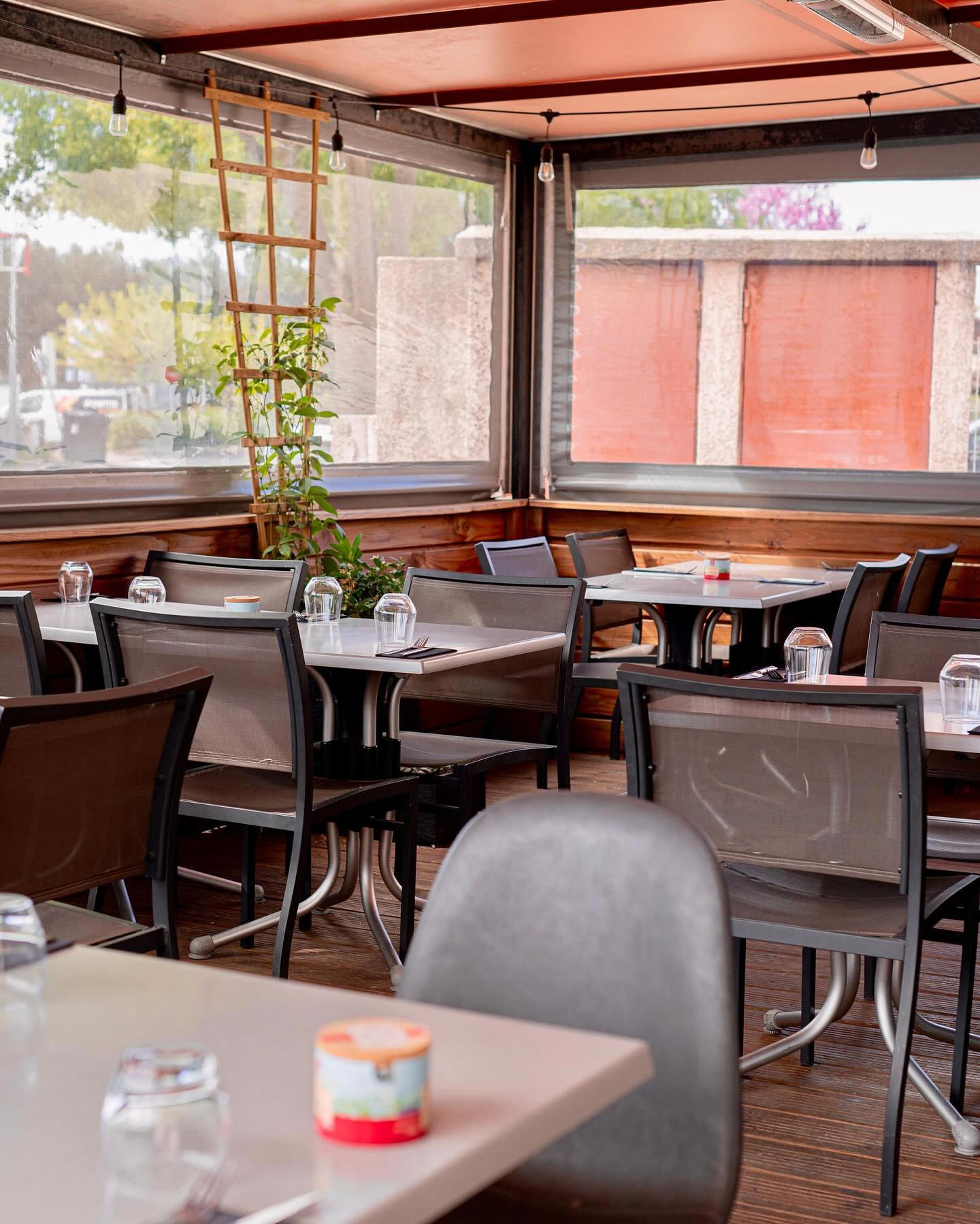
A Different Register in the Hérault
Castries sits roughly fifteen kilometres northeast of Montpellier, close enough to the city's gravitational pull to feel its culinary ambitions but separate enough to maintain its own character. The Avenue des Abrivados address at number 92 places Impasto in a low-rise suburban corridor typical of the commune, which means the dining room sets the tone before a single plate arrives. In a French regional dining culture that prizes local produce, a kitchen signalling pasta-forward intent is making a deliberate choice about which traditions it aligns with, using Italian craft technique with ingredients from the fertile agricultural belt that runs between the Camargue and the Cévennes foothills.
That positioning matters. The Languedoc-Roussillon has produced a more varied restaurant scene than its reputation for cassoulet and grilled fish would suggest. Smaller communes around Montpellier have absorbed some of the city's dining energy, and places like Castries have become viable stopping points for food-conscious travellers who want to avoid the congestion of the urban centre. Impasto occupies a niche within this expansion: not a bistrot serving the regional canon, not a gastronomic temple chasing Michelin recognition, but something in between, defined by a culinary reference point that crosses the border into Italy while remaining planted in French provincial soil.
Sourcing in Languedoc-Roussillon: Why the Region Matters
The ingredient argument for this part of southern France is hard to overstate. The Hérault department sits within reach of multiple distinct agricultural zones. To the south, coastal producers supply shellfish from the Bassin de Thau, one of France's most productive oyster and mussel lagoons. Inland, the garrigue, the scrubby, herb-dense terrain of the lower Languedoc, provides wild aromatics and supports small-scale livestock farming. Further north, the Cévennes foothills bring different soil profiles and cooler microlimates that suit root vegetables and stone fruit.
For a kitchen oriented around pasta and Italian-influenced technique, this agricultural context is meaningful. The classic Italian model ties fresh pasta to local grain, eggs from nearby farms, and sauces built from whatever the surrounding land produces seasonally. Translated into the Languedoc context, that framework suggests a menu calendar that responds to the same agricultural rhythms as the broader regional table, but processes those ingredients through a different technical tradition. The garrigue herbs that appear in a Languedoc lamb dish might, at Impasto, find their way into a pasta filling or a slow-cooked ragù rather than a navarin. The shift is methodological rather than geographical, same sourcing geography, different culinary grammar.
This is where French provincial restaurants that take cross-border technique seriously tend to distinguish themselves from peers. Compare the sourcing ethos implied by a place like Bras in Laguiole, where the Aubrac plateau dictates almost everything on the plate, with the approach at Mirazur in Menton, where Italian proximity shapes the culinary logic even as French Mediterranean produce dominates the kitchen. Impasto operates on similar conceptual ground, though within a far more modest register, a neighbourhood restaurant rather than a gastronomic landmark.
Castries in the Regional Dining Context
The Castries dining scene is small enough that each restaurant occupies a relatively distinct position. Disini works in a modern cuisine register at the €€ price point, while The Coal Pot Restaurant and Waterfront De Belle View Restaurant and Bar extend the local options in different directions. Within this small cluster, a pasta-specialist kitchen claims a specific lane that none of its immediate neighbours occupy in the same way. That specificity is part of what makes it worth noting in a town where culinary differentiation is harder to achieve at scale.
Visitors arriving from Montpellier will find the drive manageable, and the lower ambient restaurant density of Castries means that prime dining hours tend to feel less pressured than the city centre.
The French Tradition of Italian Influence
It is worth situating Impasto within a longer French culinary history. The relationship between French and Italian cooking traditions is not a recent development or a trend import, it runs through centuries of shared technique, ingredient exchange, and population movement along the Mediterranean coast. Catherine de Medici's influence on the French court is one cited reference point, but the practical reality is that southern France and northern Italy have shared ingredients, producers, and cooking logic for as long as either tradition has existed in recognisable form.
Serious French kitchens have always absorbed Italian influence without apology. The pasta programs at places like Flocons de Sel in Megève or the broader cross-border thinking visible at Auberge du Vieux Puits in Fontjoncouse reflect how naturally Italian craft technique integrates into French regional kitchens when the sourcing geography supports it. Impasto's name makes that integration its explicit starting point rather than a footnote.
Across the Atlantic, French-Italian cross-pollination in fine dining has produced particularly technically ambitious menus working today, visible in different forms at Le Bernardin in New York City and in the broader downtown dining conversation that includes Atomix. The provincial French iteration is a different proposition entirely, less formal, more rooted in daily ingredient access, closer to the agricultural source, but the underlying logic of cross-border technique applied to local produce connects these different operations.
Planning a Visit
Impasto is located at 92 Avenue des Abrivados, 34160 Castries. Castries is accessible from Montpellier by car in under twenty minutes, and the commune is also served by the Montpellier tramway extension, which makes arriving without a vehicle feasible for visitors staying in the city. The Avenue des Abrivados location suggests street-level access, and confirmation in advance is advisable.
For those building a wider itinerary through France's restaurant landscape, noteworthy tables span from Alléno Paris au Pavillon Ledoyen and Paul Bocuse in the north to AM par Alexandre Mazzia in Marseille and Christopher Coutanceau in La Rochelle on the coasts. Alsace offers its own tier through Auberge de l'Ill in Illhaeusern and Au Crocodile in Strasbourg, while the Champagne region's gastronomic case is made by Assiette Champenoise in Reims. Impasto operates at a considerably more local scale than any of those, but that is precisely the point: it belongs to a different layer of the French dining circuit, one where neighbourhood loyalty and daily ingredient access shape the menu more than accolades do.
Comparable Spots, Quickly
Comparable venues nearby, for context on price, style, and recognition.
| Venue | Cuisine | Price | Awards | Notes |
|---|---|---|---|---|
| ImpastoThis venue — the venue you are viewing | Italian Pizza and Pasta | $$ | Not listed | Not listed |
| Disini | Refined French Mediterranean | $$$ | Michelin Plate | Castries |
| La Locanda | Authentic Neapolitan Pizza | $$ | Not listed | historic centre |
| Fimmina - Pizzeria Paris 9 | Artisanal Italian Pizzeria & Wine Bar | $$ | Not listed | 9th arrondissement |
| Anna | Italian Wine Bar | $$$ | Not listed | Haut Marais (Paris 3) |
| La Bonne Mère | Authentic Neapolitan Pizza | $$ | Not listed | Vauban |
At a Glance
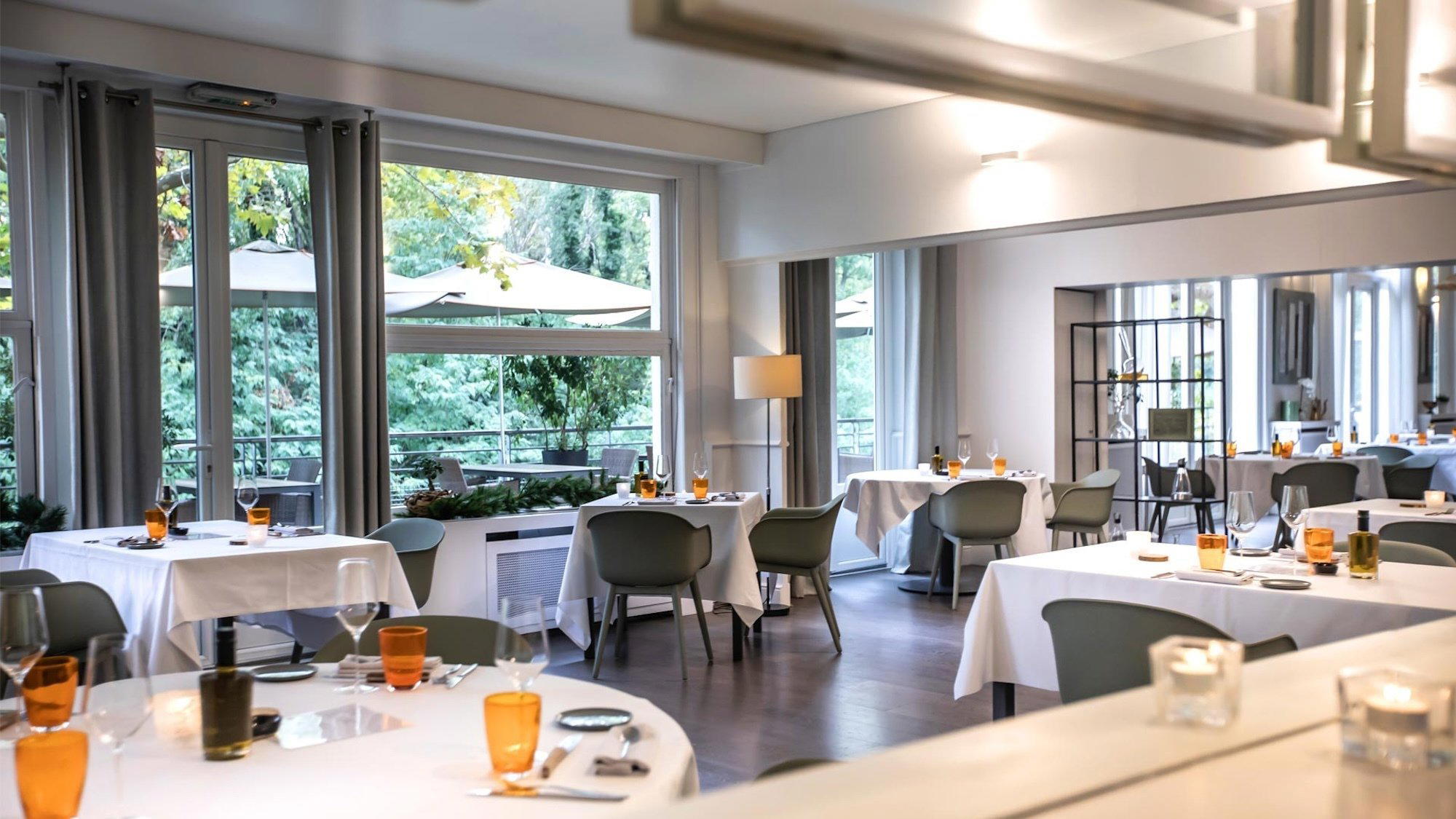
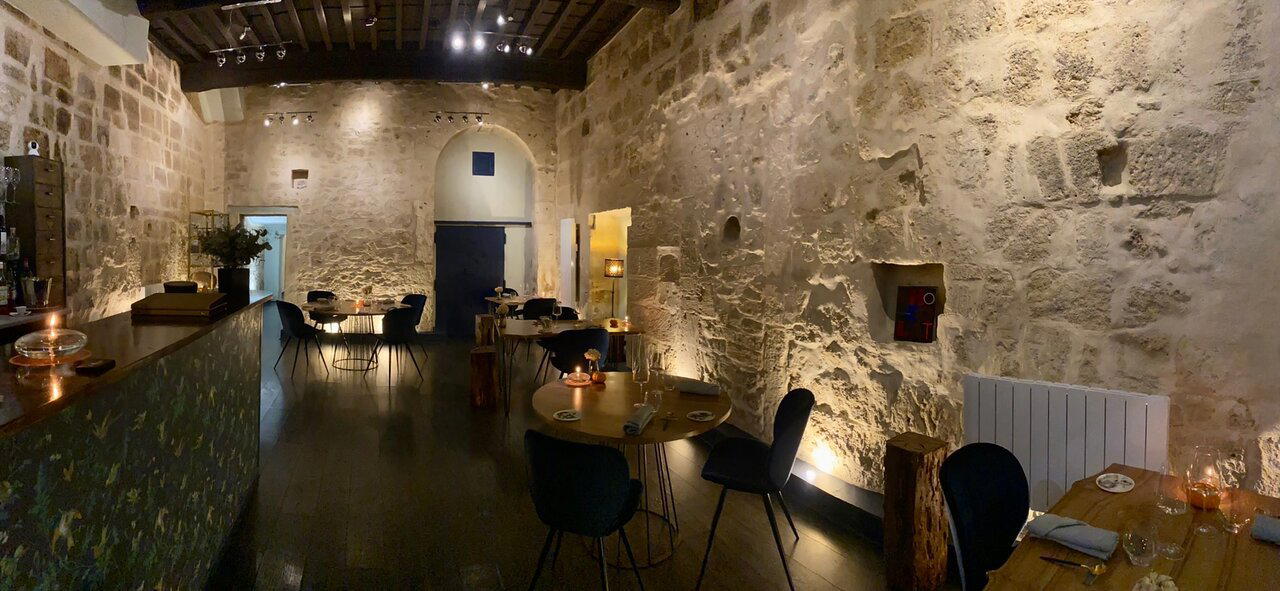
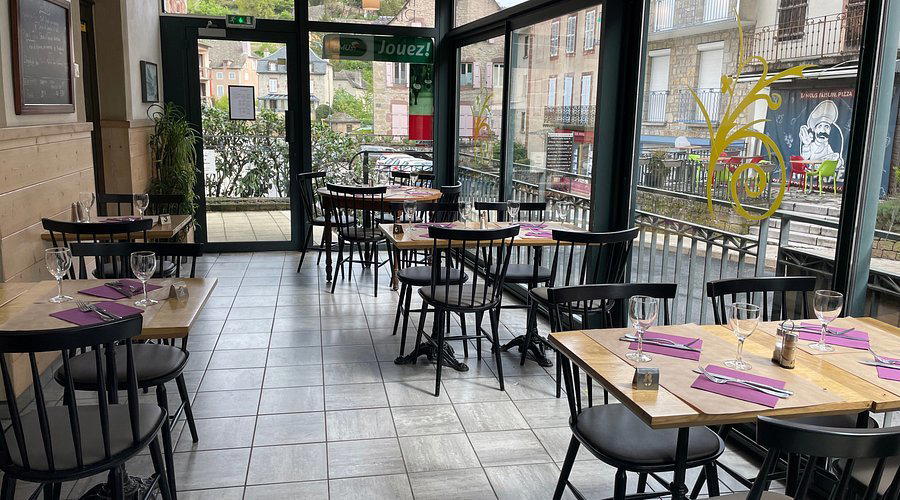
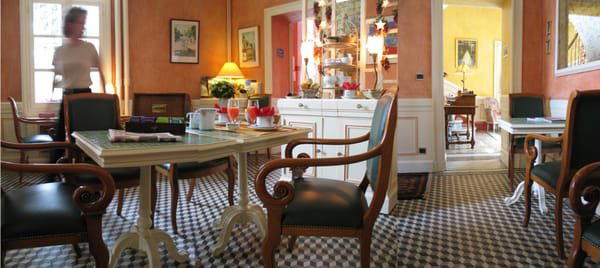
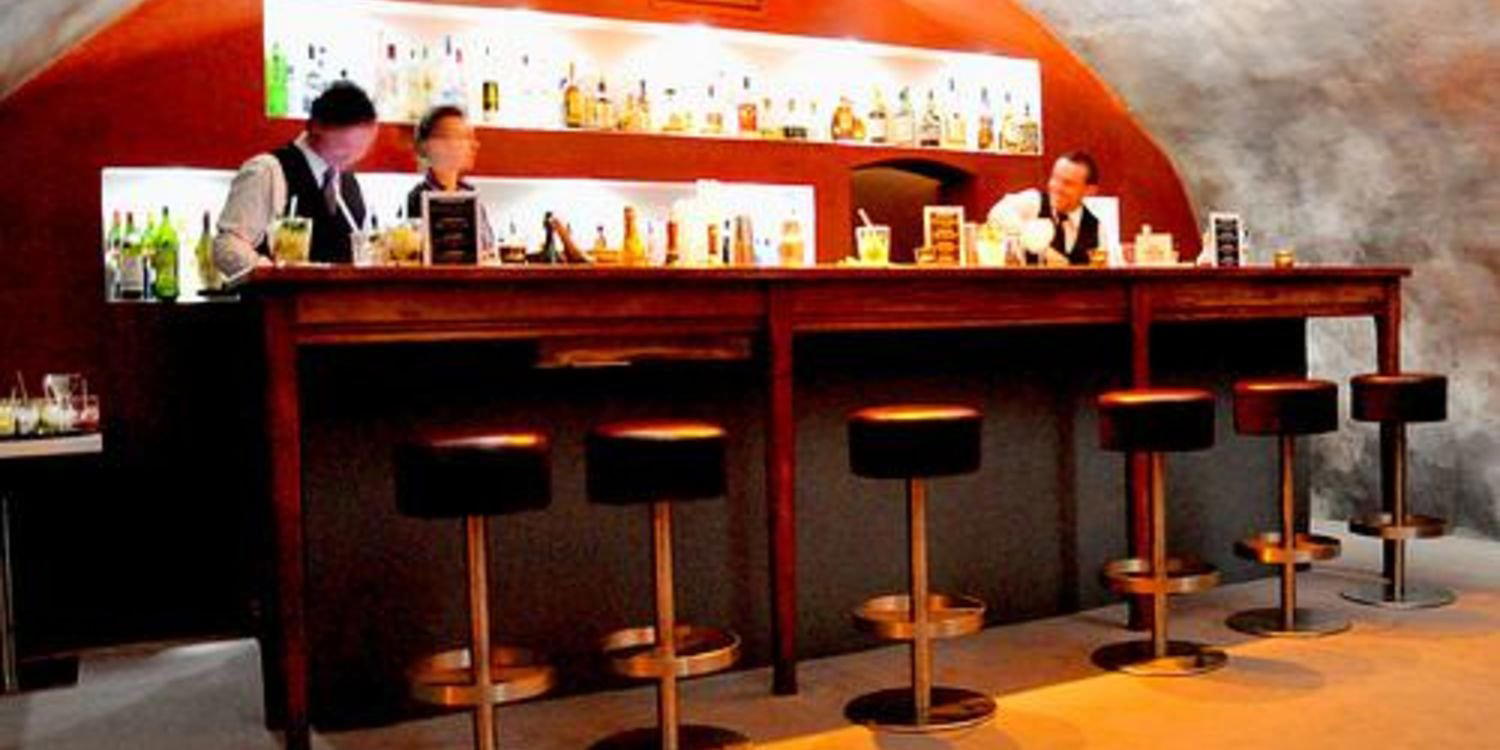
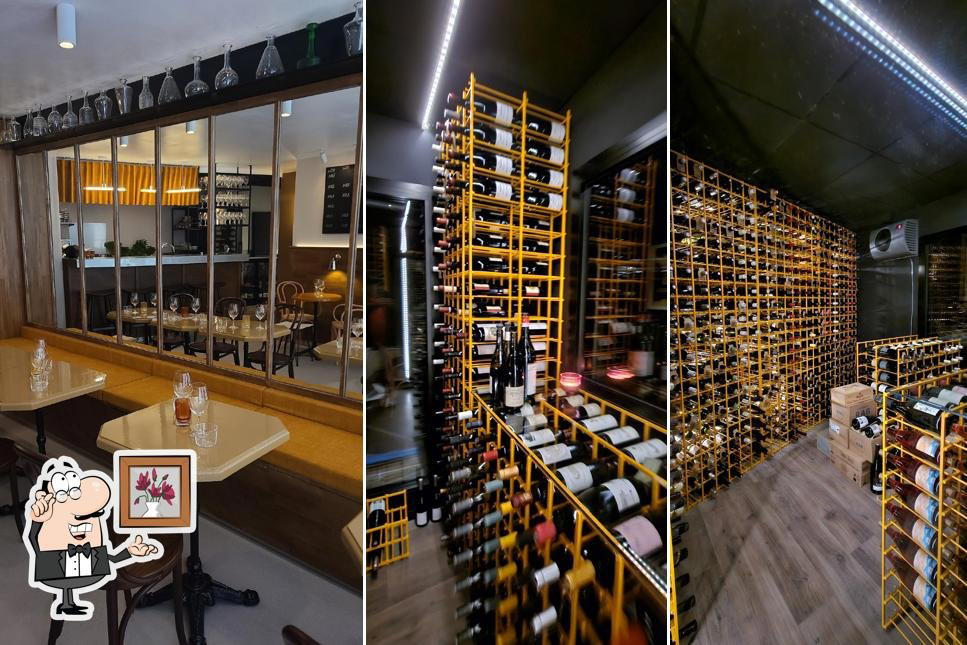
- Cozy
- Modern
- Casual Hangout
- Family
Current opening hours
- Monday
- 12–2 PM, 7–10 PM
- Tuesday
- 12–2 PM, 7–10 PM
- Wednesday
- 12–2 PM, 7–10 PM
- Thursday
- 12–2 PM, 7–10 PM
- Friday
- 12–2 PM, 7–10 PM
- Saturday
- Closed
- Sunday
- Closed
Hours can change for holidays and private events. Last verified .
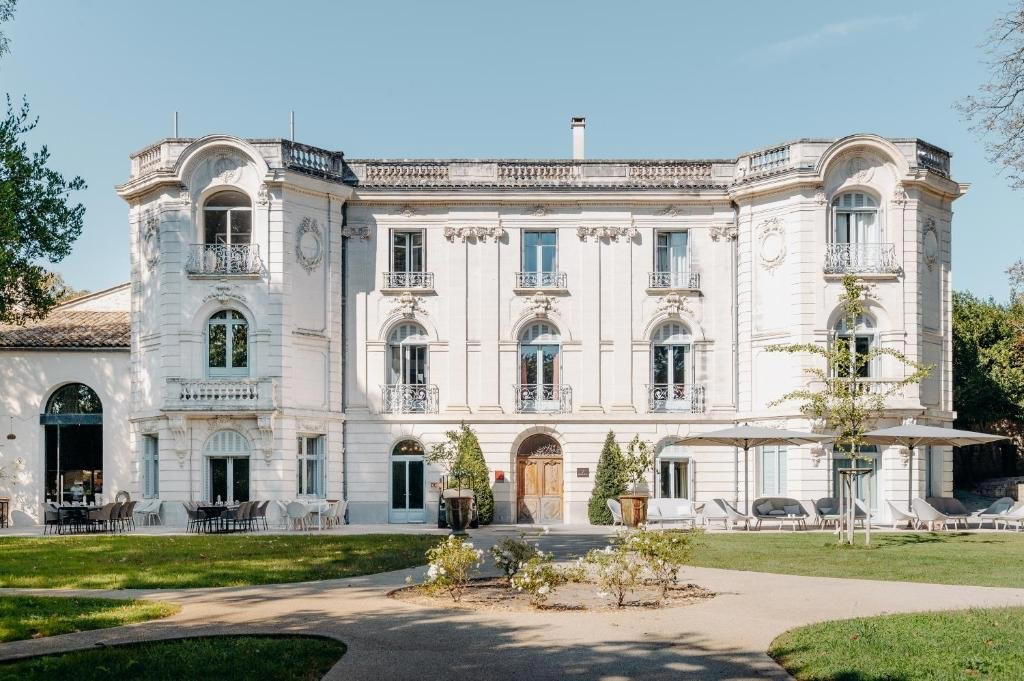
Modern and chaleureux atmosphere with a convivial feel.