Our verdict
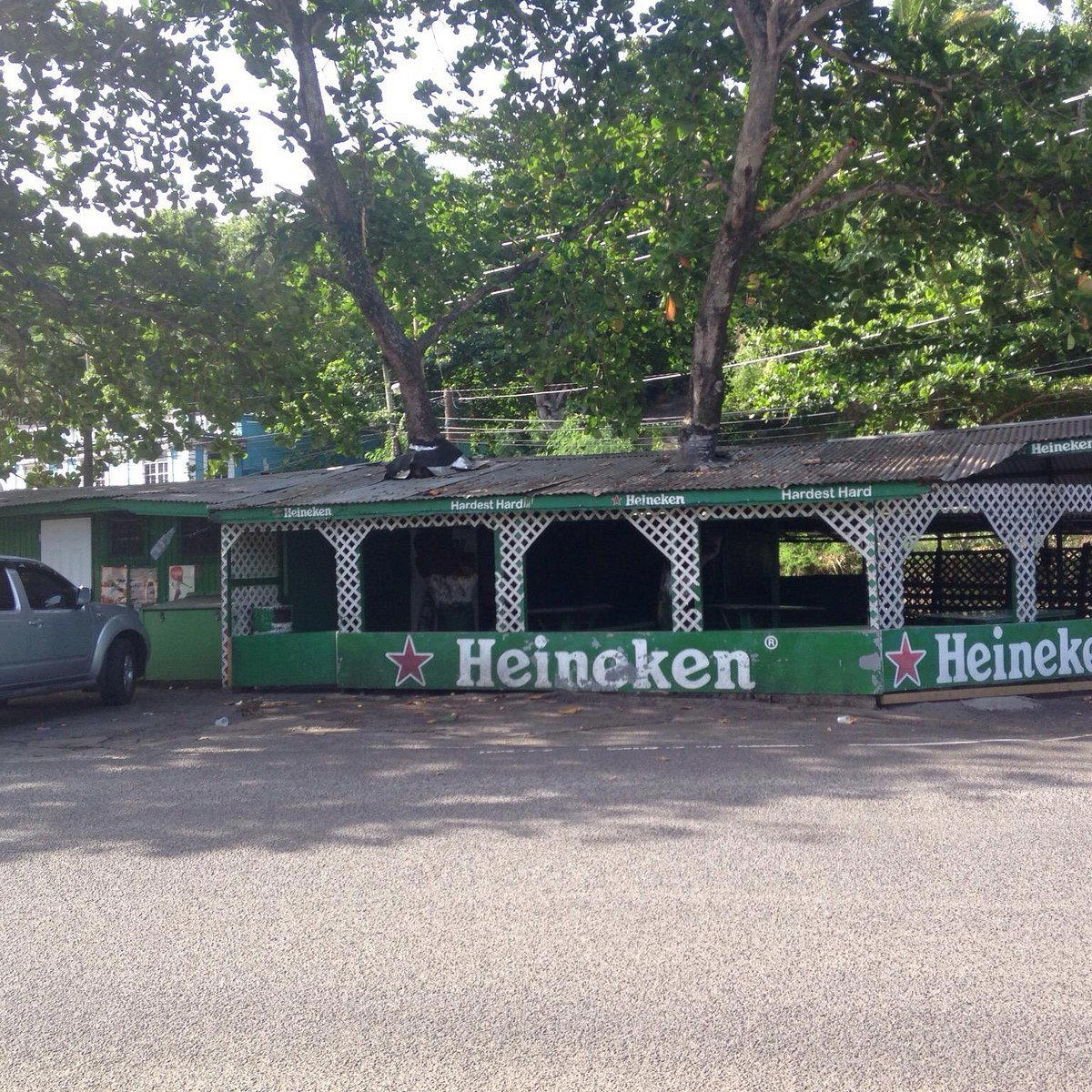
Hardest Hard Restaurant & Bar sits on Morne Road in Charlotte, St. Lucia, within reach of Castries and the island's agricultural interior. The address places it along a route where locally sourced produce, reef-caught fish, and Creole culinary tradition converge. For visitors tracing St. Lucia's food culture beyond the resort strip, this is a useful reference point on the island's less-mapped dining circuit.

Pearl is the En Primeur Club membership app, where members save venues, book tables and use the concierge.
The menu
What to order
- Fish Creole
- Goat peleau
- Tamarind juice
Eating on the Morne: St. Lucia's Inland Dining Circuit
The restaurants that attract the most serious attention in St. Lucia tend to cluster along the coastline, at marina-adjacent tables in Rodney Bay or at clifftop properties in Gros Islet. Inland Charlotte, by contrast, operates on a different rhythm. Morne Road runs through a part of the island shaped by elevation, smallholder farming, and proximity to Castries's produce markets, and the restaurants here draw from a supply chain that coastal resort dining rarely accesses directly. Hardest Hard Restaurant & Bar sits on this road, positioned within a neighbourhood where ingredient provenance is a function of geography rather than a marketing decision.
St. Lucia's agricultural belt produces dasheen, christophine, plantain, breadfruit, and a range of root vegetables that form the backbone of Creole cooking on the island. The proximity of Charlotte to these growing zones matters in practical terms: shorter distances between farm and kitchen, seasonal availability that shifts by week rather than quarter, and informal relationships between cooks and growers that define what actually appears on the plate. That supply dynamic separates inland dining from the more formalised, imported-supplement menus common at larger resort operations.
The Setting on Morne Road
Morne Road climbs through a landscape shaped by rainforest edges and working farms before descending toward Castries Harbour. The approach to this part of Charlotte involves narrow roads with outward views over the city and, on clear days, toward the sea. Restaurants positioned along this corridor tend to occupy modest, functional buildings where the surroundings do the atmospheric work. The address for Hardest Hard, a 2X6X+5P6 plus code reference, places it within this inland belt rather than any resort zone, which shapes expectations in useful ways: this is neighbourhood dining, not destination-resort performance.
Venues in this category across the Eastern Caribbean often occupy covered outdoor or semi-open structures, where natural ventilation, ambient sound from the surrounding hillside, and proximity to kitchen activity create a directness that air-conditioned formal dining deliberately filters out. St. Lucia's Creole restaurant tradition leans into that openness, treating the environment as part of the meal rather than a variable to be controlled.
Ingredient Sourcing in the Creole Tradition
Across the Windward Islands, the strongest Creole cooking derives its authority from sourcing specificity. St. Lucia's fishing communities land catches along both the Atlantic and Caribbean coasts, with fish such as dorado, kingfish, and red snapper moving through informal market chains that supply local restaurants before reaching export or resort purchasing. Green figs (unripe banana) cooked with saltfish represents the national dish, but the ingredient scope extends to accras made from dasheen leaves, soups built on local pumpkin and okra, and grilled meats marinated with scotch bonnet, thyme, and locally produced seasoning blends.
The proximity of Hardest Hard's Morne Road location to the Castries central market, one of the island's primary distribution points for locally grown produce and fresh catch, gives a Charlotte address a logistical advantage that manifests directly in what can be sourced on a given day. This is the structural difference between a menu designed around available imports and one designed around what came off a boat or out of a field that morning.
For context on how other parts of the island approach this sourcing question, The Coal Pot Restaurant in Castries represents one of the longer-running addresses in the city's dining scene, while Martha's Tables in Belle Vue and Big Yard in Palmiste operate in a similar neighbourhood-facing register elsewhere on the island. Further afield, Jambe de bois in Rodney Bay and Flavours Of The Grill in Bois D'Orange, Gros Islet illustrate how the northern end of the island handles Creole grilling in a busier tourism corridor. For something oriented toward wellness and sourcing transparency in the south, SMO Wellness in Soufriere takes an explicitly produce-led approach. The resort end of the spectrum is represented by Cap Maison Resort & Spa in Cap Estate and The Cliff at Cap in Gros Islet, both operating at price points and presentation levels distinct from inland Charlotte. Orlando's Restaurant & Bar rounds out the mid-tier options for visitors building a broader picture of island dining.
Where This Fits Against Charlotte's Dining Scene
Charlotte as a parish name in St. Lucia refers to the administrative region encompassing the hills above Castries, not the US city of the same name. Visitors arriving from Charlotte, North Carolina, might recognise the name but find the dining context entirely different. Where Charlotte NC's food scene spans a wide tier of formats, from chef-driven new American counters to Southern steakhouse formats, St. Lucia's Charlotte operates at a scale defined by local demand, island produce cycles, and the absence of the large urban dining infrastructure that supports a restaurant like, say, Angeline's or Aura Rooftop in the North Carolina city. For reference on what the NC Charlotte dining scene looks like across formats, EP Club also covers 1897 Market, 204 North Kitchen & Cocktails, and Afternoon Tea at Ballantyne. The two Charlottes share a name and little else in dining terms, which is useful to establish before booking.
Among international reference points, venues like Le Bernardin in New York City and Lazy Bear in San Francisco represent the highly engineered sourcing-and-technique end of the dining spectrum. St. Lucia's inland Creole tradition operates without that infrastructure but achieves a different kind of sourcing proximity that formal fine dining has to engineer deliberately. Emeril's in New Orleans provides a useful comparison point for thinking about how a creolised Southern food tradition can anchor a restaurant's identity at various price tiers. The St. Lucian version operates from a tighter, more localised base than any of these, but the underlying logic of cooking from available local abundance rather than a fixed written menu is consistent.
Planning a Visit
For a venue on a road like Morne with limited published information online, the most reliable approach is to ask directly at accommodation on arrival or contact Castries-based tourism offices for current operating status. Venues in this category across the Windward Islands can shift hours seasonally, operate on reduced schedules outside peak tourist months (December through April), and occasionally close without public notice. Arriving with a confirmed reservation, however informal, is more reliable than turning up unannounced. For a fuller picture of dining options across the island, the EP Club St. Lucia coverage linked above provides a broader set of alternatives at varying price points and formality levels.
Visitors building a complete picture of what St. Lucia's dining scene covers across different styles, neighbourhoods, and price registers will find the our full Charlotte restaurants guide a useful starting point for the wider context.
Frequently asked questions
Does Hardest Hard Restaurant & Bar work for a family meal?
The Morne Road address in Charlotte parish puts it away from the busier marina strips, which generally means a quieter setting more conducive to groups eating together.
How would you describe the vibe at Hardest Hard Restaurant & Bar?
Morne Road climbs above Castries through working farm country and rainforest edges, and venues along this route tend to operate with a grounded, community-facing character rather than the resort-adjacent polish found at Rodney Bay. Hardest Hard fits that inland St. Lucia pattern: practical, local-facing, and removed from the tourism circuit that dominates the coastline.
Is Hardest Hard Restaurant & Bar the kind of place that draws visitors from outside Charlotte parish, or is it primarily a local spot?
Its location on Morne Road in Charlotte, the administrative hill region above Castries, places it squarely outside the routes most visitors follow between resorts and the Pitons. That geography makes it primarily a neighbourhood venue serving the communities along this corridor rather than a destination restaurant on the international dining circuit.
What do regulars order at Hardest Hard Restaurant & Bar?
Given the venue's position in Charlotte parish above Castries, the broader cooking tradition in this part of St. Lucia draws on Creole preparation, locally landed fish, ground provisions, and seasoned meat dishes are consistent across inland tables in this region.
How do I find Hardest Hard Restaurant & Bar?
Hardest Hard Restaurant & Bar is located at 2X6X+5P6, Morne Rd, Charlotte, St. Lucia, Charlotte.
How hard is it to get a table at Hardest Hard Restaurant & Bar?
No booking data, reservation system, or advance-notice requirements are confirmed. For a restaurant on Morne Road serving the Charlotte parish community rather than a tourist corridor, walk-in access is plausible, but calling ahead is always the practical approach when hours are unconfirmed.
What makes Hardest Hard Restaurant & Bar worth seeking out?
The clearest case is geography: Morne Road in Charlotte parish sits outside the dining circuits that most visitors to St. Lucia ever reach, with Rodney Bay and the Pitons attracting the bulk of restaurant attention. Eating above Castries on this route puts you in a part of the island shaped by working farms and fishing communities rather than resort infrastructure, which is a different proposition from the marina-facing tables that dominate most St. Lucia guides.
Side-by-Side Snapshot
| Venue | Cuisine | Price | Awards |
|---|---|---|---|
| Hardest Hard Restaurant & BarThis venue (the venue you are viewing) | Authentic St Lucian Caribbean | Not listed | Not listed |
| Gallery Restaurant | Farm-to-Table New American Fine Dining | $50–100 | Forbes Recommended · Wine Spectator Best of Award of Excellence |
| Counter- | Modern Themed Tasting Menu | $150–200 | Michelin Plate · Star Wine List |
| Supperland | Modern Southern Steakhouse | $100–150 | Michelin Plate · James Beard Award Semi Finalist |
| Ever Andalo | Northern Italian Bistro | $50–100 | Michelin Plate |
| Lang Van | Authentic Vietnamese | $20–30 | Michelin Plate |

Continue exploring
More in Charlotte
Restaurants in Charlotte
All restaurants in Charlotte →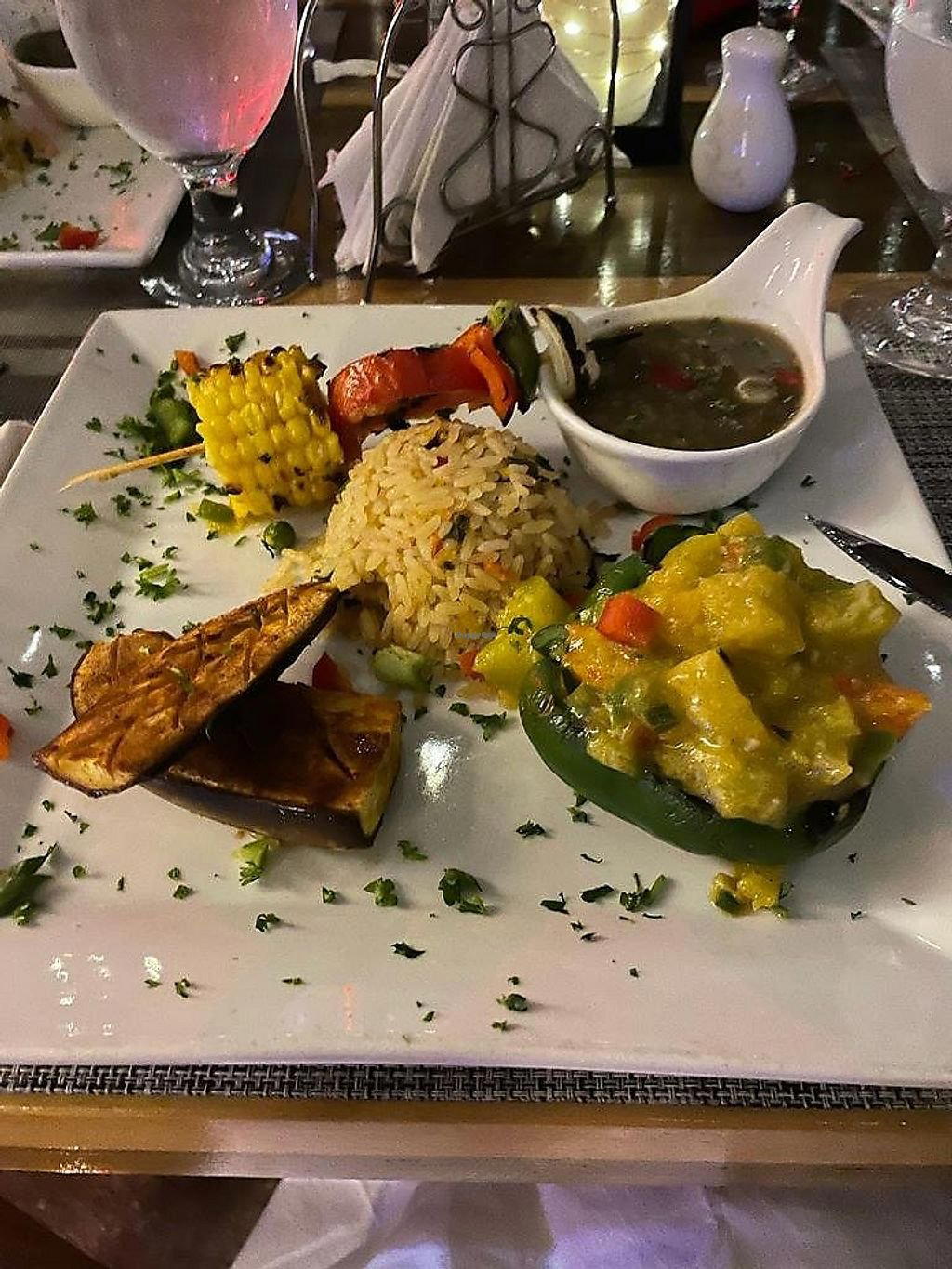
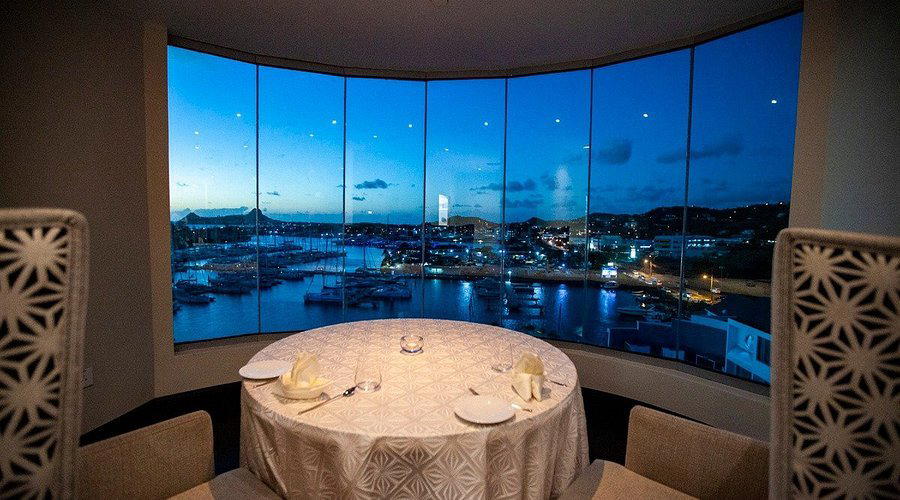
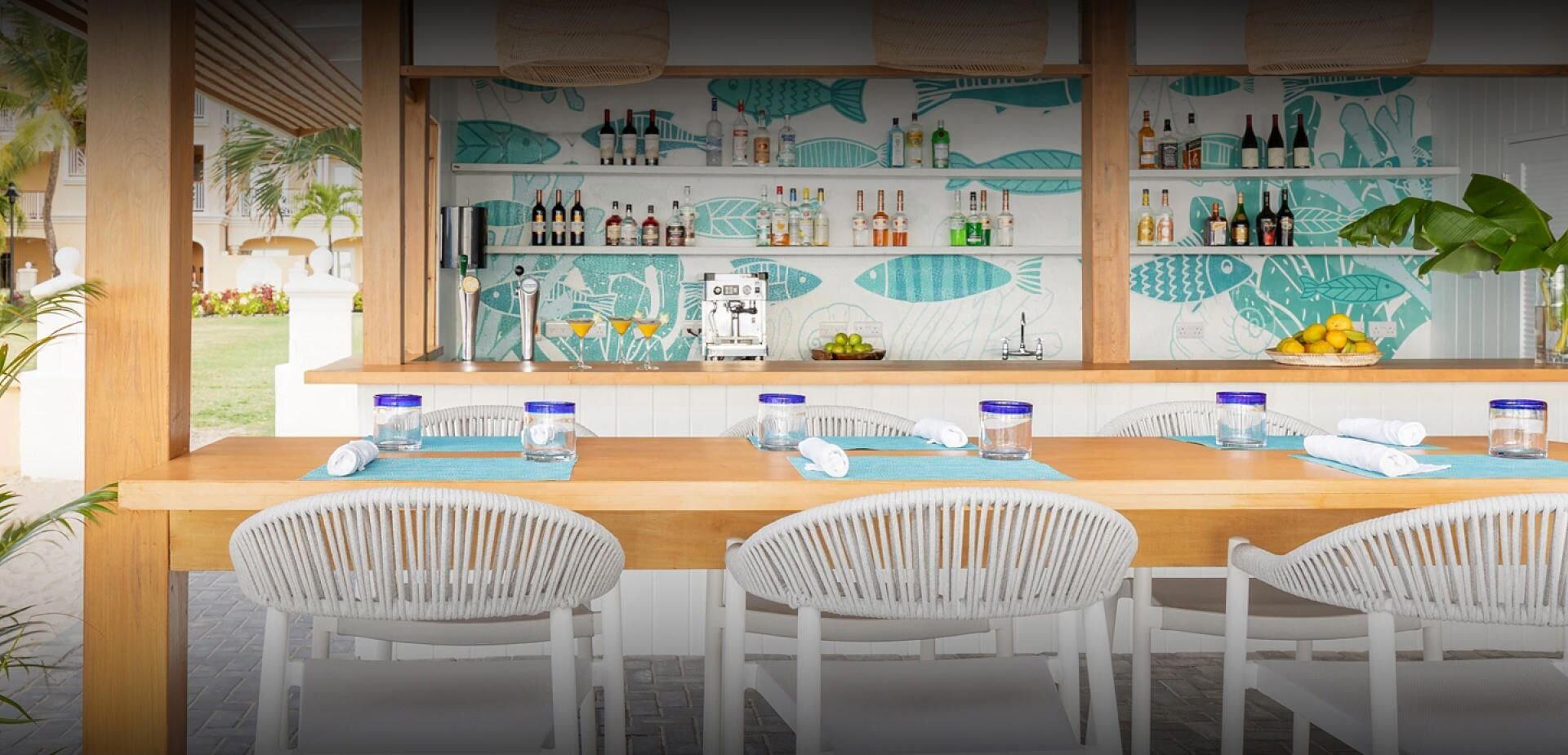
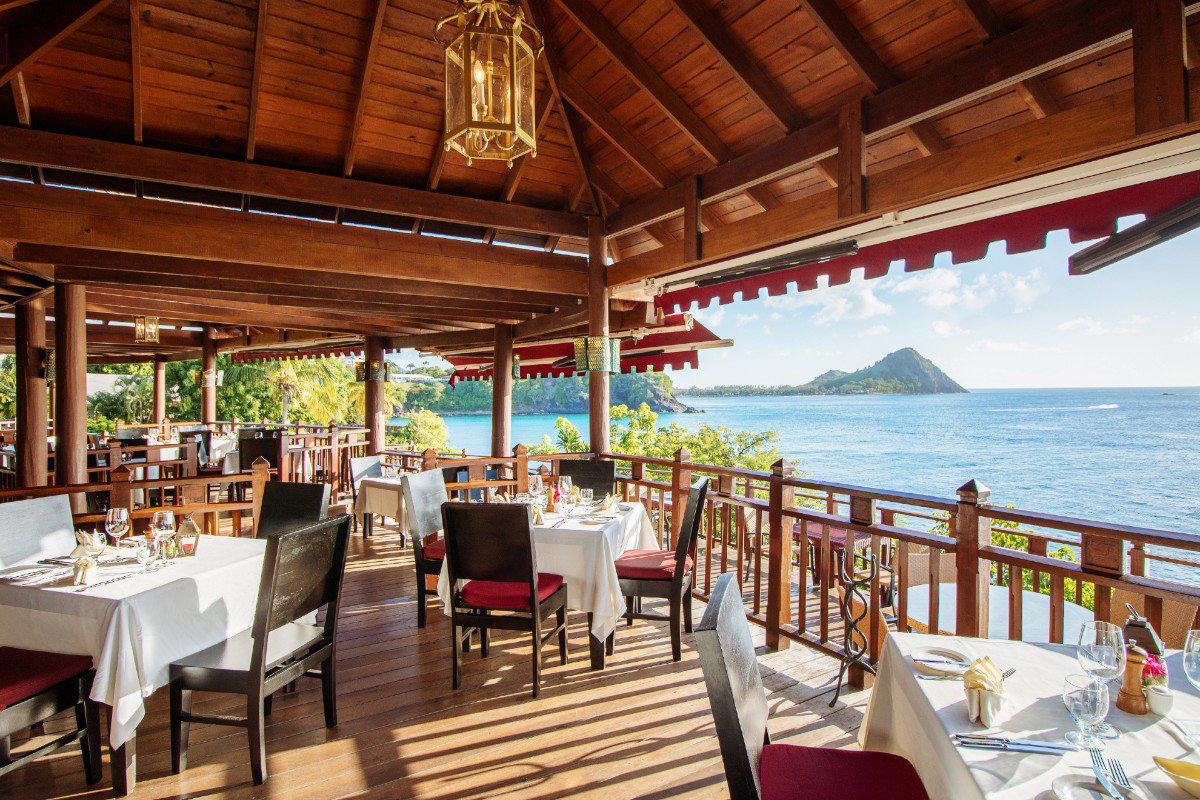
Bars in Charlotte
Browse all →
Details
- Cozy
- Lively
- Casual Hangout
- Family
- Craft Cocktails
- A La Carte
- Small Plates
- Cocktails
Current opening hours
- Monday
- 7 AM–12 AM
- Tuesday
- 7 AM–12 AM
- Wednesday
- 7 AM–12 AM
- Thursday
- 7 AM–12 AM
- Friday
- 7 AM–12 AM
- Saturday
- 7 AM–12 AM
- Sunday
- Closed
Hours can change for holidays and private events. Hours as of .
Cozy and friendly local atmosphere with lively music.