The Cliff at Cap



The Cliff at Cap sits above Smugglers Cove Road in Gros Islet, serving Caribbean-French fusion under Chef Craig Jones with a wine list of 350 selections and 2,800 bottles in inventory. The Gobat Family property draws serious wine attention alongside its lunch and dinner service, with sommelier Harvey Sutterfield managing a cellar that prices accessibly by Caribbean resort standards.
Pearl is the En Primeur Club membership app — saves, bookings, and concierge access live there. Same editors, same standards.
- Address
- Smugglers Cove Rd Gros Islet, St. Lucia
- Phone
- +1 758-457-8681
- Website
- thecliffatcap.com
- Directions
- Get directions
 Saves & bookings on Pearl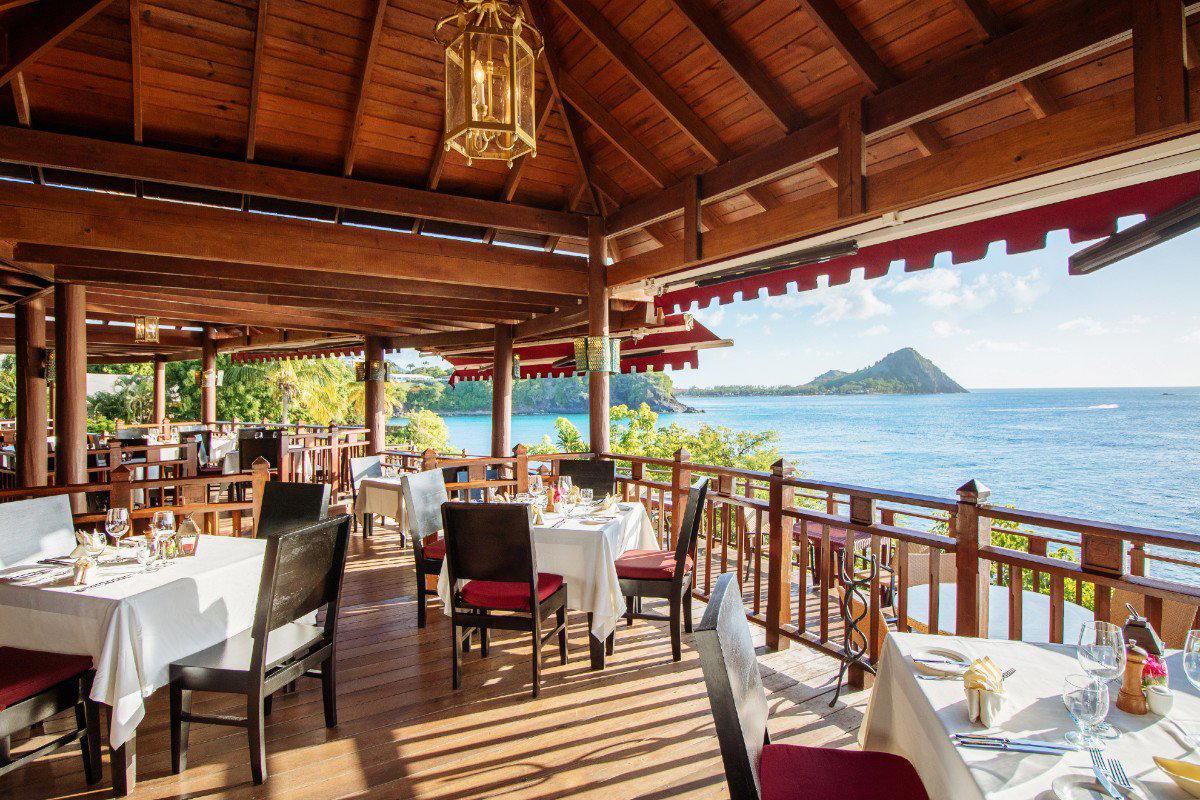
Where the Caribbean Meets the French Atlantic
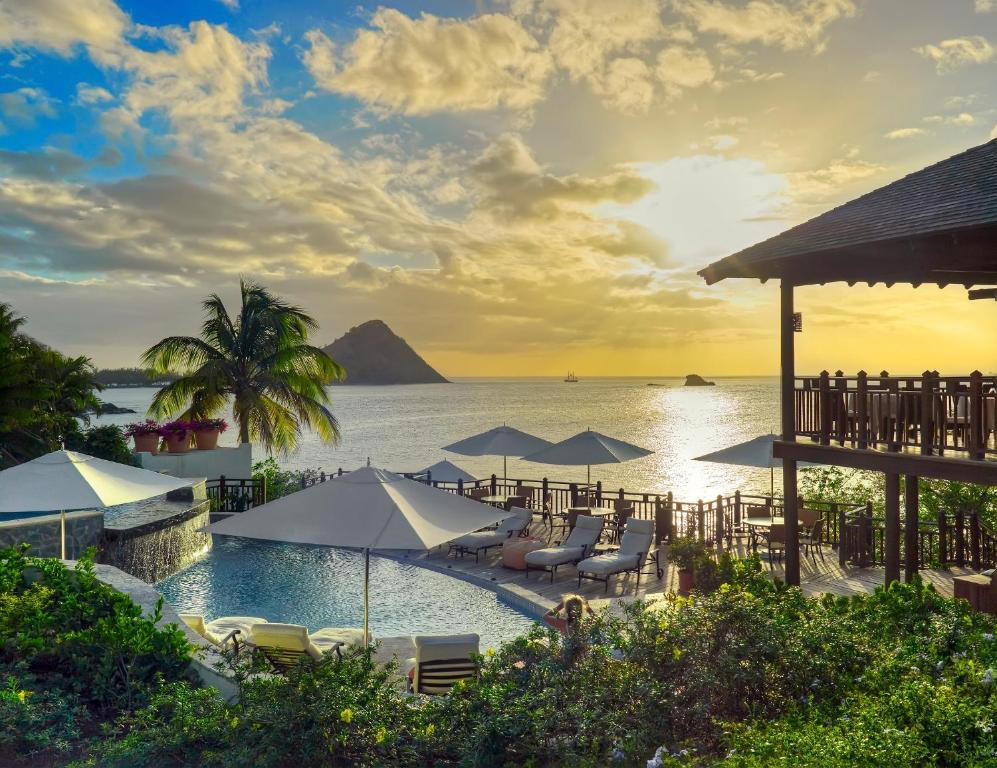
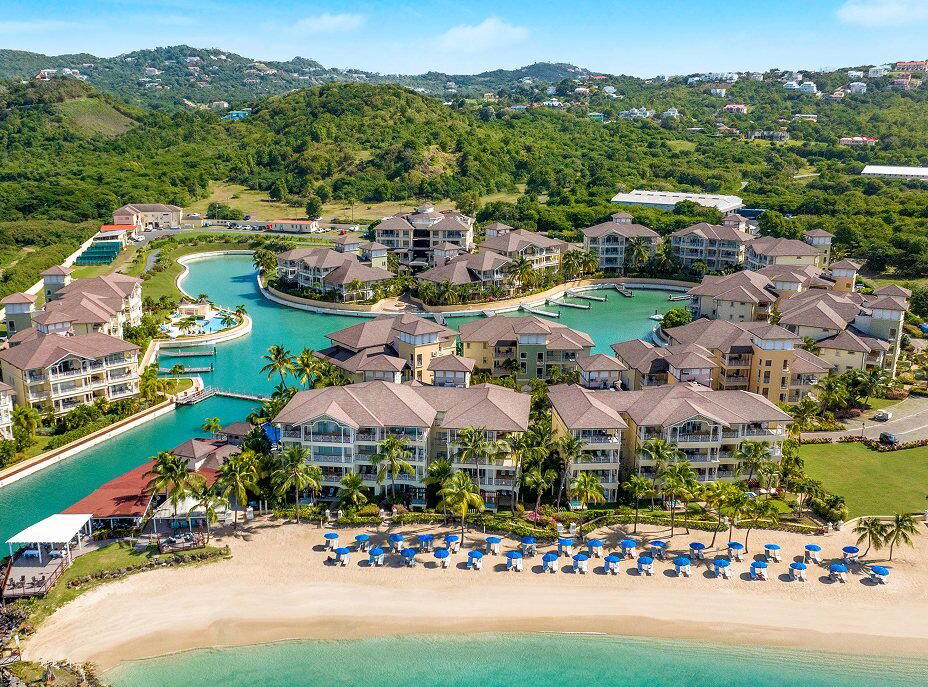
The approach to Smugglers Cove Road already signals that the experience will be anchored in landscape as much as cuisine. The northern tip of St. Lucia, around Cap Estate and Gros Islet, sits apart from the island's more heavily trafficked resort corridors. The density thins, the road climbs, and the ocean appears at angles that remind you how refined this part of the island sits above sea level. At The Cliff at Cap, the physical position is not incidental — it frames everything from how natural light falls across a table at lunch to how the horizon looks during an evening sitting.
That combination of altitude, sea views, and relative seclusion defines a specific tier of dining in the Eastern Caribbean. Visitors accustomed to resort restaurants in Barbados or the USVI will recognise the format: a serious kitchen, a formal-ish wine program, and a room that earns its prices through setting as much as through cooking. What distinguishes The Cliff at Cap within that tier is the particular pairing of Caribbean-French fusion under Chef Craig Jones with a wine operation that functions at a level beyond what most Caribbean island restaurants attempt.
The Kitchen's Frame of Reference
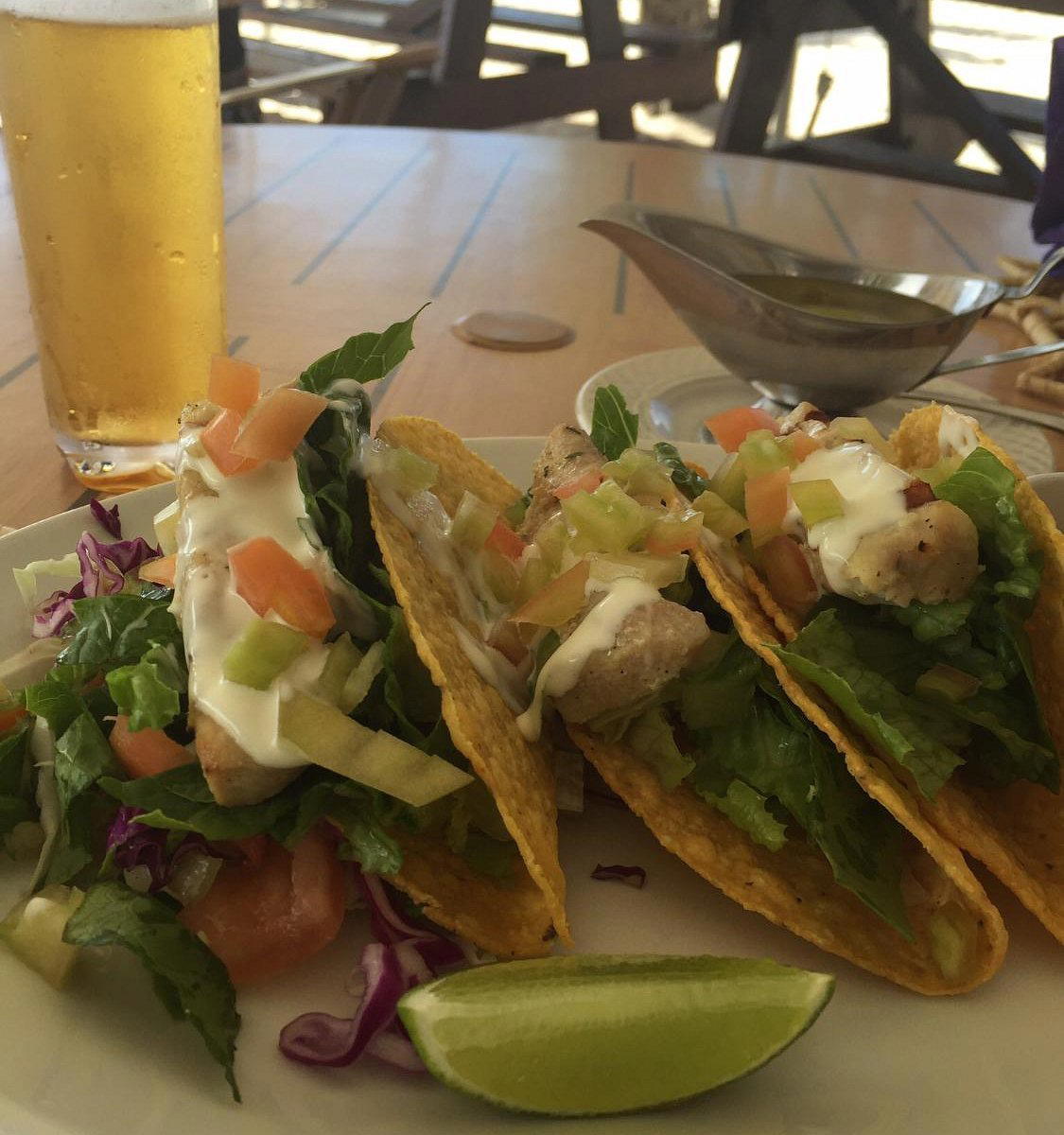
Caribbean-French fusion as a culinary category carries a mixed reputation. At its weakest, it means a coconut sauce dropped onto an otherwise unremarkable French bistro plate. The more considered version draws on the structural logic of classical French technique — precise saucing, disciplined sourcing, respect for the protein, and applies it to ingredients and flavour profiles that are genuinely regional. St. Lucia's culinary tradition includes breadfruit, callaloo, saltfish, green figs, and an abundance of fresh catch from both Atlantic and Caribbean-facing waters. The French colonial history of the island, one of fourteen times it changed hands between the British and the French, left a culinary imprint that still reads in Creole seasoning traditions and cooking methods. A kitchen that takes both sides of that lineage seriously has genuinely interesting raw material to work with.
Chef Craig Jones operates within that tradition rather than simply referencing it. The details of his training are not in the public record, but the framework he works inside, Caribbean produce, French structure, mid-tier pricing, places The Cliff at Cap in a category that parallels properties like Cap Maison Resort & Spa in Cap Estate, where Caribbean-French fusion also anchors the menu. Across the broader region, restaurants such as Bwa Denn in Portsmouth and Curtain Bluff Resort in Old Road operate in adjacent territory, while further afield Villa Bokéh in Antigua represents how the Caribbean-fusion format has evolved across the island arc. The Cliff at Cap holds its own within that conversation through the wine program as much as through the food.
A Wine List That Changes the Calculation
The wine program at The Cliff at Cap is, by any Caribbean standard, a serious operation. A cellar of 2,800 bottles, a list of 350 selections, and strengths in France, Italy, and California places this well beyond what most island restaurants maintain. Wine Director Robinson George and Sommelier Harvey Sutterfield manage a program with meaningful depth, the kind of depth that becomes relevant when you consider what a bottle list of that scale actually requires in terms of sourcing, logistics, and storage in a tropical climate.
Pricing sits at the mid tier ($$) by the list's own internal measure, meaning there is a range across price points rather than a uniform premium. A corkage fee of $20 applies for guests who bring their own bottles, which is a reasonable figure by comparison to what similar-calibre restaurants charge in other markets. For context: restaurants in the $150-plus-per-cover range in New York, venues like Le Bernardin or Atomix, typically charge $35–$75 for corkage. At The Cliff at Cap, the $20 figure suggests the policy is designed to keep guests engaged with the room rather than to function as a revenue barrier. Guests with a specific bottle in mind, or those travelling with wine, should factor that number into their planning.
France, Italy, and California represent the traditional triumvirate for fine-dining lists globally. That the same framework applies here, rather than a list skewed toward New World or bulk-import categories, reflects a deliberate positioning. It aligns The Cliff at Cap with what wine-literate diners expect from a serious restaurant anywhere, from Alain Ducasse's Louis XV in Monte Carlo to Alléno Paris at Pavillon Ledoyen, where the cellar is understood as a parallel editorial voice to the kitchen.
Setting and Service
The Gobat Family ownership sits behind the property, and General Manager Ross Stevenson oversees the front-of-house operation. Family-owned properties in the Caribbean tend to run with a different rhythm than large international resort groups: accountability tends to be more direct, the team more consistent, and the long-term relationship with the property more embedded in how decisions get made. That structure shapes the service register at The Cliff at Cap, which operates at the calibre required to support both a serious wine program and a kitchen pitched at French-Caribbean fusion.
Lunch and dinner are both served, which is worth noting for guests planning around the northern St. Lucia coastline. Lunch at a clifftop restaurant with full Atlantic exposure is a different proposition from dinner, and the two sittings draw different audiences and light conditions. Guests visiting from elsewhere on the island should account for drive time along the Cap Estate roads, which are more navigable by day than at night.
For readers building a complete picture of the area's food and drink options, the full Gros Islet restaurants guide covers the broader scene. Those planning a longer stay in the north will find relevant context in the Gros Islet hotels guide, and the bars guide maps out the more casual end of the drinking scene. Readers with an interest in the island's wine and beverage culture more broadly can consult the wineries guide and experiences guide for additional orientation.
How The Cliff at Cap Gros Islet compares with similar nearby venues.
| Venue | Cuisine |
|---|---|
| The Cliff at Cap | Caribbean Fusion |
| Cap Maison Resort & Spa | Caribbean Fusion |
| Bwa Denn | Caribbean Fusion |
Recognition history
Dated appearances from independent guides and award organizations, with the underlying list record or original source where available.
Relais Chateaux Award
Relais Chateaux
Wine Spectator Best of Award of Excellence
Wine Spectator
World Culinary Awards Saint Lucia's Best Restaurant 2025 #1
World Culinary Awards
Continue exploring
More in Gros Islet
Restaurants in Gros Islet
Browse all →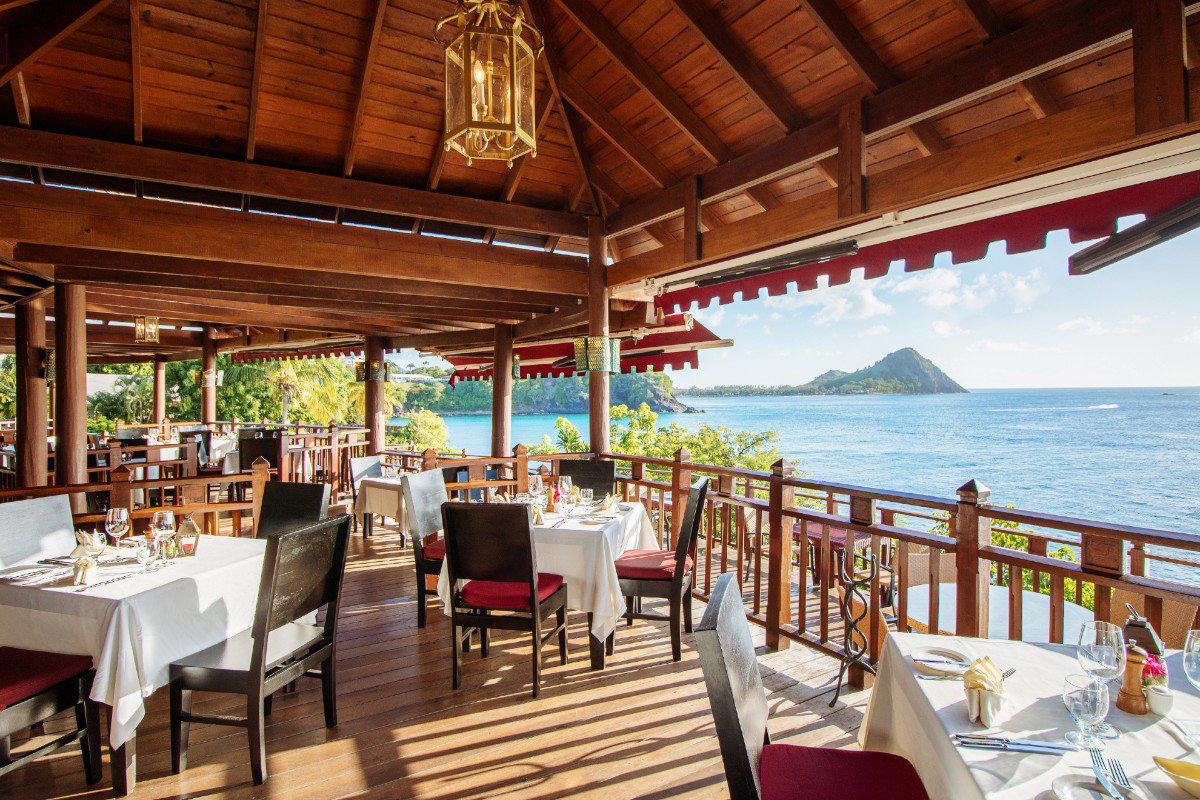
Bars in Gros Islet
Browse all →

At a Glance
- Romantic
- Elegant
- Scenic
- Sophisticated
- Intimate
- Date Night
- Special Occasion
- Celebration
- Waterfront
- Panoramic View
- Terrace
- Extensive Wine List
- Craft Cocktails
- Local Sourcing
- Waterfront
Current opening hours
- Monday
- 12:30–2:30 PM, 6:30–9:30 PM
- Tuesday
- 12:30–2:30 PM, 6:30–9:30 PM
- Wednesday
- 12:30–2:30 PM, 6:30–9:30 PM
- Thursday
- 12:30–2:30 PM, 6:30–9:30 PM
- Friday
- 12:30–2:30 PM, 6:30–9:30 PM
- Saturday
- 12:30–2:30 PM, 6:30–9:30 PM
- Sunday
- 12:30–2:30 PM, 6:30–9:30 PM
Hours can change for holidays and private events. Last verified .
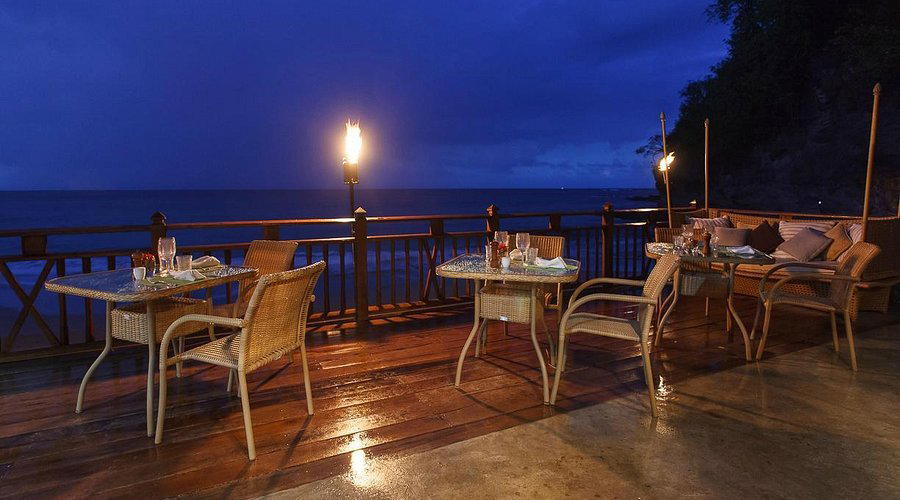
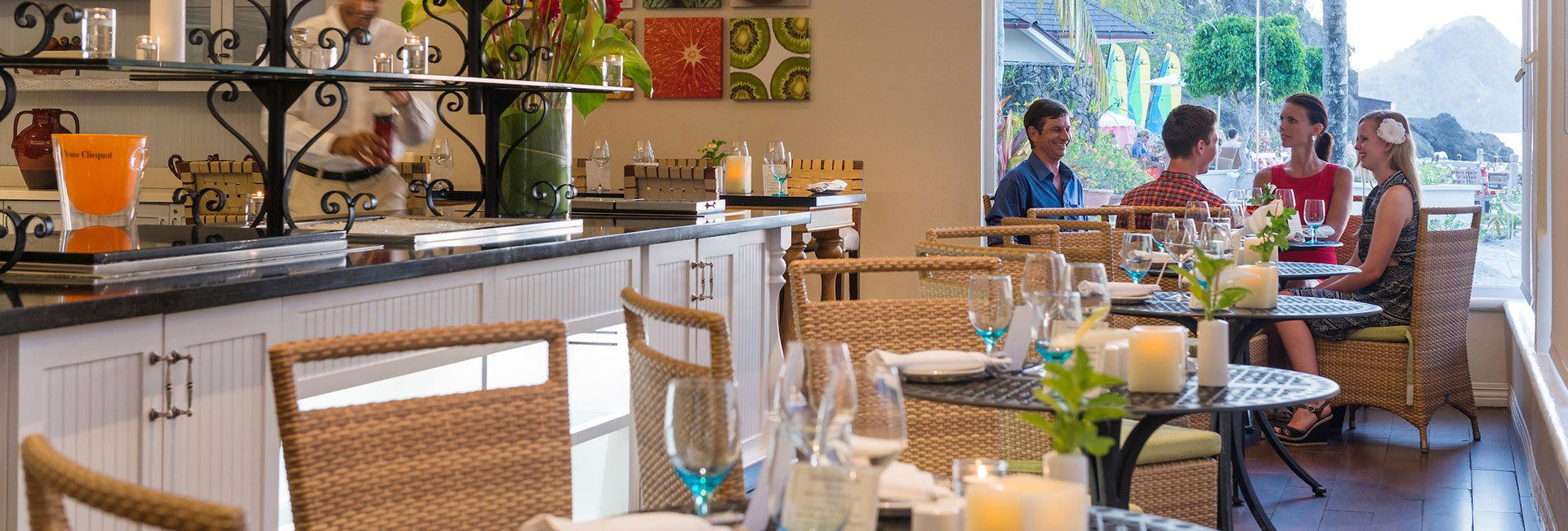
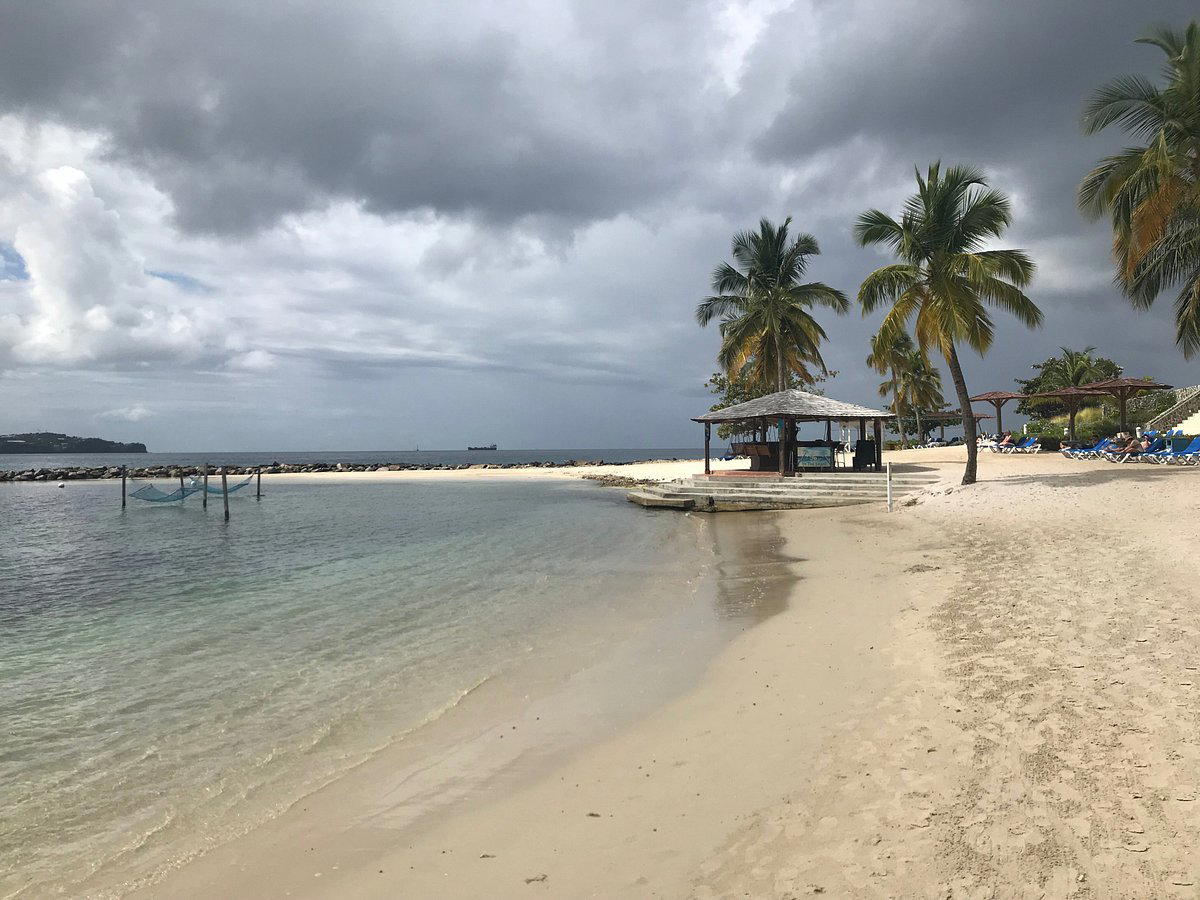
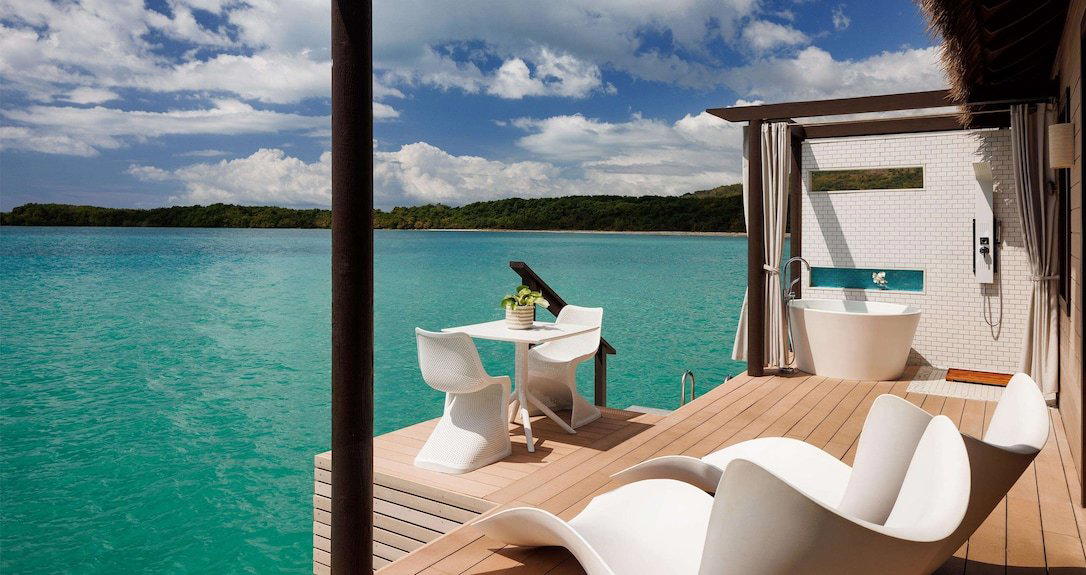
Elegant and romantic atmosphere with dramatic ocean views, complemented by the sound of waves and occasional live music.