Jambe de bois
Our verdict
Jambe de bois sits in the heart of Rodney Bay, where St. Lucia's Caribbean kitchen tradition meets the produce rhythms of the island's north. The name, French for 'wooden leg', carries the patois-inflected history of a coastline shaped by competing colonial kitchens. For visitors working through the Rodney Bay dining circuit, it represents a locally rooted alternative to the resort-facing options nearby.

Pearl is the En Primeur Club membership app, where members save venues, book tables and use the concierge.
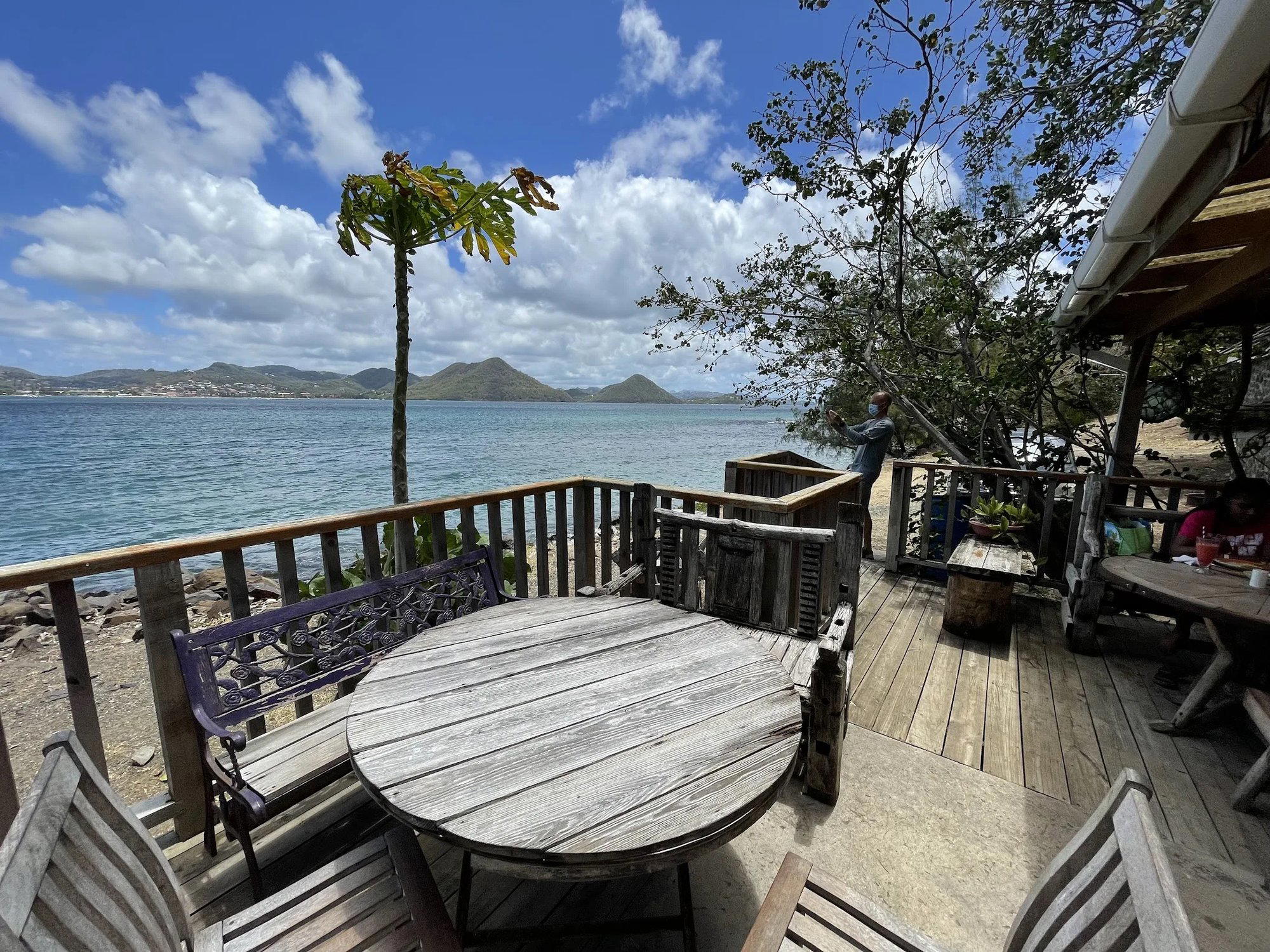
Where the Caribbean Kitchen Meets the Island's North
Rodney Bay operates as St. Lucia's most commercially developed dining corridor, a stretch where international resort menus and open-air beach bars run side by side. Within that mix, a smaller category of restaurants pulls more directly from the island's agricultural and fishing traditions rather than from a broader Caribbean-resort template. Jambe de bois sits in that category. The name itself, French for 'wooden leg,' a nod to the patois-inflected history that shaped this coastline through centuries of French and British occupation, signals a sensibility that leans into local identity rather than away from it.
Arriving in Rodney Bay from Castries, the geography shifts from dense urban activity to a marina-fronted leisure zone, with the lagoon on one side and the Gros Islet strip on the other. This is where St. Lucia's north concentrates its visitor infrastructure, and where the question of what 'local' dining actually means becomes more complicated. Resort-facing kitchens at properties like Cap Maison Resort & Spa in Cap Estate and The Cliff at Cap in Gros Islet work within a Caribbean Fusion format that draws on island produce but frames it through a luxury hospitality lens. Jambe de bois occupies a different register, less architectural spectacle, more ground-level engagement with the food traditions that predate the tourism economy.
The Sourcing Argument: What St. Lucia's Kitchen Actually Has to Work With
St. Lucia's agricultural profile is unusually strong for an island of its size. The interior runs to volcanic soil that supports breadfruit, dasheen, plantain, and a range of root vegetables that form the base of Creole cooking. The Atlantic-facing east coast and the calmer Caribbean-side waters around Rodney Bay both produce fresh catches, red snapper, mahi-mahi, sea bream, and lobster in season, that move quickly from boat to kitchen when a restaurant is close enough to the source. This is the competitive advantage available to any serious kitchen operating in the north of the island, and it is the variable that most separates Rodney Bay's better local restaurants from those importing protein or relying on standardized supply chains.
The Creole tradition that underpins St. Lucian cooking is itself a document of sourcing history: a cuisine assembled from what was available, what was grown under plantation conditions, and what arrived with each wave of migration. Callaloo, saltfish, green fig, and bouyon all carry that lineage. Kitchens that work within this tradition, rather than using it as occasional garnish on an otherwise continental menu, tend to have a more direct relationship with local growers and fishermen. That relationship is what produces the seasonal variation and the ingredient specificity that distinguish the food on the plate.
Across St. Lucia, the restaurants that have built this kind of sourcing depth range from the long-established The Coal Pot Restaurant in Castries to more community-rooted operations like Martha's Tables in Belle Vue and Big Yard in Palmiste. Each of these represents a different point on the spectrum between formal sit-down dining and local cookshop culture. Jambe de bois belongs to this broader map of island-rooted eating, set against the backdrop of Rodney Bay's more commercially driven strip.
Rodney Bay in Competitive Context
For a reader working through our full Rodney Bay restaurants guide, the decision architecture is roughly this: resort-integrated dining at the higher price points, waterfront casual at the mid-range, and local Creole kitchens for those prioritizing ingredient provenance and cultural context over setting polish. Jacques Waterfront Dining occupies a known position in the waterfront-casual bracket. Operations like Flavours Of The Grill in Bois D'Orange and Orlando's Restaurant & Bar fill other parts of the local eating spectrum.
Globally, the restaurants most celebrated for sourcing discipline, places like Atelier Moessmer Norbert Niederkofler in Brunico, with its Alps-only sourcing mandate, or Dal Pescatore in Runate, rooted in Po Valley produce for decades, demonstrate that geographical constraint, when embraced rather than apologized for, produces the most coherent food. The same logic applies on a smaller scale in St. Lucia, where the island's produce calendar and catch seasons are the natural architecture of a menu, not a marketing angle.
Planning a Visit
Rodney Bay is accessible from Hewanorra International Airport in the south via a drive of roughly ninety minutes, or from George F.L. Charles Airport in Castries in under thirty minutes, making it the practical base for most northern itinerary planning. The marina area where Jambe de bois operates is walkable from most of the bay's accommodation, which removes the need for transfers in the evenings. Given that specific hours, pricing, and booking channels are not publicly listed at the time of writing, the most reliable approach is to confirm directly on arrival or through your accommodation concierge, a standard approach for smaller independent restaurants across the Caribbean that do not maintain active web presences.
For those building a wider St. Lucia eating itinerary, the island rewards spreading visits across districts. SMO Wellness in Soufriere and Hardest Hard Restaurant & Bar in Charlotte represent the southern and central alternatives for readers who want a fuller picture of how St. Lucian food culture varies by geography.
Frequently asked questions
Is Jambe de bois suitable for children?
Rodney Bay is one of St. Lucia's most family-frequented areas, and restaurants in this corridor generally accommodate groups across age ranges. The Rodney Bay address puts it within easy reach of family-oriented accommodation along the strip.
What's the vibe at Jambe de bois?
Jambe de Bois sits in Rodney Bay, the north of St. Lucia that runs the widest range of dining tones on the island, from resort-polished to open-air local. The name itself, French Creole, rooted in the island's colonial and plantation history, points toward a venue with some local cultural positioning rather than a generic resort-facing operation. Expect a Caribbean rather than international atmosphere.
How does Jambe de Bois compare to other locally-rooted restaurants in Rodney Bay?
Rodney Bay's dining corridor skews heavily toward resort-integrated menus and international formats, which means a venue with French Creole naming like Jambe de Bois occupies a different register from the majority of the strip. St. Lucia's Creole culinary tradition draws on African, French, and indigenous Arawak influences, a kitchen working within that framework is doing something structurally different from the beach-bar and resort-buffet operations that dominate the area. For travellers building a Rodney Bay itinerary, that distinction is worth investigating directly with the venue.
What's the best thing to order at Jambe de bois?
What St. Lucia's kitchen does well at this latitude is fish, dasheen, breadfruit, and produce from the island's volcanic interior soils, any kitchen in Rodney Bay drawing on local sourcing will reflect that agricultural profile.
What's the address for Jambe de bois?
Jambe de bois is located at 32RP+Q52, Rodney Bay, St. Lucia, Rodney Bay.
What's the best way to book Jambe de bois?
The venue is located at the Rodney Bay address 32RP+Q52, that coordinates string is searchable in Google Maps and will surface contact options or directions. For a venue in this corridor, walking in during shoulder hours is a reasonable fallback if remote booking proves difficult.
What's the signature at Jambe de bois?
The venue's Rodney Bay location places it within reach of St. Lucia's strongest local produce: the island's interior supports breadfruit, dasheen, and seasonal fish that form the backbone of Creole cooking at this end of the Caribbean. A kitchen working that supply chain is where the most distinctive plates tend to come from in this corridor.
A Quick Peer Check
| Venue | Cuisine | Price | Awards | Notes |
|---|---|---|---|---|
| Jambe de boisThis venue (the venue you are viewing) | Caribbean Seafood | $20–30 | Not listed | Not listed |
| Cap Maison Resort & Spa | French-Caribbean Fusion | $100–150 | Relais Chateaux Award | Caribbean Fusion |
| The Cliff at Cap | French-Caribbean Fusion | $100–150 | Relais Chateaux Award · Wine Spectator Best of Award of Excellence | Caribbean Fusion |
| Jacques Waterfront Dining | French-Caribbean Fusion | $50–100 | Not listed | Not listed |
| Big Yard | St. Lucian Caribbean BBQ | $10–20 | Not listed | Not listed |
| Flavours Of The Grill | Caribbean Grill | $20–30 | Not listed | Not listed |
Continue exploring
More in Gros Islet
Restaurants in Gros Islet
All restaurants in Gros Islet →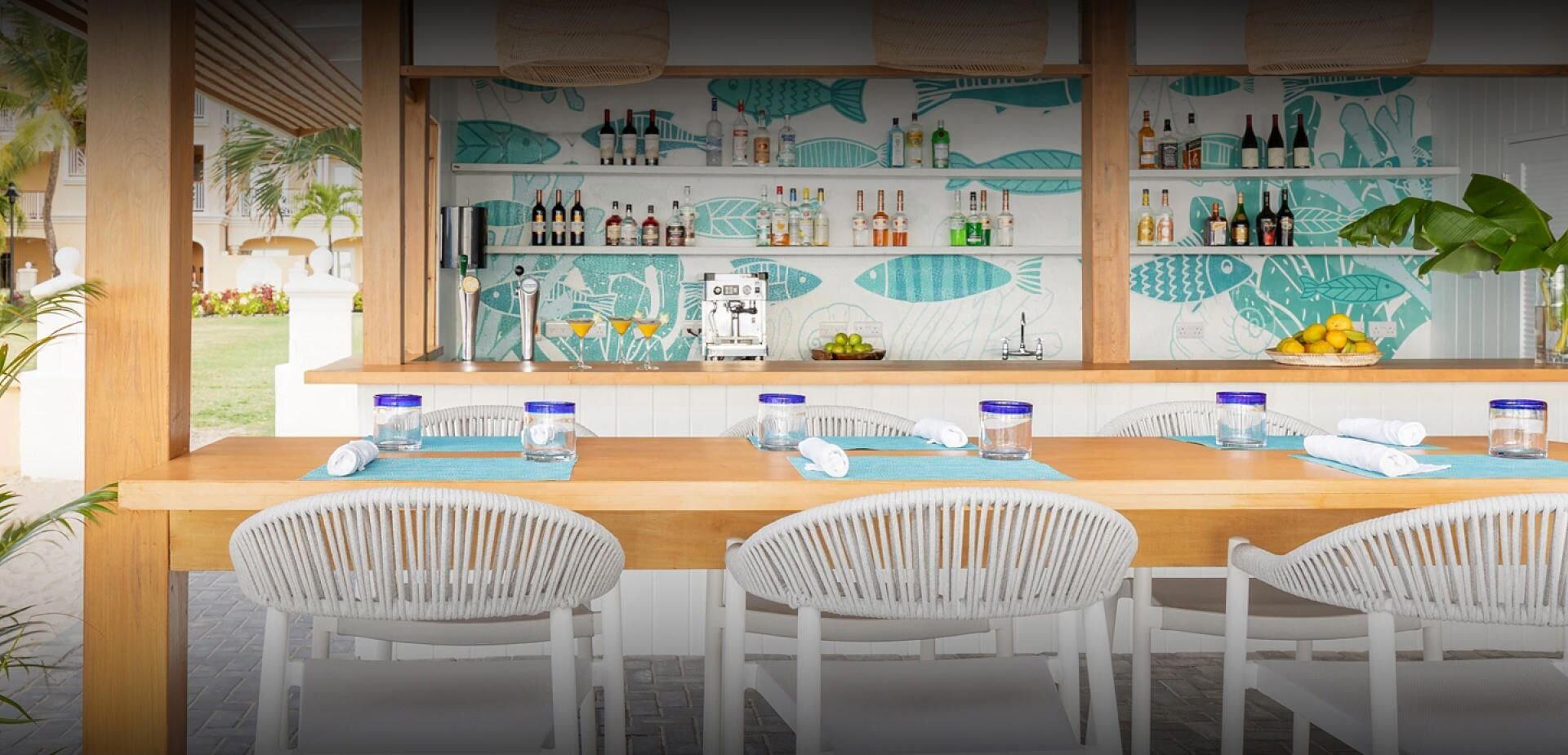
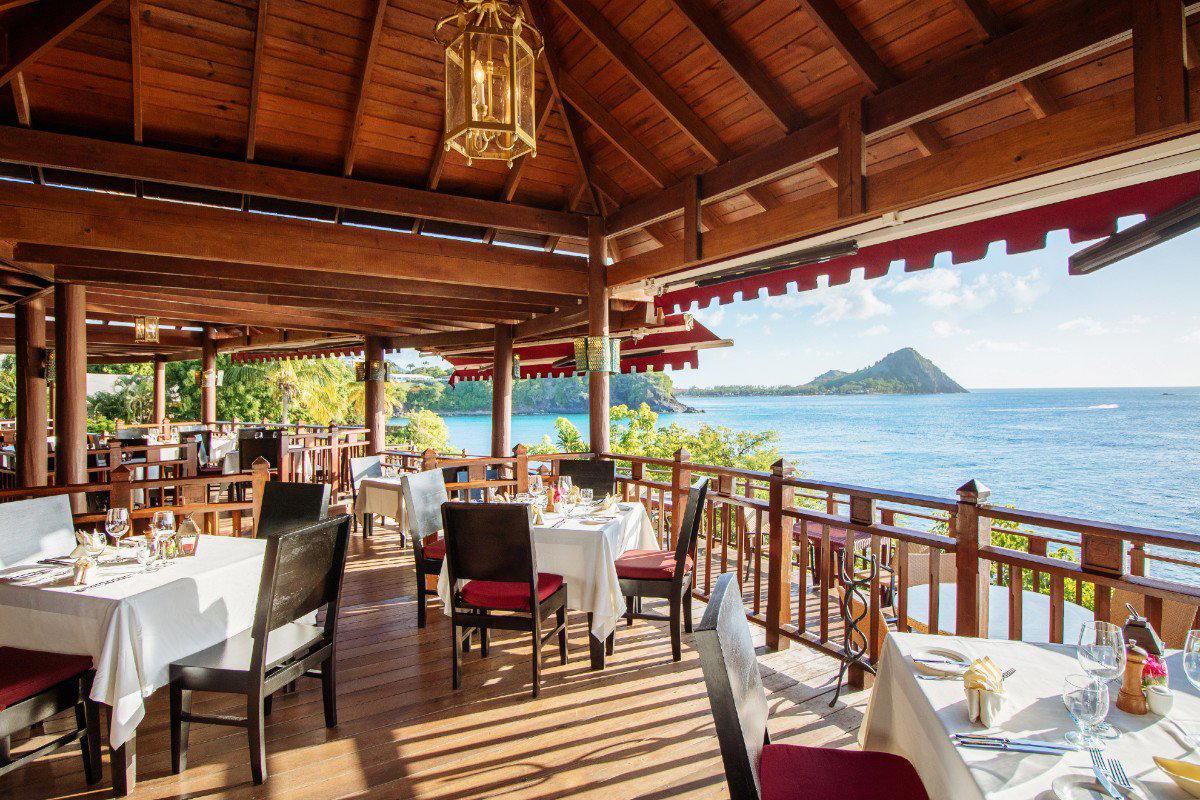
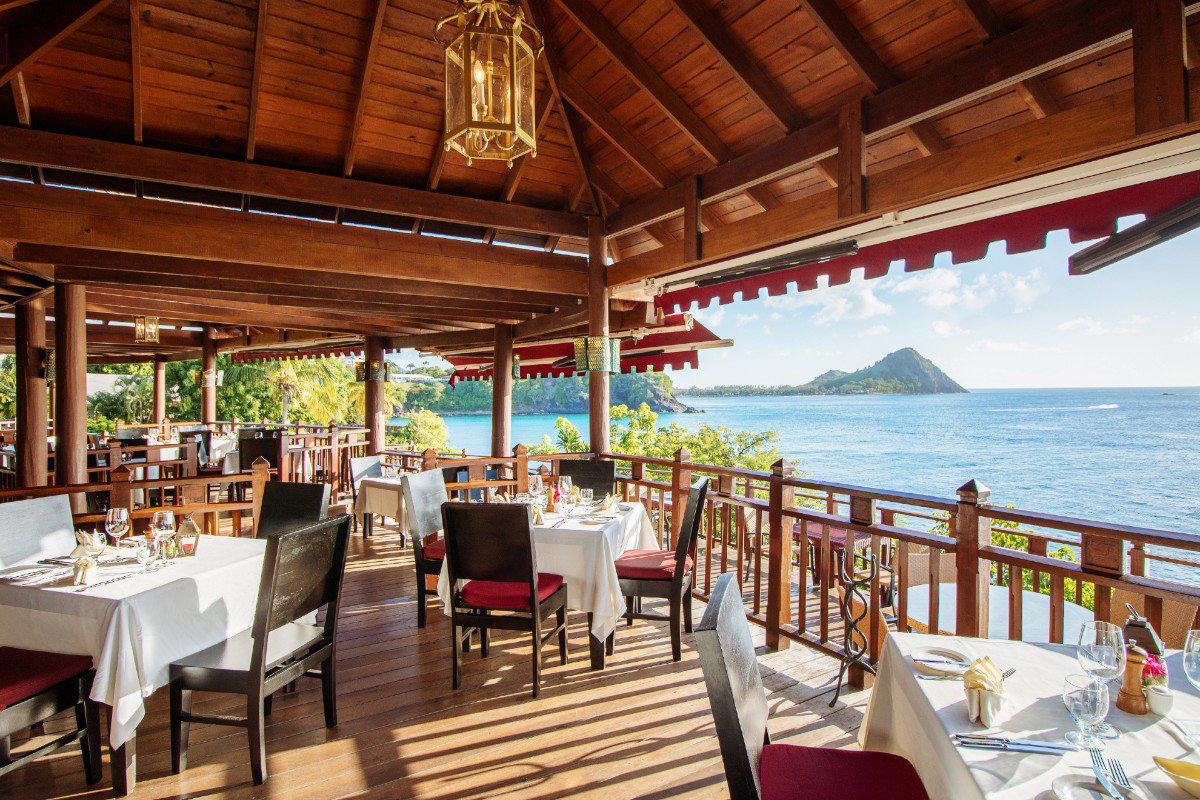
Bars in Gros Islet
Browse all →
Details
- Lively
- Scenic
- Rustic
- Casual Hangout
- Brunch
- Waterfront
- Live Music
- Waterfront
- A La Carte
- Rum Punches
- Frozen Margaritas
- Vegetarian Friendly
- Vegan Options
- Gluten Free Options
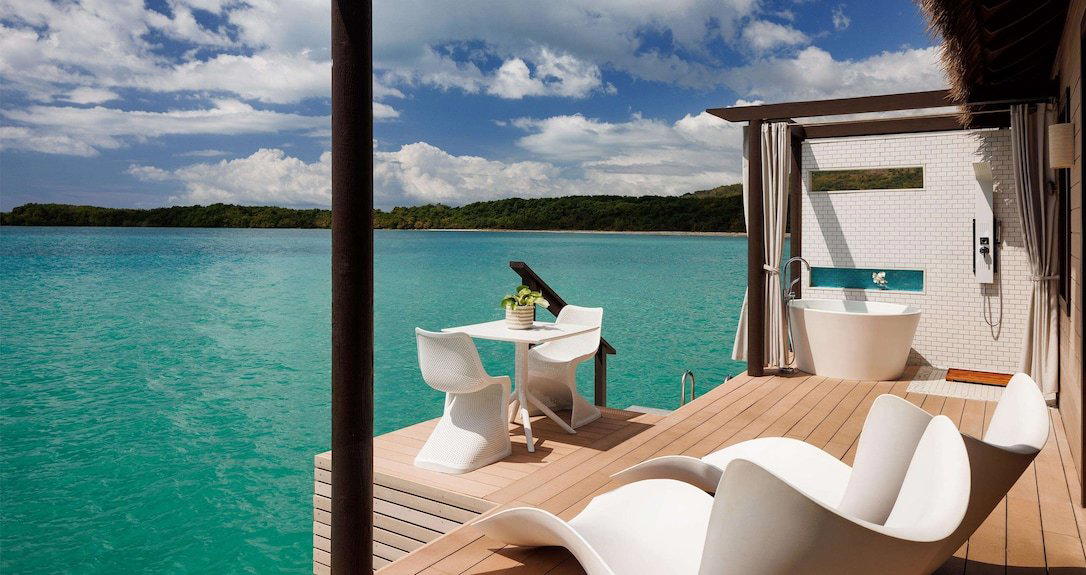
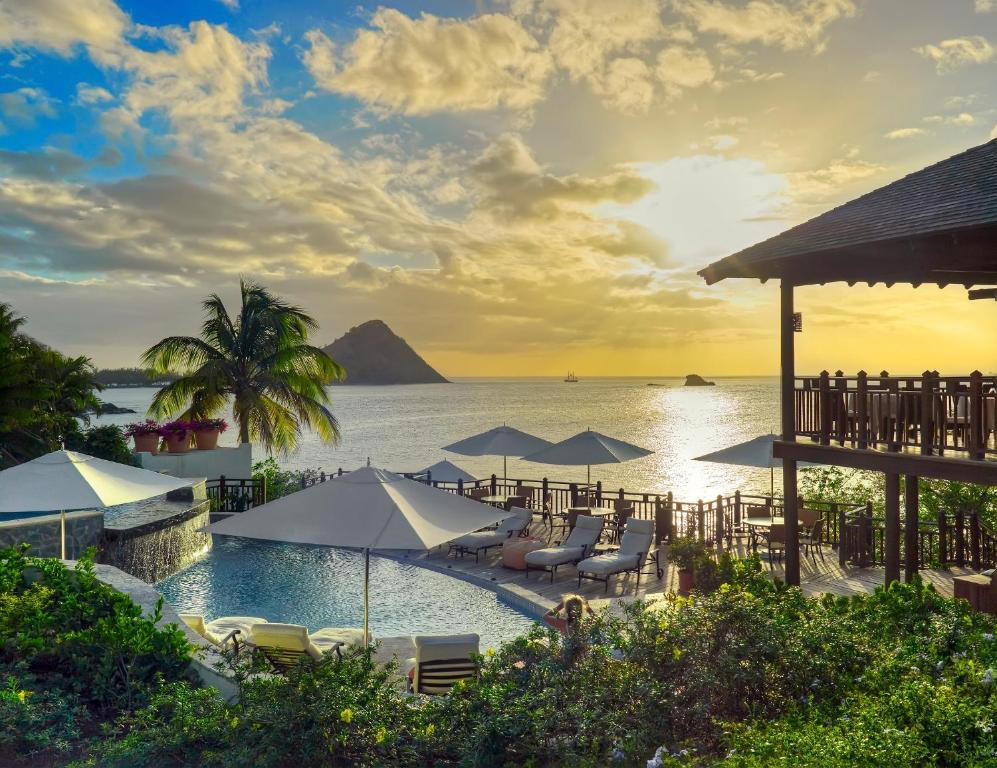
Charming beachfront deck with lively, warm island hospitality and picturesque ocean setting.