Our verdict
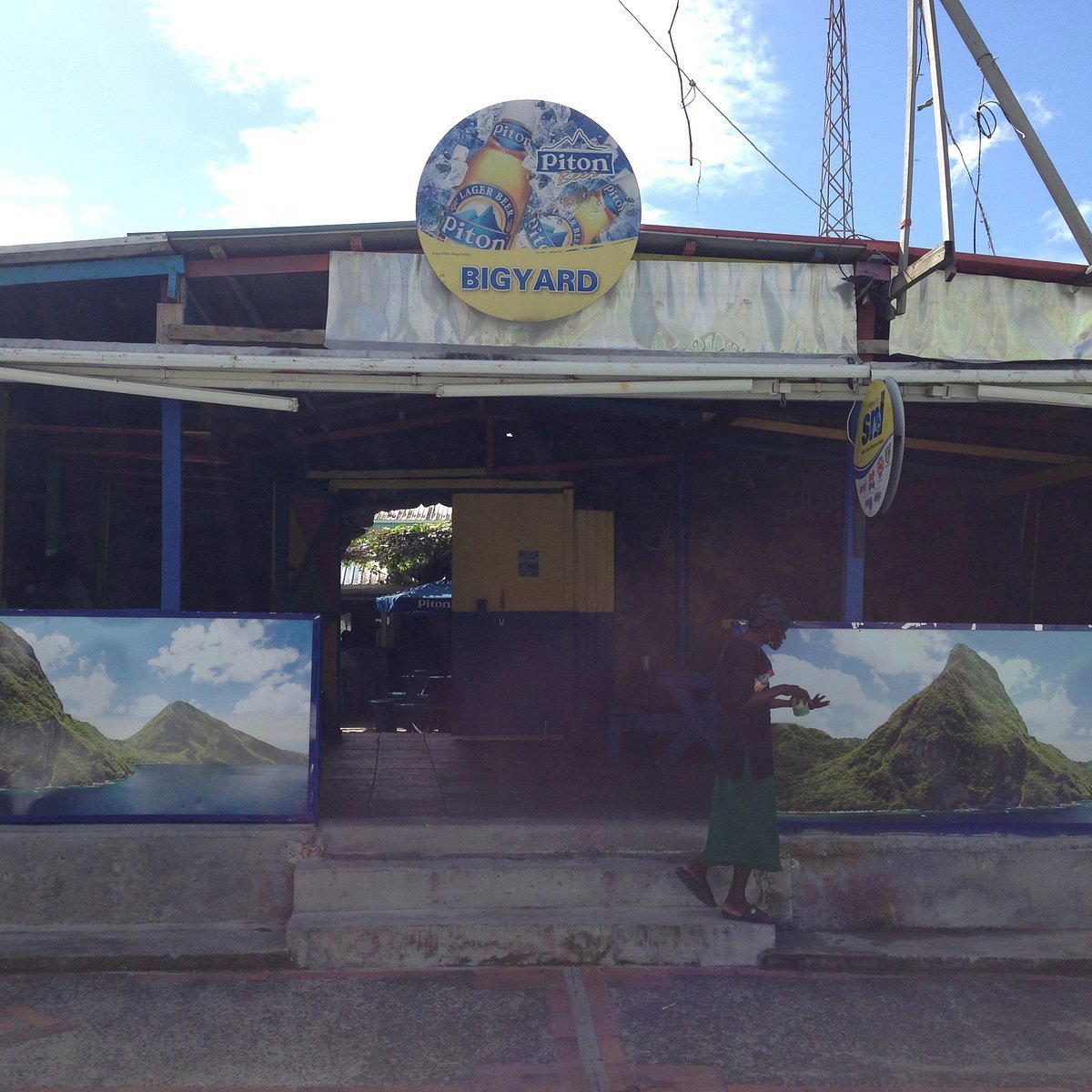
Big Yard sits in Palmiste, a village in St. Lucia's Soufrière district where the island's agricultural interior shapes what ends up on the plate. The setting reflects the working rhythms of a community far removed from the resort corridor, placing it in the same tier as locally-rooted spots across the island. For travellers seeking a grounding in how St. Lucians actually eat, this is the area to focus on.

Pearl is the En Primeur Club membership app, where members save venues, book tables and use the concierge.
The menu
What to order
- BBQ chicken
Where Soufrière's Interior Meets the Table
St. Lucia's dining conversation tends to orbit the resort strip around Rodney Bay and Cap Estate, where venues like Cap Maison Resort & Spa in Cap Estate and The Cliff at Cap in Gros Islet compete on a Caribbean Fusion register aimed squarely at international visitors. Palmiste, tucked into the Soufrière district inland from the island's volcanic southwest, operates on a different register entirely. The villages here are not staging grounds for tourism; they are working communities whose food culture is shaped by proximity to some of St. Lucia's most productive growing land, the fishing grounds off the southern coast, and a tradition of cooking that has never needed to perform for an outside audience.
Big Yard sits on Sir Darnley Alexander Street in Palmiste, an address that places it firmly within the fabric of the community rather than at its edge. Approaching along the district's narrow roads, the landscape shifts from coast-facing hillside to interior village in a matter of kilometres. The air is heavier and greener here, carrying the smell of soil and woodsmoke that marks the agricultural parishes of the Soufrière hinterland. These are the conditions that define what community-rooted eating looks like on this part of the island.
The Sourcing Logic of Soufrière
The case for eating in Soufrière's interior parishes rather than along the resort corridor comes down, in large part, to ingredient proximity. The volcanic soils around Soufrière are among the most fertile in the Caribbean, supporting dasheen, breadfruit, plantain, callaloo, and a range of root vegetables that form the backbone of Creole cooking in St. Lucia. Fishing communities along the southwestern coast bring in fresh catch including red snapper, mahi-mahi, and jackfish that travel short distances before they reach a kitchen. At the level of community spots in Palmiste, that supply chain is short and direct in a way that is structurally difficult for larger resort operations to replicate.
This sourcing model matters not as a marketing claim but as a culinary reality. The flavour profile of dasheen roasted hours after it was pulled from Soufrière-district soil is measurably different from produce that has spent days in cold chain logistics. Community kitchens in villages like Palmiste are positioned to work with those short supply chains as a matter of practical geography, not intention. The result is food where the raw ingredients carry more of the work. Compare this to the approach taken by farm-to-table-minded restaurants far afield, such as Atelier Moessmer Norbert Niederkofler in Brunico or the produce-led philosophy at Dal Pescatore in Runate, where sourcing from a defined territory is treated as a formal commitment. In Palmiste, it is simply the default condition of the place.
Palmiste in the Context of the Island's Community Dining Tier
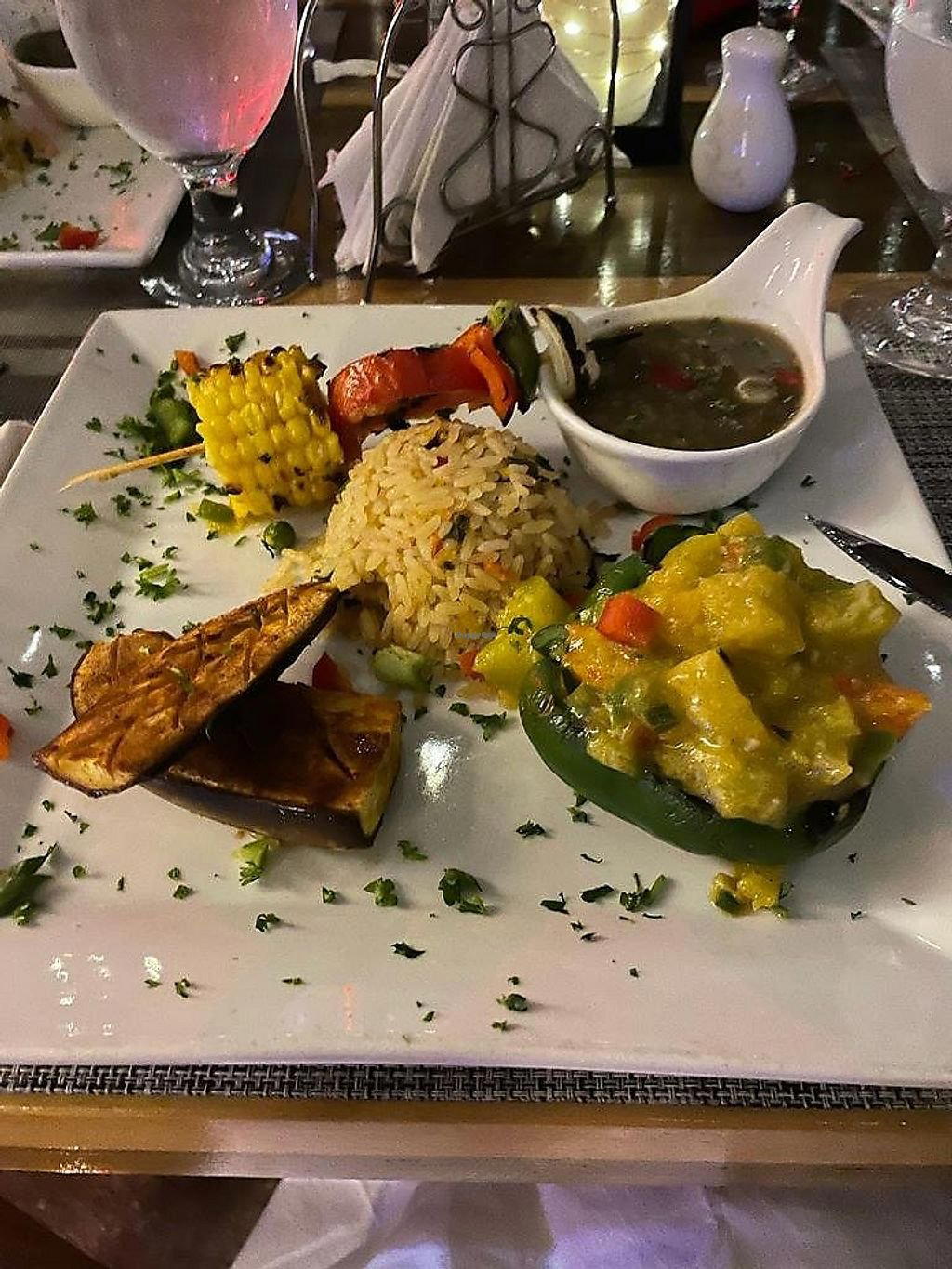
St. Lucia's community-level dining scene is more layered than the resort-focused editorial coverage suggests. Alongside Big Yard in Palmiste, the island's neighbourhood food culture includes spots like Jah Lamb's Vegetarian in the same village, which operates in the plant-based tradition rooted in Rastafarian Ital cooking and draws on the same district's produce. Further up the island, SMO Wellness in Soufriere represents the health-conscious end of the local food spectrum, while Martha's Tables in Belle Vue and Orlando's Restaurant & Bar extend the community-rooted format into other parishes. These venues collectively represent a tier of St. Lucian eating that does not compete with resort dining on price or presentation, but operates with a different kind of authority.
For visitors oriented toward places like The Coal Pot Restaurant in Castries or Hardest Hard Restaurant & Bar in Charlotte, Palmiste represents a deliberate detour from the polished end of St. Lucian dining. It is the kind of detour that tends to produce the clearer picture of how a place actually eats. See our full Palmiste restaurants guide for the broader context of eating in this village.
Planning a Visit to the Soufrière Interior
Reaching Palmiste from the resort corridor around Rodney Bay requires either a rental car or a pre-arranged transfer, as the village is not served by scheduled tourist transport. The drive from Castries takes roughly an hour via the west coast road, passing through the Soufrière district and giving a ground-level view of the banana and cocoa agriculture that defines this part of the island. Visitors combining a southern itinerary with a trip to the Sulphur Springs or the Piton peaks will pass through the Soufrière district in any case, making Palmiste a natural stop rather than a dedicated excursion. Lucia, where kitchen hours follow local rhythms rather than published schedules. Comparable informal venues in the area, such as those listed in our Palmiste guide, operate on similar patterns.
For travellers who want the resort-to-interior contrast in a single day, venues like Flavours Of The Grill in Bois D Orange Gros Islet or Jambe de bois in Rodney Bay provide a northern bookend to an itinerary that moves south through the Soufrière parishes. The contrast is instructive: the northern venues reflect what St. Lucian food looks like when it has been framed for international consumption; the Soufrière interior shows what it looks like when that framing is absent.
Frequently asked questions
Is Big Yard okay with children?
Big Yard sits within Palmiste, a working village in the Soufrière interior rather than a resort zone, which tends to make community spots like this family-natured by default. The address on Sir Darnley Alexander St places it in a local neighbourhood context. Specific child facilities are not documented, so calling ahead before a visit with young children is advisable.
What's the vibe at Big Yard?
The name and Palmiste address position this squarely in St. Lucia's community dining tier, the category that sits well outside the polished resort corridor around Rodney Bay. Expect a neighbourhood tempo rather than a curated dining room atmosphere. It operates in the tradition of interior-parish eating spots where the room is secondary to the food and the regulars.
How do I find Big Yard in Palmiste, and is it easy to reach from Soufrière town?
Big Yard is located on Sir Darnley Alexander Street in Palmiste, with the plus code VW3R+V82 usable directly in Google Maps for precise navigation. Palmiste is an interior village in the Soufrière district, reachable by car rather than public transit from Soufrière town or the northern resort corridor. No dedicated transfer services to this address are listed, so a rental vehicle or pre-arranged driver is the reliable option.
What's the best thing to order at Big Yard?
Community spots in the Soufrière interior typically draw on locally sourced produce given their proximity to the island's agricultural parishes, so dishes tied to that ingredient proximity tend to reflect the strongest local identity. Asking on arrival what's been prepared that day is the practical approach.
What's the address for Big Yard?
Big Yard is located at VW3R+V82, Sir Darnley Alexander St, Palmiste, St. Lucia, Palmiste.
Can I walk in to Big Yard?
No confirmed booking policy exists for Big Yard in Palmiste. Community-tier dining spots in St. Lucia's interior parishes generally operate without advance reservations, though hours are not publicly listed. Given Palmiste's distance from the resort corridor, confirming the venue is open before making the drive from Rodney Bay or Cap Estate is practical planning.
What's the standout thing about Big Yard?
Location is the defining factor. Palmiste sits in the Soufrière interior, physically and commercially removed from the resort-facing venues that dominate St. Lucia's published dining coverage. That positioning places Big Yard inside a dining tier that serves the island's working parishes rather than its tourist infrastructure, which is a meaningful distinction on an island where most editorial attention follows the resort strip.
Comparison Snapshot
Comparable venues nearby, for context on price, style, and recognition.
| Venue | Cuisine | Price | Notes |
|---|---|---|---|
| Big YardThis venue (the venue you are viewing) | St. Lucian Caribbean BBQ | $10–20 | Not listed |
| Jah Lamb's Vegetarian | Ital Caribbean Vegetarian | Not listed | Palmiste |
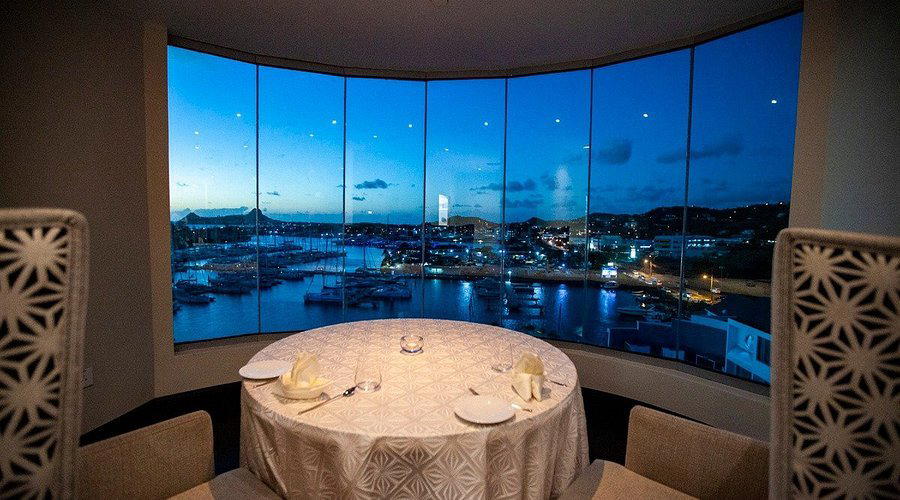
| The Coal Pot Restaurant | Caribbean Seafood Fusion | $30–50 | Vigie Marina |
| Martha's Tables | St. Lucian Creole | $20–30 | Soufriere |
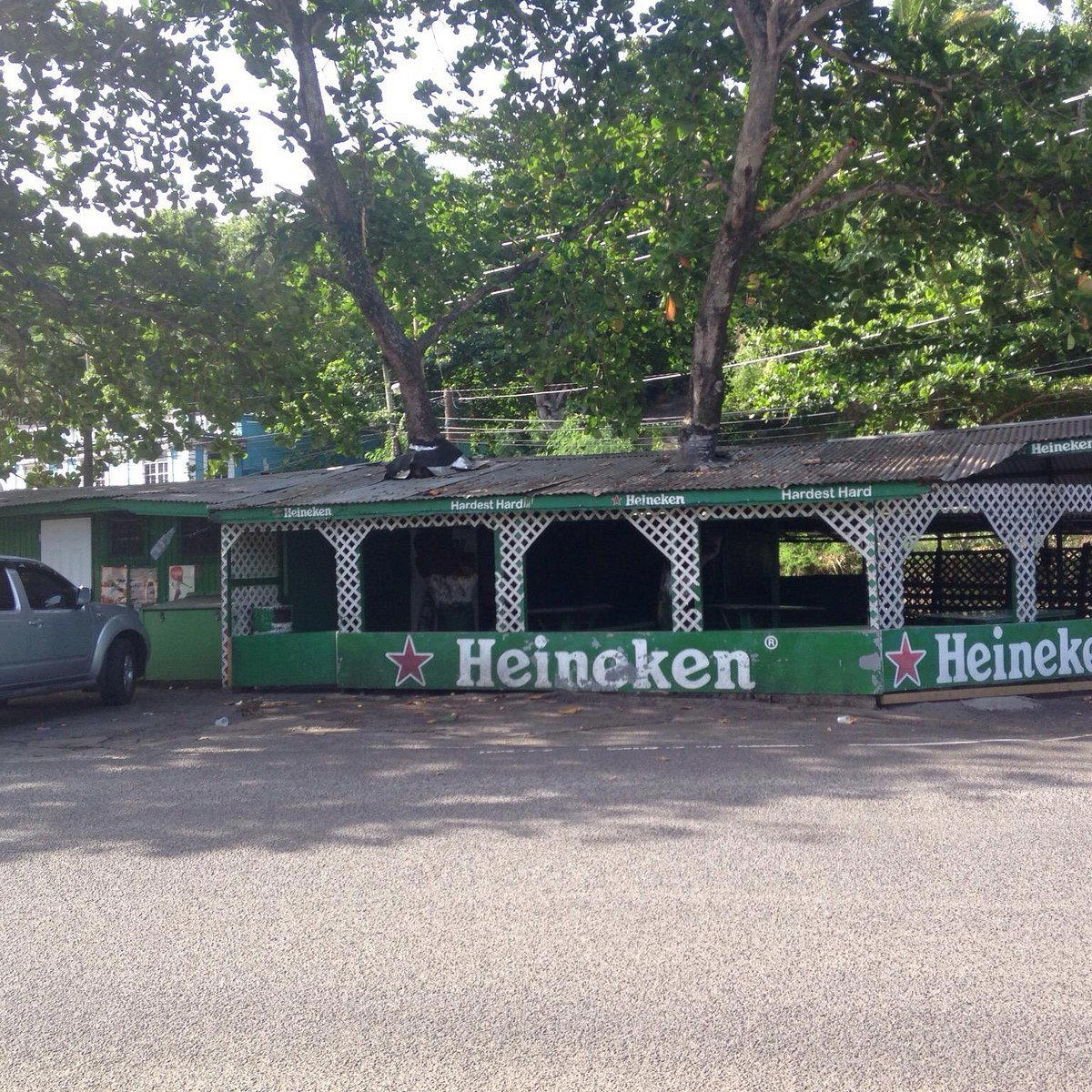
| Hardest Hard Restaurant & Bar | Authentic St Lucian Caribbean | Not listed | Charlotte |
| Orlando's Restaurant & Bar | Farm-to-Table Caribbean Creole | $50–100 | Soufriere |
Continue exploring
More in Soufriere
Restaurants in Soufriere
All restaurants in Soufriere →
Bars in Soufriere
Browse all →

Details
- Rustic
- Lively
- Casual Hangout
- Family
- Standalone
- Local Sourcing
- A La Carte
Current opening hours
- Monday
- 10 AM–10 PM
- Tuesday
- 10 AM–10 PM
- Wednesday
- 10 AM–10 PM
- Thursday
- 10 AM–10 PM
- Friday
- 10 AM–10 PM
- Saturday
- 10 AM–10 PM
- Sunday
- 10 AM–10 PM
Hours can change for holidays and private events. Hours as of .
Rustic and lively atmosphere with a relaxed, friendly local vibe.