Carnegie Hotel
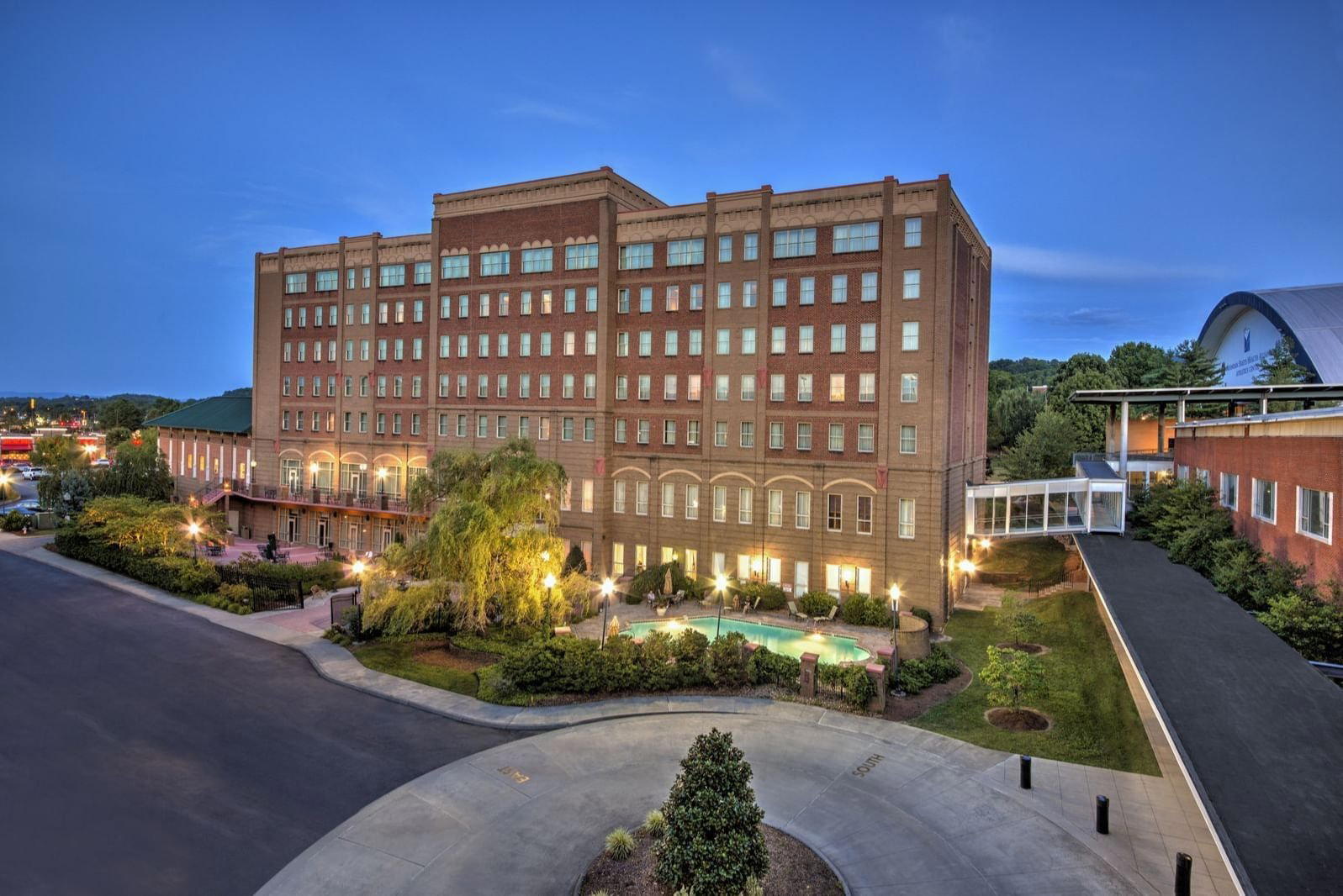
Carnegie Hotel occupies a distinct position in Johnson City's accommodation scene, drawing on architectural character that sets it apart from the chain properties dominating the surrounding corridor. The address on West State of Franklin Road places it within reach of the region's Appalachian trail network and downtown core, making it a practical base for travellers who want something with more considered design than a standard roadside option.

Pearl is the En Primeur Club membership app — saves, bookings, and concierge access live there. Same editors, same standards.
- Address
- 1216 W State of Franklin Rd, Johnson City, TN 37604
- Phone
- (423) 979-6400
- Website
- carnegiehotel.com
- Directions
- Get directions
Architecture as Argument: What Carnegie Hotel Says About Johnson City's Hospitality Direction
Across mid-size American cities, the accommodation market has long split between two poles: nationally flagged properties that offer predictability at the cost of character, and independent hotels that trade on a specific sense of place. Johnson City, Tennessee, sits in the upper reaches of the Appalachian highlands, a geography that has historically attracted hikers, cyclists, and travellers using the region as a base for the Blue Ridge Parkway and Appalachian Trail access points. For most of that history, the lodging infrastructure reflected the utilitarian demands of that visitor. Carnegie Hotel, at 1216 West State of Franklin Road, represents a different proposition — a property that positions itself through design and physical identity rather than brand affiliation. See our full Johnson City restaurants and hotels guide for broader context on what the city offers travellers.
Reading the Physical Space
The address itself is instructive. West State of Franklin Road is a commercial corridor, and the decision to anchor a design-conscious hotel there rather than in a converted historic downtown building reflects a particular approach to hospitality development in secondary American cities. Properties like Chicago Athletic Association or Troutbeck in Amenia derive their design identity from adaptive reuse of historically significant structures. Carnegie Hotel takes a different route, building its identity through programme and presentation rather than inherited architecture.
The Carnegie name carries cultural freight. The Carnegie institutions — libraries, concert halls, educational foundations, represent a specific strand of American civic ambition, one built around the idea that architecture and access to culture should be democratising forces. Whether that lineage is literal or aspirational in Johnson City's case, the reference sets a tone that distinguishes the property from the Marriott and Hilton supply that dominates the surrounding market. In a city where most accommodation choice is transactional, a hotel that frames itself through a name with cultural resonance is making a statement about who its guest is and what they are looking for.
Northeast Tennessee as a Context for Considered Hospitality
Johnson City sits within the Tri-Cities metro area, alongside Kingsport and Bristol, a region more commonly associated with NASCAR heritage, outdoor recreation, and Appalachian cultural traditions than with design-forward lodging. That context matters when assessing what Carnegie Hotel represents. The comparison class for a property like this in the region is not Amangiri in Canyon Point or Post Ranch Inn in Big Sur, properties built around extreme landscape and commanding significant nightly rates.
Properties like Blackberry Farm in Walland, roughly an hour to the southwest in the Smoky Mountain foothills, have demonstrated that the Appalachian region can support demand for accommodation with serious design and food credentials. That precedent has gradually shifted expectations across the broader area, creating space for properties in smaller cities to invest in quality without operating in isolation. Carnegie Hotel exists in a market that is, slowly, developing the appetite for something beyond the roadside chain option.
Where the Property Sits in the Broader American Independent Hotel Conversation
American independent hoteliers have operated in a complicated environment over the past decade. Soft brand collections from major flags have captured some of the demand that might otherwise flow to genuine independents, offering design differentiation with loyalty programme infrastructure underneath. Genuinely independent properties, those with no group affiliation and no safety net, occupy a harder position: they win on authentic character or they don't win at all. The Fifth Avenue Hotel in New York and Raffles Boston operate at the upper end of that independent or semi-independent tier, where design investment and food and beverage programming justify significant rate premiums. Carnegie Hotel operates in a different market segment, one where the local competitive set remains largely undifferentiated, and where even a moderate investment in physical environment can establish clear separation.
For travellers who have stayed at properties like Ambiente in Sedona, Sage Lodge in Pray, or Alpine Falls Ranch in Superior, the appeal of a property that treats its physical environment seriously in a non-resort context is familiar. Johnson City is not a destination in the sense that those locations are, but the same preference for considered design over anonymous brand standards applies, and Carnegie Hotel addresses it within its local market.
Planning Your Stay
West State of Franklin Road connects readily to both Interstate 26 and the downtown Johnson City grid, placing Carnegie Hotel within practical range of the city's dining and cultural infrastructure, as well as the trailheads and recreational access points that draw most visitors to the region. Travellers arriving by air typically route through Tri-Cities Regional Airport, roughly fifteen minutes from the property. Given the absence of current booking information in public records, contacting the property directly for availability, rate, and reservation details is the most reliable approach. The hotel's positioning suggests it draws a mix of business travellers working in the Tri-Cities market and leisure visitors using Johnson City as a base for Appalachian outdoor access. Those planning around peak season, particularly autumn when Appalachian foliage attracts significant regional traffic, should factor in lead time accordingly.
At-a-Glance Comparison
| Venue | Price | Awards |
|---|---|---|
| Carnegie HotelThis venue — the venue you are viewing | Not listed | Not listed |
| Aman New York | Not listed | 3 Michelin Keys · World's 50 Best #87 |
| Amangiri | $1,000–1,500 | 3 Michelin Keys · World's 50 Best #45 |
| Hotel Bel-Air | $750–1,000 | 3 Michelin Keys · World's 50 Best #57 |
| The Beverly Hills Hotel | Not listed | 3 Michelin Keys · World's 50 Best #65 |
| The Carlyle, A Rosewood Hotel | $1,500–2,500 | 2 Michelin Keys · World's 50 Best #64 |
Continue exploring
More in Johnson City
Hotels in Johnson City
Browse all →
Restaurants in Johnson City
Browse all →
Wineries in Johnson City
Browse all →
Details
- Classic
- Elegant
- Romantic
- Cozy
- Sophisticated
- Romantic Getaway
- Business Trip
- Weekend Escape
- Historic Building
- Wi Fi
- Pool
- Fitness Center
- Spa
- Room Service
- Concierge
- Business Center
- Valet Parking
- Wheelchair Accessible
- Elevator
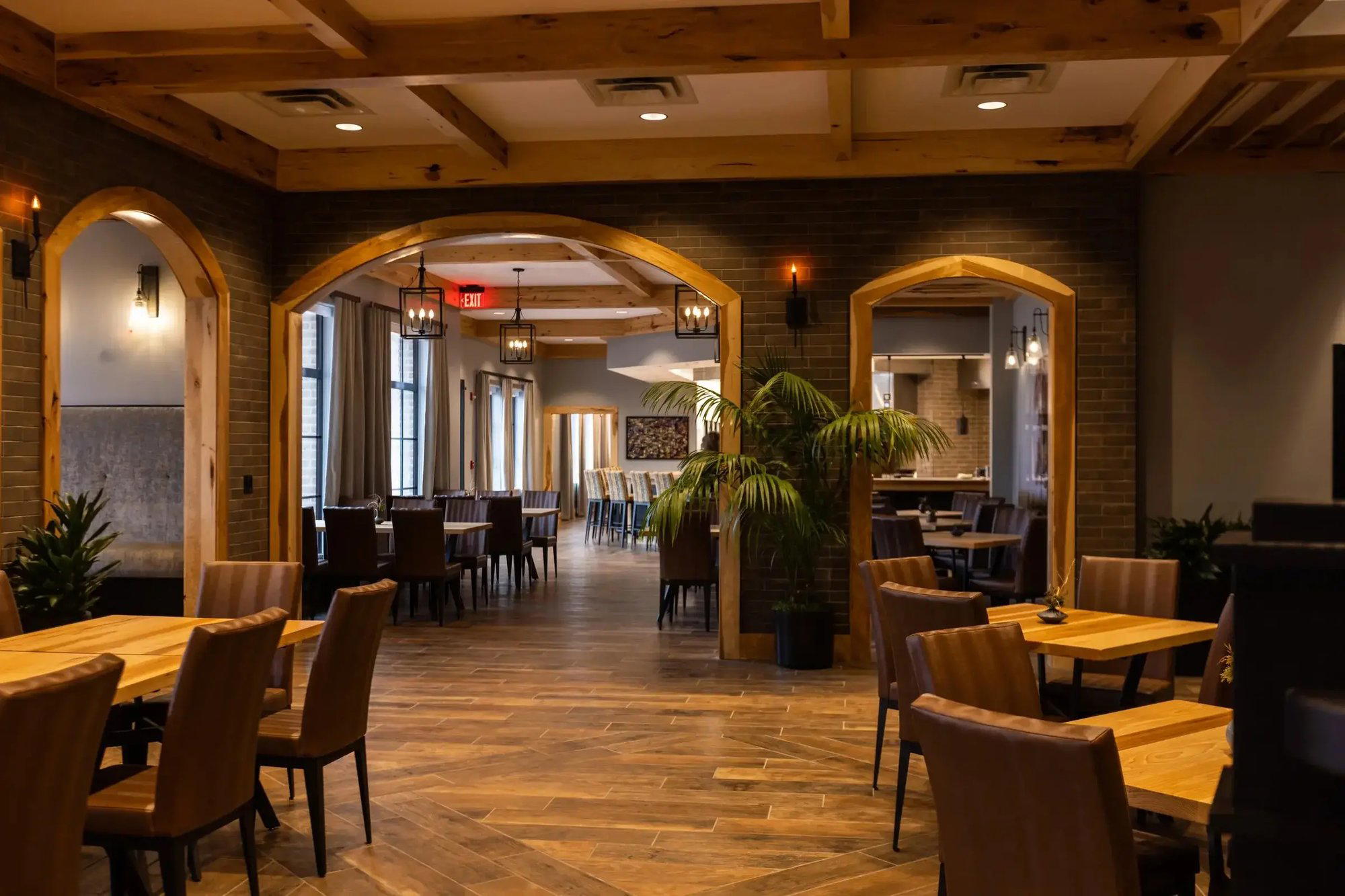
Ornate lobby with antique furnishings, fireplace, and Baroque decor creating a serene, upscale Southern charm atmosphere.